Sep 12, 202610 min read
Inside La Rioja: Spain's Premier Wine Region Sponsored by
Sep 12, 2026
10 MIN READ

Writer
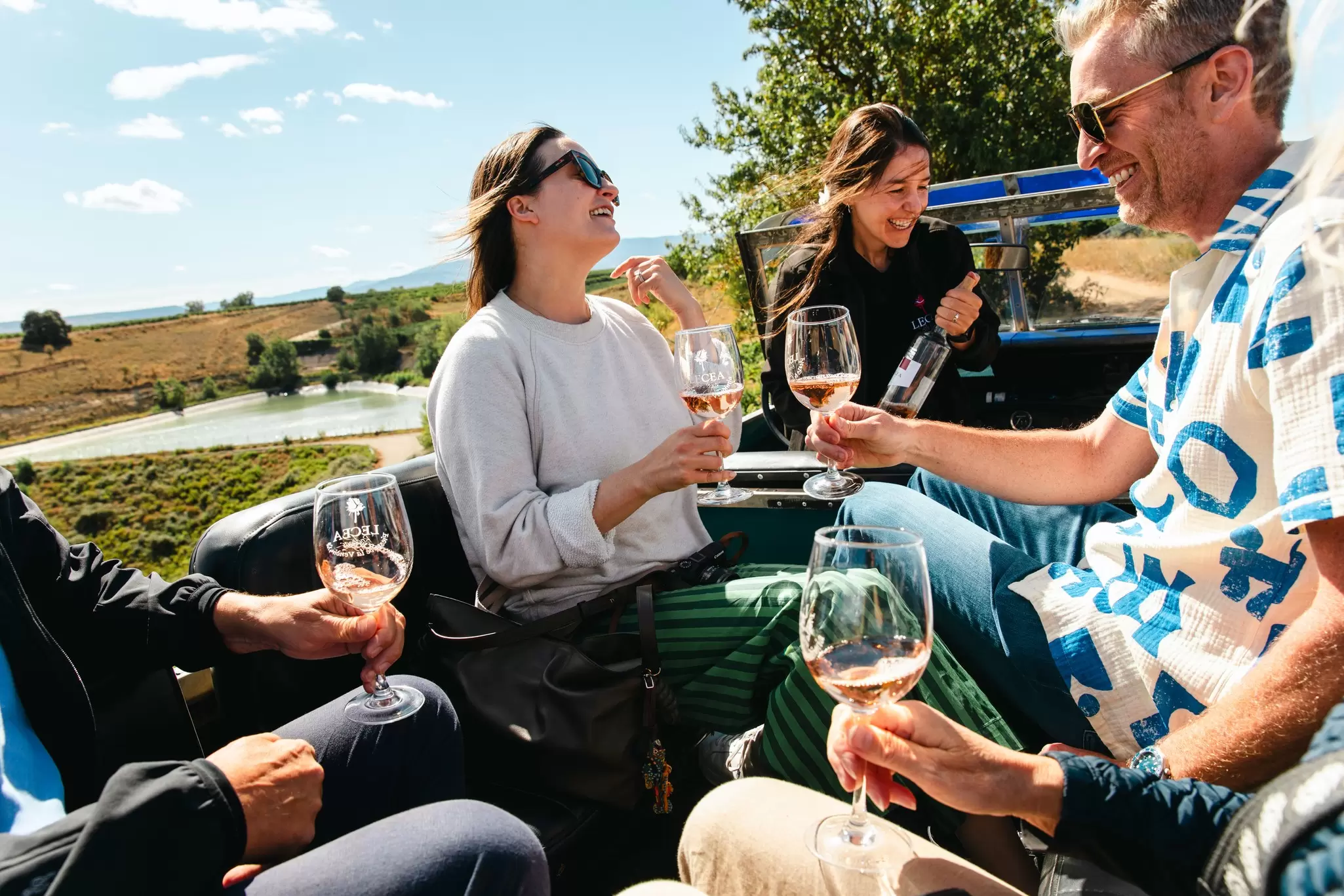
Bodegas Lecea, La Rioja, Spain. Andrea Arevalo for Lonely Planet.

Writer
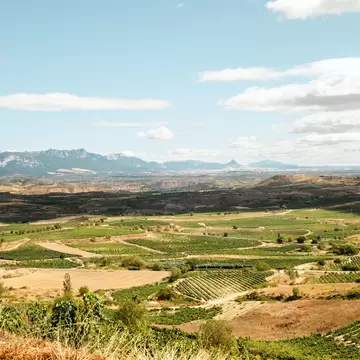
For wine lovers, the word Rioja may bring to mind the balanced, fruity flavor of the region’s famous reds. This temperate zone in northern Spain has a wine-making history extending back to Roman times, and for many locals, life revolves around the vines. Located 100km south of Bilbao, at the fringes of the Basque Country and Navarra, La Rioja is imbued with a blend of Spanish and Basque cultural influences, and has a climate perfectly suited to producing world-renowned wines.
With hundreds of wineries along the banks of the Río Ebro, the river that flows through the Riojan capital of Logroño, this region is known for the sheer variety of vineyards to visit. From wineries with cutting-edge architecture to atmospheric wine cellars in medieval subterranean tunnels, La Rioja offers options for tours and tastings at wineries large and small, traditional and modern. The Riojan landscapes of rolling hills form a romantic backdrop for evenings spent sipping and snacking at the tapas bars lining the narrow streets of the area’s beguiling villages.
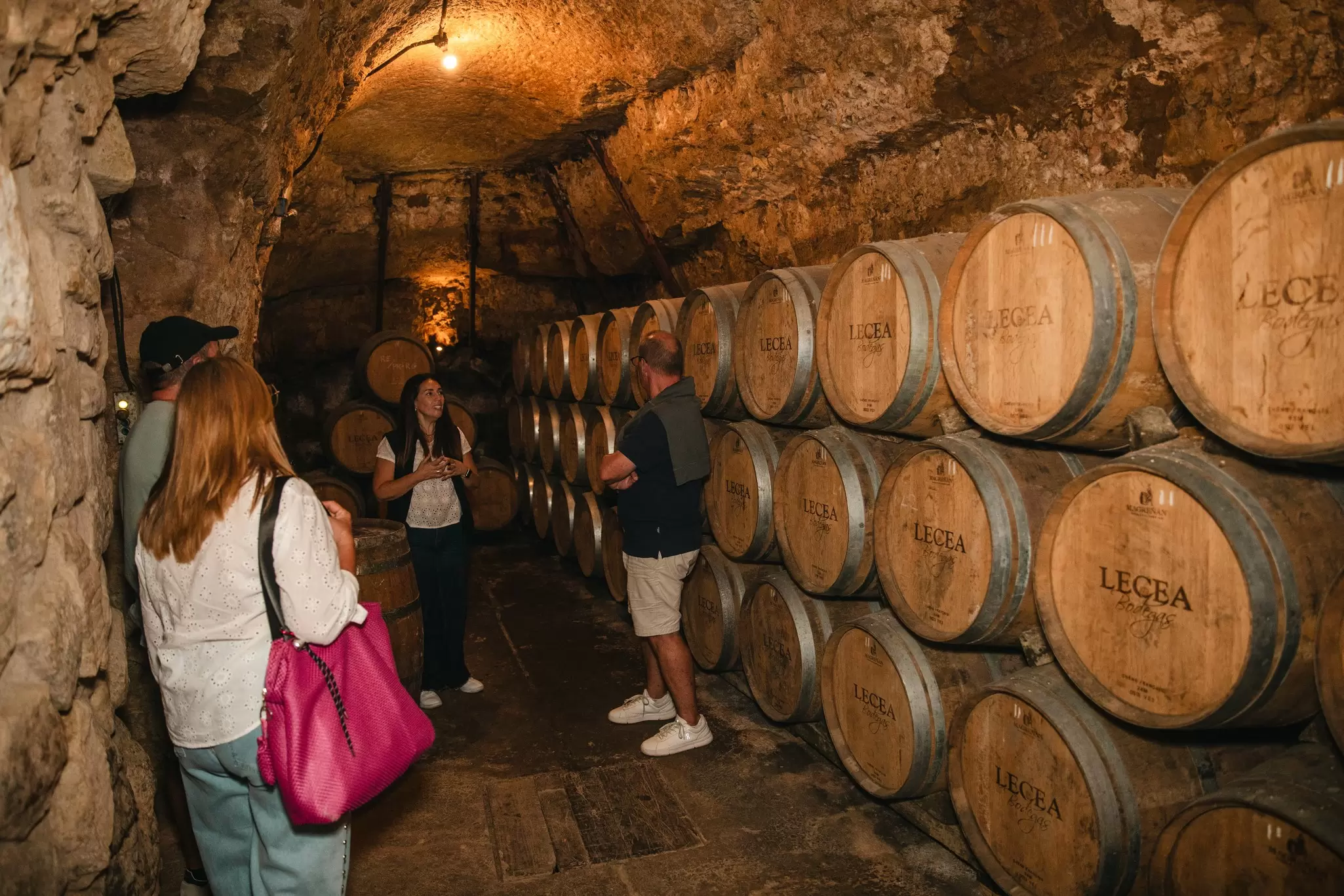
Get hands-on in the vineyard with a vine-pruning or grape-stomping experience at Bodegas Lecea a traditional, family-run winery in San Asensio. Learn about the history of La Rioja’s wine on a tour of 16th-century wine caves, carved into the rock more than 500 years ago, then taste the bodega’s signature Clarete. You can also tour the vineyards by bike.
In Haro’s Barrio de la Estación, Bodegas Muga is a traditional, family-owned winery. Guided tours explain the winery’s artisanal wine-making process and include a peek inside the oak barrel-making workshop, the only one of its kind in the region. You can even book a flight over the vines in a hot-air balloon. Tastings include the winery’s light pink Rosado.
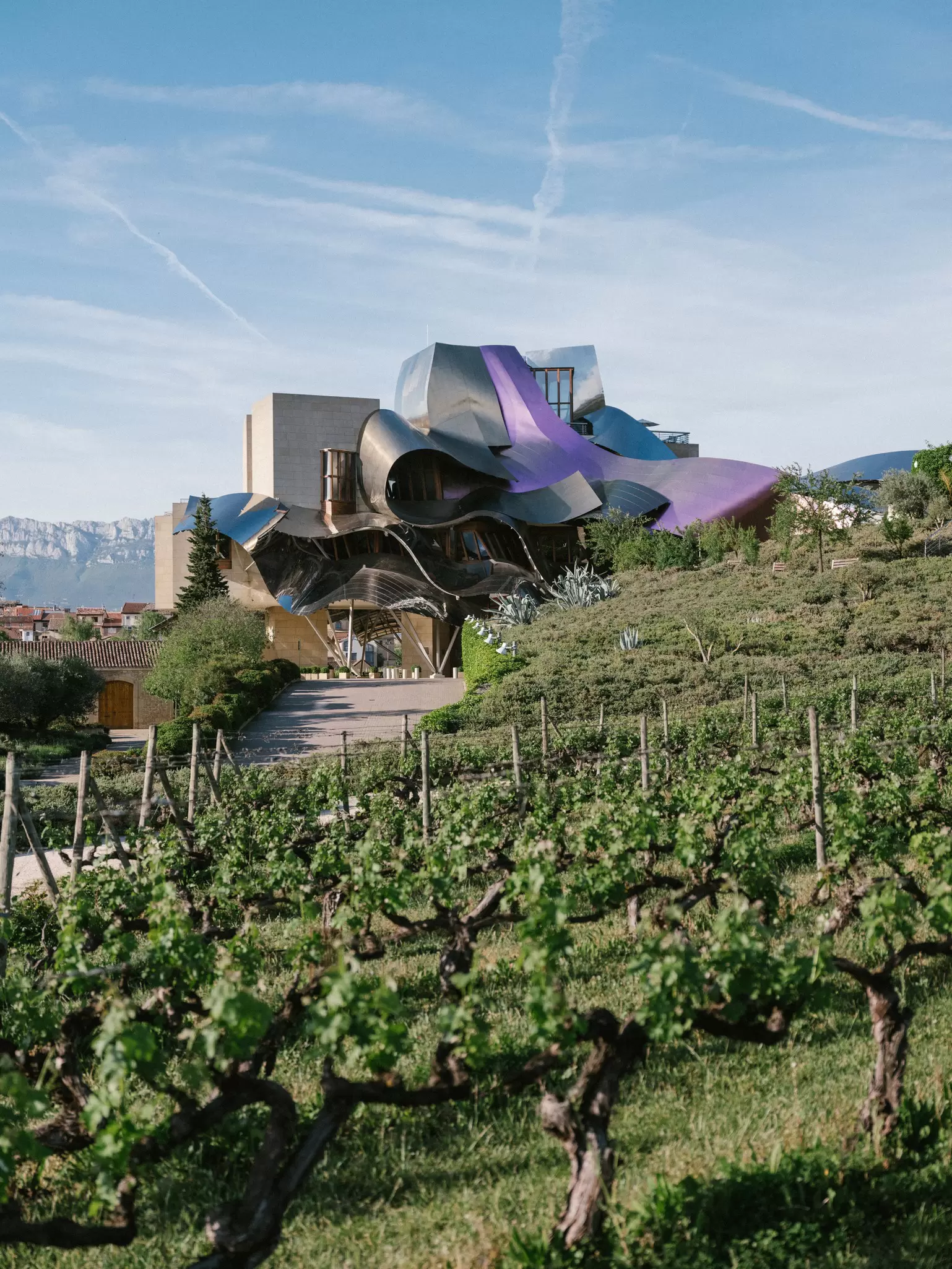
The medieval village of Elciego in Rioja Alavesa is the location of the Marqués de Riscal winery, notable for its remarkable, Frank Gehry-designed hotel. You can view the cutting-edge architecture (reminiscent of Gehry’s Guggenheim Museum in Bilbao) on a guided vineyard tour.
Overlooking the village of Briones, Vivanco is home to one of the world’s best wine museums, which tells the story of the history and culture of wine-making in La Rioja, offers sensory experiences of the smells of the region’s wines, and displays treasures such as Picasso-designed wine jugs and Roman mosaics dedicated to Bacchus. You’ll also see the winery’s innovative underground barrel store.
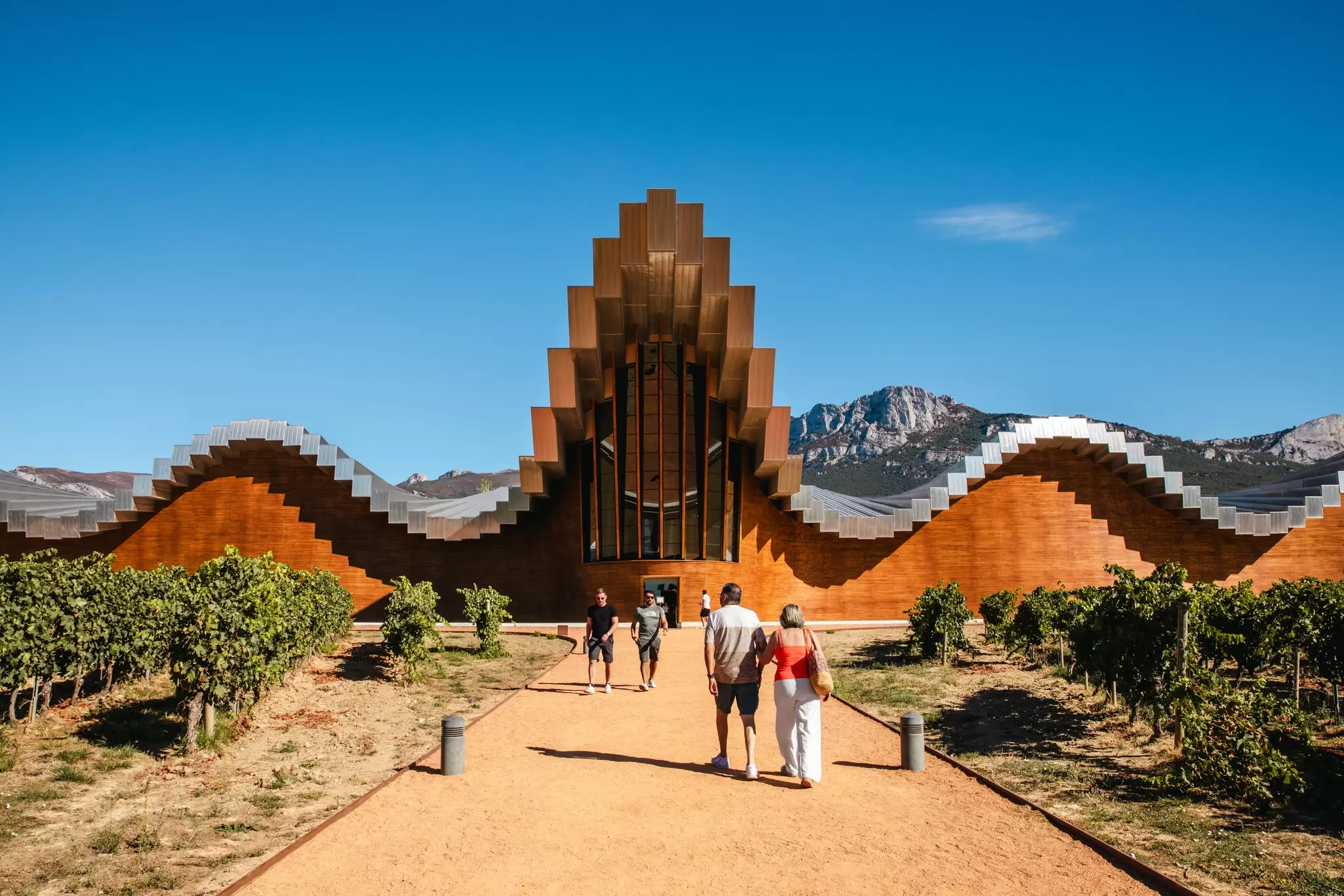
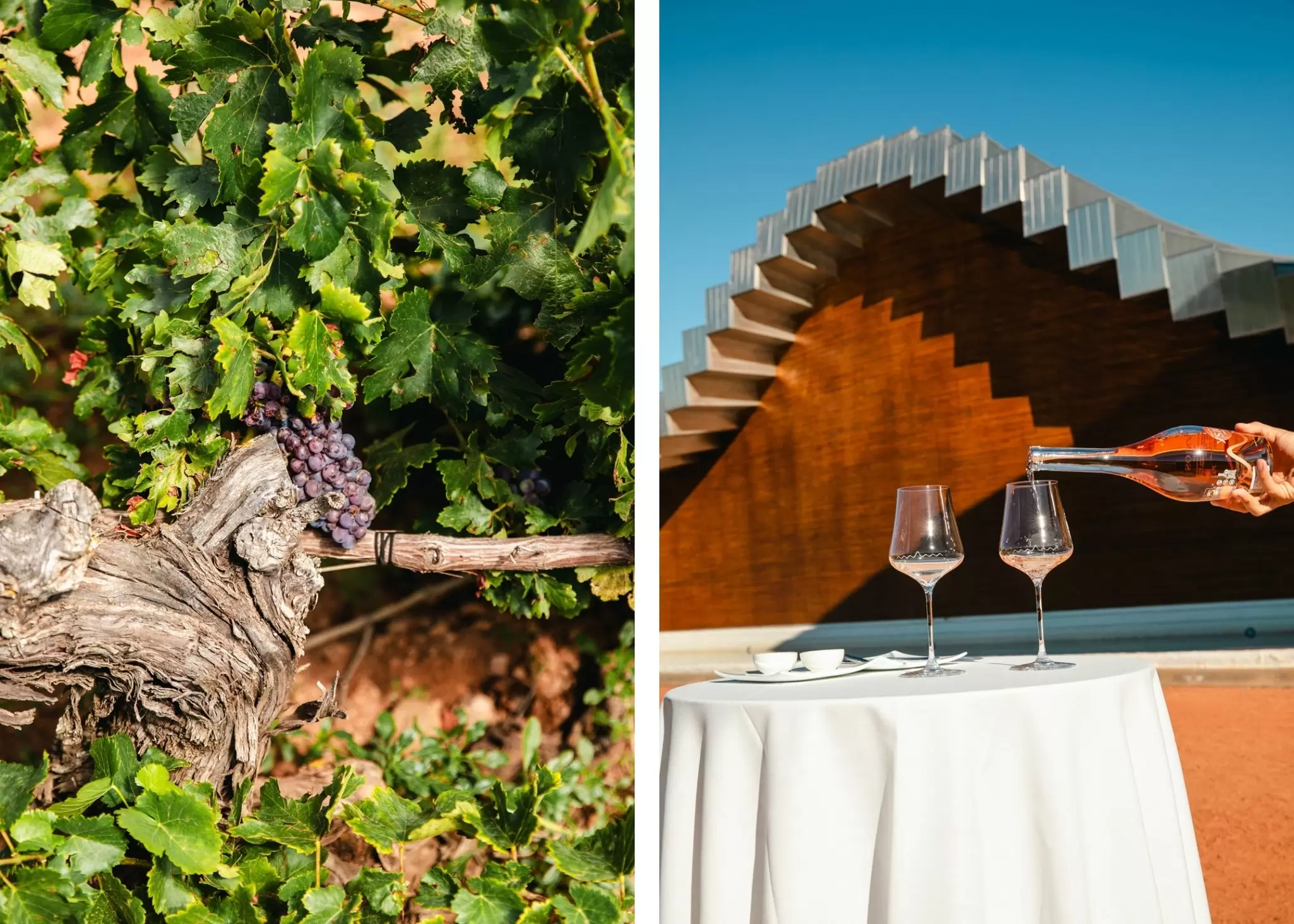
Sip Tempranillo in the spectacular barrel room wine bar at Bodegas Ysios, an innovative winery with a beautiful architectural design and an undulating roof that reflects the mountainous landscape. It’s located on the outskirts of Laguardia in Rioja Alavesa.
Benedictine monks once made wine at Barón de Ley's 16th-century monastery vineyard in Mendavia in Rioja Oriental. These days it is notable as a producer of Verdejo. Contact the winery to arrange a visit.
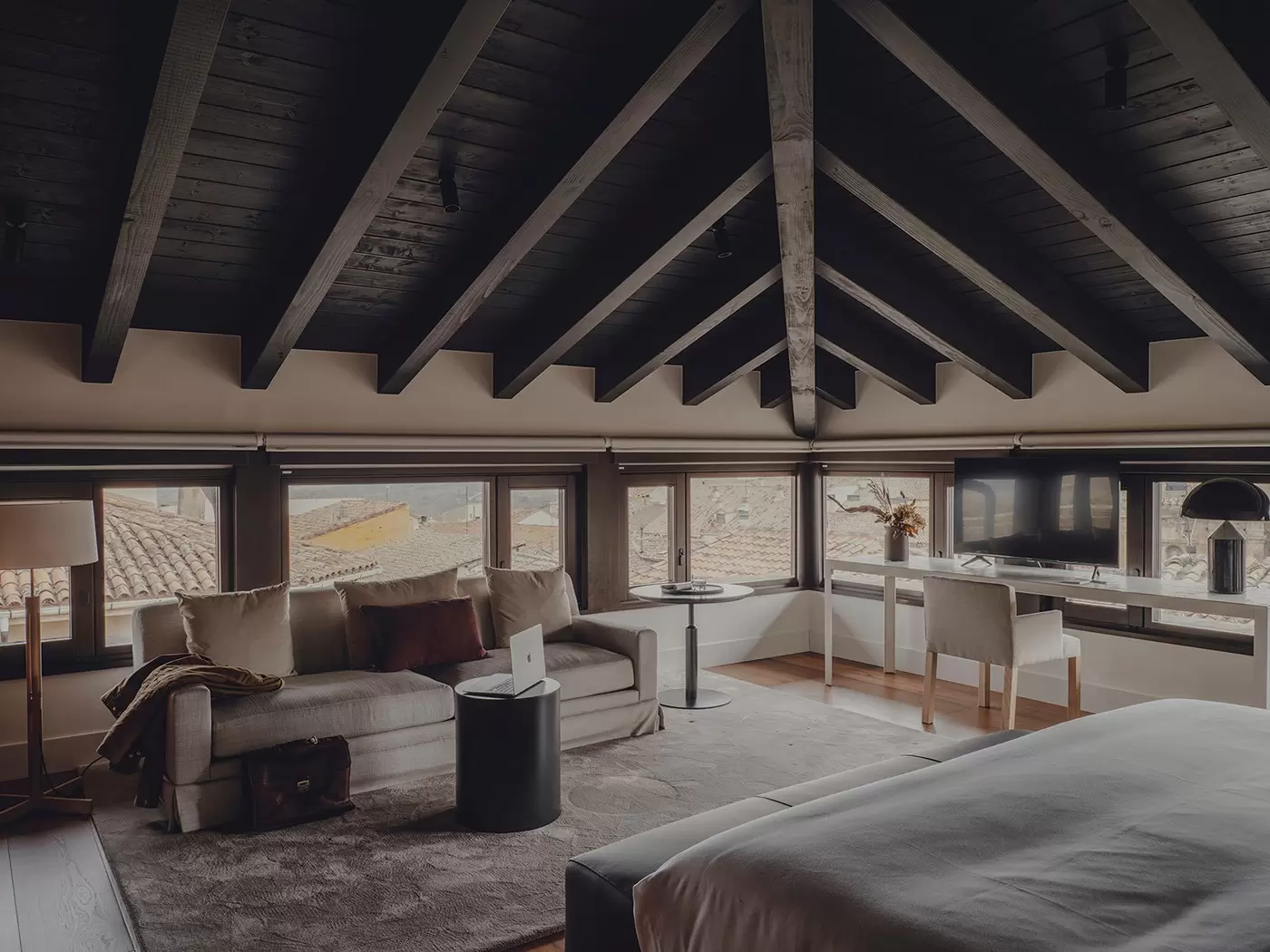
Located in the center of Haro, within walking distance of several wineries, Tinto Dreams Hostel has modern rooms, including shared dorms with bunks, plus a guest kitchen and lounge.
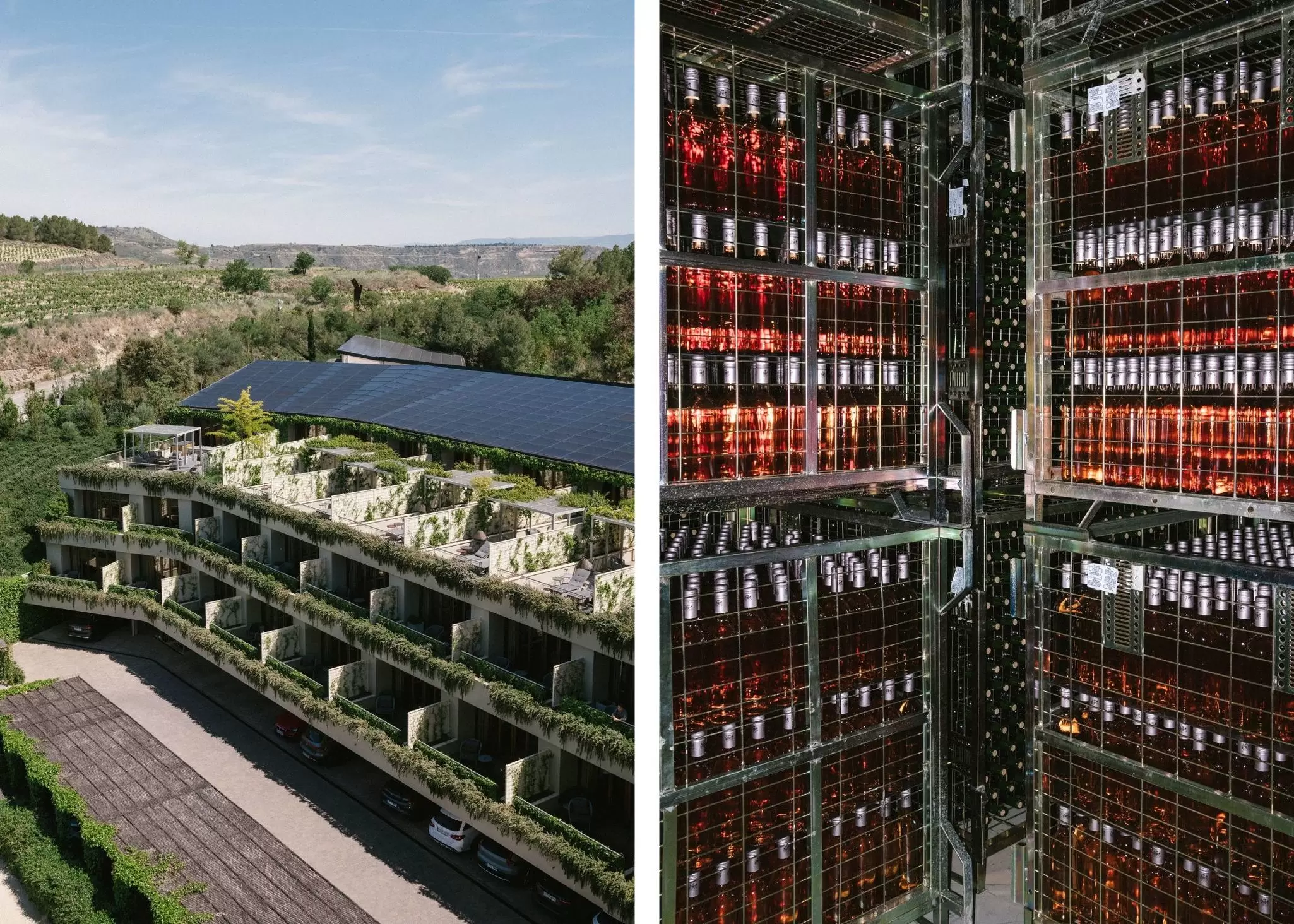
In the village of Villabuena in Rioja Alavesa, Hotel Viura has avant-garde architecture. The 35 rooms are in irregular Brutalist concrete blocks, stacked like a sculpture to afford views over the vineyards.
For elegant rooms with period features in a restored 16th-century manor, stay at the Santa María Briones in Rioja Alta. The hotel restaurant, Allegar, serves contemporary takes on traditional Riojan dishes, prepared with local ingredients.
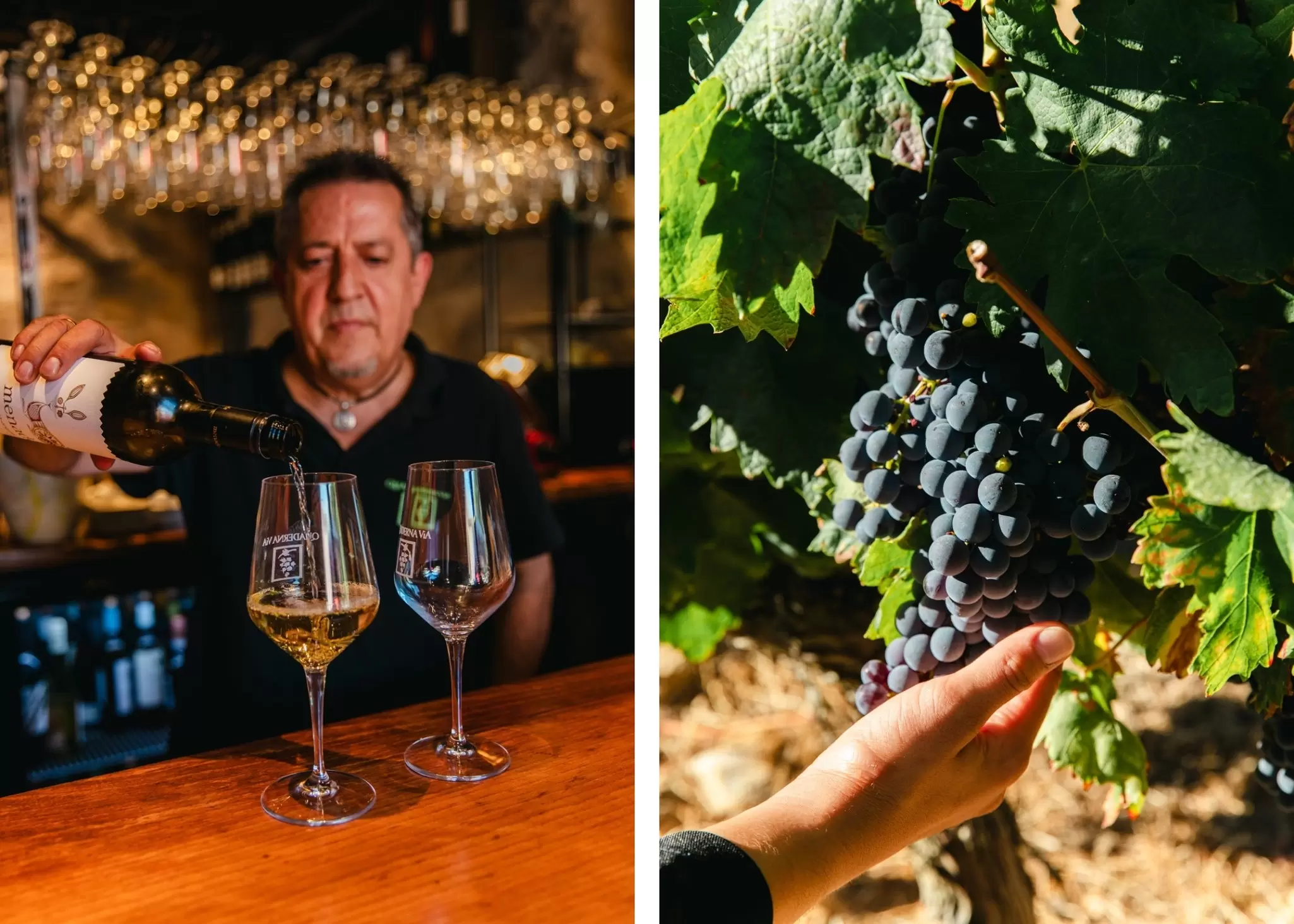
While La Rioja is the name of a province and autonomous community in Spain, Rioja DOCa is also the name of the official Qualified Designation of Origin (DOCa) wine region, which extends beyond the borders of La Rioja political and administrative district. DOCa Rioja includes areas of the Basque province of Álava and the autonomous community of Navarra within its three official zones: Rioja Alta (the area to the west, located in La Rioja province), Rioja Alavesa (the Basque area to the north and south of the river Ebro) and Rioja Oriental (the eastern zone, which includes areas of La Rioja and Navarra).
The best time to visit the vineyards is during the grape harvest in September and October. Amid colorful fall foliage, you can join in with activities like grape picking and stomping, and see the most interesting stages of the winemaking process in action. The spring months are another pleasant time to visit, with warm weather but fewer crowds than during the peak summer months of July and August. On June 29, Haro celebrates the Batalla del Vino (Wine Battle), which involves soaking fellow festival-goers with wine. A similar event takes place in San Asensio in late July, when Clarete wine is the weapon of choice during the Batalla de Clarete.
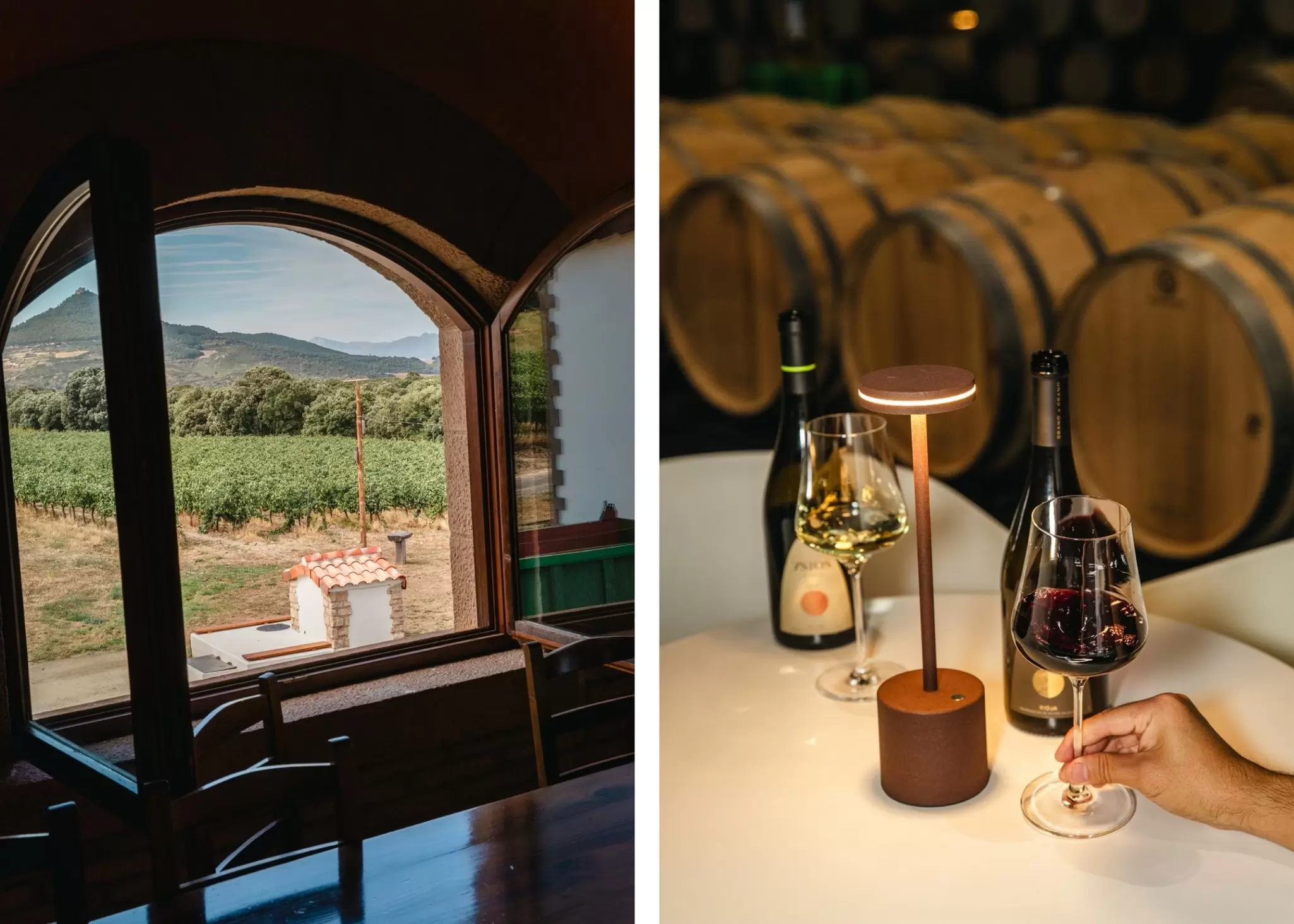
Spend at least 2 nights in La Rioja, but with your own transport, it’s possible to visit several vineyards in just 1 day. Many worthwhile wineries are located in the area between Haro in Rioja Alta and Laguardia in Rioja Alavesa, which are just a 30-minute drive apart. With 3 days, there is plenty of time to visit Haro and Laguardia as well as wineries in the villages of Briones, San Asensio and Elciego. If you’re pressed for time, stick to Laguardia, a charming medieval village with a number of wineries, located just a 20-minute drive west of Logroño.
The closest international airport to La Rioja is Bilbao, where you can hire a car and drive around 90 minutes south to the vineyards. Driving is the easiest and most efficient way to get around La Rioja, but you’ll need to nominate a member of your party to skip the tastings and take the wheel (Spain has a legal blood alcohol limit of 0.5 grams per liter). Alternatively, you can book a vineyard tour with transport included; try Rioja Trek, based in Logroño. Another option is to arrange a taxi to take you around the wineries. Several local companies offer day rates.
Bus services between La Rioja’s villages are limited, so getting around by public transport takes some planning. From Haro town center, it’s a 1km walk to the wineries of El Barrio de la Estación, and several vineyards can be reached on foot from the village of Laguardia. Pilgrims walking the Camino de Santiago pass vineyards on their way from Logroño to Nájera.
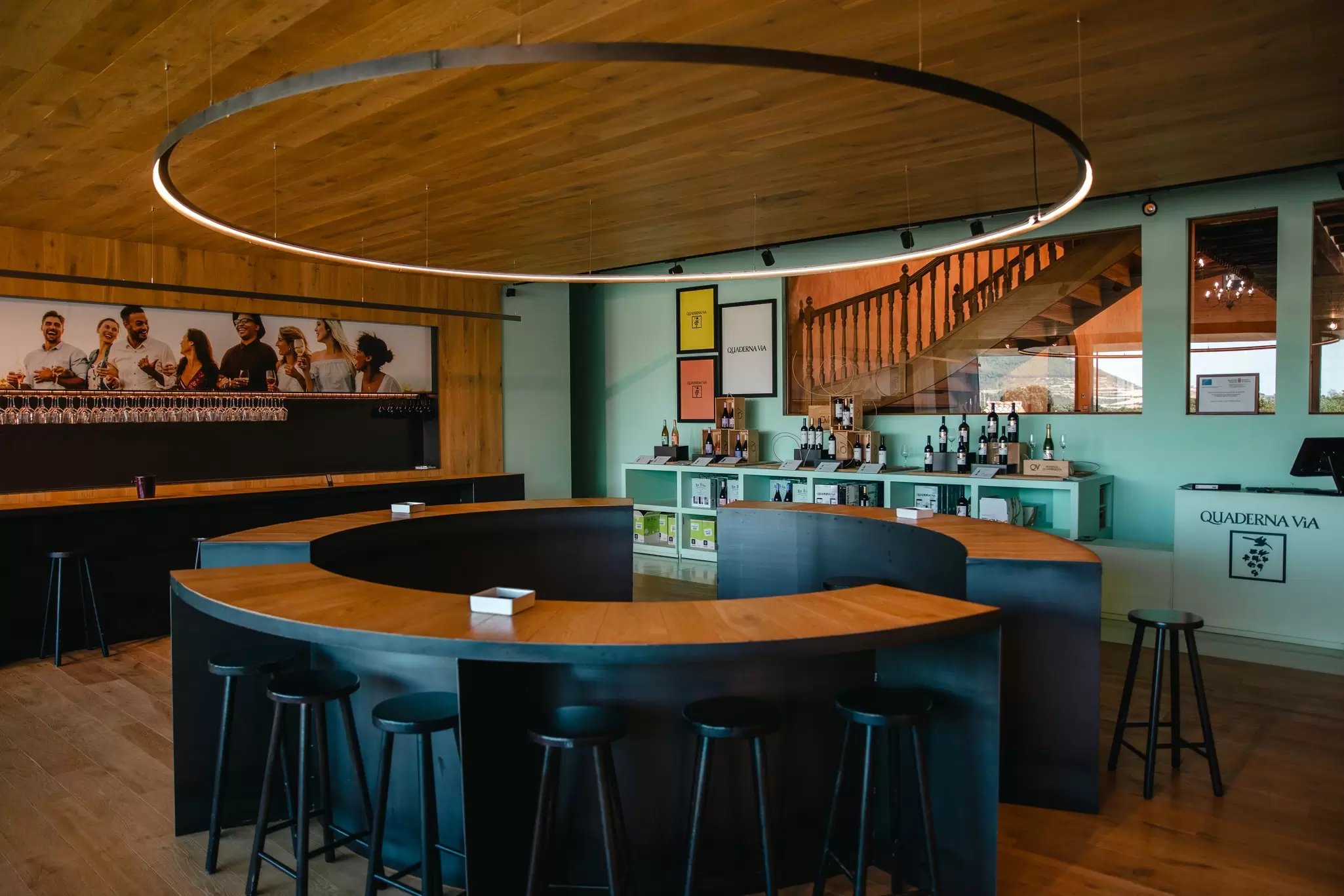
Most wineries in La Rioja offer guided tours that explain the wine-making process, followed by tastings of two or three of their wines, sometimes accompanied by snacks such as local cheese and charcuterie. You can also buy bottles to take away. Some wineries have their own restaurants.
Most wineries require advance reservations, particularly for tours in English. In many cases you can find tour times and book online via the winery’s website; it’s best to do so at least 2 weeks before your visit. Some smaller wineries ask that you contact them by phone or email to arrange tastings and tours. Bodegas with their own bars often offer tastings without advanced reservations; if in doubt, call ahead.
The majority of La Rioja’s wines are bold reds made with the region’s signature grape, the autochthonous Tempranillo, and aged in oak.
The grapes: The Tempranillo tinto variety accounts for almost 90% of La Rioja's red grapes. Garnacha tinta grapes are also used, particularly in the warmer Rioja Oriental production zone. Graciano, Mazuelo and Maturana tinta grapes may also be used in blends.
The profile: Young Tempranillo wines tend to be fruity with strawberry notes, while aged Tempranillos have notes of vanilla, licorice, dried fruit and tobacco. Garnacha grapes add floral notes and a peppery flavor profile.
Riojan whites may be light and fresh or full-bodied and heady, depending on the aging process.
The grapes: Viura is La Rioja’s most widely-grown grape variety, accounting for almost 70% of the region’s white grape production. A total of eight other grape varieties may be used to make Rioja blancos.
The profile: Young Rioja whites tend to be acidic, with subtle stone-fruit and floral notes. Aged Rioja blancos have caramelized fruit, hazelnut and honey notes.
Both pale pink in color, Clarete and Rosado from La Rioja have different production processes. Clarete is made with a blend of red and white grapes, which are fermented together in their skins and vinified like red wine. In contrast, Rosado is made from red grapes using a process in which the skins make contact with the juice for just long enough to add a touch of color.
The grapes: Clarete is usually made from a blend of Viura and Tempranillo or Garnacha. Rosado may be made with any red grape (typically Tempranillo).
The profile: Rosados are fresh, light and fruity, while Claretes have more weight, similar to a dark rosé or a very light red wine.
La Rioja produces both white and rosé sparkling wines under the DOCa. Although espumosos account for a small percentage of the region’s wine production, sparkling wines from vineyards such as Vivanco are highly regarded.
The grapes: Maturana Blanca, Tempranillo Blanco and Viura. Sparkling rosés must be made with a minimum of 25% red grapes, which are usually Tempranillo or Garnacha.
The profile: Expect flavors of citric fruits, peaches and dried fruits, and a saline minerality.
Rioja DOCa wines are categorized according to strict production criteria. Crianzas are aged for 2 years or more, including at least 1 year in oak barrels. Reservas are aged for a minimum of 3 years, including at least 1 year in the barrel and 6 months in the bottle. Gran Reservas are made with grapes from exceptional harvests and are aged for a minimum of 5 years, including 3 years in the barrel and 2 in the bottle. Wines categorized under the generic Rioja DOCa include young wines as well as experimental wines that may be high-quality vintage wines but which do not meet the DOCa criteria.
Explore related stories