Oct 3, 202613 min read
The Best Things to Eat and Drink in EgyptOct 1, 2026
10 MIN READ
Contributors
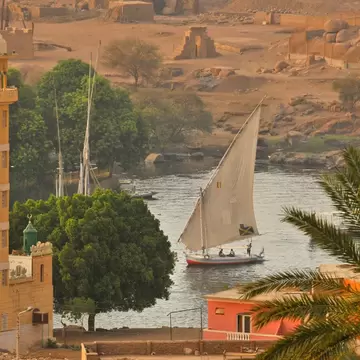
A felucca boat sailing on the River Nile near Aswan, Egypt. Peter Seaward for Lonely Planet

Contributors


Monica Gerges, Lonely Planet Editors
Highlights
Writer Monica Gerges shares her top tips for seeing Egypt on a budget.
Fly into Luxor, Aswan or Hurghada rather than Cairo to halve your airfare.
Save money by being choosy about optional extras, like the additional fee to enter the Great Pyramid.
Find inexpensive beds in hostel dorms, simple hotels and beach camps on the Red Sea coast.
Eat local, ride buses and buy the Cairo and Luxor passes to save while you explore.
Lonely Planet may earn a commission from affiliate links on our site. All recommendations and reviews reflect our own independent opinions.
Few places serve up as many top-tier sights and experiences as Egypt, but you don't need a budget fit for a pharaoh to see the pyramids or cruise along the Nile. Budget travelers are often surprised at how much you can get for your money when exploring this land of deserts, ancient ruins, sparkling beaches and timeless bazaars.
While some visitors opt for an updated version of the luxury experience depicted in Agatha Christie's Death on the Nile, this is entirely optional. With a little research and planning, it's easy to see the best of Egypt for as little as US$50 per day.
If you opt for local food, travel by bus or train and embrace the hostel life, you can see sights from the Pyramids of Giza to the temples of Abu Simbel on a budget, and still have something left for the odd treat. Here are our top tips for enjoying Egypt on a budget.
Unlike destinations on the European side of the Mediterranean, Egypt sees its busy season (and highest prices) during the mild winter months, from October to February, when the lower temperatures are better for sightseeing. The cheapest time to visit is during the summer from June to August – prices for hotels and flights drop significantly, though daytime temperatures can exceed 40°C (104°F).
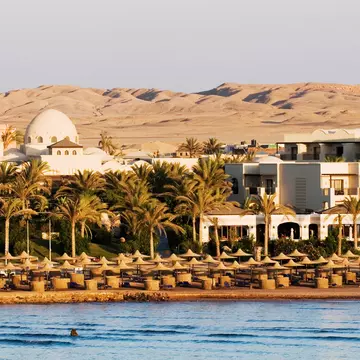
However, at beach resorts on the coast, prices remain high through the summer thanks to the appeal of sun, sea, sand and scuba diving. Visit during the shoulder season from March to May and during September for a good balance of manageable temperatures and affordable prices.
To some extent, this depends on what you want to do when you get here. A trip focused on diving in the Red Sea or guided adventures in the desert will inevitably cost more than sightseeing independently and getting around by public transportation.
Looking at the cost of a hostel bed or a room in a budget hotel, prices for meals at local restaurants, admission costs to the big historic sights and museums and prices for local transport, here are some starting costs for a budget trip to Egypt.
Solo traveler: US$50–70/day
Couple: US$60–120/day
Family of four: US$100–200/day
Your costs will vary depending on where you are and what you do, but here are some sample prices for common items in US dollars.
Hostel dorm bed: US$4–15
Budget hotel room: US$20–40
Self-catering apartment or Airbnb: US$40-100
Five-star hotel or beach resort: US$150–200
Local-style breakfast of fuul medames (fava bean paste) and ta’amiyya (fava bean falafel): from US$1
Dinner at a local restaurant: US$10-20
Cup of local-style coffee: US$1–3
Beer at a bar: US$2–3
Metro ride: US$0.20–0.40
Short taxi ride: around US$5
Ticket price for ancient sites and museums: US$4–20
To save on accommodations in Egypt, choose shared hostel dorms, beach camps along the coast, or basic local-style hotels (found almost everywhere). Sharing rooms with multiple single beds is a great way to save money if you’re traveling with friends.
In Cairo, it's worth paying a little more to stay centrally, to avoid spending lots of time in the capital's notorious traffic. Ride-hailing apps and public transport can get you to the sights for less than the price of a tour or a standard taxi.
Most destinations frequented by tourists have hostels where you can find a bed, a shared bathroom and a locker for your valuables. In Cairo, Holy Sheet Hostel is a traveler favourite, while budget travelers in Luxor favor Bob Marley Peace Hotel for its location near the train station. In Alexandria, try Ithaka Mansheya Hostel on the Corniche; in Hurghada, Bedcoin Hostel is a reliable choice if you want to save your pennies for diving and snorkeling. Over in Dahab, Sindbad Camp is a classic Bedouin-run beach camp.
In Cairo, try Pyramids Overlook Inn for a low-cost Giza view, or Eileen Hotel for a handy location close to good restaurants in the center. Luxor's Nefertiti Hotel has Nile views from the terrace, while Aswan's Mango Guesthouse has a calm location on Elephantine Island. On the Red Sea coast, Sharm El Sheikh's Camel Diving is a good option for divers watching costs.
In Egypt, the sky is the limit if you crave a little luxury, but there are also some top-end bargains. In Cairo, Steigenberger Hotel El Tahrir offers quality rooms in a great location near the Egyptian Museum at a not-too-painful price. In Luxor, it's worth digging deep for a stay at the Poirot-worthy Winter Palace Hotel, reopening under Mandarin Oriental management in 2027.
With Egypt's amazing historic sights and museums, it makes sense to balance free and budget activities with trips to the must-see sights (even if this adds a bit to your costs).
There are certain sights you absolutely shouldn't miss, but you can find cheaper ways to tick off these top-tier locations.
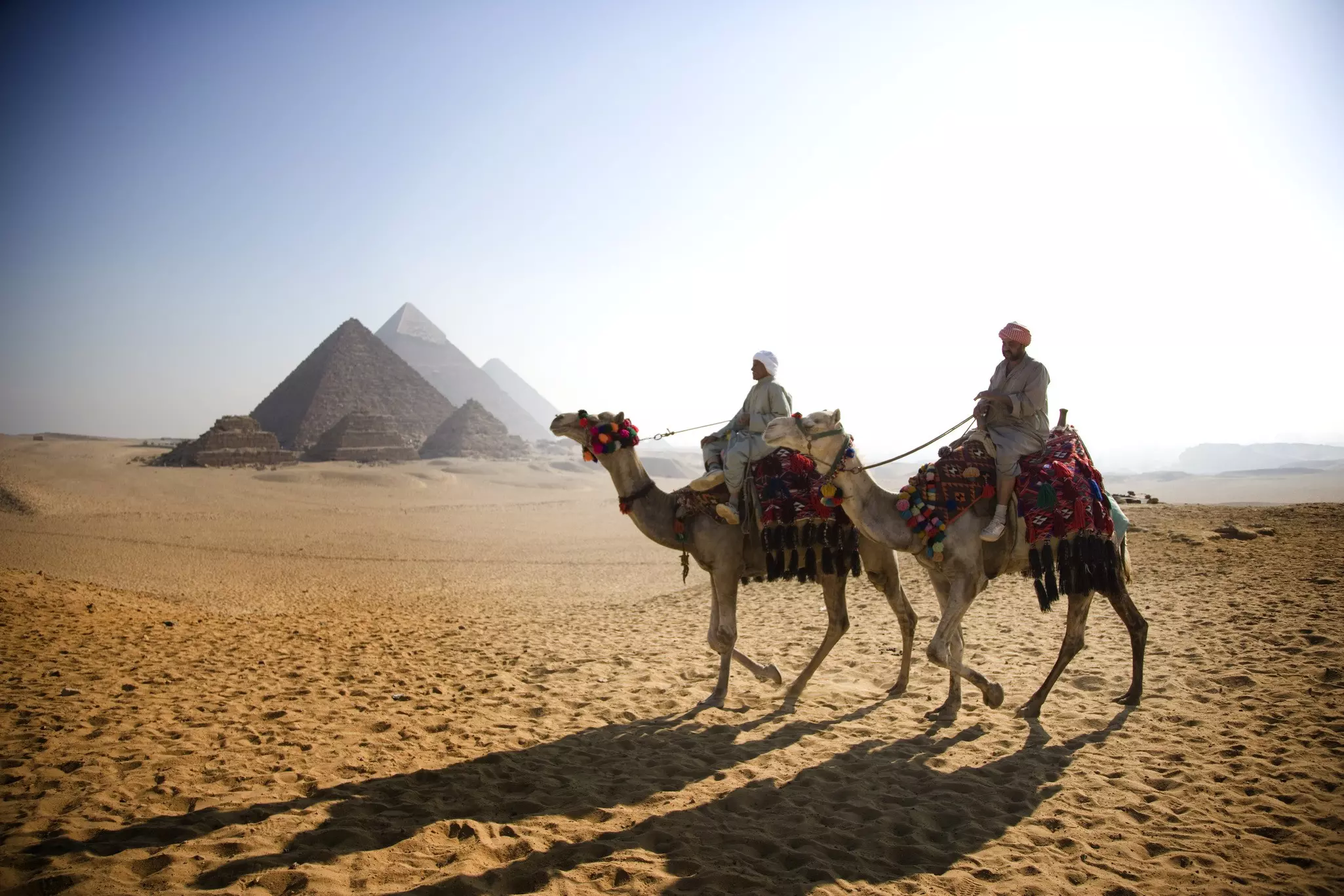
Pyramids of Giza, Cairo – adult entry 700 Egyptian pounds (LE). The entry fee to the Giza plateau lets you view the pyramids, Sphinx, temples and other ruins from outside, and there's loads to see, even if you don't pay extra to enter the pyramids. Students with an ISIC card get half-price entry. Exploring on foot is cheaper than visiting by horse or camel, and staying in Giza will cut down your transport costs. Worth it upgrade: entering the Pyramid of Khafre or Pyramid of Menkaure costs LE280, compared to LE1000 for the Great Pyramid.
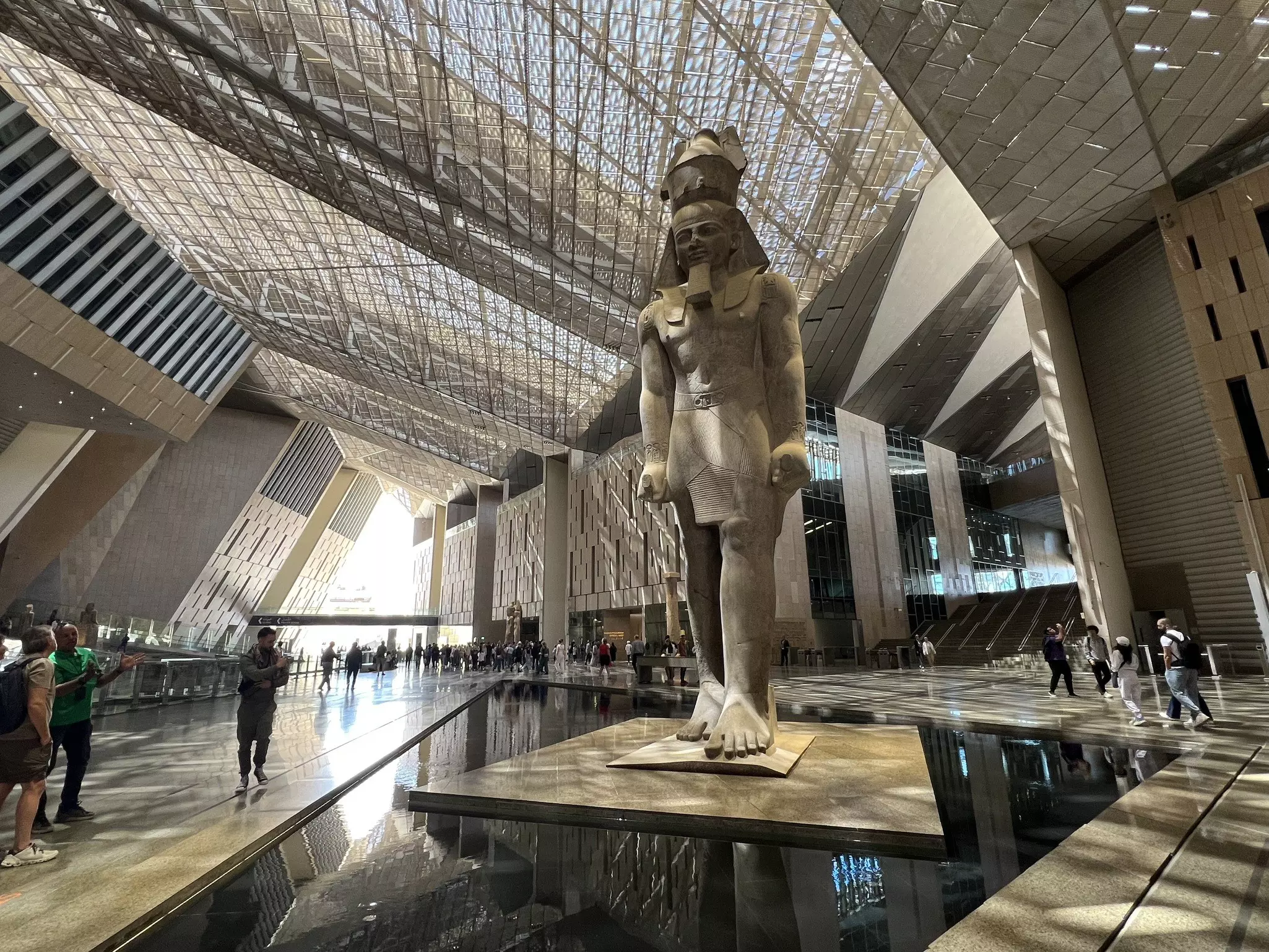
Grand Egyptian Museum, Cairo – adult entry LE1830. The high entry fee is worth it for the treasures in this landmark museum, but students get half-price entry. Many of Egypt's most impressive artifacts are displayed here, but for a cheaper dose of history, check out the older (but still impressive) Egyptian Museum in the center, where admission costs just LE550.
Valley of the Kings, Luxor – adult entry LE750. Take advantage of student discounts of 50%, and visit early in the day to beat the crowds. Skip the extra charge to view Tutankhamun's tomb (its treasures are displayed in Cairo), and save money by taking the public ferry across the Nile and renting a bike to cycle to the site. Worth it upgrade: consider paying the extra fee to view the tomb of Ramesses V and VI; it's lower than the fee for Tut's tomb, and the interior is much more impressive.
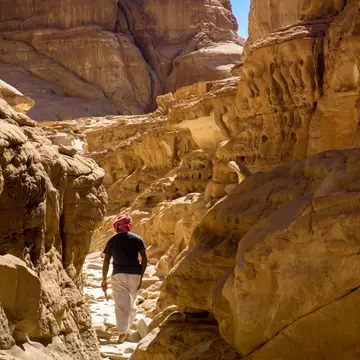
Hike the Sinai – Egypt's most famous hikes cross the dry mountains of the Sinai Peninsula, particularly around St Katherine's Monastery. You'll need a Bedouin guide for hikes such as the 4–5 hour trip to the summit of Mt Sinai (Gebel Musa), but budget trips can be arranged through local operators such as Sheikh Mousa near the monastery.
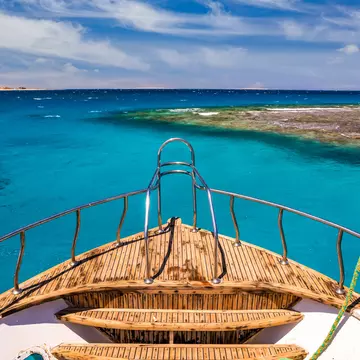
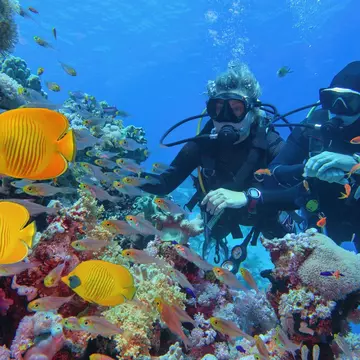
Snorkeling in the Red Sea – snorkeling around the Sinai Peninsula is much cheaper than diving. Snorkeling trips by boat cost from U$20, or you can rent gear for around US$5. Dahab is the ideal budget hub for snorkelers; with rental gear, head to the famed Blue Hole, accessible directly from the shore. Marsa Alam is another good spot for lower-cost reef adventures.
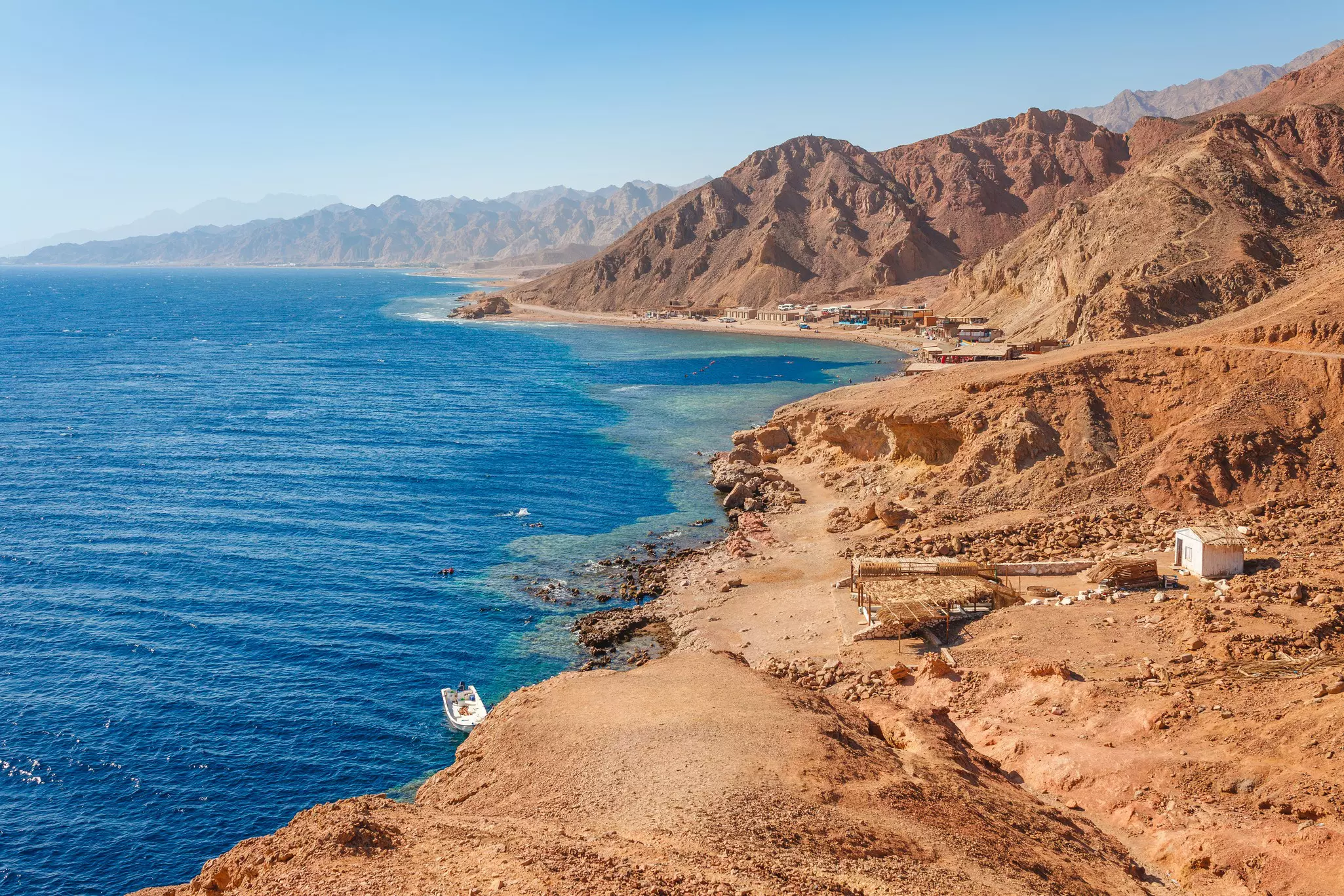
There's plenty more to see and do in Egypt for not too much outlay.
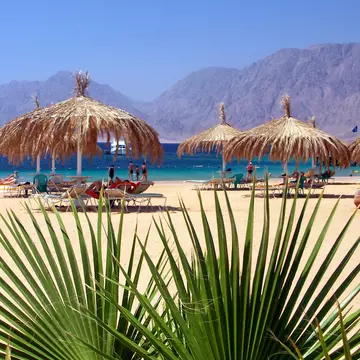
Enjoy the beaches of Dahab – the backpacker resort of Dahab is a great spot to find cheap accommodation for days enjoying sand and sea.
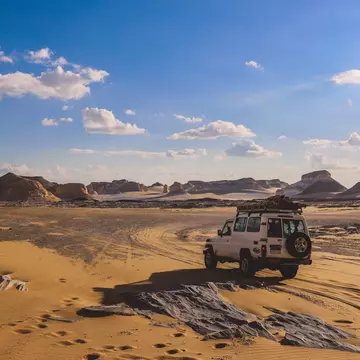
Wander Siwa Oasis – this remote outpost near the Libyan border is a hub for desert walks, bathing in salt pools and exploring the ruins of the mud-brick Shali Fortress for free.
Explore the West Bank at Luxor – the site of ancient Thebes on the west side of the Nile is dotted with free-to-visit ruins and monuments, small villages and green farmland; rent a bicycle for a taste of rural life.
Take a felucca cruise along the Nile – floating along the Nile can be expensive and luxurious, or affordable and atmospheric; look for budget operators offering 3-day no-frills trips between Luxor and Aswan.
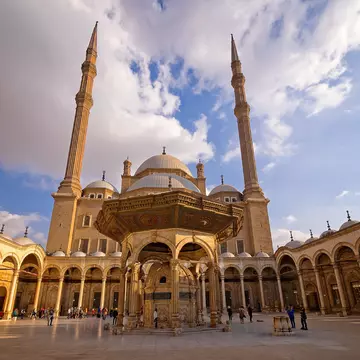
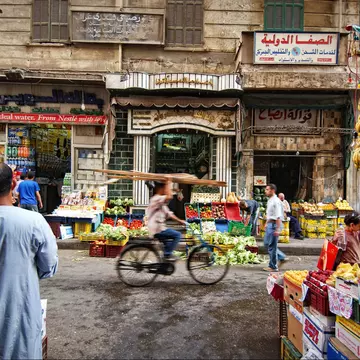
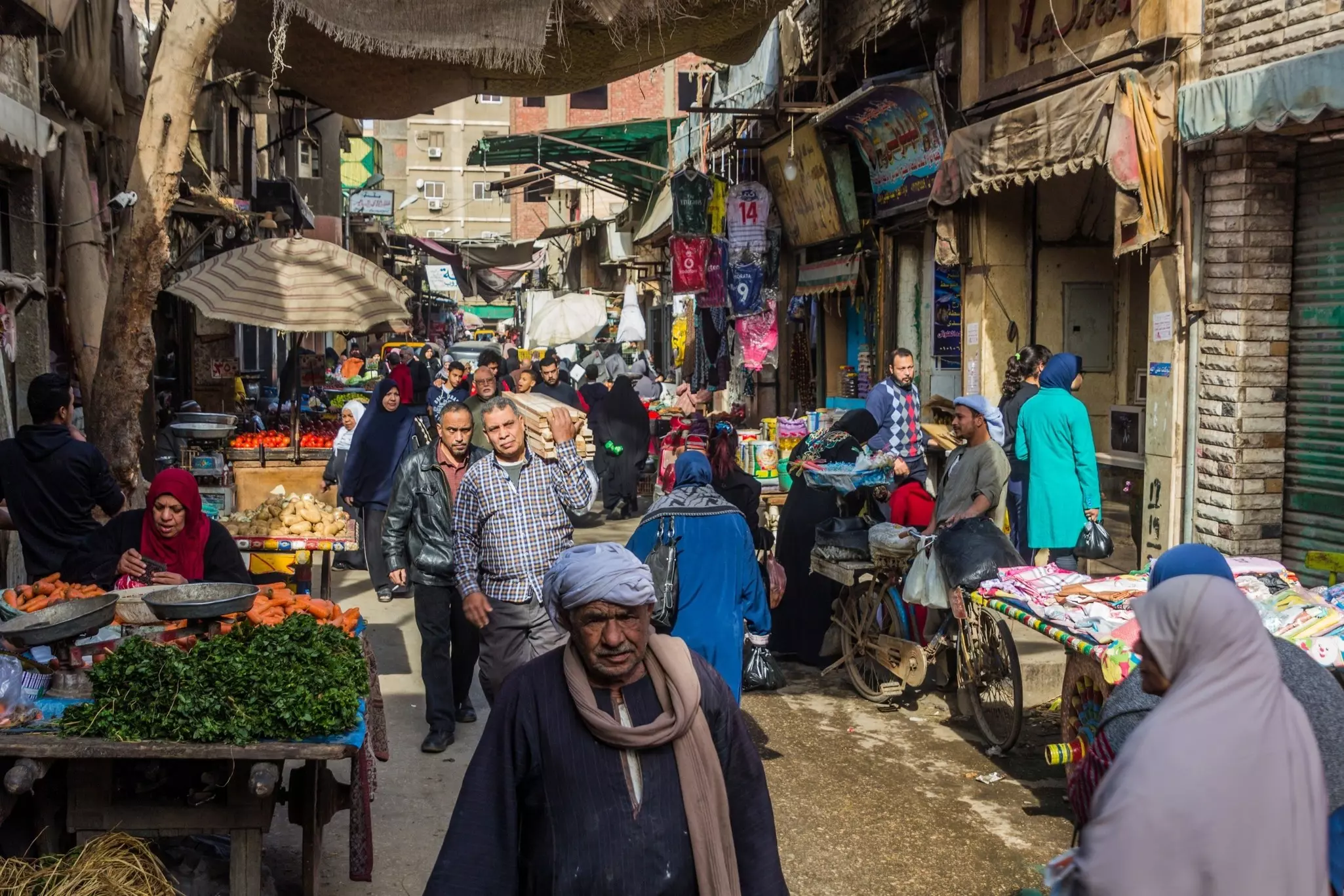
Wander Cairo's bazaars – if you can resist the sales pitches of eager souvenir vendors, the bazaars of Cairo are free to explore, and the maze-like alleys are dotted with historic mosques and inexpensive spots to eat.
Beyond the generous savings offered to students with an ISIC card, if your Egypt itinerary includes a lot of museums and archaeological sites around Cairo and Luxor, it makes financial sense to buy a Cairo Pass and a Luxor Pass.
The Cairo Pass gives access to most of the ancient sites and museums in Cairo and Giza for US$130. It's valid for 5 days, with unlimited entries to sites such as the Egyptian Museum and the pyramids of Giza, Saqqara and Dahshur, but it doesn't cover the Grand Egyptian Museum. You can purchase a pass at the Egyptian Museum, the Giza Plateau or the Citadel.
In Luxor, the standard Luxor Pass (US$130) gives you access to all archaeological sites on both the east and west banks of the Nile, except for the tombs of Seti I and Nefertari, which are included in the more expensive premium Luxor Pass (US$250). You can purchase the Luxor Pass at Karnak or the Valley of the Kings.
To buy a pass, you'll need your passport, two photocopies of your passport, two passport photos and the exact cost of the pass in cash. Travelers with valid student IDs get 50% off the pass price.
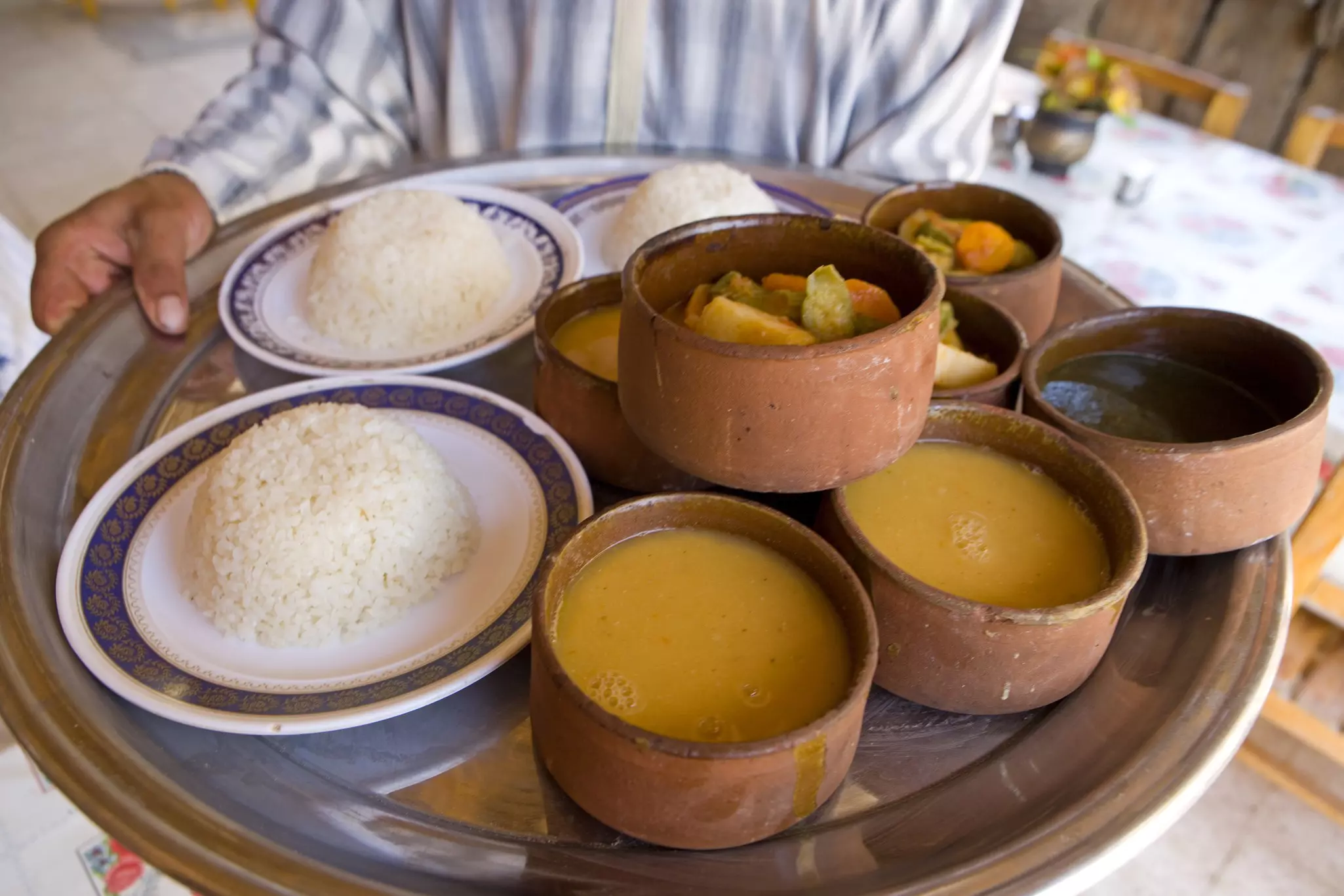
Food plays an important role in Egyptian culture, and there's no better way to learn about local life than by eating your way through Egypt's hearty cuisine. Egyptian food tends to be cheaper than international food, and you'll find a huge array of delicious options for breakfast, lunch and dinner. Look out for lines of locals queuing at hole-in-the-wall restaurants serving fuul medames, ta’amiyya and kushari (noodles, lentils, onions and tomato sauce).
In big cities such as Cairo and Luxor, street food vendors offer many delicacies for you to choose from, including plenty of vegetarian and vegan options. You can often find a complete meal on the go for as little as US$2, and meals in simple sit-down restaurants are not hugely more expensive. If you have a kitchen in your accommodations, pick up fresh fruit and vegetables from the carts dotting every street to make a meal.
Securing a cheap flight to Egypt is your gateway to a budget-friendly trip, and if you have destinations on your Egypt itinerary beyond Cairo, you might be able to save hundreds by booking a flight into Luxor, Aswan, Hurghada, Sharm El Sheikh, Marsa Alam or Alexandria.
When getting around inside Egypt, taking the bus or train costs less than hiring a private vehicle with a driver or flying. Trains run along the Mediterranean coast and follow the Nile, with branch lines to outlying towns; however, fares are no longer the bargain they once were following the introduction of higher prices for foreigners (payable in foreign currency or by credit card) in 2022.
Nevertheless, taking the train is still a great way to explore, not least for the views. The 10-hour daytime train trip from Cairo to Luxor costs US$40–85, compared to around US$150 if you fly on EgyptAir. If time is short, look for cheap flight deals on Nile Air or take the overnight train; sleeper fares from Cairo to Luxor start at US$110, and you'll save the cost of a night's accommodation.
In Egypt's bigger cities, public transportation is usually frequent and inexpensive. The Cairo Metro charges astonishingly low fares and public buses and commuter trains are also economically priced. Cairo has many companies running public bus services, but Mwasalat Misr is the most reliable and its routes are fairly easy to navigate.
Sign up for the Lonely Planet newsletter for more travel tips and hacks.
Book your Egypt trip with Lonely Planet Journeys
See Egypt how it's meant to be seen
Planned by local experts and tailored to you, Lonely Planet Journeys handles the logistics so you can just enjoy the trip. Tell us what you want and we'll build your Egypt itinerary from scratch, or browse our bookable trips to get inspired.


Explore related stories