Jul 28, 202610 min read
A Guide to the Grand Egyptian Museum, GizaFeb 10, 2026
7 MIN READ

Writer
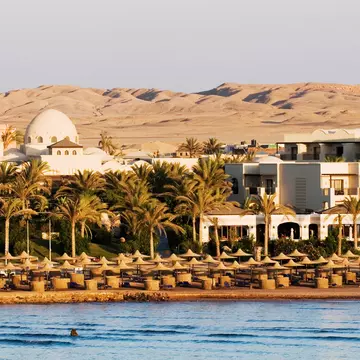
Hurghada, Egypt. Anton Petrus/Getty Images

Writer
Lonely Planet may earn a commission from affiliate links on our site. All recommendations and reviews reflect our own independent opinions.
When many people think of Egypt, they think of tombs and temples, mummies and pyramids. Walking the path to see the Sphinx might end up being the most vigorous activity in an itinerary packed with museums and archeological sites. But if you step away from the history tours, you’ll discover something very different: Egypt is brimming with outdoor adventures.
This guide to Egypt’s best activities – both at the sea and on dry land – highlights experiences that are deeply connected to nature and organized by locals, guaranteeing that you'll come away with authentic stories and lasting memories.
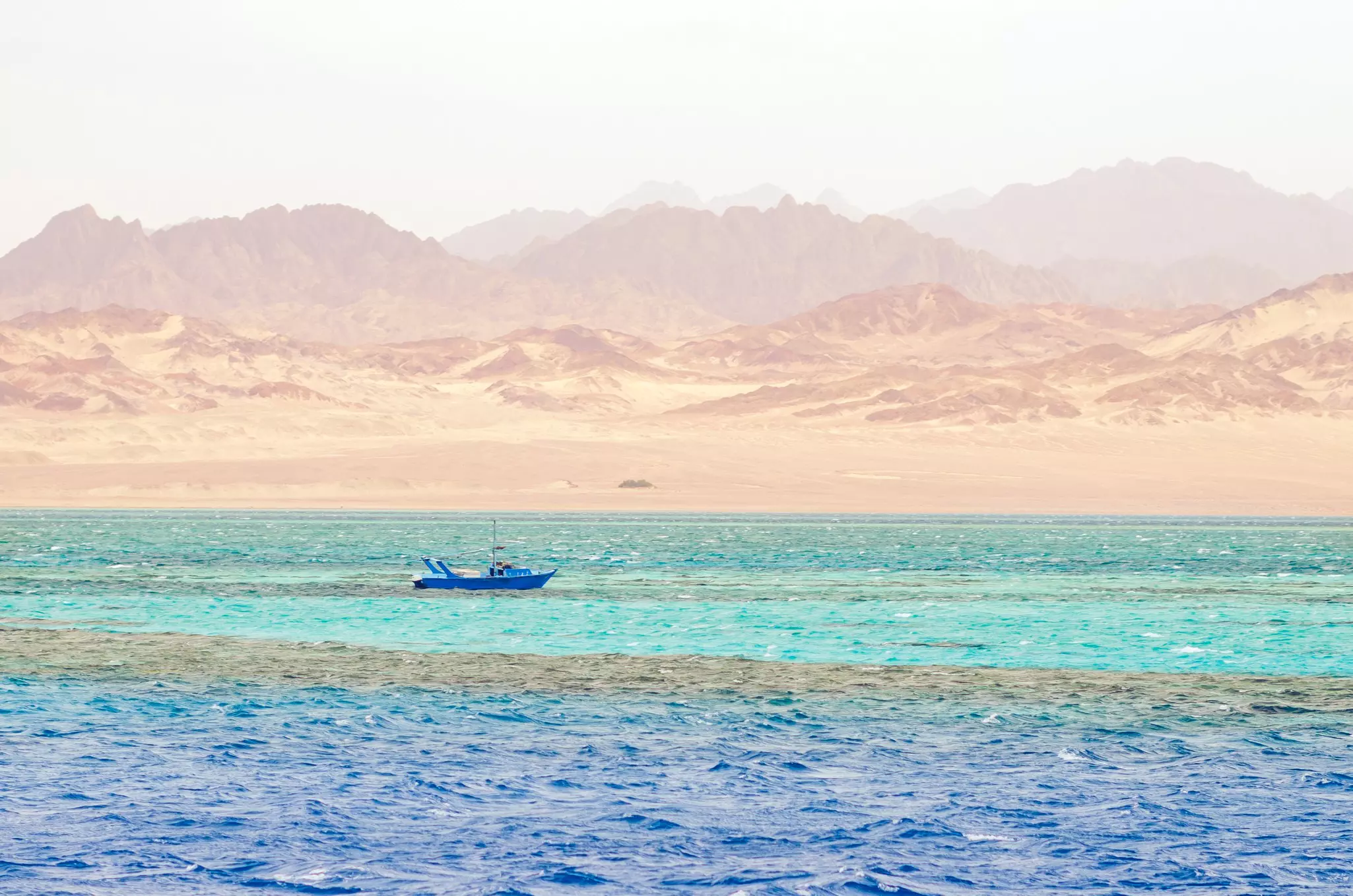
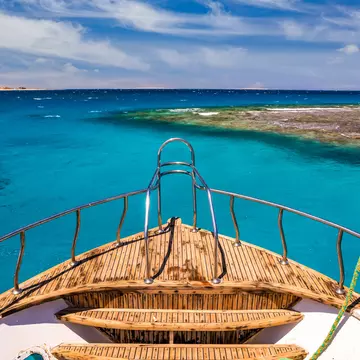
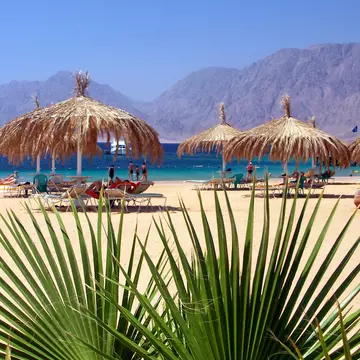
Egypt’s eastern coast stretches south along the Red Sea and eastward to the Gulf of Aqaba, where it embraces coral reefs that have preserved their brilliant natural colors and are bursting with marine life. Much of the area is protected reserves, with limited development and few people – it feels like an untouched underwater paradise and its best activities are just waiting to be experienced in a dive below the surface.
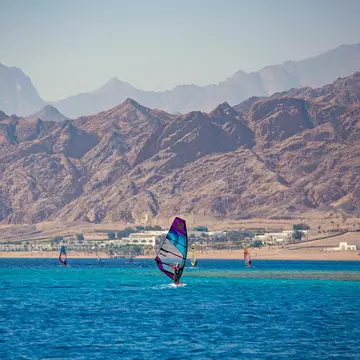
For travelers who prefer their oxygen (slightly more) freely available, try kitesurfing over a weekend in El Gouna in Hurghada or windsurfing in Safaga. For something more chill, join a yoga session on a Red Sea beach at sunrise (facing east, of course): adrenalin level, 0; possibility of seeing a leaping dolphin, 1.
What to pack: A dive computer, fins, a mask (either free diving or scuba), a wetsuit and strong sunscreen (year-round, nonnegotiable). If you don't have your own equipment, you can rent anything you'll need from a dive center.
Where to stay: There are excellent resorts in Marsa Alam; Hurghada, including Hilton; and Sharm El Sheikh, including Rixos Radamis and Four Seasons.
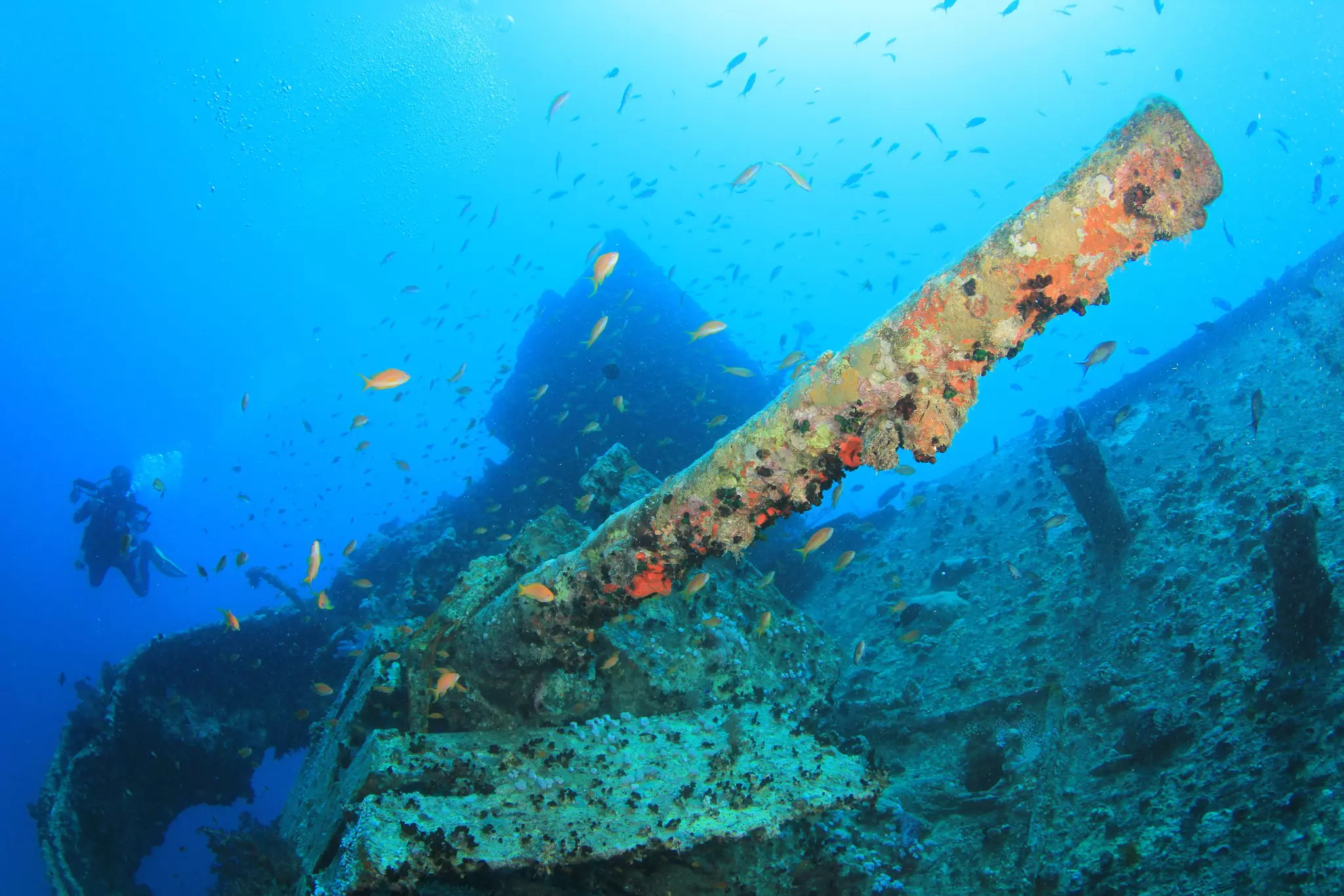
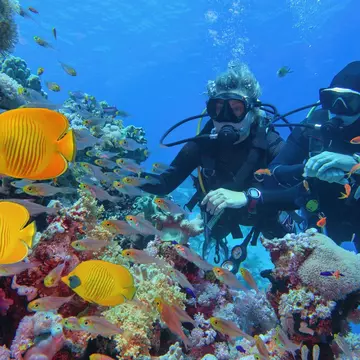
Pop a tank on your back and explore the depths at your leisure, whether that’s famous sites like the Giftun Islands in Hurghada, the Blue Hole in Dahab, or Ras Mohammed National Park or the WWII shipwreck Thistlegorm off Sharm El Sheikh. Wherever you go, start with a fun dive, then keep coming back until you are a qualified dive master. But first find a trusted local dive instructor, such as The Dive Guru.
Free diving is less about facing the depths of the sea and more about discovering the depths within yourself. Try holding your breath for 30 seconds. Piece of cake, right? Except at the end you are gasping, spluttering and wheezing for air. No worries – after 3 days of training, you’ll be holding your breath for up to 3 minutes. Without a tank, you can reach depths of 15–20m and return to the surface with a completely renewed mind and spirit. Take the plunge with Zahraa, the first Egyptian female free diving instructor.
Want more adrenaline, more adventure, more teeth? Head to Marsa Alam. With a local operator (you can’t go wrong with Hamada Saad or Decodivers), you’ll take a boat to an offshore platform where dive sites are selected based on experience. Keep calm (proper training is given), and jump in with the hammerheads for a dive that is guaranteed to be as safe as it is spectacular.
Schedule all dives at least 48 hours before flying.
Choose a program suited to your experience.
Training is available for complete beginners all the way up to instructors. Dive centers in Egypt can truly cater to travelers at all levels.
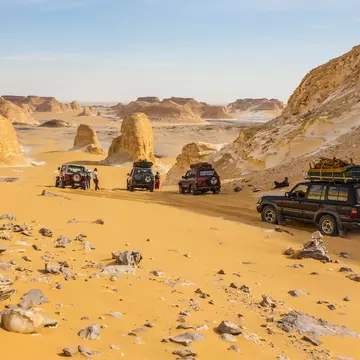
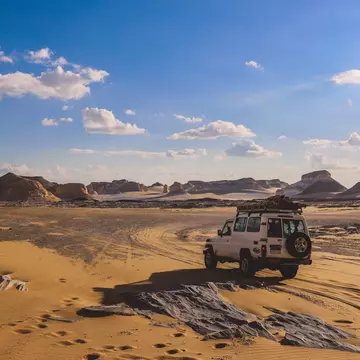
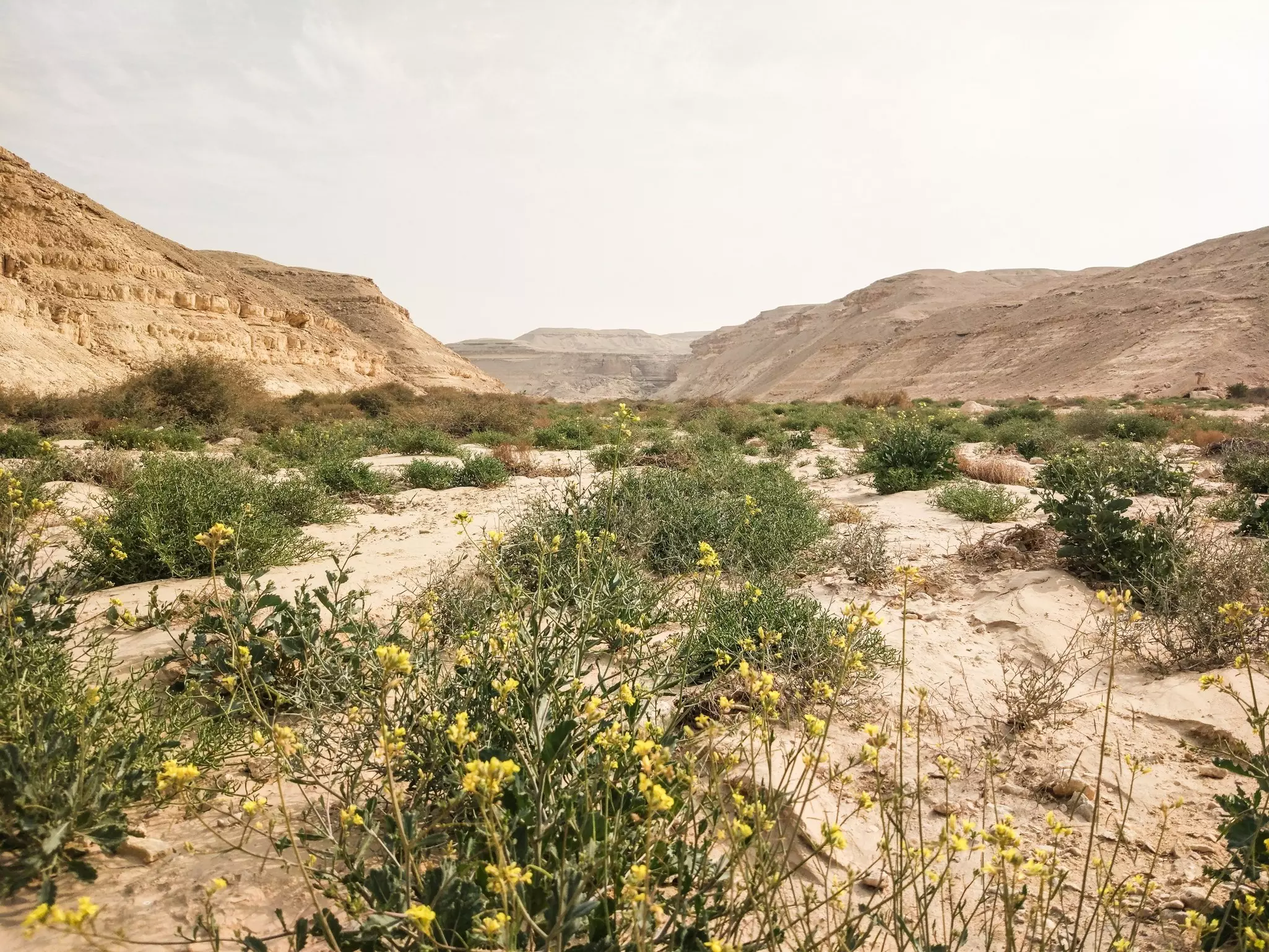
Sand dunes, red mountains, expansive wadis, narrow canyons ending in verdant oases – Egypt may be 95% desert but it’s a subtle desert with a variety of terrain that’s ripe for a riot of adventure. Whether you are looking for the rush of wind through your hair or the rush of adrenaline through your veins, you’ll find the right land-based activity for you.
What to pack: Sunglasses, a cap, sunscreen (even in the depths of winter), sportswear, comfortable shoes, walking poles, a reusable water bottle and a small bag to keep on your person for storing your passport. And don’t forget your smile, though if you do, Egyptians have a knack of finding a laugh even in the darkest of places.
Where to stay: In Cairo, accommodations range from budget-friendly hostels such as the Sun and Sand Guesthouse to five-star stays like the Giza Pyramids View Inn. In St Catherine, if you’re not planning on sleeping under the stars, the Sheikh Mousa guesthouse is the top choice. In Marsa Alam, popular options include the Jaz Lamaya Resort and Malikia Resort Abu Dabbab.
What to know: Most hiking destinations in Egypt require certified guides, and some reserves need permits too (your guide will help make the arrangements).
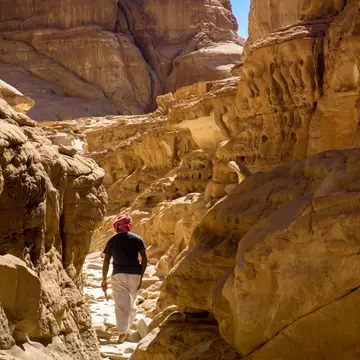
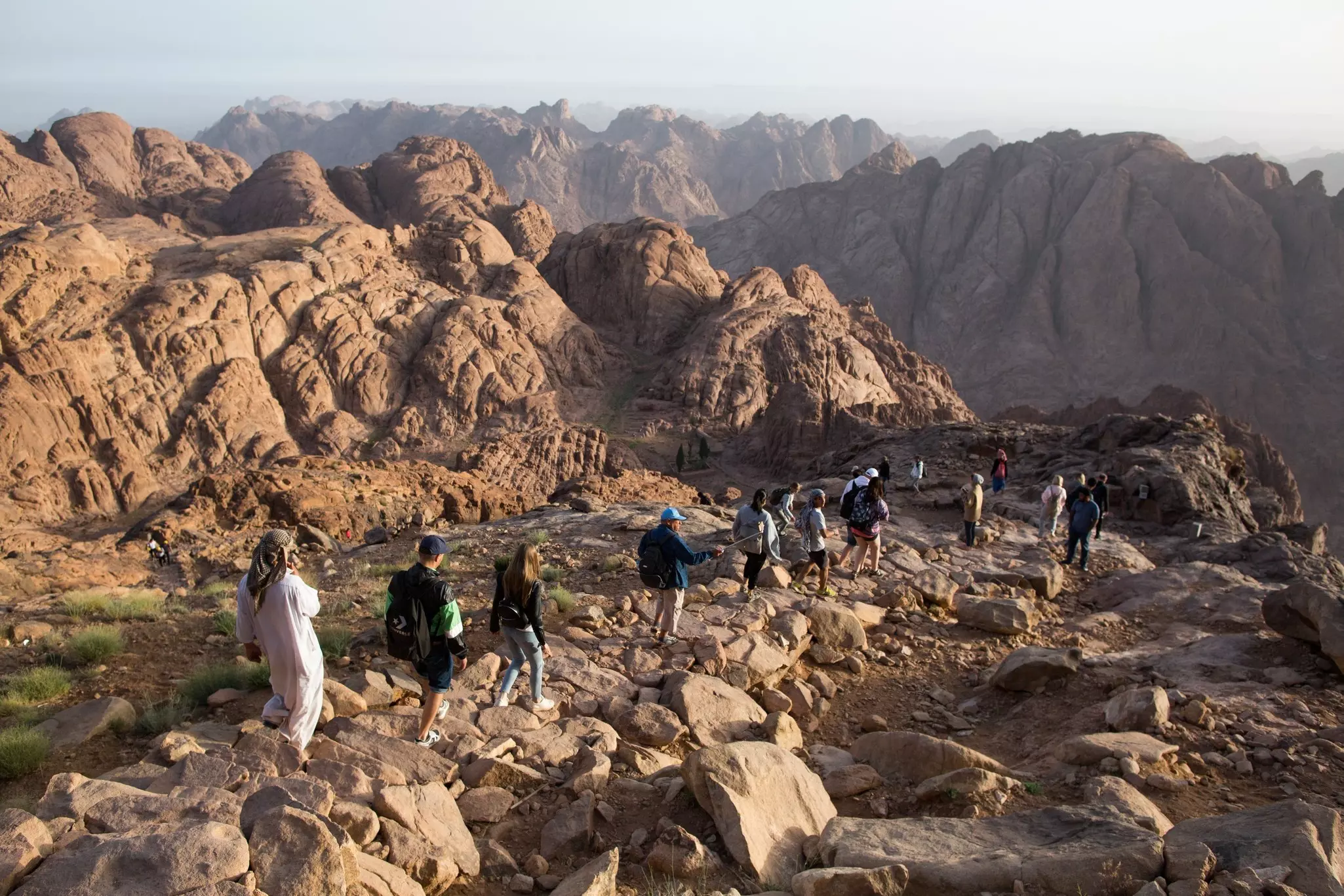
St Catherine in South Sinai is home to Egypt’s highest peak, Mt Catherine at 2653m, and the famous Mt Sinai. After watching sunrise or sunset, you can explore the Burning Bush, a wall built by Napoleon and a museum filled with paintings, gold icons, gemstones and stories of St Catherine. The nearby valleys at the Colored Canyon and Wadi El-Weshwash are equally stunning. In Serabit Al Khadim, you can visit the temple of the goddess Hathor, the only ancient Egyptian monument in Sinai.
Egypt's long-distance hiking routes – the Red Sea Trail and Sinai Desert Trail – are closed, but south of Cairo, the Wadi Degla Protectorate in Maadi has hiking routes and overnight camping (buy a permit at the gate for around 180 Egyptian pounds, which is about 4 US dollars).
Indoor climbing is for silly climates where it rains all the time. In Egypt, try real, dry rock, and discover that you are capable of overcoming any obstacle. By wedging your fingers and toes into the tiniest of indents to pull yourself up a rock face, you’ll learn to look for the same handholds and footholds in your own life. South Sinai is the best place to immerse yourself in rock climbing, especially with Insight Seekers. Go for the physical and mental workout, but don’t be surprised if you come away with an all-conquering mindset that will change your life.
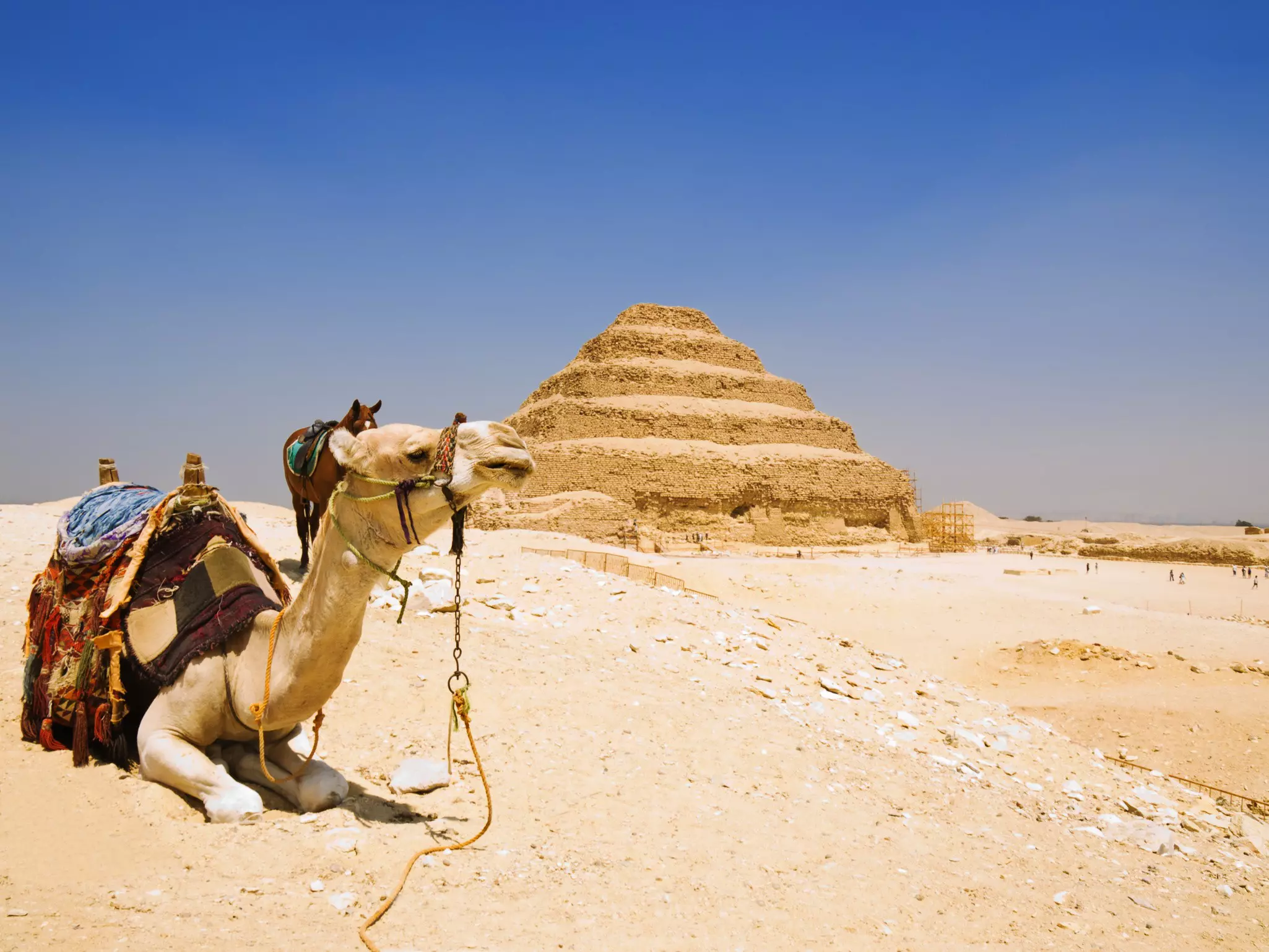
If you prefer your history with a shot of adrenalin, ride an Arabian horse through a desert landscape and around an ancient site, such as with Jeyad Rides near the Step Pyramid of Zoser, which can teach you to ride a horse from scratch.
In South Sinai, dress freely. In other regions, dress conservatively.
Tourist police are professional and helpful – never hesitate to contact them.
Google maps isn’t always as reliable as local knowledge. Ask for help – 99.5% of Egyptians will gladly assist.
If someone offers a service you don’t want, say firmly, “La, shukran” (No, thank you).
Egyptian dates are cheap, delicious and full of energy. Leave the energy bars at home!
Drivers and guides may ask for tips, or they may not. Either way tours are generally very reasonably priced, and tipping is always up to you.
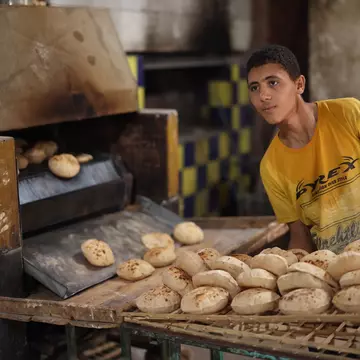
The secret to an action-packed, outdoorsy trip in Egypt is part good planning and part lots of sunscreen but it is mostly leaning in to the serendipity of an unplanned adventure that finds you. And that means heading out of your hotel, your tent, your sleeping bag with a certainty that you’ll stumble across a local artist’s workshop, Napoleon’s old house, a cup of mint tea with a farmer on the roadside or fresh bread and cheese with a matriarch by a makeshift fire.
Yes, Egypt is a land of history. It is also a land of the present, an adventurous present that you must embrace with your senses wide, certain in the knowledge that it will become your history too.
Book your Egypt trip with Lonely Planet Journeys
See Egypt how it's meant to be seen
Planned by local experts and tailored to you, Lonely Planet Journeys handles the logistics so you can just enjoy the trip. Tell us what you want and we'll build your Egypt itinerary from scratch, or browse our bookable trips to get inspired.


Explore related stories