Sep 21, 202610 min read
A Guide to Gujarat, India: Palaces, Wildlife and Historic CitiesJul 23, 2026
7 MIN READ
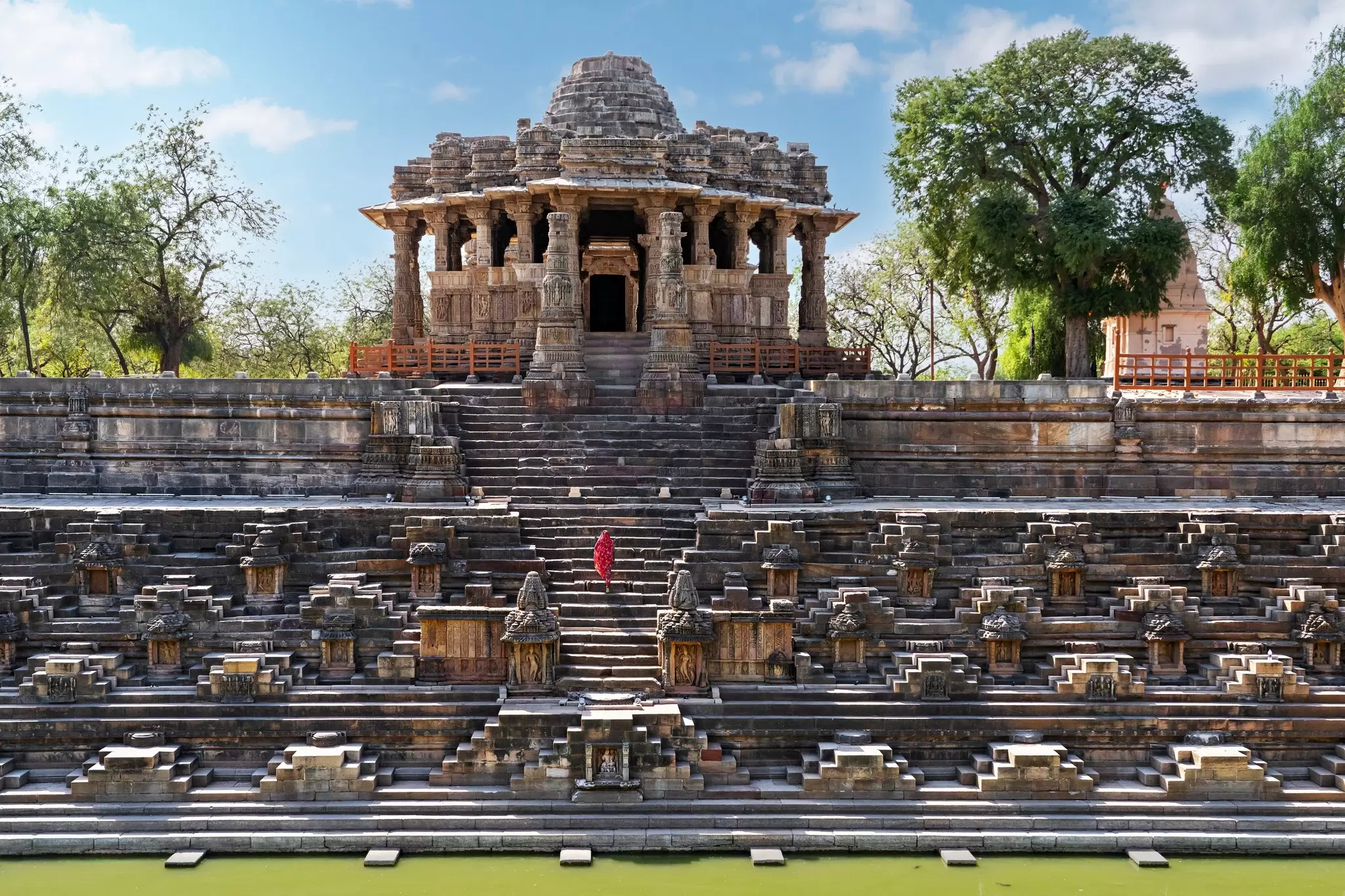
Surya Kund step-well in Modhera, Gujarat. MehmetO/Shutterstock
Highlights
Writer Khursheed Dinshaw picks eight ornate step-wells (baoli) across Gujarat, India.
Rani-ki-Vav in Patan, a UNESCO site, and Surya Kund in Modhera dazzle with 11th-century carvings.
Adalaj, Ahmedabad's Bai Harir ni Vav and Champaner's Helical vary from ornate to minimalist.
Adi Kadi Vav in Junagadh, Navlakhi Vav in Vadodara and Bhuj's Ramkund reward heritage seekers.
Lonely Planet may earn a commission from affiliate links on our site. All recommendations and reviews reflect our own independent opinions.
A uniquely South Asian architectural feature, a step-well is a subterranean water reservoir in which the water is accessed via a series of steps. Gujarat in western India is home to many famous step-wells – known as baoli – including the beautiful Surya Kund in Modhera. Over centuries, algal overgrowth has turned the central pool into a murky basin whose surface gleams like a forest-green mirror. Around the pool are four terraces, each containing tens of stone steps, carved in the shape of inverted pyramids with 108 miniature shrines of Hindu deities sculpted into the terraces.
Gujarat’s scorching weather has meant water is a prized commodity and, over time, the simple village well or pond was developed to be an ornate step-well. Most are decorated with hundreds of intricate sculptures of gods, goddesses and other divine beings – since in arid climates water is sacred – and these step-wells started being used as venues for religious ceremonies.
Step-wells hold water year-round and became hubs for socializing, with their religious sculptures and carvings helping to educate the community. They were often constructed on major trade routes, enabling traders and pilgrims to comfortably rest in their cool, shaded chambers before resuming their journey. Here's our pick of the most beautiful step-wells in Gujarat and how you can visit them.
Best inverted temple architecture
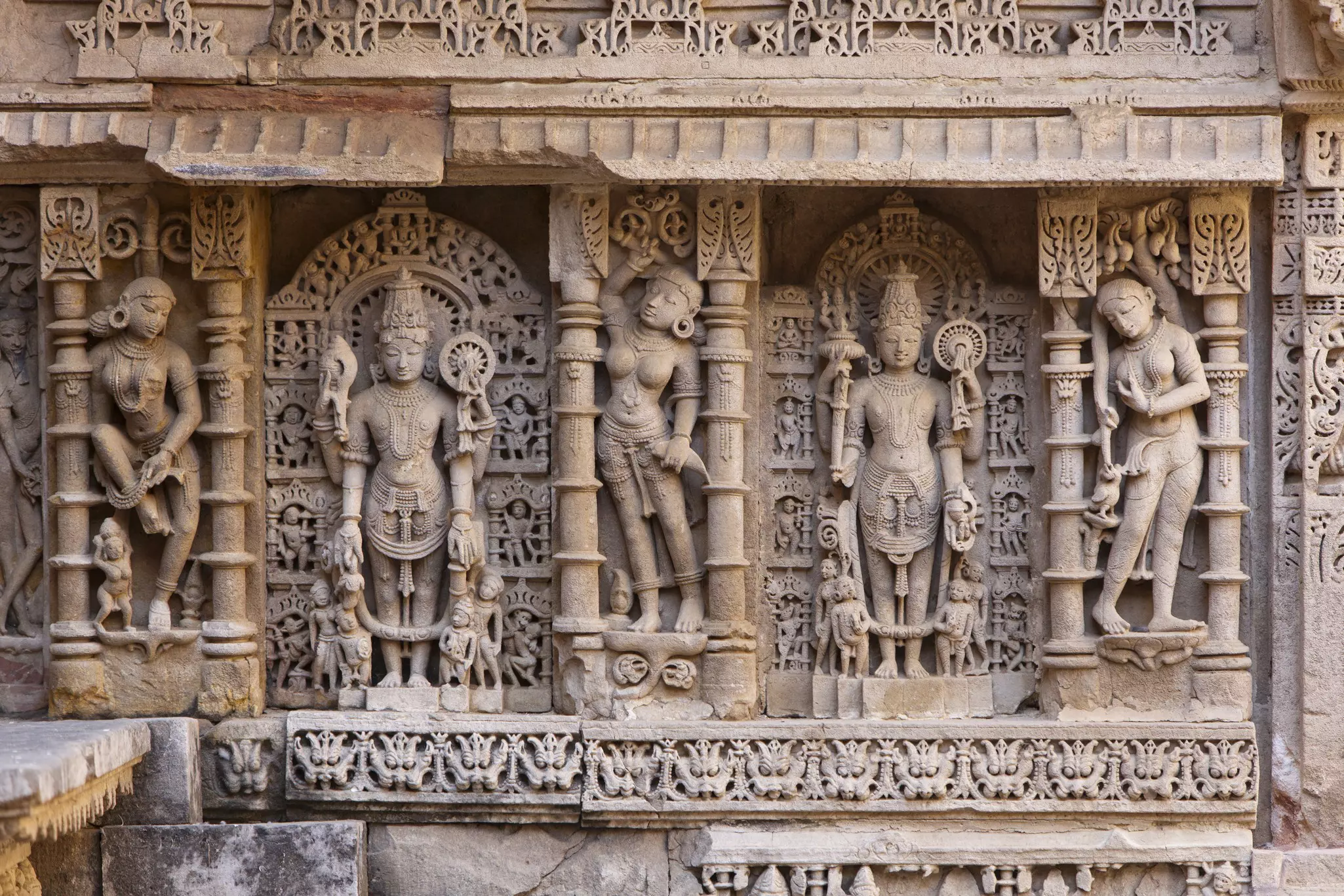
Gujarat’s most-visited step-well, Rani-ki-Vav, received over 364,000 visitors in 2024. This UNESCO World Heritage Site was built in the 11th century by Queen Udayamati in memory of her husband, King Bhimdev I. Designed like an inverted temple, it has stair panels on its seven floors elaborately carved with religious and mythological sculptures in the Maru-Gurjara style, a lavish architecture of western Indian temples, with its origins in Gujarat and Rajasthan. This step-well is also printed on India’s ₹100 note.
Getting there: Fly to Ahmedabad, then take an intercity bus. It is advisable to book ahead on RedBus or Gujarat State Road Transport Corporation (GSRTC). The journey to Patan Bus Stand takes 3 hours and 30 minutes. From there, it's a 10-minutes ride in an autorickshaw to Rani-ki-Vav.
While you're in the area: Unmissable in Patan, the former capital of Gujarat, are the Sahasralinga Talav, a historical water tank and peaceful Jain temples featuring white marble idols. Patan Patola Heritage Museum, demonstrating the traditional weaving of Patola sarees, is a living example of the state’s textile legacy.
Best for Indo-Islamic architecture
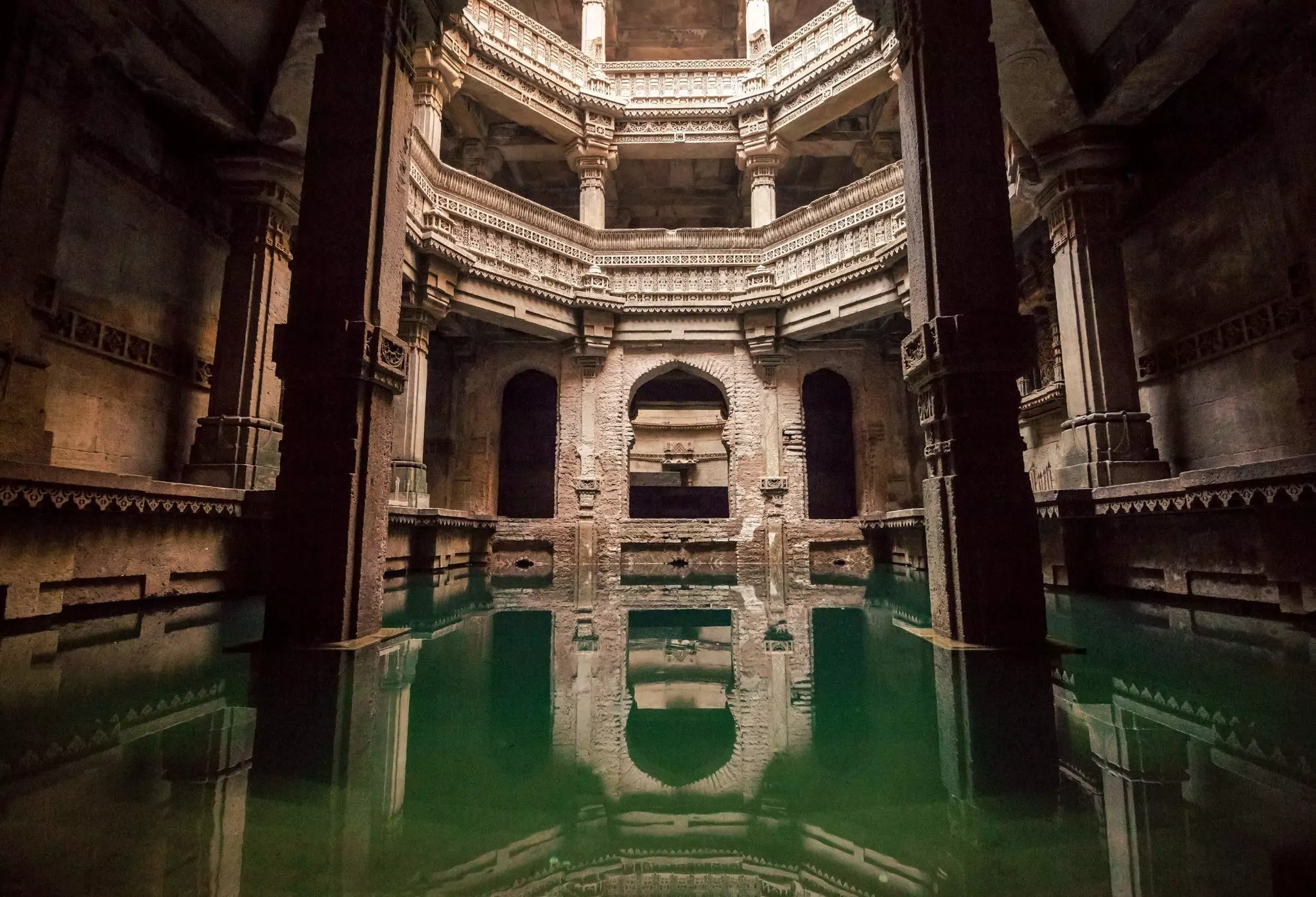
Five levels of superlative Indian and Islamic engineering, elegant carvings representing local daily life and being noticeably cooler than the outside temperature for five centuries are just some of the dramatic elements of this three-entrance reservoir, locally known as Adalaj ni Vav.
Getting there: The step-well, located 19km from Ahmedabad, is accessible via local or private cabs and is a 40-minute drive.
While you're in the area: The surroundings of Adalaj include Akshardham, a pink sandstone temple complex. The state-of-the-art interactive museum at Dandi Kutir uses holograms to present the life of Mahatma Gandhi.
Best for 11th-century craftsmanship
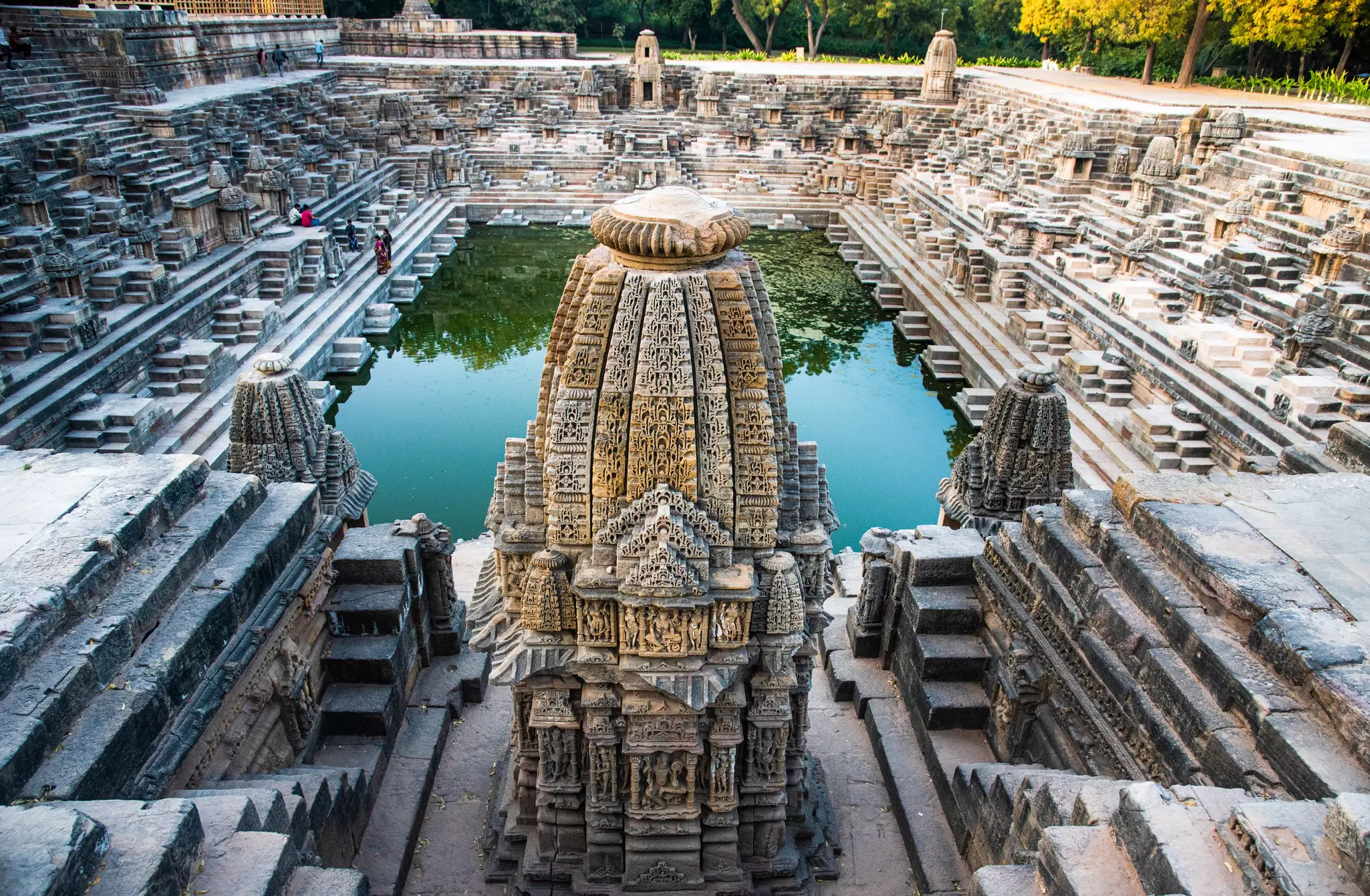
Surya Kund is a befitting prelude to the mesmerizing Sun Temple that pays obeisance to Surya, the Sun God. The 108 detailed miniature shrines hewn on its steps stand as reminders of 11th-century skill, mathematical precision and patience. The steps allow access to the water from all sides.
Getting there: The 99km journey from Ahmedabad to Sun Temple can be covered by public buses that run at regular intervals.
While you're in the area: The adjoining Sun Temple is where art meets astroscience with the first sun rays lighting the inner sanctum during both the March and September equinoxes. The 3D Projection Mapping and Heritage Lighting Show, fully powered by solar energy, narrates mythological stories long after the sun has set.
Best for a blend of Hindu and Islamic influence
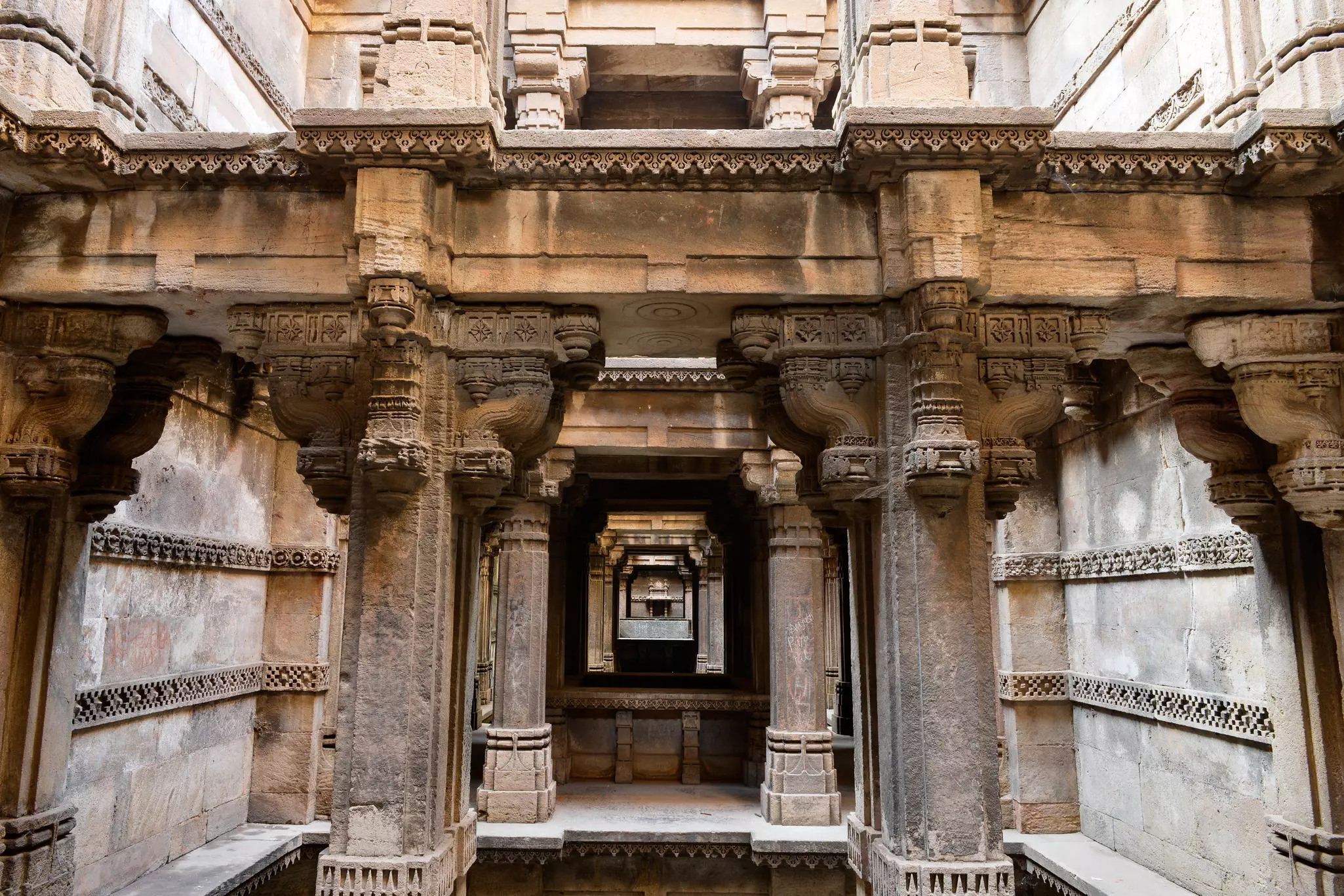
Bai Harir ni Vav or Dada Hari is a step-well built with sandstone blocks and Hindu deities and vine patterns that represent Islamic architecture. The five-floor step-well was constructed by Bai Harir Sultana, the superintendent of the royal harem of Sultan Mahmud Begada, a patron of Indo-Islamic architecture from the Muzaffarid dynasty. It's near the Sultan’s lattice-lined mausoleum and a towering mosque in a highly populated residential area. Because this well tends to dry up, it doesn't receive as many visitors.
Getting there: Bai Harir ni Vav, at 3km from Ahmedabad railway station, is best reached by autorickshaw.
While you're in the area: Close by are the Calico Museum of Textiles, where history wraps itself around centuries-old fabric and Dariyapur Darwaja, a lofty gate that once guarded Ahmedabad – India’s first UNESCO World Heritage City – from invaders.
Best tribute to ancient water diviners and artisans
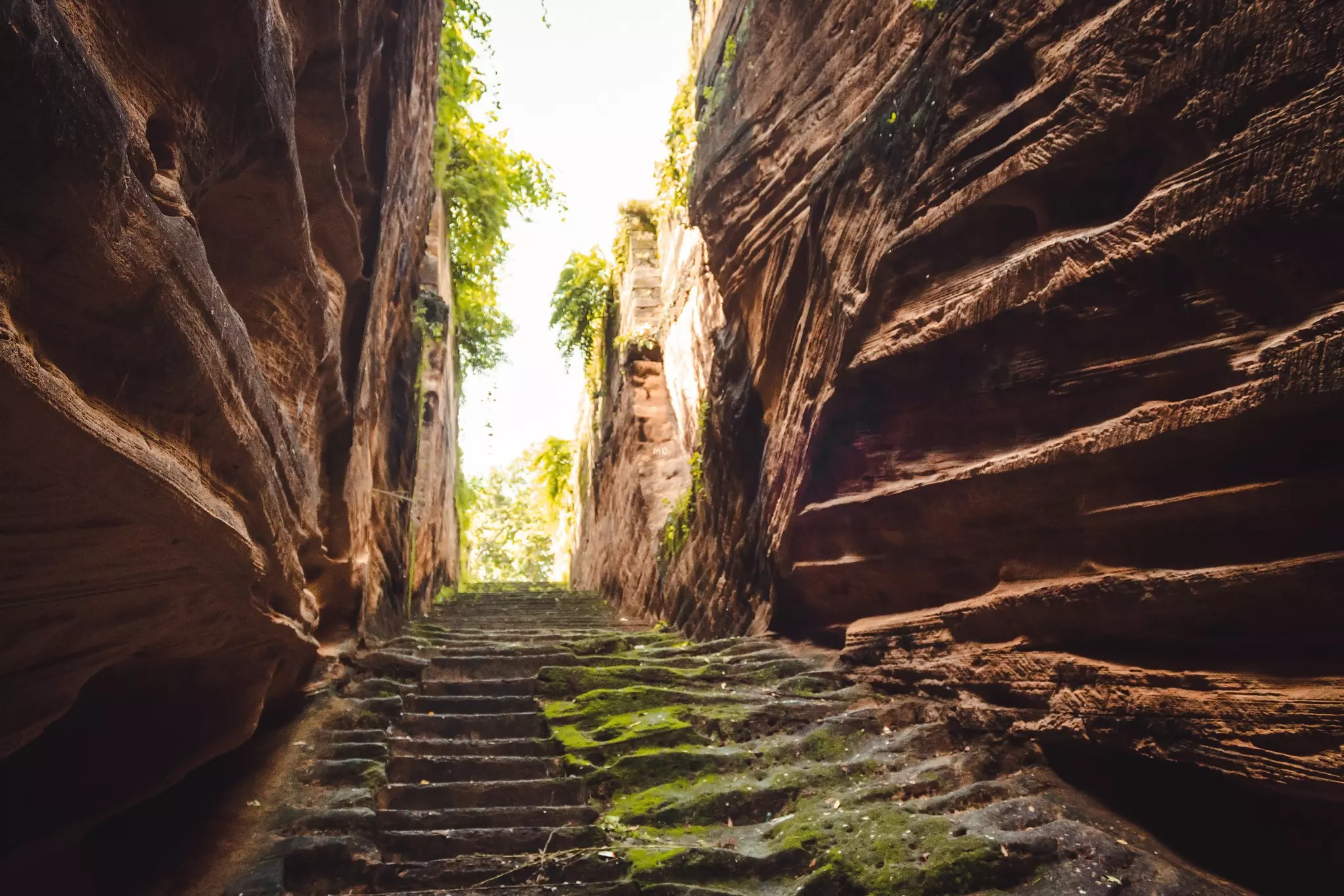
Adi Kadi Vav is a gritty reminder that step-wells need not only be constructed using masonry, having overcome the challenging geological strata of sandstone rock by cutting directly through it. Devoid of any grand pavilion towers, and with narrow steps carved into the rock face, this step-well has a raw appeal.
Getting there: All major cities in Gujarat are connected to Junagadh via trains and public and private buses. Rickshaws are available to reach the entrance to Uparkot Fort and Adi Kadi Vav within.
While you're in the area: Spend time exploring Uparkot Fort. With sweeping views of Junagadh city and Girnar Hill, it opens to rock-cut limestone Buddhist caves still echoing millennia-old chants of Buddhist monks.
Best for engineering resourcefulness
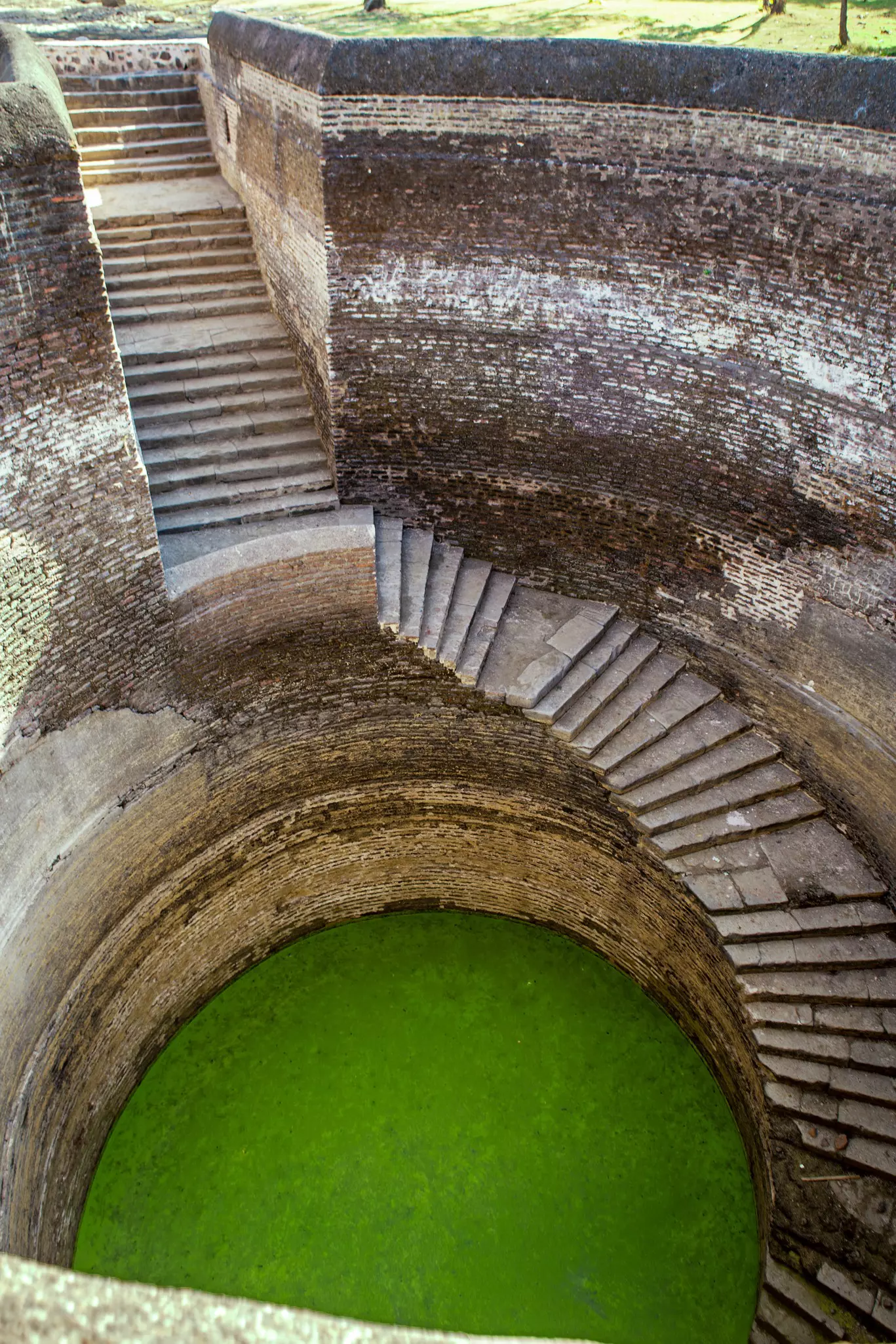
The 15m-deep Helical Step-well’s pièce de résistance is its winding staircase, whose minimalistic design in a compact space forms a helix leading to the water. The 16th-century staircase when viewed from above resembles a whirlpool.
Getting there: Public buses and taxis cover the 150km stretch from Ahmedabad and 48km from Vadodara to the UNESCO-listed Champaner-Pavagadh Archaeological Park, which houses the step-well. If traveling by train, take a bus or taxi from Vadodara railway station.
While you're in the area: Combining history with spirituality, Champaner-Pavagadh Archaeological Park nestles the centuries-old Mahakali Mata Temple perched atop the scenic Pavagadh hill. Choose between the forest walk or the cable car to reach the summit.
Best for storing water for the opulent Laxmi Vilas Palace
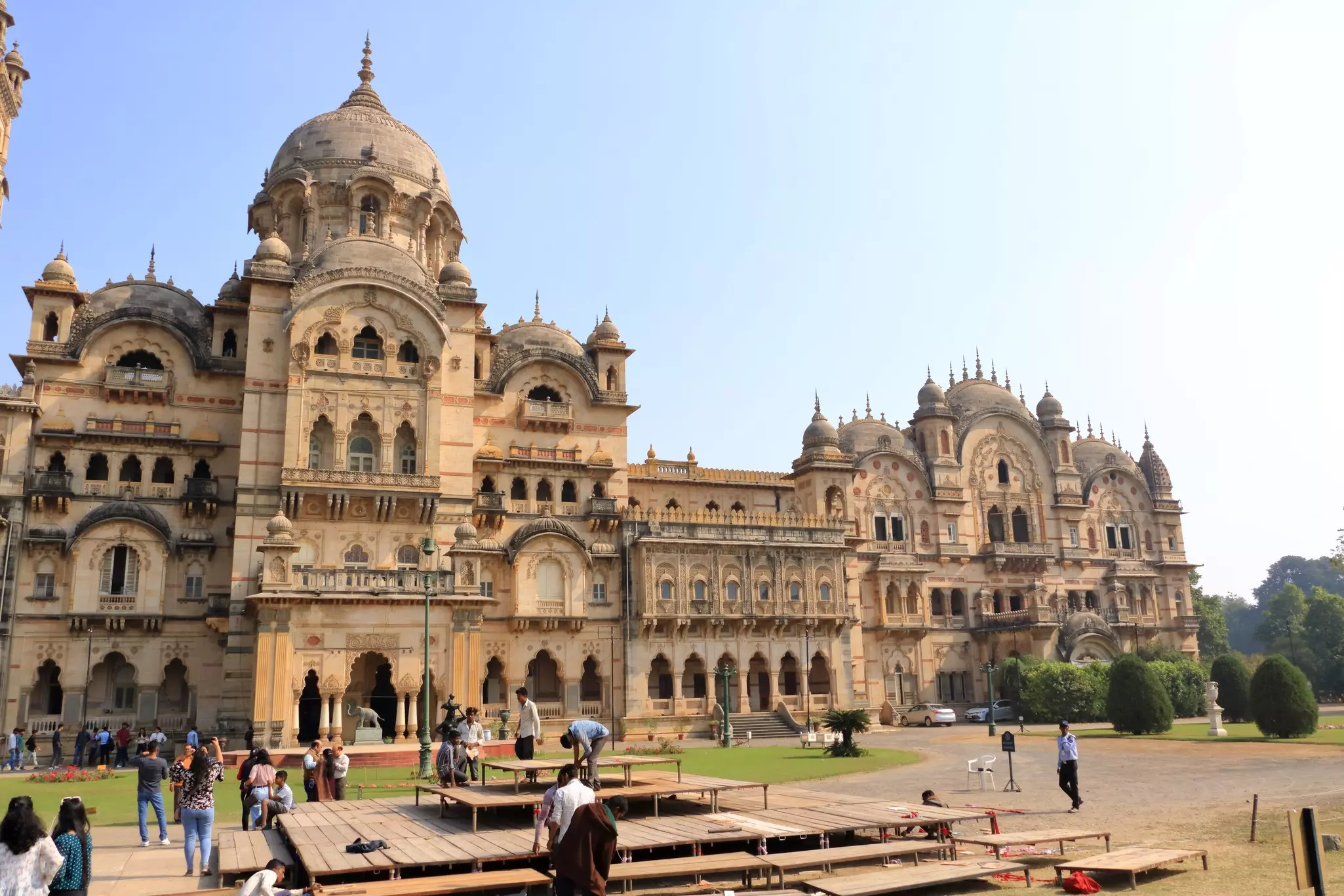
Navlakhi Vav is worth its weight in gold – it's said that 900,000 gold coins were spent on creating this 15th-century marvel, hence its name that literally means "nine (nav) hundred thousand (lakh)." Vadodara’s prominent step-well is located on the grounds of Laxmi Vilas Palace, now part of the well-kept private Gaekwad Baroda Golf Course.
Getting there: Public and private buses and cabs from major cities of Gujarat will get you to Vadodara. It’s a short hop by rickshaw to Laxmi Vilas Palace.
While you're in the area: Relive regal grandeur with a visit to the 500-acre Laxmi Vilas Palace – India’s biggest private home – where the royal family of Vadodara still resides.
Best for geometrical proportions and religious sculptures
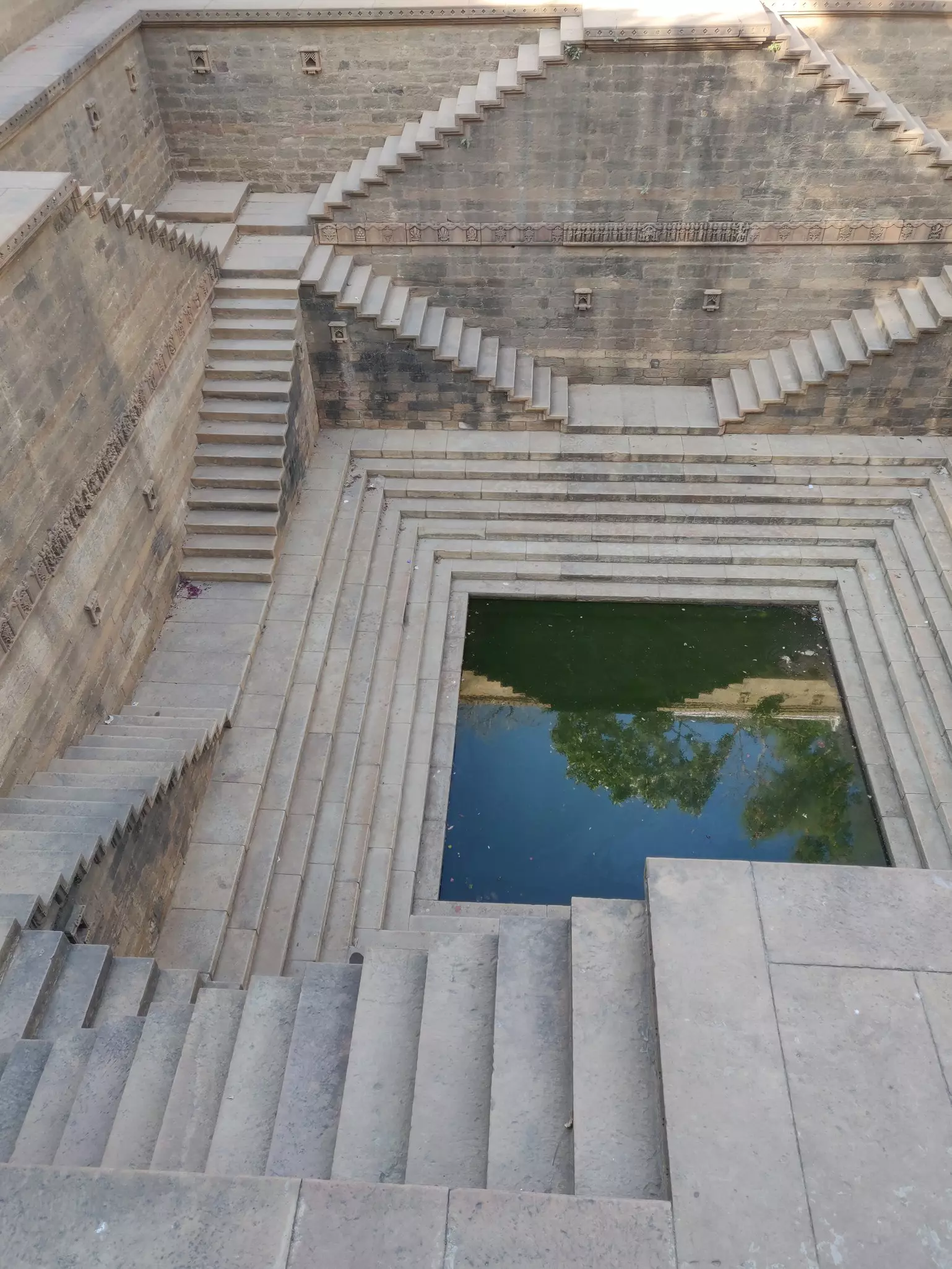
Ramkund Step-well has been delighting heritage enthusiasts and architectural buffs, with sculptural characters of Ramayana (an epic narrating the life of Rama, a prince and Lord) lining its walls. It is impeccably shaped as a square, with each side 17m in height.
Getting there: It’s an 8-hour drive by public bus from Ahmedabad to Bhuj, followed by a short autorickshaw ride to the step-well.
While you're in the area: Join a Bhuj heritage walk for a living cultural dialogue or walk across to the Kachchh Museum, for a peek into the vividly parched region via its textiles, costumes and crafts.
Book your India trip with Lonely Planet Journeys
See India how it's meant to be seen
Accommodations, activities and ground transportation all taken care of, so you can focus on the fun part. Tell us what your dream trip to India looks like, and our local experts will build it from scratch. Or start with one of our itineraries and make it your own.

Explore related stories