Oct 12, 20268 min read
7 Ways Lapland is Better in Fall Than in WinterOct 12, 2026
8 MIN READ

Writer
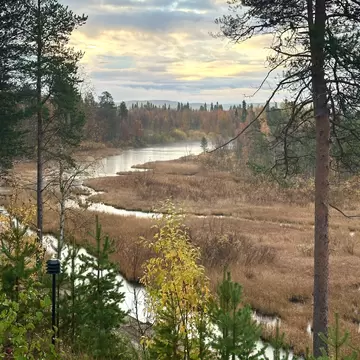
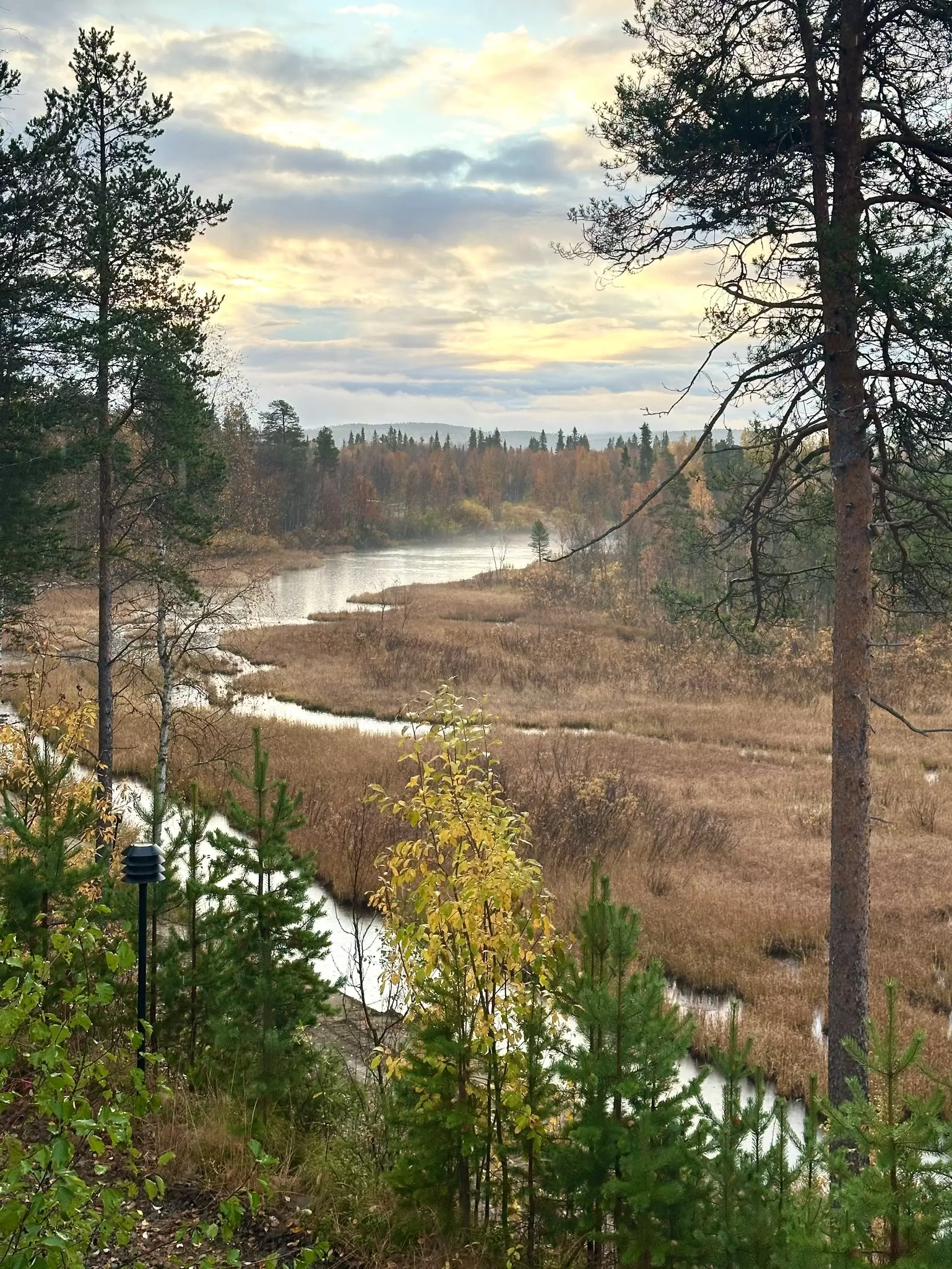
A misty morning in Finnish Lapland in fall. Caroline Trefler/Lonely Planet
Writer
Lonely Planet may earn a commission from affiliate links on our site. All recommendations and reviews reflect our own independent opinions.
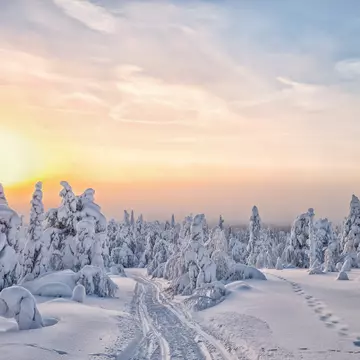
Winter is high season in wild and wonderful Lapland, the northernmost part of Finland. Snow blankets the landscape, turning the region into a wonderland of white, and travelers head off to Santa Claus Village in Rovaniemi, where the jolly one “officially” makes his home.
But I’m here to tell you that the fall is actually the best time to visit this magical destination in the far north – defined by its reindeer, stunning landscapes, Sámi culture and the aurora borealis (aka the northern lights).
I grew up in Toronto and Montréal, and I'm Lonely Planet's Canada editor, but I’m not fond of being frozen, and I avoid winter whenever I can. (It’s true that you’ll find me in Toronto every frigid February for my mom’s birthday, but I’ve been lobbying her to change her birthday to a warmer month.)
Yes, I love nature and outdoor activities, but I’d rather frolic in the fall than get frostbite on my nose, which I almost did last time I went downhill skiing in winter. And that's when Lapland comes into its own.
The far north of Finland does autumn so well that local people even have a special word to capture the phenomenon of Lapland's bright fall colors: ruska, which comes from the indigenous Sámi-language word for "reddish-brown."
If you want to experience a spectacular part of Finland in its most rewarding season, here are the top reasons why you should go to Lapland in the fall.
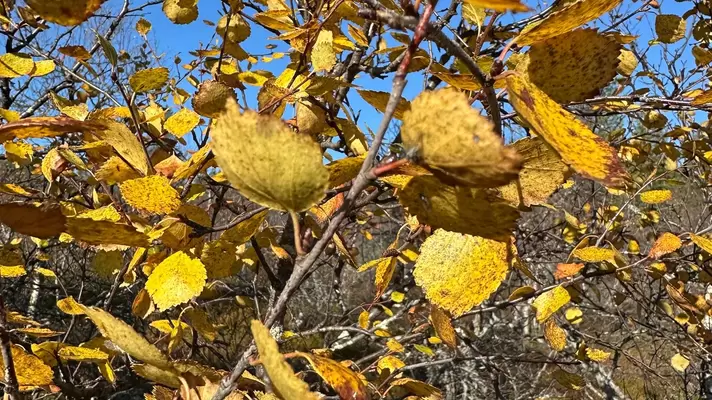
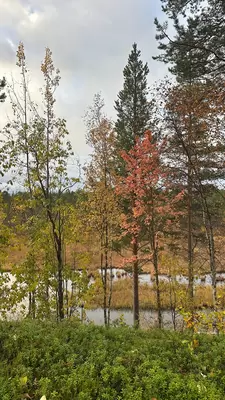
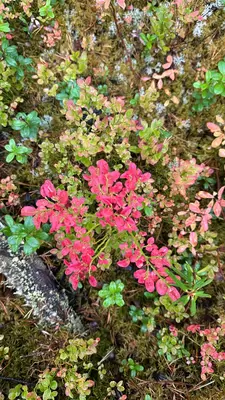
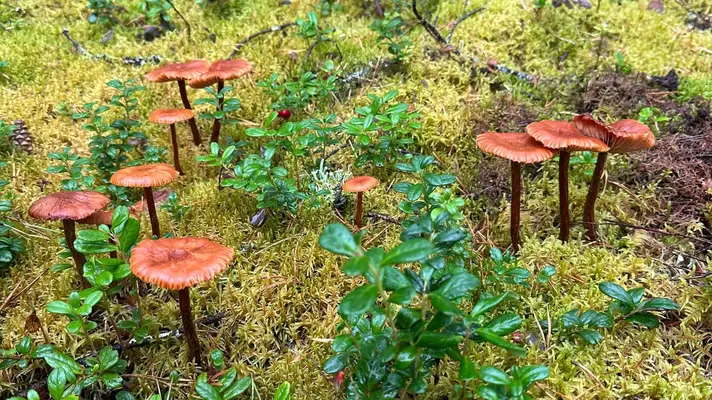
September to early November in Lapland means stunning colors. Everywhere you look, the greens, golds, oranges and reds will take your breath away. And it’s not just the trees – there are all those red and blue berries, and the ground is covered with lacey white reindeer moss and lichen that seems to span all the gradients of green.
Each step and every vista seems more beautiful than the last, especially with the reflections in the many lakes. On my fall visit, I couldn’t stop reaching for my phone to take more photos – if you bring a camera, carry plenty of memory cards.
Planning tip: As fall takes hold in Lapland, the sun stays quite low in the sky throughout the day, creating long shadows and a wonderful warm golden-hour light that is ideal for photography.
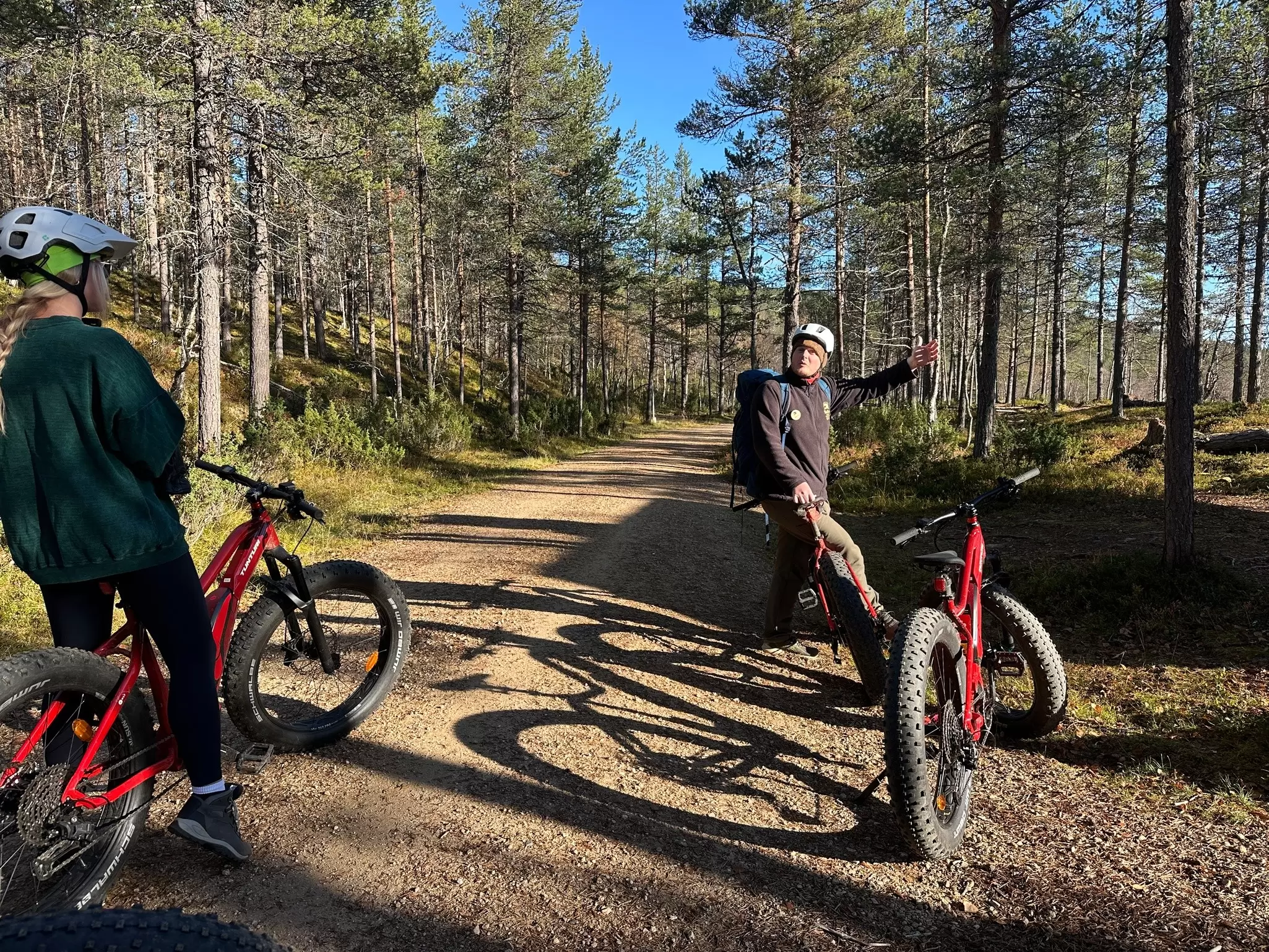
September and October also mean comfortable weather for all sorts of outdoor activities. There’s glorious hiking and biking on the trails that wind through Lapland's forests and national parks. And the rivers aren’t frozen yet, so you'll have opportunities for canoeing, kayaking, boating and rafting.
The easiest way to book a guided tour is through your accommodation. I love adventures, and the electric fatbike excursion we booked through Wilderness Hotel Kieppi was incredible! The guides took great care of us and led us through stunning landscapes in Urho Kekkonen National Park.
I am also now an e-bike convert – you can still get your adrenaline pumping while riding, but when the trail gets steep, you can get a little (or a lot of) help. We also did a wonderful mindfulness hike with nature guide Laura Ruotsalainen during our stay at Aurora Village in Ivalo.
Planning tip: Rain is a possibility at this time of year, so pack your rain gear. If you forget, most resort outfitters have equipment and clothing that you can use.
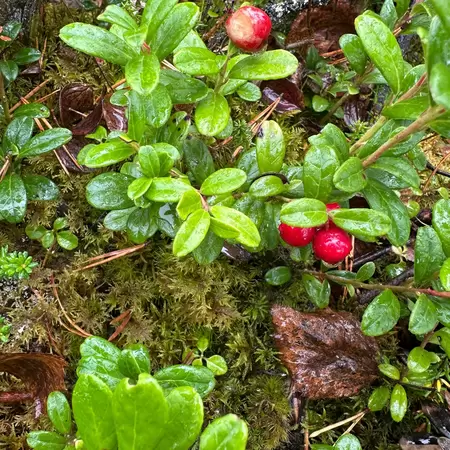
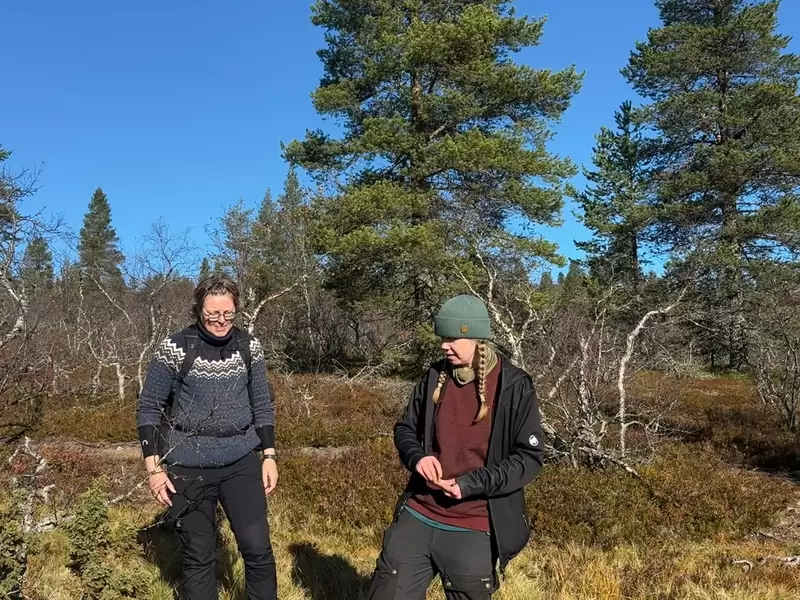
I love to hike and learn how local landscapes shape what we eat. Mid-summer through early fall is the season for berries and mushrooms in Finland, meaning you can pick your own snacks as you traipse through nature. Northern Finland is one of the few places in the world where you can find rare cloudberries, which look like orangey-yellow raspberries and are delicious.
You definitely need a knowledgeable guide if you’re going to go foraging, and wilderness guide extraordinaire Sonja Lassila takes guests on entertaining and delicious foraging walks through her company Noki Outdoors. She’s also an excellent wilderness chef, so you can book (and even cook) a meal with her – and I highly recommend that you do!
Planning tip: If you come later in the fall, the bilberry season is mostly over by October, but you can still find red lingonberries and blue-black crowberries in the undergrowth.
This is important! Fall means more hours of daylight to enjoy outdoor activities, compared to the dark days of winter. As our guide at the Sámi Museum & Nature Centre Siida reminded us while we were learning about the Indigenous people who live in the Arctic and sub-Arctic regions of Northern Europe, up here above the Arctic Circle, the sun goes down in late November and doesn’t come up again until mid-January.
If you visit in winter, there’s usually a kind of twilight for a few hours around midday, but it’s generally going to be pretty dark or dim when you want to go out during the day. Further south around Rovaniemi, there is a bit more sun, but days are still short. If you come to Lapland in September, however, you’ll still get at least 12 hours of daylight, meaning lots of light for exploring (and spotting reindeer).
Planning tip: Visiting Lapland in summer is a very different story – you can enjoy 24 hours of daylight from about late May to mid-July, meaning plenty of time for activities.
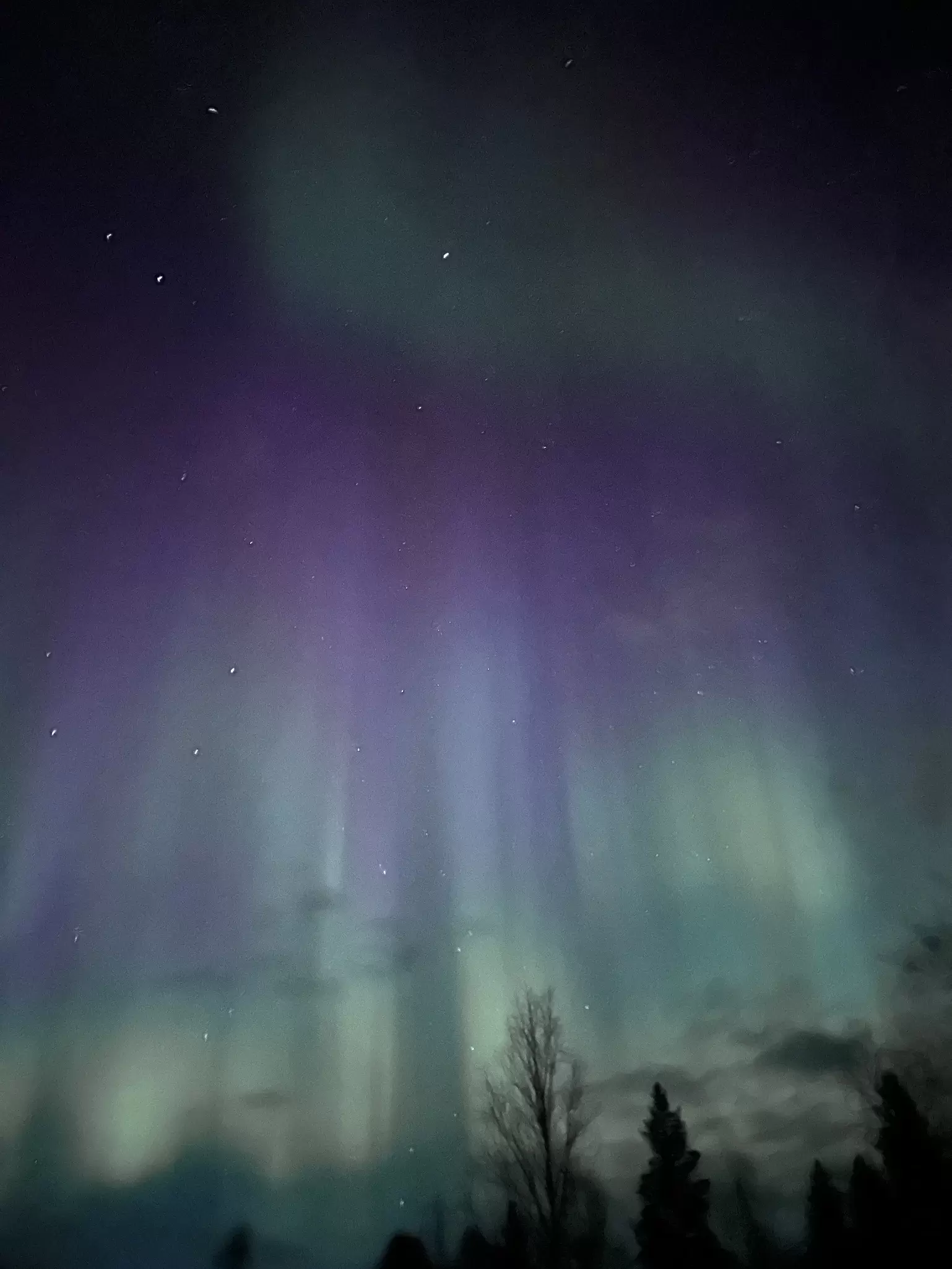
Speaking of darkness, if you’re coming to northern Finland in the hope of seeing the northern lights (aka the aurora borealis), your chances are actually greater in the fall than in winter. Not only is there more solar activity around the time of the fall equinox (usually around September 22 or 23), but the nights are darker in autumn because there’s no snow reflecting the light of the moon and stars.
Of course, there are no guarantees about seeing the northern lights. But on the plus side, for those who don’t love the cold, the weather is better for hanging around outside looking for them, or enjoying the show if the aurora appears.
Planning tip: You'll need a clear sky to see the aurora borealis; check the weather forecast on the website of the Finnish Meteorological Institute.
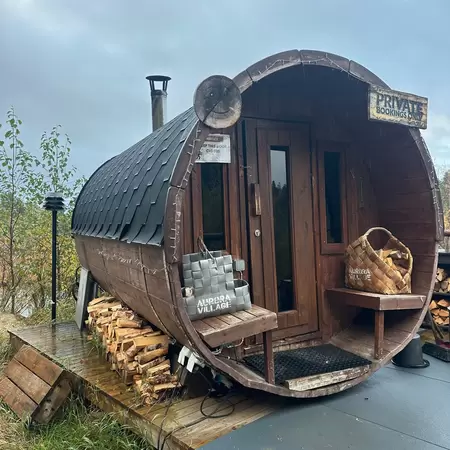
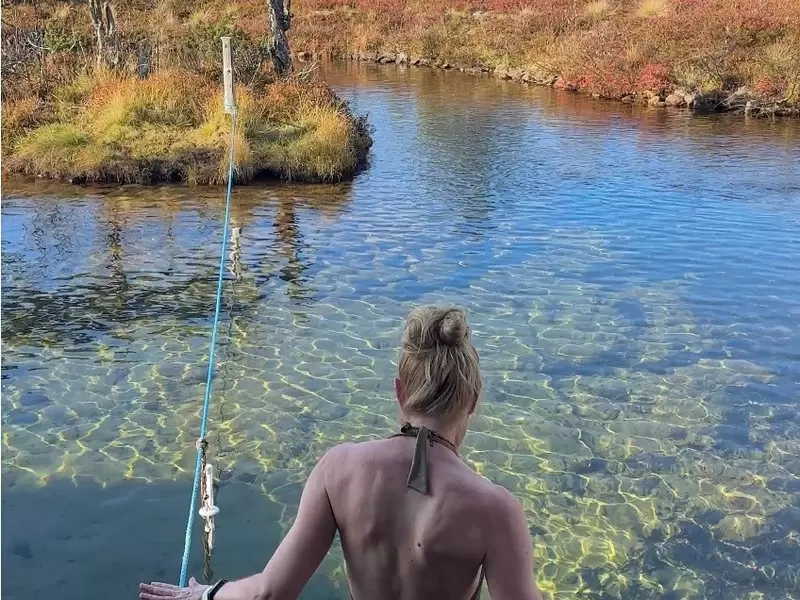
Okay, any season is a good season for saunas in Finland – this is, after all, a country where saunas outnumber cars. But by fall, it’s cold enough that you'll appreciate warming up in the sauna, and you can take a cold water plunge as part of the ritual in a cold river or lake without having to bob around with chunks of ice.
Pretty much every lodging in Lapland is going to have a sauna for guests, but for me, the most fun experience was taking a traditional smoke sauna at Fell Centre Kiilopää. Here, I got to relax with some of the locals before taking a short, 10-second “swim” in an incredibly beautiful and incredibly cold Arctic stream.
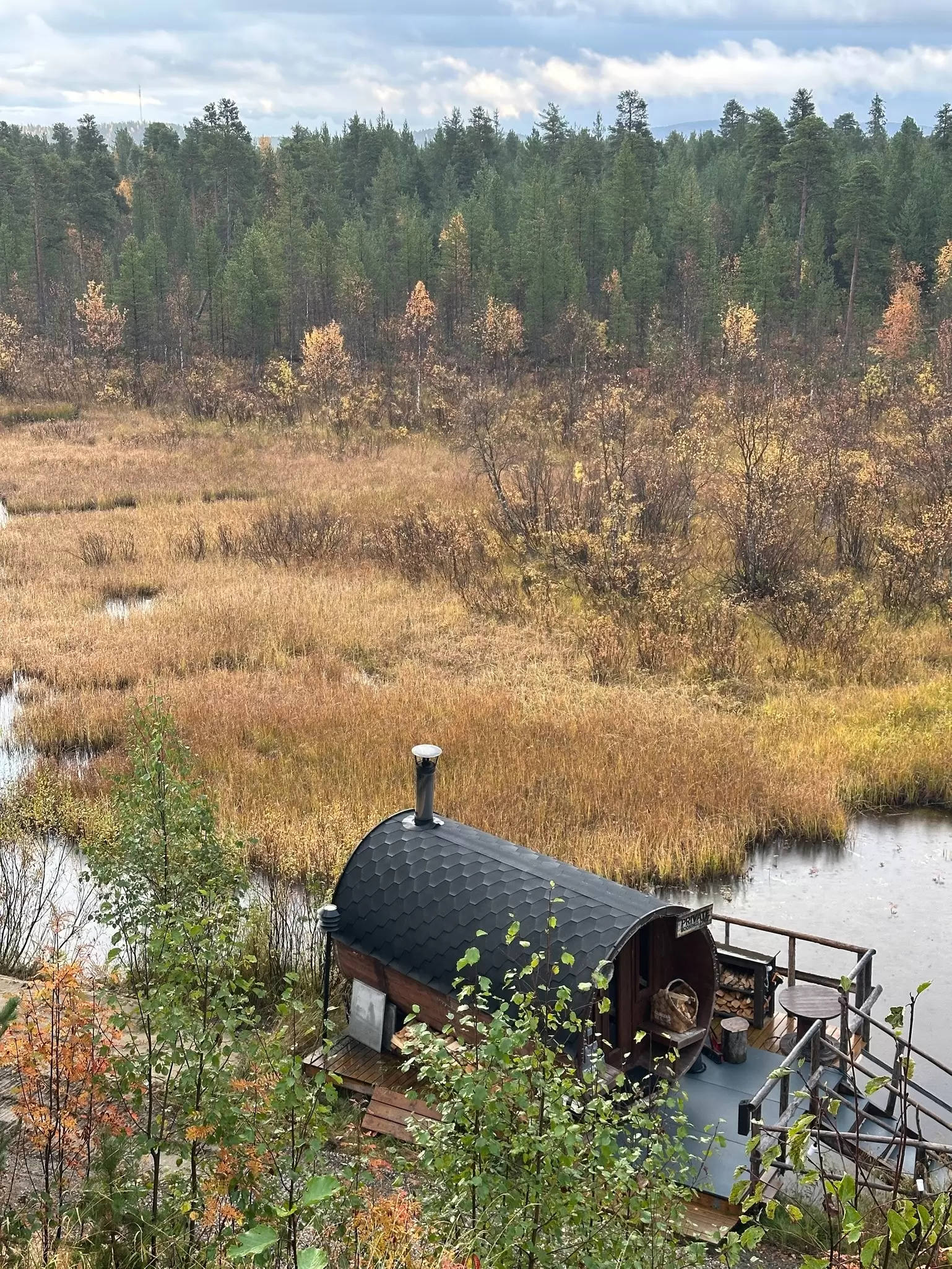
I also tried out two private saunas at Aurora Village, which were wonderfully cozy on a rainy day. One was a barrel sauna, set in a giant barrel by the river, and the other had a skylight allowing guests to watch the sky at night. There’s also a hot tub here, but my favorite hot tub was the one at Wilderness Hotel Juutual, where we drank wine from plastic glasses – safety first! – and listened to the river rush past.
Planning tip: In Finland, it's traditional to be naked in private home saunas and single-gender public saunas, but at mixed-gender saunas and resorts people usually wear swimsuits. Check the signs at the entrance.
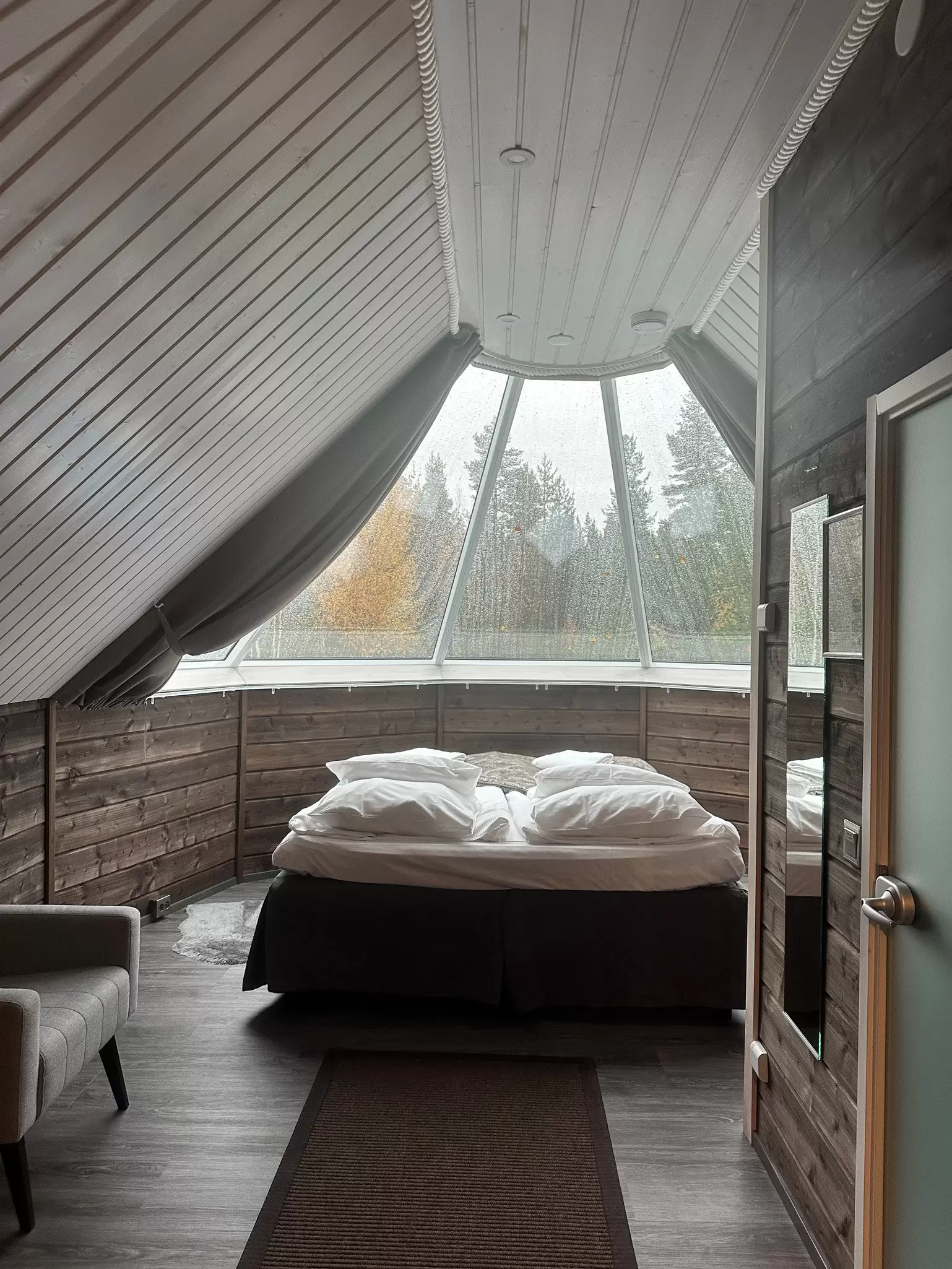
As I mentioned before, winter is the high season in Lapland, and you’ll pay a premium to stay at the comfortable lodgings where you’ll want to base yourself for activities. In fall, prices for rooms are about half (or less) what they are for stays starting in December, meaning you can enjoy more adventure for your euros.
When it comes to picking somewhere to stay, family-owned company Wilderness Hotels started out with just a single converted schoolhouse, but today they have nine resort properties in Northern Lapland, all in stunning locations.
Another recommendation is sustainability-focused Aurora Village in Ivalo, which overlooks spectacular scenery. It’s also family-owned and was the first in Northern Lapland to earn the international Green Key certification for environmental responsibility.
Planning tip: If you stay at Aurora Village, consider booking one of the glass-roofed cabins where you can watch the night sky from your bed (the coziest place to watch the northern lights).
Caroline traveled to Finland with the support of Lapland North Destinations. Lonely Planet staff do not accept freebies in exchange for positive coverage.
Book your Lapland trip with Lonely Planet Journeys
See Lapland how it's meant to be seen
Planned by local experts and tailored to you, Lonely Planet Journeys handles the logistics so you can just enjoy the trip. Tell us what you want and we'll build your Lapland itinerary from scratch, or browse our bookable trips to get inspired.

Explore related stories