
Sep 4, 202512 min read
The 10 best castles to visit in WalesCompact, multicultural Cardiff dances to its own beat, with numerous historical sites, independent businesses and a friendly atmosphere. From exploring its grand castle and leafy urban gardens to devouring Welsh cakes and browsing the world’s oldest record shop, here are the best things to do in Cardiff.
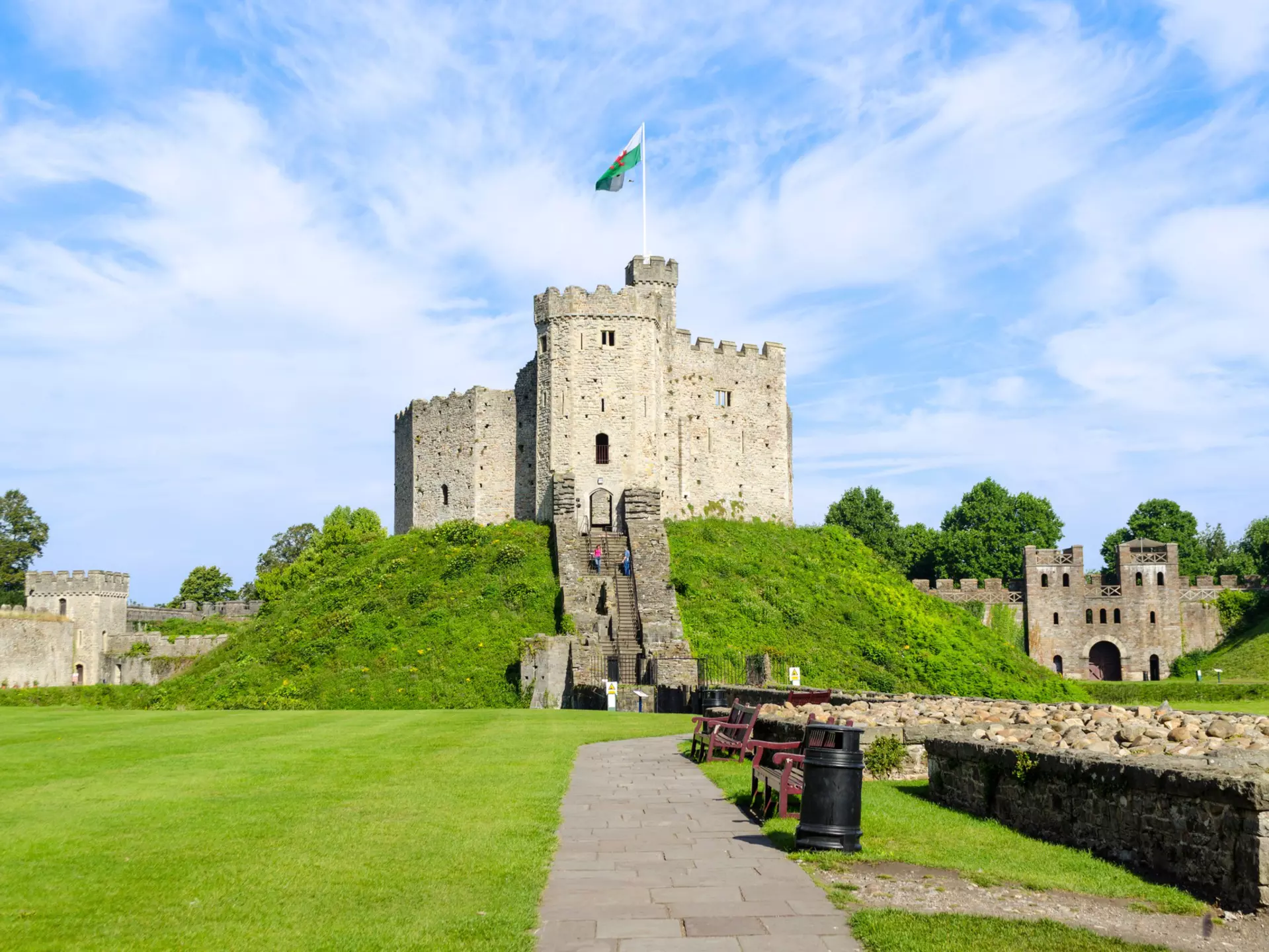
In the middle of the city center is Cardiff Castle, a medieval castle encircled by Roman walls. William Burges' opulent interiors epitomize Victorian Gothic design. Inside, you can marvel at intricate wood carvings, epic murals, stained glass and rich colors that stretch from wall to ceiling. Down in the basement area of the visitor center, there’s the permanent Firing Line exhibition – a journey through the 300-year history of some of Wales’ bravest soldiers.
Take a stroll beside Roman walls, relax with a drink on the lawns or climb to the top of the Norman keep. This towering stone structure, thought to have originally been a motte-and-bailey castle founded by William the Conqueror, grants you impressive views over the entire city. On a clear day, you can even see its sister castle, the red-walled Castell Coch, far in the distance.
Planning tip: Check the Cardiff Castle website before visiting, as there are often closures for large concerts and family fun days, particuarly in the spring and summer.
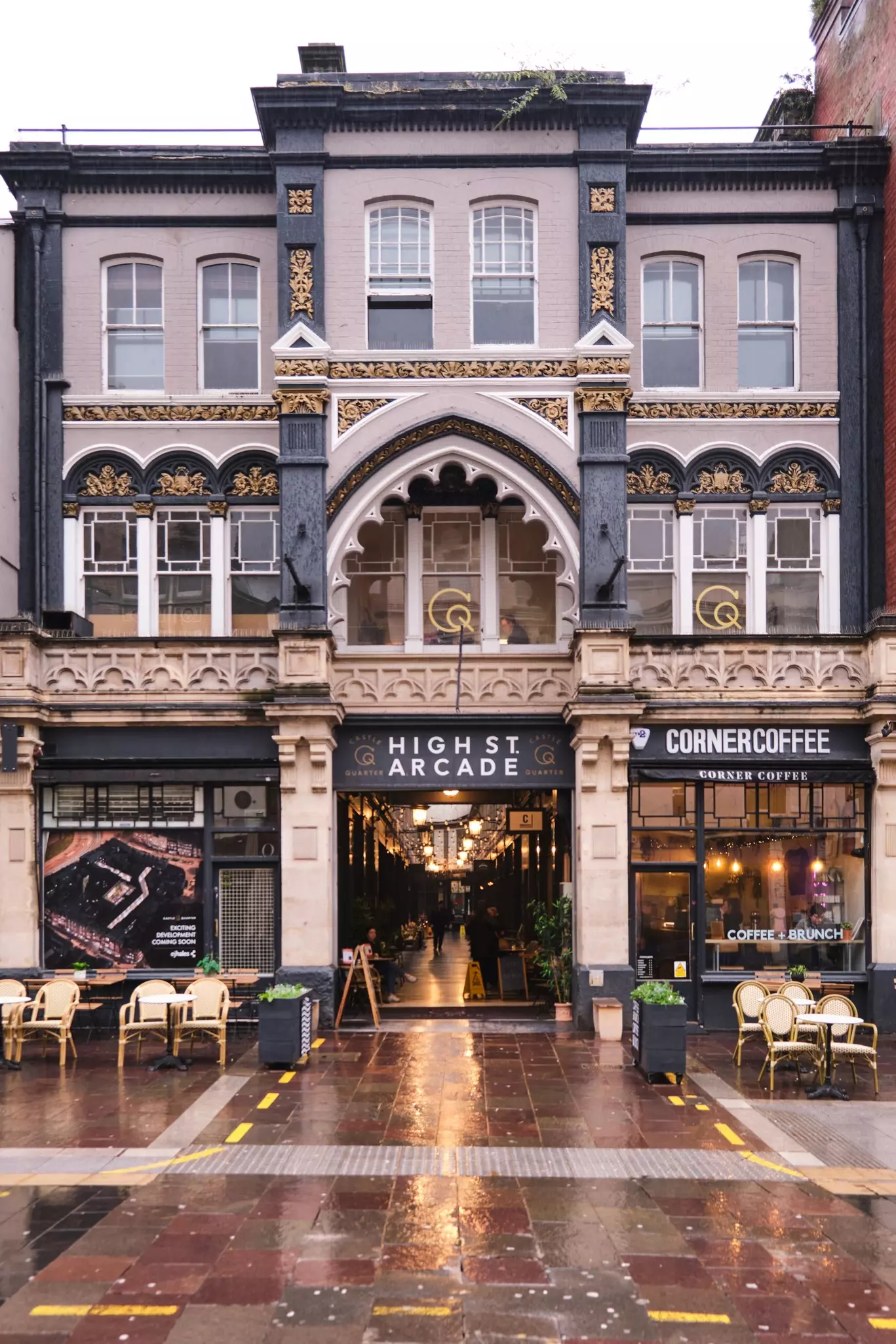
Stretching for more than half a mile between the main shopping streets and the castle end of the city, the Victorian, Edwardian and contemporary indoor shopping arcades give Cardiff the nickname of "the City of Arcades". Along the winding corridors are independent boutiques, family-run cafes and quirky pop-up spaces, all much more charming than the chain stores in St David's shopping center.
After loading up on trinkets from Welcome Things, vintage clothing from Hobos and board games from Rules of Play, take a break in one of the nearby cafes. Corner Coffee is the go-to if specialty coffee is your vibe, while Coffee Barker has squishy sofas and crowd-pleasing comfort food.
Detour: If vinyl records get you excited, make sure to do a deep dive in the racks at Spillers Records, the world's oldest record store. Other unmissable hot spots for record fans in the land of song are the speakeasy-style Diggers Club Records in Cardiff Bay and the sprawling secondhand vinyl stall Kelly’s Records in Cardiff Market.

Home to Wales' art, geology and natural history collections, as well as touring exhibitions, the National Museum Cardiff is educational and vast. It contains the UK's largest collection of French Impressionist paintings outside of London and works from artists as diverse as Van Gogh and Picasso.
The Evolution of Wales section charts the story of the country from the Big Bang up to the 21st century. Trace the past through interactive displays, meteorites, fossils and epic dinosaur skeletons and footprints. Elsewhere in the museum, learn about the wildlife that inhabits Wales’ 900+ Sites of Special Scientific Interest, including a suspended model of an enormous basking shark.
Here to party? Cardiff’s got you covered – in fact, nights out here are pretty legendary. Most of the action centers around St Mary Street and spills into nearby lanes. For fancy cocktails book a table at the Dead Canary, a speakeasy-style bar tucked behind a nondescript black doorway. Womanby St is the place for live music, with Clwb Ifor Bach as its pinnacle. The LGBTIQ+ scene is really strong in Cardiff, with Pulse, Mary’s and the Golden Cross offering good times galore (there’s also a huge annual Pride festival here).
Local tip: When you’re done drinking and dancing, it’s time to head to Caroline St – known locally as Chippy Lane – for a debrief over chips and curry sauce (fries smothered in a goopy, tangy, brown – and delicious – condiment).
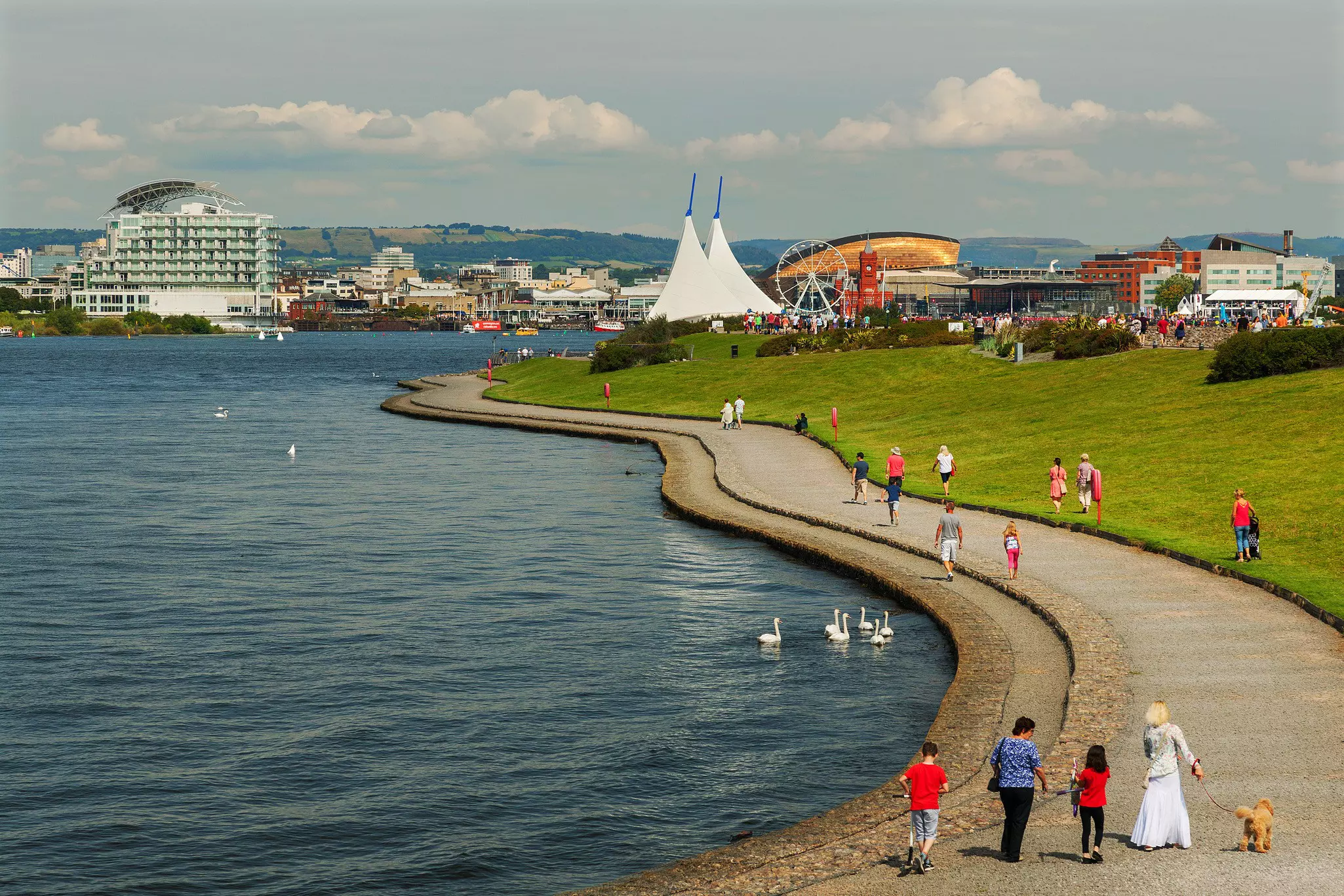
Built to regenerate Cardiff's docklands, which were once the heart of global coal trade, the Cardiff Bay Barrage is Europe's largest waterfront development. It's essentially an unwalled path for pedestrians and cyclists stretching across the water from Cardiff Bay to Penarth, a nearby seaside town. Walking over the barrage gives you a great viewpoint from which to appreciate the scale and history of the capital.
Detour: Across the barrage, walk along Penarth seafront, which has an award-winning pier, ice cream stands, fish and chip shops and stores selling traditional seaside trinkets. The beach is pebbled rather than sandy, and is popular with early morning cold-water swimmers (check out the Dawnstalkers if you’re keen to experience the sunrise from the sea). Look out across the Bristol Channel to spot two small islands, Flat Holm and Steep Holm.
Founded by local artists more than 40 years ago, Chapter Arts Centre in the suburb of Canton is the alternative culture hub of Cardiff. It embraces talent big and small in its theater, two movie screens (which largely show indie releases) and an art gallery. Chapter's open-plan cafe – serving wholesome meals and craft beers – is a watering hole for many local creatives, capturing Cardiff residents' friendliness, love of good conversation and easygoing attitude.
Local tip: Two minutes' away, you’ll find Hard Lines cafe. It’s the coffee hot spot of Canton, serving diner-inspired food and specialty coffee fresh from its nearby roastery.
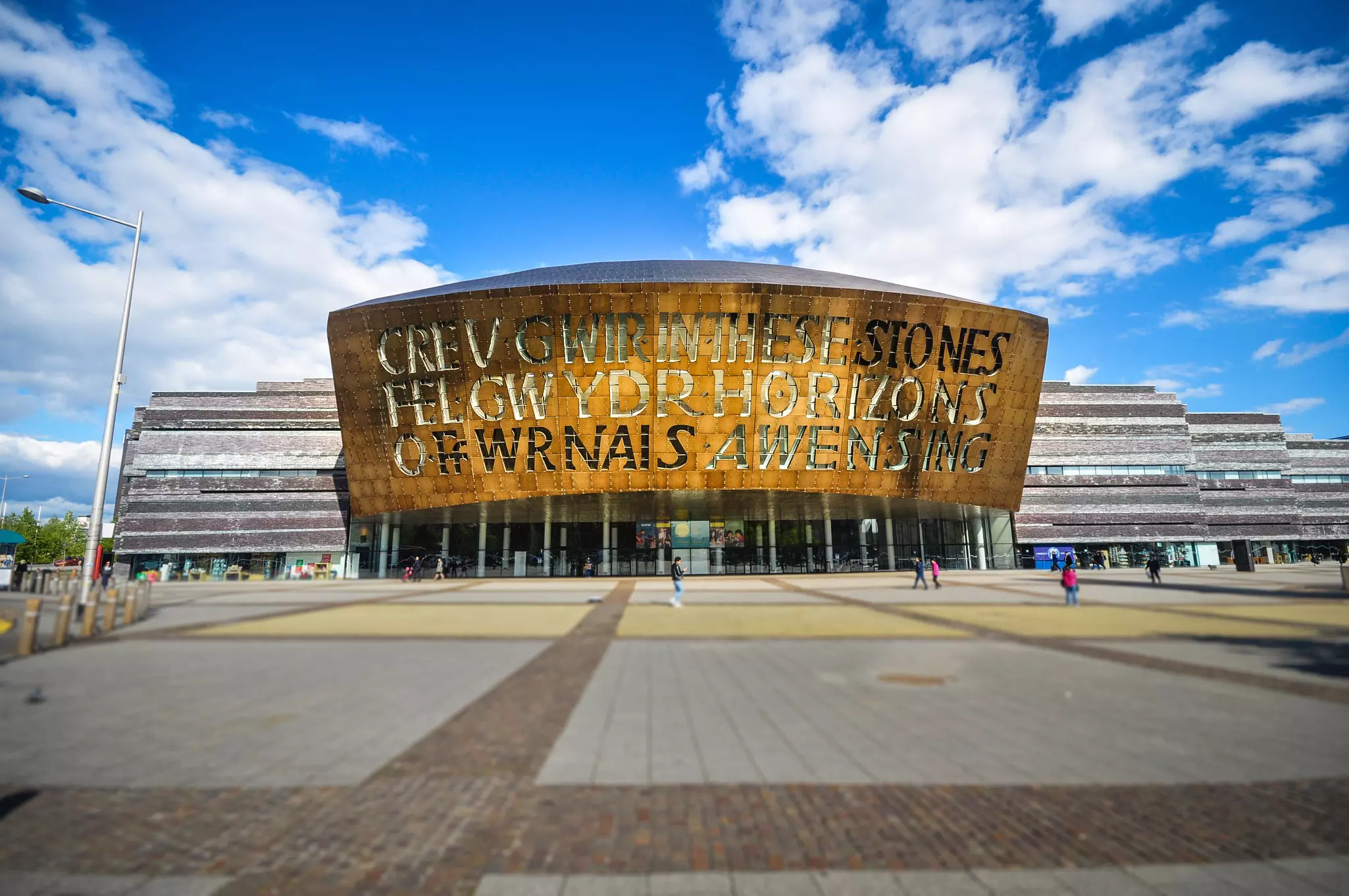
With boat trips running all year, restaurants galore and stunning views, Cardiff Bay always has something for visitors to do, see or try. Experience the Welsh knack for storytelling and singing at Wales Millennium Centre, a first-class theater, dance and music venue. For performances of the political kind, check out the Senedd, home to the Welsh Parliament. Adrenaline junkies will love Cardiff International White Water, where you can try white water rafting, kayaking, stand up paddleboarding and high-ropes walking, all without leaving the city.
Planning tip: If you like to see politics in action, you can actually sit in the public gallery during Plenary sessions on Tuesday and Wednesday afternoons to watch debates unfurl.
The iconic Principality Stadium, formerly called Millennium Stadium, dominates the bank of the River Taff. It's regularly used for major sports including football, rugby, motorsport and boxing, and doubles as an arena for music concerts (Taylor Swift, Ed Sheeran and Coldplay have filled it, to name just a few). Visitors can join a tour that takes you to the home dressing room (better known as the Dragon's Lair), the press suite, VIP boxes, players' tunnel, the highest seats in the 75,000-capacity house and, of course, pitch-side.
For thrills of the adrenaline type, book a SCALE Roof Adventure. Guided by a leader, you climb up to the roof, traverse along its edge overlooking the pitch, zip wire from mast to mast across the canopy and abseil down from the very top to the ground. Views over the stadium and city are incredible, though it’s not for the fainthearted! Alternatively, see the stadium as part of a trip to Riverside Market on a Sunday, where food, drink, craft, gift and grocery stalls line the river bank opposite.

Next to Cardiff Castle is Bute Park, a thriving green idyll loved by locals. Relax with a walk along the River Taff, home to many species of rare birds, or wind your way through the pretty flower beds and woodland areas. For refreshments, visit the Secret Garden cafe for fresh, homemade nibbles and great coffee. Or, cross the river and amble into Pontcanna, one of the fanciest suburbs of the city with top food and drink to boot.
A former jail, Cardiff Market has two floors of stalls within its Victorian shell. You can buy almost anything here, which makes it perfect for wandering or people-watching from the balcony. In recent years, it has become a hub for pop-up street food stalls. Highlights include Bakestones (where you can watch the best Welsh cakes in the city being cooked on a griddle before eating them), Ffwrnes’ wood fired pizza, the Bearded Taco’s Mexican dishes and Tokyo Nights’ fun, Japanese-inspired bites.

One of Wales’s most popular heritage attractions, St Fagans National History Museum is an open-air museum of Welsh life. Buildings from throughout Welsh history have been carefully taken down from their original sites and re-erected here. You can walk through the ages via the buildings, from a stony medieval court to a functioning 20th-century bakehouse. Take a break at the quaint Gwalia Tea Room or grab an oven-hot cheese roll from the old bakery before ambling through trees and country paths on the 100-acre site.
It’s worth venturing out of Cardiff city center for a wander around Roath Park. The Victorian-era public park has weaving tree-lined walkways, a huge rose garden, a conservatory filled with tropical greenery and plenty of green space to run around or relax. Its centerpiece is the large lake, home to hundreds of water birds. The distinctive white clock tower is a memorial to Captain Scott and his crew, who embarked on an ill-fated Antarctic expedition from Cardiff in 1910. Get out on the water by renting a pedal boat or traditional rowboat, or grab a treat from the ever-present ice cream truck.
Explore related stories