Aug 12, 20269 min read
7 of the Best National Parks in PanamaMar 23, 2026
11 MIN READ
Writer
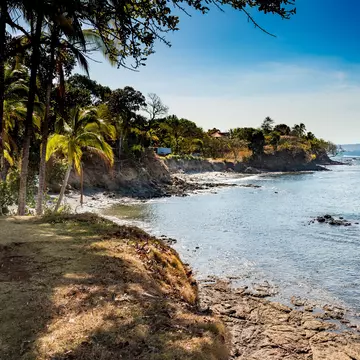
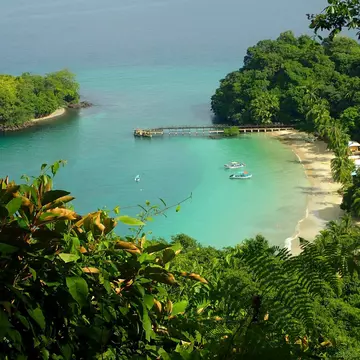
Santa Catalina beach, on the Pacific coast of Panama. Jade Dragon/Shutterstock

Writer
Highlights
Writer Richard Arghiris picks 13 Panama experiences from surf breaks to cloud forests.
Stroll Casco Viejo's warren of streets, then watch ships lock through the Panama Canal.
For adrenaline, raft Chiriquí's wild rivers or surf Pacific breaks at Santa Catalina.
Spot poison dart frogs in Bocas del Toro and resplendent quetzals near Cerro Punta.
Lonely Planet may earn a commission from affiliate links on our site. All recommendations and reviews reflect our own independent opinions.
With rugged trails and blazingly colorful neotropical life, Panama's national parks are some of the best in the world. Its highlands are steeped in rambling coffee fincas (plantations), thunderous rivers and waterfalls. The coastline boasts kaleidoscopic coral reefs and epic swells that have drawn daring wave-seekers since the 1970s, and there are hundreds of Caribbean islands where you can sip a dram of rum and indulge in some hammock time.
Panama, the bridge between the Americas, is a powerhouse of possibility – the only challenge is choosing what to see when you get there. Here are our picks of the country's top experiences.
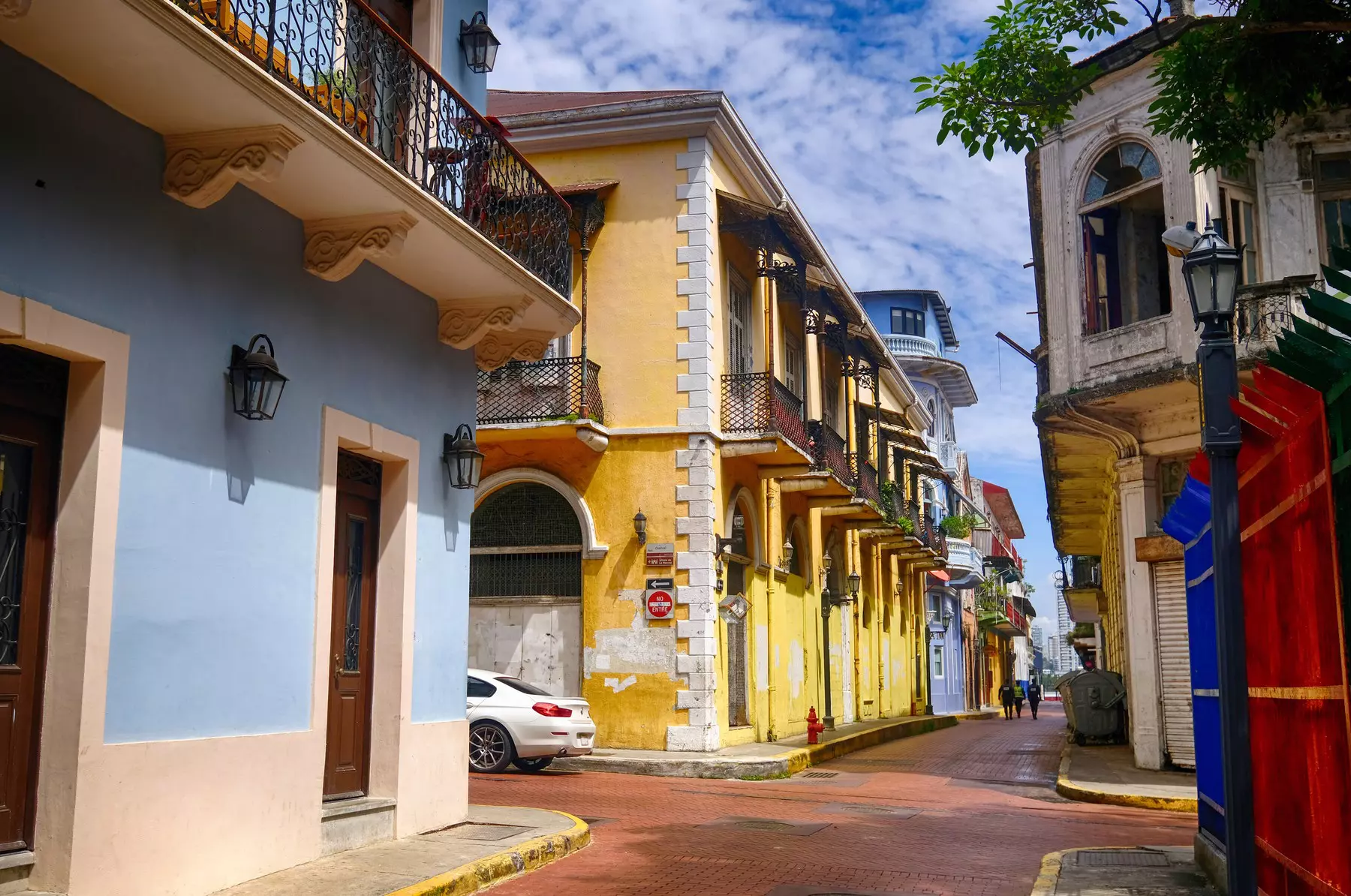
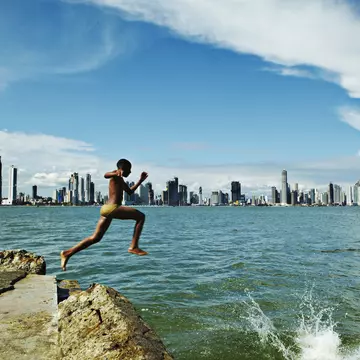
If the booming, high-rise Banking District is the economic engine of Panama's capital, the urbane quarter of Casco Viejo is its spiritual heart. Established in 1673 after the pirate Henry Morgan transformed the original settlement of Panama City (now Panama La Vieja) into an inglorious pile of rubble and ash, Casco Viejo, once a defensive outpost, has gone through enormous change.
After falling into ruin during the reign of dictator Manuel Noriega, this neighborhood is now one of Panama's most prestigious and popular locales, with plenty to keep a visitor entertained. Stroll through its warren of streets, where handsome plazas play host to fine mansions, buzzing terraced cafés, ritzy art galleries and a restaurant scene to satisfy the most ravenous gourmand. Don’t miss the historic sites – the district’s defensive walls have long been dismantled, but its wealth of 16th- and 17th-century structures remain. Among them, the Iglesia de San José features a priceless, baroque gold altar that miraculously escaped Morgan’s sacking of Panama La Vieja.
Back in the 1970s, only a handful of intrepid travelers knew about Santa Catalina. Today, the word is out: Santa Catalina boasts some of the most spectacular waves in Central America. As such, this remote fishing village on Panama’s Pacific coast sees a steady stream of sun-kissed adventurers, but not enough to disrupt its low-key ambiance. The drive from Panama City to Santa Catalina is about 6 hours via rental car or private shuttle.
Strictly for experienced surfers, the point break at La Punta generates powerful and consistent swells year-round, reaching colossal heights of up to 9m (30ft) from February to August. Beginners should steer clear of such monsters and practice their moves at the infinitely calmer Playa El Estero, one of the best training grounds in the country.
Planning tip: There are many other excellent breaks in Panama’s central provinces, mostly in the Azuero Peninsula.
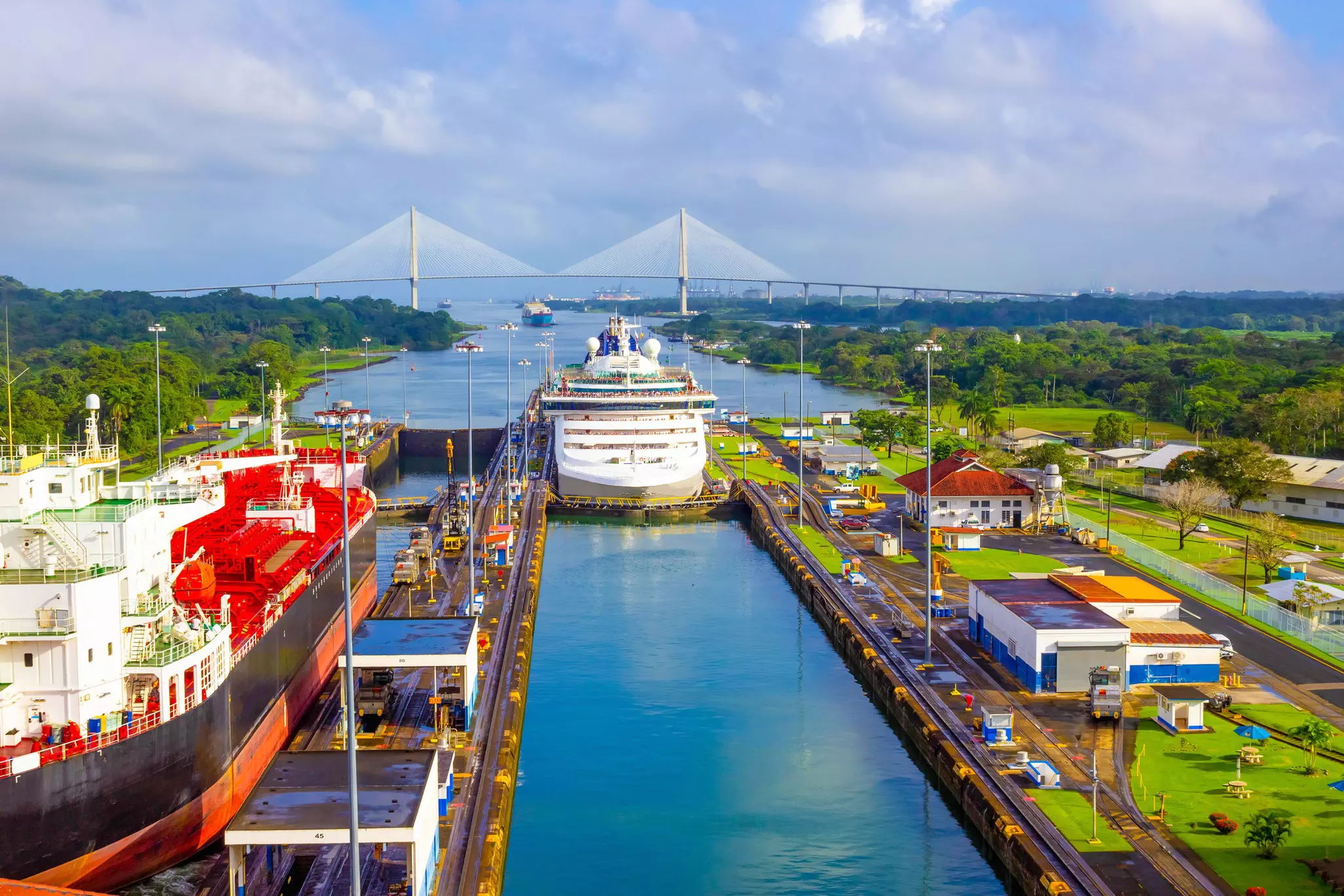
The age of engineering reached its pinnacle with the Panama Canal, an 80km-long (50-mile) international shipping channel that connects the Pacific Ocean with the Caribbean Sea. Unlike the Suez Canal, which is entirely at sea level, the Panama Canal uses a series of enormous, mechanized locks to raise and lower ships over the continental divide.
The canal is an obligatory attraction for first-time visitors to Panama, and you have several options for getting close to the action. Just outside Panama City, Miraflores is the most popular of the canal’s locks, as it's reliable and easy to reach.
Gatún sees fewer visitors on the Caribbean side but boasts a larger three-step lock system. However, to see the canal at its grandest, you should head to Agua Clara Locks, also on the Caribbean side. Completed in 2016, the locks were designed to accommodate a new generation of behemoth container ships, known as Neopanamax, which have twice the capacity of previous vessels.
If you intend to do any serious hiking in the Chiriquí highlands, it’s worth scheduling a recovery day at the hot springs of Caldera. With temperatures ranging from tepid to piping hot, several thermally heated pools of mineral-rich spring water supply a soothing remedy for aches, pains and general fatigue.
Planning tip: Located 18km (11 miles) outside of Boquete, the springs are rustic and low-key. Amenities are basic, and you should arrive early to beat the crowds. During the dry season, dig your own pool out of the banks of the Río Chiriqui. Public transport to the springs is infrequent; consider a taxi or a tour instead. If driving from Panama City, expect about a six-hour car ride, or book a one-hour flight.
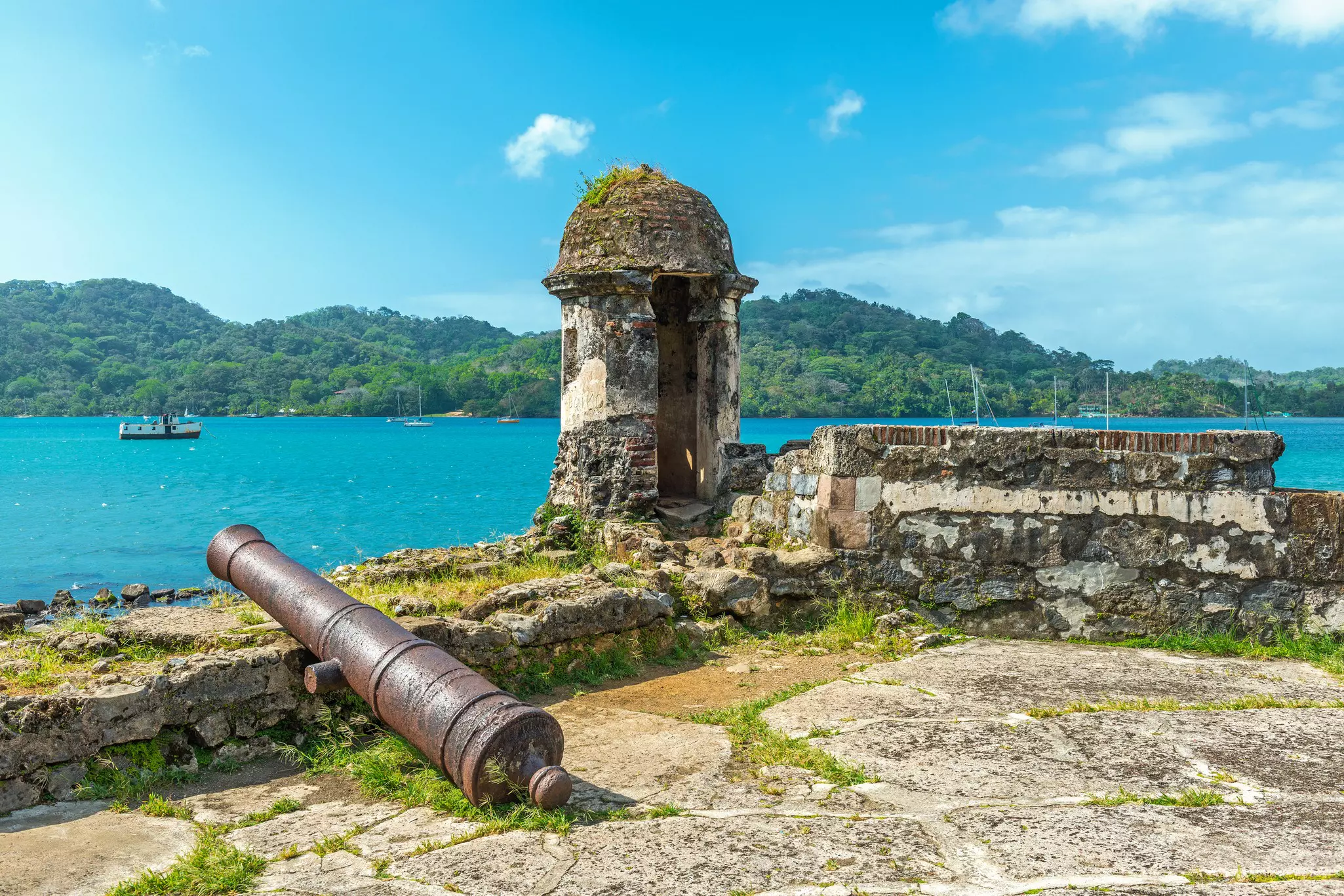
The impregnable fortress of Portobelo once served as the Atlantic terminus of Spain’s transcontinental supply chains. It lies at the heart of the Costa Arriba, a remote Caribbean shoreline running east of Colón. At the height of the Spanish colonial empire, bars of plundered Peruvian gold filled its customs house. Such extraordinary wealth invariably drew pirates like Henry Morgan and Admiral Edward Vernon.
Lonely planet’s trusted travel insurance provider
Travel with confidence. Protect your trip and your wallet.
We don’t represent World Nomads, we receive a fee from quotes using this link. This is not a recommendation to buy travel insurance.
Less than a two-hour drive from Panama City, Portobelo today is a small fishing town filled with rusty relics of a bygone era. Much of the town's soul comes from the Afro-Panamanians, descendants of Congolese people enslaved and trafficked by the Spanish.
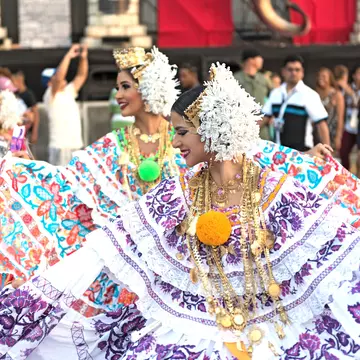
The town truly comes alive during a pair of festivals – the Festival del Cristo Negro and the Festival de Diablos y Congos. The Festival del Cristo Negro is held annually in October and honors a 1.5m-tall (5ft) Black Christ. The statue is paraded around town as pilgrims wearning purple robes and crowns of thorns follow.
The Diablos y Congos festival occurs every two years, with the next in May 2027. The event evokes the twin themes of enslavement and emancipation through dances and devilish costumes. The tradition dates back to the trade of enslaved people when Black people escaped bondage and found a haven and, eventually, a community in the jungle. It's a wonderful, colorful celebration that draws people from around the region.
When the heat and frenzy of the capital become too much to bear, city residents retreat to the flower-festooned spa of El Valle. Located in the lush foothills of Coclé Province, El Valle is a mere two hours and 30 minutes from the capital but a world away in style and atmosphere.
Cool, quiet and refreshingly down-to-earth, El Valle boasts a plethora of diversions. If you want to relax, hot springs promise to restore and rejuvenate. If you’re up for an adventure, several fine hikes lead through verdant, chattering forests, many of them punctuated by mysterious petroglyphs and thundering waterfalls. The jagged peaks of the India Dormida are the most challenging of all.
Planning tip: Don’t miss El Valle’s famous daily artisan market, where you can shop for pottery, masks, baskets and other excellent handcrafted items.
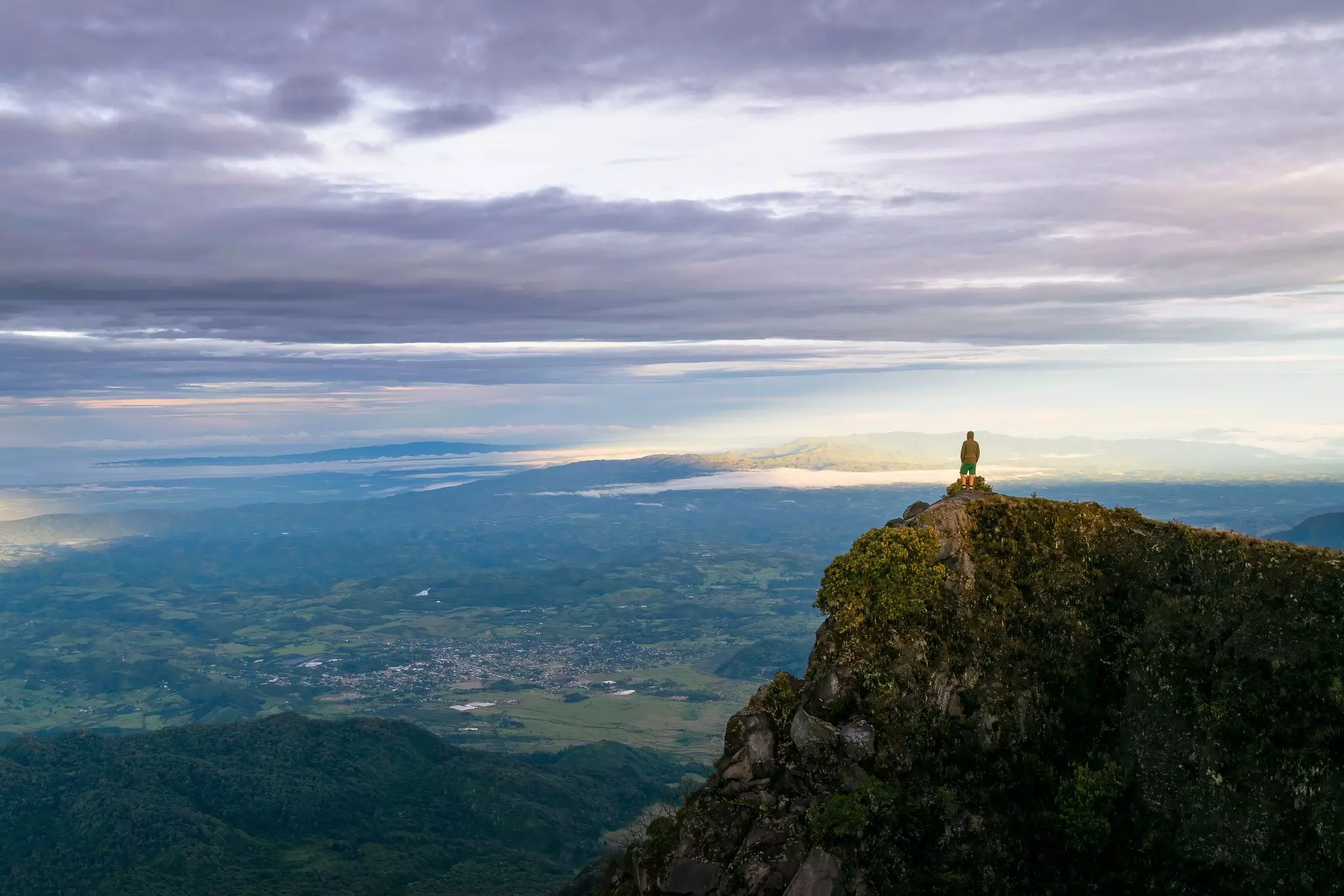
Rising from the Talamanca mountains in western Panama, Volcán Barú is the only place in the world where you can see both the Pacific and Atlantic Oceans at the same time – but only if you’re very lucky. At 3474m (11,398ft), Barú’s windswept summit is subject to highly changeable and occasionally inclement weather conditions.
Dawn is your best chance to catch clear skies and fiery hues. As such, you should set out at midnight from the nearby town of Boquete or plan to camp under the stars.
You're still guaranteed a decent hike through several vegetation zones, even if the weather gods don't smile on you. Cloaked in forest and farmland, the extinct volcano is home to seven craters and 10 rivers, many endemic mammals and abundant birdlife.
Detour: Of course, there’s no shortage of meandering countryside in the shadow of Barú, which is a seven-hour drive from Panama City. Endless hiking trails crisscross the rugged hills of Chiriquí Province, taking in enchanted waterfalls, aromatic fincas, Indigenous communities and cloud forests. After conquering Barú, take the time to ramble on.
All coffee lovers know that the finest beans can deliver a full-blown mystical experience. Forget communion wine; a cup of the black stuff is your ticket to heaven. In Chiriquí, coffee production has been the mainstay of the local economy since the 19th century.
Dozens of mist-drenched estates pepper the fertile hills under Volcán Barú. Established in 1922, Finca Lérida is one of the country’s oldest growers, and its extensive property includes hiking trails and secondary forests jumping with birdlife. In Boquete, Café Ruiz is one of the largest and most famous exporters, founded in 1979.
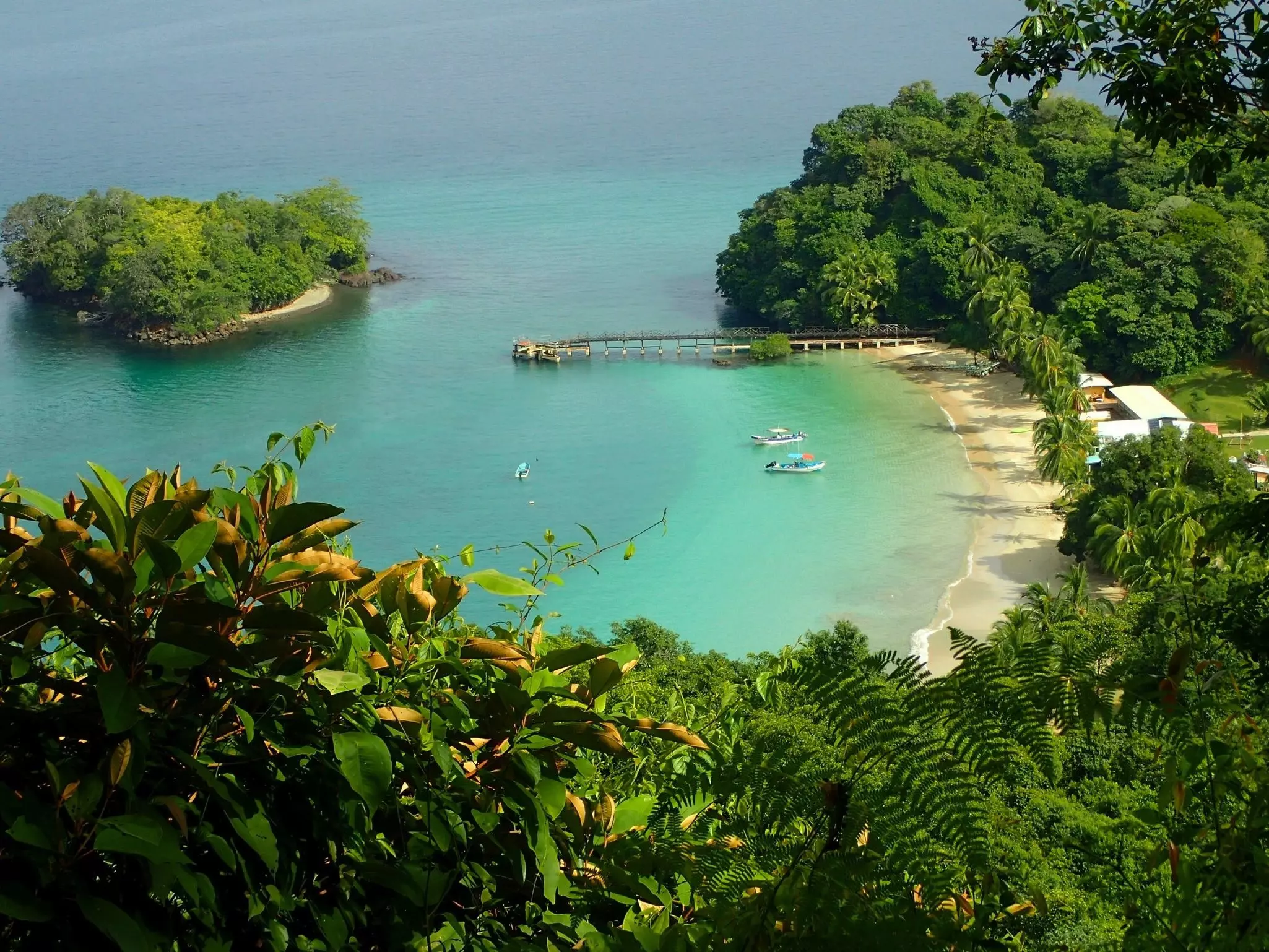
Shimmering shoals of multicolored fish swirl through the ocean waters off Isla de Coiba, a global hub for marine life. Located 20km (12 miles) from Panama’s Pacific mainland, Coiba is the largest of Panama’s many phenomenal islands.
Teeming with life, the ocean here is an underwater wonderland that will leave you mesmerized. In addition to substantial reef colonies, Coiba hosts many large pelagic animals including multiple species of turtles, whales, sharks and dolphins.
Detour: Visiting Coiba is one of the most adventurous things to do in Panama, but if you can’t make it out, several decent dive sites in Bocas del Toro Province are well-served by local infrastructure. The remote Indigenous enclave Guna Yala shelters some exceptional reefs, too, but the local authorities only permit snorkeling.
Beyond its rambling knolls and sleepy hamlets, the bucolic province of Chiriquí has some seriously steep and torturous peaks. As such, it is one of the best destinations in Central America for white water rafting.
For the uninitiated, the experience involves hurtling over torrid eddies while paddling for your life, hopefully avoiding any obstacles of rocks and deadly vortices. Wild stretches are punctuated by moments of calm and drift, and there’s just enough time to catch your breath before the next onslaught begins.
If this sounds like good wholesome fun, trips can be staged in the town of Boquete, about a 50-minute drive from David. Families and cautious types may prefer the tamer class II–III rapids on Majagua and Gariche Rivers. Pluckier souls and unrepentant adrenaline freaks should head to the Chiriquí Viejo, a true beast with more than 60km (37 miles) of class IV rapids and some horrifying class V sections, too.
Planning tip: Naturally, the rivers are noticeably wilder in the wet season.
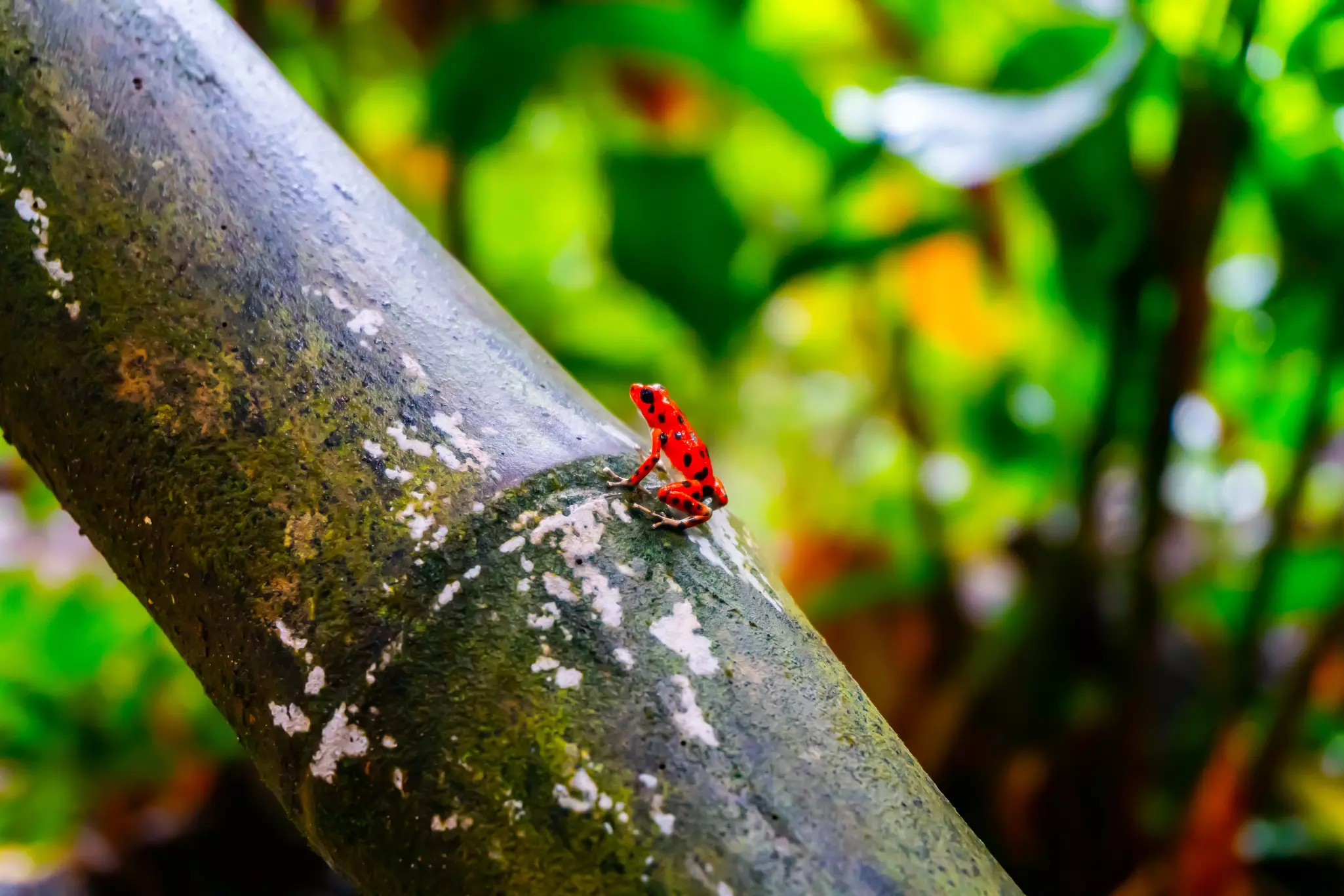
The far-flung Caribbean islands of the Bocas del Toro archipelago are a bastion of biodiversity. Encounters with clambering three-toed sloths, croaking toucans and roaring howler monkeys are common. However, the poison dart frogs that inhabit the islands’ rainforests are unique in so many ways.
Not much bigger than a human thumbnail, the frogs are iridescent with lustrous red, blue, orange and green shades, reflecting their innate toxicity. Some islands feature a single morph, others are home to several species. And each morph, according to biologists, is destined to evolve into its own unique species.
Planning tip: Poison dart frogs are easy to find in the undergrowth, but don’t handle them.
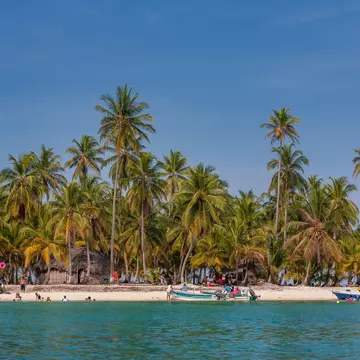
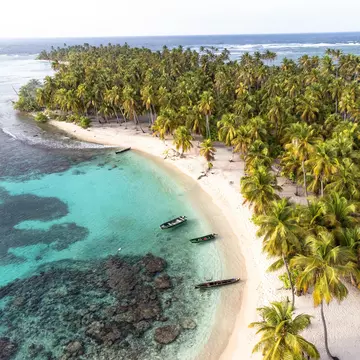
More than 400 islands and islets make up the homeland of the Indigenous Guna (formerly the Kuna), most of them blissfully uninhabited. The region is largely devoid of modern infrastructure and self-governed as a semi-autonomous territory in Panama’s remote eastern Caribbean.
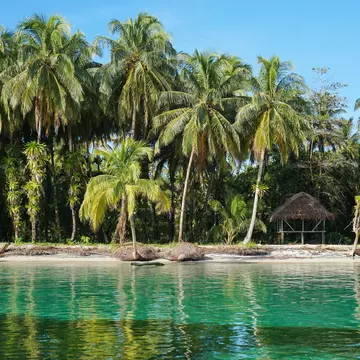
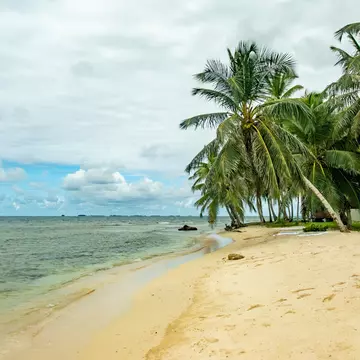
Most of its scattered isles offer little more than a white sand beach and a solitary stand of palm trees. The Comarca de Guna Yala is the place to disconnect from the outside world and rediscover your innate tranquility.
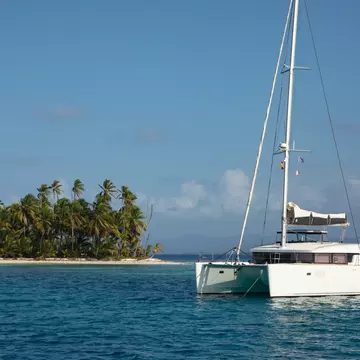
Guna society is matriarchal and staunchly conservative. Fishing, coconut cultivation and, to a lesser extent, tourism are the main economic activities in the region. Unless you have a yacht, independent travel here is tricky.
Guna families typically host visitors and provide food, accommodations and day trips. Your options include relaxing on remote beaches or exploring pristine coral reefs. Don’t forget to stock up on molas – colorful embroidered panels that form part of traditional Guna attire.
Adorned with iridescent emerald plumage and trailing tail feathers, the aptly named resplendent quetzal (Pharomachrus mocinno) has long featured in the myths of Mesoamerica. Quetzals are increasingly rare, but with luck and perseverance, you might just spot one in the high-altitude cloud forests around Cerro Punta, deep in the tierras frías (cold lands) of the Talamancas.
Covered in strawberry plantations, Cerro Punta is a major gateway to Parque Internacional La Amistad, one of Central America's largest and wildest protected areas.
Detour: Of course, birders are spoiled for choice in Panama, and some of the most prolific habitats are the lowland rainforests around the Panama Canal. You won’t see any quetzals there, but the 17km (10.5 mile) Pipeline Trail in Parque Nacional Soberanía is a truly world-class site. In 1985, birders clocked an astonishing 385 species in just 24 hours.
Book your Panama trip with Lonely Planet Journeys
See Panama how it's meant to be seen
Planned by local experts and tailored to you, Lonely Planet Journeys handles the logistics so you can just enjoy the trip. Tell us what you want and we'll build your Panama itinerary from scratch, or browse our bookable trips to get inspired.


Explore related stories