Jun 1, 20267 min read
Indonesia's 11 best beachesMar 23, 2026
10 MIN READ
Writer
Writer
Made up of over 17,000 islands, there's an endless list of incredible things to do in Indonesia beyond the headline-grabbing big hitters such as Bali and Lombok. And the breadth of activities matches the sprawling scale of the world’s biggest island nation.
Rich wildlife zones extend across both land and sea for bountiful hiking, climbing, diving and sailing. Add in megalithic tombstones, temple ruins and chill surf towns for a veritable playground of adventure, and you'll be planning your next trip before you even leave. These are some of the best things to do in Indonesia.
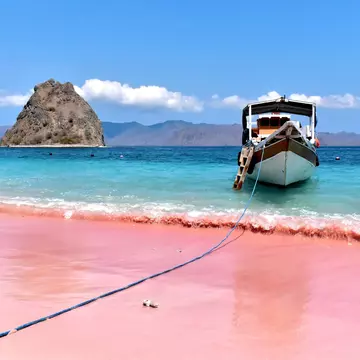
The UNESCO-protected Komodo National Park is the domain of living dragons, Indonesia's apex predators. Just east of Komodo, Rinca – smaller but more densely populated with particularly aggressive dragons – is one of the most exciting predator territories on the planet for hiking. It is possible to combine dragons and orangutans in a single tour, taking in two of nature's stars in the world's second-richest wildlife zone (only the Amazon has greater natural diversity than Indonesia).
There are lots of tour operators in the fishing town of Labuan Bajo to choose from and they all run a standard day trip to Komodo, either via speed-boat or slow boat, and stopping in the same six locations. The speedboat is pricier but gives you more time in each spot. When the tour reaches the island of Pulau Komodo, you are paired with a ranger armed with a forked staff for keeping dragons at bay.
The 1,355,000 Indonesian Rupiah (Rp) entrance fee includes a choice of three walks: the short walk (1.5km, 45 minutes), which includes a stop at an artificial waterhole that attracts diminutive local deer, wild boar and of course ora (Komodo dragons); the medium walk (2km, 1½ hours), which includes a hill with sweeping views and a chance to see colourful cockatoos; and the long walk (4km, two hours), which includes the features of the shorter hikes and distances you from peak-season crowds.
If you have more time, a rewarding way of experiencing Komodo National Park is via three-day, two-night liveaboard trips, offered by some operators. A three-day trip takes in all the day-trip’s highlights, and less-visited spots, such as the small, uninhabited Siaba, Kalong and Bidadari islands – excellent for snorkeling. It also means beating the crowds to Padar’s viewpoint in the morning, and visiting Komodo Island earlier, when the dragons are more active.
Planning tip: Sightings are frequent but not guaranteed, particularly during the months of June and July, when the dragons disappear into the hinterland of Pulau Komodo in order to mate.
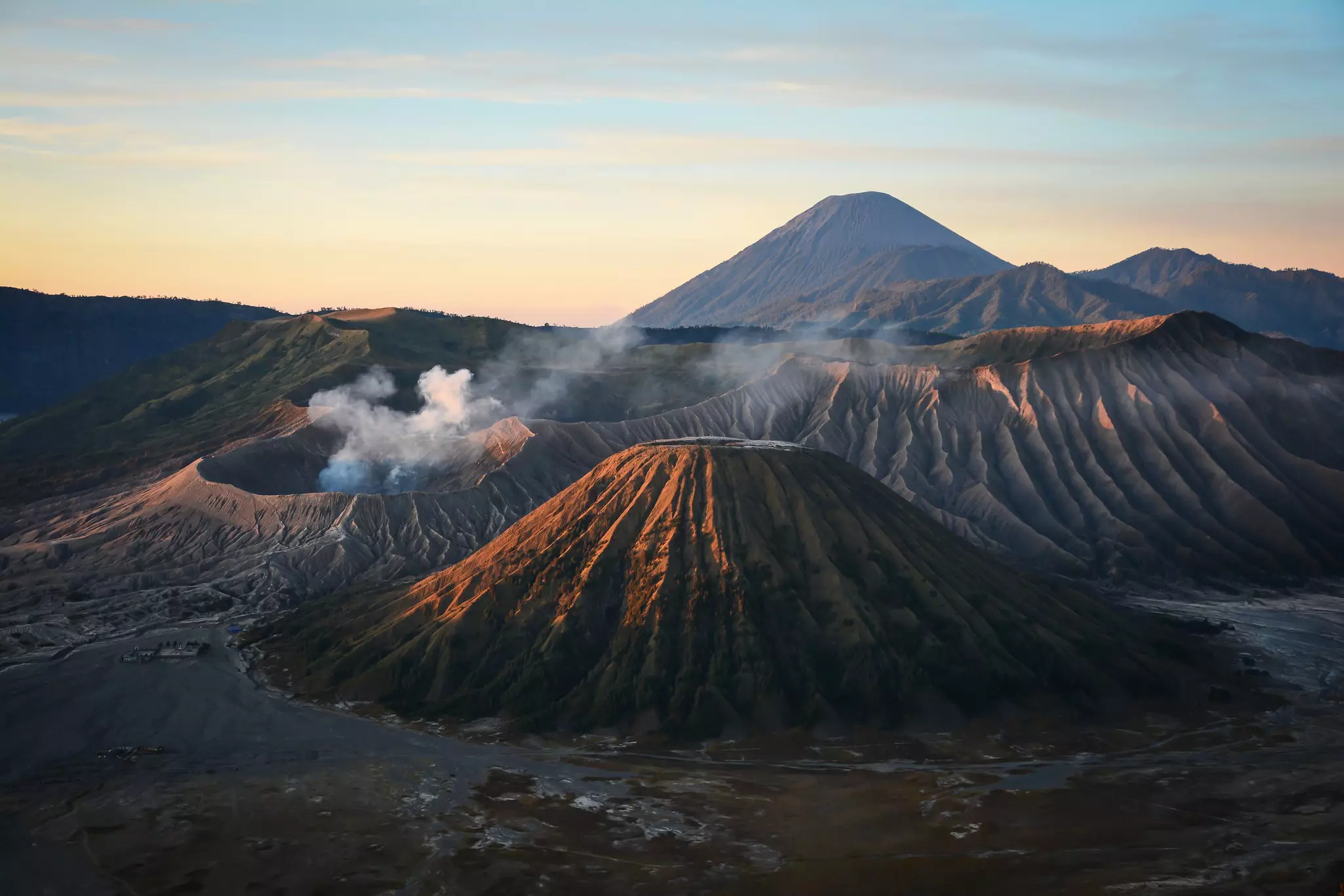
A third of the world’s active volcanoes are on Indonesian soil. In Java, especially, you are rarely out of sight of a smoldering peak. The mighty Gunung Bromo, at 2329m, is perhaps the most popular to climb – it is best to time your arrival on the summit for sunrise.
At the extremes of the island, you find the equally dramatic 157m Anak Krakatau (accessible by boat from the West Javanese coast) and the 2799m Kawah Ijen, with its ghostly rivers of blue fire caused by burning sulfur. For those looking for an easier path or anyone with limited mobility, Tangkuban Prahu at 2084m is accessible by vehicle from Bandung city. It is safest to climb these active volcanoes with an experienced guide or as part of a tour with a responsible operator.
Planning tip: Most tours to Gunung Bromo will start at around midnight with a pickup from your hotel, transferring to a Jeep along the way, and then a drive into Bromo-Tengger-Semeru National Park under the cover of darkness to arrive in time to catch the sunrise. Pack layers as it can be surprisingly chilly before the sun is up.

Stay connected abroad with an eSIM
Holafly eSIM provides unlimited mobile data with no hidden fees, giving you peace of mind wherever you travel. Stay connected even after your plan ends with Always On. Use code LONELYPLANET for an exclusive discount.
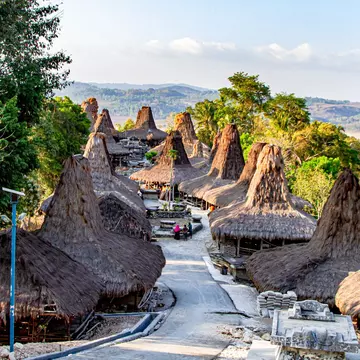
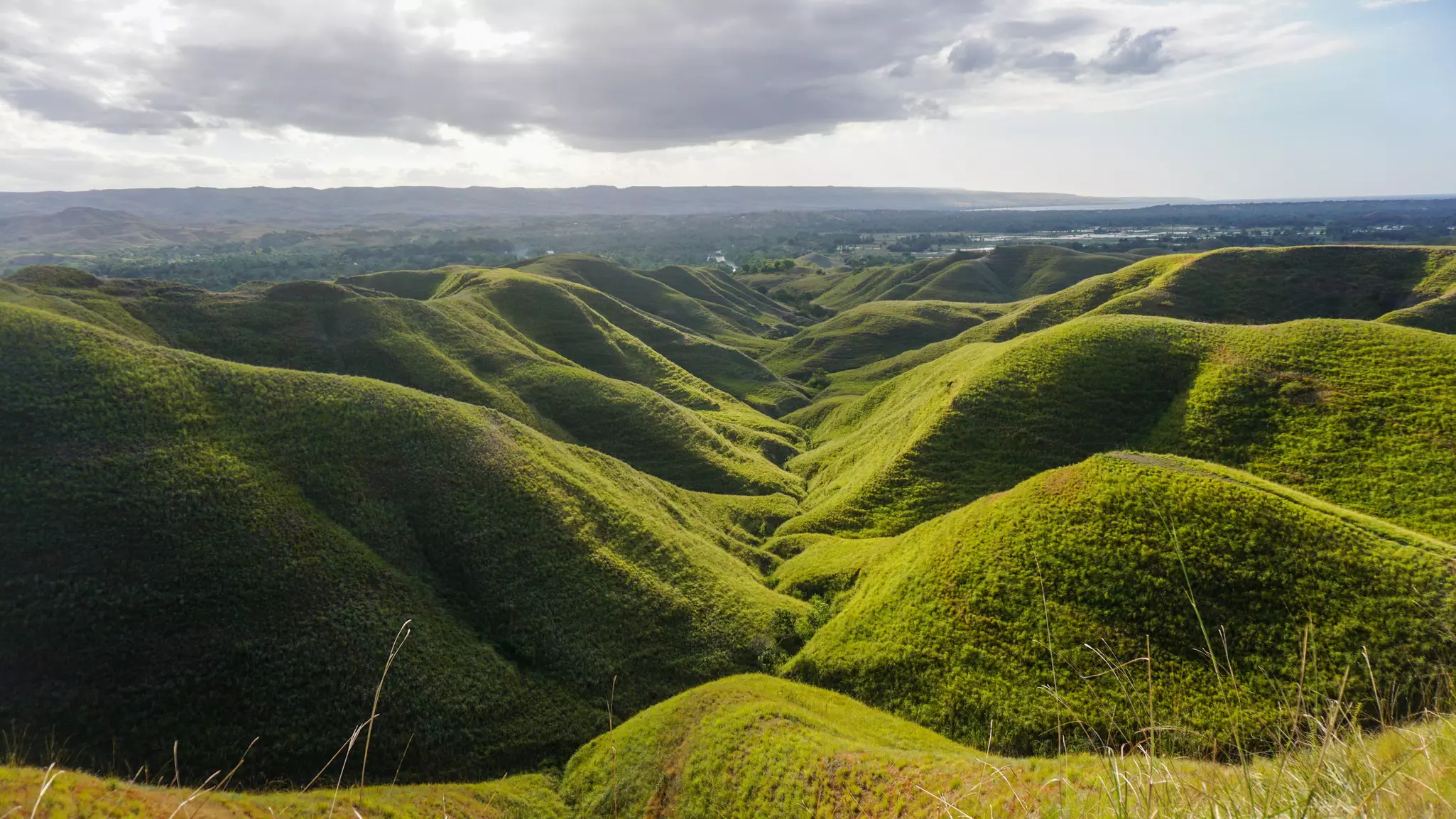
The island of Sumba remains almost unknown despite being twice the size of Bali. A culture based on ancestor worship installed megalithic tombstones (the largest vastly outweighs the biggest stone at Stonehenge) that were moved several kilometers overland by hundreds of laborers. One of Indonesia’s developing frontiers for adventurous travelers, Sumba is also home to the ritual (and still occasionally fatal) horseback battles in the Pasola Festival.
Culturally fascinating, this island is also no slouch when it comes to natural attractions, either. It’s encircled by pristine white-sand beaches and pounded by relentless breaks that have been drawing surfers for years, while secret swimming holes, waterfalls and caves beckon further inland. Friendly and low-key, this part of Nusa Tenggara is particularly vulnerable to change. Developers have their eye on Sumba, so go without delay.
Planning tip: Those interested in traditional Sumbanese culture will find numerous traditional villages clustered around Waikabubak and Waibakul, some with exceptional stone tombs. It’s best to visit with a guide, as Bahasa Indonesia is not really spoken here.
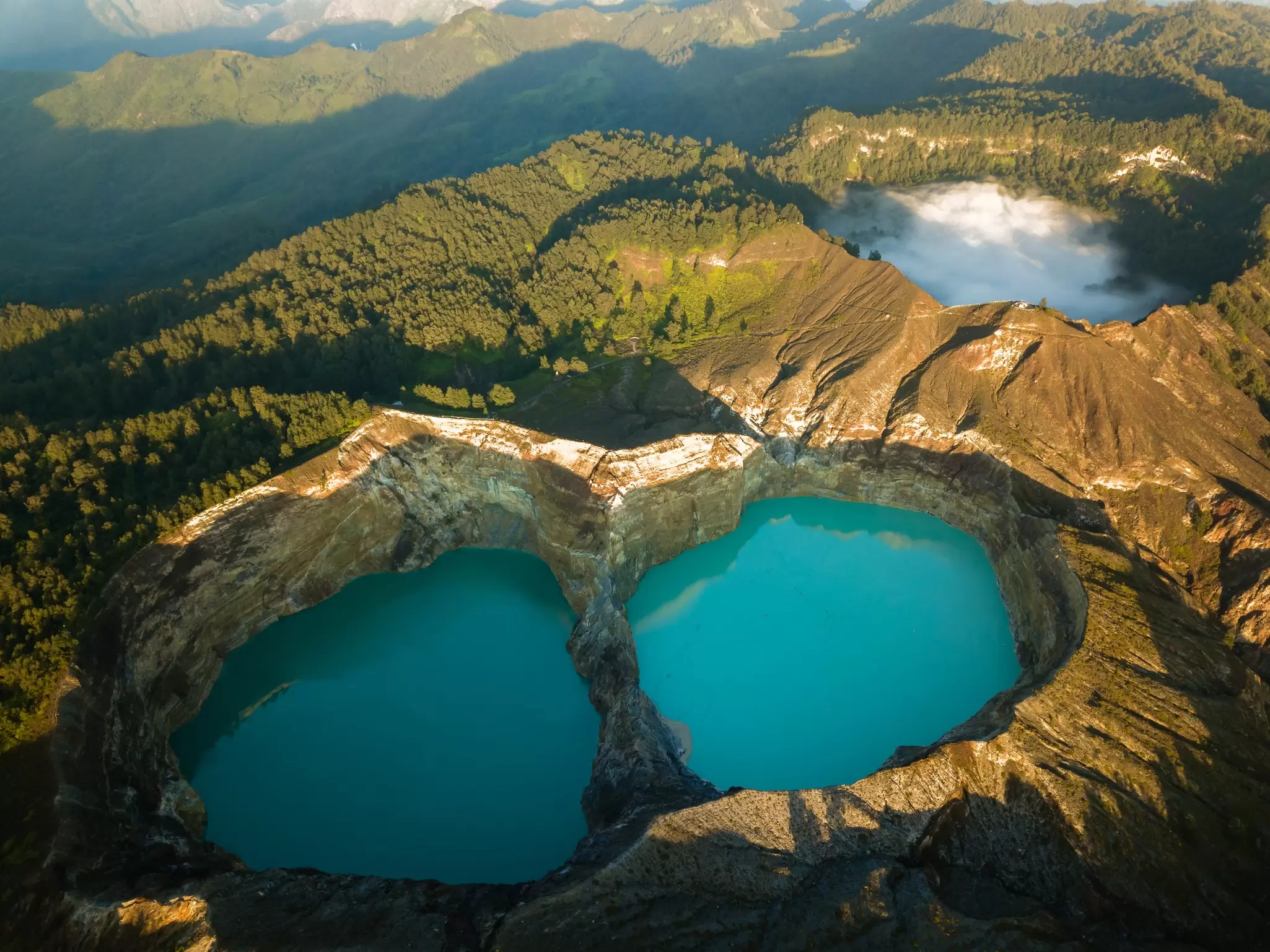
Due to a quirk of geology, the three sister lakes of Kelimutu National Park in the center of the island of Flores are capable of drastically changing color over the course of just a couple of days. Local people carefully watch the color transitions of the lake known as Tiwi Ata Mbupu, since it is said to be a resting place for demons and the spirits of witches. It is best to stay overnight in the village of Moni, where there are several homestays and hotels (as well as a lovely hot spring), so you are on the spot to visit the crater lakes around dawn before the mountain mists descend.
Planning tip: On the way back down, take the shortcut (you’ll need to ask locals for directions) down to Moni through steep, scenic copses of eucalyptus, and through farmland rich in banana, taro and vanilla, until you reach a gorgeous waterfall and dipping pool right below the road running through Moni.
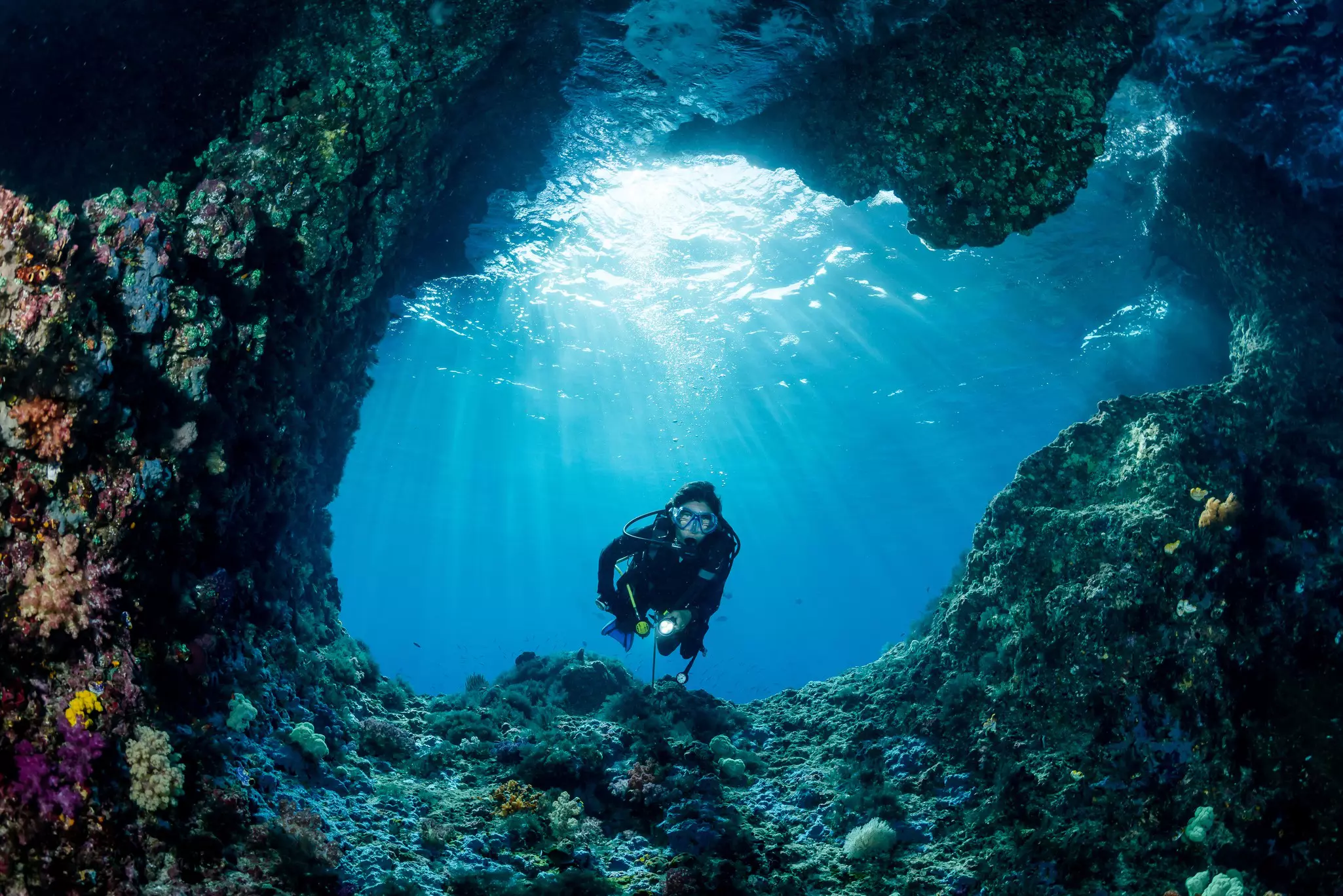
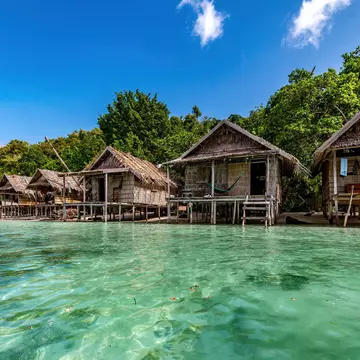
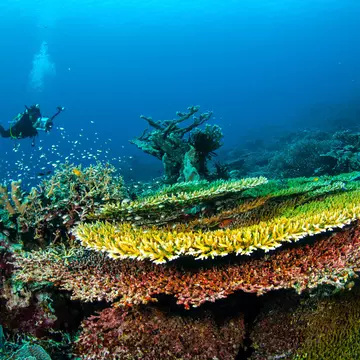
There are an estimated 750 species of coral in Indonesian waters (the entire Caribbean has just 70). With much of the richest section of the Coral Triangle – the world’s greatest center for marine biodiversity – lying in this region, it is unsurprising that the area is at the top of wish lists for most divers worth their salt.
Raja Ampat is regarded as the Indonesian dive site par excellence and, along with Wakatobi National Park off Sulawesi, is known for encounters with whale sharks. Manta rays are another main draw, and at both Manta Alley in Komodo and Manta Point in Nusa Penida (just east of Bali), you’re virtually guaranteed to see them.
Planning tip: In general, Raja Ampat is better suited to advanced divers; it’s not exactly a learn-to-dive hot spot. There are some dives and courses available for relative novices, and some liveaboards feature snorkeling stops for non-divers.
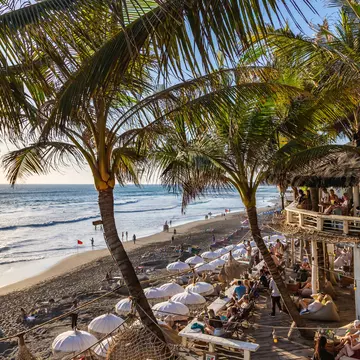
Anyone who thinks Bali is overrun with visitors need only drive beyond Canggu, where the tide of tourists seems to reach its height. Two hours west from here – on a beautiful drive through seemingly endless paddies – you reach Medewi in the heart of West Bali.
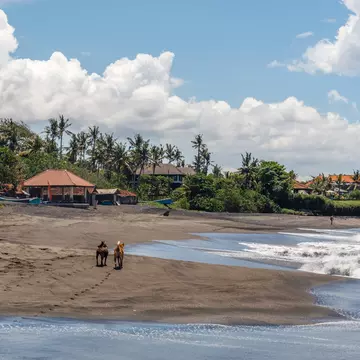
This low-key surf town is set in the middle of a deserted 20km-long black sand beach, unmarred by even a single sun lounger. The river mouth at Perancak harbors one of the most colorful traditional fishing fleets. And on Sunday mornings, the dramatic (but often gory) West Balinese sport of mekepung buffalo chariot racing takes place across the vast plains of paddies south of Negara town.
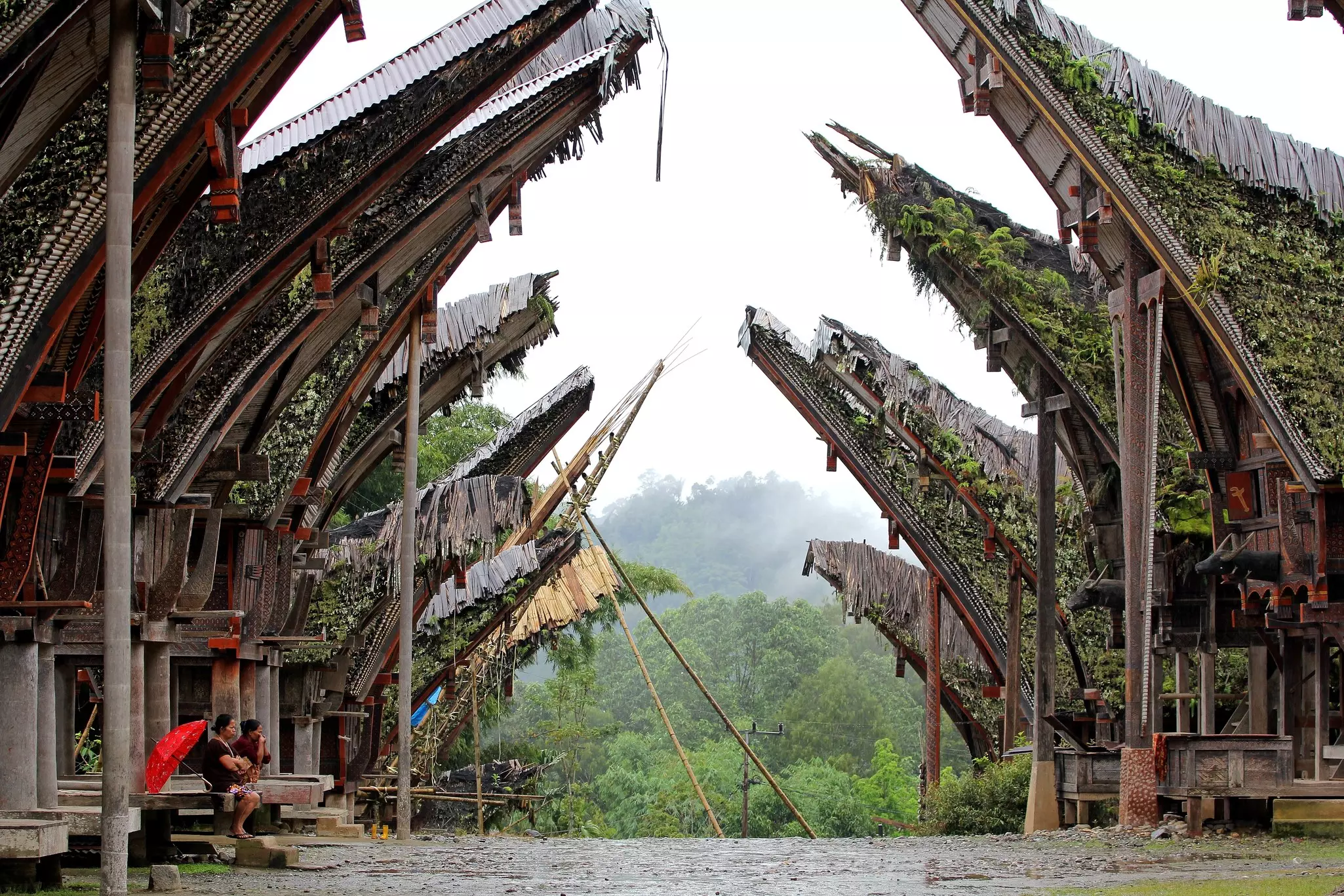
Hidden in the center of Sulawesi is one of the world's most fascinating cultures. The people of Tana Toraja build remarkable homes – the roofs of which, some say, represent buffalo horns or ships (others say they represent spacecraft!). With its blissful highland climate and scenic landscapes, Tana Toraja is a wonderful area for hiking, but somewhat bizarrely, the major draw lies in the lavish funeral rites that can cost more than US$100,000.
Deceased loved ones are considered merely ill until the last rites take place and visitors are often shocked to be introduced to older people who passed away several years before, yet are still carefully preserved in a family's front room. Other island highlights include diving in Bunaken National Marine Park and exploring the Minahasans' homeland of North Sulawesi.
Planning tip: Most of the tourist sites around Tana Toraja, such as Lemo and Londa, have an entry fee of 20,000-30,000Rp. There is usually a ticket booth at each place; most are open from 7am to sunset.
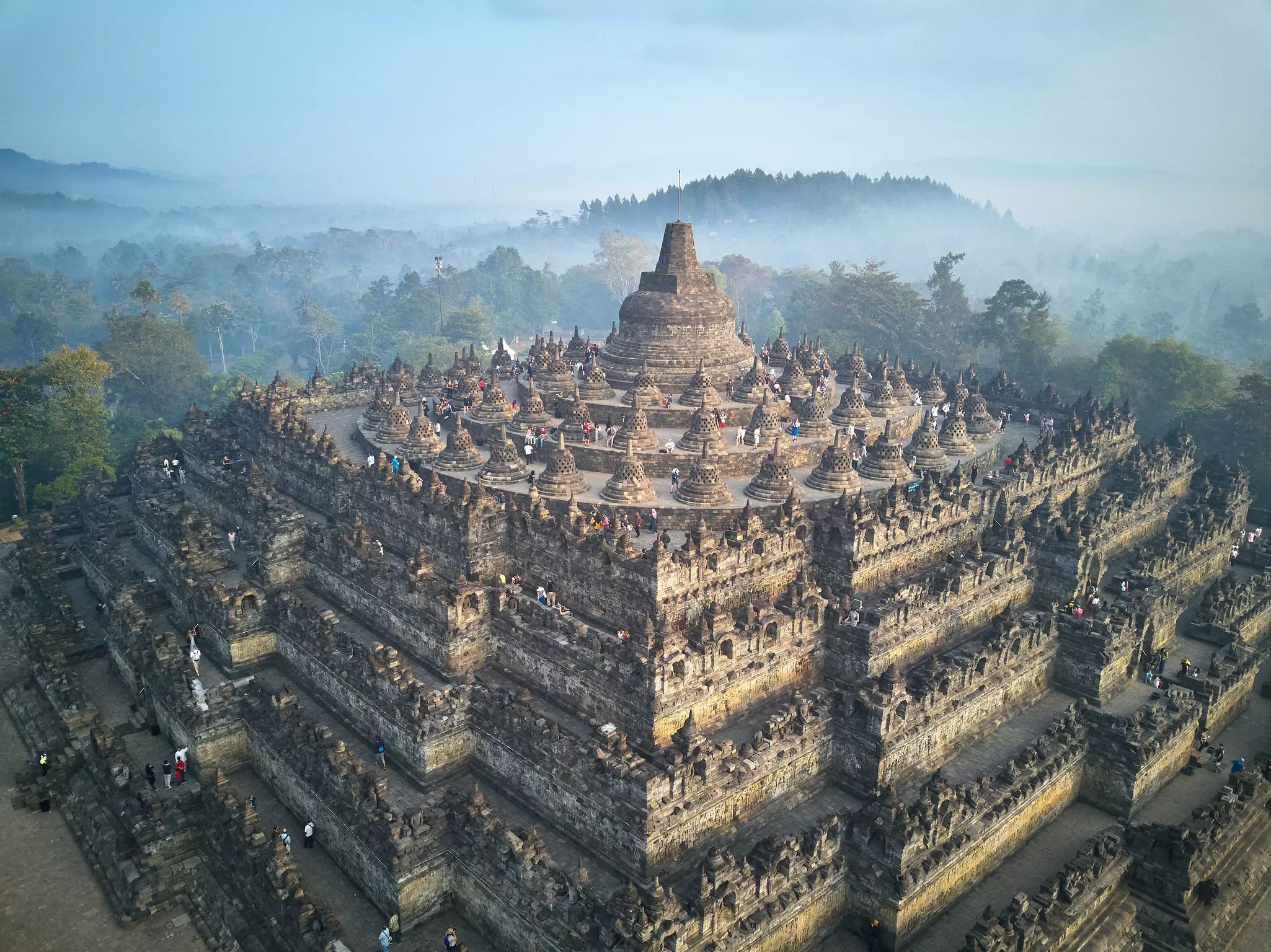
The UNESCO-protected Borobudur temple in Central Java is one of the archaeological wonders of our planet. It is believed to be the biggest (and certainly the most mysterious) Buddhist temple ruin and dates back over 1200 years. Try to stay nearby so you can arrive before first light and climb straight to the upper terrace – called the Sea of Immortality – to watch the spectacular sunrise over the Javanese volcanoes. It is a spiritually powerful experience.
Planning tip: If you'd prefer to avoid the crowds, visit on a weekday and brave the midday heat to enjoy some peace and quiet at the temple.
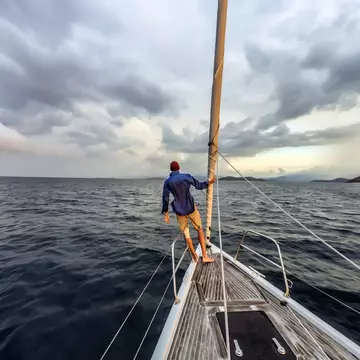
The traditional timber sailing schooners of southern Sulawesi have become part of humanity's Intangible Cultural Heritage and are an icon of Indonesia's maritime tradition. Built by the Bugis and Konjo people, these boats are known as pinisi. The Bugis people were once fearsome pirates throughout the archipelago and became a European household name – and the subject of countless childhood nightmares – as "bogeymen." This celebrated fleet of charter vessels frequently sails around Sumbawa, Komodo, Maluku and West Papua and now represents what is often the only feasible way to access some of Indonesia's remotest islands.
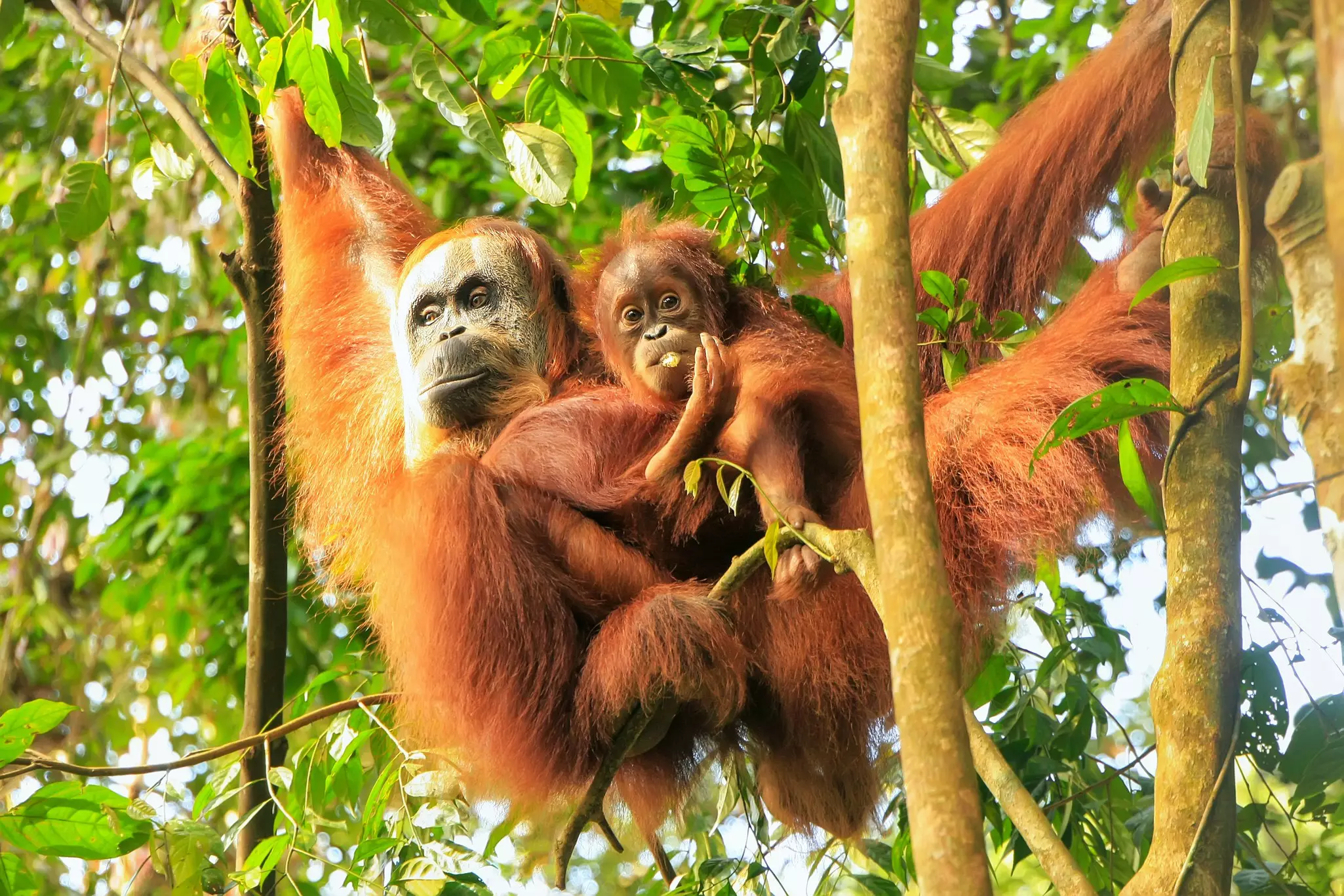
Gunung Leuser National Park is the best place to see critically endangered Sumatran orangutans. The village of Bukit Lawang – built along the steep Bohorok Valley – is a good base to set up guided trips or join a tour to see the wild apes. But try not to rush your visit because this little community is one of Indonesia’s most pleasant (and underrated) backpacker hangouts. Despite being almost twice the size of Gunung Leuser, Kerinci Seblat National Park is rarely visited, yet it is home to one of the world’s only healthy – which is to say increasing – tiger populations.
Planning tip: Book your visit to Kerinci Seblat before you arrive and bear in mind that the daily national park fee is cheaper on weekdays (155,000Rp) than weekends (230,000Rp).
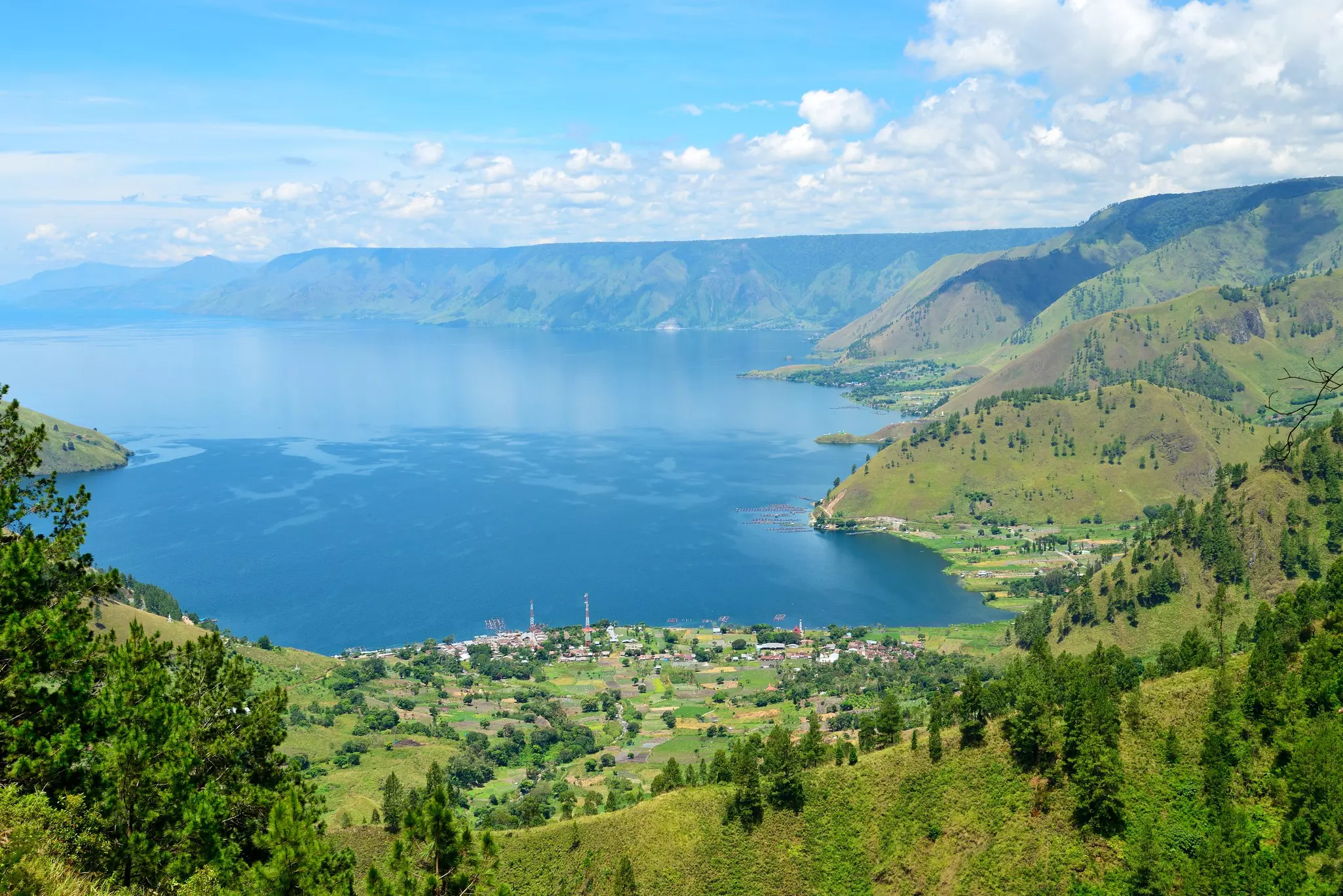
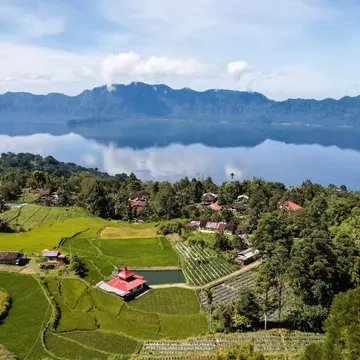
Danau Toba is the world’s biggest crater lake. In the middle of the lake lies Pulau Samosir (the world’s biggest freshwater island, listed in Guinness World Records as "the world’s biggest island on an island"). There are several reasons for visiting this area, but the immensely welcoming Batak people are the main draw. Don’t cut short a trip to Danau Toba, though. You can rent wonderful, affordable Batak houses and spend a week or so exploring all parts of the island, including the hot springs and, with permission and a Batak guide, Gunung Pusuk Buhit – the sacred mountain.
Take your Indonesia trip with Lonely Planet Journeys
Time to book that trip to Indonesia
Lonely Planet Journeys takes you there with fully customizable trips to top destinations – all crafted by our local experts.


Explore related stories