Feb 20, 20266 min read
The Best Time to Visit BhutanJan 19, 2026
11 MIN READ
Contributors
Bhutan is an incredible country that will leave you with wonderful lifelong memories. Shantanu Kashyap/Shutterstock

Contributors


Lonely Planet Editors, Bradley Mayhew
Highlights
Writer Bradley Mayhew rounds up 13 Bhutan experiences, from dzongs to dive bars.
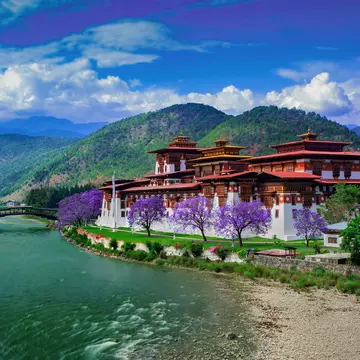
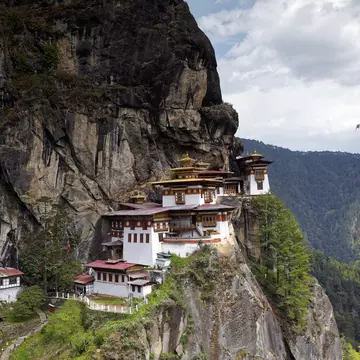
Hike to the Tiger's Nest and visit Punakha Dzong, considered Bhutan's most beautiful building.
Adventurous eaters should try ema datse and attend a tsechu festival for masked Buddhist dances.
In Thimphu, watch traditional archery at Changlimithang, then catch a live show at Mojo Park.
Lonely Planet may earn a commission from affiliate links on our site. All recommendations and reviews reflect our own independent opinions.
People decide to visit the remote Himalayan kingdom of Bhutan for many reasons. Some are drawn by the mountains and pristine environment, others by the rich spiritual heritage of its Buddhist monasteries and temples, and others by simple curiosity about the experience of exploring one of the world's least visited and most exclusive countries.
With the costly daily fee for tourists, it pays to plan your time in Bhutan. But whatever brings you here, your fondest memories won't just be the spectacular sights but the interactions you have with the Bhutanese people and learning their perspective on the world.
However long your trip is, try to fit in as many of the following experiences as possible. We've chosen them carefully to give the most well-rounded and insightful feel for Bhutan, and they will undoubtedly result in lifelong memories.
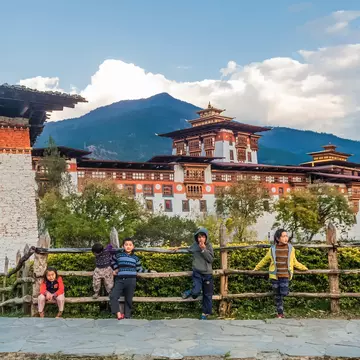
Punakha was Bhutan's capital for more than 300 years, and all of Bhutan's kings have been crowned in Punakha Dzong. Despite damage from frequent fires over the centuries and a severe earthquake, the dzong (fortress-monastery) is considered Bhutan's most beautiful building. The current dzong was finished in 1638 and served as the seat of government until the mid-1950s.
Planning tip: Modesty is required in dzongs. Shorts and flip-flops are not allowed. Skirts and dresses must cover the knees, and arms and shoulders should be covered. Remove your hat before entering.
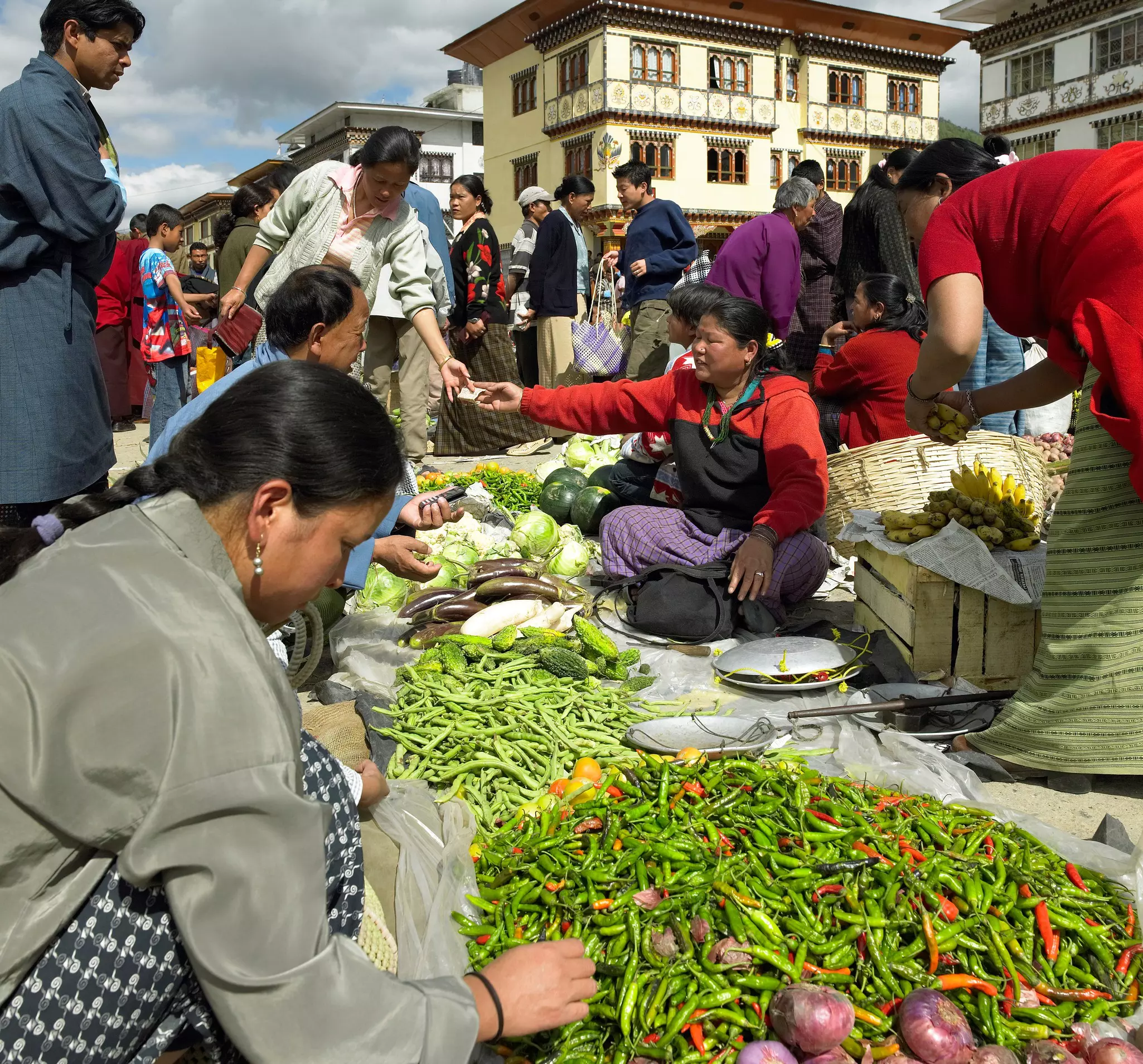
Brace yourself for Bhutanese cuisine because it packs a serious punch! The national dish of ema datse consists solely of chili peppers and soft cheese, which means chilies in Bhutan are not just a flavoring but an entire main course.
You'll have plenty of opportunities to try ema datse, from the toned-down versions served in hotel buffets to the head-blowing real deal served in local restaurants. All are served with nutty-flavored local pink rice. Wash it all down with a cup of sudja (Tibetan-style tea made with salt and butter) for a classic Bhutanese meal.
Planning tip: If you don't like spicy food, you may want to stick to tourist-oriented restaurants. If you're willing to brave the heat, ask to try some of the same food as your guide at any of your lunch stops, since they'll be eating the genuine article, including dishes like wind-dried beef and fried fiddlehead ferns.
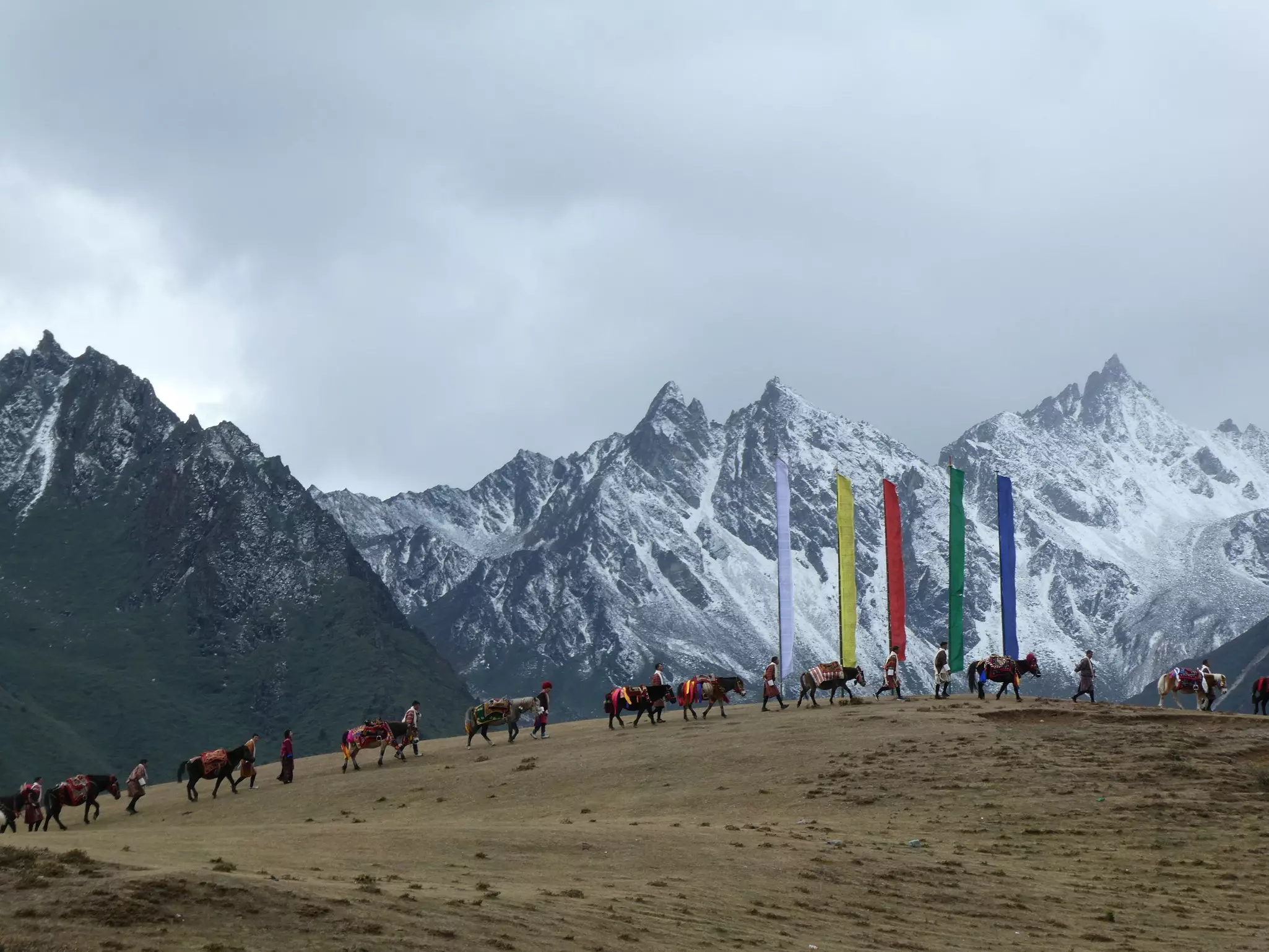
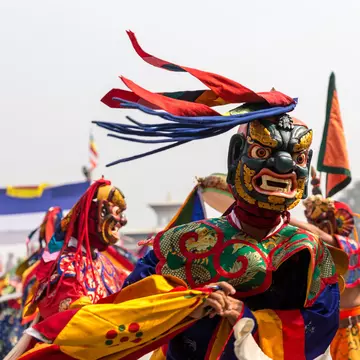
Bhutanese festivals are an essential part of both the nation's cultural identity and its social calendar, so try to time your trip so you can attend at least one. The main festivals, known as tsechus, are marked by religious masked dances held in the courtyards of the country's medieval dzongs, with monks donning masks of animals or the wrathful deities that remove obstacles to enlightenment.
These dances retell Buddhist parables or feature portrayals of death and rebirth. Many festivals culminate with the unveiling of a huge, building-sized religious embroidery that is said to offer spiritual liberation to anyone who sees it. This is Bhutan at its most photogenic; check the dates of festivals when planning your trip so you don't miss out.
Planning tip: Bhutan also has several secular mountain festivals, such as the Royal Highland Festival in Gasa, which features music, dancing and traditional games such as yak riding and wrestling. Be mindful of how much alcohol you consume at these events and how much you drink in general because of altitude. And be courteous when taking photographs anywhere in the country; ask locals whether you can take a snap of them.
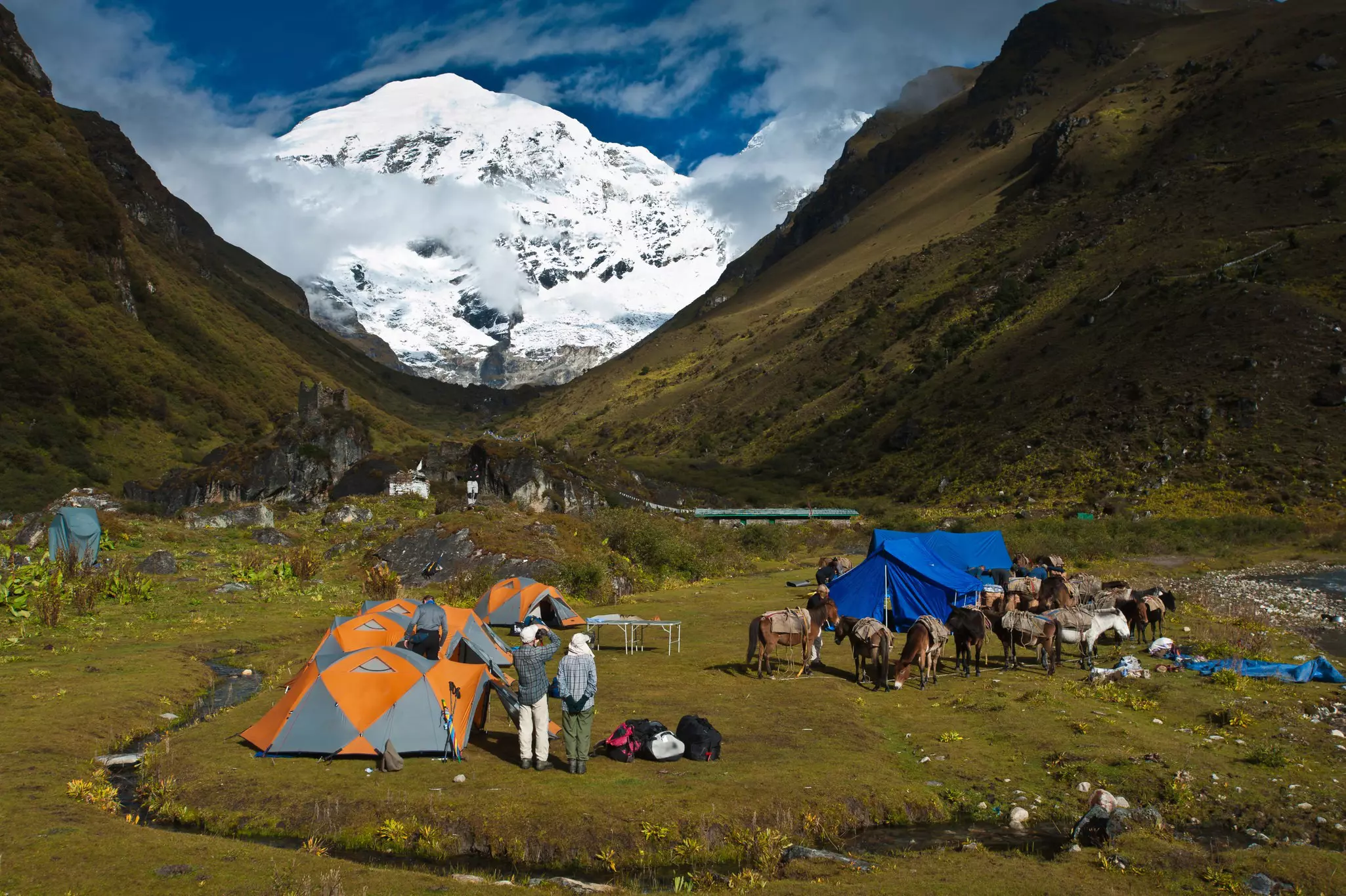
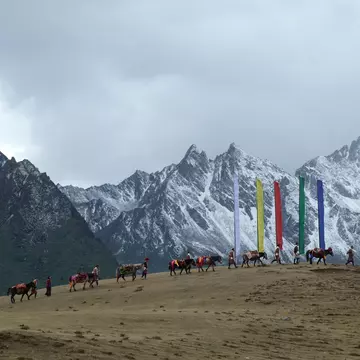
Bhutan offers some incredible treks through some of the least-visited corners of the Himalayas. Without a doubt, one of the most spectacular (and popular) destinations is Jangothang, aka Jhomolhari Base Camp, a campsite at the base of a ruined fort that offers jaw-dropping views of the eastern face of 7314m (23,996ft) Jhomolhari peak.
Five of Bhutan's most popular trekking routes intersect here and many hiking groups spend two nights acclimatizing at the camp, so it's a real mountain crossroads. Dawn views of the mountain – as it turns from inky grey to a blush of pink and then sparkling white in the full sun – are a Himalayan highlight.
Detour: Fabulous day hikes lead from Jangothang to the twin lakes of Tshophu and the base of 6662m (21,857ft) Mt Jichu Drakye. It's worth adding an extra day to your itinerary here if possible.
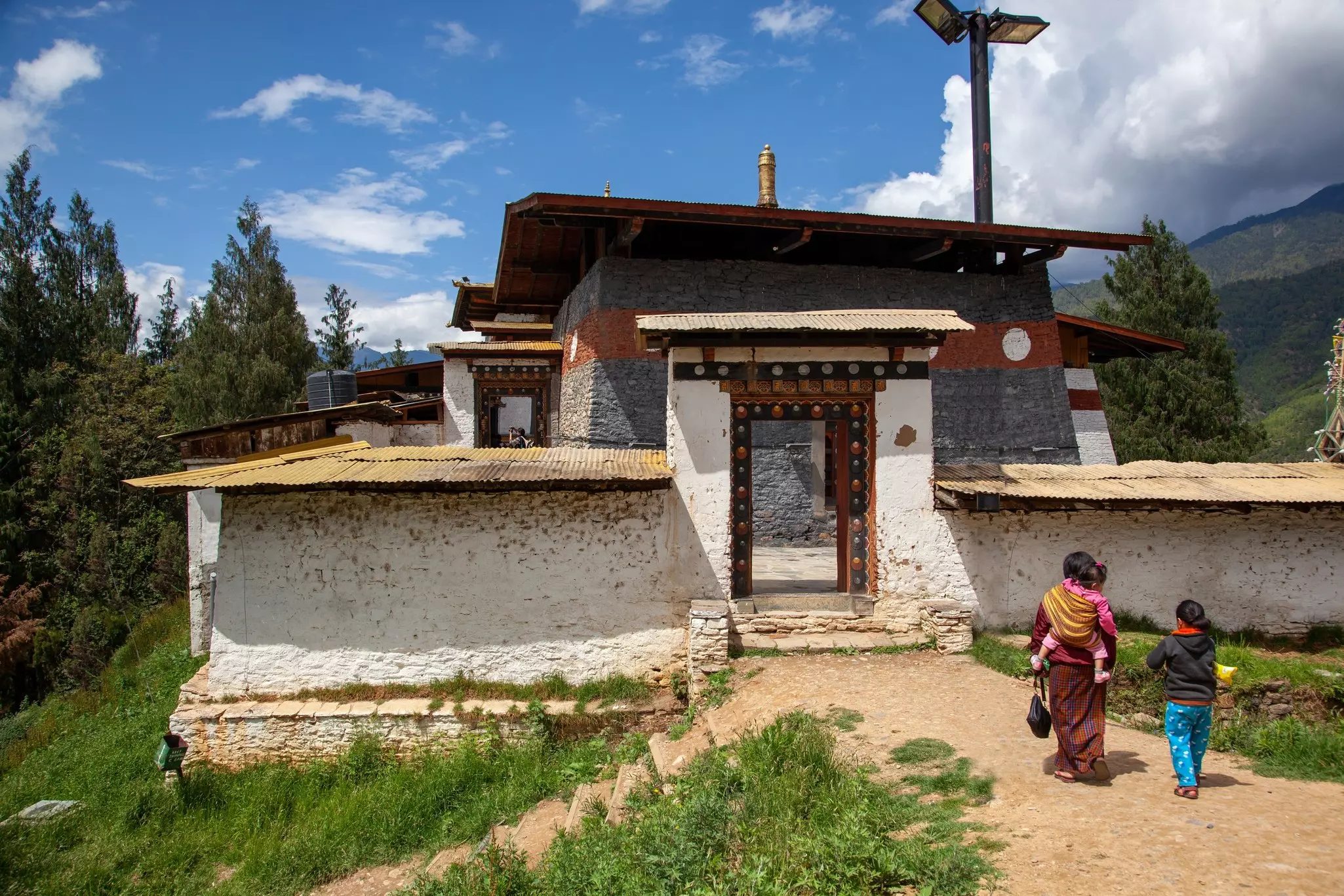
On the hillside above central Thimphu, the historic Changangkha Lhakhang has been renowned for the protective blessings offered by resident monks since its construction in the 12th century. Many Bhutanese bring their newborns here to receive auspicious names, offering in return bottles of milk and rice wine to the red-faced, horse-headed protector deity, Tamdrin.
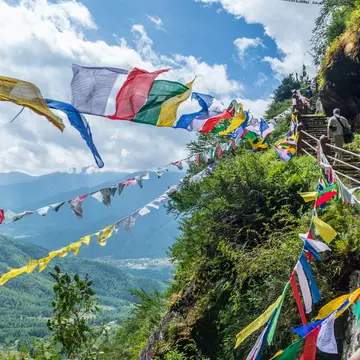
Tell the resident astrologer monk your birth date and he will consult divination charts to recommend the best kind of protective prayer flags for you or the most auspicious dates to make a weighty decision or start a new venture. You'll then receive a sacred thread to tie around your neck. It can be a powerful experience and one that blurs the line between being a tourist and being a pilgrim.
Detour: After a visit to the lhakhang (literally, "house of the gods"), head down to one of the Buddhist supply shops on Norzin Lam in central Thimphu to stock up on prayer flags, protective amulets and juniper-scented incense.
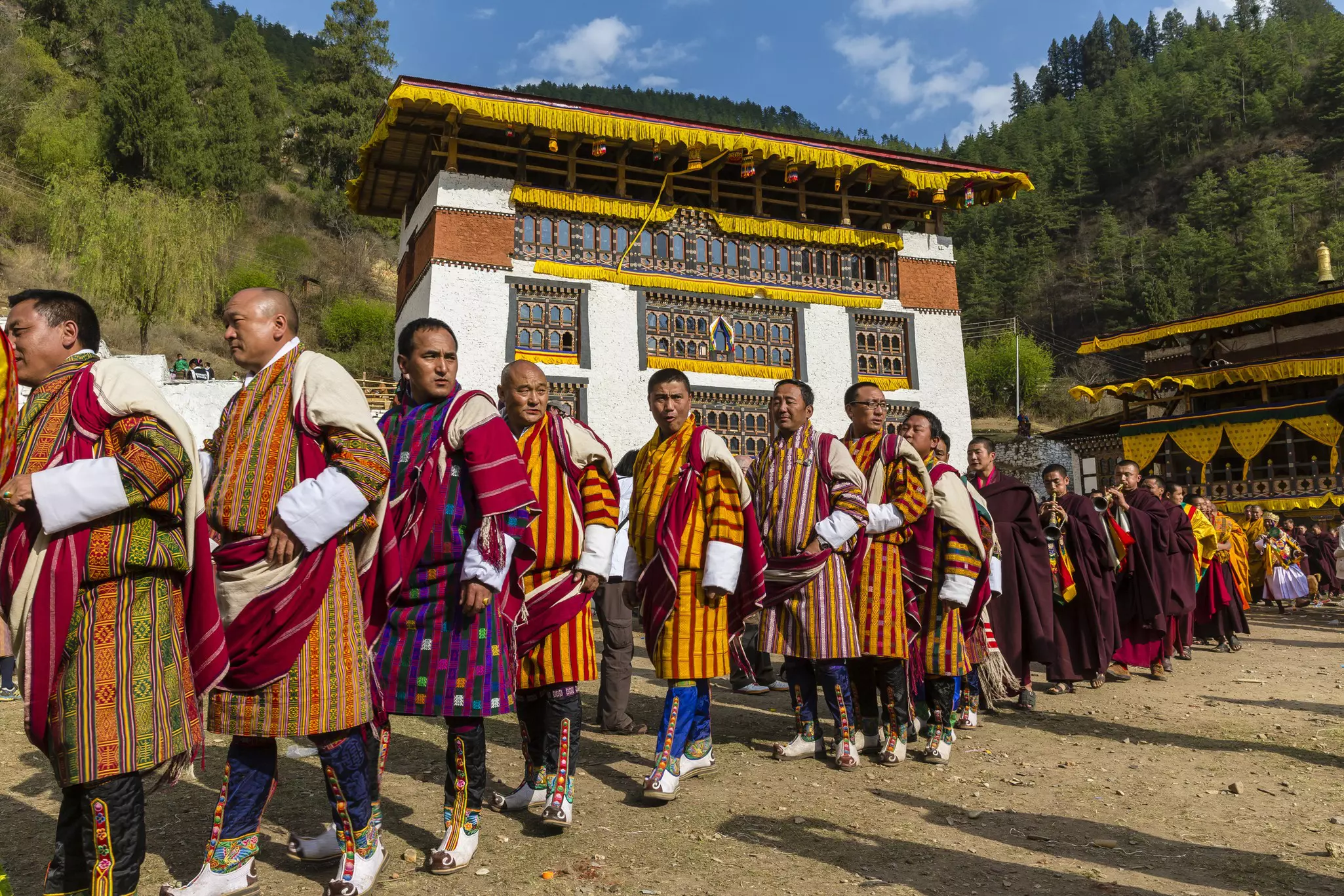
One of the most eye-catching things about the Bhutanese is their use of traditional dress in everyday life. Dress for men consists of a colorful robe known as a gho, worn with a woven belt, knee-high socks and a white inner liner. Women wear a woven dress called a kira and an embroidered silk jacket. It's a beautiful, colorful statement of fashion and identity, and the highest quality woven costumes can cost thousands of US dollars.
If you are attending a festival, it's well worth investing in your own set of traditional attire – they're easily purchased in Bhutanese towns and cities. Your fellow festival goers will love you for it. You'll need help learning how to put it on, but once you crack it you'll have a beautiful outfit for life.
Planning tip: You can buy off-the-rack outfits in Thimphu. If you have a few days to spare, consider getting a custom-made suit at Sephub Gyeltsen Tsongkhang on Norzin Lam.
Bhutan has a complex system of medical diagnosis that blends Chinese, Tibetan and Indian systems of medicine with an ancient understanding of healing herbs. Thimphu's National Institute of Traditional Medicine offers a free traditional diagnosis, made via the measuring of your pulse and the appearance of your tongue, and can recommend a course of treatments that range from oil massage to moxibustion.
It's an interesting window into a different way of perceiving health issues and is also an incredibly relaxing way to end a day's sightseeing. The Institute's museum has interesting displays on the theory and herbology behind the treatments.
Planning tip: Several top-end spas and hotels offer traditional Bhutanese treatments and massages, notably Bhutan Spirit Sanctuary outside Paro, Namseling Boutique Hotel in Thimphu and Terma Linca Resort, just south of the capital.
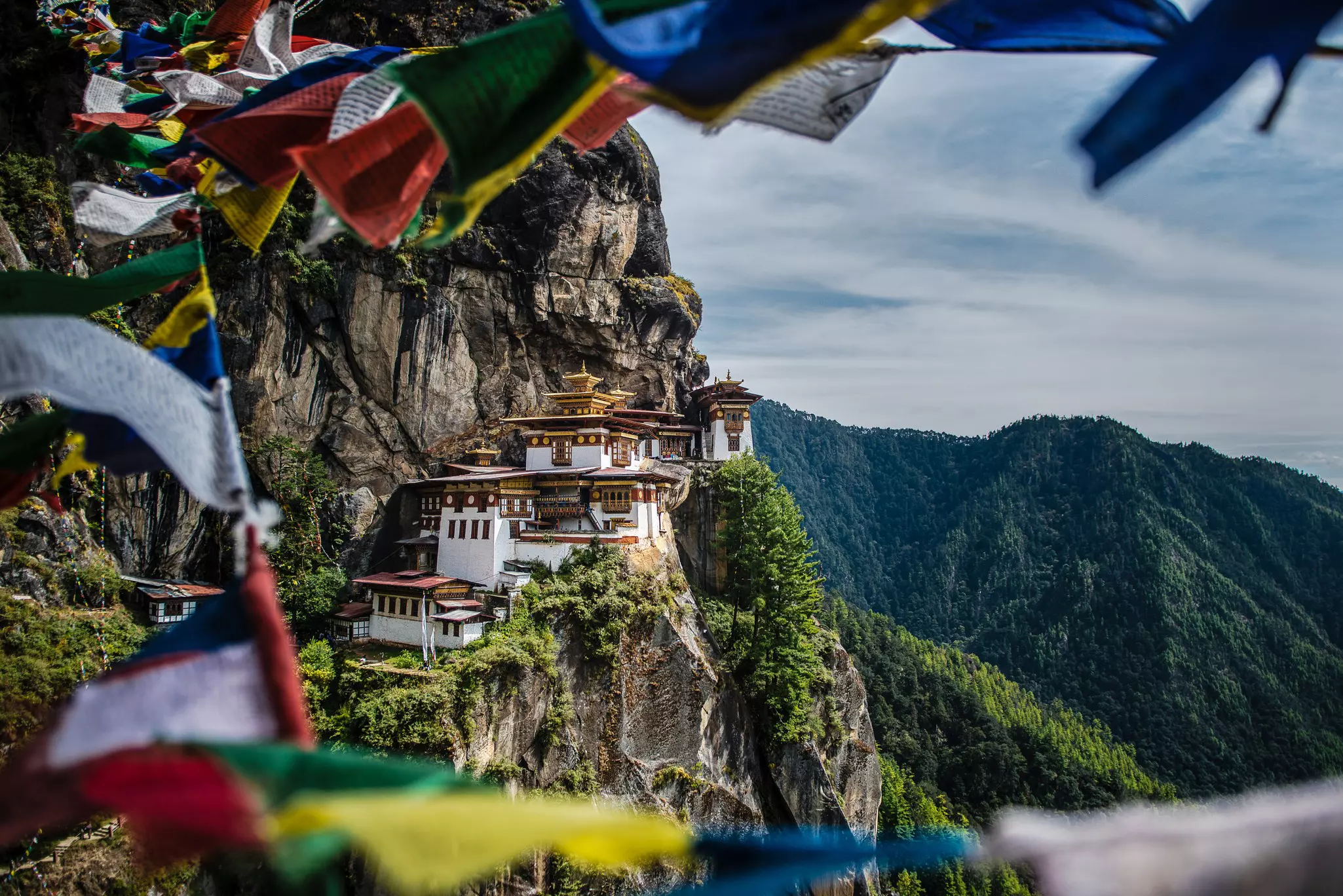
The one excursion that every visitor to Bhutan has on their wish list is the half-day hike through fragrant pine forests to Taktshang Goemba, the Tiger's Nest Monastery, in the upper Paro Valley. The gold-roofed temple clings to the side of a cliff and centers on a cave that Buddhist saint Guru Rinpoche meditated in for three months after reputedly flying to the site on the back of a tigress.
The temple is a two-hour uphill hike, and the trail gets busy, so try to make the climb in the morning when the sun is less strong, and leave it until the end of your trip when you are better adjusted to the altitude. There are several rest stops along the trail where you can pause for refreshments.
Detour: Fit hikers can continue above Taktshang to explore a timeless collection of shrines and temples that look down over the Tiger's Nest for a different perspective on the site.
The Trans Bhutan Trail is a 403km (250-mile) walking path that traverses Bhutan from east to west, following paths used over the centuries by traders, messengers and government officials. It sticks to the forests, villages and valleys of the middle hills rather than the high mountains, so there are some wonderful sections you can try out on day hikes.
One of the most scenic and accessible sections is in the Paro Valley, climbing the eastern wall of the valley to reveal sublime views of Paro Dzong. Only a handful of visitors walk the whole trail – a trek of at least 28 days.
Detour: Other popular ahort sections of the Trans Bhutan Trail include the trail through the rhododendron forests on either side of the Dochu La pass, and the spectacular and strenuous day hike from the Haa Valley to the Paro Valley.
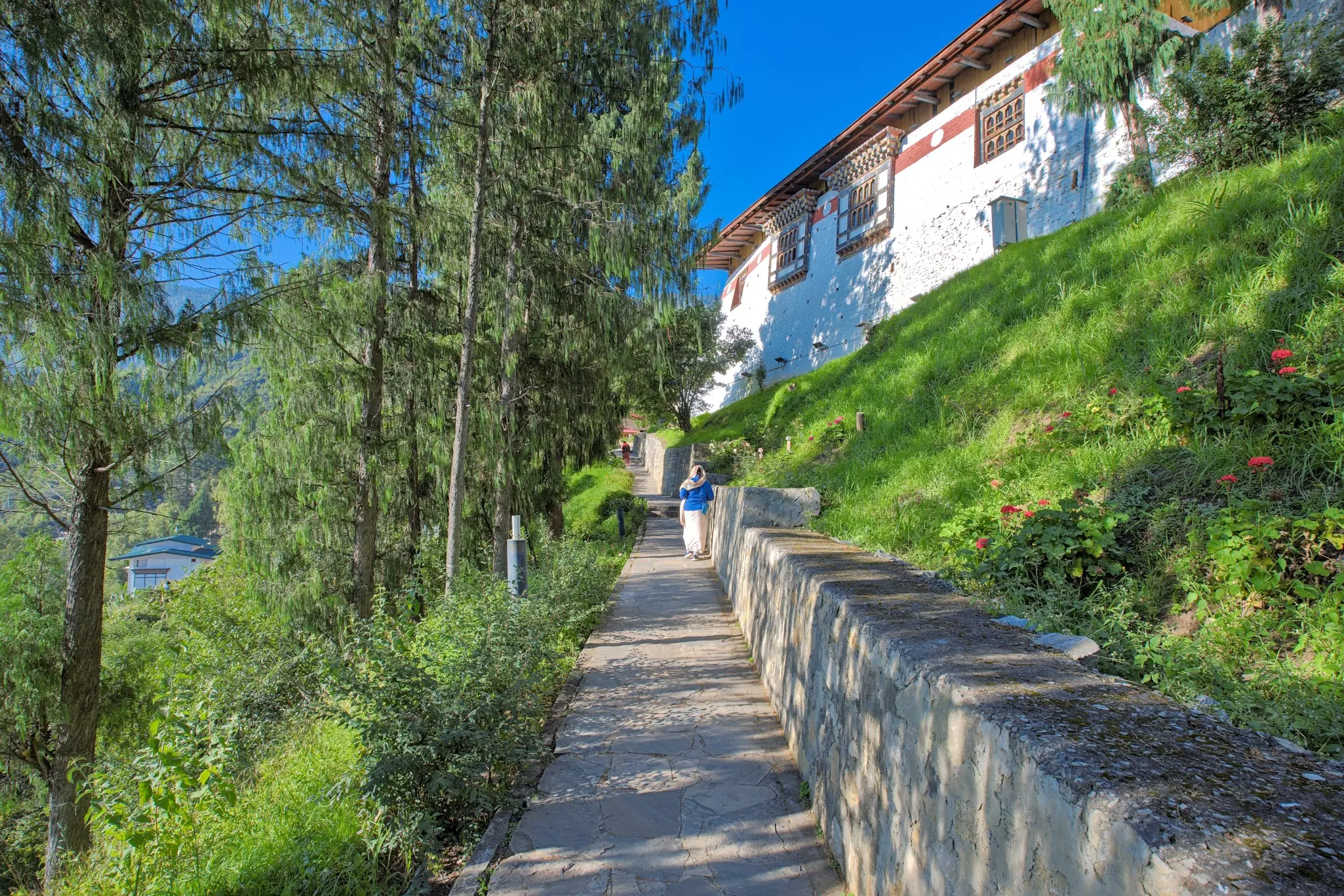
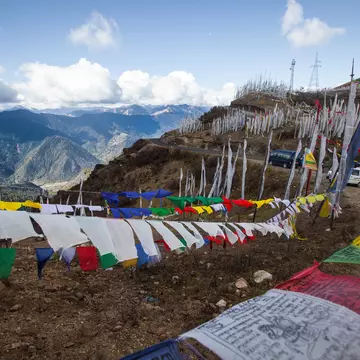
Bhutan is rich in pilgrimage sites connected to Buddhist saints who visited, meditated or performed miracles in these sacred spots many centuries ago. At many of these sites, you can join Bhutanese pilgrims on ancient pilgrim trails, marveling at marks said to be left by demons, rubbing your joints against sacred rocks to ward off aches and pains, and squeezing through narrow rock openings as a form of karmic test.
It's a wonderfully leveling experience. When you get to the shrines at the end of the trails, you can expect to be blessed with a holy relic or receive a blessing in the form of a colored thread that you tie around your neck. Listen to tales of flying saints, take in beautiful, silent landscapes, and share a picnic with your fellow pilgrims; it's the perfect Bhutanese experience.
Planning tip: There are dozens of pilgrimage sites to choose from in Bhutan; our favorites include Dzongdrakha Goemba, Drak Kharpo and Chumphu Ney, all in the Paro Valley. It is appropriate to give small tips at these sites.
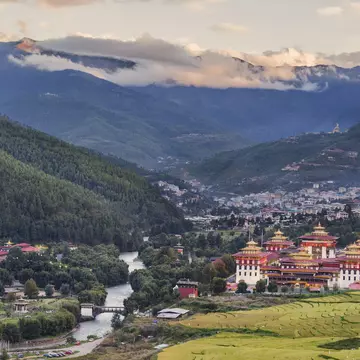
For a look at the modern face of Bhutan that most short-term visitors don't see, dedicate a day to Bhutan's only city, Thimphu. Among tall buildings decorated with Buddhist symbols, you can watch Bhutanese punks practice their skateboarding moves in Clocktower Square. And you can dine on foods from as far afield as Korea, Japan, India and Thailand.
Once you're full, head to the Drunken Yeti Bar to chat with switched-on locals over a Bhutanese-brewed Red Panda weissbier, before moving on to a rock concert at Mojo Park, the city's best music venue. On a Saturday you can go clubbing late into the night at clubs such as Space 34. You'll find all these places friendly and welcoming, offering a fascinating chance to meet young Bhutanese people.
Planning tip: For upcoming live events, check out the social media pages of Mojo Park or Space 34.
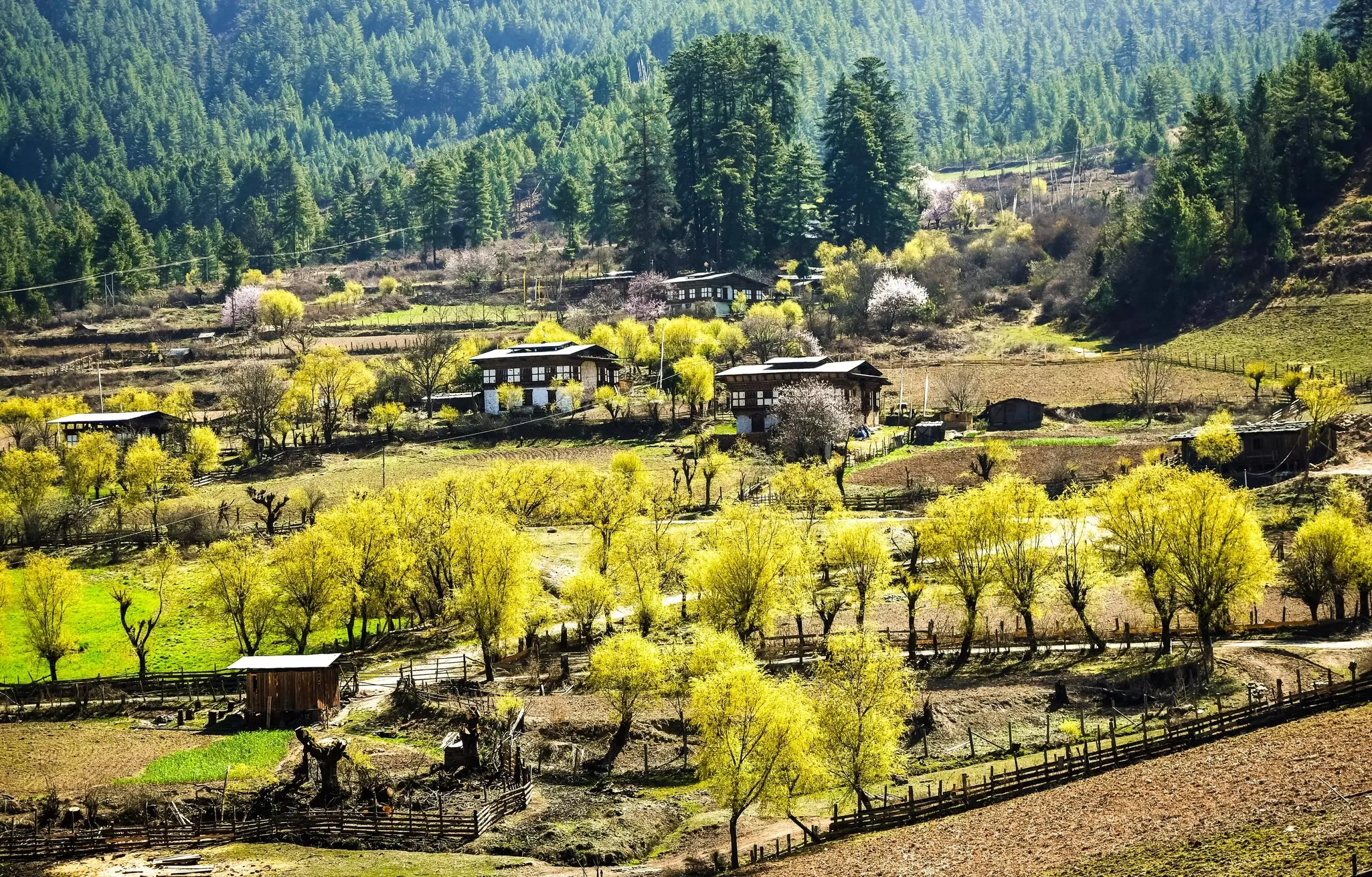
If you want to break out of Bhutan's tour group bubble, nothing beats a night in a traditional, family-run farmhouse or homestay. Rooms are usually simple – often a mattress on the floor in a wood-walled room decorated with traditional Buddhist symbols – but you don't come to a homestay for the extensive minibar!
Head instead to the family kitchen for a cup of butter tea served with traditional snacks of fried rice and corn, and chat with the owners as they prepare an authentic Bhutanese meal for the whole family. Most hosts will even give you an impromptu cooking course.
Planning tip: Combine a farm stay with a soak in a traditional hot-stone bath. These coffin-shaped wooden tubs are filled with Artemesia-scented water, heated by river stones superheated in a fire. It's both supremely relaxing and medically beneficial.
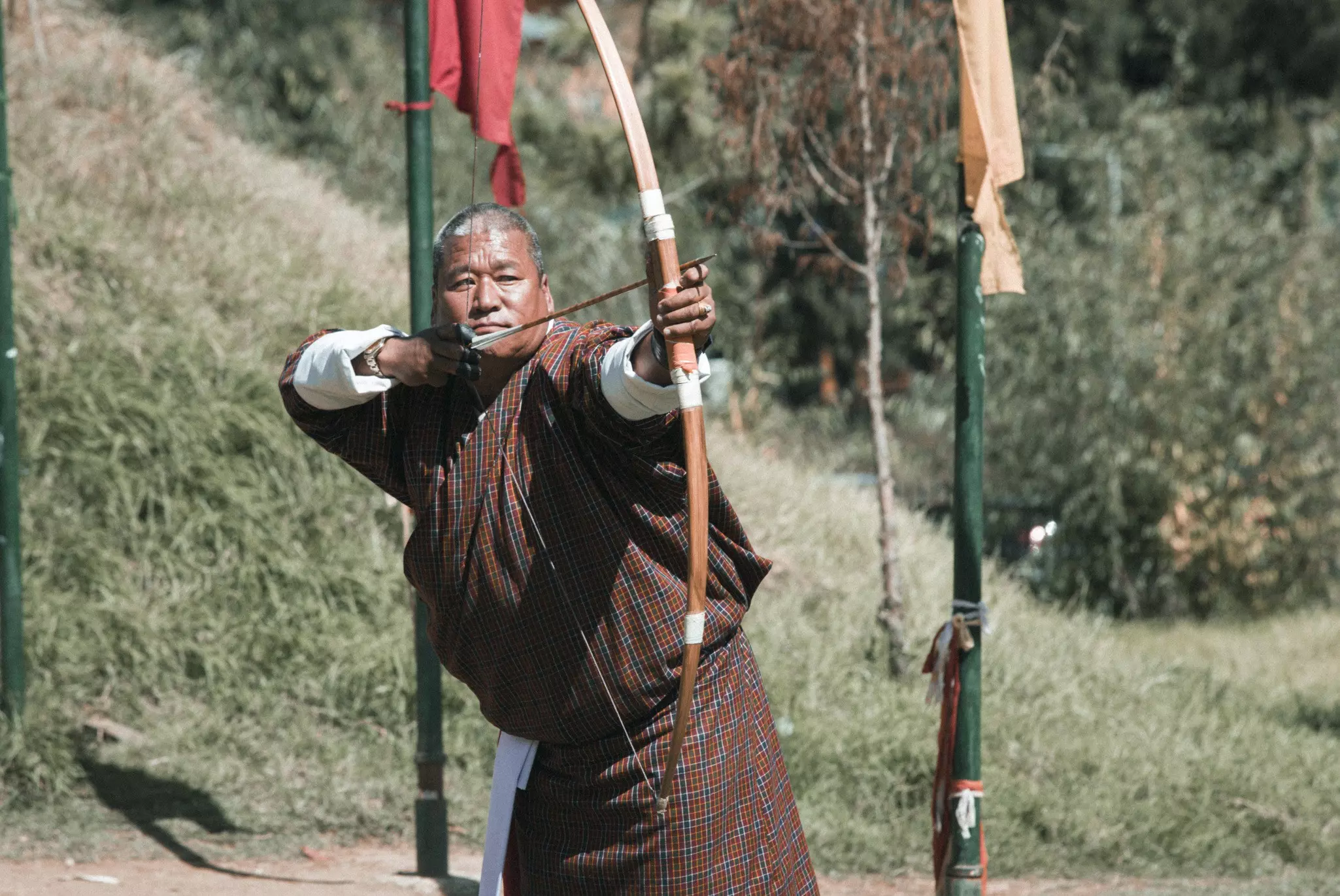
Bhutan's national obsession is archery, and you'll see young men honing their skills in open spaces across the country. Traditional archery contests feature archers using bamboo bows to hit small wooden targets over what looks like an impossibly long distance.
The most interesting aspect for visitors is the good-natured rivalry that characterizes most competitions. Opposing teams do their level best to put off their rivals with rude jokes and mock insults, while successful archers raise their arms in a celebratory dance after a winning shot, just to rub their opponents' noses in it.
Planning tip: One of the best places to see an archery match is at Thimphu's Changlimithang Archery Ground, notably on weekends. Even if there's no match scheduled, you'll usually find people practicing here and there's a shop that sells traditional bamboo bows and arrows.
Explore related stories