Aug 11, 20267 min read
What to Know Before Visiting BelizeAug 28, 2025
11 MIN READ

Writer
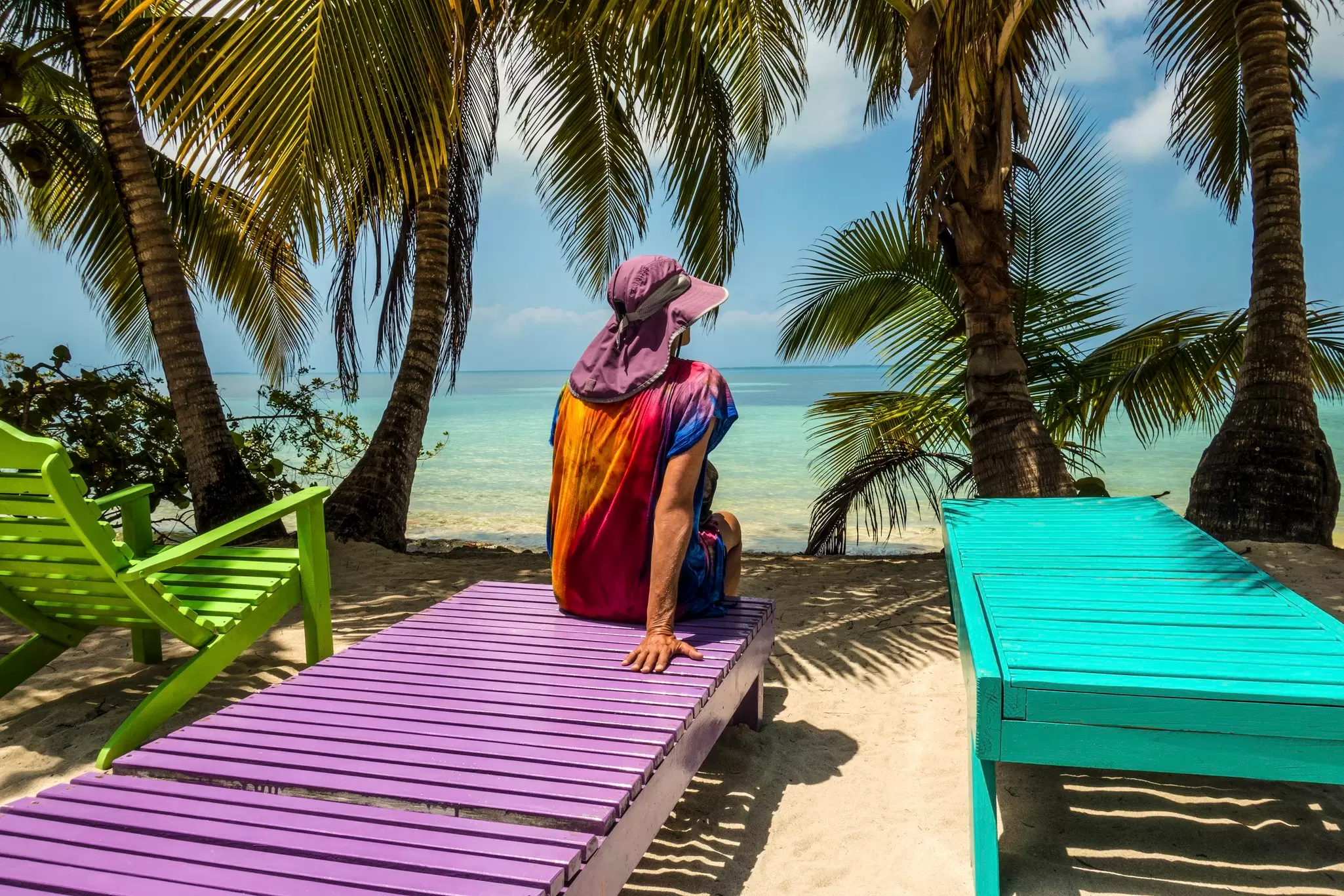
Lounging in Belize. CampPhoto/Getty Images
Writer
Highlights
Writer Ali Wunderman picks 23 Belize adventures, from reef dives to jungle ruins.
Dive the Great Blue Hole and search for jaguars in Cockscomb Basin.
For history, visit Maya ruins at Caracol; for thrills, tube through jungle cave systems.
Party on Caye Caulker, fly-fish Turneffe Atoll or catch Garifuna drumming in Hopkins.
Lonely Planet may earn a commission from affiliate links on our site. All recommendations and reviews reflect our own independent opinions.
When it comes to adventure, Belize’s glittering Caribbean coastline, wildlife-filled jungles, coral reefs and mysterious underground cave systems provide endless opportunities to explore.
Meanwhile, the country's diverse cultural heritage means there’s delicious cuisine and fun activities to be discovered.
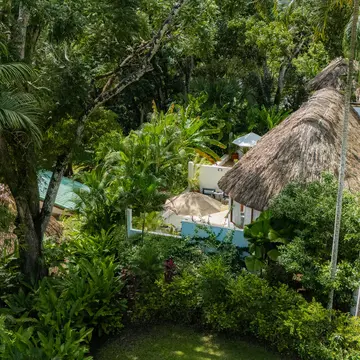
Boutique hotels predominate here, and they're your gateway to the jewel in the crown of Central America, whether it’s a private island or ecolodge vibe you’re looking for.
From scuba diving to exploring ancient ruined cities, here are Belize's must-do activities.
Belize was once the center of the Maya empire, with the mythical entrance to the underworld, Xibalba, supposedly in the country. While Maya culture still exists in Belize today, the rocky ruins of yesteryear are incredible sites for exploring Maya history.
Ruins are found throughout the country, from the accessible Altun Ha and Lamanai to the more remote Caracol in Cayo, which remains the tallest human-made structure in Belize.
Each site has a unique story to tell about Maya history and culture, plus breathtaking views and photo opportunities. Other popular ruins include Xunantunich, Cahal Pech and Lubaantun.
There's a chilled-out Caribbean vibe on Caye Caulker, where backpackers and younger travelers in particular like to congregate, getting around the dusty island on foot or by bicycle. The Split beach is the main attraction, thanks to its seaweed-free waters.
Drinks, tunes and a second-floor balcony offering stunning views attract crowds to the Lazy Lizard.
Several bars keep the good times rolling into the night, and restaurants including Pasta Per Caso make sure everyone is well-fed.
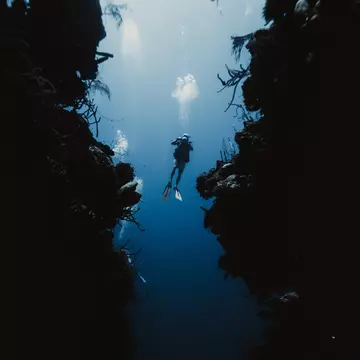
Deep-water enthusiasts know Belize is generally a popular diving destination, but the famous Great Blue Hole may be the most thrilling dive site of them all.
Perched at the center of Lighthouse Atoll on the Belize Barrier Reef, this perfectly round underwater sinkhole provides a dark chasm in which divers can explore a unique ecosystem with coral, tropical fish and mysterious stalactites up to 400ft down.
Planning tip: Prefer to stay on the surface? Snorkeling here is also a thrilling adventure, as the wall of the hole is rich with underwater life.
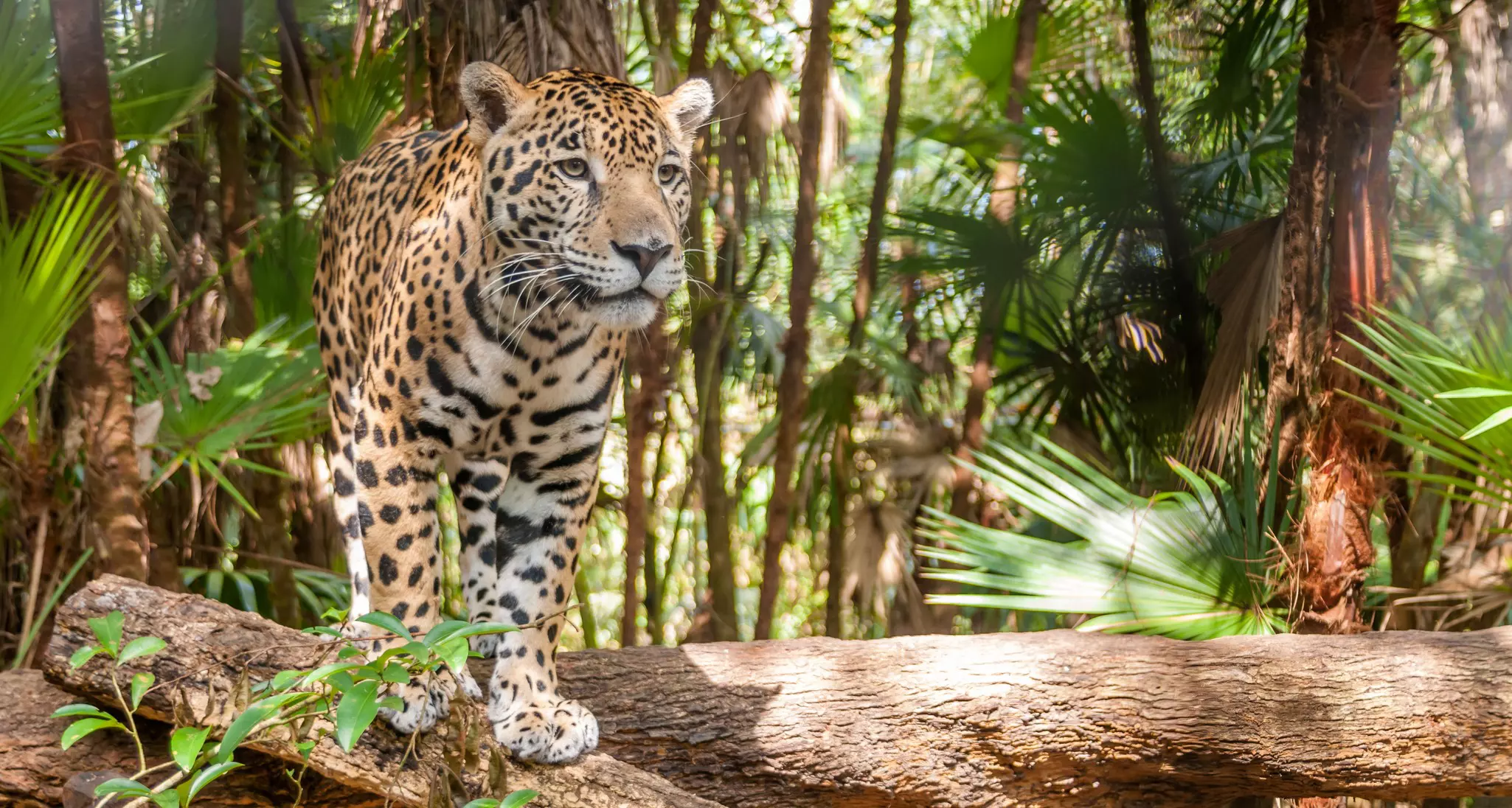
Belize is home to the highest concentration of jaguars in the world and, while they’re extremely difficult to spot, your best chance of making that happen is by exploring Cockscomb Basin Wildlife Sanctuary in the jungles of southern Belize.
Planning tip: DTOURZ offers daytime and nighttime tours that pack in adventure alongside the jaguar search. Even if no big cats make an appearance, there are lots of other animals to see, including 290 bird species, black howler monkeys and snakes.
A yoga retreat on a private island in the Caribbean is the ultimate wellness vacation.
Throughout the year, Placencia’s own Brice Dial hosts several of these soul-soothing events – multiday experiences full of yoga, meditation and chakra balancing – at locations including the luxurious Ray Caye Resort, The Rainforest Lodge at Sleeping Giant, The Gaia Riverlodge and the Tanager Rainforest Lodge.
Planning tip: Guests at the property can also take advantage of water activities like snorkeling or diving, dine at the delicious Lionfish Grill or take on the island’s famous water slide. Throw in a rejuvenating massage for the perfect weekend recharge.
Saying that Belizeans are into birding is an understatement. Belize loves birds, and with more than 500 avian species, such as keel-billed toucans, scarlet macaws and indigo buntings to spot, it’s an ideal destination for birders.
Planning tip: Most guides have knowledge of local avian life, but head to Black Rock Lodge near San Ignacio to learn from some of Belize’s top birding guides while staying deep within the jungle.
Belize has an abundance of bonefish, tarpon and permit: the three species of Caribbean fish an angler needs to catch in one day to complete a grand slam.
Resorts such as Turneffe Island Resort excel at pairing guides with guests for one-of-a-kind fly-fishing excursions in the nearby saltwater flats of the atoll, an experience that connects people with the bounty and beauty of the sea.
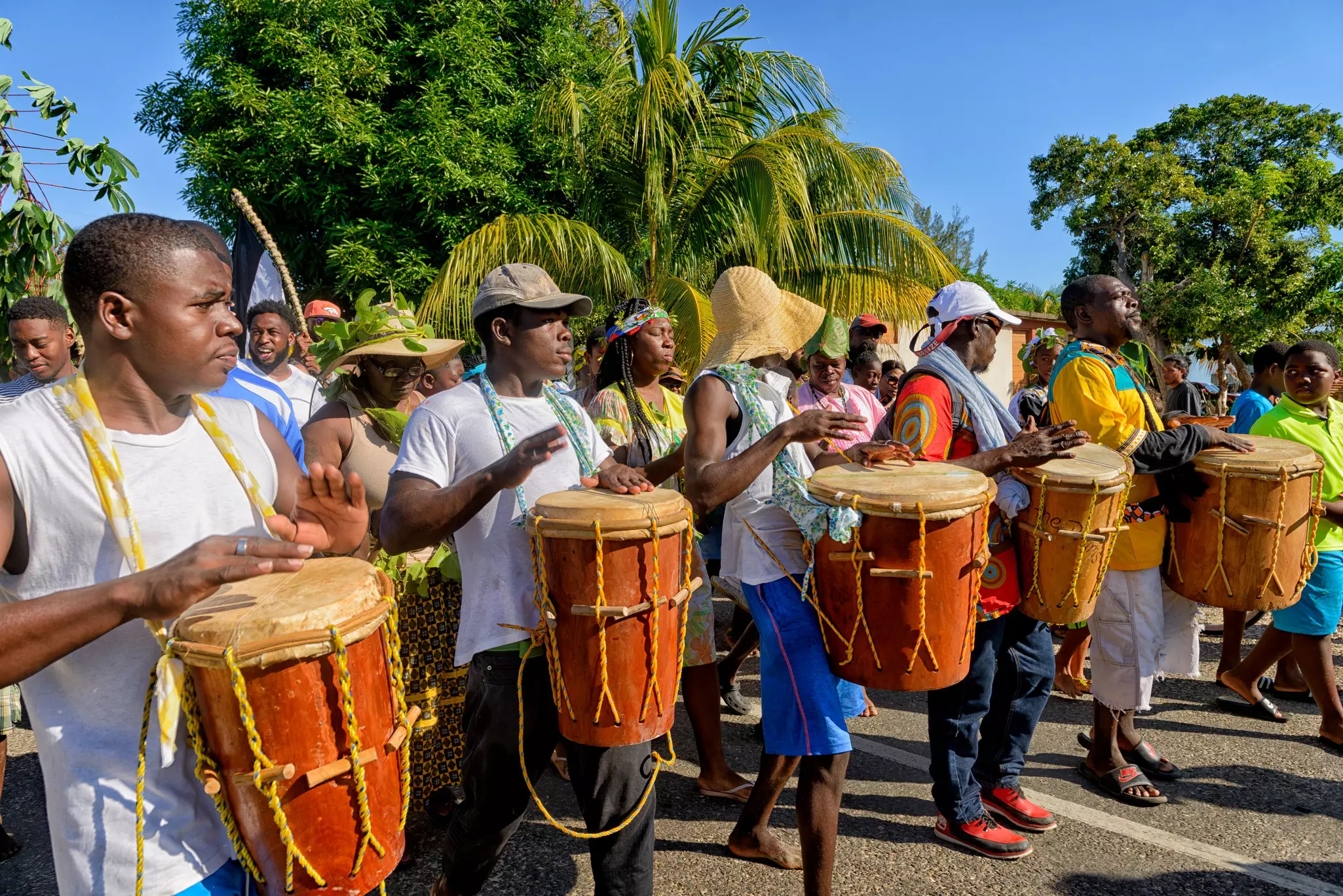
At the Lebeha drumming center in Hopkins, visitors to Belize can move to the rhythms of the Garifuna people.
Descendants of an Afro-Indigenous population in the Caribbean, the Garifuna survived enslavement and shipwrecks; they intermarried with the Arawak people of St Vincent, then fled to Belize in the 1800s to avoid persecution.
Planning tip: If you want to see the best of Garifuna culture, plan to visit on November 19, Garifuna Settlement Day: a celebration of their arrival in Belize, filled with food, dance and drumming.
Hopkins is a tiny seaside village known for its Garifuna culture during the day and its bioluminescence at night. The light produced by the marine life here is magical, and you can see the phenomenon on a nighttime tour. The whole experience can feel more like a dream than a reality.
Planning tip: From January to May, when the moon isn’t shining too brightly, Get to Know Belize Adventures operates an evening pontoon safari that brings you into the mangroves to see the glowing marine life.
Even emoji designers know that blue morphos are the quintessential butterfly species. These cerulean beauties are easily found in Belize’s jungles, as well as at Chaa Creek’s butterfly farm near San Ignacio.
There are many ways to explore Belize’s caves, and one of the most popular is via inner tube, which is also a great way to cool off from the Belizean heat.
Hire a guide and gently float through a network of caves lined with crystal rock formations, learn about Maya history and experience the darkness at the network's cavernous center.
Planning tip: Book a stay at Caves Branch Jungle Lodge to take advantage of its many cave-based adventures.
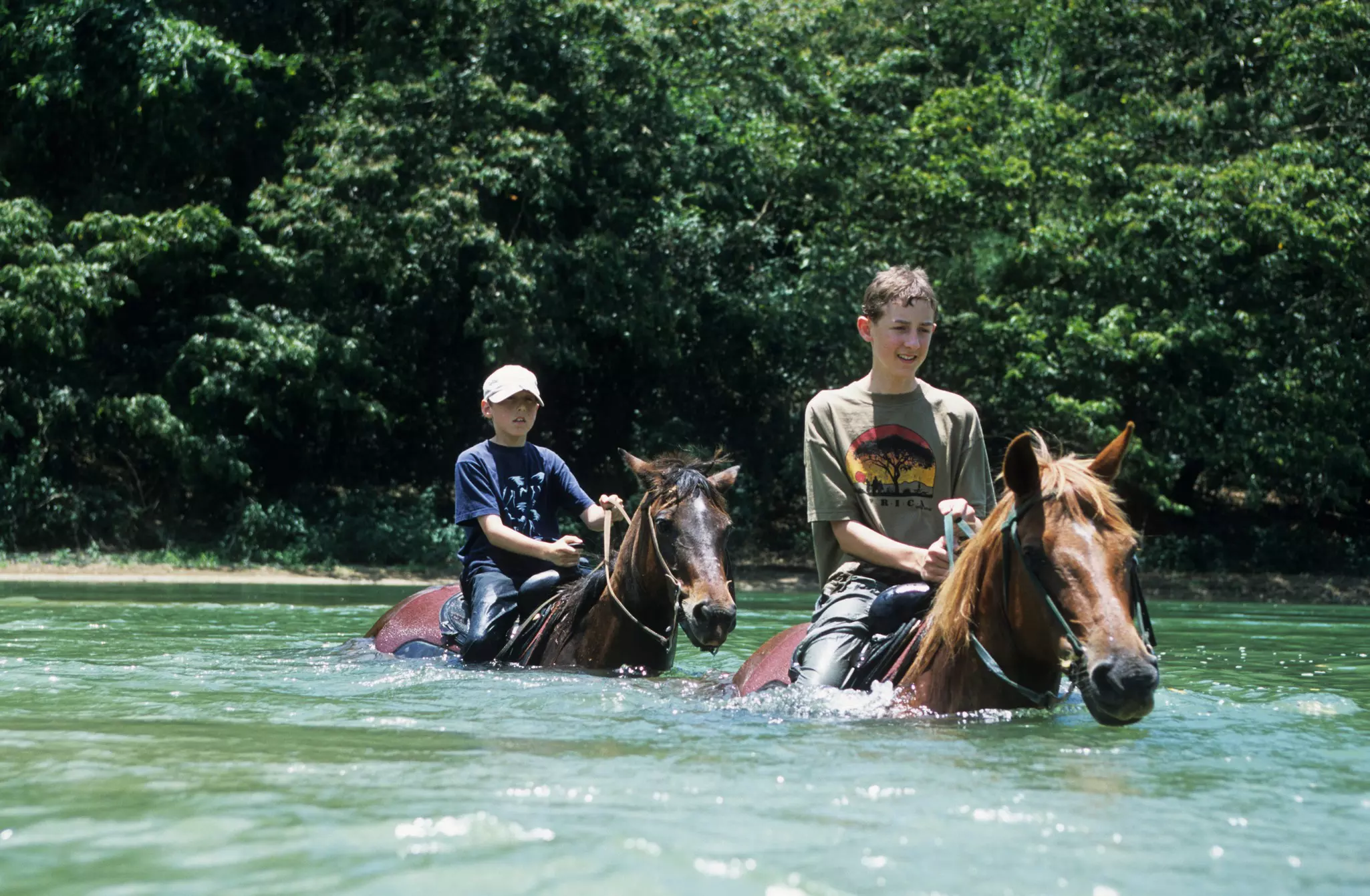
The Cayo District is cowboy country, just with dense jungle instead of dusty desert towns. Hop in the saddle and head through the rainforest to see waterfalls, mountain vistas and Central American wildlife.
Planning tip: MET Outfitters is the country's premier equestrian outfitter and can get you out for a ride.
Located about 19 miles from San Ignacio, this physically challenging tour into Actun Tunichil Muknal (the Cave of the Stone Sepulchre; ATM) is one of Belize’s most popular and memorable experiences. The ancient Maya believed ATM was the underworld, the aforementioned Xibalba.
Hire a guide from MayaWalk Tours to take you through the archeological site, which includes skeletal remains with stories to tell. Because someone once dropped their camera right onto a skull, photography is prohibited, so you have to experience it to believe it.
Planning tip: You'll need to navigate tight spaces and water-filled areas during the three hours you're inside the cave. Tours may be canceled if it’s raining excessively.
Tangy and spicy aren’t just adjectives for Belize, but for the country’s beloved hot sauce as well. Marie Sharp’s habanero-based blends have become an international sensation in recent years, electrifying dishes worldwide with their signature Caribbean flavor.
There’s a company factory in the southern town of Dangriga that offers free tours, and hot sauce is found on every table in the country, so sampling a taste won’t be a problem.
You can also stop by a local market to purchase travel-size options at a cheaper price – the popular condiment makes for an excellent souvenir to take home.
Planning tip: Factory tours in Dangriga are typically available Monday to Saturday; advance reservation is required.
Fry jacks aren’t just a puffed-up slice of tortilla dough – they're the pride and joy of Belizean cuisine. Find these golden pockets throughout the country, sometimes filled with jam and honey and sometimes with beans and cheese (and of course a little Marie Sharp’s).
Whether you like things sweet or savory, be sure to try them at the FryJack House in San Pedro, Pop’s Restaurant in San Ignacio and Errolyns House of Fry Jacks on Caye Caulker.
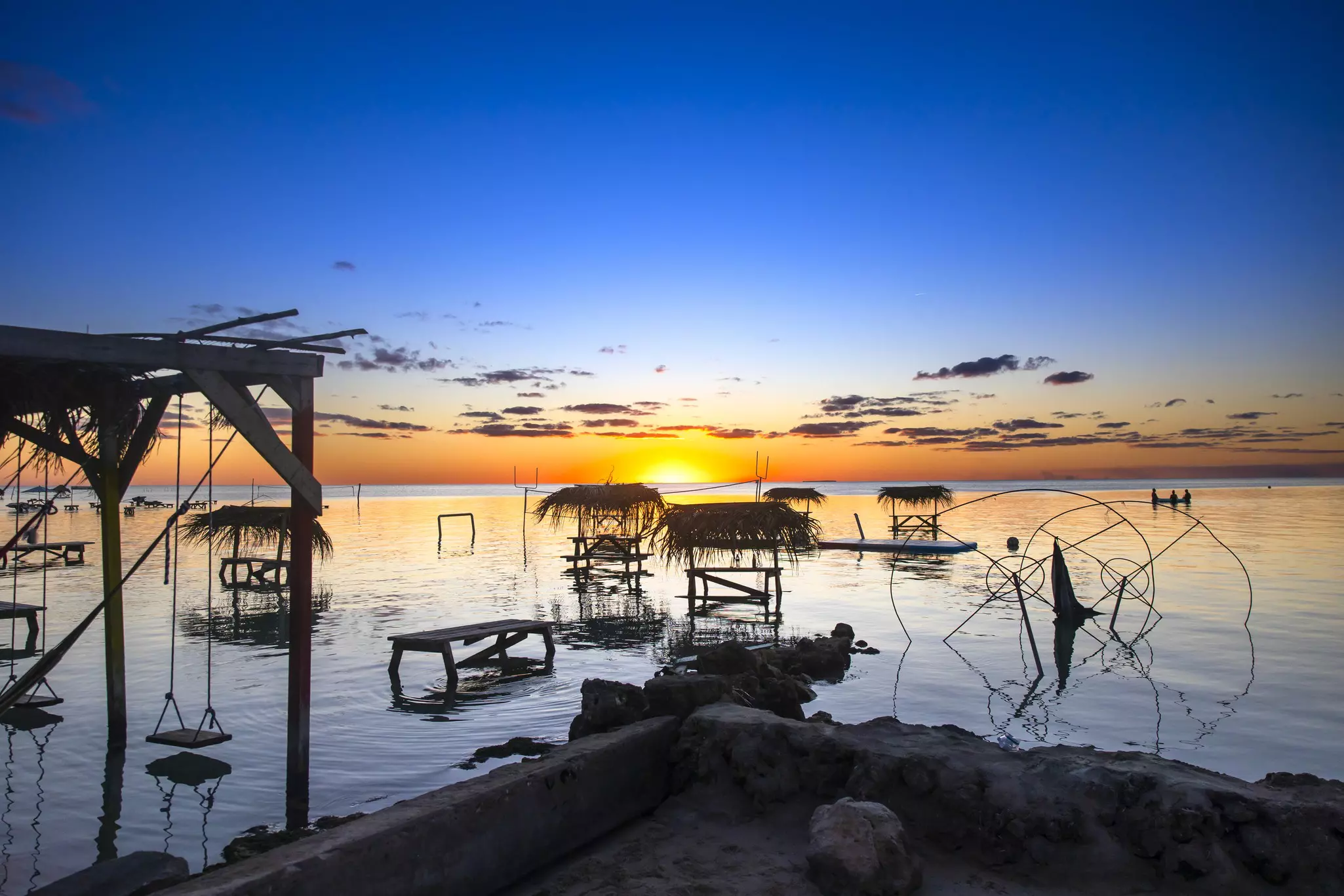
Ambergris Caye is the top destination for all of Belize, despite the fact that it's not particularly beachy.
Being an island, there’s plenty of waterfront to go around, but as of 10 years ago, finding a beach near the main town of San Pedro was a challenge, other than a few hotel-made spits of sand.
Enter Secret Beach, a rapidly developing spot on the west side of the island, where food, drinks and fun can be found.
Planning tip: The best way to get there is by renting a golf cart for the 4.5-mile drive north of San Pedro.
This off-the-beaten-path experience takes place right on the border of Belize and Guatemala, deep in the jungle. Board a relaxing pontoon boat for a full day’s exploration of Western Belize’s rich jungle ecosystem, where you’re more likely to spot a parrot than a person.
Planning tip: Jungle Splash Eco-Tours takes guests to see waterfalls and crocodiles, and to swim, climb and hike to their heart’s content.
Belize is considered part of the Caribbean too, so rum is a given – and Copalli Rum is some of the best in the country. To see how it’s made and give it a taste, head down south to Punta Gorda to the distillery at Copal Tree Lodge.
This remote part of the country is surrounded by rainforest and still very much in touch with its Maya roots. Copalli Rum draws flavor from its environment, resulting in a smooth, strong drink that will delight rum enthusiasts.
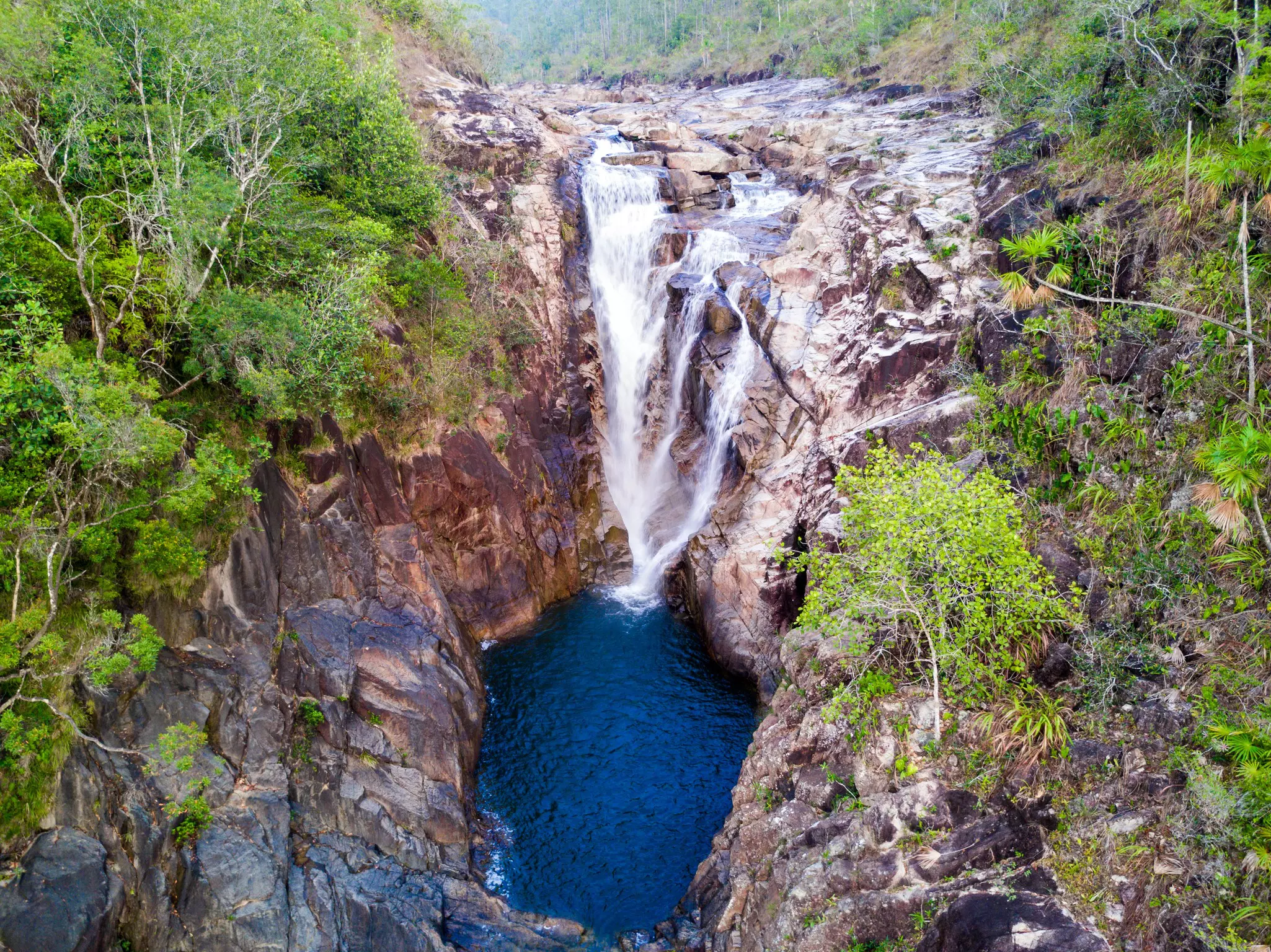
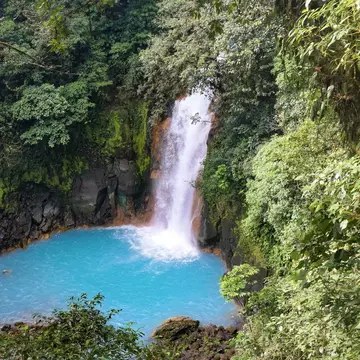
Driving into the Mountain Pine Ridge in the Cayo District to swim at Big Rock Falls is one of the top ways to spend a hot day in Belize.
Here you can jump into the water from cliffs, lie on the rocks to soak up the sun and enjoy a picnic lunch. A waterfall massage is an essential Big Rock experience too.
Planning tip: Reach the small but powerful falls by car, on horseback or on a guided tour.
There is so much wildlife to encounter in Belize, from jaguars to tapirs to scarlet macaws, and the easiest place to check off the entire list is at the Belize Zoo.
With an animal population predominantly made up of rescued creatures, it’s a great way to explore Belize’s fauna while supporting wildlife rescue efforts.
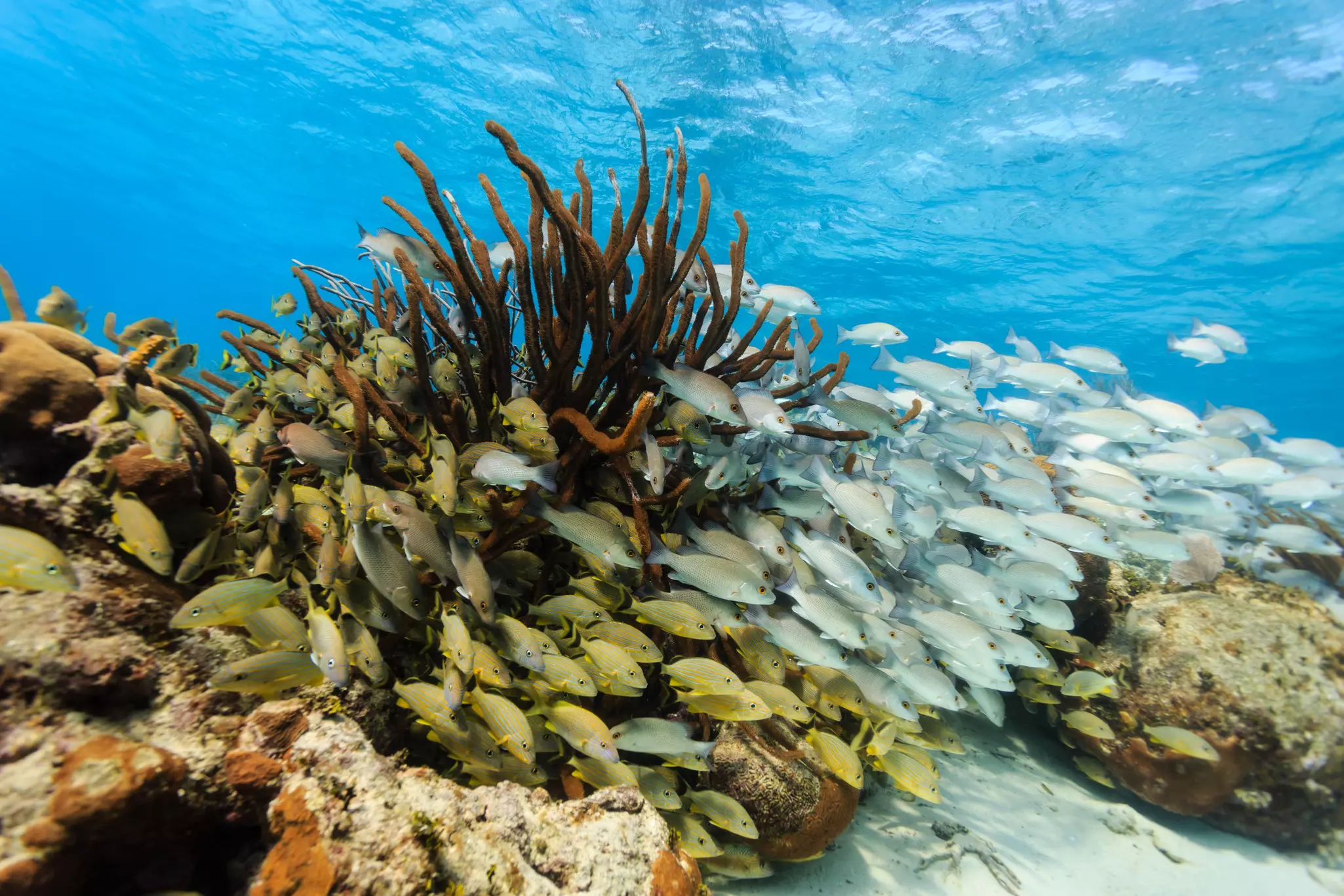
Nurse sharks, sea turtles and eagle rays call the Belize Barrier Reef – the second largest in the world – home, and one of the best places to see them is at Hol Chan Marine Reserve, just off the coast of Ambergris Caye.
A day tour snorkeling there is a popular way to get acquainted with both the reef and its inhabitants. Don't miss Shark Ray Alley.
Note: Belize takes its ecosystem very seriously, so respect any and all rules and regulations when it comes to the environment.
It’s no surprise that a destination as beautiful as Belize inspires its citizens to create art and handicrafts.
Take a look at the Handmade Belize Instagram account to see clothing, jewelry, artwork and more from Belizean creatives, and to track where and when artisan markets are taking place, so you can add this unique shopping experience to your Belize itinerary.
Director Francis Ford Coppola is widely known for his films and his wine, but in Belize it’s his boutique luxury hotels – Turtle Inn in Placencia and Blancaneaux Lodge in the Mountain Pine Ridge – that get people excited.
Both resorts are ultra-luxurious, with roomy, creatively decorated bungalows, phenomenal restaurants and a high level of service.
Planning tip: Pair the properties for a beach and jungle trip – the perfect combination to really experience the best of Belize.
Explore related stories