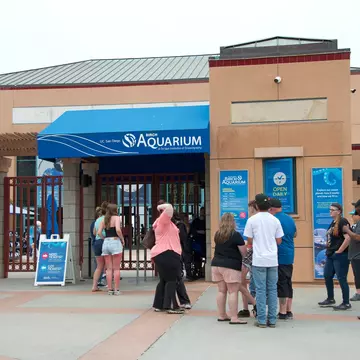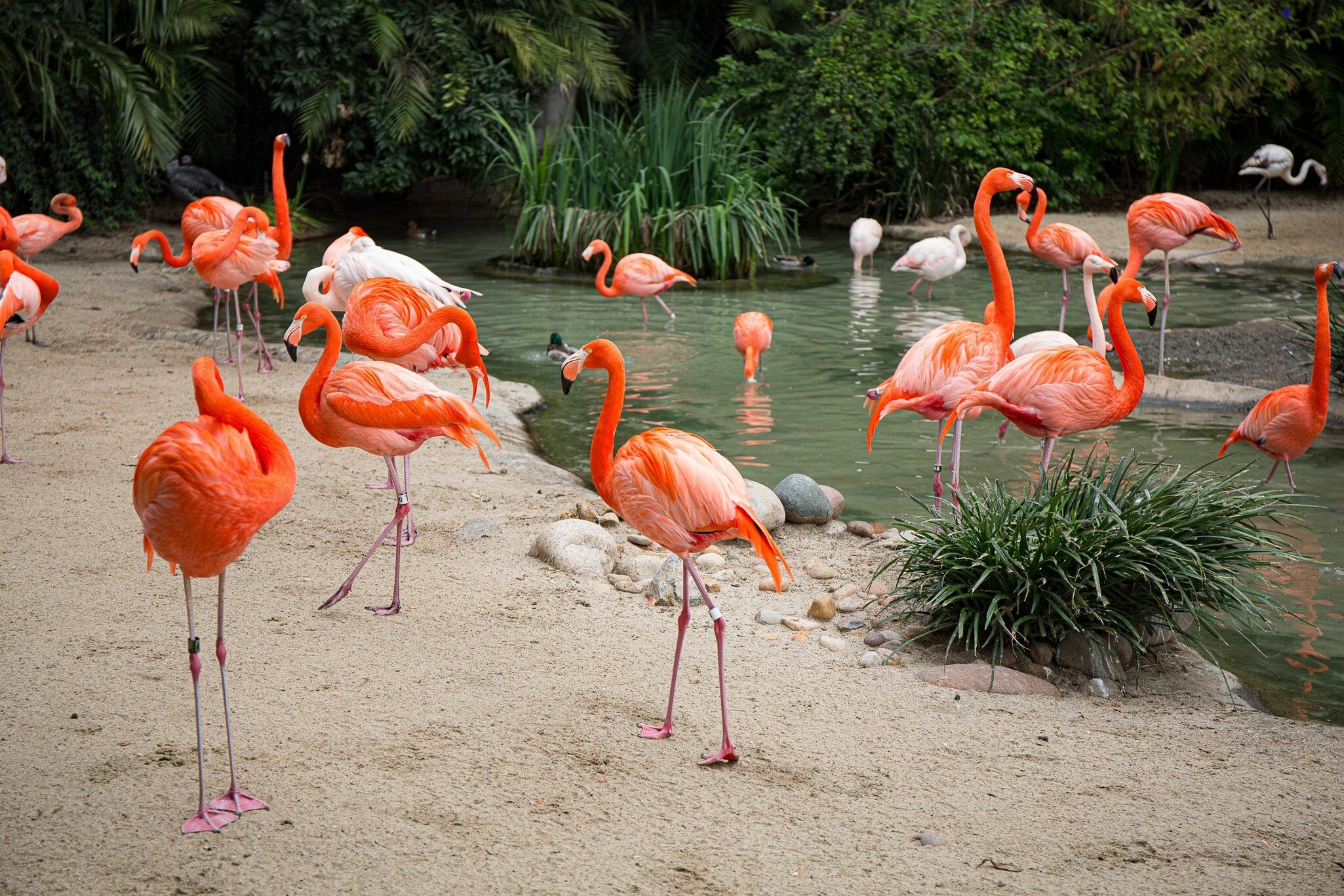
One of SoCal’s biggest attractions, San Diego's justifiably famous zoo has more than 4000 animals representing more than 650 species in a beautifully landscaped setting. Typically enclosures replicate a species' natural habitat. Its sister park, the San Diego Zoo Safari Park, focuses on free-range big game enclosures and is in northern San Diego County. Arrive early at both, as many of the animals are most active in the morning – though some perk up again in the afternoon.
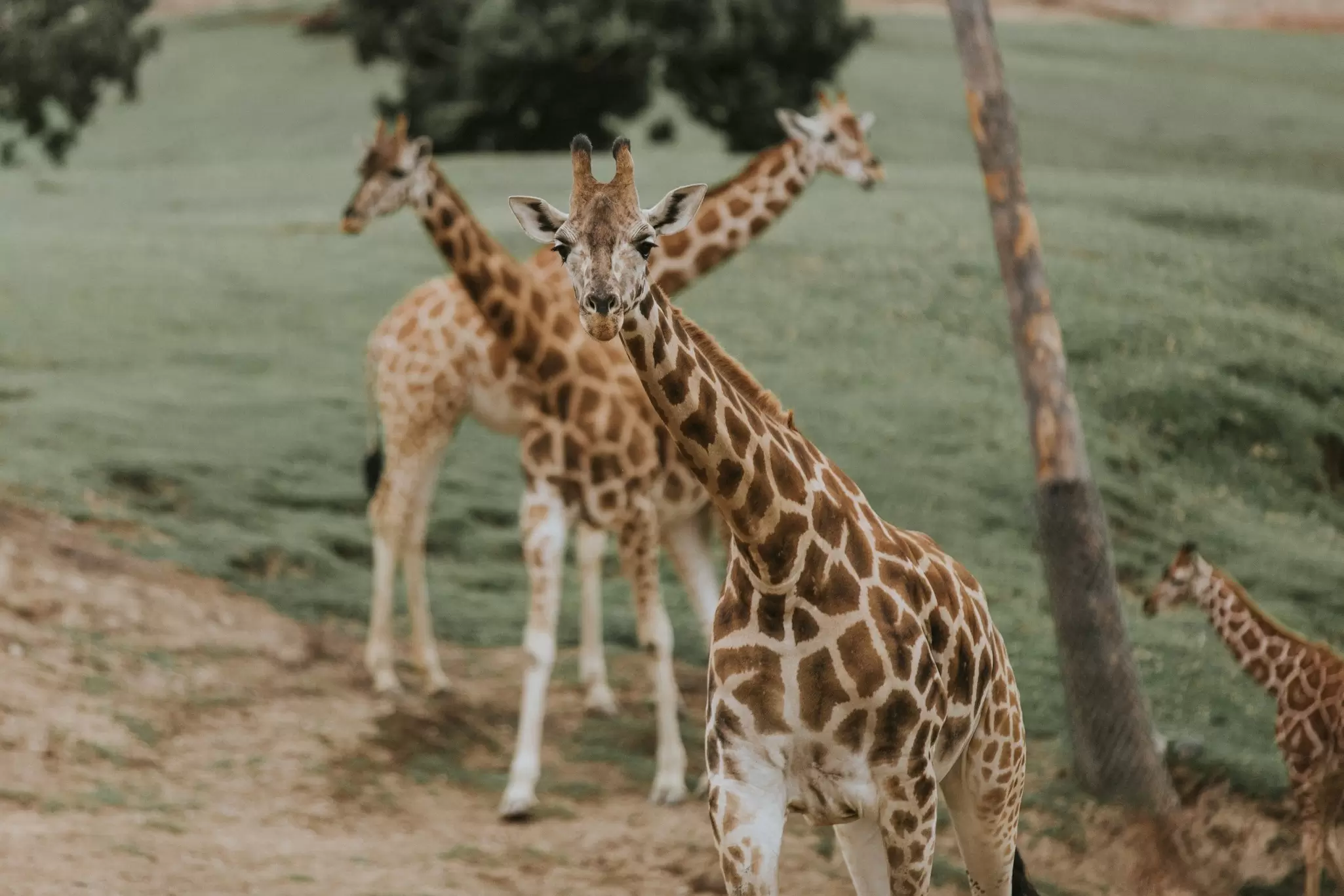
Pick up a map at the zoo entrance to find your favorite exhibits. Download the free San Diego Zoo app to help you navigate the park. The park is divided into geographical zones and bioclimatic environments including the 7.5-acre Elephant Odyssey, home to African and Indian elephants. In the Africa Rocks section visitors can see a community of lemas, dwarf crocodiles, leopards, gelada baboons and meerkats. In the Outback enclosure the largest colony of koalas outside Australia will have you koalafornia dreamin'. Get close up views of polar bears swimming underwater at the Northern Frontier, and hippos grazing in the water on the Hippo Trail.
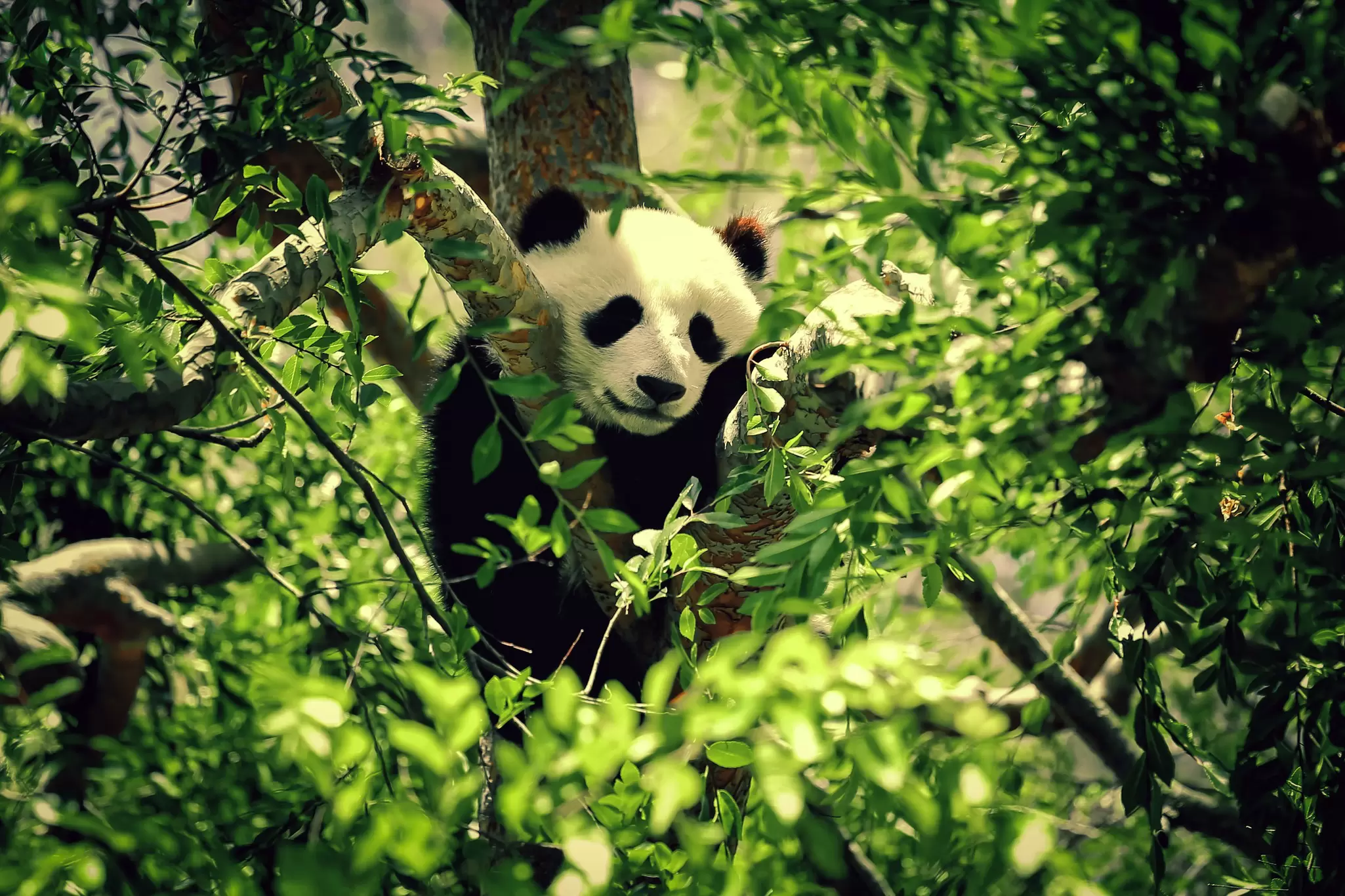
Lines tend to be longest in Panda Canyon, where you can admire the endangered red panda. The Monkey Trail takes you through an elevated path into the tree canopy where you can see capuchin, colobus and spot-nosed monkeys swinging around. In the Gorilla Tropics and Scripps Aviary, you can encounter exotic species of winged creatures. There are thousands of lizard species strutting around the Reptile House, plus many turtles and snakes. The zoo gardens are renowned and some of the plants are used for the specialized food requirements of particular animals.

Wear comfortable shoes: walking is the best way to get close to the animals. Alternatively, you can hop on a double-decker bus for a 35-minute narrative overview tour (free with your ticket): sitting downstairs puts you closer to the animals. Another option for those unable to walk far is the Kangaroo Bus, which lets you hop on and off at four stops.