The UNESCO-listed Qutb Minar was the first thing Qutb-ud-din Aibak built after overthrowing the Tomar Rajputs at the end of the 12th century. Partly built using stones from destroyed structures of Lal Kot, the minaret emphatically announced a new regime was in town. Muslims would rule Delhi from this time until the coming of the British.
Qutb Minar
Commissioned in 1199, this stunning red-sandstone tower lends the complex its name. The astonishingly well-preserved minaret is 73m high, tapering from a diameter of 14.32m at the base to an elegant 2.75m at the peak via a series of alternating angular and rounded flutings. It was completed in stages, with the first two stages built by Aibak and the next three by his successor Iltutmish.
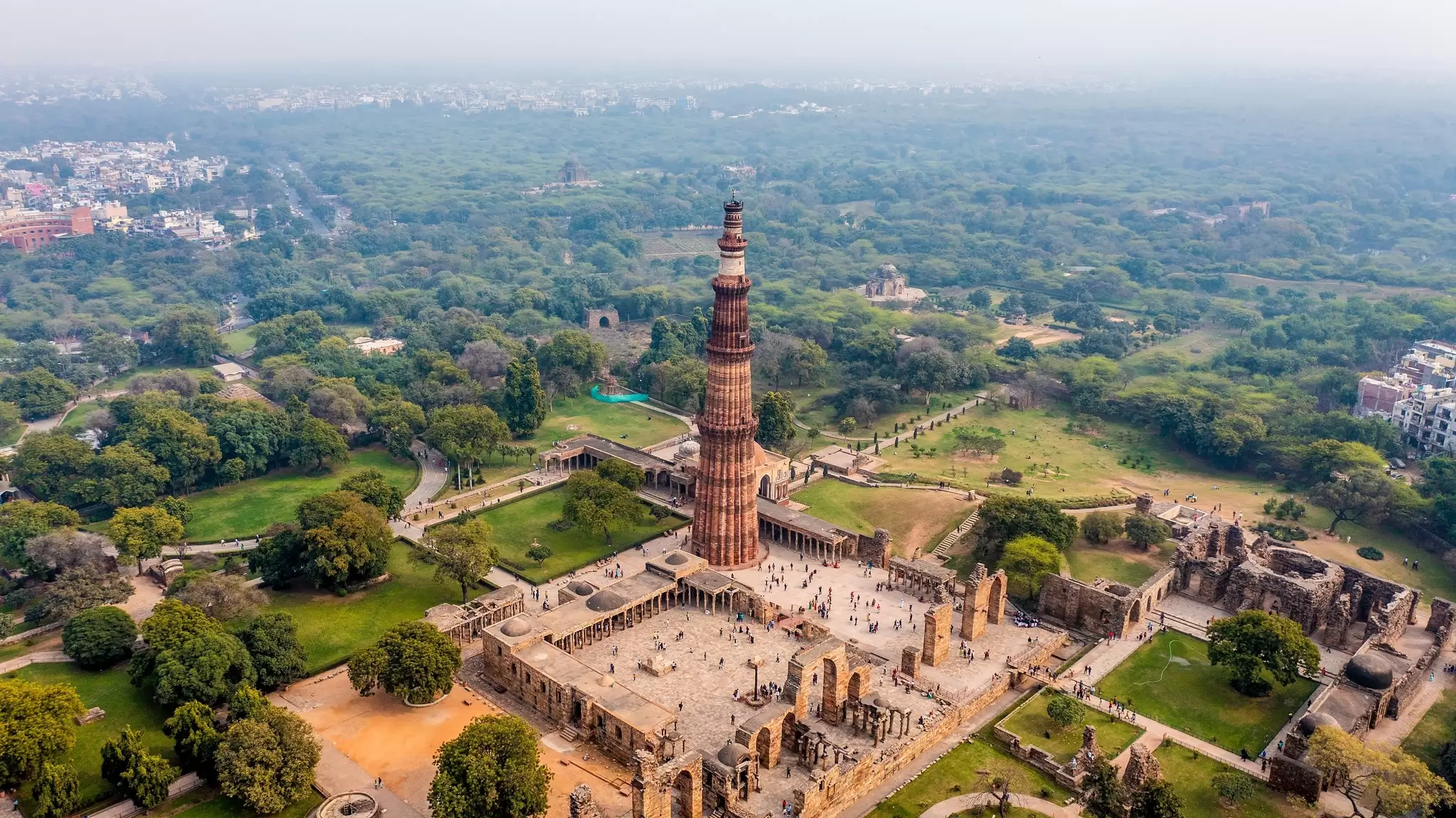
When the tower was struck by lightning in 1368 it lost its top floor. Firoz Shah Tughlaq, ruler of the third Delhi Sultanate, repaired the damage and added a 5th floor for good measure. This impressive structure introduced India to Islamic architecture and it's still the world's tallest brick minaret.
Quwwat-ul-Islam Masjid
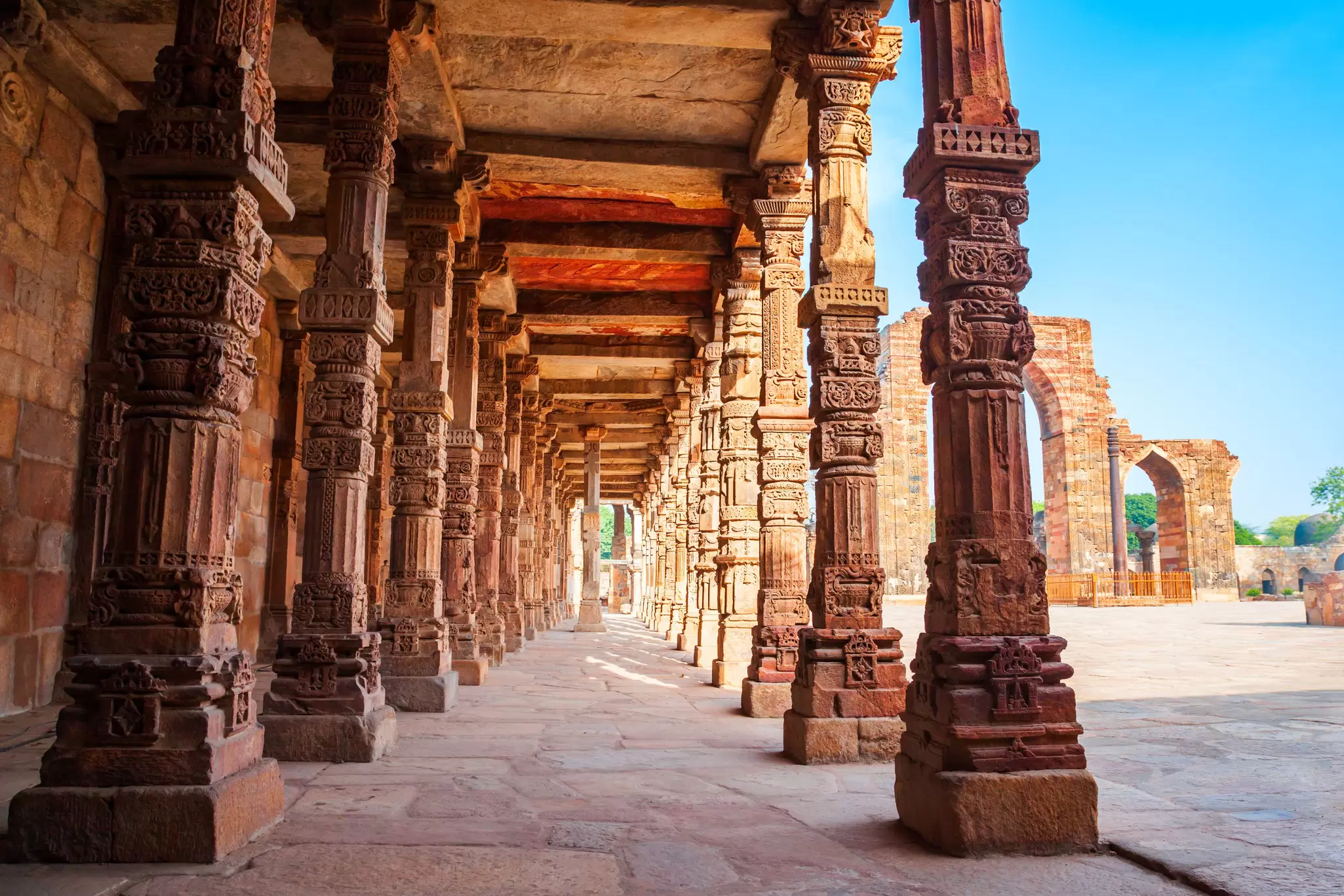
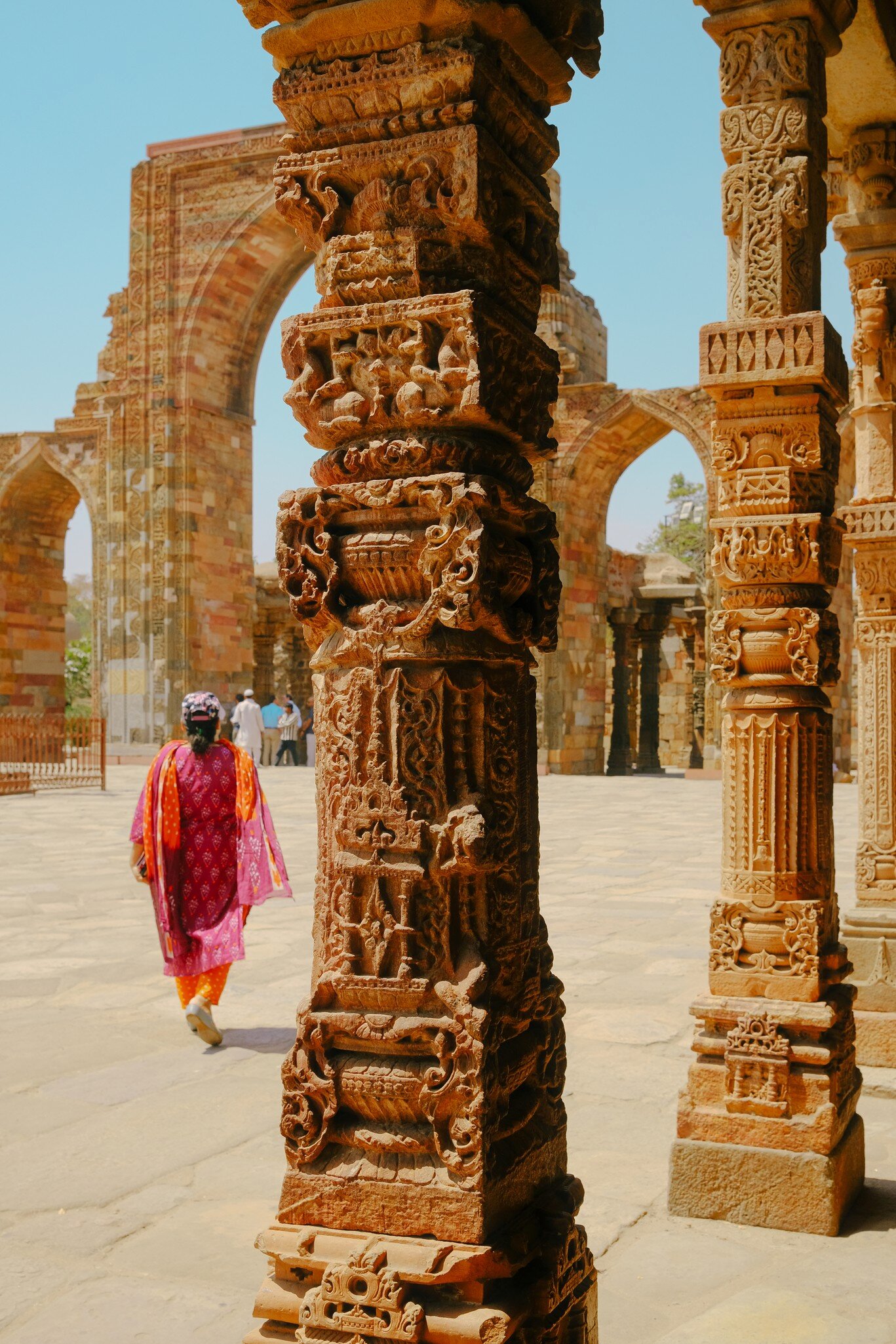
At the foot of the Qutb Minar stands the first mosque to be built in India. An inscription over the east gate states that it was built with materials obtained from demolishing 27 temples; many of the carved pillars here were repurposed from Lal Kot. As well as intricate carvings, the walls of the mosque are studded with sun disks, shikharas (rising towers) and other recognizable pieces of Hindu and Jain masonry.
Iron Pillar
In the courtyard of the Quwwat-ul-Islam Masjid is a 6.7m-high iron pillar that is much more ancient than any of the surrounding monuments. It hasn’t rusted over the past 1600 years, due to both the dry atmosphere and its incredible purity. A six-line Sanskrit inscription indicates that it was initially erected outside a Vishnu temple, possibly in Bihar, in memory of Chandragupta II, who ruled from 375 to 413 CE. Legend has it that Anangpal, the 8th-century Tomar king credited with founding Delhi, brought it to the site. Scientists are at a loss to explain how the iron was cast using the technology of the time.
Iltutmish's Tomb
Qutb-ud-din Aibak was succeeded by Aram Shah, followed by Iltutmish, who ultimately consolidated the sultanate's hold on India into the Mamluk Dynasty.
Iltutmish is entombed in a magnificent sandstone and marble mausoleum, almost completely covered in Islamic calligraphy. Legend has it that Iltutmish believed his sons were too decadent for the job of ruling the sultanate, so he named his daughter Razia as his heir. However she got there, Iltutmish's daughter Razia Sultana (r 1236–40) became the first female Muslim ruler of India, and the only female Muslim to ever rule Delhi.
Madrasa
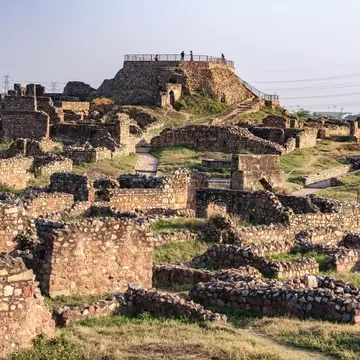
Ala-ud-din Khilji, ruler of the second Delhi Sultanate, built a sprawling madrasa (Islamic school) and tomb at the rear of the complex in 1315, 116 years after the Qutb Minar was erected. You can poke around the ruins, which have not survived as well as the towering minaret.