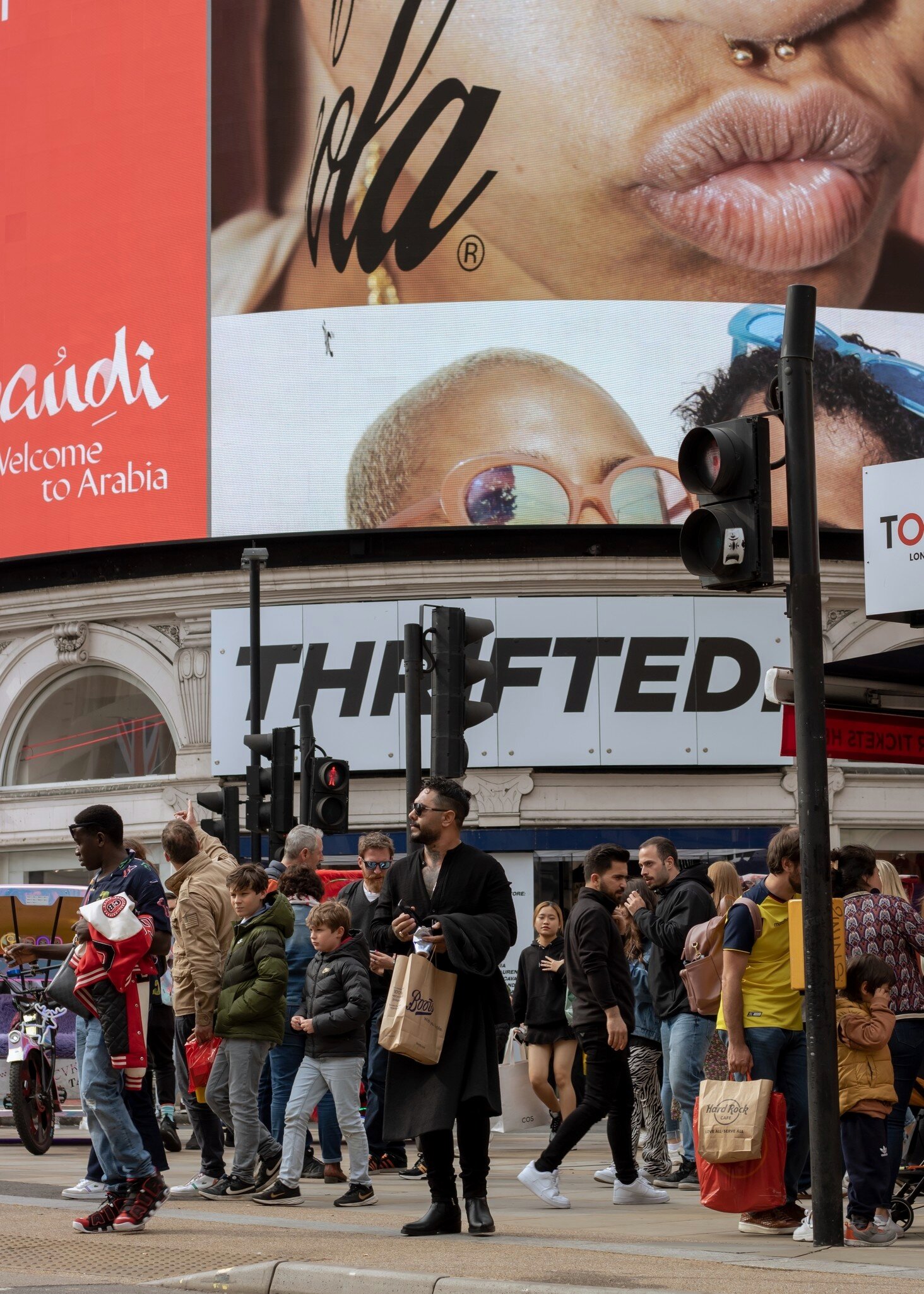
While younger megacities have LED intersections far grander, Piccadilly Circus will always be a legend among them. Its lights have been switched on since 1908, dimming on just a handful of occasions, such as the funerals of Winston Churchill and Diana, Princess of Wales, and during WWII’s blackout period.
In 2017, a renovation combined the separate billboards into a single, huge, high-definition screen carrying multiple advertisers, or just the one advert for brands willing to shell out small fortunes to reach eyeballs. The site is, after all, observed by around 100 million pedestrians a year as they hurry to reach the famous intersections of Regent St, St James’ St, Shaftesbury Ave, Piccadilly and Coventry St.
Architect John Nash had originally designed Regent St and Piccadilly in the 1820s to be the two most elegant streets in London but, restrained by city planners, he couldn’t fully realize his dream. He may be disappointed, but suitably astonished, by Piccadilly Circus today: a traffic maelstrom, deluged by visitors and flanked by high-tech advertisements.
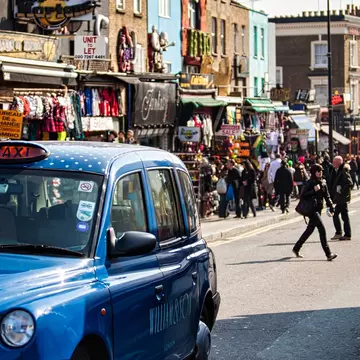
Piccadilly Circus has become a postcard for the city, buzzing with the liveliness that makes it exciting to be in London. "Piccadilly" was named in the 17th century for pickadils, the stiff collars that were the must-have accessory at the time (and were the making of a nearby tailor’s fortune), while "Circus" comes from the Latin word for ring or circle.
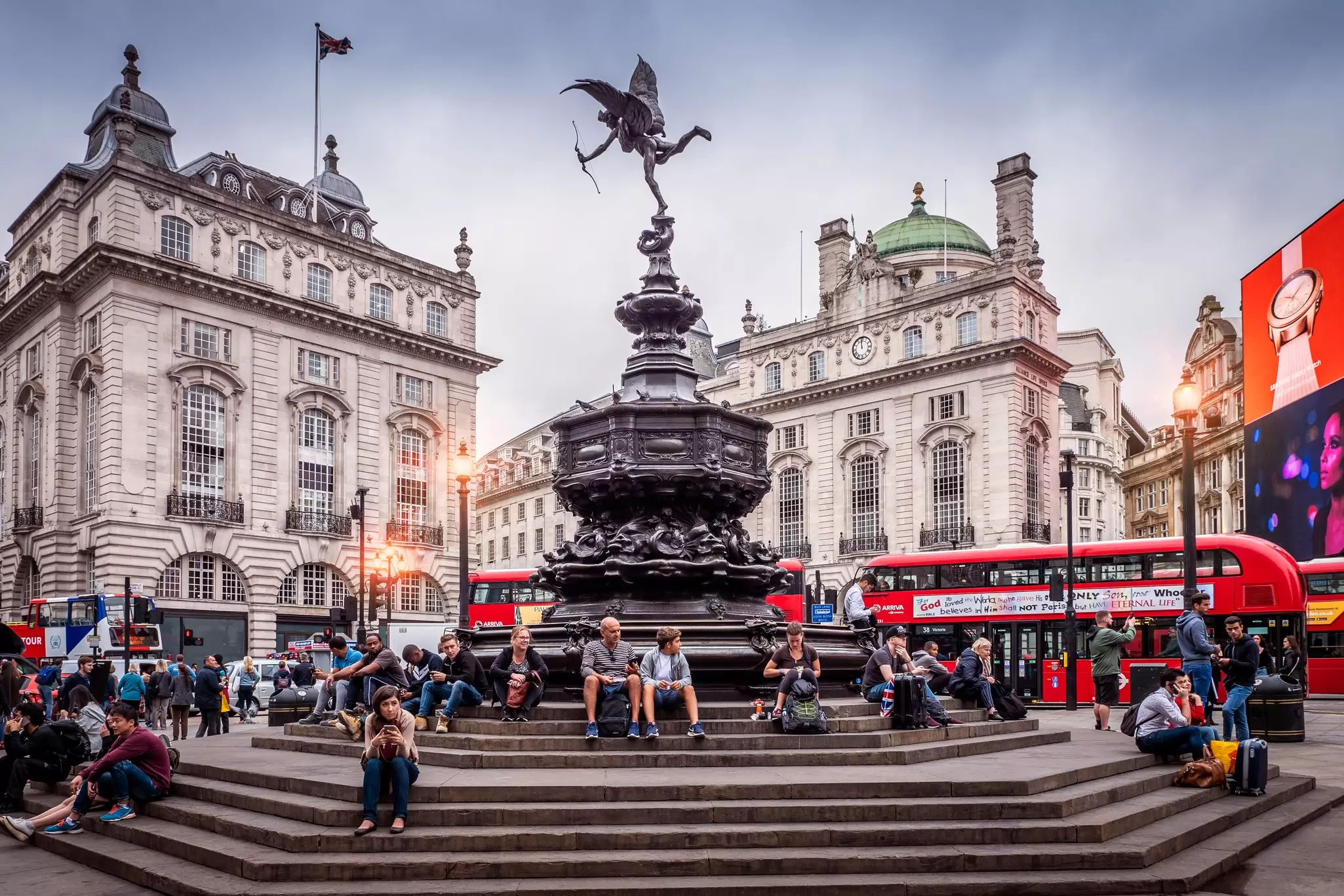
If you have time to stop, take a breather by the Eros Statue. Officially known as Shaftesbury Memorial Fountain, it was built in 1893 to commemorate philanthropist Lord Shaftesbury. Today, it’s a landmark spot to meet friends, a center of London’s traffic circle jammed with red buses and black cabs and a viewpoint for all those flashy advertisements. A seat amid this chaos is just the introduction to West End’s intoxicating around-the-clock electricity.