Encompassing flamingo-visited salt pans, birdlife-rich wetlands, cyan-swirling inlets and a handful of barrier islands, the Parque Natural da Ria Formosa is phenomenal. Extending 60km between Quinta do Lago and Cacela Velha, it’s also daunting to know where to start. Bountiful boat trips traverse the lagoons, but many experiences can be approached DIY, especially from Olhão, the park’s de facto gateway.
Island-Hopping & Boat Trips
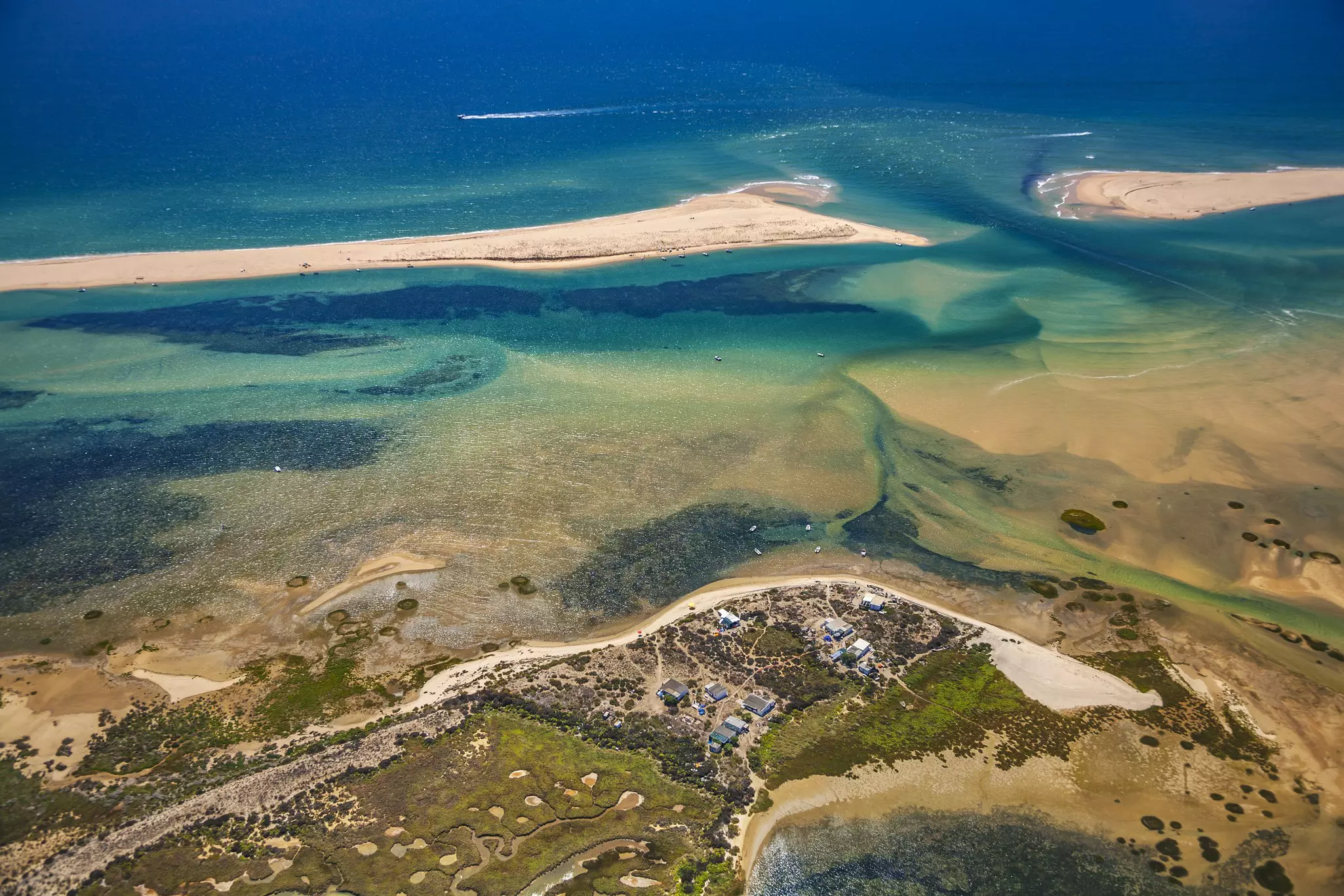
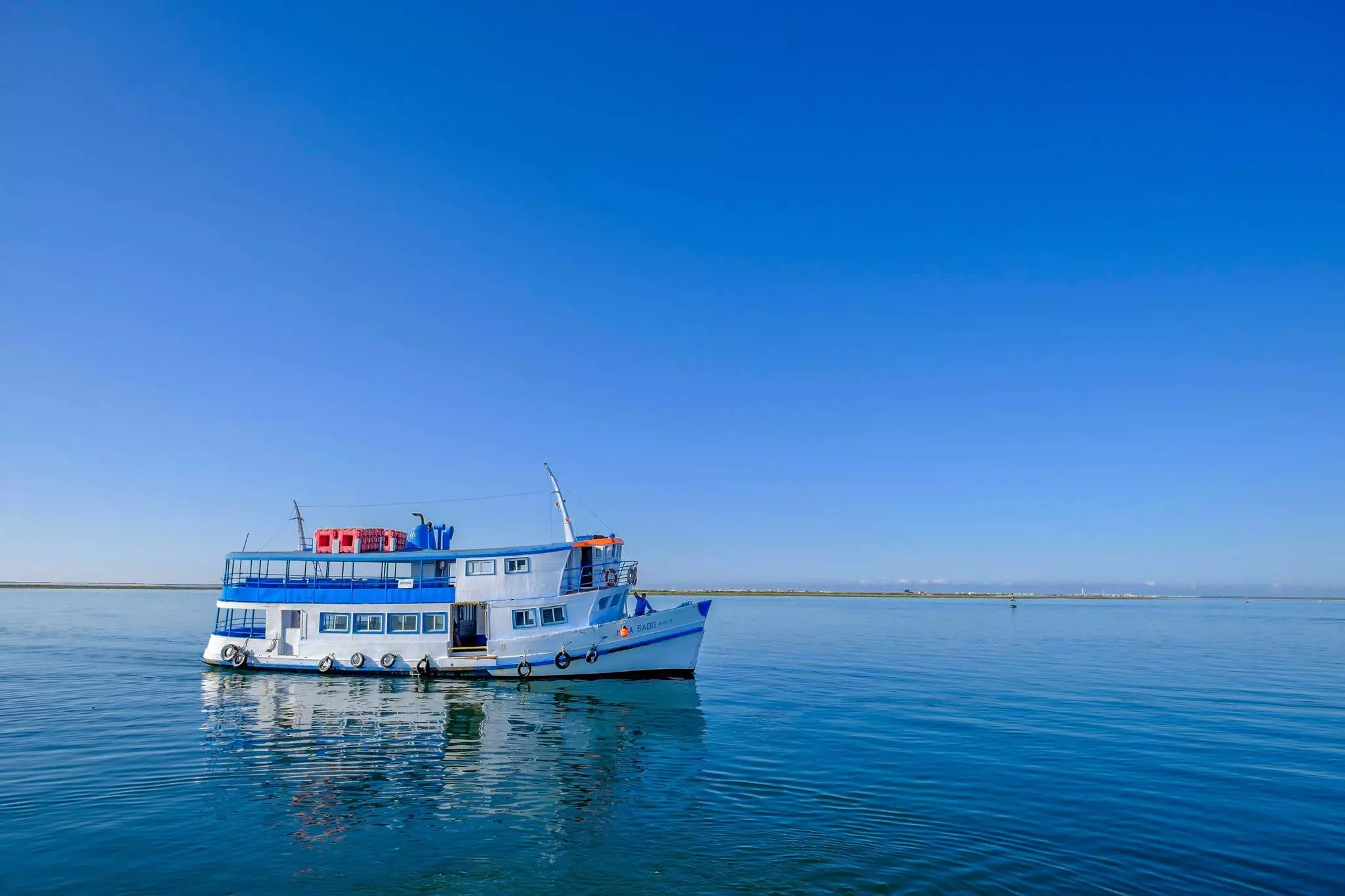
Five car-free, silky sanded and dune-laced barrier islands separate the lagoon’s slightly warmer waters from the ocean. From west to east, they are Barreta (often called Deserta), Culatra (including Farol, frequently presented as distinct islands), Armona, Tavira and Cabanas – all reachable by ferry, some from Faro and Tavira.
The inhabited central two, Ilha da Culatra and Ilha da Armona, with restaurants, facilities, undersized bungalow-style settlements and water sports, are best accessed by Olhão’s public ferries departing Cais de Embarque (adult/child from €2/€1 one way, cash-only) every two to three hours (season dependent) during daylight.
To buy tickets for the 20- to 30-minute trip, queue at the correct hut – there are two separate, adjacent ticket desks – opening around 30 minutes before departure. It can get crowded over summer weekends. From Faro, summer-only public ferries depart to Culatra, but not Armona (cm-faro.pt; adult/child from €3.50/€2 one way) alongside a year-round hop-on hop-off service (ilhadeserta.com; adult/child €35/€17.50). Don’t miss the last return; water taxis are pricey.
Boat-Free Beaches
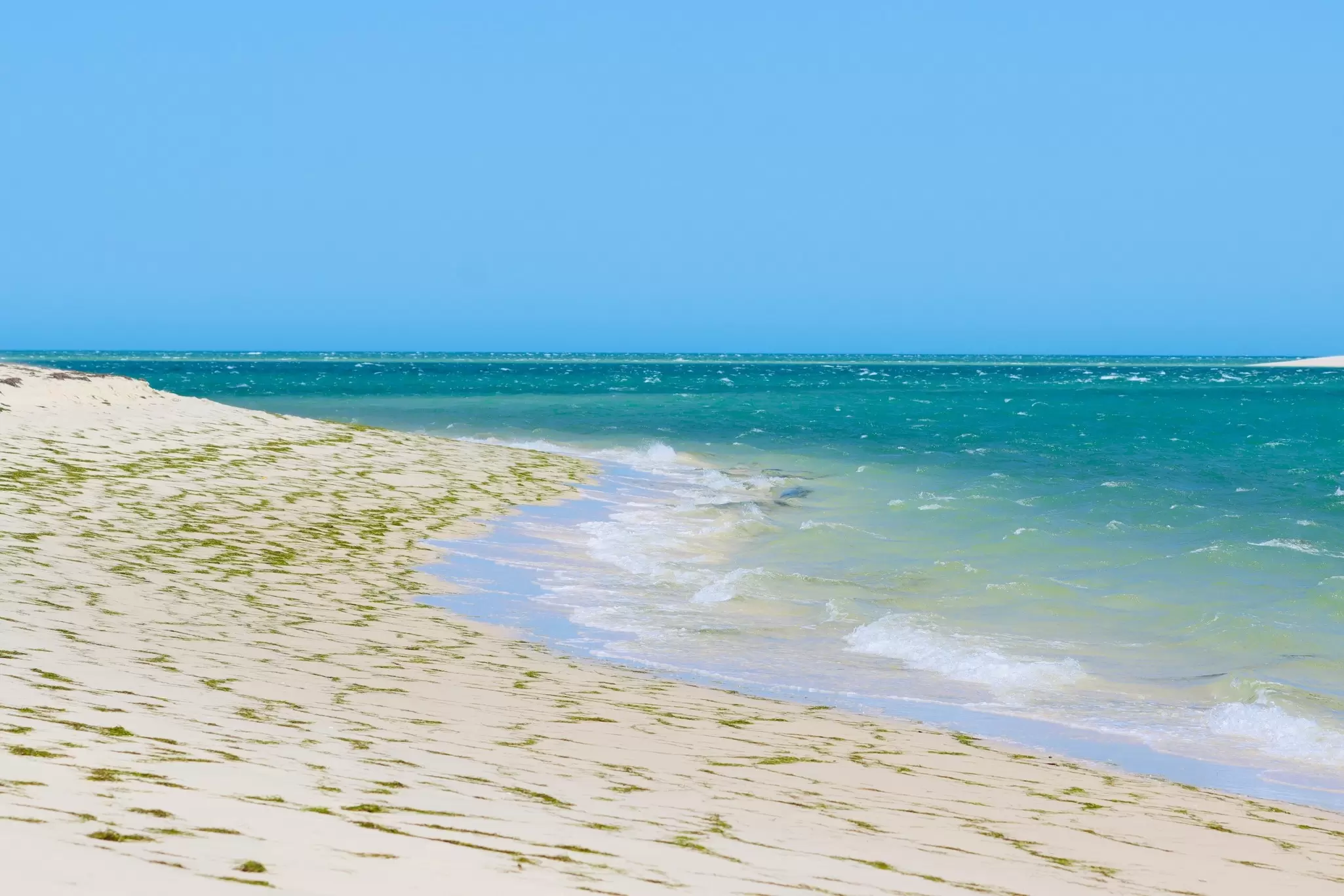
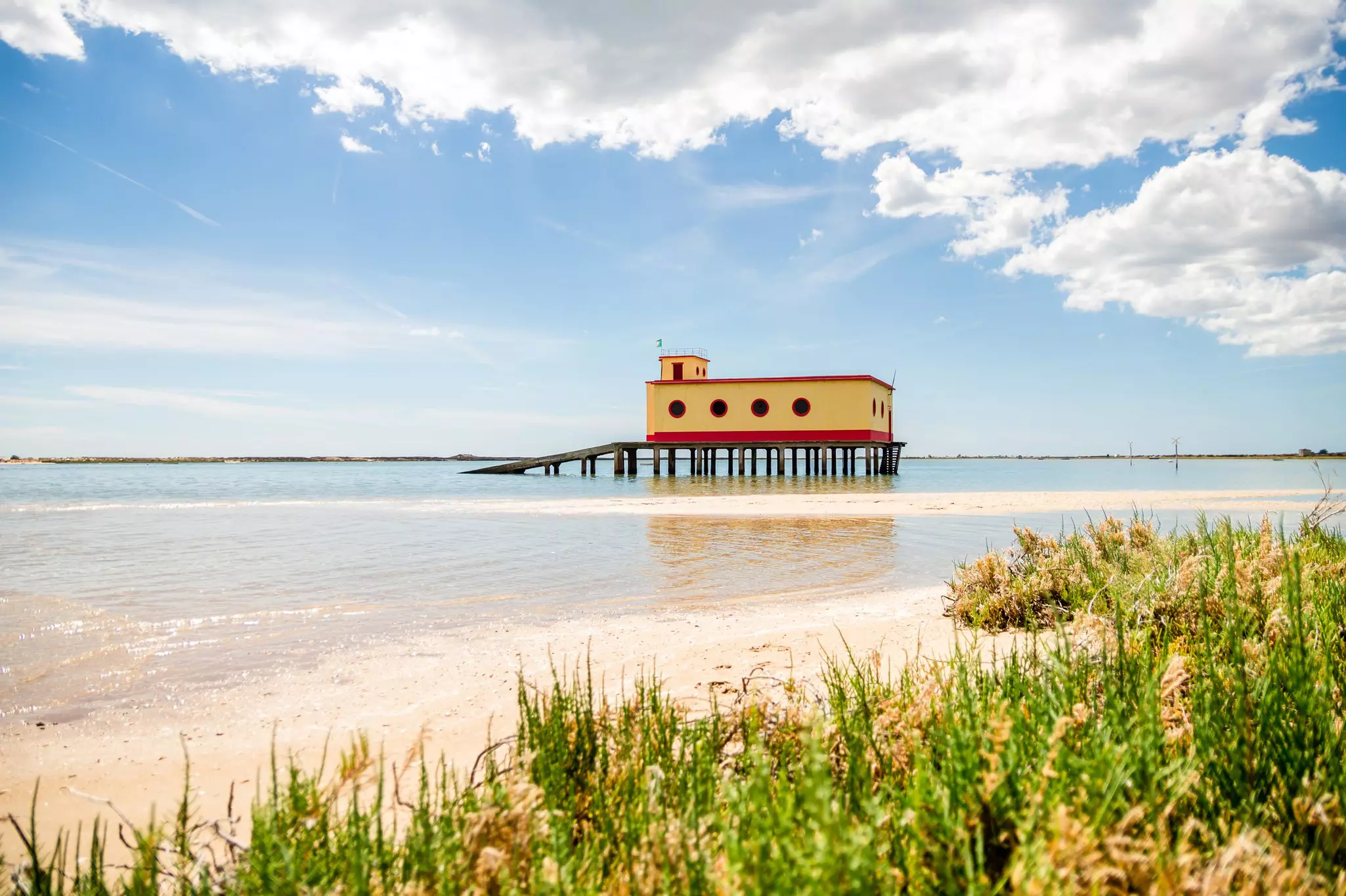
For ferry-free Ria Formosa beaches, Praia de Faro has road access, Praia do Barril can be reached on foot via a footbridge or a teeny tourist train, and at low tide you can paddle to Cacela Velha. One of the finest lagoon-side beaches is Praia da Fuseta Ria (take the train to station Fuseta-A), especially at low tide when swirling sands and shallow cyan waters allow licensed fishers to hand dig for clams – SUP, kayaks and kitesurfing rentals are available.
Seafood
Olhão is the Algarve’s largest fishing port, and in the early hours at the two-building, lagoon-facing Mercados de Olhão (closed Sundays), you’ll see the fishers delivering their catch. Licensing controls fishing in the Ria Formosa for bass and bream, harvesting clams and cockles by hand at low tide and oyster farming. Artur's Watersports (arturwatersportsacademy.pt; prices vary) offers a Faro-departing day trip on a traditional fishing boat to pick clams and sample Culatra’s oysters. Olhão’s lively Festival do Marisco (festivaldomarisco.com) combines seafood street food with live music in August.
Salinas
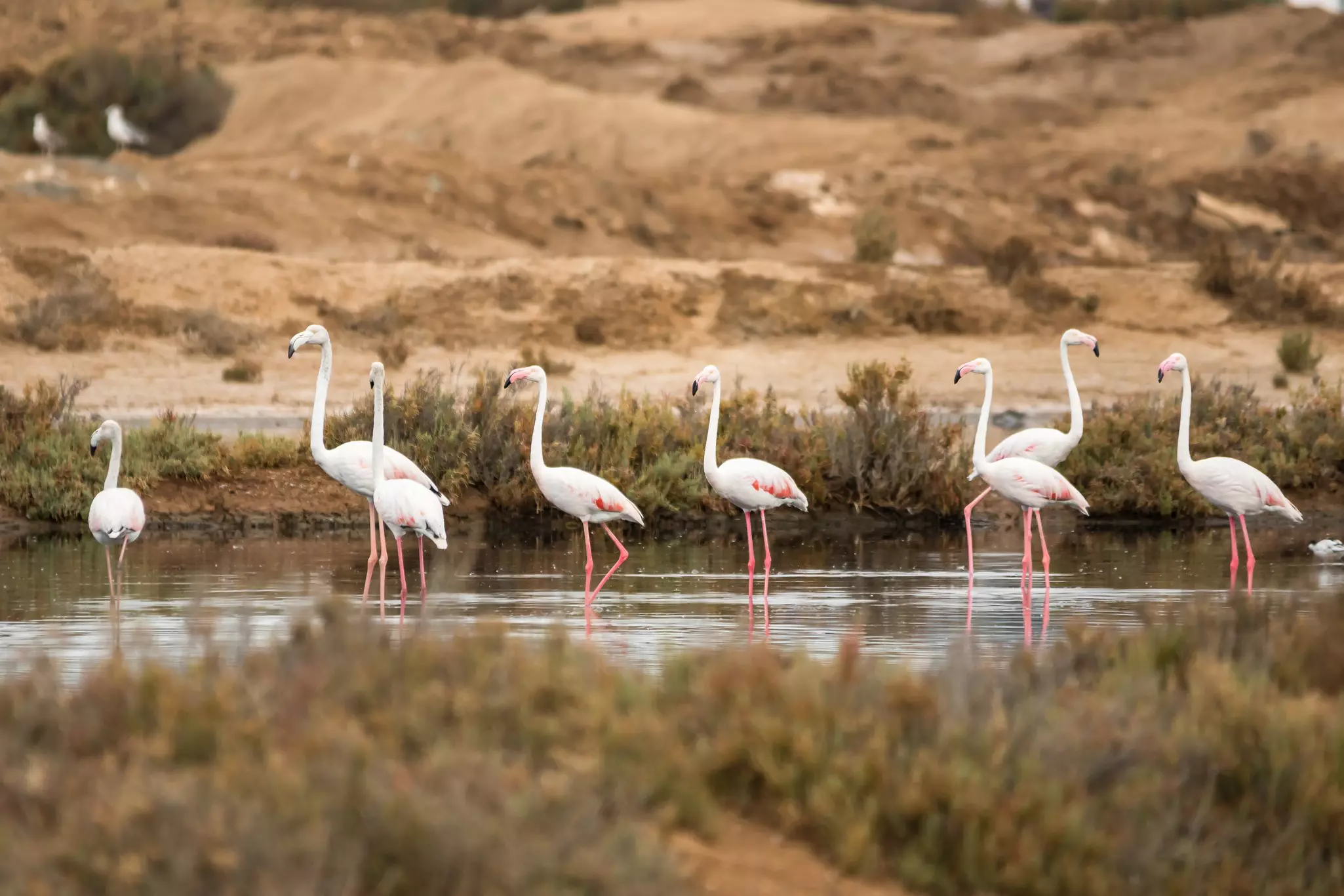
Working salinas (salt pans) speckle the Ria Formosa’s mainland side, providing economic benefits and birdlife havens. Certain combinations of minerals and algae occasionally turn the tapestry of rectangles vivid colors, including pink. Hire a bike or join a tour from SeaHorse Bike Rental (seahorsebikerental.com; from €14) to explore Olhão’s salinas. Salinas do Grelha (salinasdogrelha.pt; from €8) has salt production tours and a floatable Mar Morto (Dead Sea) between May and October.
Birdwatching & Wildlife
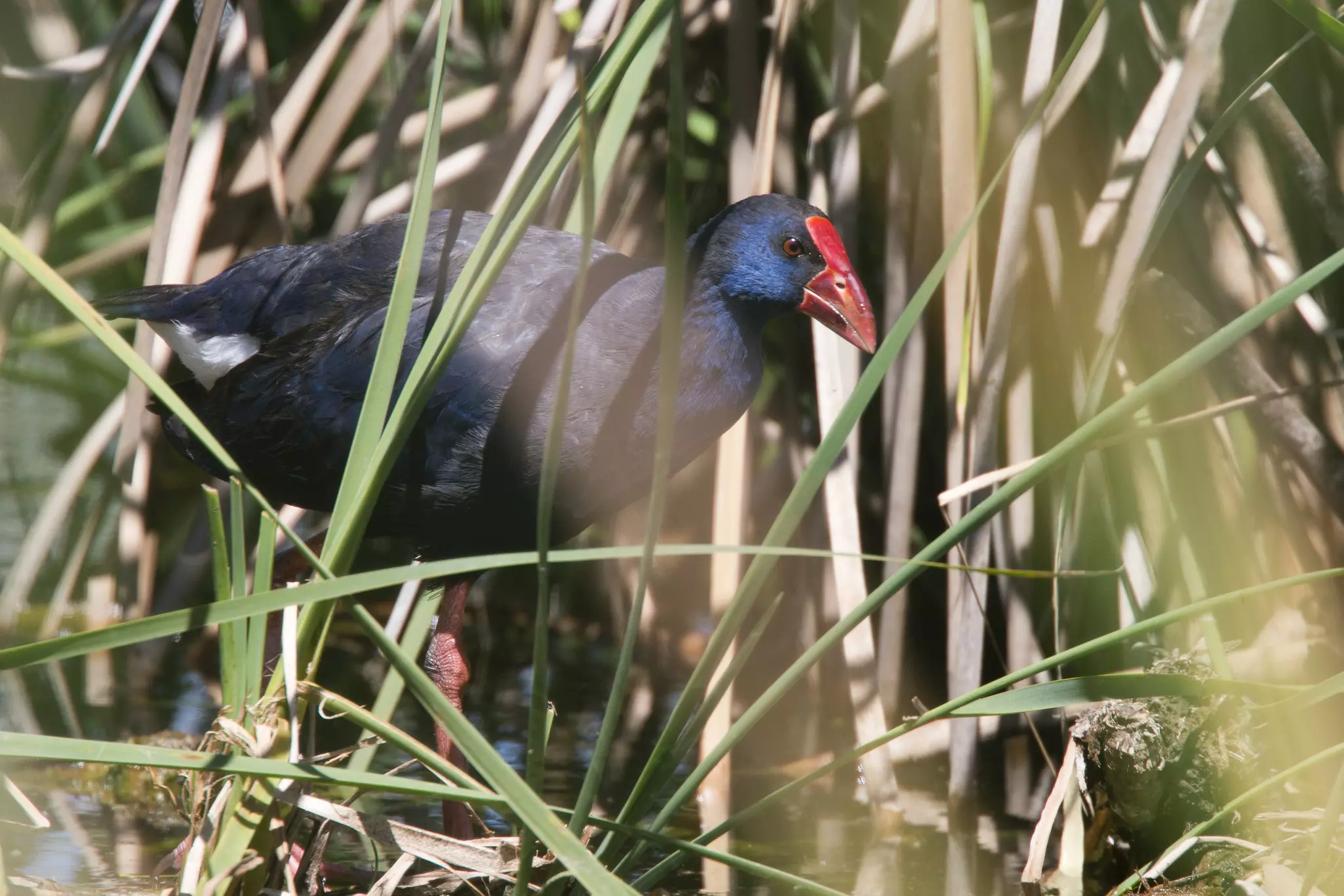
Flamingos, curlews, seahorses, Mediterranean chameleons, spoonbills and the Purple Swamphen, the park’s symbol, are sighted across the Ria Formosa, especially in migration season from October to March. Roman-founded Quinta de Marim (icnf.pt; €3), including the Centro de Educação Ambiental (closed weekends), is an excellent starting point to learn about the park and wildlife.
The center’s extensive English information panels pair with a 2.5km trail through the protected area to encounter mixed ecosystems and birdlife. Hiring a kayak is a good DIY way to see lagoon birdlife, while guided boat trips afford more expert insights. Lands’ (lands.pt; from €40) quieter, less birdlife disturbing solar boats, depart from Faro.