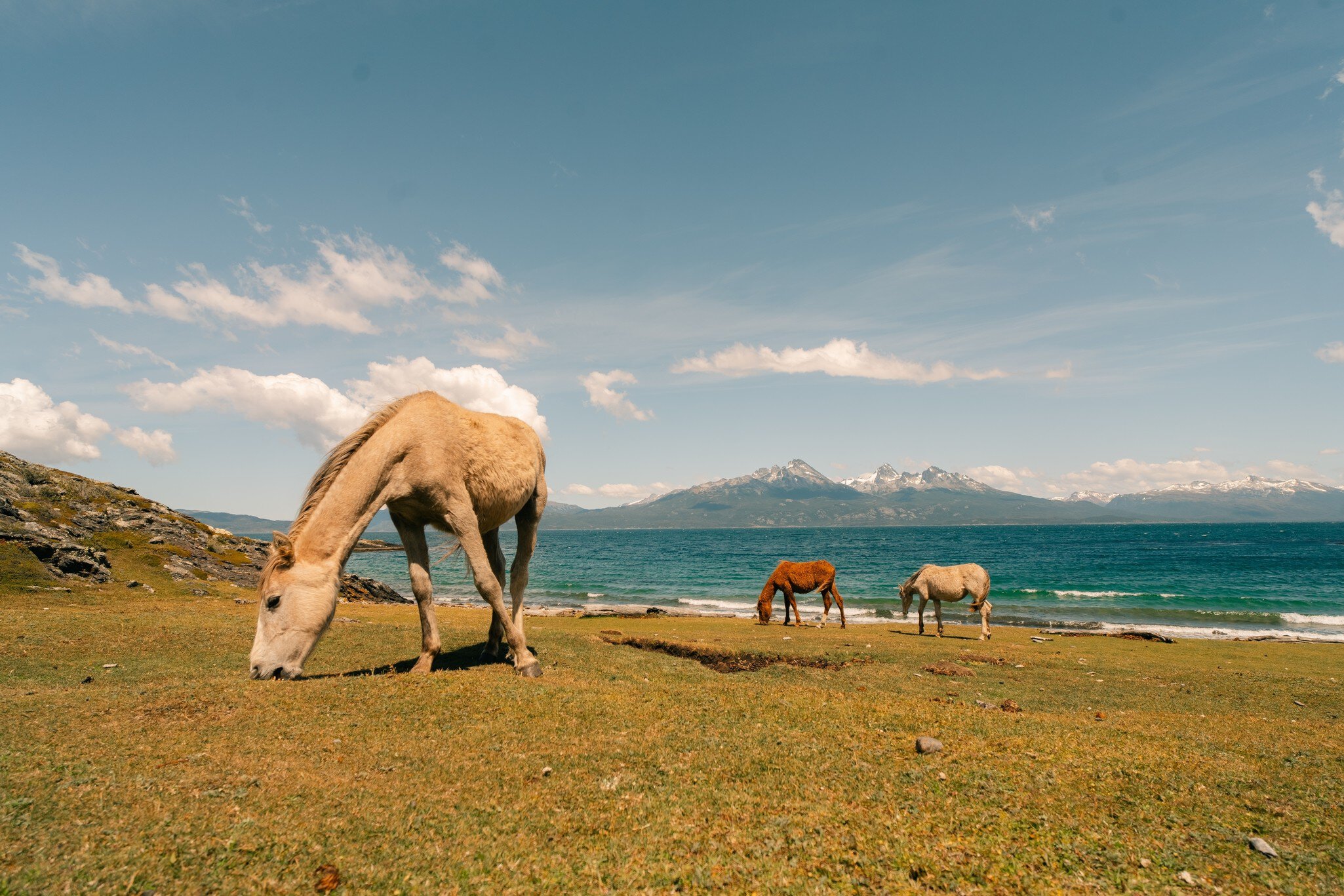
There’s something for everyone in the island’s largest and most popular destination, spreading out over almost 700 sq km and towards the Chilean border. Everything from a quick jaunt to a multiday sojourn is possible, with hikes through snowcapped mountains and to azure lakes, sportfishing, train rides and no shortage of photo ops and arresting scenery.
Tren del Fin del Mundo
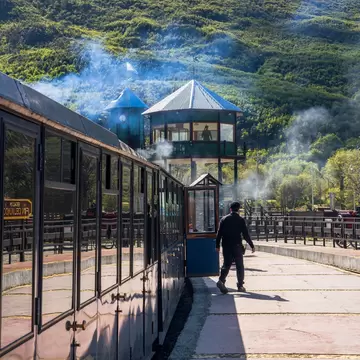
Don’t let the "end of the world" branding mislead you: this one is worth it. Perhaps the most famous Ushuaia activity, the train (trendelfindelmundo.com.ar) departs from the Estación del Fin del Mundo, about 10 minutes outside Ushuaia, and takes travelers into the national park along a 7km rail track. The one-hour journey mirrors that made by inmates at Ushuaia’s infamous prison, who were transported to cut down trees for lumber in order to build and warm the budding city (and themselves!) – you’ll pass the fields of stumps they left in their wake.
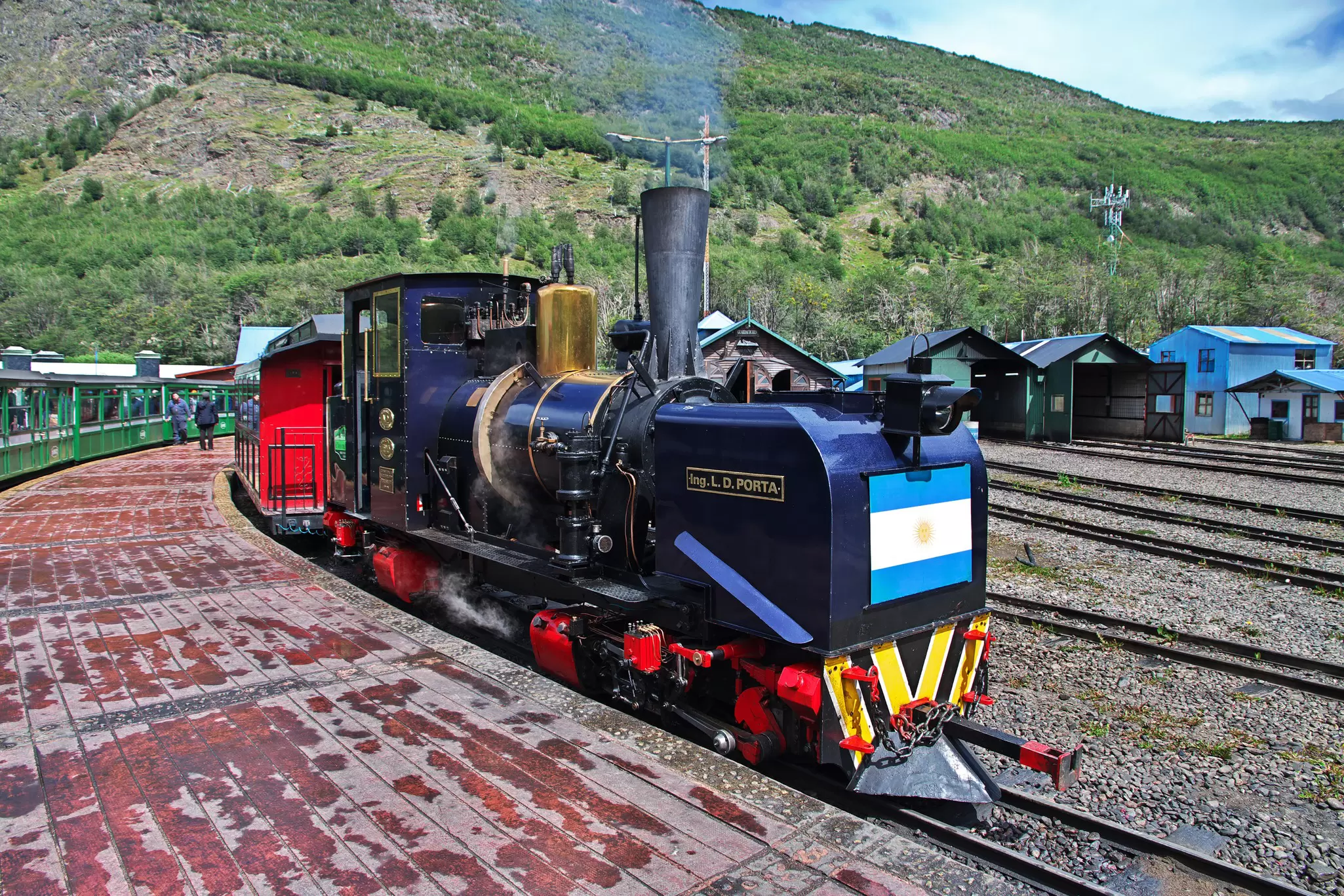
A 1949 earthquake destroyed the old tracks and the prison was shuttered, but the train was revived in the 1990s. You’ll pass by the Puente Quemado, where remnants of those century-old tracks are still visible next to their contemporary counterparts, as well as the La Macarena waterfall, where the prisoners used to collect water for the steam-powered locomotive. Commentary is available in several languages, and there's a number of alternative experiences which vary in luxury and offerings, with higher classes including a visit to the old machine workshop and on-board meals and tea services. The highlight, however, is the scenery: in winter, the snow-covered forests are something out of a fairy tale, while the panoramic views are unforgettable year-round.
Hike-o-Rama
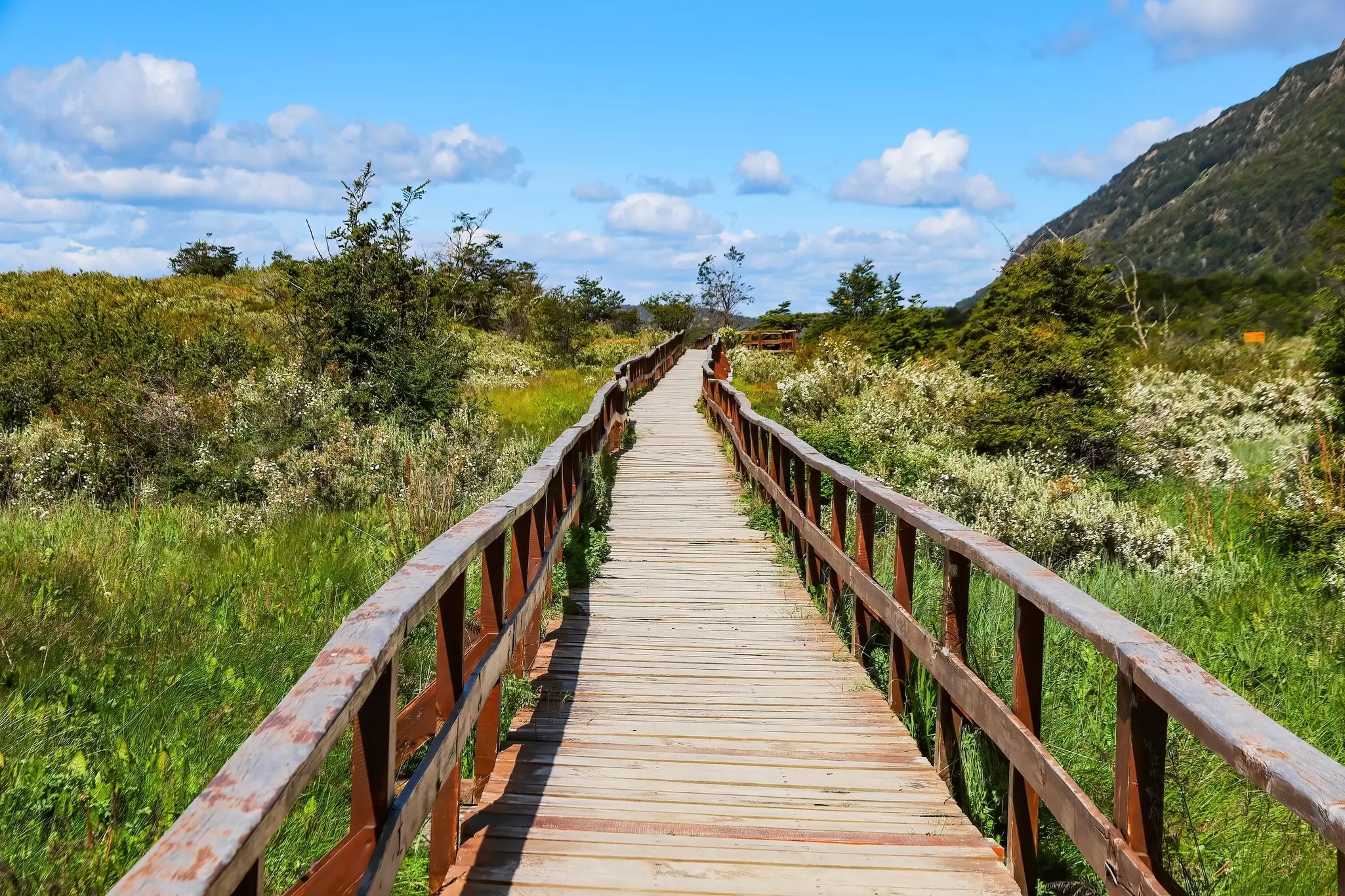
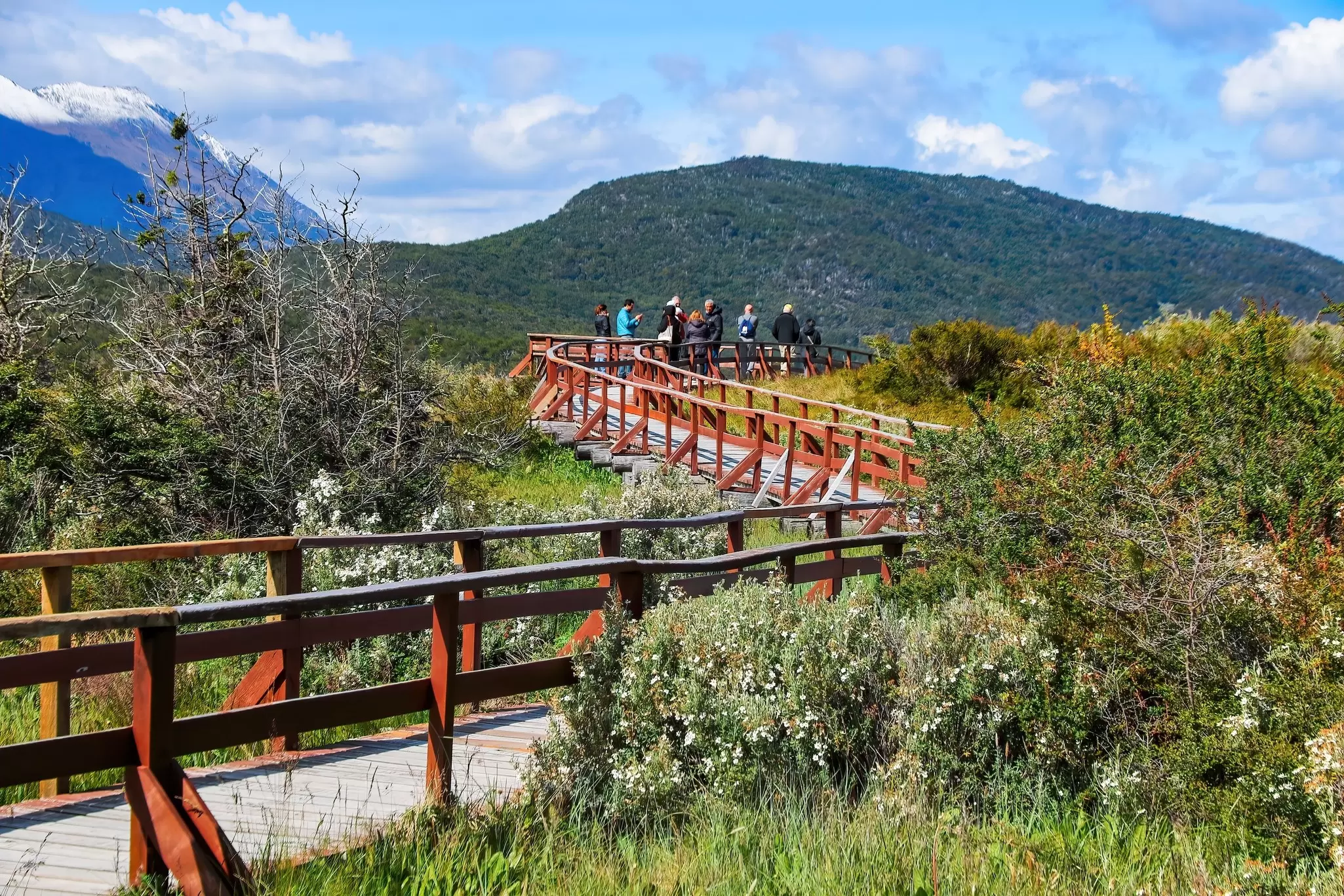
There are around a dozen hiking trails of varying length and difficulty in the park, from treks through lenga forests, along the shores of the Bahía Lapataia or past waterfalls and rivers, to exhausting-but-satisfying mountain ascents. The Senda Castorera (400m) starts on the RN 3 and is an accessible and flat walk to an old beaver dam. The Río Pipo Trail takes no more than half an hour and leads to a beautiful small waterfall in the forest.
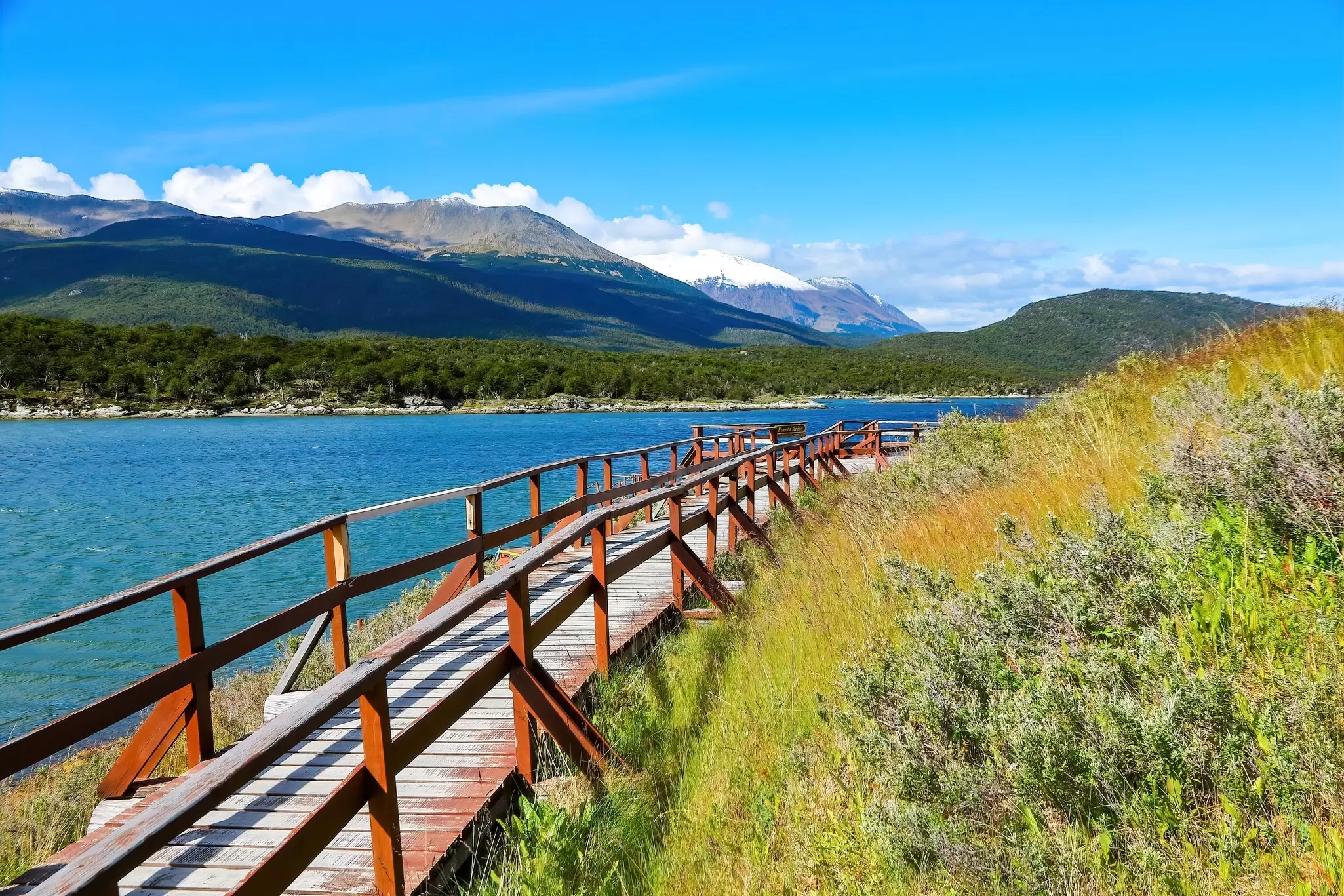
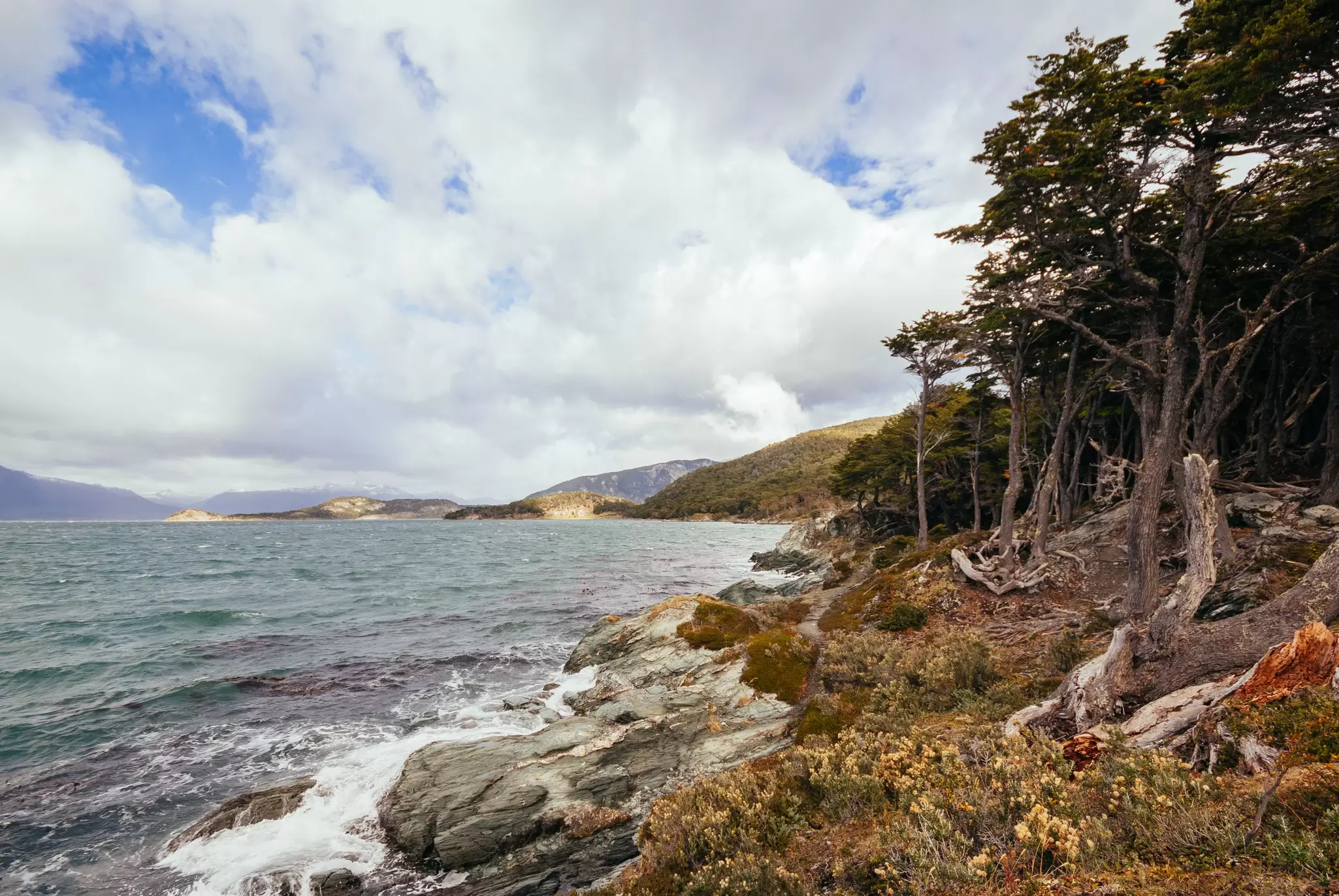
The Senda Costera, a medium-difficulty 8km (four-hour) trail, starts at the Bahía Ensenada Zaratiegui and leads westward along the Lapataia shore through a forest of sour-cherry and winter’s-bark trees and a series of sheltered coves; it's closed from May to November. (Don’t miss the Zaratiegui Post Office – it’s no longer in use, but the sticker-covered shack is a great photo op.) Further down the road, the Hito XXIV Trail (a 10km four-hour round-trip) takes you along the binational Lago Acigami's northwest shore to the boundary post that marks the Chilean border. The Cerro Guanaco (973m) ascent – which requires previous registration at the Alakush Visitors Center – is a grueling, high-difficulty 8km climb that rewards you with incredible vistas of the bay and the Fueguian Andes with their distinctive peat bogs.
Sheltering at the End of the World
The Alakush Visitors Center is an elegant and sizable building looking out over the park. Stop by to register for the hikes, take advantage of the bathrooms and the comfortable cafeteria, and read up on the geology and biology that make the park unique. A short walk leads to the end of the RN 3, where the iconic Ruta Panamericana (Pan-American Hwy) comes to an end overlooking Bahía Lapataia.
The Park's Fauna
If you look up at the mountains, you can spot Andean condors and buzzard-eagles cruising the skies. Closer to earth, giant woodpeckers – the largest in South America – are often heard thwacking on tree trunks. Trundling past or floating on the water, various species of geese, gulls and swans also call the park home. If you're lucky, you might see some endangered southern river otters resting on the rocks.