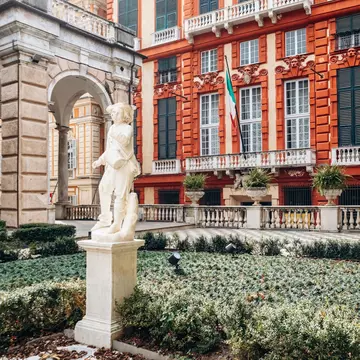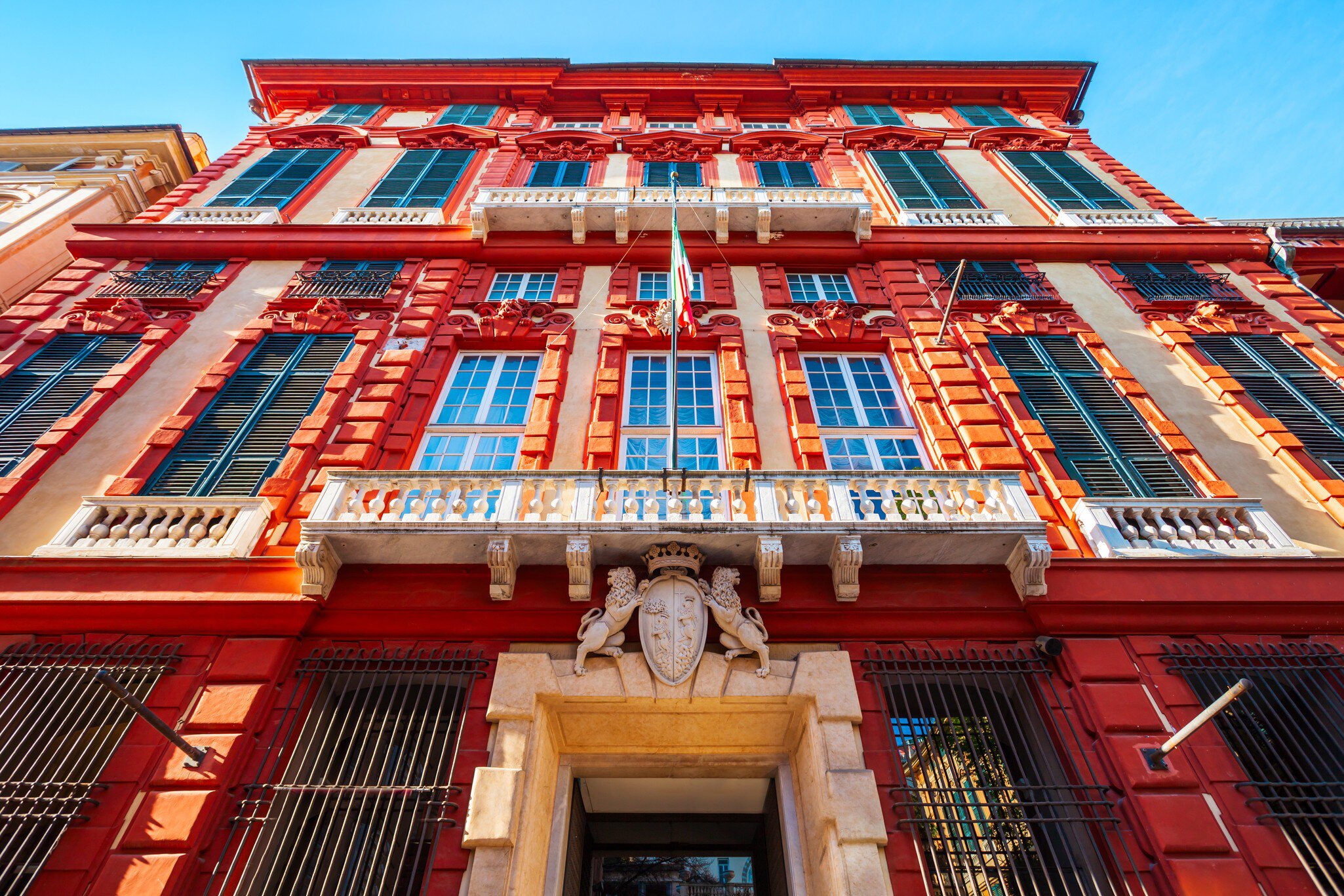
The Rolli palaces are Genoa’s pièce de résistance, a network of opulent residences that belonged to the Genovese nobility during the age of the Republic and hosted visiting dignitaries on behalf of the government.
There are 163 of these resplendent houses that remain intact, and in 2006, 42 of them were recognized by UNESCO for their historical value. Around a dozen are open to visitors.
Le Strade Nuove
The Strade Nuove or "new streets" is the collective name given to three interconnected thoroughfares – Vias Balbi, Cairoli and Garibaldi – that were laid out on the cusp of medieval Genoa in the 16th century to house the Palazzi Rolli. Built and financed by rich Genovese aristocrats, including the Doria, Spinola and Lomellino families, the luxuriant private residences were constructed between the 1530s and 1670s in the prevailing Renaissance and baroque styles with their interiors elaborately embellished with frescoes, stucco and priceless art.
Palazzo Bianco
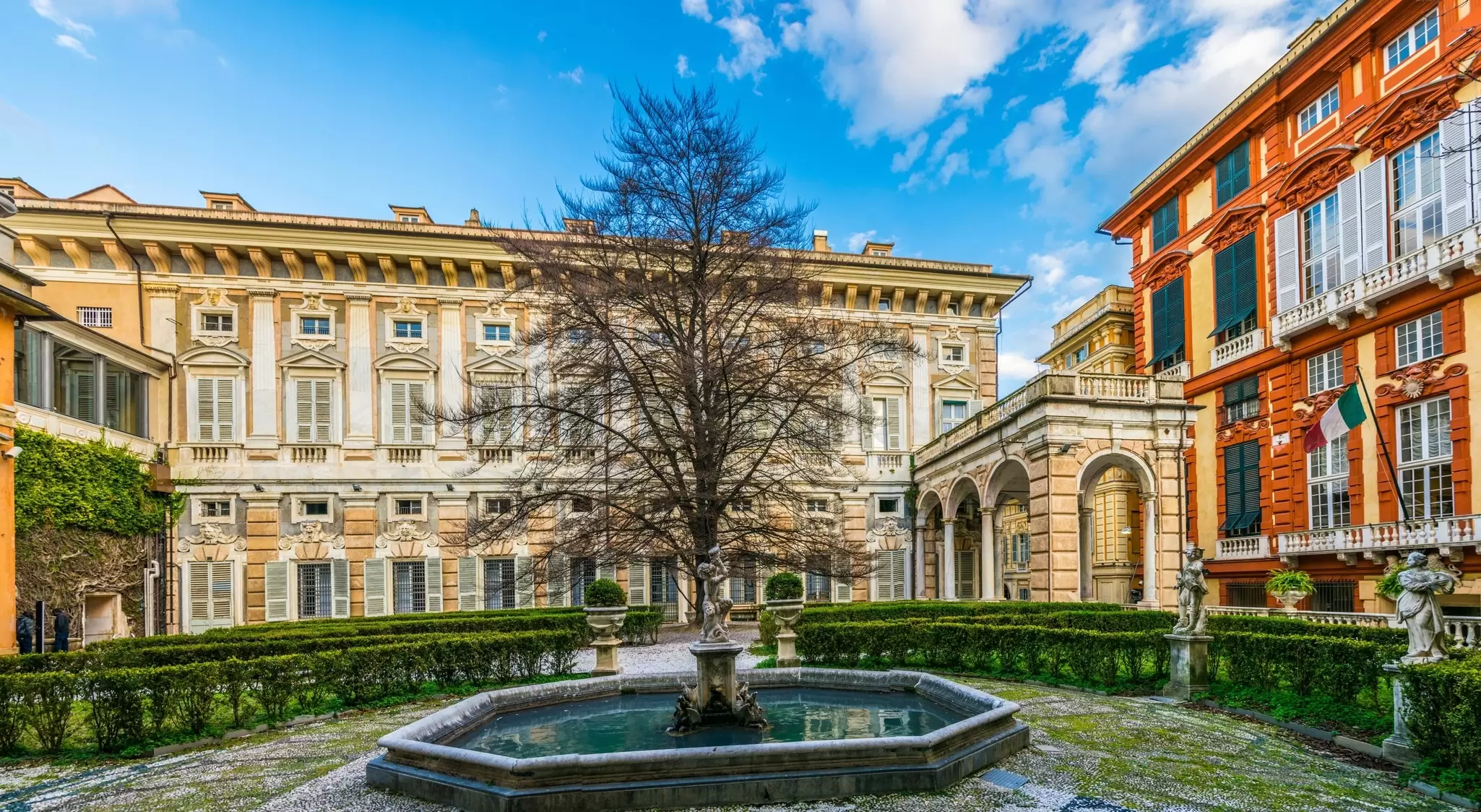
Flemish, Spanish and Italian artists are on show at Palazzo Bianco, the oldest of the "big three" Rolli palaces, known as the Musei di Strada Nuova (museidigenova.it; adult/reduced €9/7), built between 1530 and 1540. Today it brings together Genoa’s finest collection of old masters. Caravaggio’s Ecce Homo, Rubens’ Venere e Marte (Venus and Mars) and Van Dyck’s Vertumno e Pomona play a starring role but there are also works by Hans Memling, Filippino Lippi and Spanish baroque painters such as Zurbarán, Murillo and Ribera.
Palazzo Doria-Tursi
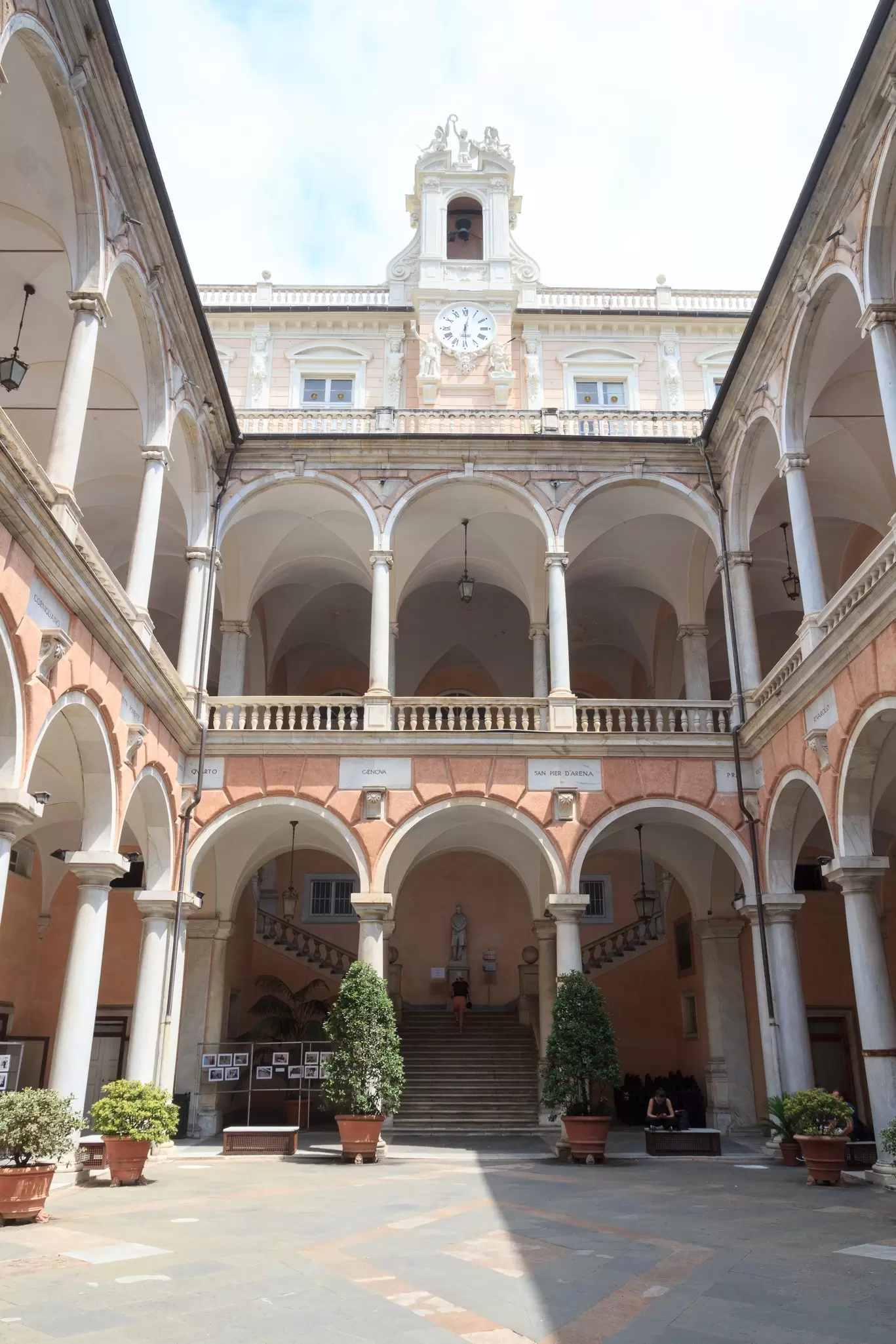
The largest of the Rolli Palazzo Doria-Tursi also serves as Genoa’s town hall and visitors are free to wander around the courtyard and admire the outdoor terraces and grandiose staircases.
Of particular interest in the on-site museum is the small but absorbing collection of legendary Genovese violinist Niccolò Paganini’s personal effects, including his Cannone violin, made in Cremona in 1743. One lucky musician gets to play it during October’s Paganini festival.
Palazzo Rosso
Arguably the most quintessential of the Palazzi Rolli, the Palazzo Rosso was a latecomer to the ball. Built in the 1670s, too late to be included on the original "lists," its lavishly frescoed rooms provide a striking backdrop for works by Van Dyck, Guido Reni, Guercino, Dürer and Bernardo Strozzi.
Restoration work in 2022 resurrected a ceiling fresco by Gregorio de Ferrari in the Sala della Primavera and an avant-garde suite of apartment rooms located on an upper-floor mezzanine, including an unusual grotto hall and a lavish alcove bedroom.
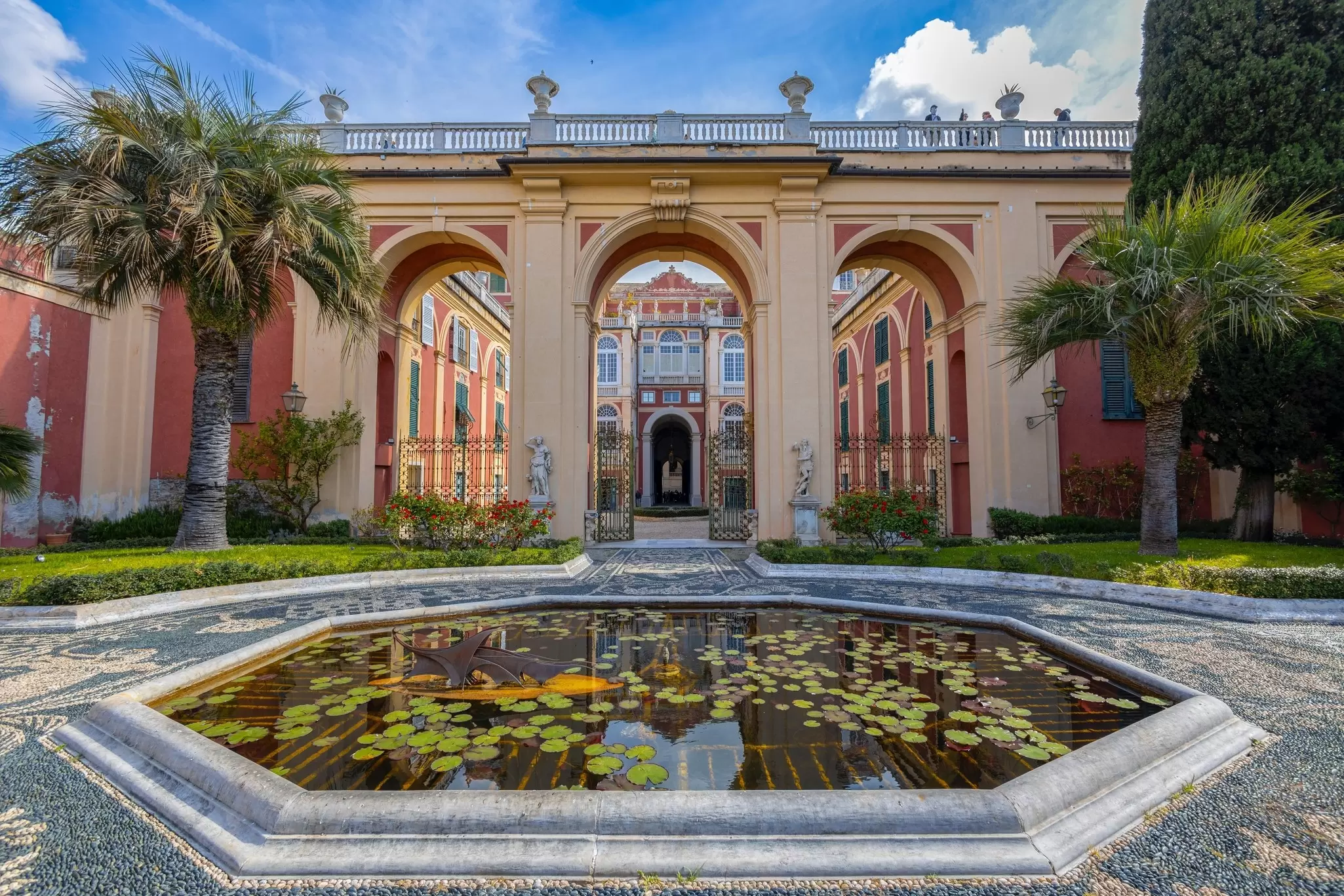
Palazzo Reale & Palazzo Spinola
A former residence of the Savoy dynasty, the Palazzo Reale (adult/reduced €12/2), is Genoa’s proverbial Versailles with terraced gardens, exquisite furnishings, a fine collection of 17th-century Genovese art and a gilded Hall of Mirrors eerily redolent of its French counterpart.
Built by the Balbi family in the 1640s and passed on to the Durazzo clan in 1677, it was ultimately purchased by the House of Savoy in 1824 and went on to become a summer residence for the king.
Included on Palazzo Reale's entry ticket is the Galleria Nazionale di Palazzo Spinola located in the caruggi, which houses Genoa’s National Gallery with Italian and Flemish Renaissance paintings from the so-called Ligurian School wonderfully displayed over four floors. Look out for Rubens’ Herculean Portrait of Giovanni Carlo Doria on Horseback. The architecture, including a ceiling fresco depicting the Siege of Lisbon by Lazzaro Tavarone, is equally majestic.