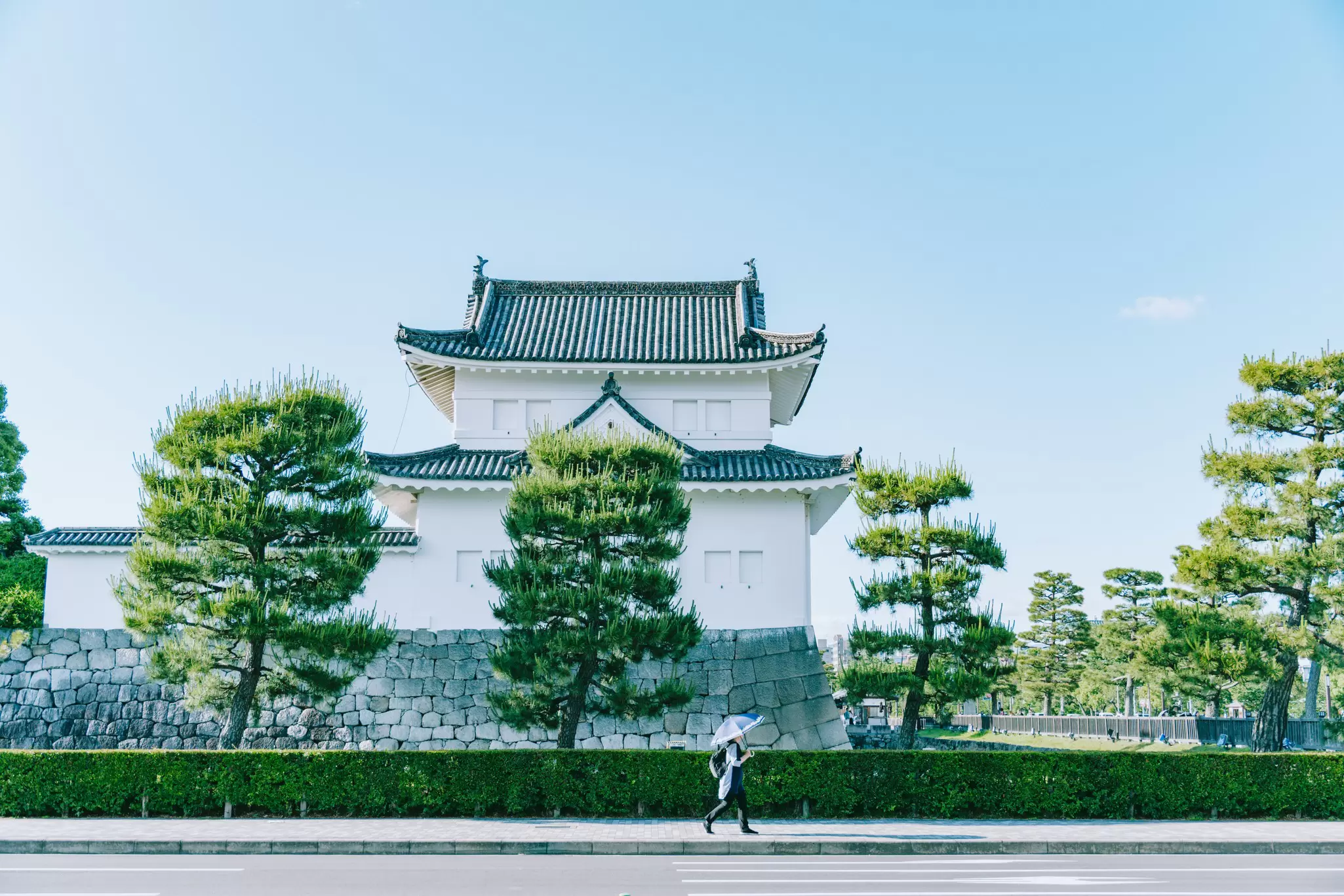
This is an unmissable opportunity to access the corridors of power of Japan’s Edo era. Behind the imposing stone walls of Nijō-jō (二条城), a castle that dominates a large part of the northwest city center, one can’t help but feel the military might of Japan’s great warlord generals, the Tokugawa shoguns.
Power Move
Built in 1603 at the dawn of the Tokugawa shogunate, Nijō-jō stamped the authority of the first shogun Ieyasu onto Kyoto’s landscape, occupying land that had once been used as an 8th-century imperial palace (abandoned in 1227). As the shogunate’s main base in Edo (present-day Tokyo) was destroyed in WWII, this is now Japan’s only surviving example of a fortified palace complex. It gives visitors a unique insight into how the shoguns stamped their authority on the seat of imperial power.
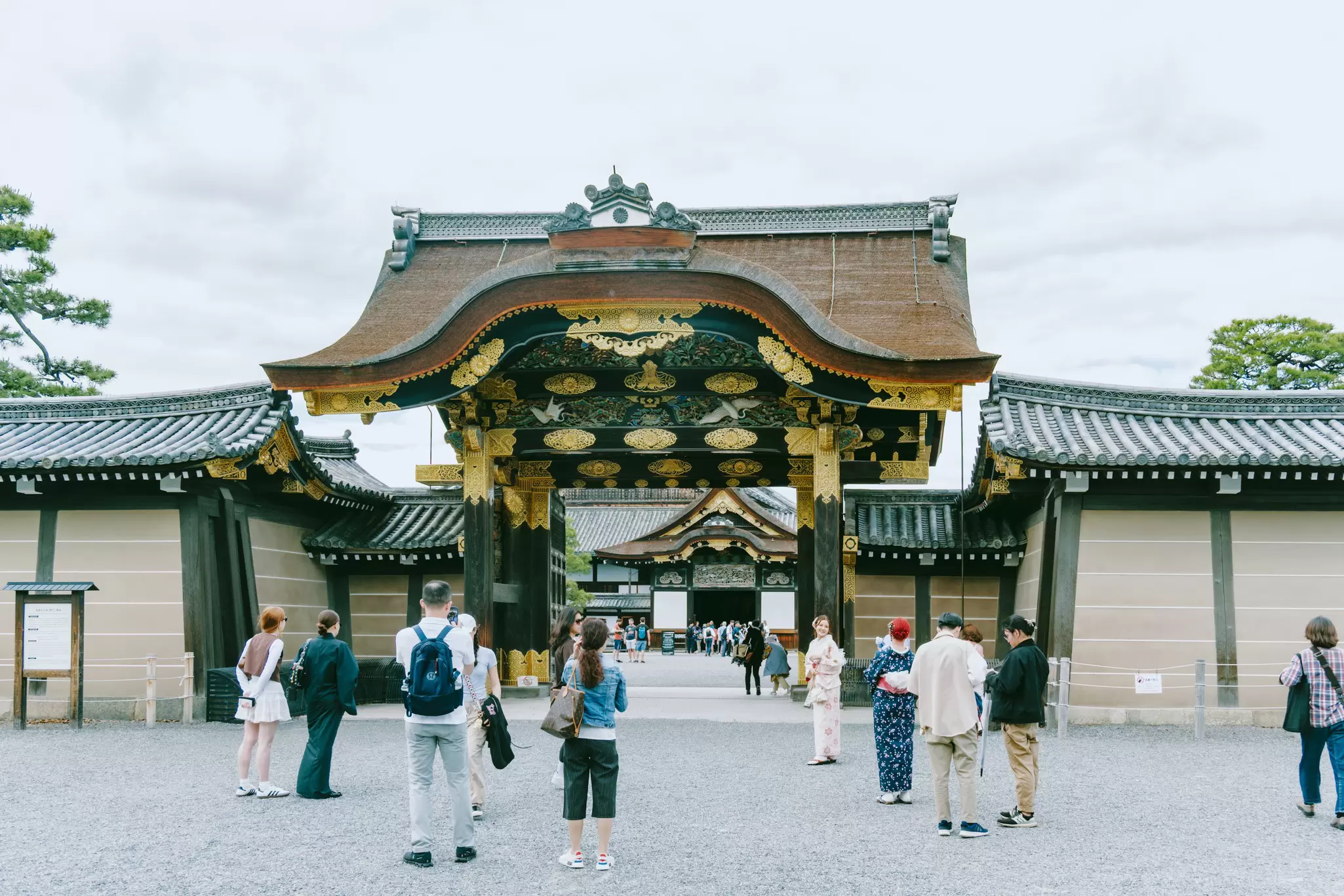
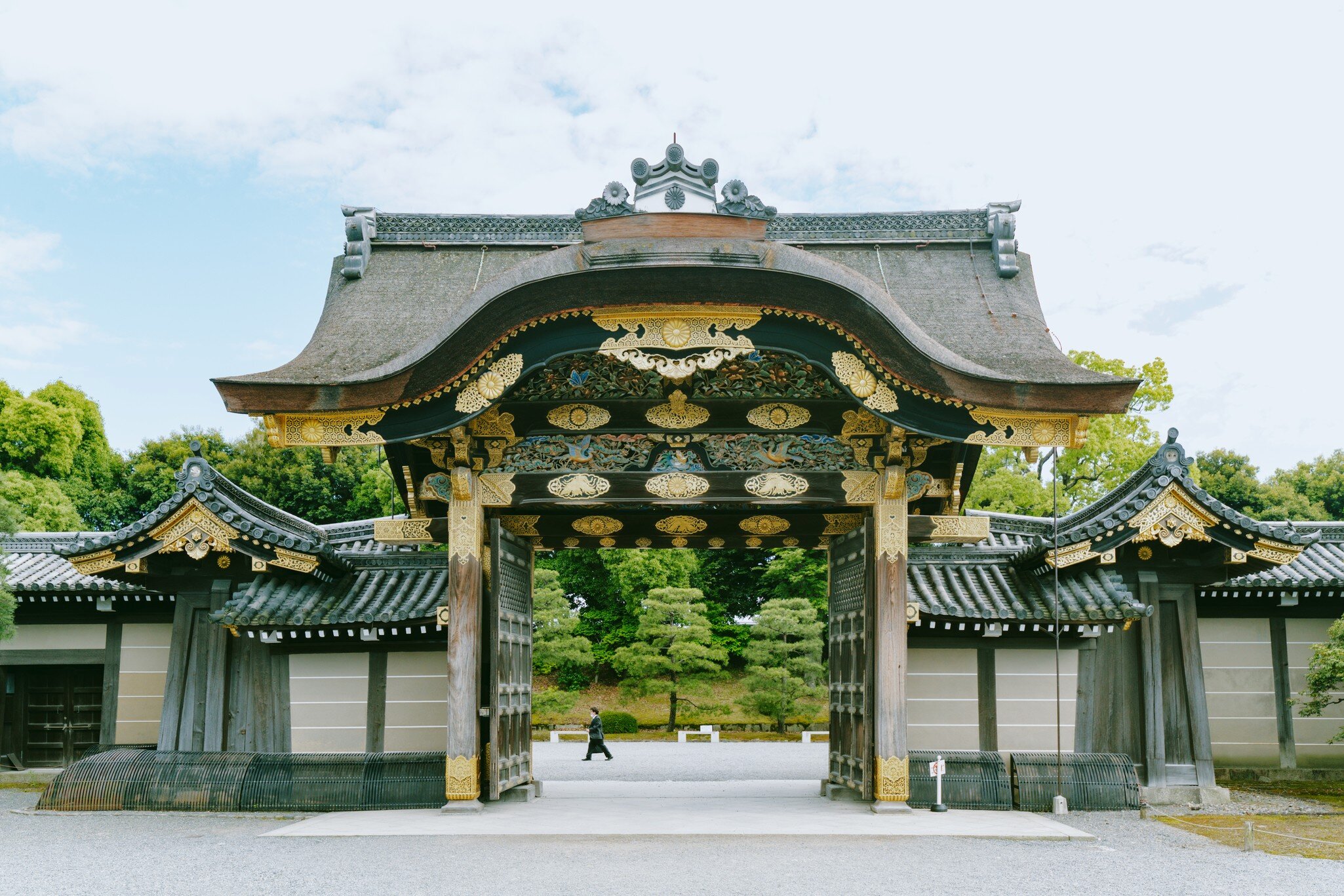
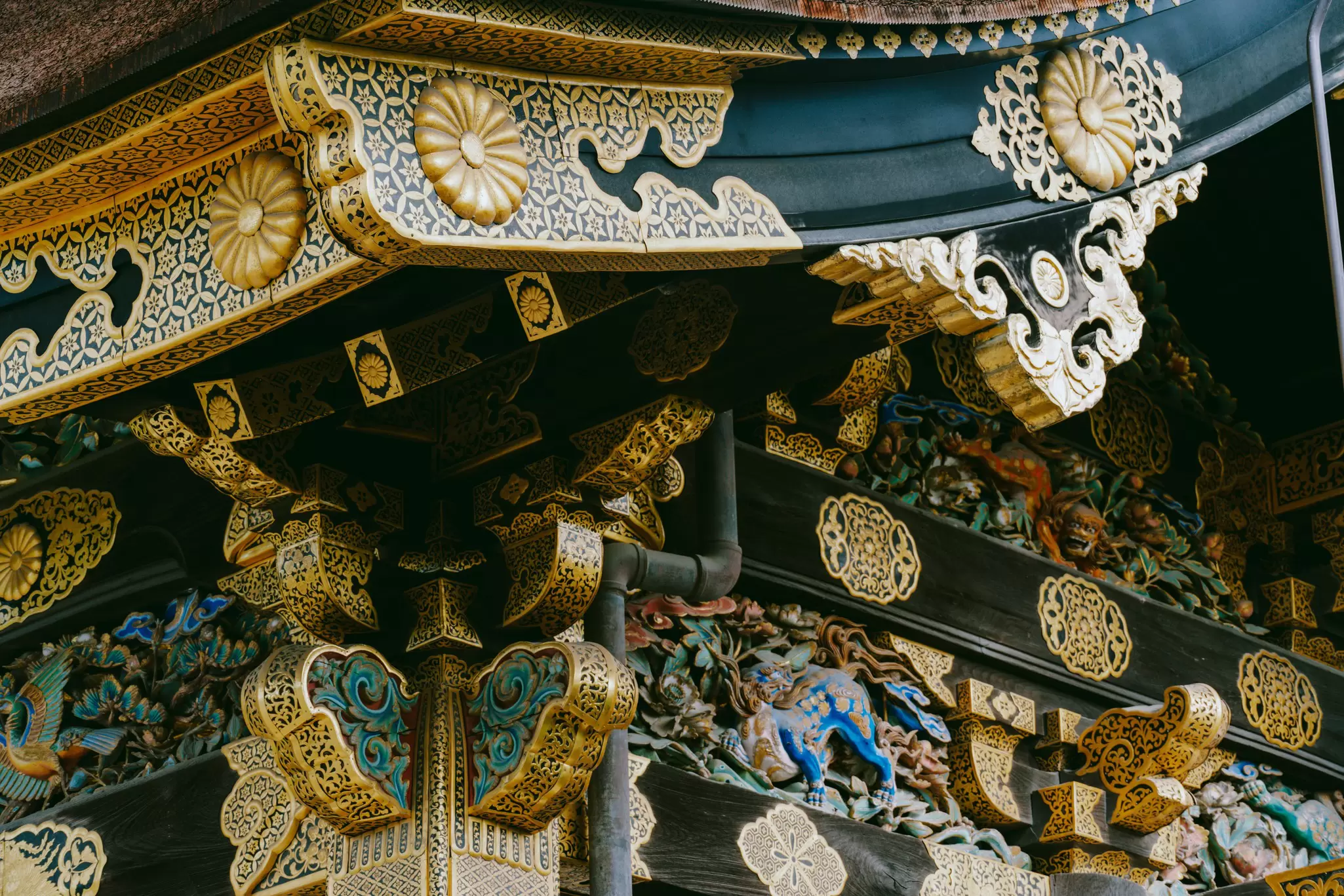
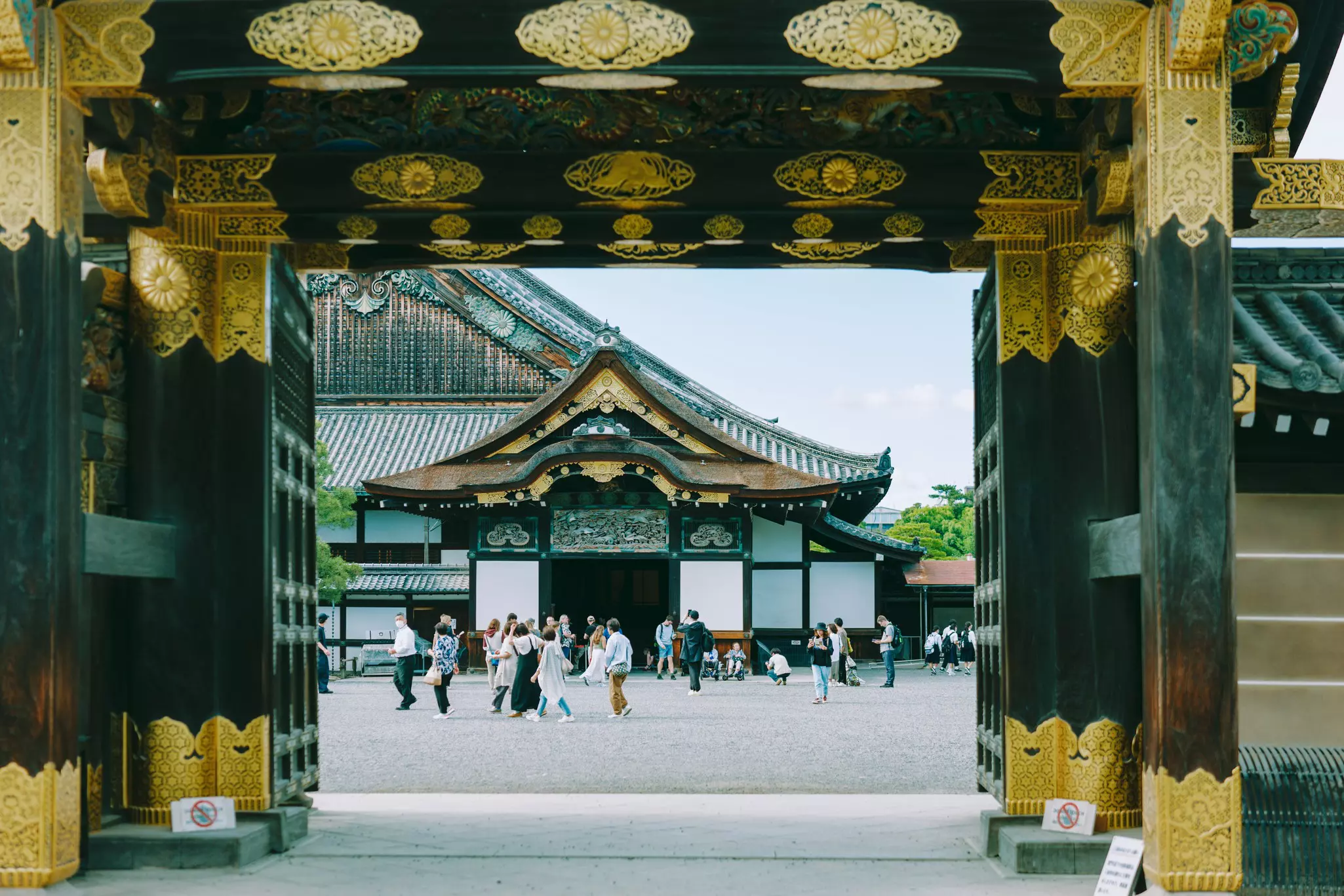
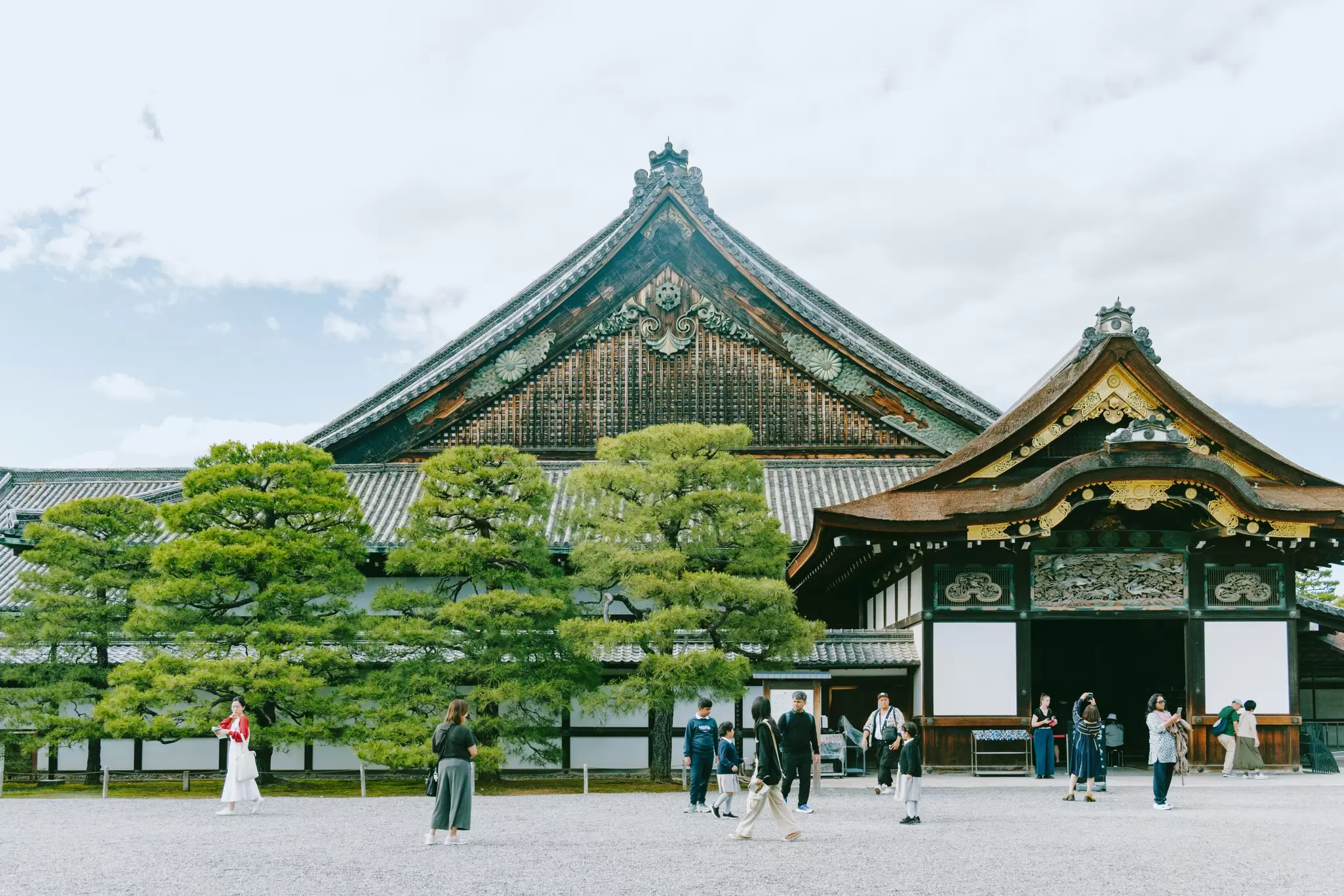
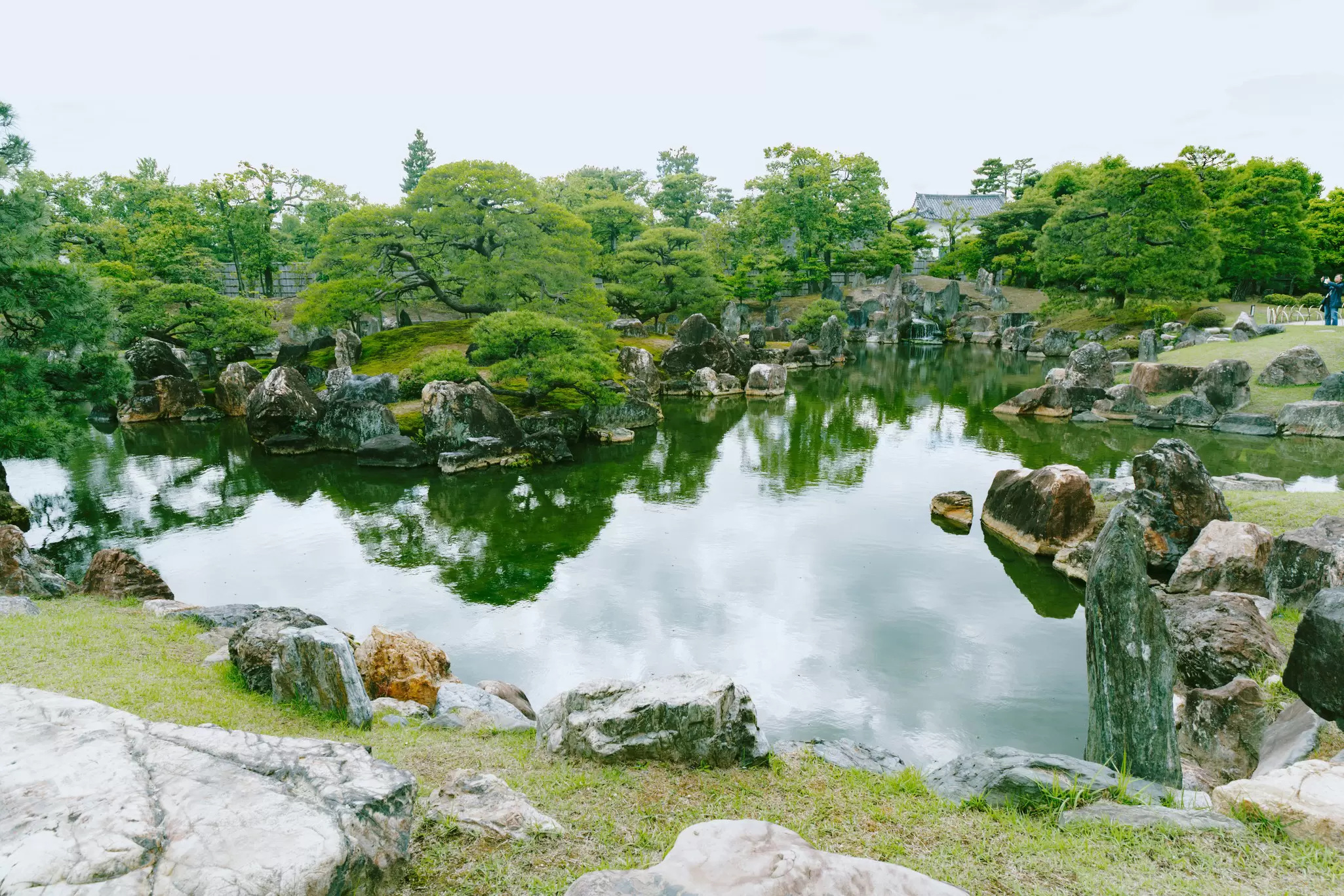
The ostentatious style of its construction was intended to demonstrate the shogun’s prestige and signal the demise of the emperor’s power. This can be felt keenly as you enter the Kara-mon Gate, gawping up at its golden fittings and elegant curved roof that reveals a swirl of colorful carvings under the awning, or as you stroll around the gorgeously landscaped Ninomaru Garden.
Nightingale Floors
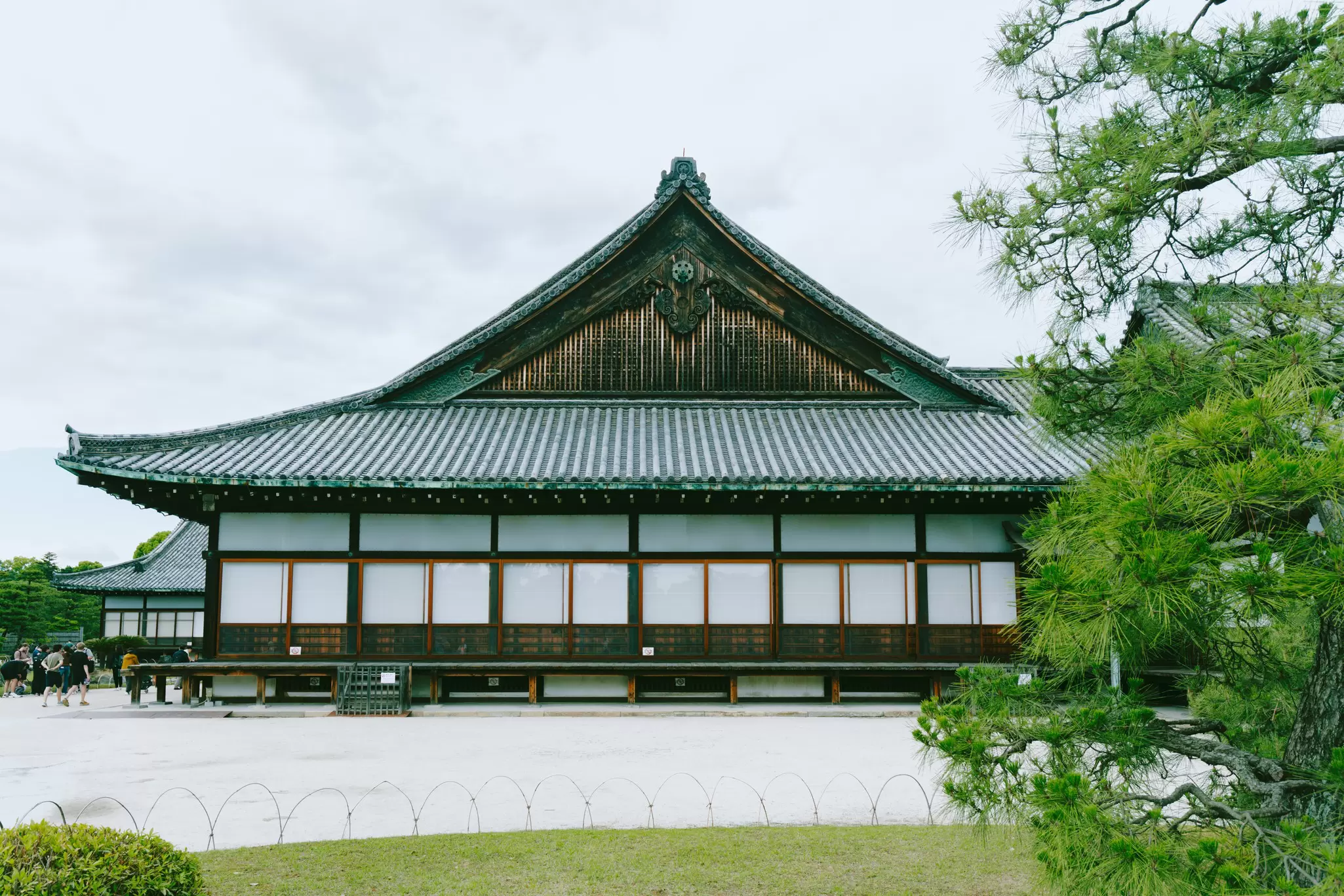
The main attraction, Ninomaru Palace, is a series of interconnected buildings, which you enter as supplicants to the shogun would have done, first removing shoes to pad down the springy nightingale floors. Excitingly, your footfall will cause floorboards to sink so that nails driven into supporting beams squeak against clamps. While commonly believed that this was a warning system installed by a ruler fearful of sneaky ninjas, the same phenomenon can be experienced in Kennin-ji or Chion-in, so it’s more likely, though less thrilling, that it is simply the result of wear and tear on the building.
The Art of Dominance
One of the best things about the palace is the beautiful screens created by the Kano school, official painters to the shogun. The show begins with the first, second and third waiting rooms in which rather goggle-eyed tigers – designed to instill fear and awe into lowly supplicants – leap across gold backgrounds from the imagination of artists who’d never seen the real thing.
While later rooms show the shogun could also appreciate the gentler art – with screens showing the changing seasons – a splendid hawk, always a firm favorite among military dictators, does show up on pine trees in the Ohiroma, a room once used to display the shogun’s weapons collection.
The Real Deal
As you go, keep an eye out for little details like the splendid coffered ceilings and the gorgeous abstractions of clouds in gold, silver and dark brown above the doors – a later touch installed during the Meiji restoration of imperial rule, along with gold detailing bearing the emperor’s 16-petal chrysanthemum crest. While the imperial wall art is original, disappointingly, the shogun’s screens are all reproductions, as these designated national treasures are extremely sensitive to the elements and must be kept in storage.
However, you can see a rotating selection of original screens in the Painting Gallery. As many visitors balk at the extra fee, this small building, found just as you exit Ninomaru Palace, tends to be less busy, so it’s well worth coughing up a mere 100 yen to spend a quiet moment sitting on a tatami floor surrounded by the real deal. It’s just one room, but there is also extra information in the space adjacent on the history of the castle, along with displays of original architectural detailing.
Honmaru Palace
The emperor’s residence behind Ninomaru, Honmaru Palace can only be visited by reserving in advance online for a timed ticket. While the late-19th-century palace does have some beautiful screens on display, they do pale in contrast to the ones in Nijō-jō, especially as they’re only lit dimly by original lamps. In short, this can be skipped if you’re pressed for time.