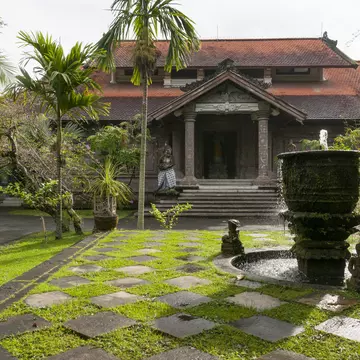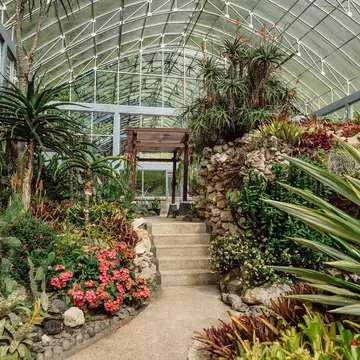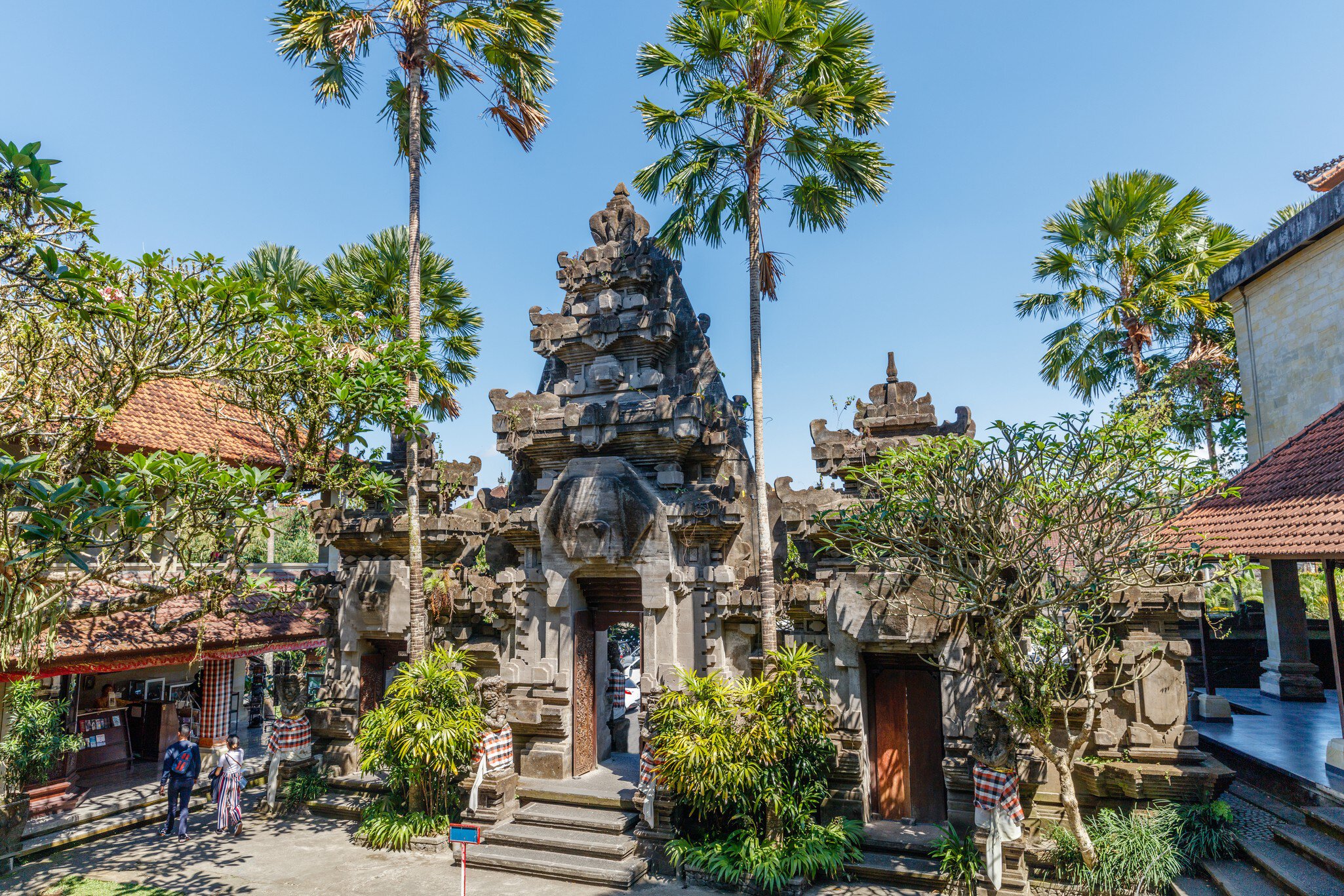
The modern Balinese art movement started in Ubud when artists abandoned religious and royal themes for scenes of everyday life. Of the various local art museums, Museum Puri Lukisan (purilukisanmuseum.com; adult/child 95,000Rp/free) is the most enjoyable, even if your interest in art is limited. Its tiered gardens, replete with water features, are lovely.
Four buildings display works from all schools and periods of Balinese art, with a strong focus on modern masters, including I Gusti Nyoman Lempad, Ida Bagus Made Poleng and I Gusti Made Kwandji. Artworks are labeled in English, and QR codes link to excellent additional info.
The East Building, to the right upon entry, has a collection of early works from Ubud and surrounding villages. These include examples of classical wayang-style paintings (art influenced by shadow puppetry) from the 10th to 15th centuries, and impressive 20th-century works such as The Death of Karna (1935) by I Wayan Tutur.
The North Building features fine ink drawings by I Gusti Nyoman Lempad and paintings by artists of the Pita Maha school. Don't miss Temple Festival (1938) by I Gusti Ketut Kobot (1917–1999).
In the West Building is detailed art by 20th-century Balinese painters. Look for Barong Dance (1970) by I Gusti Made Kwandji (1936–2013). The South Building is used for special exhibitions and contains displays on the museum's history.
Immediately east, a river path takes you to rice fields behind the museum. The museum ticket includes a drink in the garden cafe.