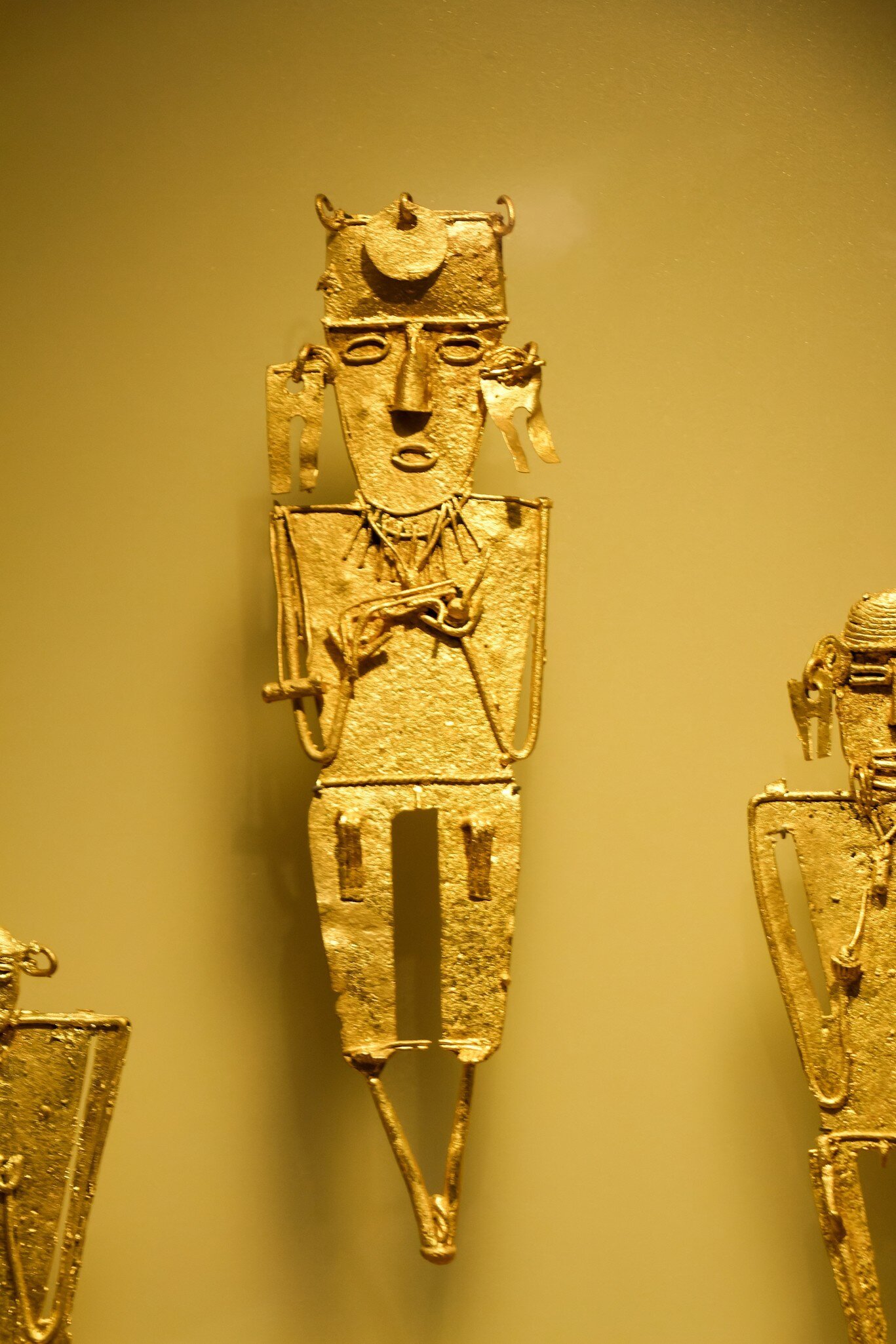
The glittering Museo del Oro (Museum of Gold; banrepcultural.org/bogota/museo-del-oro; COP$5000, Sun free; closed Mon) is more than a Midas-worthy treasure trove – it's a golden gateway to Colombia's soul. Just 50km from the hallowed Laguna de Guatavita Site Entrance site – epicenter of the Spanish El Dorado myth – the museum examines indigenous culture while visually contextualizing why colonizers went gold crazy. It's one of the world's largest collections of pre-Hispanic metallurgy, with over 34,000 gold pieces that make modern jewelry look like macaroni art.
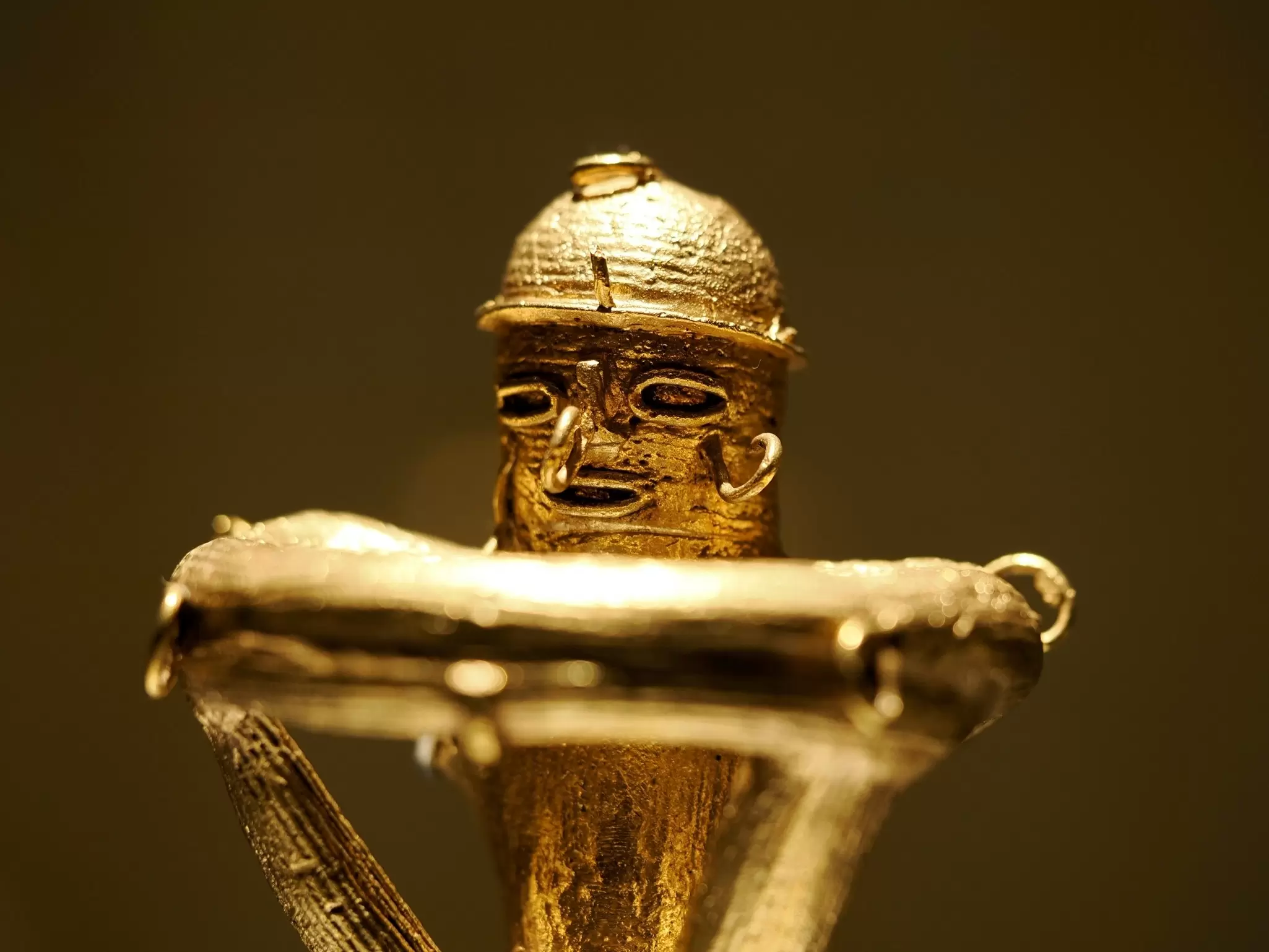
The museum spans three logically organized floors. Start on floor two, where an introduction to metalwork sets the stage for exploring 2500 years of indigenous goldsmithing. Findings are divided by region, highlighting communities like the Calima, Tumaco and Nariño with treasures shaped like bats, jaguars and gourds – symbols held sacred by indigenous tribes. In a section dedicated to the Muisca (indigenous to Cundinamarca, the department Bogotá calls home), look for dazzling chieftain regalia and a tray used to inhale yopo – a hallucinogen said to connect priests to mythical beings.
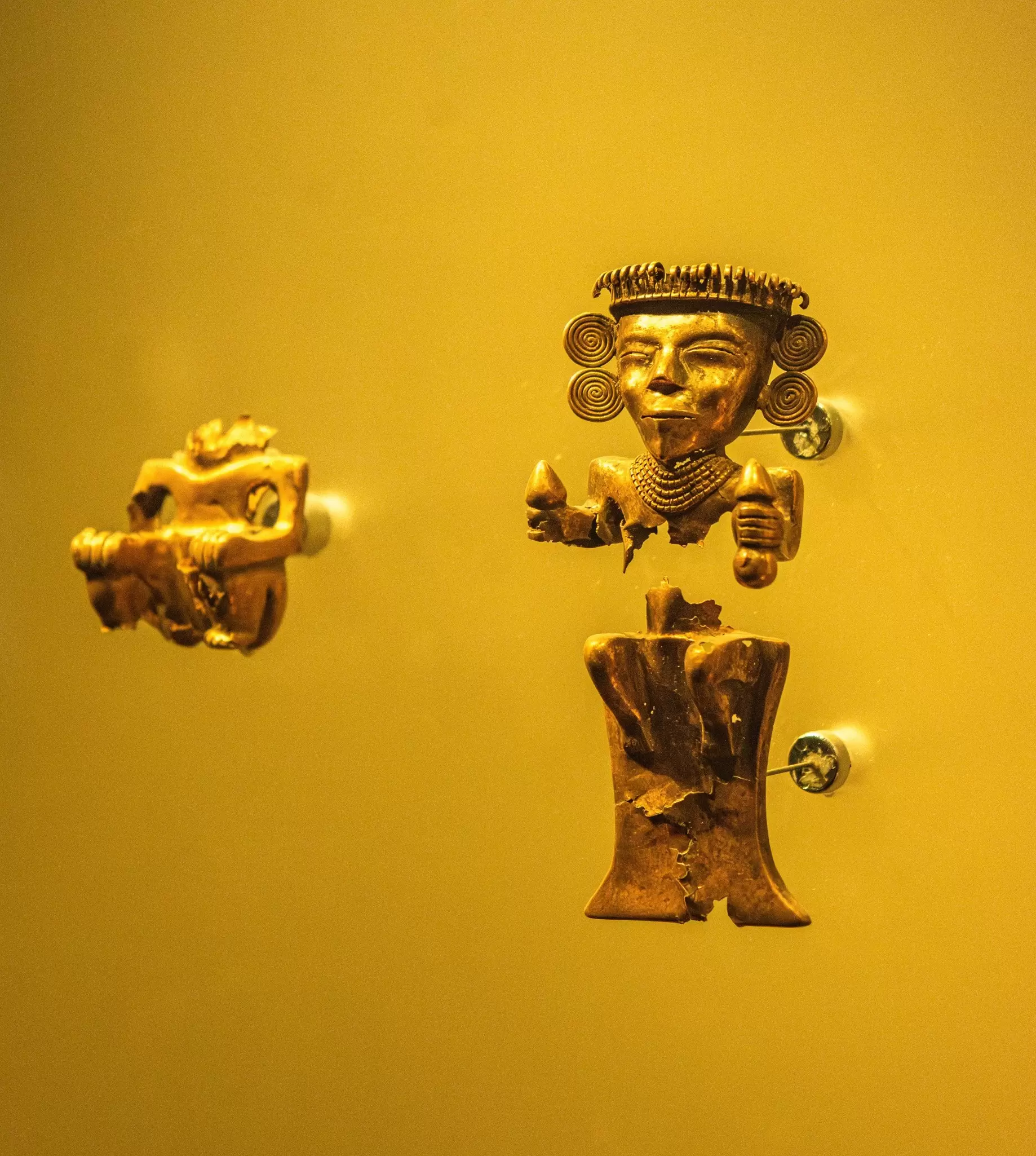
You'll find the museum's crown jewel on the vault-protected 3rd floor: the Balsa Muisca, discovered near the town of Pasca in 1969. This miniature raft depicts spiritual ceremonies on Laguna de Guatavita, where gold-dusted Muisca chiefs cast emeralds and precious metals into the water as offerings for the gods.
Descriptions are offered in Spanish and English. For deeper insight, rent an audio guide (COP$8000) or join a free English tour (11am & 4pm Tue-Sat). Avoid Sundays: entrance is free but crowds are fierce. Cap your visit with authentic Colombian cuisine at delicious on-site restaurant Aracataca (restaurantearacataca.com; 9:30am-5:30pm Tue-Sat, 10am-4pm Sun), named for the town where literary hero Gabriel García Márquez was born.