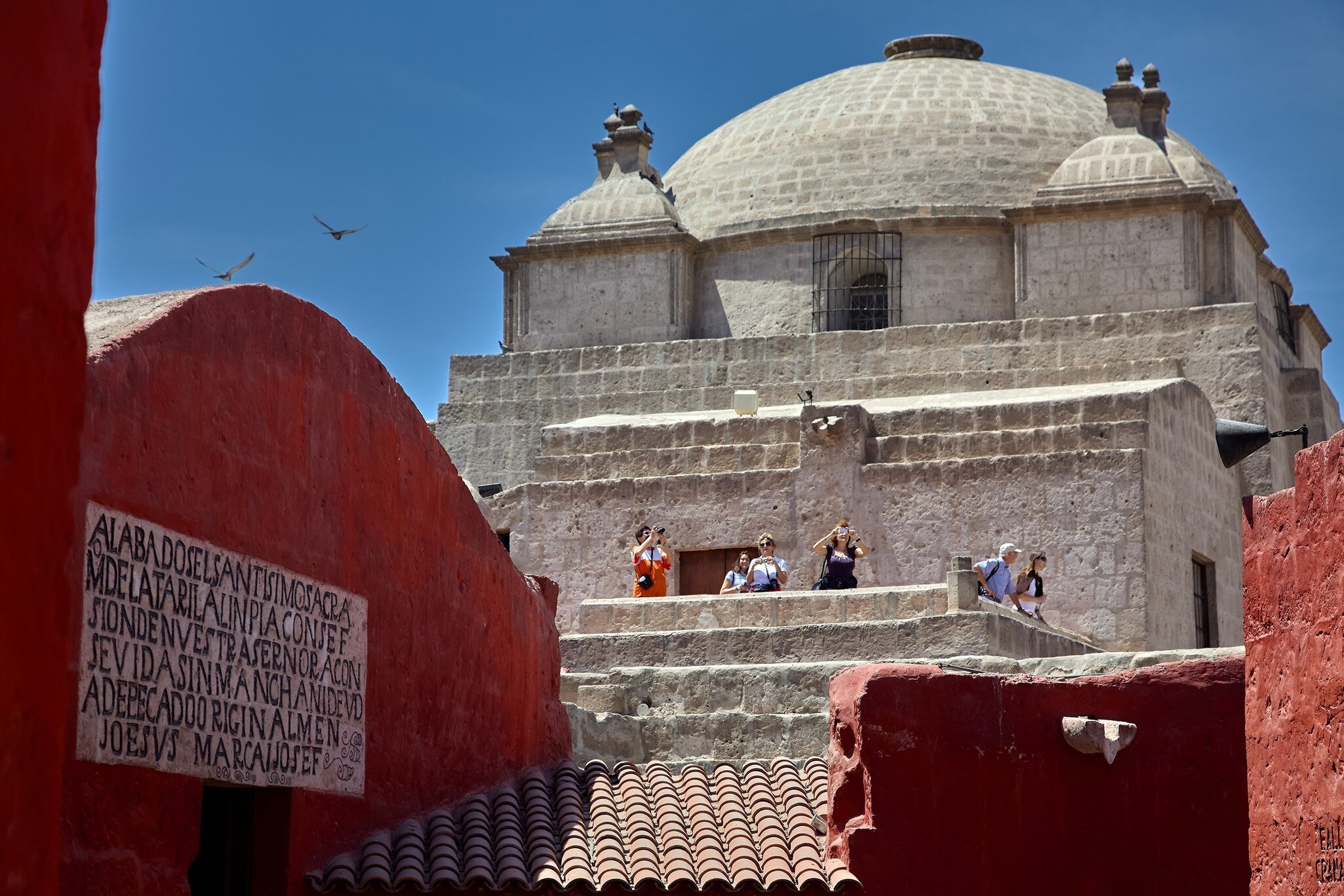
A city within a city, Monasterio de Santa Catalina is by far the most impressive man-made attraction in Arequipa. The cloistered nuns who once lived here prayed without ceasing while having no contact with life outside. The whispers of these sisters from the past seem to echo through the silent streets and alleyways, and visiting is a mystifying and profound experience.
Emblematic Entryway
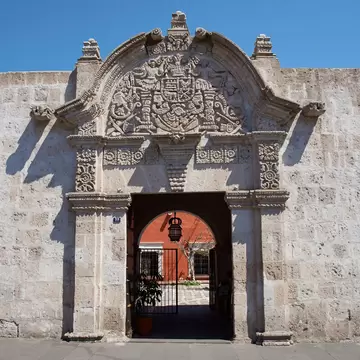
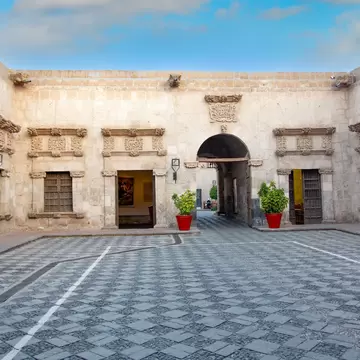
After purchasing your ticket, walk through a short archway. You can store your valuables in lockers here if you'd like. The first area you see is an imposing and beautiful archway reading "Silencio," indicating that you have arrived at the Patio of Silence. This space is solely for quiet contemplation. It immediately puts you at ease, and you get a sense that this will be a meditative experience.
In the back corner of the Patio of Silence, the Visiting Room is where the families of the cloistered nuns would come to visit. Because they were cloistered, the nuns were not allowed to see their families face to face and could communicate with them via opaque slatted screens that allowed both parties to be heard but not seen.
Novice Cloister & Orange Cloister
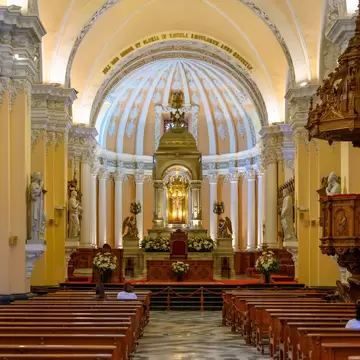
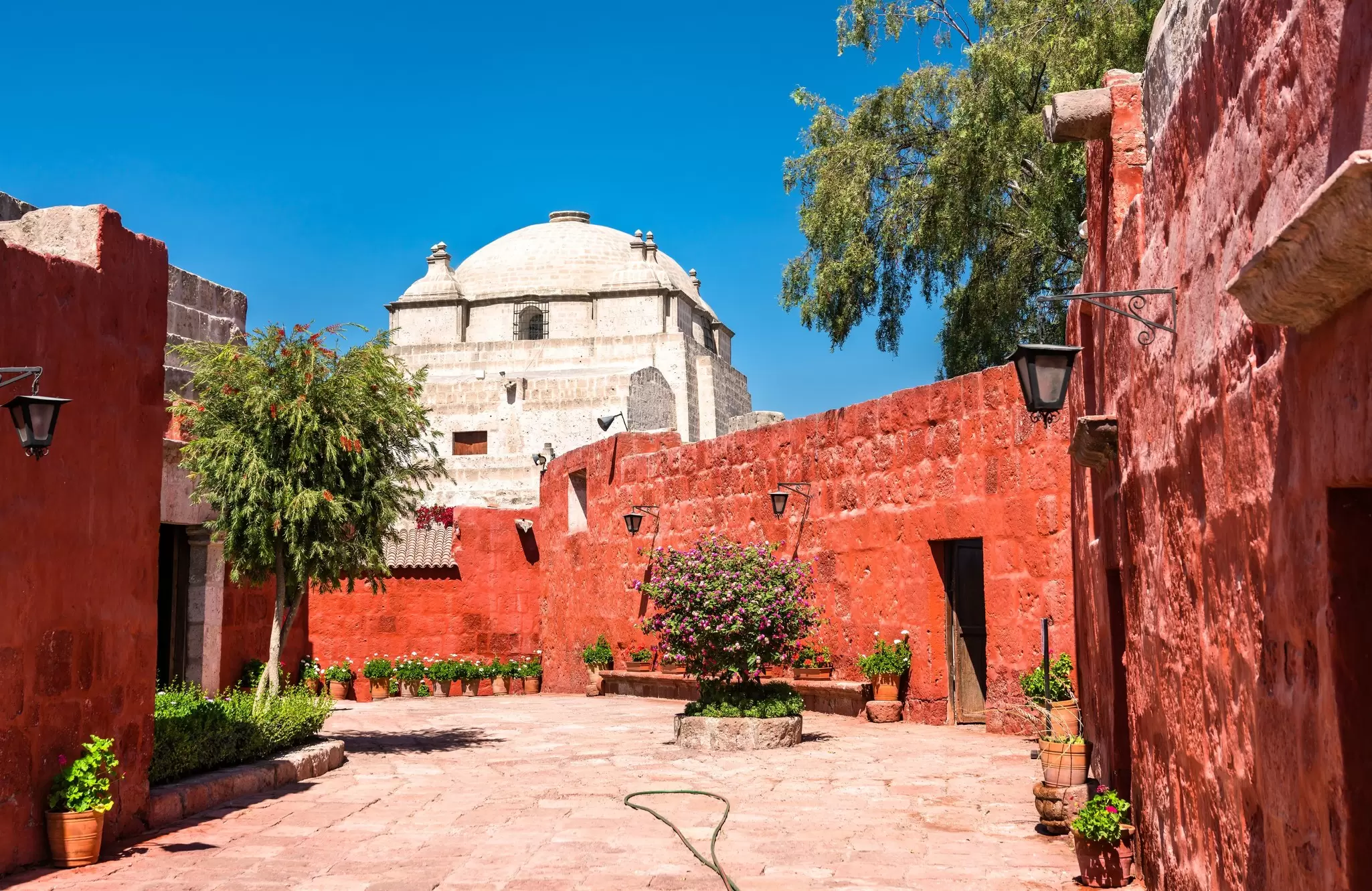
The Patio of Silence is followed by a beautiful courtyard with benches and frescoes called the Novice Cloister, marked by a courtyard with a rubber tree at its center, where the young women training to become nuns lived. Novice nuns were required to zip their lips in a vow of solemn silence and commit to a life of work and prayer. Nuns lived as novices for four years, during which time they were not allowed to see or speak to their families and their families were expected to pay 100 gold coins per year. At the end of the four years, they could choose between taking their vows and entering into religious service or leaving the convent – the latter would most likely have brought shame upon their family. You can see their cells that still have their original bed chambers. The novices also had their own chapel. Take a moment of peaceful silence in the chapel in front of St Catherine of Siena, the namesake of the monastery.
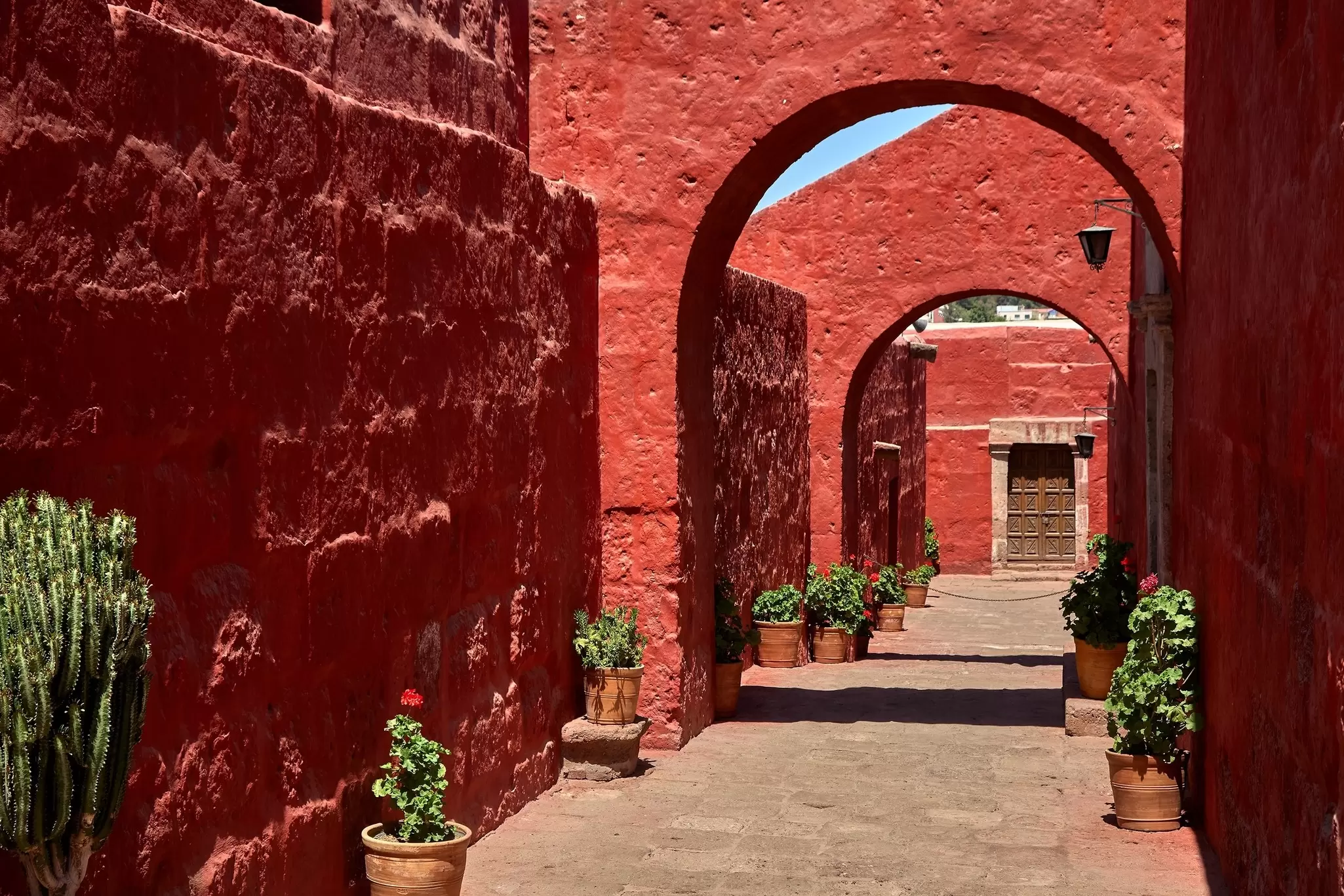
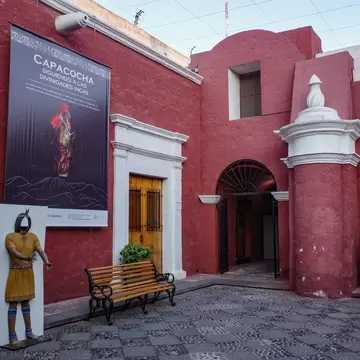
Graduated novices passed onto the Orange Cloister, recognizable by its bright indigo walls but named for the orange trees clustered at its center, which represent renewal and eternal life. This cloister allows a peek into the De Profundis Chamber, a mortuary where dead nuns were mourned. Haunting paintings of the deceased line the walls. Artists were given 24 hours to complete these posthumous paintings, since painting the nuns while alive was out of the question. De profundis means "from the bottom" in Latin, a reference to Psalm 130: "From the bottom of my soul, I invoke thee, Jehovah."
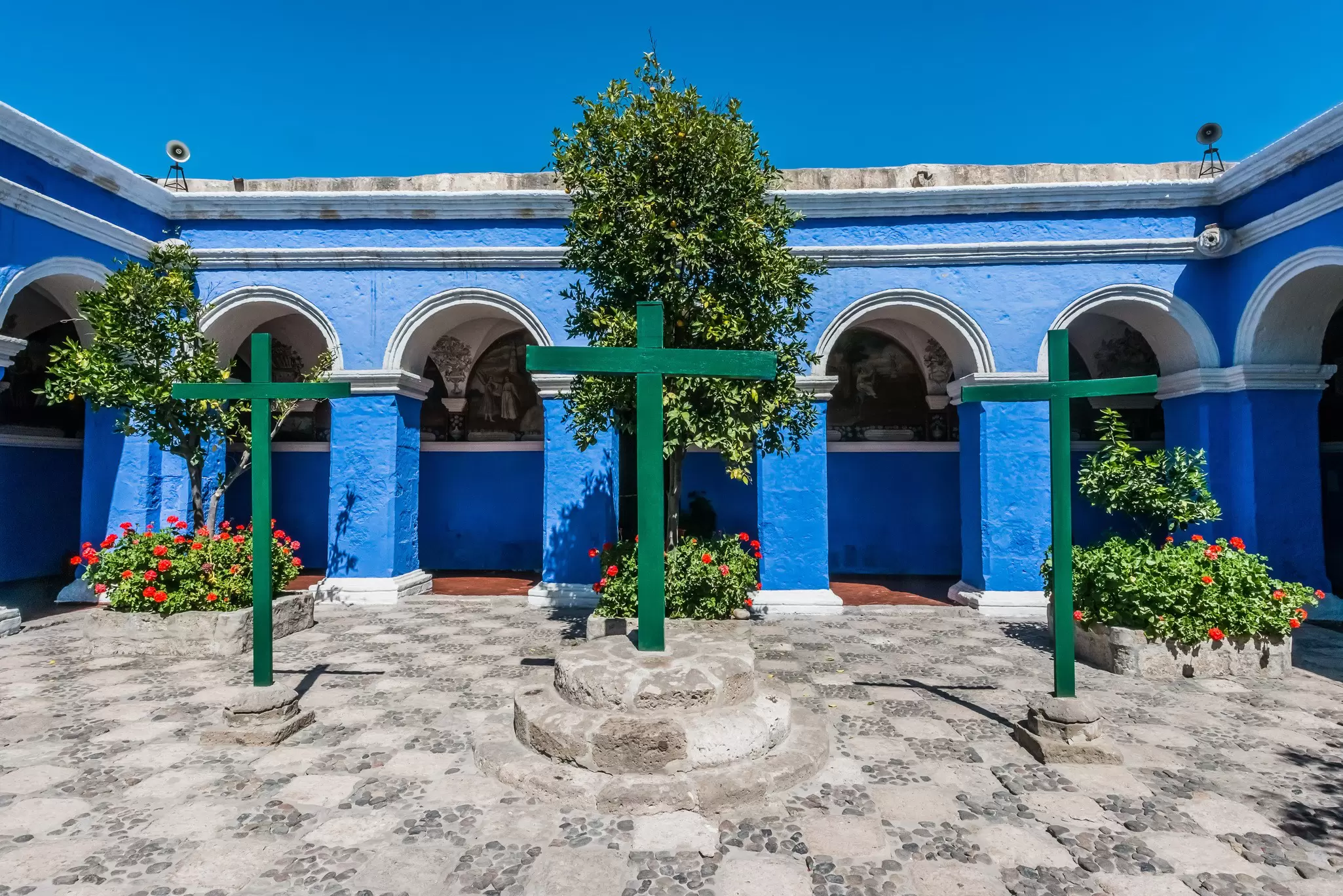
Great Cloister
The Great Cloister was built between 1715 and 1721. More than 30 murals along the walls depict scenes from the lives of Jesus and the Virgin Mary and were used to teach the nuns about the pillars of the Catholic faith. Confessionals that look like small wooden doors line the Great Cloister.
This monastery has many hidden spaces and rooms that you might miss if you’re browsing quickly on your own. If you see a hidden tunnel, take it! The Great Cloister, for example, has a small chamber off the far end that belonged to Sister Juana de Arias, which is worth a close look because of her unique story. She died suddenly in a moment of religious ecstasy while taking communion.
Take a Break
If you're taking the self-guided tour on the Monasterio de Santa Catalina app, you will reach the cafeteria about halfway through. It is perfectly timed so that you can have a meal before continuing. The menu includes strong espresso drinks, breakfast sandwiches and full lunches. Soon after the cafeteria, you'll run into the Big Kitchen, a 17th-century space where all of the nuns' meals were made.