Founded in 1885, the Marché aux Puces de St-Ouen (pucesdeparissaintouen.com) is the world’s largest antiques market, located just beyond Paris’ northern edge.
Spanning 12 distinct markets, it’s a treasure trove of antiques, vintage furniture, rare collectibles, fashion and curiosities. Whether you're a serious collector or a curious wanderer, the maze-like alleys offer endless inspiration and irresistible old-world charm.
A Storied Legacy of Treasure Hunting
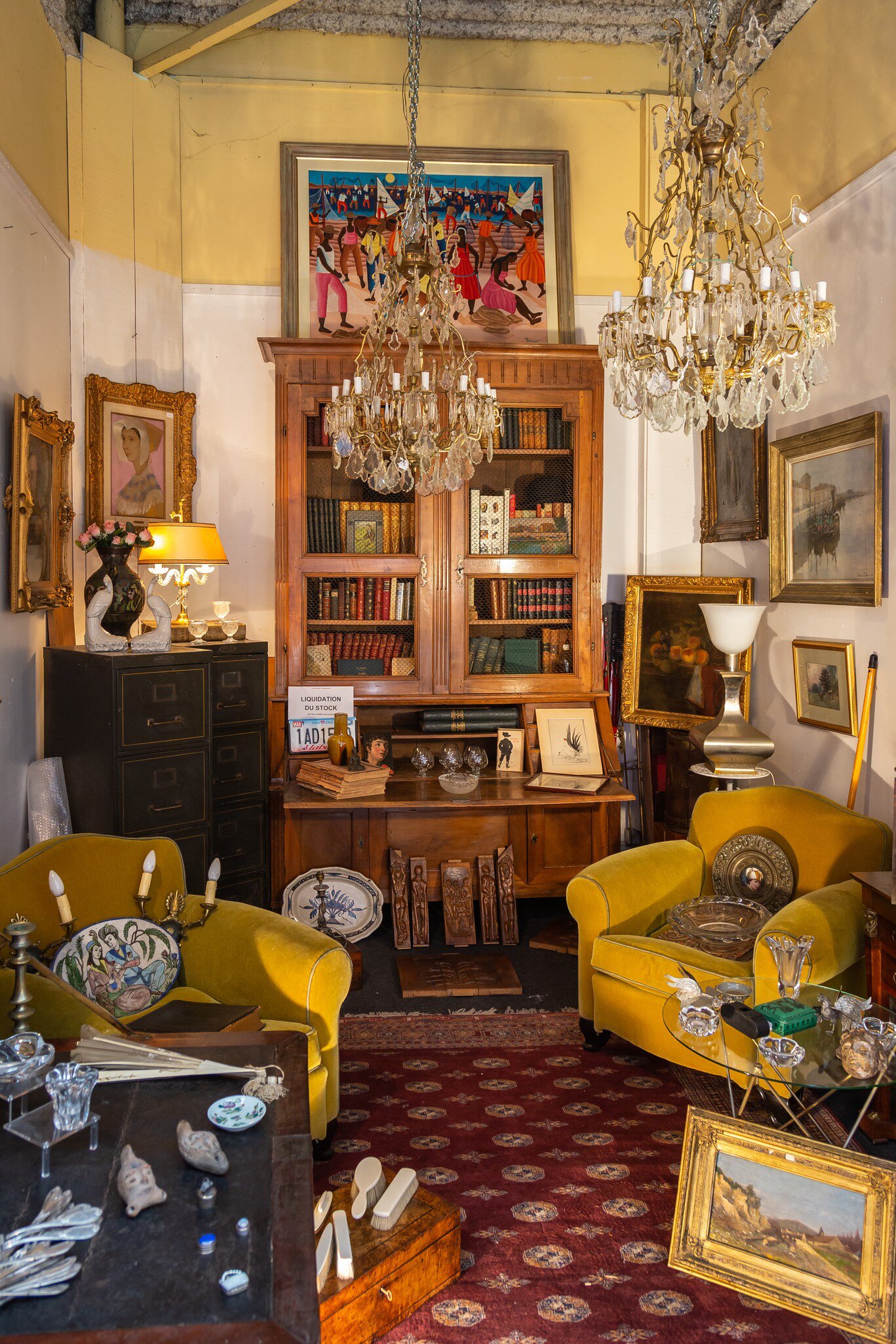
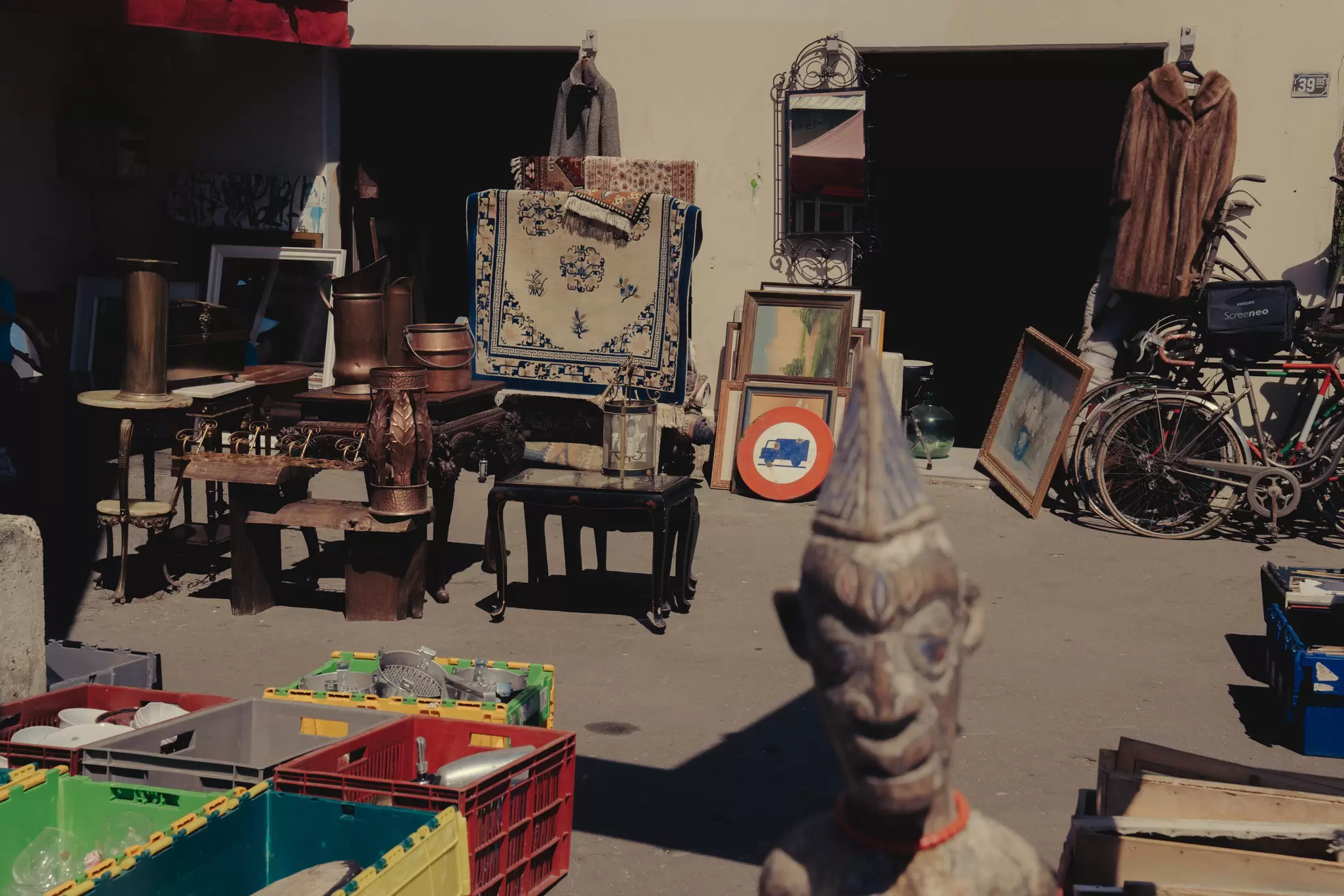
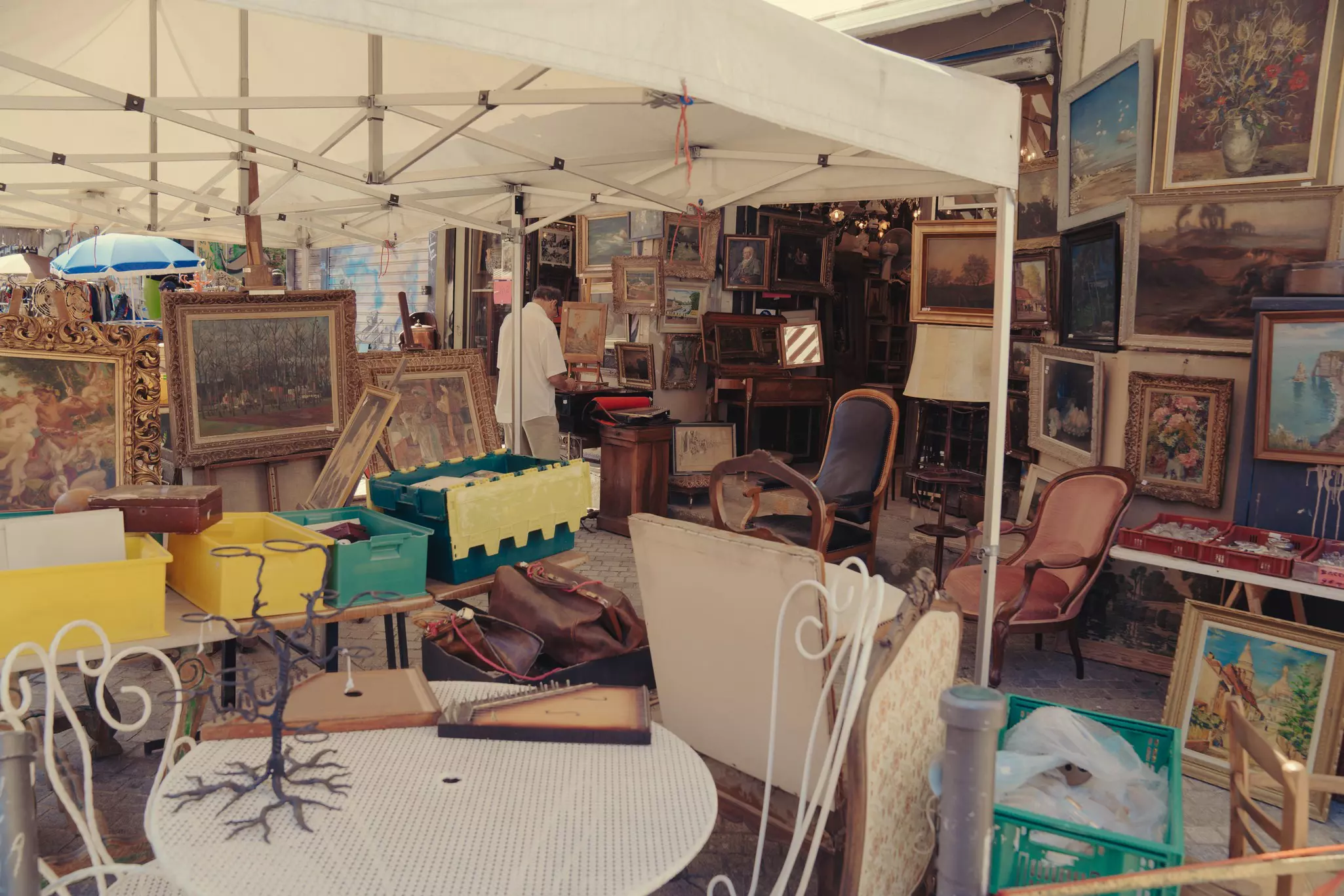
Just beyond Paris’ northern edge, Les Puces unfolds like a village within a village, equal parts treasure trove and time capsule. What began as an informal sprawl of rag pickers selling second-hand wares, has evolved into the largest antiques market in the world, a labyrinthine network of more than a dozen markets spread across seven hectares. On weekends, some 180,000 visitors descend upon its narrow alleys, hunting for everything from gilded mirrors and art deco light fixtures to vinyl records and timeworn furniture. With its mix of museum-grade galleries and showrooms, dusty bric-a-brac stalls and discreet ateliers, it offers more than shopping: it’s a window into the layered, eclectic soul of Paris.
A Maze of Markets
The allure of Les Puces lies in the diversity and distinct rhythm and charm of each market. Marché Vernaison, the oldest, is a warren of open-air lanes lined with vintage postcards, embroidered linens and costume jewelry. Marché Paul Bert Serpette, the crown jewel, draws a discerning crowd of interior designers and collectors who come for 20th-century design icons, museum-worthy antiques and impeccably curated vignettes.
Inside the vaulted glass pavilion of Marché Dauphine, the atmosphere is more freewheeling; think vinyl records, retro cameras, tribal artifacts and the occasional taxidermied bird. L’Entrepot is one of the smallest markets but it’s mighty and has a bunch of old zinc-top brasserie bars and spiral staircases from houses all over the country. The joy, of course, is in the serendipity: a meandering stroll, a spontaneous chat with a vendor, and a find you never knew you needed.
A Weekend Ritual of Culture, Food & People-Watching
A visit here is as much about ambiance as it is about the hunt. Open Fridays, Saturdays, Sundays and Mondays, the market comes alive with a mix of locals, designers, tourists and curious flâneurs. Live music often spills out of cafes, while dealers chat with regulars over espresso and wine. You’ll find locals tucking into couscous at Le Coq d’Or on rue des Rosiers, or enjoying a hearty bistro meal at a bargain price at nearby Le Bouillon du Coq, opened by Michelin star chef Thierry Marx.
There’s also the stylish Mob Hotel designed by Philippe Starck (not Mob House, which is a little drab), a cult favorite for pizza and cocktails. The flea market isn’t just a shopping destination, it’s a cultural experience of history, art, and everyday Parisian life, regardless of whether you're buying or just browsing. In fact, La Chope des Puces, an old bistro that puts on jazz concerts, is an ode to the unique spirit of this sprawling village of stalls and showrooms. And if you have time, take in a show or a DJ night at indie arts hub Mains d’Oeuvres, nearby.