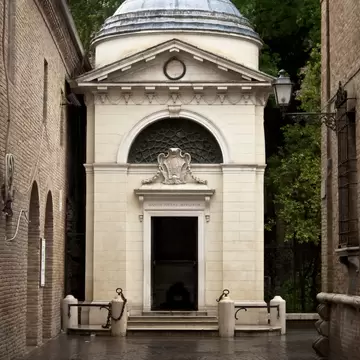
When Dante Alighieri arrived in Ravenna in the early 14th century, he was wowed by the city's famed mosaics, once describing them as a "symphony of color." Indeed, the city's brilliant, UNESCO-listed 4th- to 6th-century gold, emerald and sapphire masterpieces will leave you struggling for adjectives over the two days it takes to see them.
Planning & Tickets
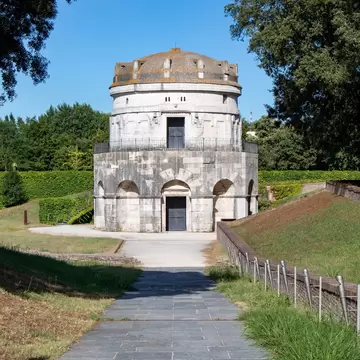
Six of Ravenna's mosaic-related UNESCO sights are within the city center and are easily accessible on foot. The other two, Mausoleo di Teodorico and Basilica di Sant'Apollinare in Classe, are located 1.5km east and 5.7km south of the center, respectively. General tickets for Opera di Religione della Diocesi di Ravenna UNESCO monuments (adult/reduced €10.50/9.50, plus €2 for Mausoleo di Galla Placidia and Battistero Neoniano) include five of the main sights and are valid for seven days.
Pre-booking is required online or in person at the L’Opera di Religione della Diocesi di Ravenna Ticket Office, Basilica di Sant'Apollinare Nuovo or Museo Arcivescovile. The state-run UNESCO sites, Mausoleo di Teodorico (adult/reduced €4/2), Battistero degli Ariani (€2) and Basilica di Sant'Apollinare in Classe (adult/reduced €5/2), are ticketed separately (with some combo possibilities (info.ravennantica.it). Seeing all eight UNESCO monuments costs €23.50 for adults.
Breathtaking Basilicas, Baptistries & Mausoleums
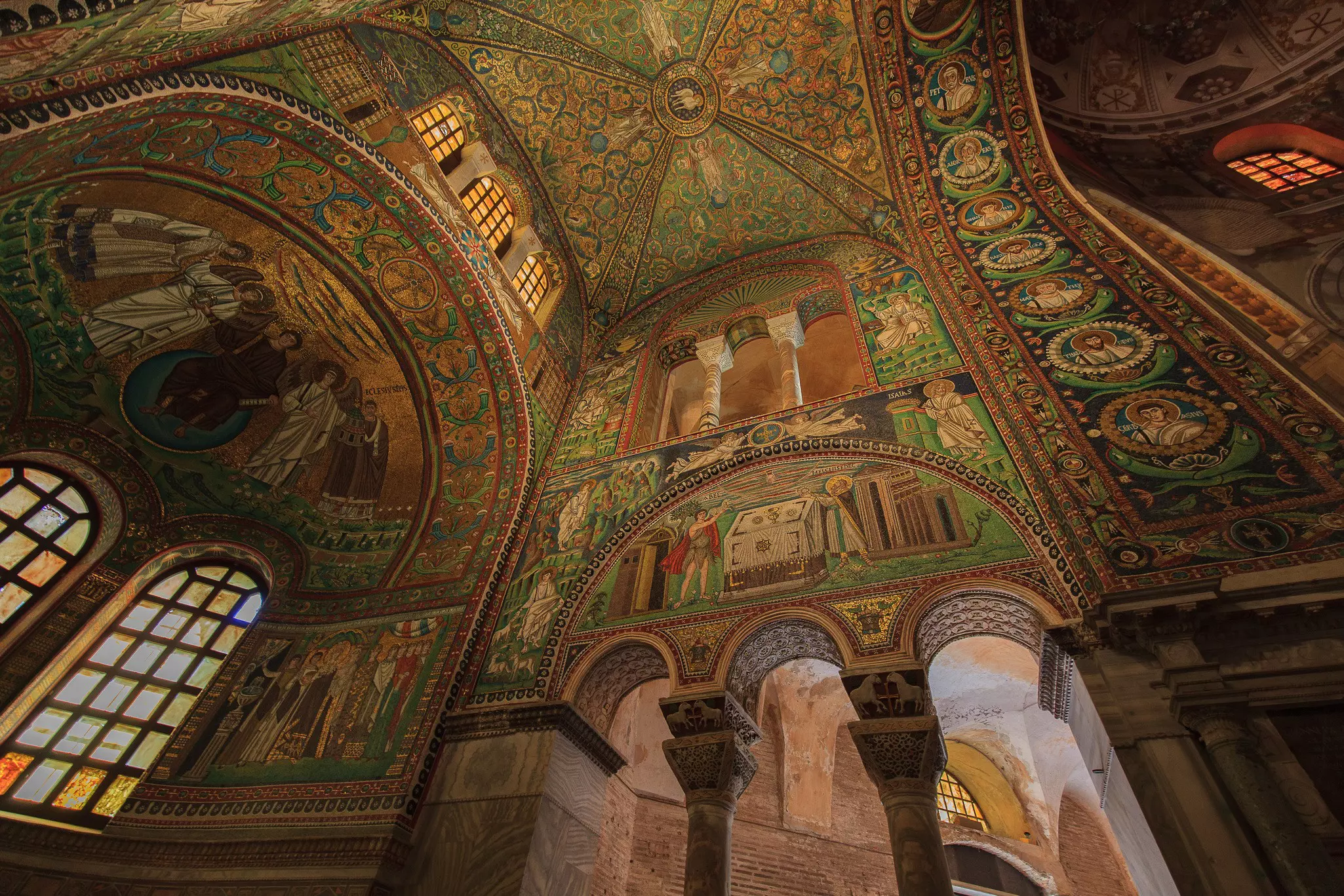
Start at Basilica di San Vitale, where the lucid mosaics that adorn the altar of this ancient church consecrated in 547 by Archbishop Massimiano invoke a sharp intake of breath in most visitors. The mosaics on the side and end walls inside the church represent scenes from the Old Testament: to the left, Abraham prepares to sacrifice Isaac in the presence of three angels, while the one on the right portrays the death of Abel and the offering of Melchizedek. Inside the chancel, two magnificent mosaics depict the Byzantine emperor Justinian with San Massimiano and a particularly solemn and expressive Empress Theodora, who was his consort.
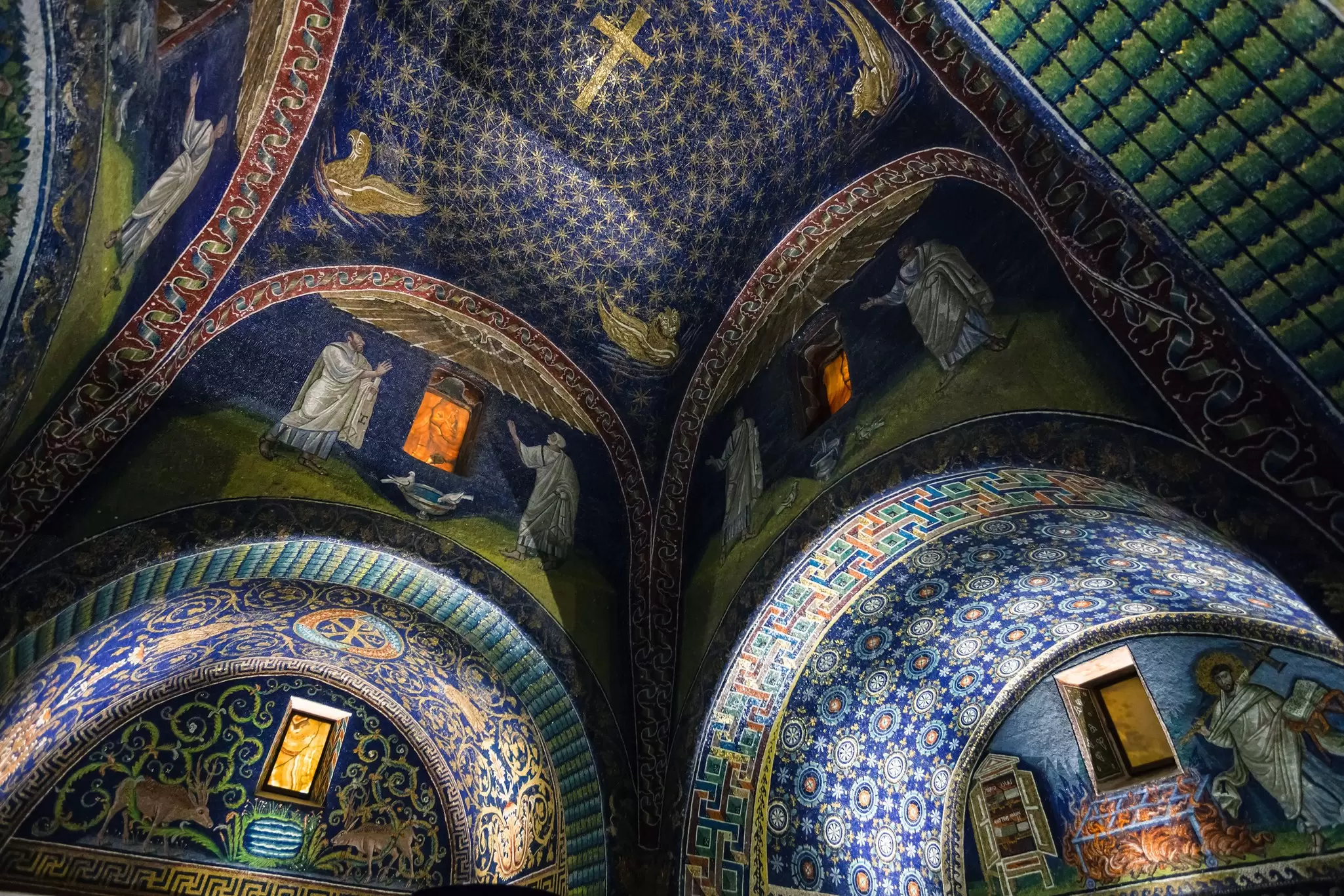
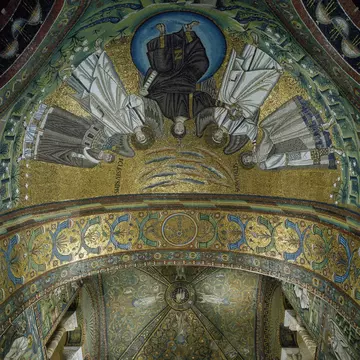
Next door, Mausoleo di Galla Placidia was constructed for Galla Placidia, the half-sister of Emperor Honorius, who initiated the construction of many of Ravenna's grandest buildings. The mosaics here are the oldest in Ravenna, probably dating from around 430 CE. Make your way to Battistero degli Ariani and admire the breathtaking dome mosaic, depicting the baptism of Christ encircled by the 12 apostles, which was completed over a period of years beginning in the 5th century.
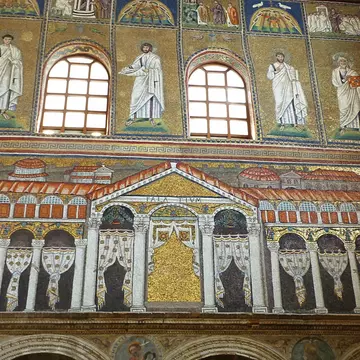
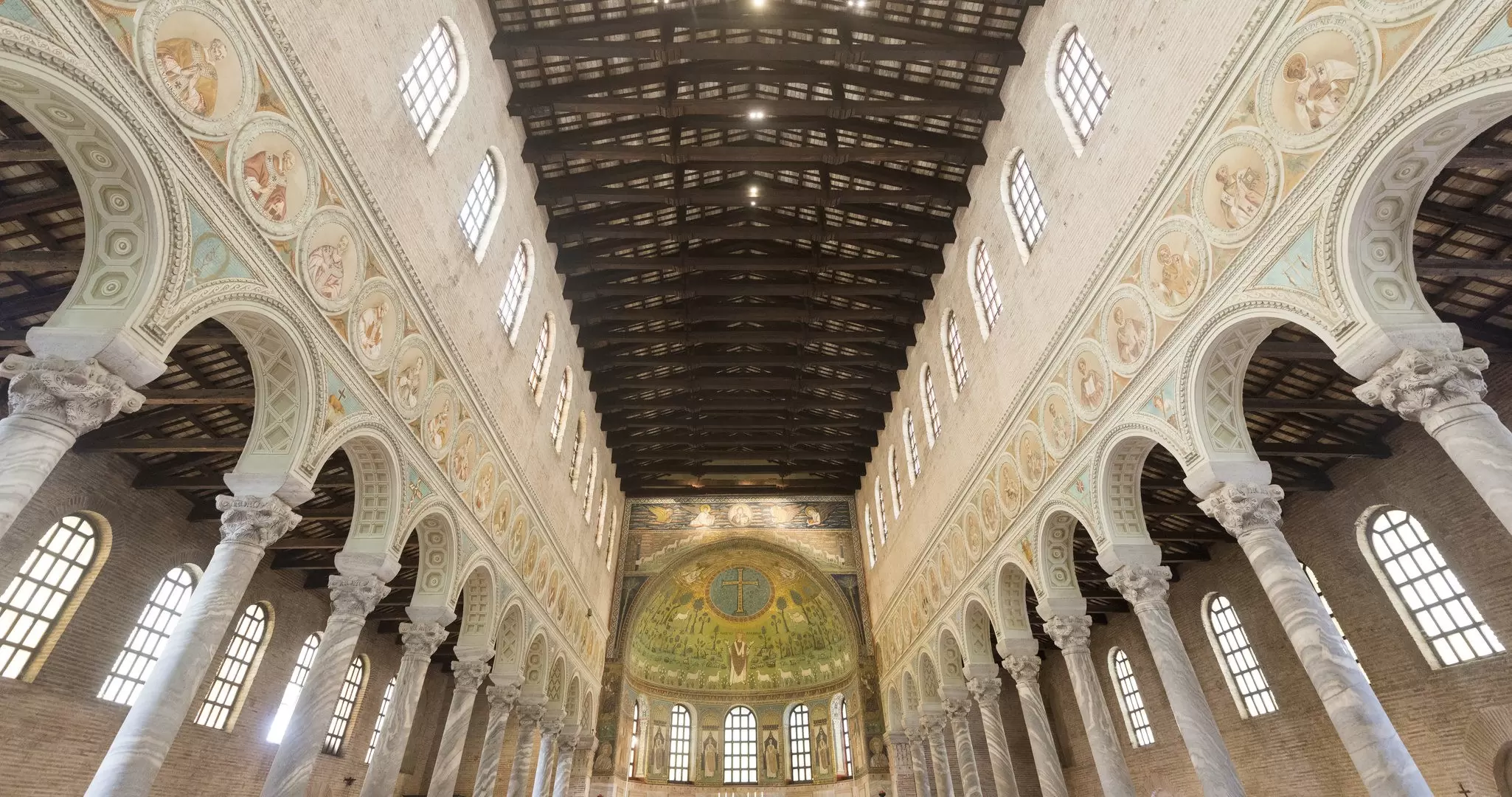
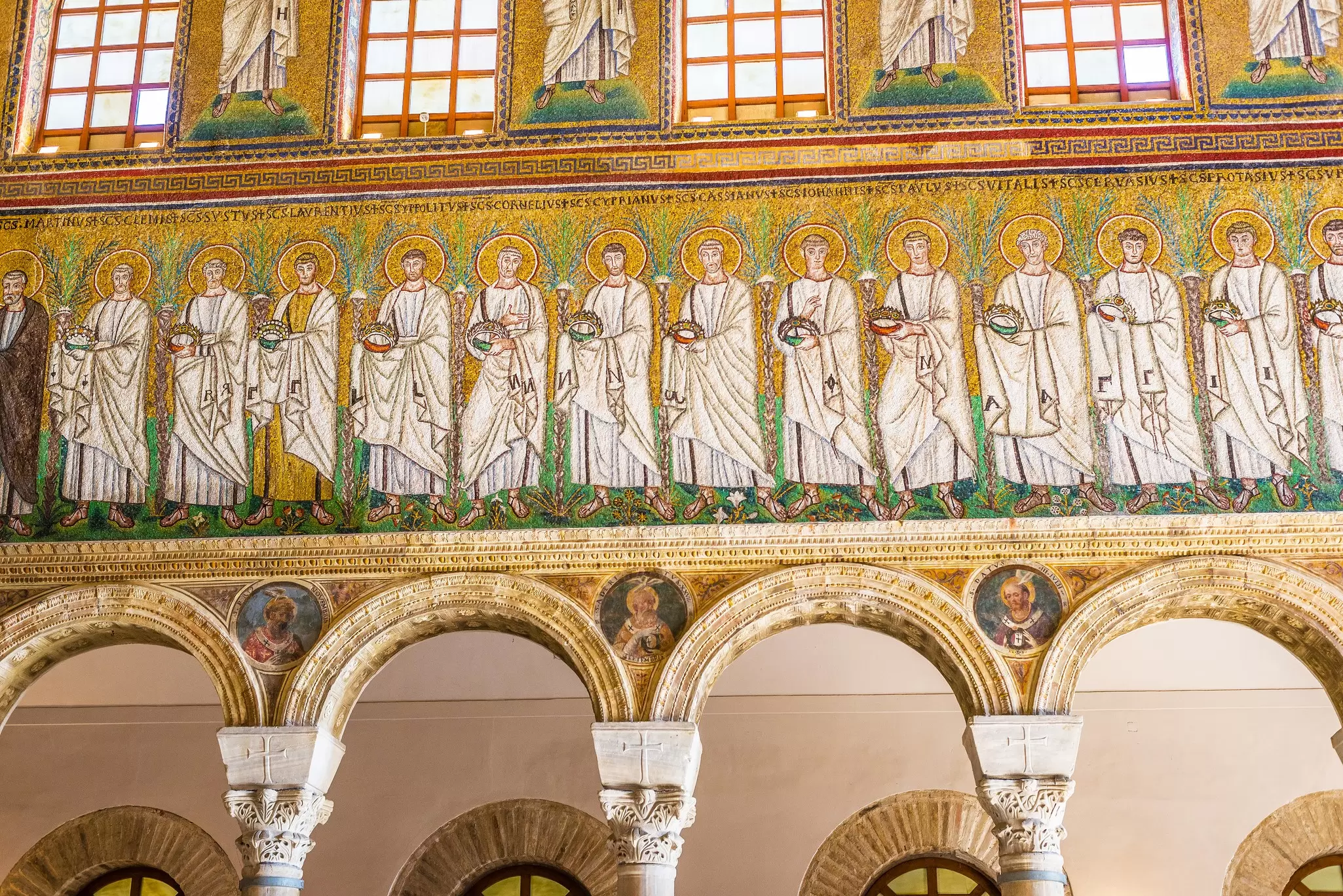
Nearby Basilica di Sant'Apollinare Nuovo, it's almost impossible to take your eyes off the 26 white-robed martyrs heading towards Christ with his apostles on the right (south) wall. Finish off at neighboring Battistero Neoniano, Ravenna's oldest intact building, constructed over the site of a former Roman bathing complex in the late 4th century. The mosaics, which thematically depict Christ being baptised by St John the Baptist in the River Jordan, were added at the end of the 5th century.
Sant'Apollinare in Classe
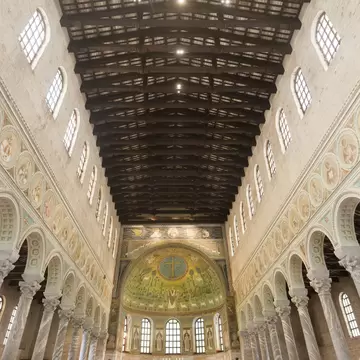
Located 5km southeast of town in the former Roman port of Classe, the signature Early Christian Basilica di Sant'Apollinare in Classe is home to a magnificent central apse mosaic, featuring Ravenna's patron Sant'Apollinare flanked by sheep and juxtaposed against a stunningly green landscape. It's surmounted by a brilliant star-spangled triumphal arch displaying symbols of the four evangelists. Other mosaics in the apse depict Byzantine Emperor Constantine IV (652–685) and biblical figures such as Abel and Abraham. The basilica – architecturally the city's most "perfect" – was built in the early 6th century.