Europe’s largest Jewish museum is an eye-opening destination for anyone curious about Jewish history and culture, regardless of background or belief.
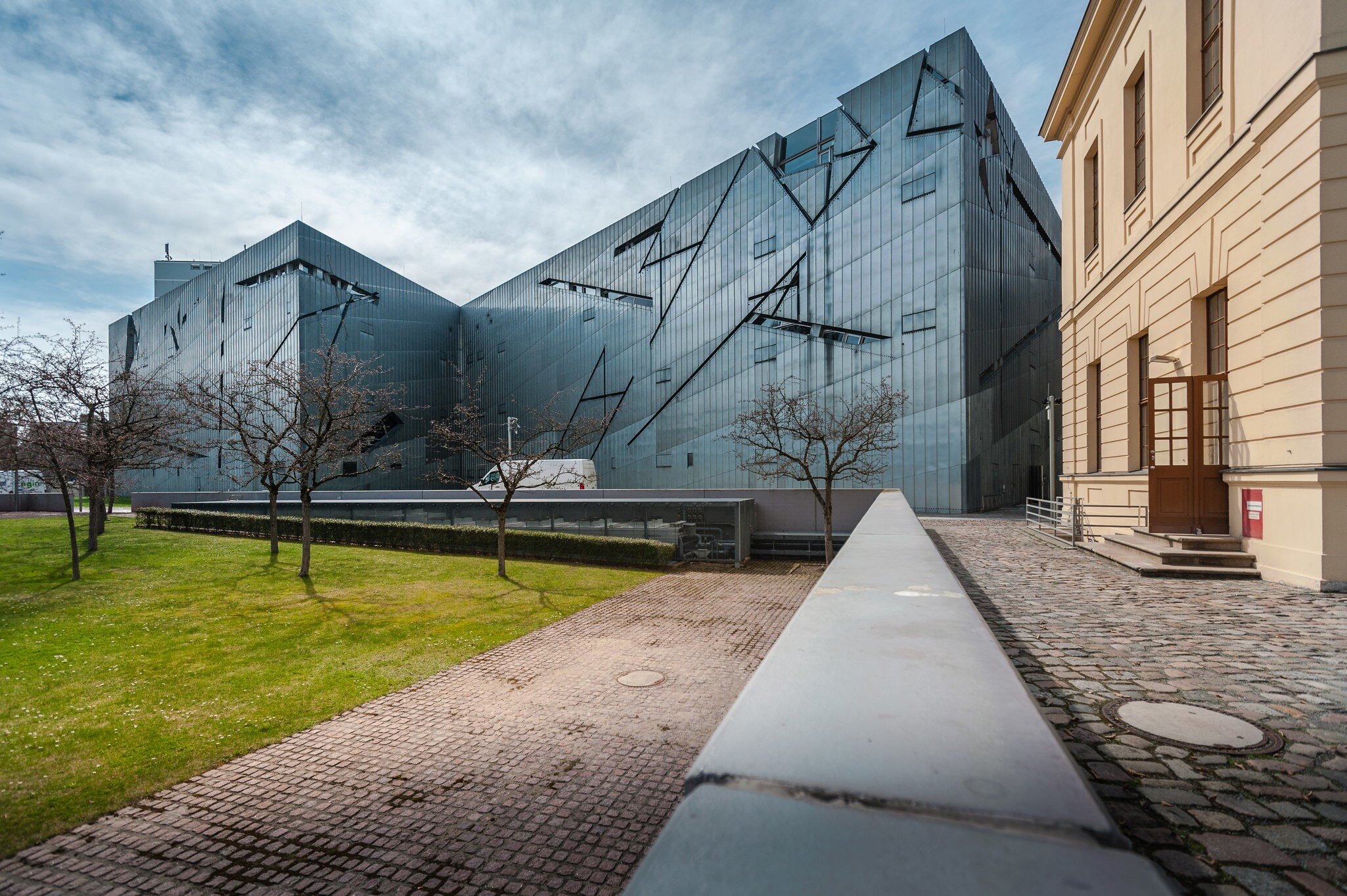
The building alone is a showstopper: the zigzagging, zinc-clad masterpiece by American-Polish architect Daniel Libeskind stands as a powerful metaphor for the fractured yet enduring journey of the Jewish people in Germany over the past 1700 years.
Struggle, Loss & Revival
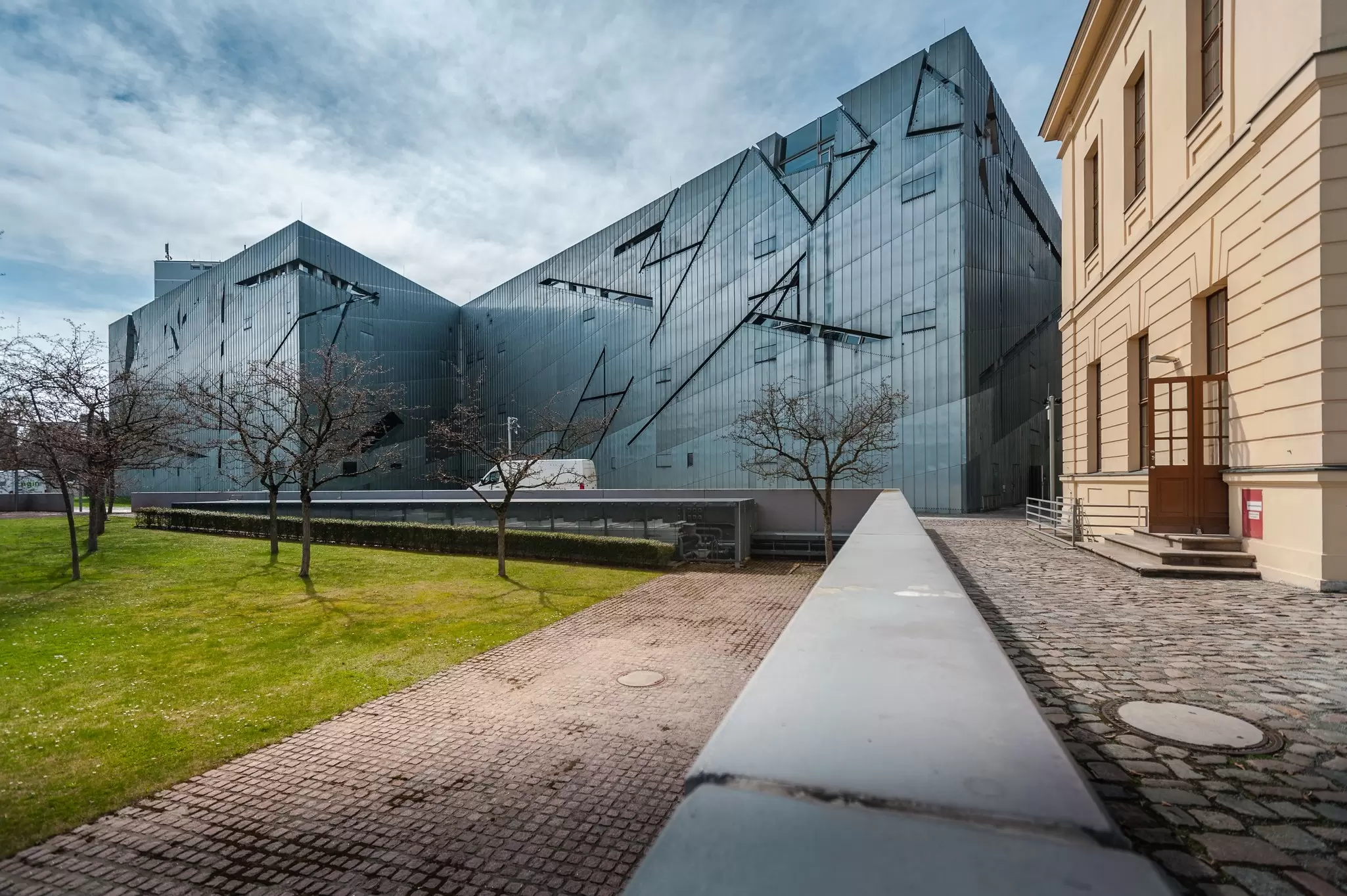
From the entrance in a baroque former courthouse, you descend a steep staircase to the modern annex. Three intersecting walkways – called "axes" – serve as a visual allegory for the fates of Jews in the 20th century: death, exile and survival. Only the last one leads back upstairs to the main exhibition, but even this is cumbersome journey via a sloping walkway and steep staircases.
The core exhibit traces the history, traditions, struggles and triumphs of Jews in Germany from the early Middle Ages to the community’s modern-day renaissance. Key aspects of culture and religion, such as the Torah and the Sabbath, are thoughtfully explored. Don’t miss Shalekhet – Fallen Leaves, Menashe Kadishman’s haunting installation: thousands of open-mouthed faces cut into iron plates, scattered in a sea of silent screams.
The museum also hosts fee-based temporary exhibitions and a busy program of events that tackle challenging topics while fostering dialogue. Across the street, the museum ANOHA Children's World (anoha.de; free) invites kids on a giant Noah’s Ark to explore history and heritage while interacting with adorable artist-created animals.