Measuring up at an impressive 3726m, Indonesia's second-highest mountain is both mighty and revered. The breathtaking Gunung Rinjani is sacred for both the Sasak and Hindu people, and is a frequent pilgrimage sight. The volcano's summit makes for a strenuous hike that isn't for the fainthearted, but the incredible views are among some of Indonesia's most lauded.
Gunung Rinjani National Park
The entirety of Gunung Rinjani National Park spans some 413 square kilometers, including the greater radius of Gunung Rinjani itself. The volcano's elevation places it in a biogeographical crossroads, where the land differs from what is typical of Southeast Asian terrain, evolving into arid landscape instead. If you're not keen on lacing up your boots and hiking to the summit, the foothills of Gunung Rinjani reveal a distinctly different and mesmerizing ecosystem.
A Sacred & Cherished Landscape
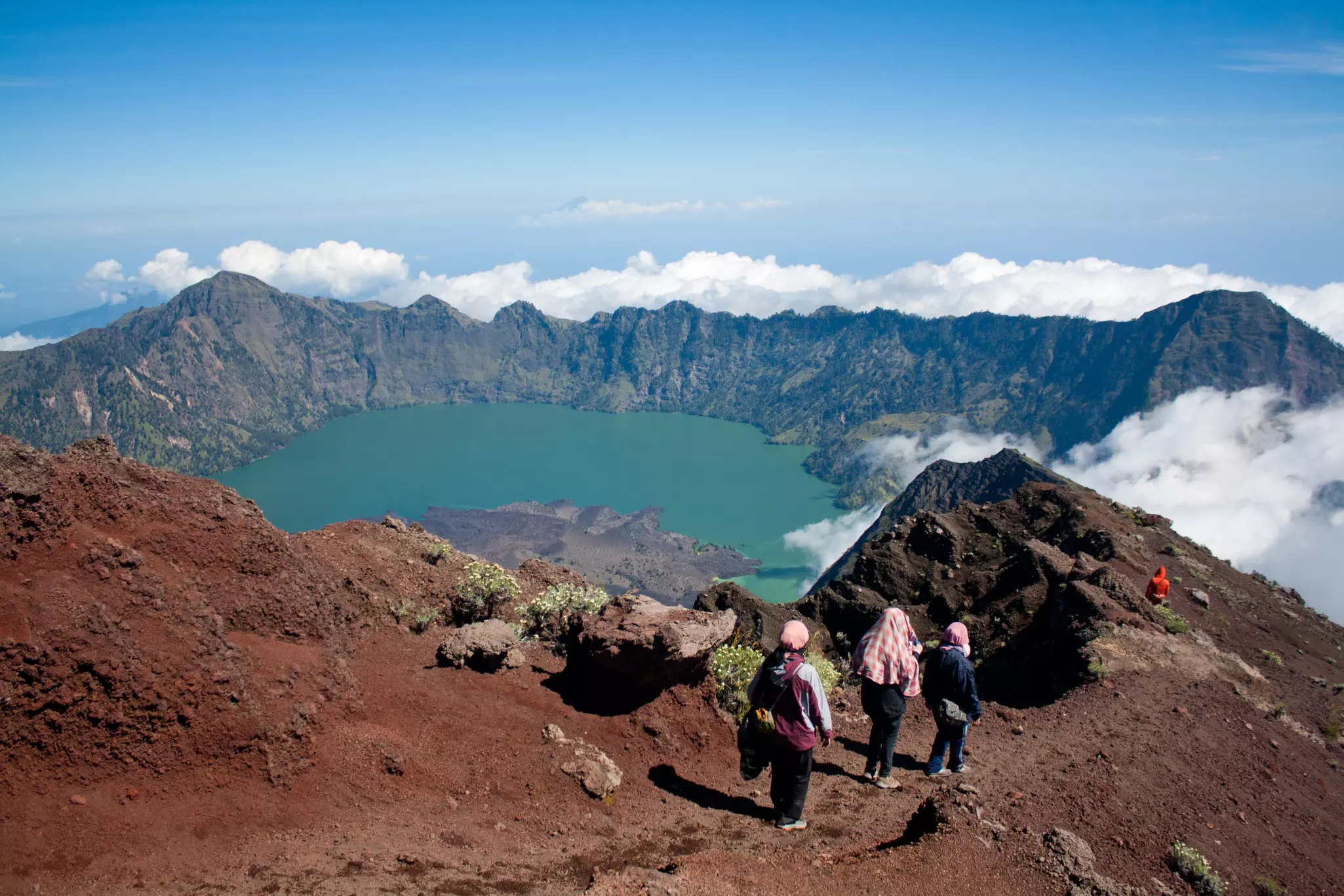
Each year, the Balinese perform ceremonies atop Rinjani to honor the gods and spirits. It's one of three peaks they consider sacred, along with Gunung Bromo in Java and Gunung Agung in Bali. The Sasaks ascend the slopes to pray when the moon is full. Their faith, Wetu Telu, is a melange of Hindu and Islamic beliefs, as well as ancestral worship and animism.
Planning Your Hike
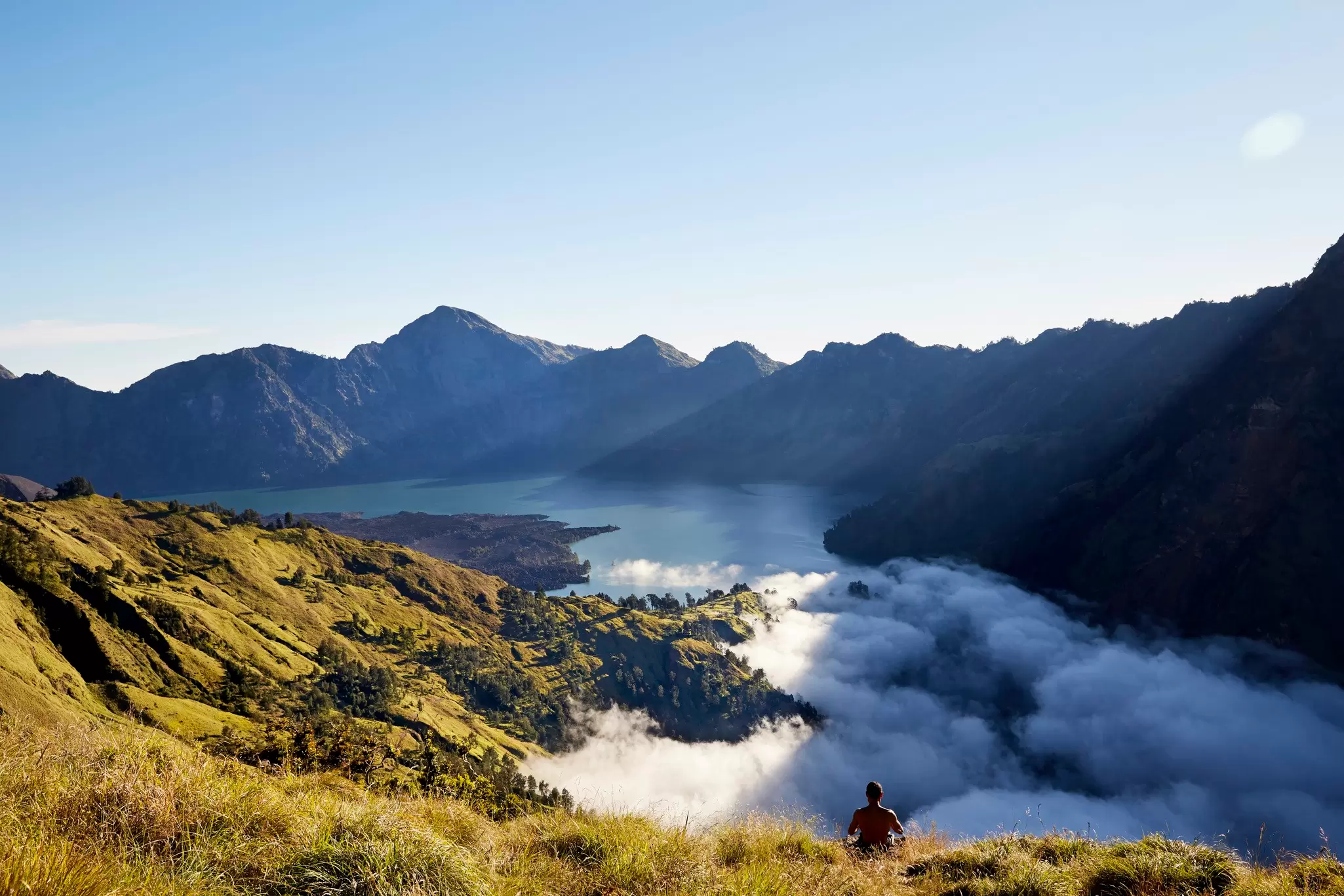
Climbing Gunung Rinjani is not permitted from 1 January to 31 March. While that sounds like a big chunk of time, you don't want to climb it in bad or dangerous weather. If you're planning to hike, make sure your trip isn't during rainy season (mid-November to March). April through November are typically favorable months. Finding a guide is quite easy, as tourism in the area accounts for a large part of the economy – you'll be able to join a trek fairly last-minute. Check out an independent trekking agency such as Rudy Trekker (rudytrekker.com) or ask a homestay; nearly all of them are well-connected with local guides.
The Hike
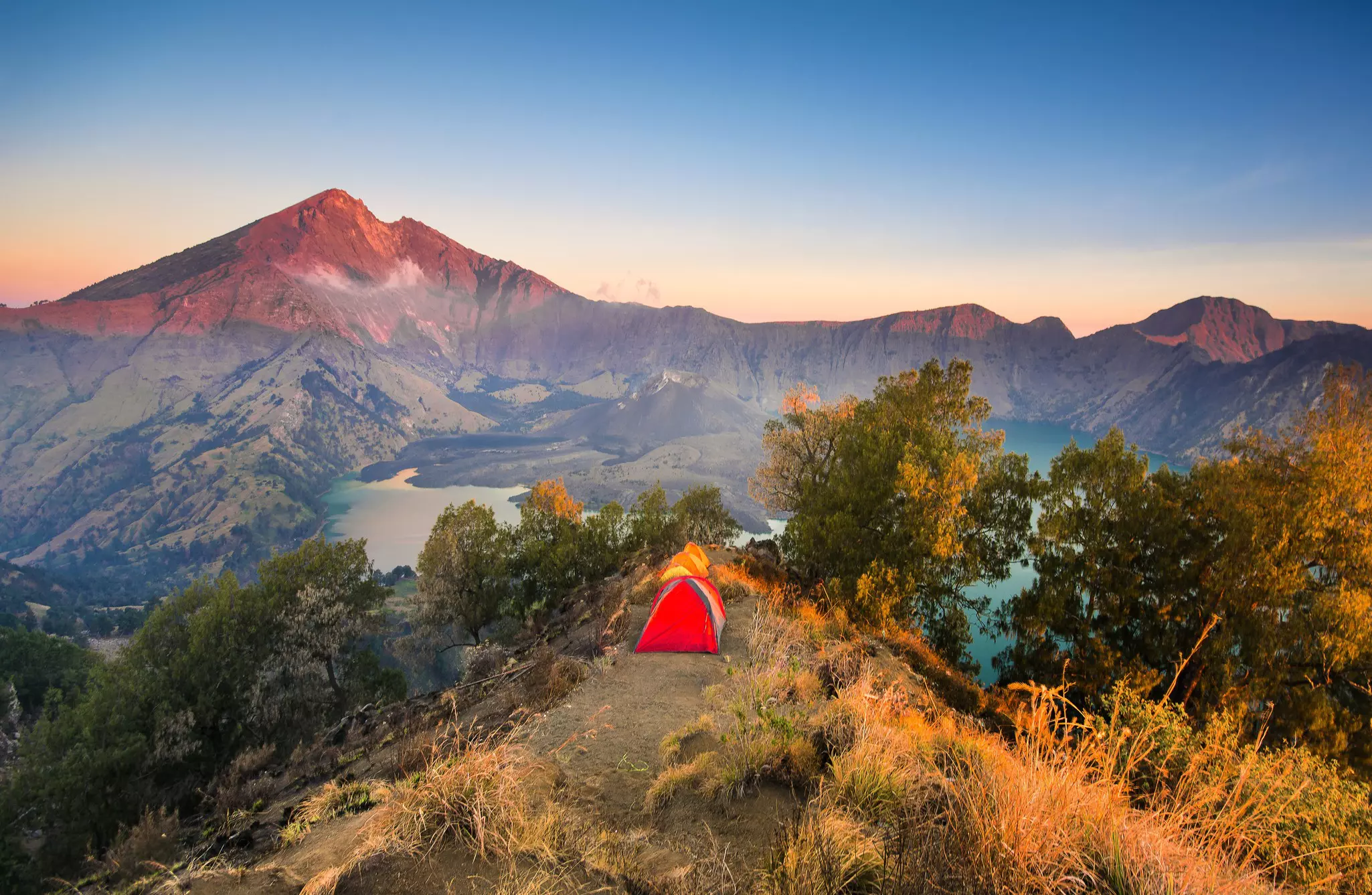
After departing from either Senaru or Sembalun, trails ascend through rainforest teeming with wildlife. The route is challenging, but frequented by many people, plenty of whom aren't experienced hikers. That said, it's not exactly cruisey – this is a real trek.
The Crater Rim
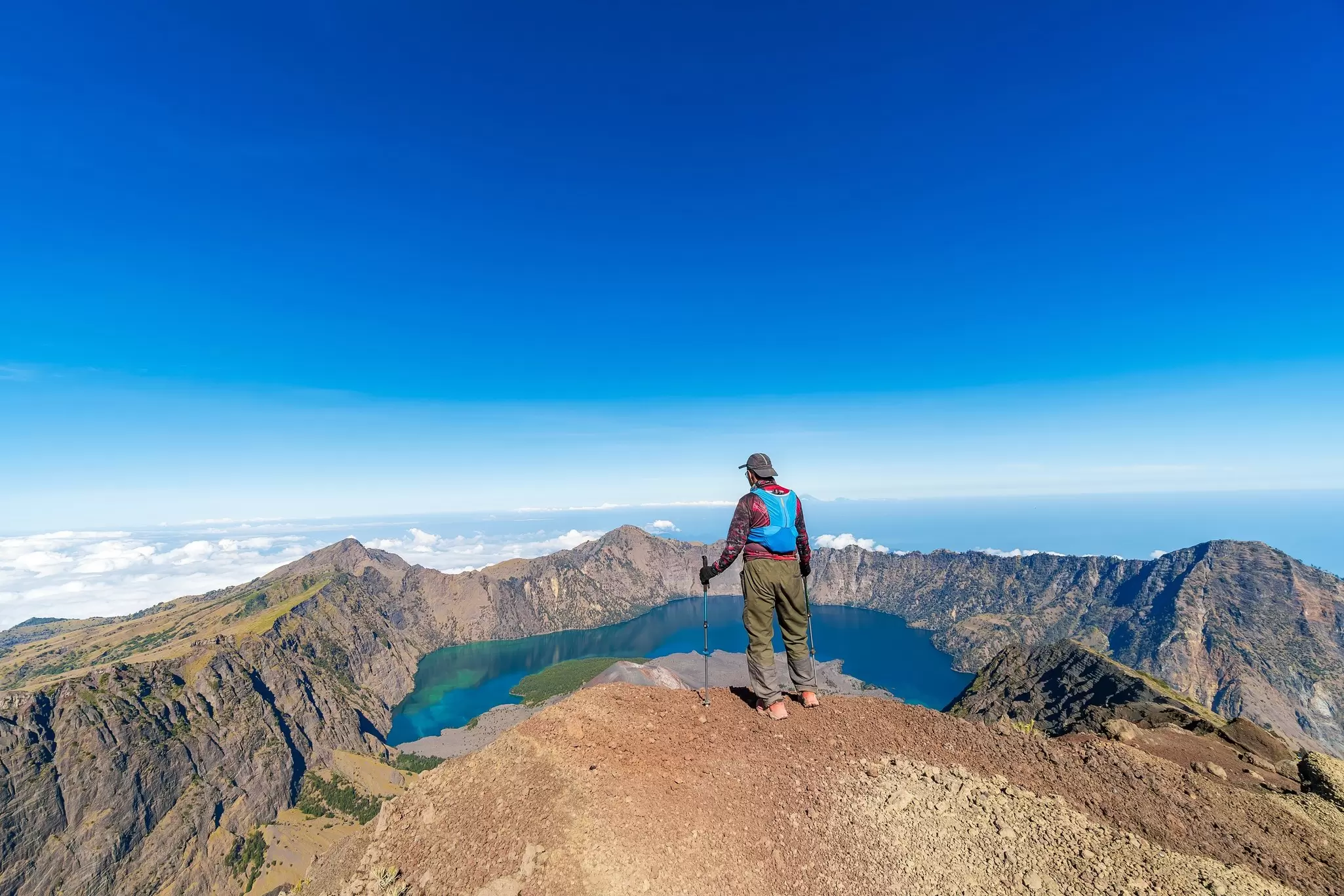
Once the landscape shifts from lush to arid, the crater rim reveals a panoramic view of the skyline and summit beyond. For less-experienced hikers, it's possible to hike for two days and one night to reach – and finish at – the crater rim.
The Summit
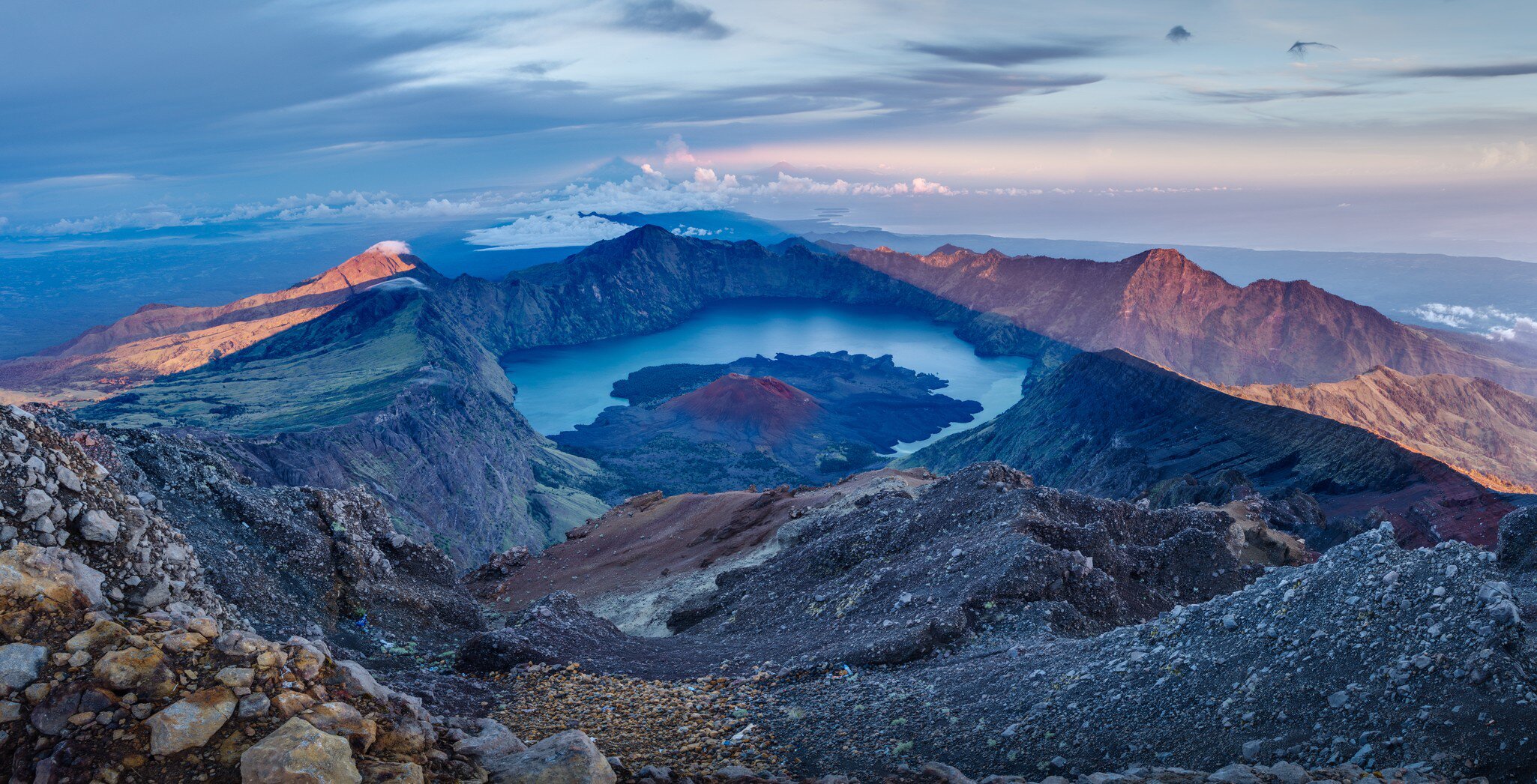
Expect loose rocks, soft ground and a steep gradient on the final grueling stretch to the summit. The topside views are nothing short of staggering, revealing the crater below and the landscape beyond. This prized peak takes a minimum of three days and two nights to reach, with the first night spent camping along the crater rim. Most hiking groups begin their second day before sunrise. Longer trips of three nights are also available.
Danau Segara Anak
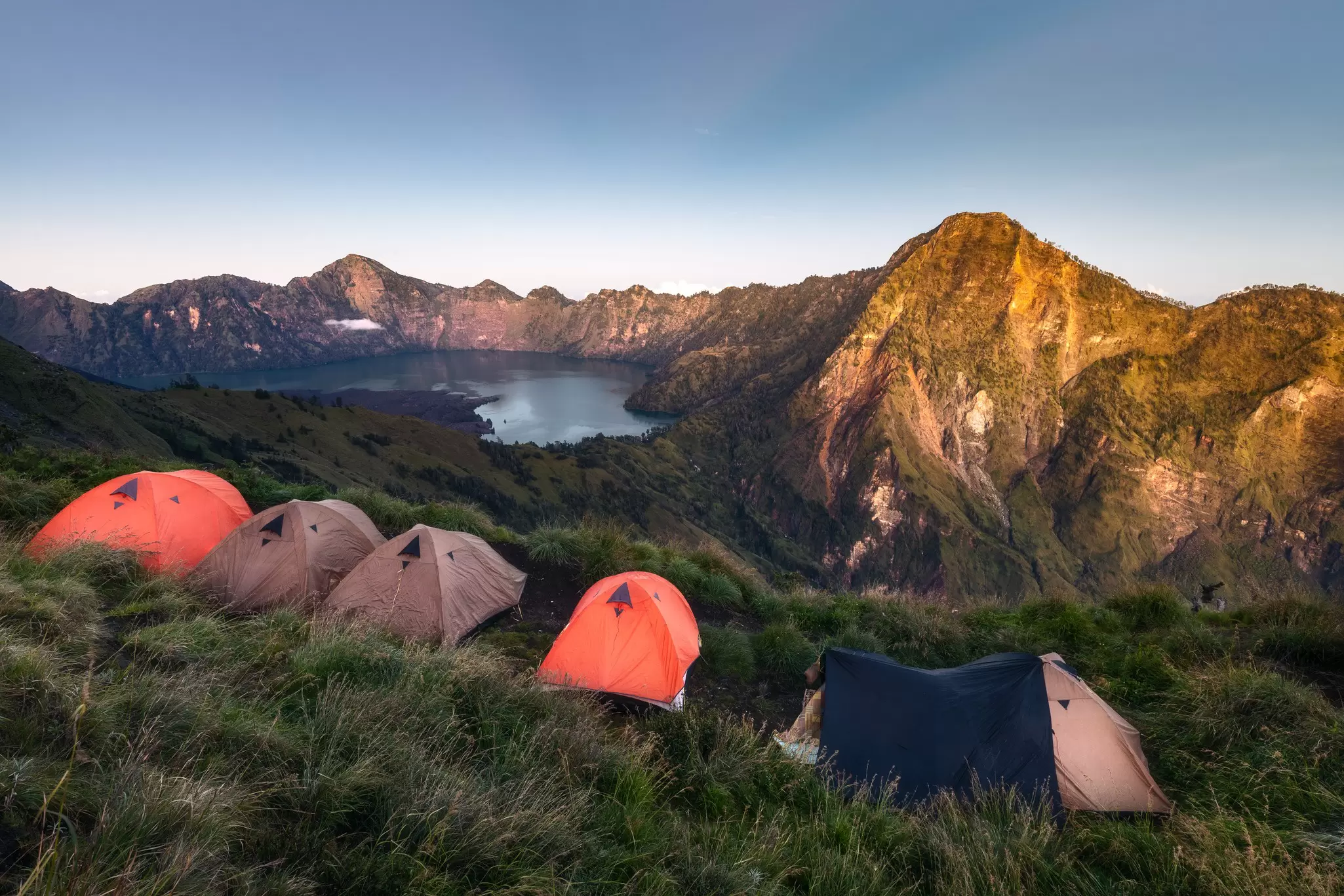
Crescent-shaped and deeply blue, Danau Segara Anak is a volcanic lake west of Gunung Rinjani's attention-commanding massif, just below the crater rim. The word danau means "lake," and segara anak is "child of the sea" – alluding to the lake's similarities to the ocean.
Rinjani Hot Springs
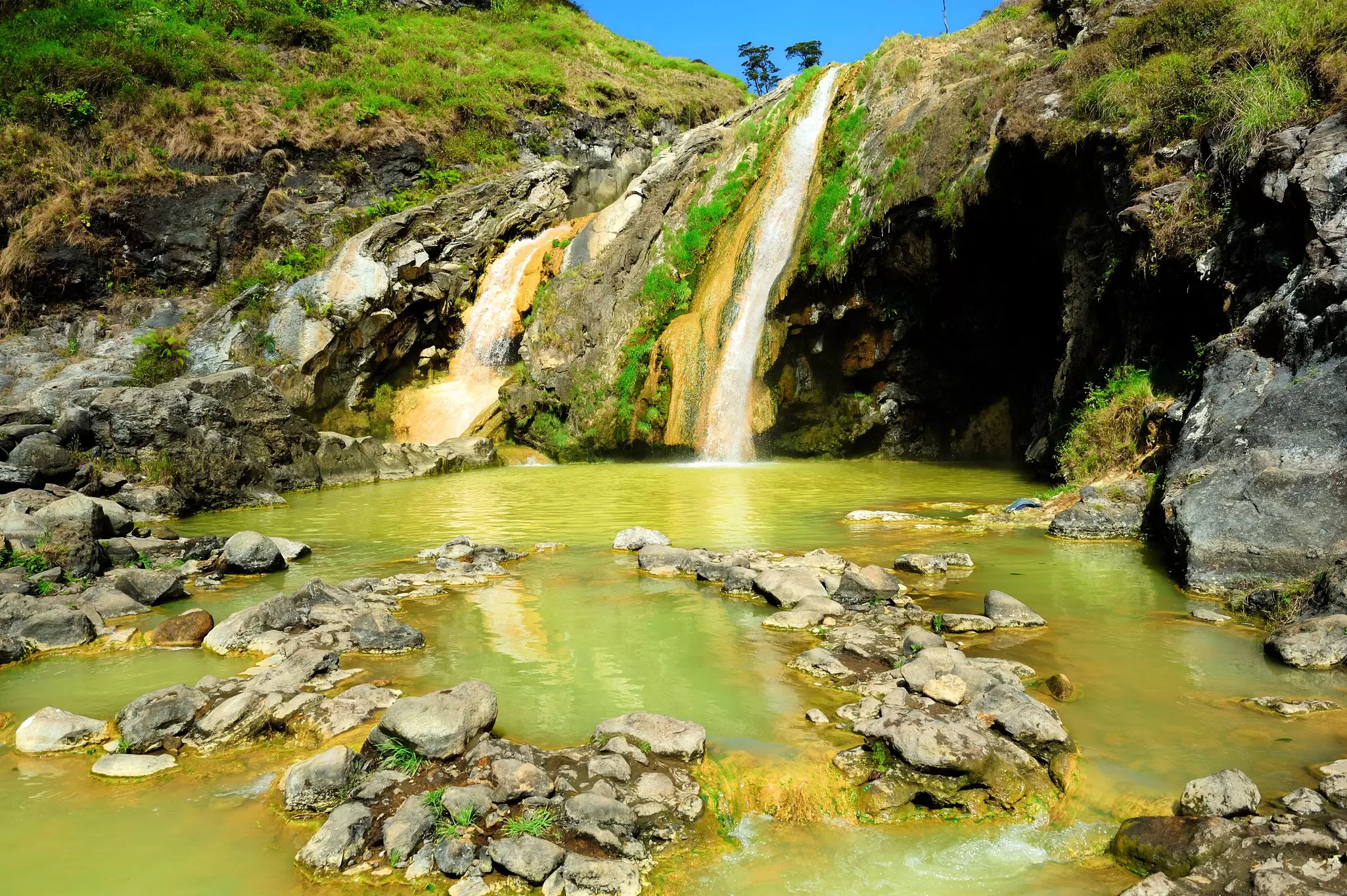
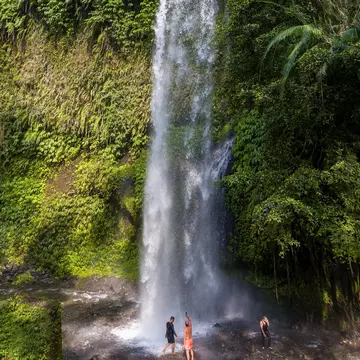
If you decide to do the three-day, two-night hike, you can continue to the summit or head down from the crater rim to experience the natural hot springs beside Danau Segara Anak. It takes two hours to reach these natural pools – an airy downhill hike that floats through low-hanging clouds. The hot thermal waters flowing from Surya Sakti Waterfall make for a picturesque scene.