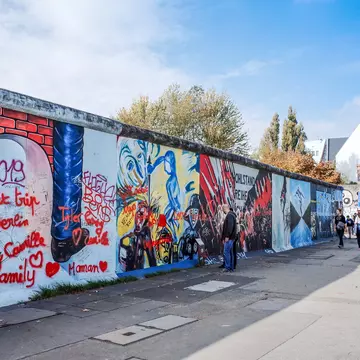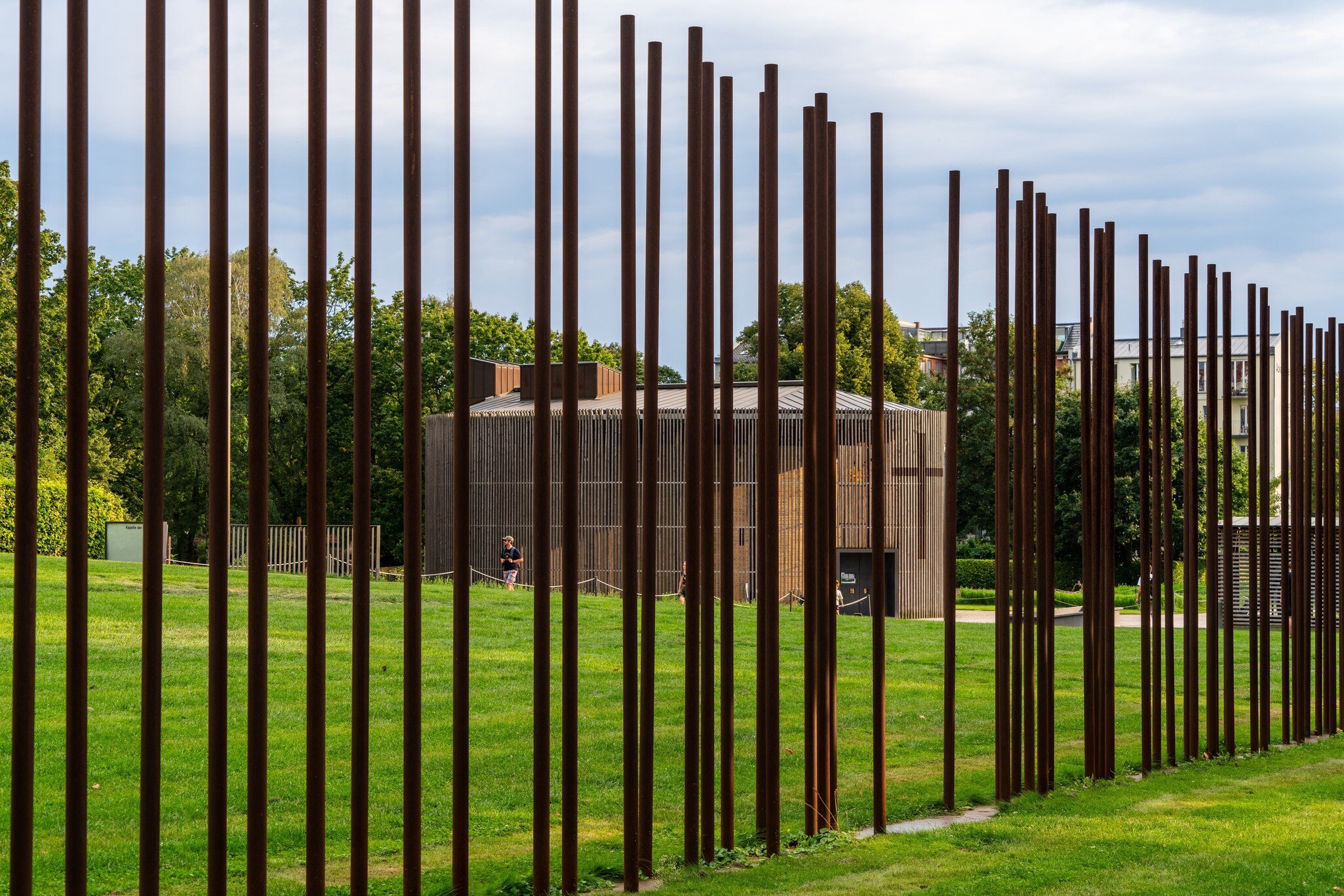
Though dismantled over 30 years ago, the Berlin Wall continues to capture our collective imagination.
Why was it built? What did it look like? How did it impact the lives of people in East and West? You’ll find answers to these and just about any other Wall-related question at the Gedenkstätte Berliner Mauer (Berlin Wall Memorial), a superb 1.4km-long outdoor exhibit.
Overview
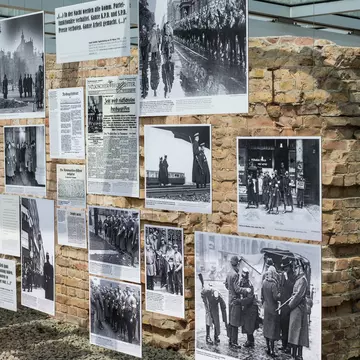
The memorial stretches along Bernauer Strasse between Nordbahnhof in Wedding and the Mauerpark in Prenzlauer Berg. The Berlin Wall ran alongside the full length of this street, with West Berlin on the northern side and East Berlin on the southern. It’s the only place in Berlin where you can see the full extent of the border fortification with their inner and outer walls, the death strip, patrol paths and floodlights. Multimedia stations, archival photos, "archaeological windows" and markers provide context, details and personal stories tied to events that unfolded here.
Gartenstrasse to Ackerstrasse
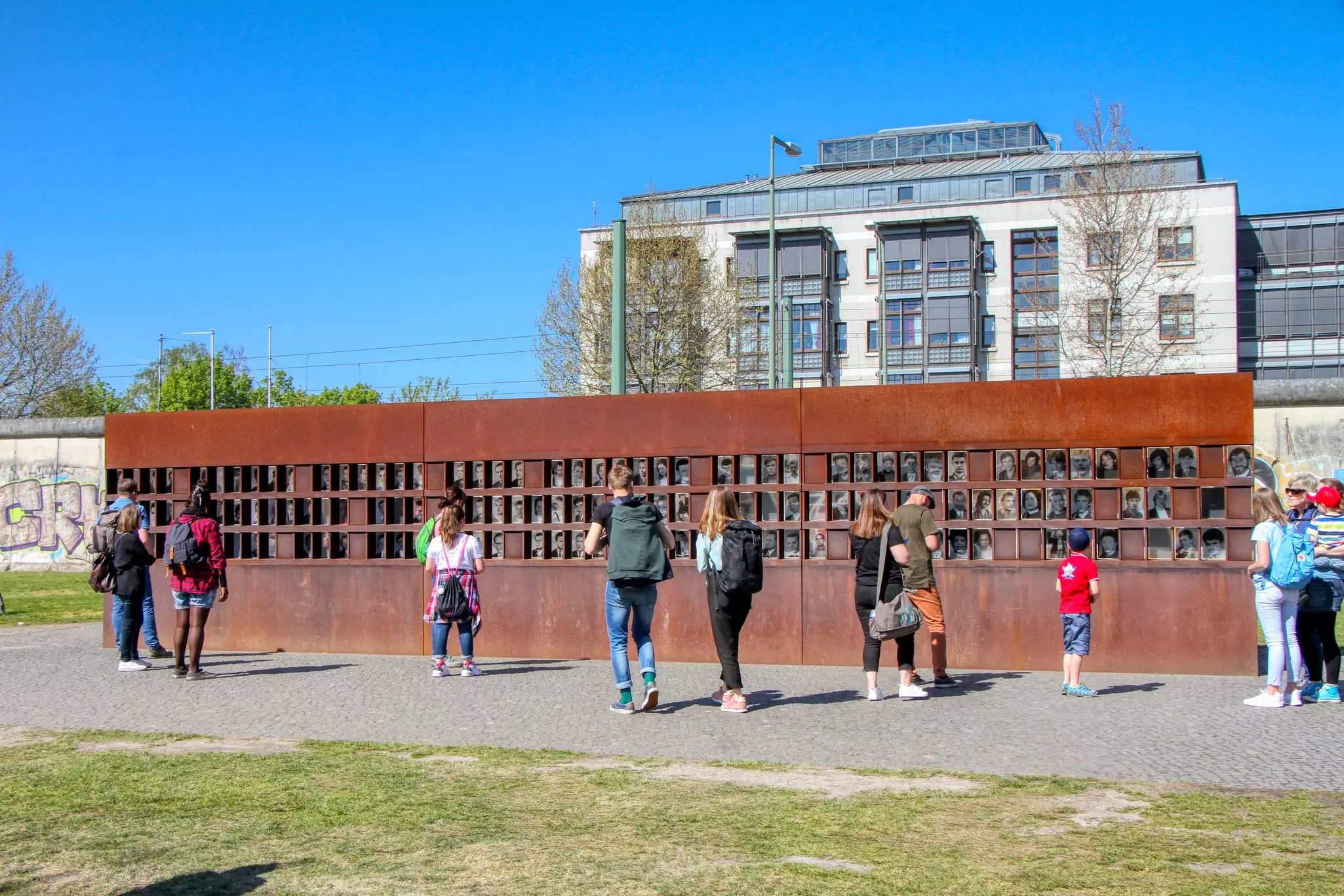
The most powerful section addresses how the Berlin Wall restricted freedom of movement and helped the East German government maintain control. A deeply moving element is the Window of Remembrance, where portraits honor those who died trying to escape, the youngest only six years old.
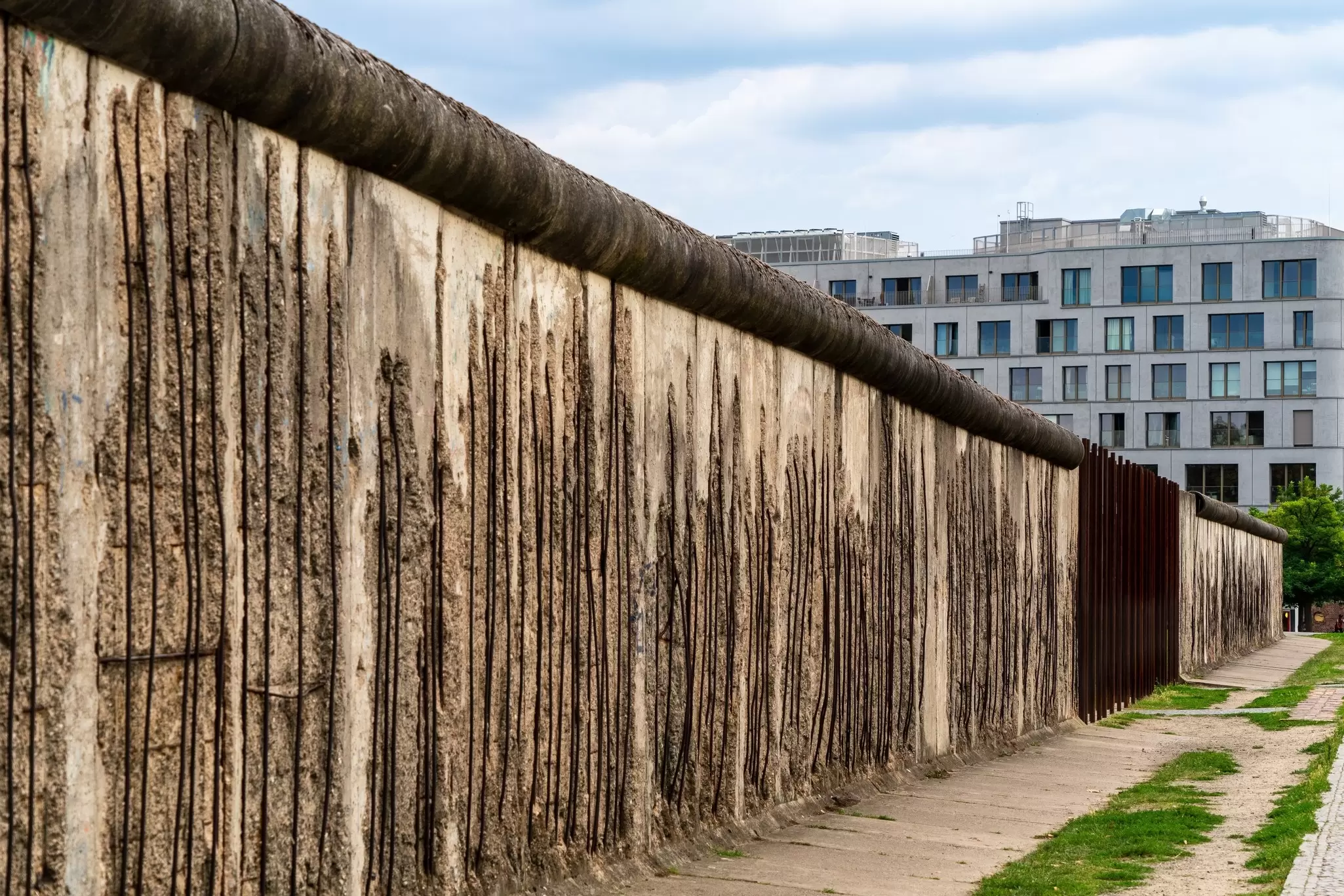
Further on, 6m-high rusted steel walls flank a 64m-long restored segment of the original Wall to evoke the Iron Curtain. Walk down Ackerstrasse to access the installation from the rear, where slits in the inner wall allow you to peer into the former death strip, complete with a guard tower, control path and floodlights.
Documentation Centre
Across the street, a former parish hall now hosts a two-floor Documentation Centre. The exhibit – called "961/1989. The Berlin Wall" – provides a concise and engaging overview of the Wall and answers such questions as why it was built and what led to its collapse. Artefacts, documents and historical footage bring the realities of divided Berlin to life. Once you’ve absorbed the background, head up the observation tower for a bird's-eye view of Bernauer Strasse and the border installation below.
Ackerstrasse to Brunnenstrasse
In this section, the focus is on the human cost of division and on the daring and desperate escapes that took place along Bernauer Strasse. A focal point is the modern Chapel of Reconciliation, built on the site of an 1894 brick church demolished in 1985 to clear space for a wider border strip. Today the chapel offers a quiet place of reflection. A 15-minute remembrance service for Wall victims is held at noon Tuesday to Friday. Other information stations address the physical construction of the Wall and the continuous expansion of the border complex over time.
Brunnenstrasse to Schwedter Strasse
In the easternmost section, exhibits must skirt private property and new apartment buildings, so most info stations are set along a narrow strip tracing the old border-patrol path. Despite the tight space, content remains rich. Displays cover West Germany’s take on the Berlin Wall, what life was like for an East German border guard and the events leading to the fall of the Wall in 1989. A highlight is the dramatic story of Tunnel 29, a 135m escape route dug below Bernauer Strasse that helped 29 people escape from East Berlin in September 1962.