Emanuel Vigeland, brother to the more famous Gustav, began construction on this large, vaulted space in 1926, with plans to make it a museum. The dimly lit space is today covered in a figurative work that depicts the cycle of life and the libidinous urge at its center. Vigeland's work is by turns highly erotic, moving and disturbing; the 20-year fresco project was intended as his own tomb (his ashes indeed do rest here, in a characteristically symbolic egg-shaped urn). Booking tickets before visiting is highly recommended.
Emanuel Vigeland Museum
Book popular activities
Lonely Planet may earn a commission from affiliate links on our site. All recommendations and reviews reflect our own independent opinions.
Must-see attractions
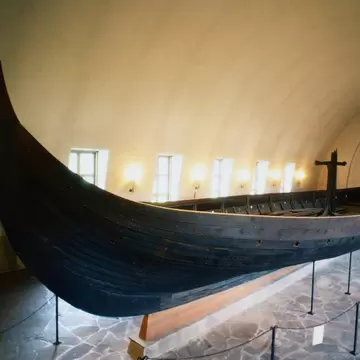
- Attraction in OsloMuseum of the Viking Age
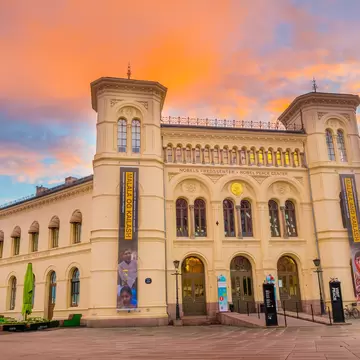
- Attraction in OsloNobels Fredssenter
- Attraction in OsloAkershus Festning
- Attraction in OsloAstrup Fearnley Museet
- Attraction in OsloEkebergparken
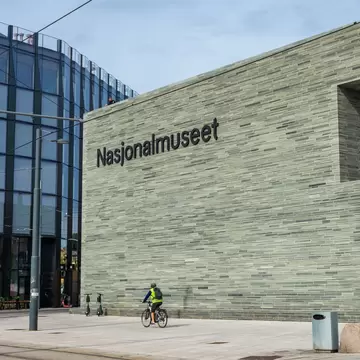
- Attraction in OsloNasjonalmuseet
- Attraction in OsloNordmarka
- Attraction in OsloOslo Opera House