Jul 30, 202613 min read
The Best Things to Do in TaiwanJul 30, 2026
13 MIN READ

Writer
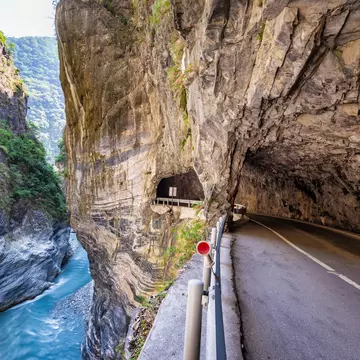
Taroko Gorge, Taiwan. CHC3537/Shutterstock

Writer
Highlights
Taipei-based writer Piera Chen picks 13 Taiwan experiences, from gorges to folk festivals.
Graze Keelung's Miaokou Night Market for seafood and book Taipei's Mountain and Sea House.
For outdoor drama, see Taroko Gorge's marble crags and cycle Taiwan's east coast.
Visit Taipei's National Palace Museum for jade and calligraphy, or Lukang Longshan Temple.
Lonely Planet may earn a commission from affiliate links on our site. All recommendations and reviews reflect our own independent opinions.
Having lived in Taiwan for a decade, I’d say the country has more facets than the 11-headed Guanyin guarding its temples. When visitors ask for recommendations, ashamedly, I still find myself dithering. Which of the 15,000 temples should I choose? Liquor at a distillery or chocolate on a farm? If cycling or hiking, what views – mountains, water, skyscrapers? Mountains snow-capped or oranged by daylilies? Lapping tributary or roaring Pacific? Night markets are a must but may I suggest four instead of one? With so many experiences, no two trips to Taiwan are alike, and the one you put together will be entirely your own.
So whether you’re a first-time visitor or returning for the tenth time, consider our roundup of the best things to do in Taiwan.
The non-negotiable
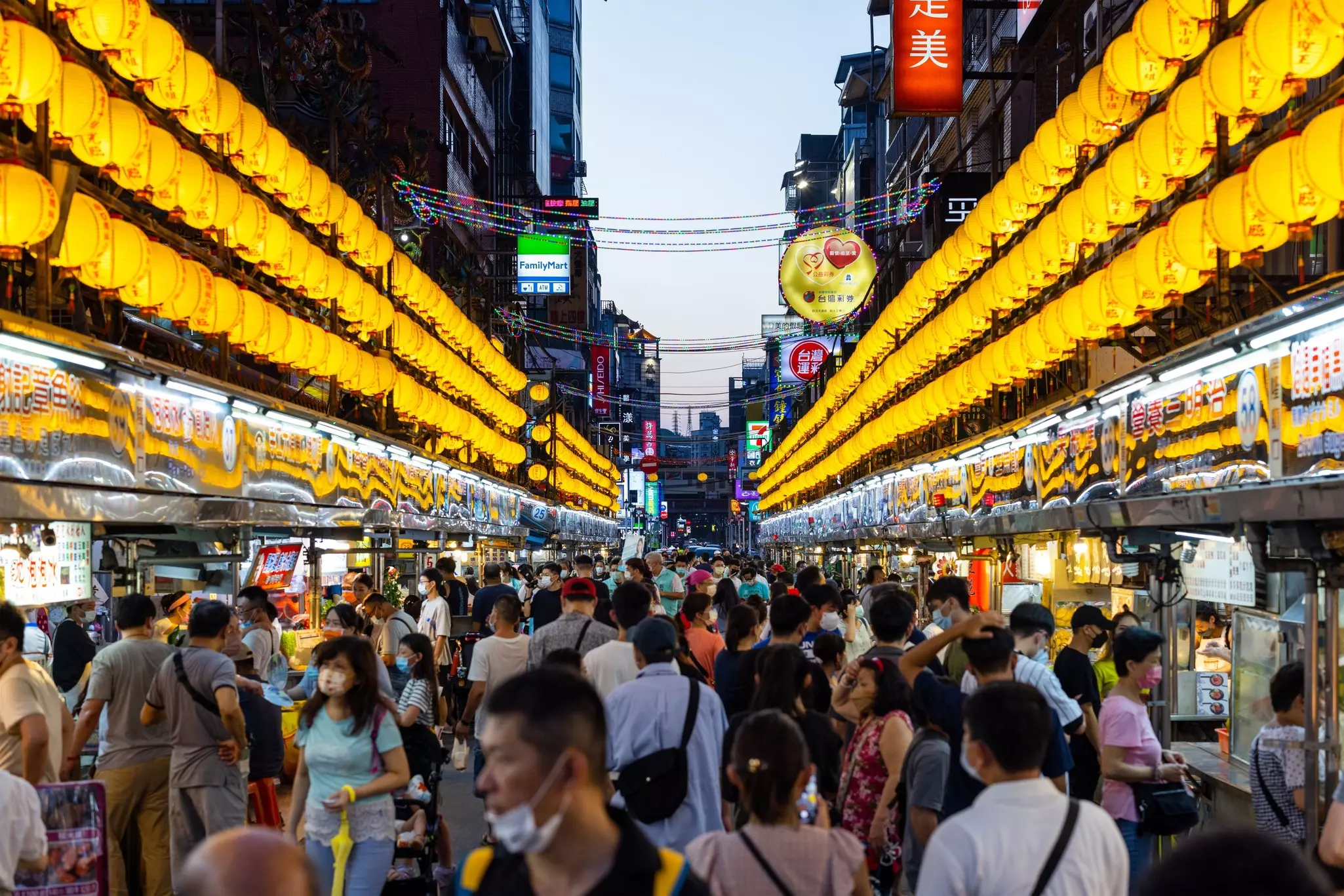
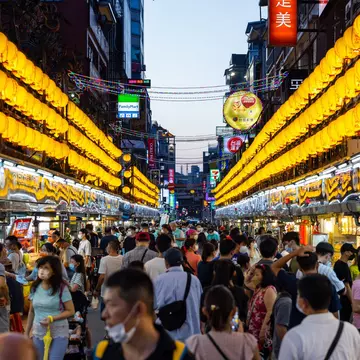
Grazing is a useful technique to have down when you’re on the road, and Taiwan’s night markets are great for honing this skill. Fulfilling the desire for food with the thrill of a treasure hunt, these glittering stalls – some Michelin-crowned – bring happy crowds every night of the week to gorge on yummies from papaya milk to oyster fritters and more.
What began as a handful of snack sellers outside a temple has evolved into the famous Miaokou Night Market. Located in the port city of Keelung, it offers the quintessential experience of grazing – everything is simply too good to miss, especially the seafood. Favorites of mine include thick crab soup, and potside scrapings which is essentially rice batter in a broth with shrimp paste.
When to go: After 5pm but some stalls are open during the day.
Getting there: Train to Keelung Station from Taipei.
Pair with: Make it a full day trip to Keelung by visiting the Fairy Cave, walking up to Spanish ruins on Heping Island and swimming in a seawater pool.
The non-negotiable
Chefs work magic with local produce from red shrimp to bird’s nest fern at top-notch restaurants serving stellar Taiwanese, solid European, or some of the best Japanese outside Japan, Michelin-recognized or not.
At Taipei’s classy Mountain and Sea House, old labor-intensive banquet dishes are revitalized with a modern twist. Go for the prix fixe tasting menus if you can’t decide. Three metro stops away, at Lao Shandong Homemade Noodles, hand-crafted goodness comes in the form of affordable noodles and dumplings.
Make your reservations at least a month in advance for restaurants you don’t want to miss.
When to go: Mountain and Sea House offers lunch sets that are more pocket-friendly.
Getting there: Respectively Zhongxiao Xinsheng and Ximen MRT Stations.
Pair with: Urban adventures in exciting Taipei, of course.
The non-negotiable
Taiwan’s top tourist draw is an inkbrush painting in 3D. Rising above the froth of the turquoise Liwu River, the steep marble crags of Taroko Gorge swirl with the colors of an artist’s palette. Add in mist, vegetation and towering waterfalls and you have a truly classic landscape. While you’ll have to stick to the open trails and sights for now, you won’t forget the grandeur of this natural wonder.
When to go: A major earthquake in April 2024 caused severe damage to Taroko National Park. It is currently open to vehicles five times a day, from five minutes to two hours. Times are updated monthly. A few sights such as Swallow’s Grotto, Tunnel of Nine Turns and Shakadang Trail remain closed.
Getting there: Train to Xincheng Station from Hualien.
Pair with: An evening exploring Hualien city center.
Most sublime religious art
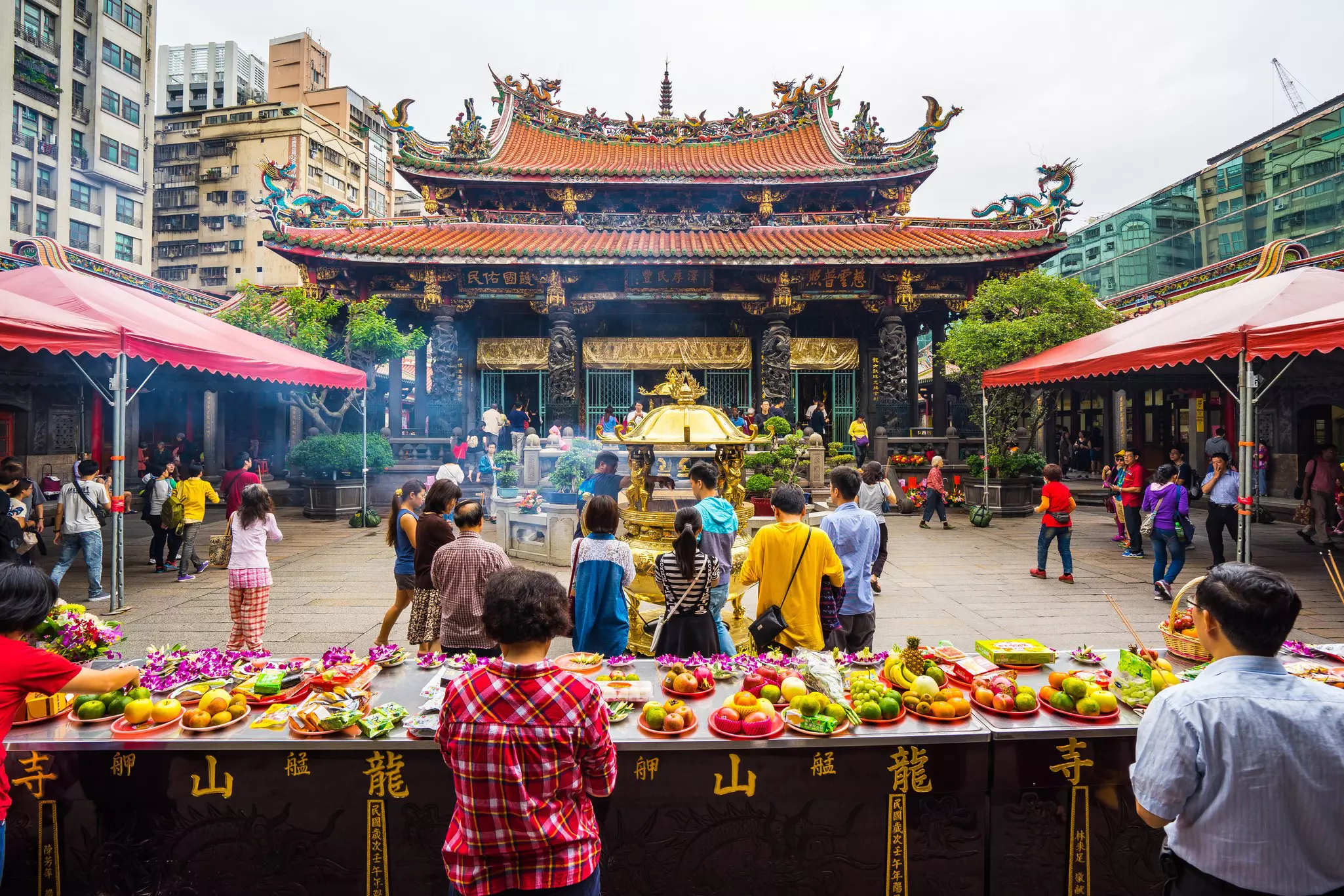
Whether packed to the eaves with art or hiding in a market, Taoist, Buddhist or Confucian, Taiwan’s 15,000 temples offer an intriguing glimpse into the island’s spiritual life.
In my opinion, what sets Lukang Longshan apart, especially from its 18th century counterparts, is a sense of quiet antiquity that can be felt even in the busiest hours. Despite damage by natural disaster, this national relic has managed to retain a close-to-original look, thanks to meticulous restoration efforts. Nothing is unduly sheened or heavily colored, and marks of time remain on the smooth timber pillars and smoke-tinged plaques, all of which contribute to an understated ethereality.
On any day of the week here, you’ll see devotees, including a surprising number of young people, praying and seeking divine guidance. They burn joss paper for the dead; toss moon blocks on whether to change jobs; and offer guava and sesame crackers to Guanyin, the bodhisattva of mercy, and other deities.
My other favorite sanctuaries across the country are Penghu’s gorgeous Tianhou Temple, Tainan’s formidable City God Temple, Taipei’s UNESCO-recognized Bao’an Temple, and Changhua’s Nanyao Temple for its Japanese-Western Eclectic Architecture.
When to go: Before 8am or after 5pm when there are fewer people.
Getting there: Bus 6900 from Changhua.
Pair with: Lukang Folk Arts Museum, Lukang Old Street as well as other temples are within walking distance. Make it a full day in this historic town.
Must-do with kids
Yes, chocolate grows in Taiwan. Precisely, cacao trees grow in the sun-drenched cacao heartland of Pingtung, Taiwan’s southernmost county. You’ll spot them with their glossy leaves, white flowers and different-colored pods, basking in the shade of betel nut palms.
Of the farms I have visited, Fu Wan has the most to offer for families. In addition to experiencing award-winning tree-to-bar chocolate, you can enter the orchard, sign up for a chocolate-making workshop, and stay in one of its villas. At the farm’s boutique, bars featuring flavors like smoked cinnamon and pink shrimp are sold, alongside soft serve and choco stout.
When to go: March or October, during the harvests when it’s cooler.
Getting there: Kenting Express bus from Zuoying HSR Station to Dapeng Station then take a cab.
Pair with: Cab it to Donggang and explore the Huaqiao Seafood Market and Donglong Temple.
Best free thing to do
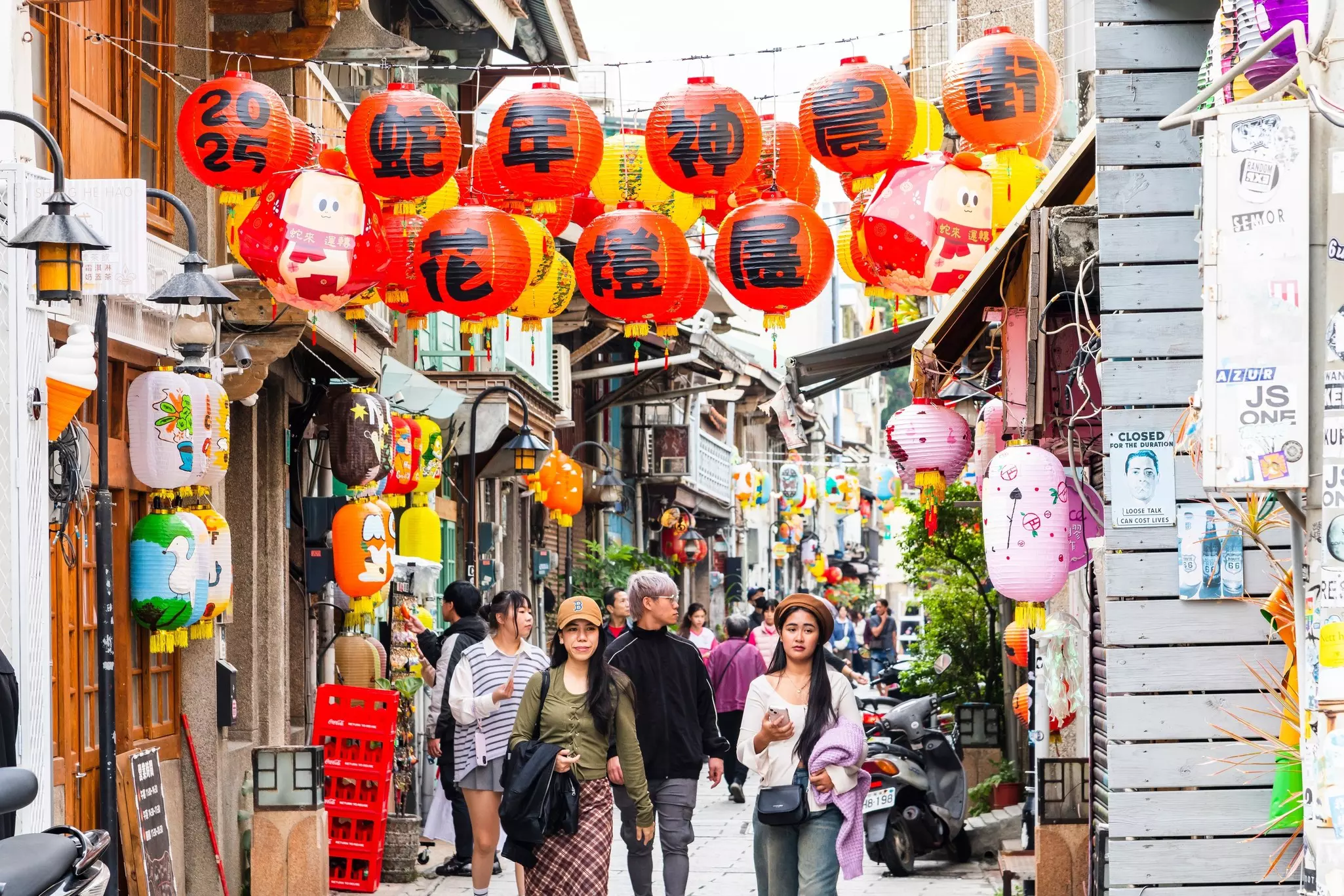
Urban Tainan has such a tight weave of attractions that you can take everything in on foot. Sights lie on the roads radiating from the Tang Te-chang Memorial Park roundabout. The National Museum of Taiwan Literature occupies a gorgeous Japanese colonial building, with the lively Altar of Heaven temple a short distance away.
Slightly further out are the Neoclassical Land Bank, the art deco Hayashi Department Store, the Tainan Art Museums, the red-walled Confucius Temple, and the City God Temple. Ambitious walkers can continue to the Great South Gate, Koxinga’s Shrine, Chihkan Towers, the Official God of War Temple and the Grand Mazu Temple.
Most sights listed here are free to enter. Fuel stops are liberally tucked into the city’s fabric and if you wear out your shoes, just hop on a shared T-Bike or a bus.
When to go: Autumn and winter when it’s cooler.
Getting there: Bus 2 from Tainan Train Station.
Pair with: Anping Fort and the delicious old streets surrounding it.
Island fun at its most varied
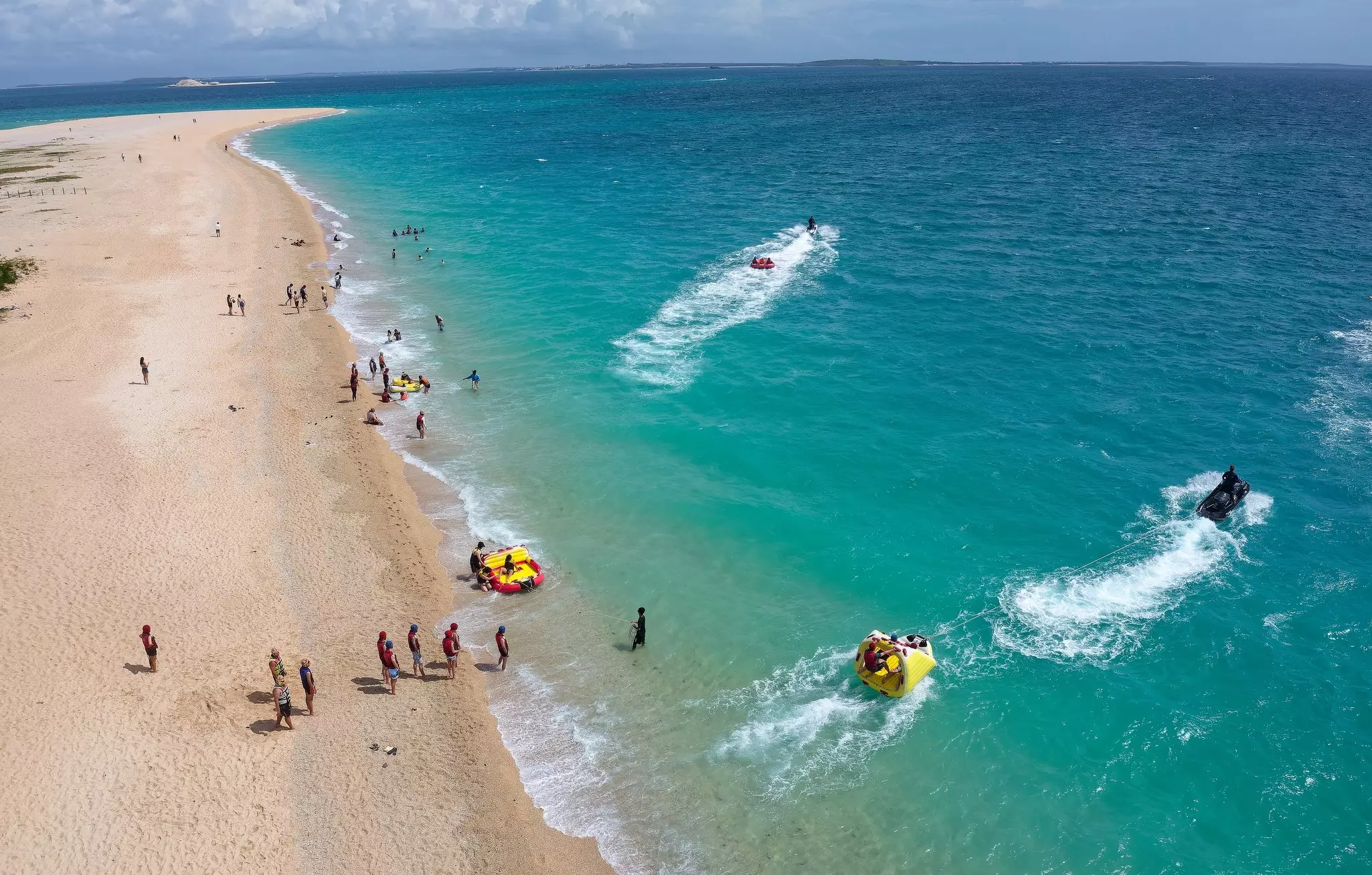
Taiwan’s outlying islands are truly unique: Kinmen and Matsu with their military relics and gaoliang distilleries; Xiaoliuqiu and its endangered green turtles; Green Island, the former political prison that’s now a diving hotspot; and breathtaking Lanyu, home of the Tao.
But it is the windy Penghu archipelago that lays claim to the most eclectic draws – pristine beaches, coastal villages, wind-scribed basalt, forts, temples, and the most glorious seafood, arguably, in all of Taiwan.
When to go: Spring and summer but if you’re into windsurfing, winter, when the islands become a world destination for the sport.
Getting there: By ferry from Tainan, Kaohsiong and Chiayi; flights from the same plus Taipei.
Pair with: A couple of days in whichever city you’re flying/sailing from.
Best vistas from a bike
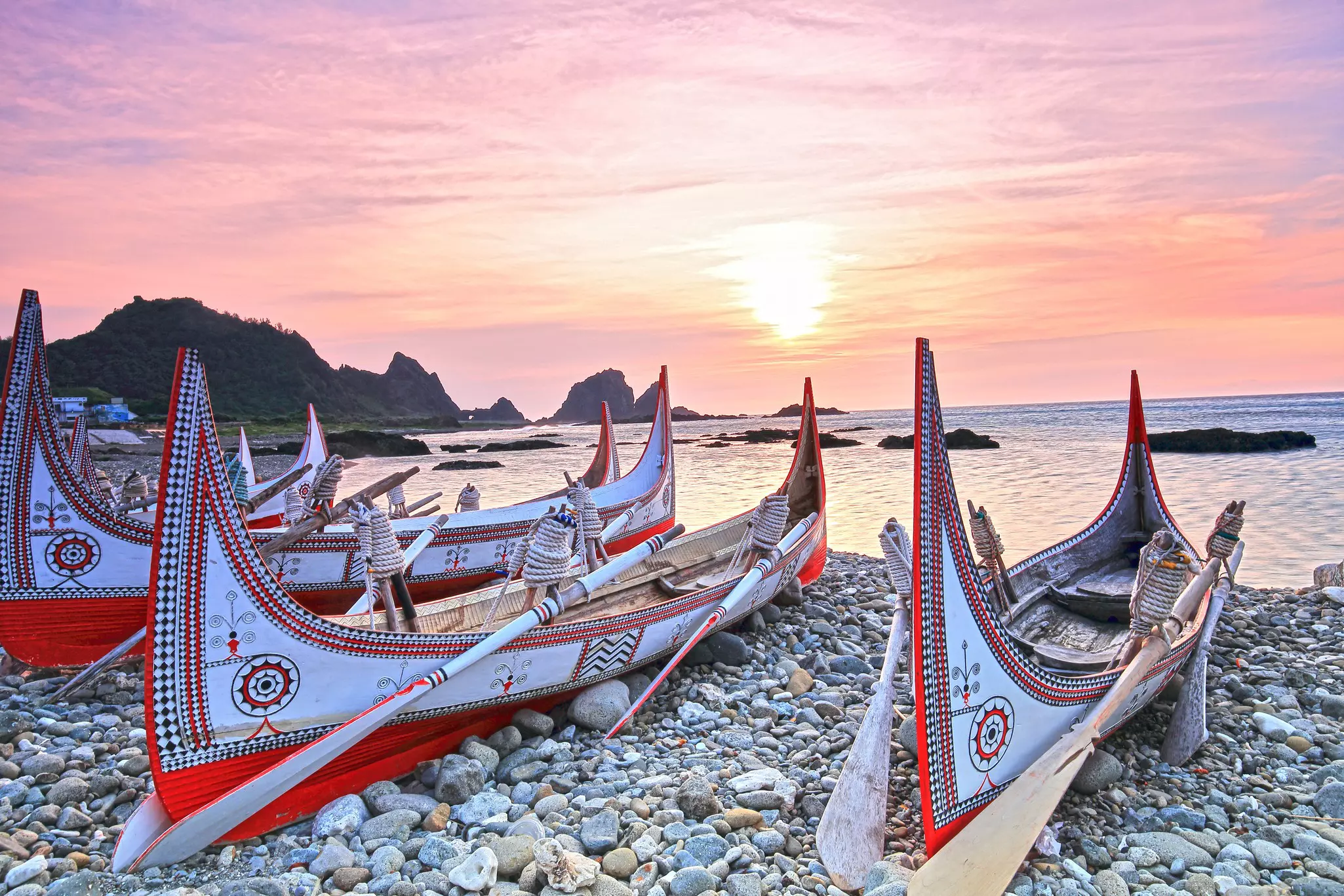
Cycling is Taiwan’s national sport, and enthusiasts favor the unspoiled east coast for multiday trips.
Love the sea? Follow the coastline along the Pacific Ocean between Yilan and Hualien, or Hualien and Taitung. The beauty is unparalleled, and you’ll pass fishing harbors and indigenous towns. Prefer mountains? Ride the East Rift Valley and watch cloud drama unfold over glistening rice paddies and hills of daylilies.
Summer on the East Coast sees an eruption of festivals of the Amis, Puyuma and Bunun people, celebrating harvests, coming of age and a deep love of music.
When to go: October to November, March to April; summer for festivals.
Getting there: Trains to Taitung; Taroko Express and Puyuma Express trains to Hualien.
Pair with: Town hop along the coast, making stops at the indigenous settlements of Dulan, Fengbin, and Chenggong.
Best for nature-aided relaxation
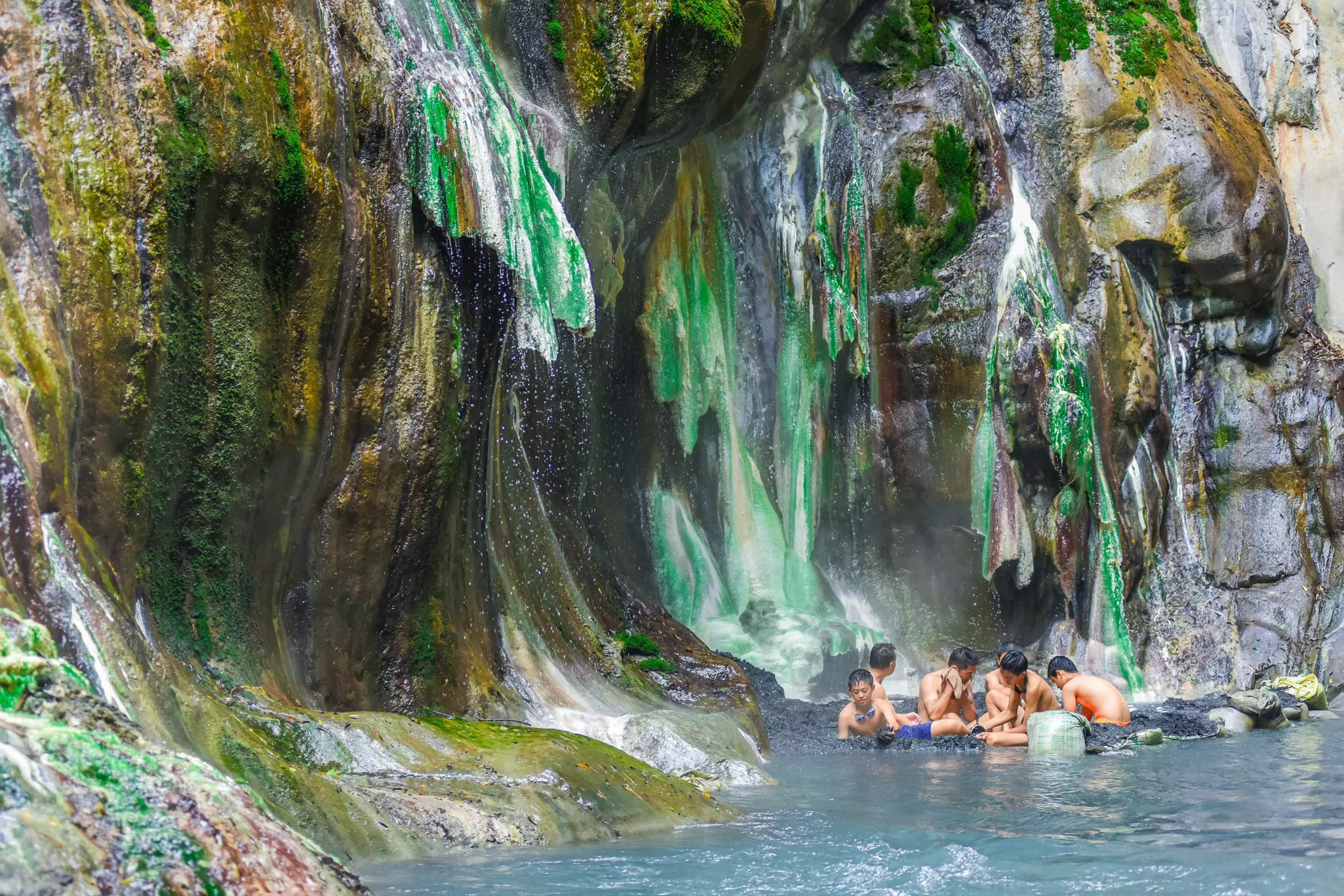
The many fissures of Taiwan’s mountainous terrain have birthed an abundance of spring sources that are hard to match anywhere on earth. Fans believe the waters are effective for a variety of health matters, including soothing muscles and cancer prevention.
If you like to soak in stone, wood or marble pools with mountain views, head to Beitou or Wulai. For wild impromptu dips, tread deep into valleys for a pristine spot like Lisong Hot Spring in Taitung or Bayan Hot Spring in New Taipei – where drones can capture fumaroles huffing and puffing above the pools. You can also make your way to Guanziling in Tainan for silky silt-heavy mud springs or to Green Island to soak in one of the world’s three seawater springs.
If you want to work a dip into a packed day, the onsen town of Beitou has the country’s only metro-accessible springs and these range from foot soaks to exclusive resorts like Villa 32.
When to go: Any time, but for wild springs, only the dry season (late Oct to early May) to avoid getting caught in a flood.
Getting there: Xinbeitou MRT Station for Beitou.
Pair with: A hike on Yangmingshan and a visit to the Beitou Hot Spring Museum.
Best thing to do on a rainy day
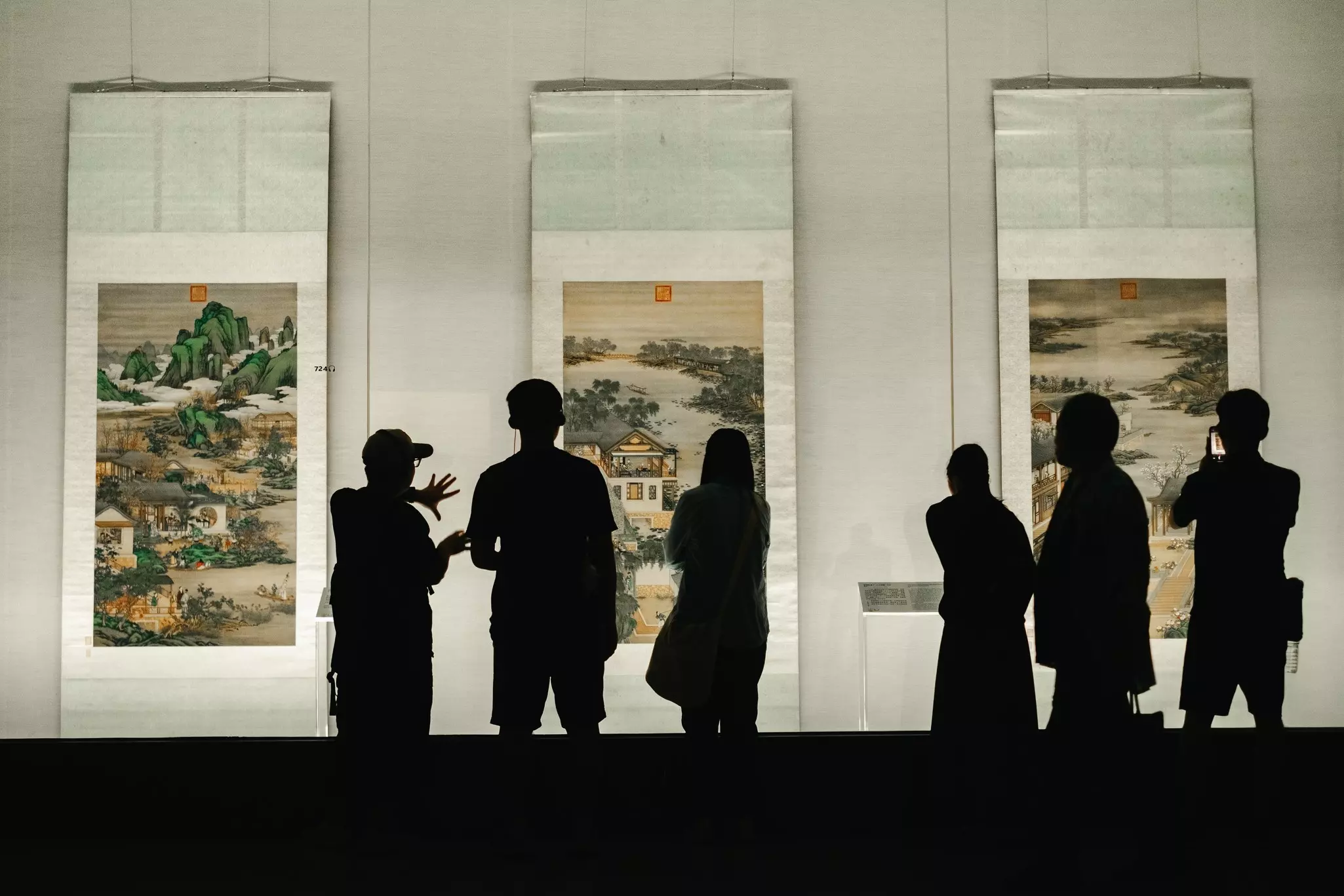
Taipei houses an impressive collection of dynastic Chinese artifacts, brought to the island by China’s retreating Nationalists in the years following WWII. With ancient jade, Ming vases, and Song paintings and calligraphy, the National Palace Museum is a must-visit for antique lovers.
Out of the nearly 700,000 pieces in the museum’s collection, only a fraction is ever on display at one time. An exception: the famous Jade Cabbage, which commands its own dedicated gallery.
When to go: Right at opening (9am) before tour buses arrive or after 3:30pm (or 5pm on days with extended hours) when most tour buses have departed.
Getting there: Buses R30 near exit 1 of Shilin MRT Station.
Pair with: Balance your perspective with a visit to the Shung Ye Museum of Formosan Aborigines across the road.
Best for political context
The National Human Rights Museum in New Taipei shows how far democratic Taiwan has come. The museum along with the Jing Mei White Terror Memorial Park occupy the site of former military courts and a detention center for political dissidents during the White Terror – a dark age (1949 to 1992) in Taiwan’s history marked by political violence and censorship. The museum’s sprawling branch on Green Island, a former penal colony, can be visited by booking a guided tour.
For another take on military history, head to Kaohsiung. The Alien Art Center, housed in a former hostel for young men departing for military service on the islands, has exhibits on that historical period. Though small, the center is also one of the country’s strongest contemporary art museums.
The Military Veterans' Village Museum in Zuoying shows how soldiers of the Chinese Nationalist Army and their families lived after their retreat to Taiwan in 1949. In a compound next to Taiwan’s largest naval base, the Story House of Naval Base Zuoying details Kaohsiung’s military heritage.
Nearby the high rises of the Guomao Community were where the veteran families were rehoused after the original villages were razed. Locals come here for the restaurants specializing in affordable and authentic Chinese regional cooking.
Getting there: Museum, by MRT to Dapinglin Station; Kaohsiung, by HSR to Zuoying Station.
When to go: Any time.
Pair with: For the museum, Bintan Scenic Area and Jingmei Night Market; for Kaohsiung, Pier 2 Art Center and Cijin Island.
The secret
Over a dozen derelict retro-futuristic homes evoking spaceships sit in Green Bay on Taiwan’s north coast. They are remnants of a holiday resort project gone south. These "UFO" units, as locals call them, are built in the style of Futuro and Venturo houses designed by Finnish architect Matti Suuronen, who sold the designs worldwide in the 1960s and '70s. It is not clear whether these units are imitations or the real deal.
To the north of the pods is an abandoned four-story resort hotel. If you manage to get in, you’ll see a large domed atrium, a gym with swimming pool, banquet hall, disco and all of the 250 guestrooms. Allegedly the hotel, belonging to a Taiwan resort chain, had opened in the 1990s and closed during the pandemic.
When to go: Daytime.
Getting there: Bus 1815 from Taipei City Hall to Green Bay.
Pair with: Yehliu Geopark, a 15-minute ride away on Keelung-bound Bus 790.
The surprise
Taiwan’s folk festivals are something else in terms of scale and spectacle. Attending one or part of one is an exhilarating way to experience the culture.
The nine-day annual Dajia Mazu pilgrimage sees hundreds of thousands escorting a palanquin with a statue of the sea goddess through 50 towns. The triennial, eight-day Burning of the Wang Yeh Boats (next set for 2027) in Donggang culminates with the immolation on the beach of a boat loaded with provisions for a journey. Thousands in helmets and hazmat suits (or not) place themselves willingly in the path of exploding fireworks at the blowout that is the Yanshui Beehive Fireworks Festival.
Visitors are welcome at these events, but bear in mind that being respectful is key.
When to go: Mazu pilgrimage, third lunar month; Boat Burning, autumn; Yanshui Beehive, spring.
Getting there: Train 2632 from Taichung goes to Dajia Temple where the pilgrimage begins; Bus 9127D from Zuoying HSR Station goes to Donggang; for Yanshui, train to Xincheng from Tainan then a brown line bus.
Pair with: Taichung; Huaqiao Fish Market in Donggang; the unusual Yanshui Catholic Church, and Yanshui Qiaonan Old Street with its Qing dynasty shophouses and famous eats.
Need help planning your next trip? Check out Lonely Planet Journeys to get connected to a local expert who can craft a custom itinerary for you.
Explore related stories