Aug 26, 202611 min read
Big Fish, the Northern Lights and the Quiet You Didn’t Know You NeededSponsored by
This article was paid for and produced with Hunt Fish Manitoba. Paid content is produced separately from Lonely Planet's editorial coverage. Product availability and terms are subject to change; please verify details directly with service providers.
Aug 26, 2026
11 MIN READ

Writer
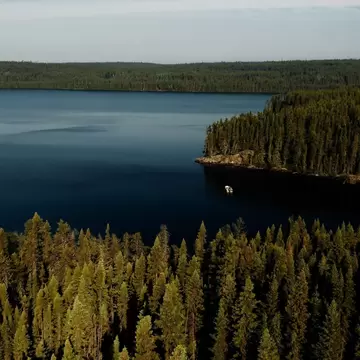
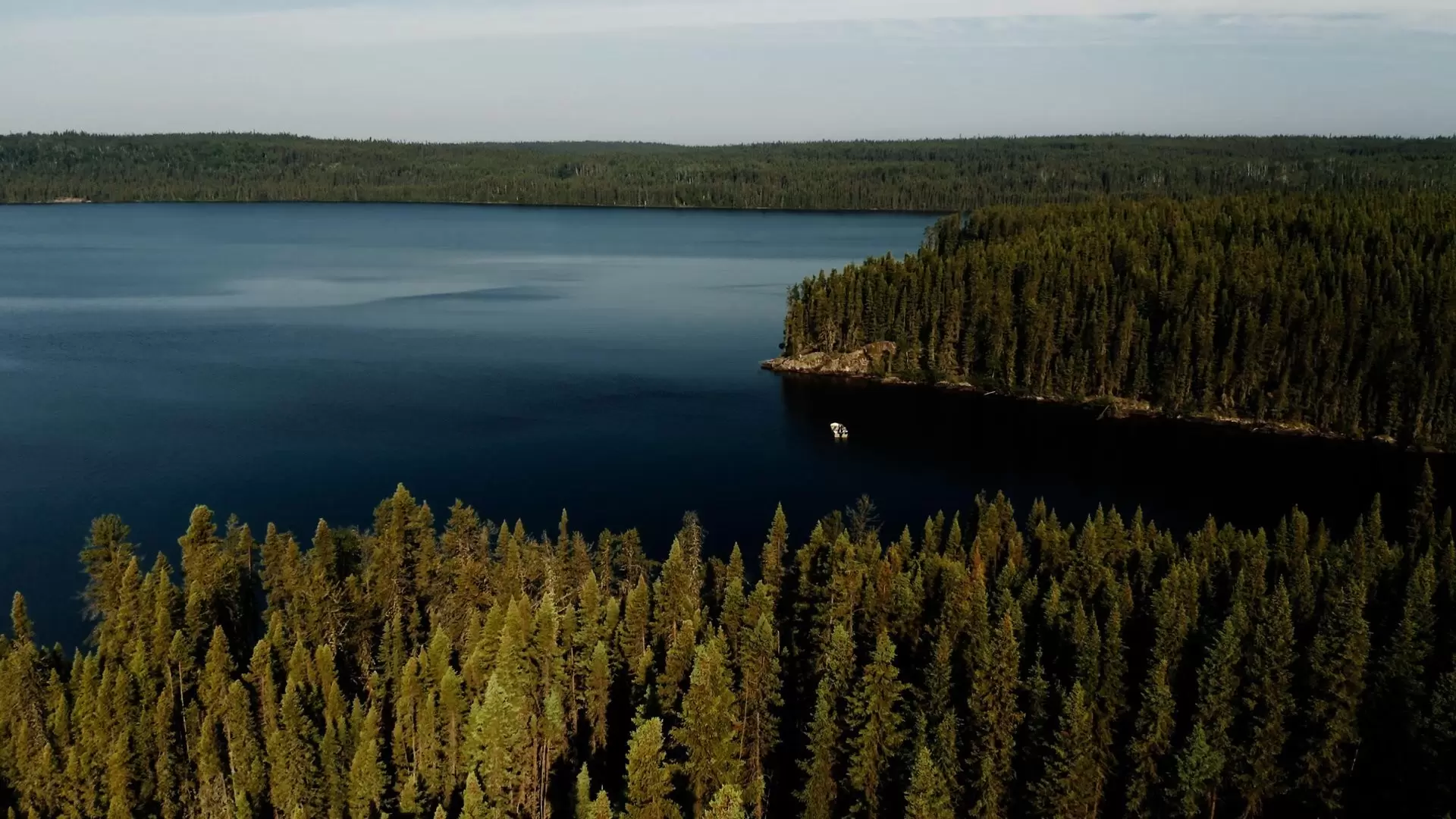
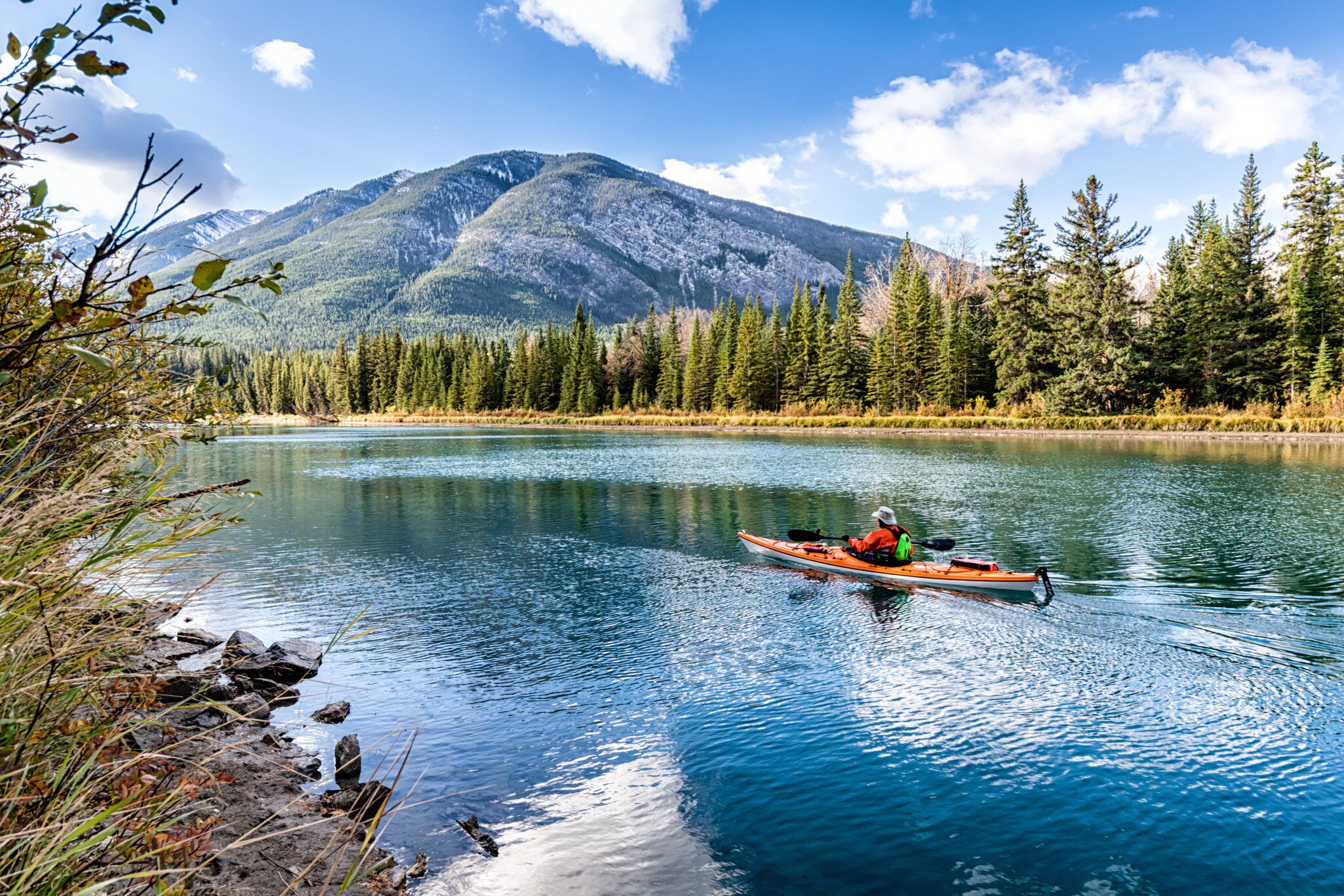
The Laurie River in Manitoba, Canada. @HuntFishMB
Writer
Highlights
Writer Taryn Shorr-McKee guides Manitoba's fly-in lodges, shore lunches and northern lights.
Beginners are welcome; fishing lodges provide guides, gear and fireside shore lunches.
Churchill, beneath the auroral oval, sees northern lights up to 300 nights a year.
For remote luxury and the aurora, head to Gangler's; for family-run tradition, try Eagle Nest.
When my husband returned from his first fishing trip to the Canadian province of Manitoba, he couldn’t stop talking about the fish. Not just their size, but the sheer variety of species – completely foreign to him as a Southerner: walleye, northern pike and lake trout all caught in the same trip. He shared vivid stories of shore lunches cooked over a campfire, floatplanes bound for remote lakes and nights spent watching the northern lights. He even went back a second time with a different buddy – because the experience was so memorable, it needed to be repeated.
That’s what makes Manitoba stand out. It’s not just a place you check off a list, it’s a place you return to. With more than 100,000 lakes and rivers, every trip is different and unforgettable, but they all have the same soul. Whether you’re pursuing a trophy catch, planning your first fishing-lodge adventure or simply looking for an unforgettable outdoor getaway, Manitoba delivers.
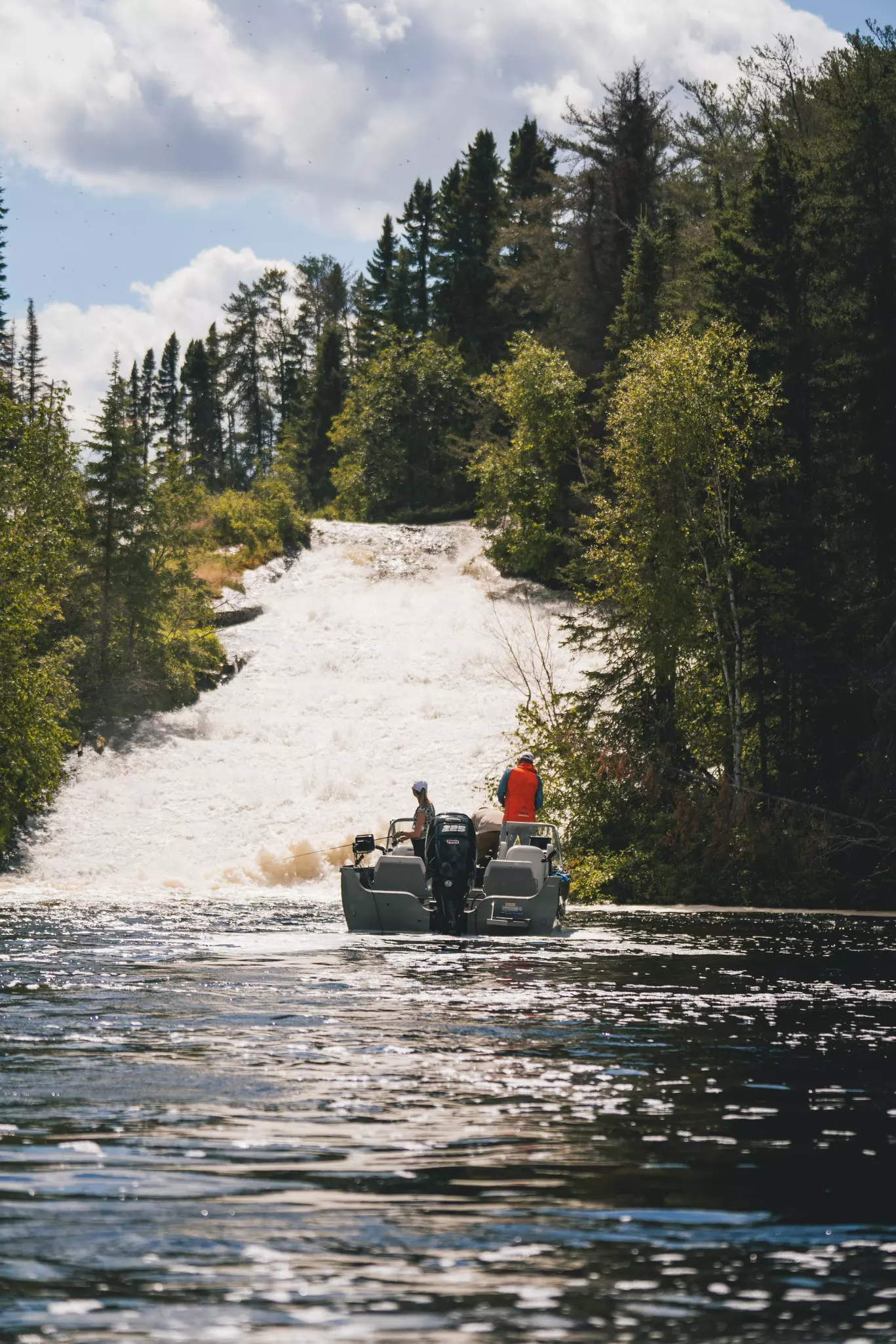
Manitoba fishing trips are about much more than the catch. Beyond the actual fishing, you’ll find delicious gourmet meals, wildlife watching, the aurora dancing across some of North America’s darkest skies and the relaxed rhythm of life at a remote lodge.
No. Complete beginners can book a Manitoba fishing trip and have a fantastic time. Fishing lodges in particular are ideal for beginners, providing a full-service experience with expert guides, hands-on instruction and gear rentals.
Manitoba shore lunches are exactly what they sound like. An open fire along the shore with a skillet full of walleye fresh from the water, sizzling along with onions and peppers. Anglers typically catch the walleye early in the day, securing a welcome lunch break for later. The combination of freshly caught fish cooked and served alfresco in the most stunning of surroundings is the experience you’re looking for. Expect your fishing outfitter or lodge to add unique twists, such as variations in fish preparation, breading, seasonings and different sides. You’ll have plenty of surprises, too, ranging from homemade tartar sauce to fresh veggies to chocolate chip cookies. Not only does a shore lunch provide a hearty meal – one you caught yourself – it’s also an opportunity to swap stories and talk afternoon strategy.
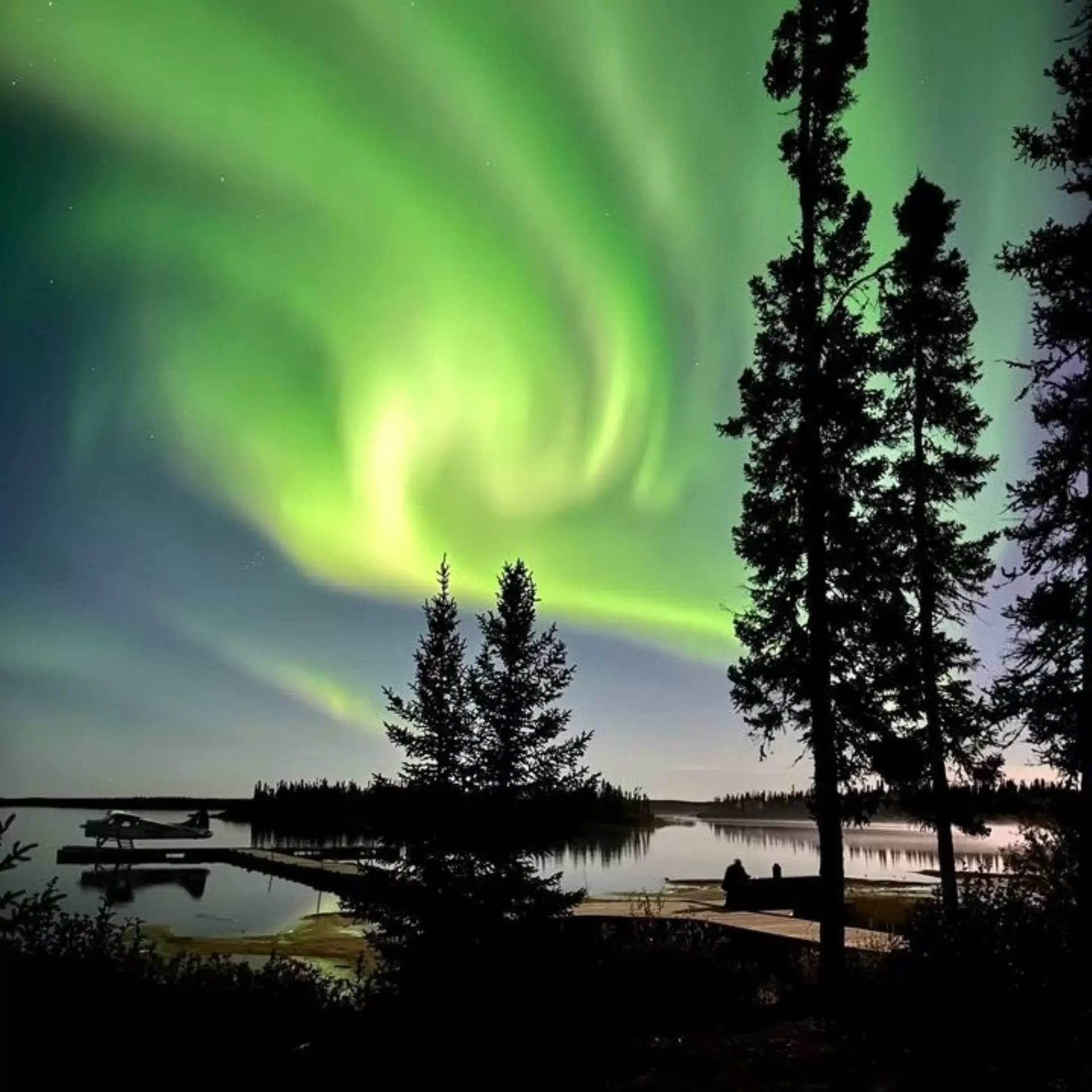
Churchill sits directly beneath the auroral oval, where the northern lights are active up to 300 nights a year, making it Manitoba’s most reliable viewing destination. (The 65 nights when they are not visible in Churchill are the epic summer months from June to the end of July, when the midnight sun is shining brightly.) The tiny Hudson Bay community known as the “polar bear capital of the world” has no roads, so visitors arrive only by train or plane. Though well off the beaten path, its remoteness means ultra-dark skies except in the summer. For the ultimate northern getaway, a package like the North Seal River Lodge & Churchill Experience offered by Gangler’s North Seal River Lodge pairs world-class angling with sub-Arctic exploration brilliantly .
But Churchill isn't the only place in Manitoba with aurora activity and ultra-dark skies. Elsewhere in the province (including at most fishing lodges), Riding Mountain National Park, Oak Hammock Marsh, and the northern towns of Thompson, The Pas and Flin Flon offer fairly regular opportunities to catch the dancing lights. Birds Hill Provincial Park is an accessible option near Winnipeg, though its proximity to the city’s lights also makes it one of the least reliable.
Manitoba has one official Dark Sky Place, Spruce Woods Provincial Park. Just over 2 hours from Winnipeg, it combines easy access, remarkably dark skies above the Assiniboine River, and mixed terrain including forest, prairie and sand dunes (which inform park’s nickname, “Spirit Sands”).
Popular Riding Mountain National Park and Whiteshell Provincial Park are also excellent options. For a quieter experience, Duck Mountain Provincial Park offers similarly dark skies, boreal forests, pristine lakes, and excellent fishing with far fewer summer crowds. Of course, Northern Manitoba (home of Churchill) also ranks among Manitoba’s best night-sky destinations.
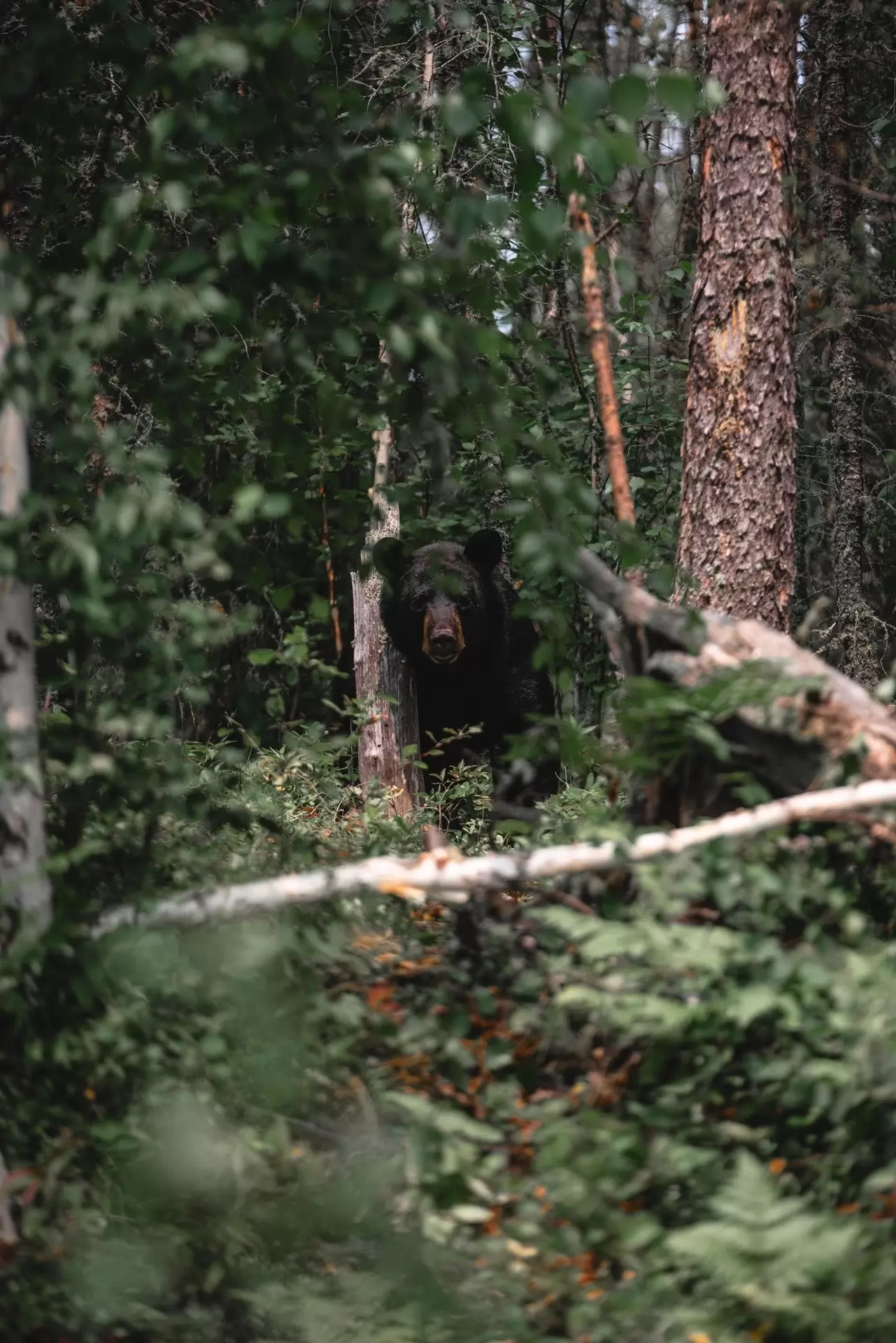
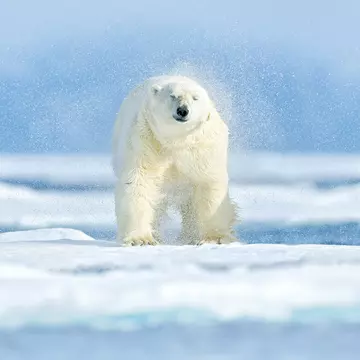
Manitoba fishing lodges are generally in remote wilderness areas, so wildlife is abundant. Common sightings include black bear, moose, deer and wolves. The region is also a world-class birding destination: positioned right on the Central and Mississippi Flyways, the skies and waters are filled with millions of migratory birds and waterfowl, including bald eagles, ptarmigan, snow geese and swans. In the far north, guests can see polar bears and beluga whales.
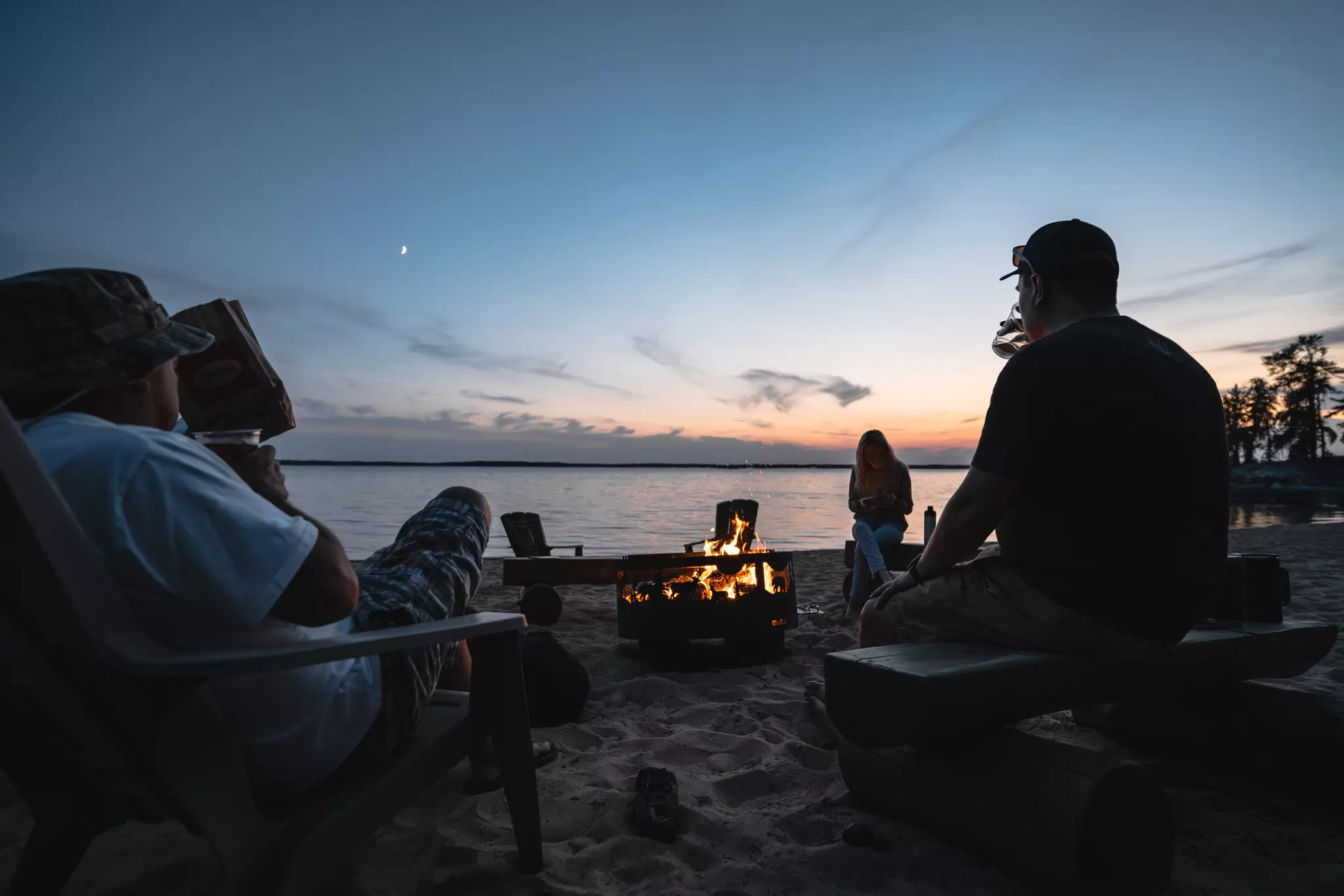
My husband won’t stop talking about this. Sitting around a fire outside the lodge hours after the group packed up their rods for the day, he watched the northern lights stretch across the horizon. It wasn’t the first time he’d seen them – but he describes it as his most memorable sighting because of how vibrant and visible they were and how quiet it was. There wasn’t a big crowd of photographers or aurora chasers; it was just a few friends enjoying the show.
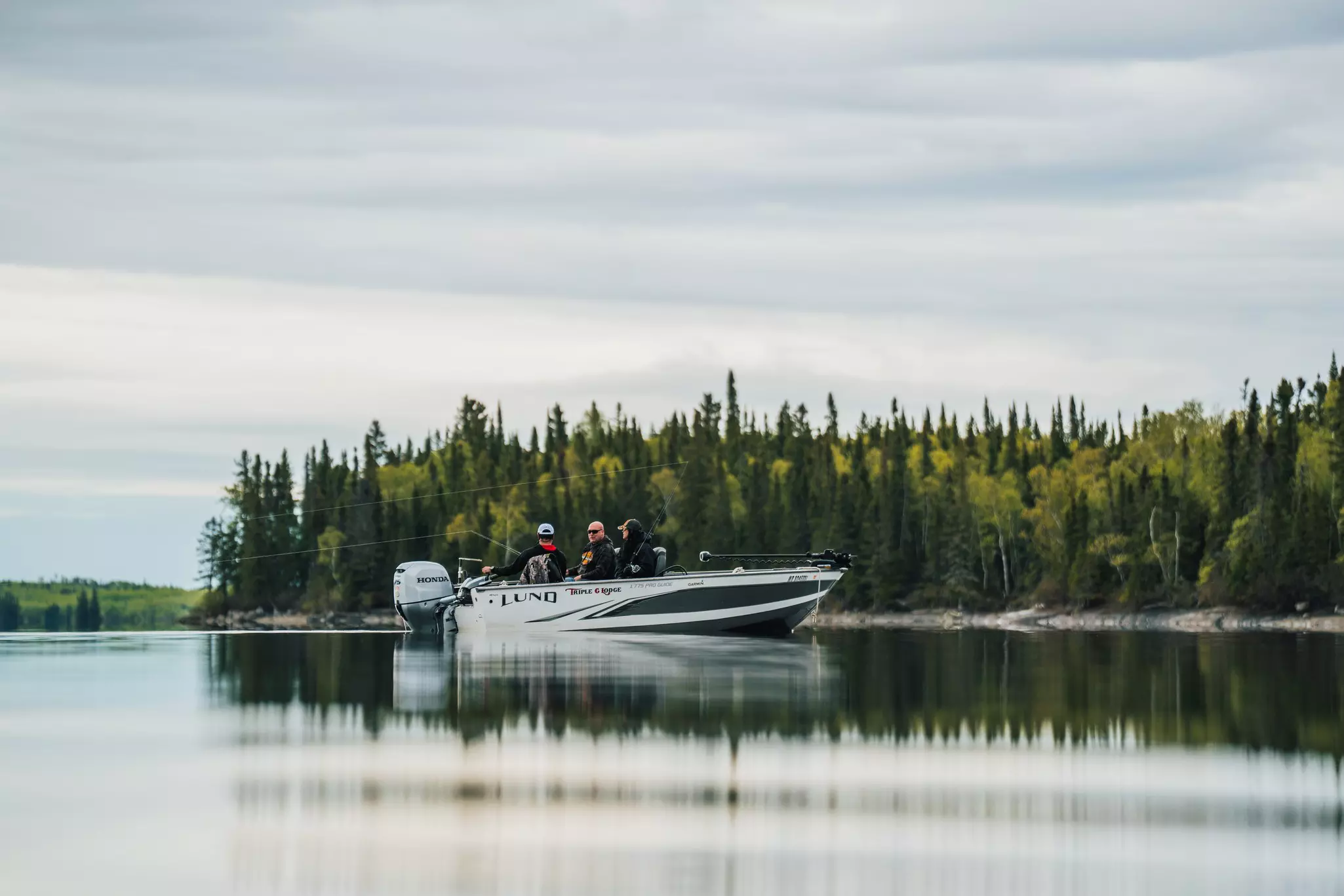
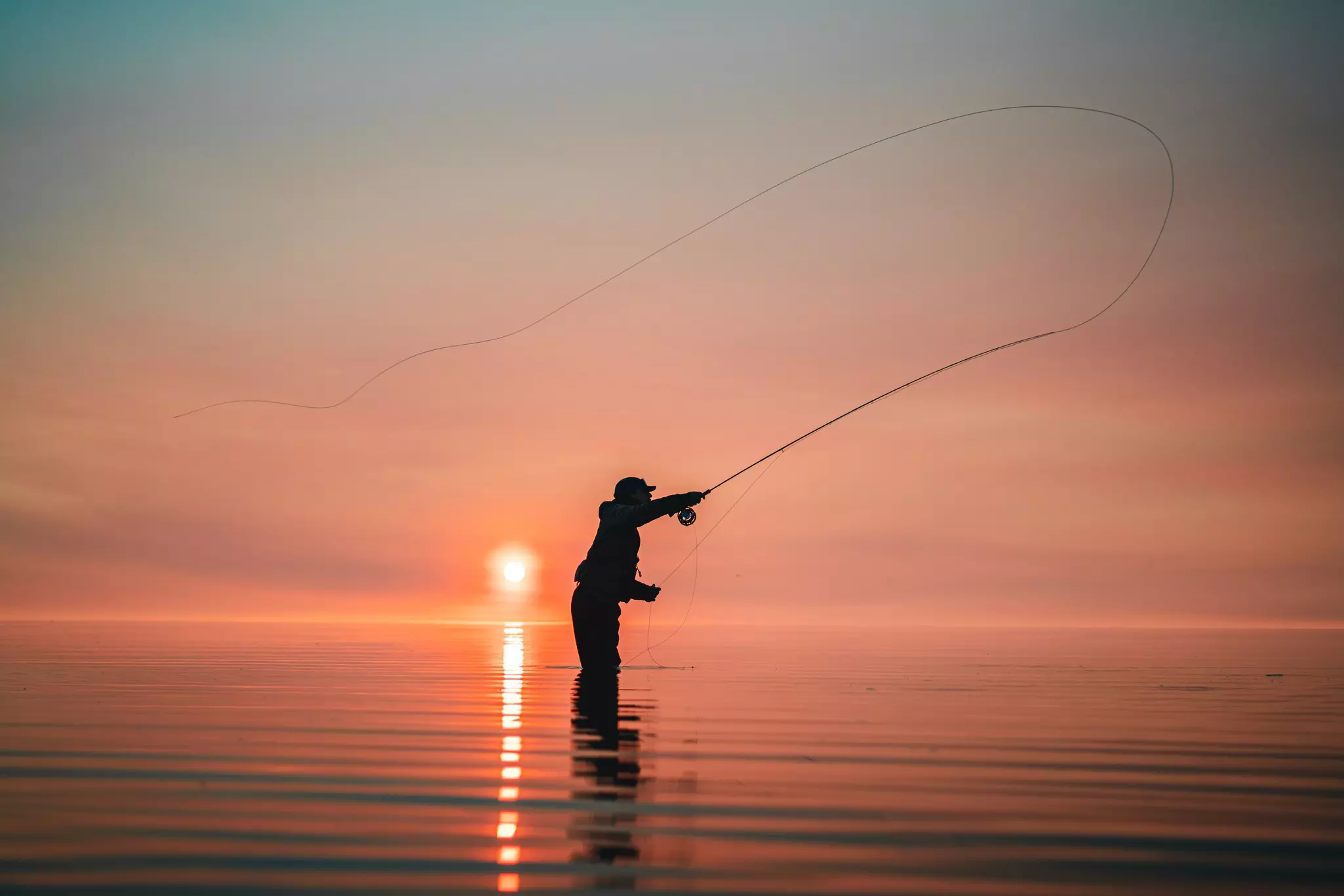
Fishing in Manitoba comes with serious bragging rights and some healthy competition. The province’s Master Angler program is the oldest trophy-fish recognition program in North America (established in 1960), honoring anglers who land trophies across 30 species. It encourages people to pursue multiple types of fish and fisheries they may not typically visit. Over 95% of qualifying catches are released, reflecting Manitoba’s commitment to ethical, sustainable fishing. If you’re lucky enough to reel in a qualifying walleye, northern pike, lake trout or other type of trophy, you’ll become part of a decades-long angling tradition.
Most adult anglers need a Manitoba fishing license. They’re available as 1-day or annual licenses for Manitoba residents, other Canadian residents and international visitors, with single-day nonresident licenses starting at 26 Canadian dollars and annual nonresident licenses starting at $69. Youth under age 16 are exempt or have different requirements. And while your Manitoba fishing lodge will know the details, regulations and catch limits vary by species, so it’s smart to verify the latest rules before your trip.
Best for travelers who want a classic, all-inclusive angling experience set against the backdrop of an iconic wilderness setting on God’s Lake.
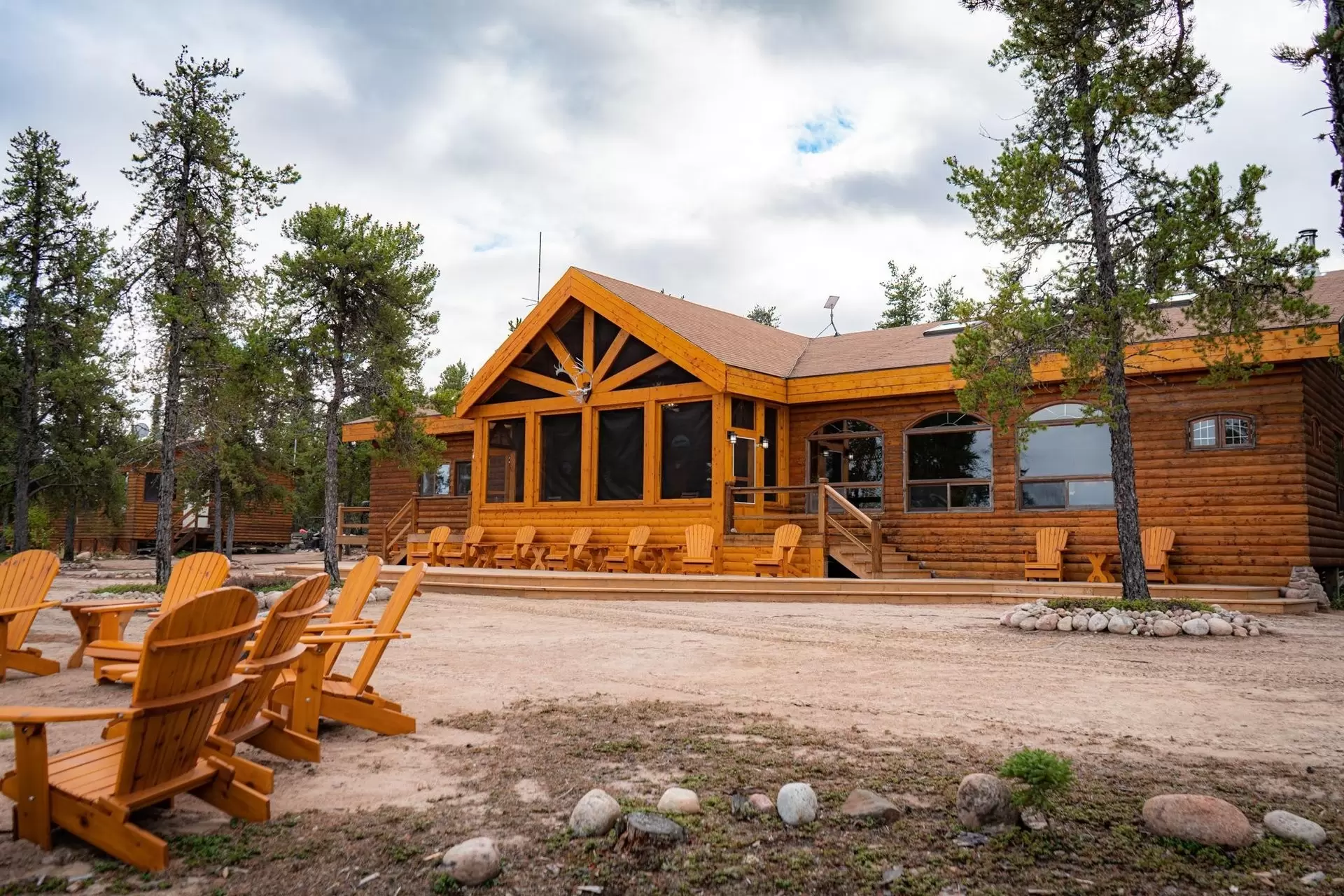
Set on the south shore of God’s Lake in remote northeastern Manitoba, Elk Island Lodge delivers the quintessential Canadian fishing trip. The seventh-largest lake in the province is renowned for its deep, crystal-clear water – cold enough to produce trophy lake trout all season – while its shallower bays hold healthy populations of walleye and northern pike. The outlet into God’s River is equally famous for massive brook trout. At the lodge, unwind with a cocktail at the wood-paneled bar, soak in the hot tub or swap stories around the stone fireplace before retreating to your private cabin. When you’re ready for a break from casting, paddle a canoe in search of wildlife or walk to the area’s historic mine site, which produced gold and silver ore in the 1930s.
Best for travelers who want a luxury experience and northern lights in the most remote sub-arctic wilderness
Located on Egenolf Lake in far northern Manitoba, Gangler’s offers a true fly-in wilderness escape, 386km from the nearest (dirt) road and with access to over 2.5 million hectares of stunning lakes and waterways. The remote setting, combined with multiple outposts and fly-out lakes, creates exceptional fishing opportunities, from trophy walleye and northern pike to the rare chance to cast for Arctic grayling. The landscape is just as memorable, with ancient sand eskers and glacial erratics. Limited to 26 guests per week, the lodge delivers a highly personalized experience with luxury accommodations, exceptional meals featuring Manitoba specialties, and guided adventures beyond fishing, including mountain biking and rafting. In late summer, combine your stay with a Churchill visit to see polar bears, beluga whales and the northern lights.
Best for travelers who want family-owned five-star comfort and legendary shore lunches without sacrificing wilderness
Owned and operated by the Enns family, Kississing Lake Lodge pairs upscale comfort with some of northern Manitoba’s most productive waters. Lake trout is the star here, but anglers also target walleye and northern pike; 100-fish days aren’t unheard of. Between outings, retreat to private lakeside cabins or gather around the soaring 8m stone fireplace in the chalet-style lodge. For an unforgettable side trip, book a one-day fly-out to fish a remote lake accessible only by float plane. In early fall, the Northern Lights & Trophy Bites experience combines world-class fishing with evenings beneath the auroral oval. Travelers seeking a more rugged, DIY wilderness adventure can stay at one of the lodge’s nine fly-in outposts on private lakes. While self-serve, each outpost includes transportation, boats, unlimited fuel, full furnishings and a midweek check-in.
Best for travelers who want to experience a family-owned legacy in the Canadian Shield and access to smallmouth bass.
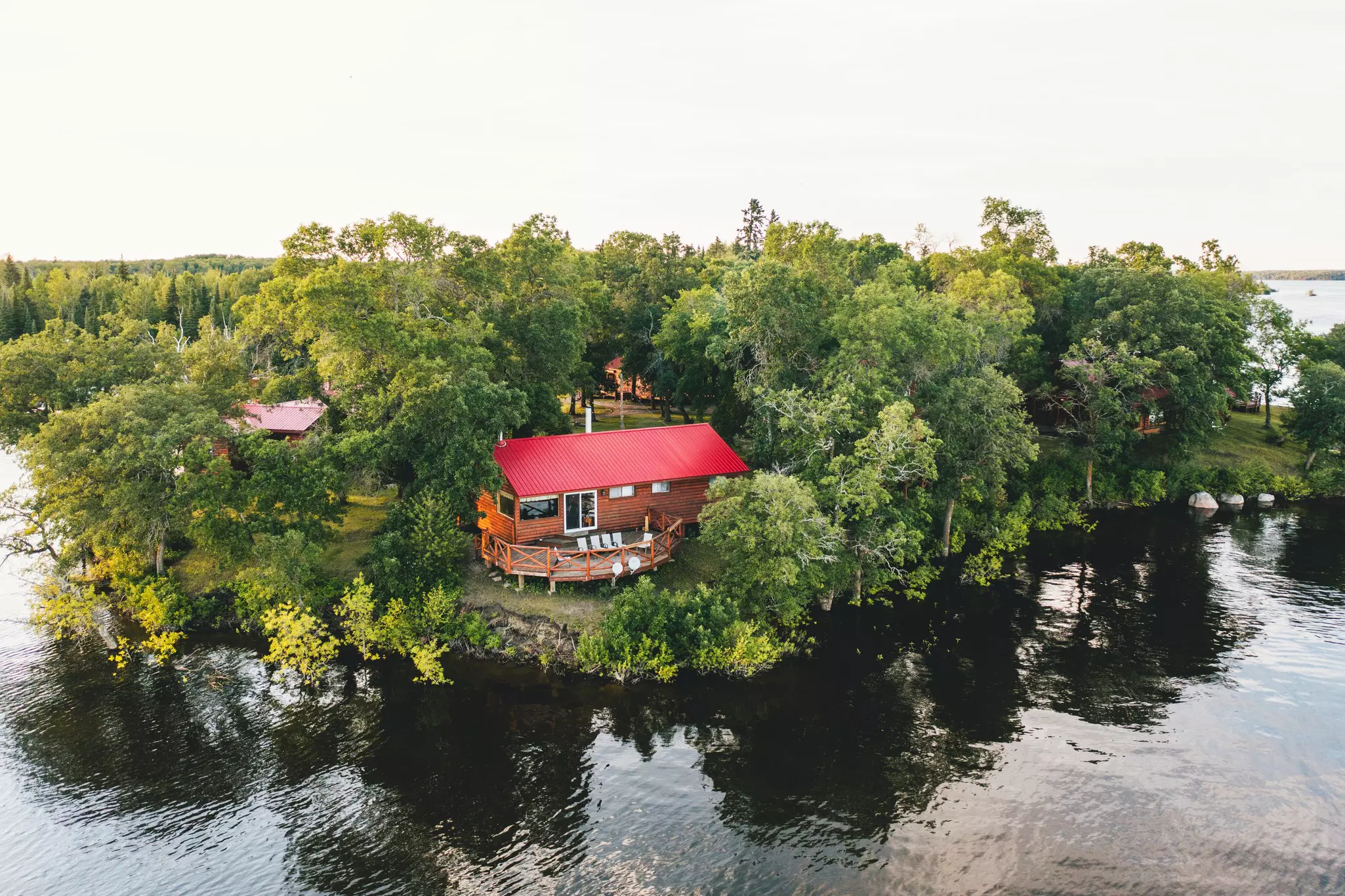
Welcoming anglers for over 60 years, Eagle Nest Lodge continues its proud tradition as a family-run destination. The property sits on a stunning stretch of the Canadian Shield, offering a picturesque, rocky and unique landscape. The site was formerly used as a fur-trading post by the North West Company and overlooks the Winnipeg River in Whiteshell Provincial Park.
The interconnected river system supports walleye and northern pike, but this is also one of the few Manitoba fishing lodges offering smallmouth bass as a target species. Despite being less than 3 hours from Winnipeg by boat or floatplane, the 40-guest lodge feels wonderfully remote, with ultra-dark skies overhead. Hospitality shines here, with coffee delivery to individual cabins each morning, three-course gourmet dinners, and creative shore lunches that go beyond traditional (walleye tacos, anyone?). Extras like a gym and an optional fly-out golf day round out the experience.
Best for travelers who want an accessible, high-end wilderness escape with exceptional walleye fishing
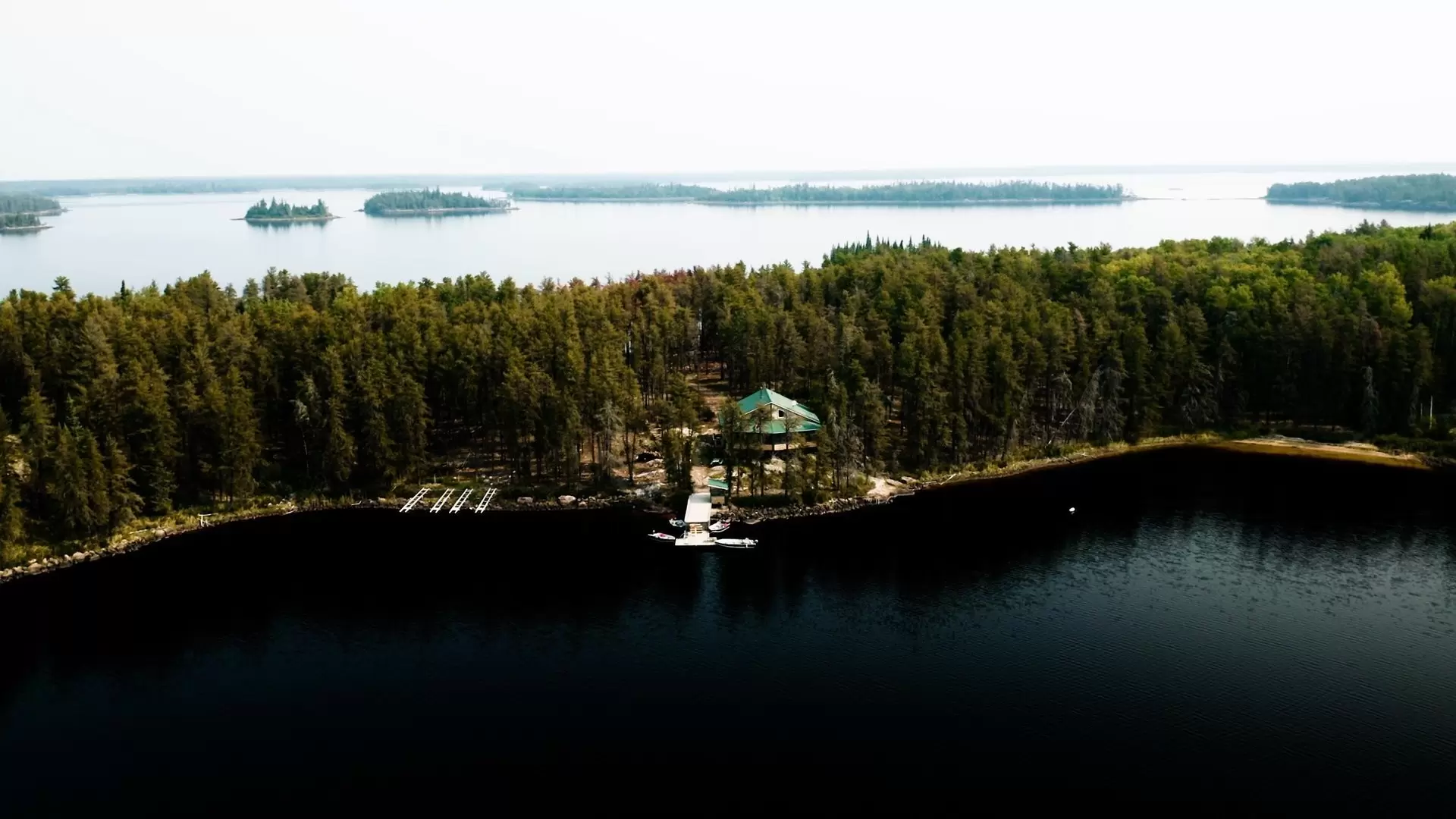
Within Atikaki Provincial Wilderness Park, part of the Pimachiowin Aki UNESCO World Heritage Site, Aikens Lake Wilderness Lodge offers a relaxing wilderness experience without extreme logistics.
After a 1.5-hour shuttle from Winnipeg and a 30-minute floatplane ride, guests arrive at a full-service lodge on a sandy beach, with white pinewood suites, luxury chalets and exemplary cuisine. Known for its abundance of big fish, Aikens’ fishery produces countless Manitoba Master Anglers. World-class walleye, northern pike and lake trout are among many species available. Guests who prefer a more DIY style can opt for the more remote guided mini-lodge or private Lost Lake Outpost. At any location, if you like a bit of a kick, request the signature Aikens Lake Cajun Spice for shore lunch.
Dress in layers and pack thermals, gloves, sun protection and rain gear – Manitoba weather can throw anything at you, and it changes quickly, even in summer. Of course, bring your favorite rods, reels and lucky tackle, but don’t worry if you forget something; fishing lodges have well-stocked gear shops and can help fill in any gaps.
Should I tip my fishing guide?
Yes. Bring cash to tip not only guides, but also pilots and lodge staff.
When is the best time to go fishing in Manitoba?
The fishing season typically runs from late spring through early fall, with peak conditions June through September.
Do I need to bring my own fishing gear?
You can bring one or two of your favorite rods and reels, but many lodges rent these, along with tackle. Keep in mind that floatplanes often limit guests to around 23kg of personal gear. Pack rods in protective tubes, and keep their length under 1.8m when possible.
Are special lures required for fishing in Manitoba?
Manitoba regulations require barbless hooks throughout the province. Ask your lodge or guide about specific requirements for your target species before your trip.
Book your Canada trip with Lonely Planet Journeys
See Canada how it's meant to be seen
Accommodations, activities and ground transportation all taken care of, so you can focus on the fun part. Tell us what your dream trip to Canada looks like, and our local experts will build it from scratch. Or start with one of our itineraries and make it your own.

Explore related stories