Sep 23, 20265 min read
5 of the Best Lūʻau in Oʻahu, HawaiʻiSep 23, 2026
5 MIN READ

Writer
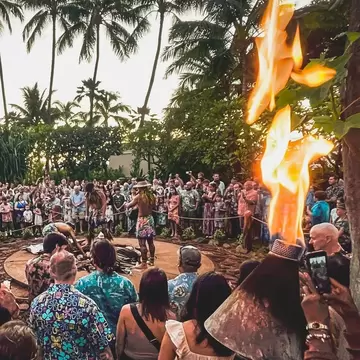
Visitors gathered around the imu at a lūʻau in Oʻahu, Hawaiʻi. RozenskiP/Shutterstock

Writer
Lonely Planet may earn a commission from affiliate links on our site. All recommendations and reviews reflect our own independent opinions.
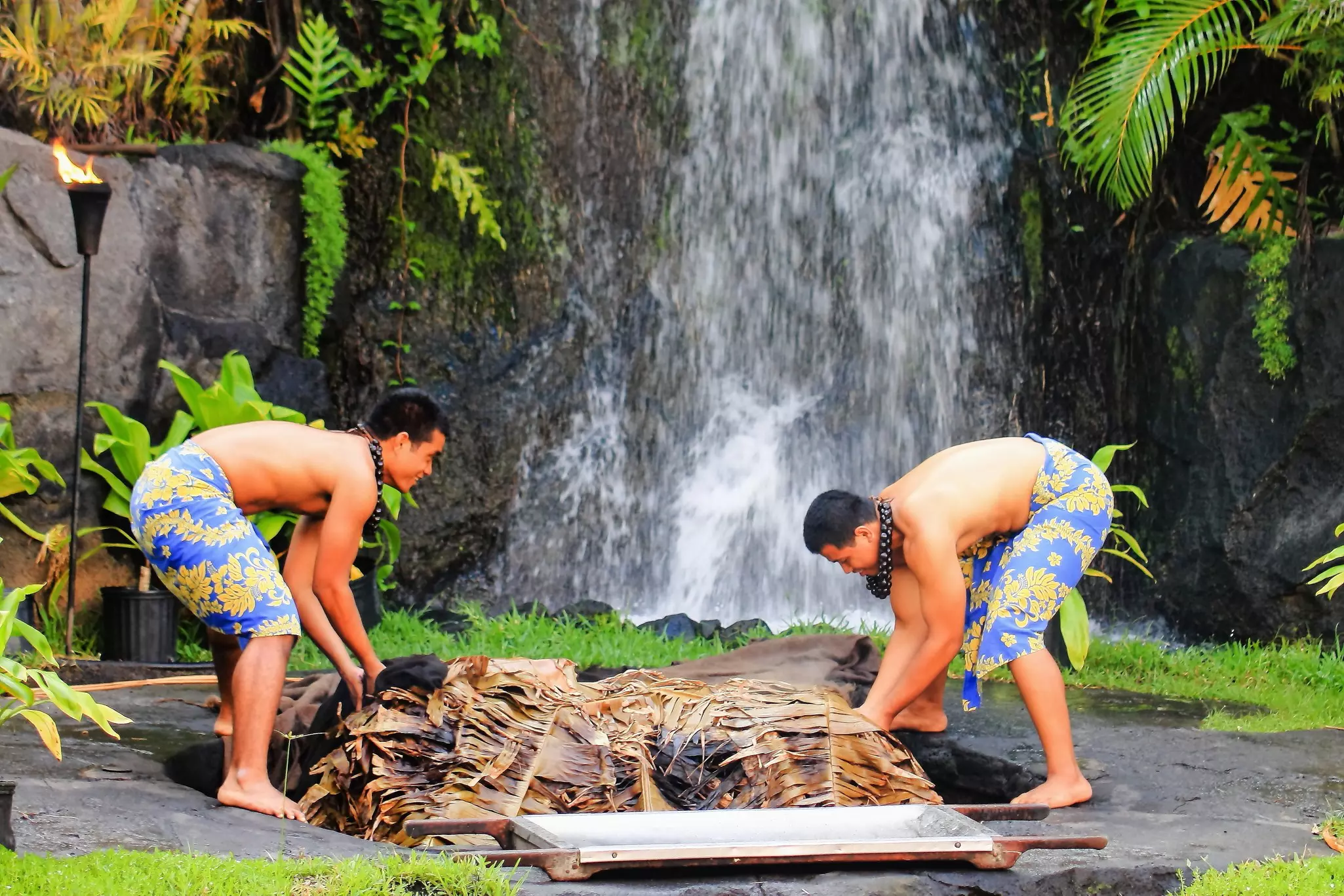
A lūʻau, a traditional Hawaiian feast of sorts, is a quintessential experience on a trip to Oʻahu, Hawaiʻi. Known for hula dancing, fire knife dancing, and a whole kālua pig pulled out of an underground oven, lūʻau date back to pre-colonization Hawaiʻi and are still an important cultural part of both the visitor and local experience today.
For centuries in ancient Hawaiʻi, men and women weren’t allowed to eat together. But that all came to an end when King Kamehameha II came to power in 1819. To celebrate this desegregation, he threw the first-ever lūʻau, which at the time was called a pāʻina (small dinner party) or ʻahaʻaina (feast or banquet). The name “lūʻau” (which is both singular and plural) is actually the name of a dish served at the feast, and it came about as an alternative name for the celebrations in the 1850s, in large part thanks to commercial advertisers adopting the term.
Today, lūʻau are still an important part of Hawaiian and local culture. It’s a must-do visitor experience, with thousands of tourists enjoying a cultural evening of sorts. And it’s also an important element of local life, with some families holding backyard lūʻau, complete with the imu-cooked (underground oven-cooked) whole kālua pig and traditional Hawaiian side dishes like poi (pounded taro) and laulau (bundle of protein steamed in taro or ti leaves).
Odds are, there will be a few unfamiliar foods at any given lūʻau. You’re welcome to eat them as you please, but there are a couple of things to note. First, poi, the purple paste made from pounded taro, is meant as almost a condiment for other traditional Hawaiian dishes, rather than a pudding. Use it as a topping on kālua pig or laulau.
Speaking of laulau, the ti- or taro-leaf wrapping isn’t meant to be eaten. Enjoy the tender, steamed protein inside, whether it’s chicken, pork or fish, instead, and leave the leaves behind.
You will need to make a reservation at any lūʻau you hope to attend. The most popular ones can sell out weeks in advance, so you’ll need to plan ahead.
There are typically three main aspects to a visitor-focused lūʻau: the cultural activities, the food and the performance. The cultural activities often begin right when you walk through the entrance with a lei greeting and continue with opportunities for poi pounding, kapa cloth printing, temporary kakau tattoos and more.
From there, things will ease into a meal, usually featuring island-inspired or traditional Hawaiian dishes and served buffet-style. While most lūʻau today don’t have a whole imu-cooked pig anymore, kālua pig is always on the menu.
Last but not least, there’s the entertainment, which nearly always includes hula dancers and fire knife dancers. Sometimes this is set up as a showcase of sorts, but other times the performances are woven together into a cohesive story.
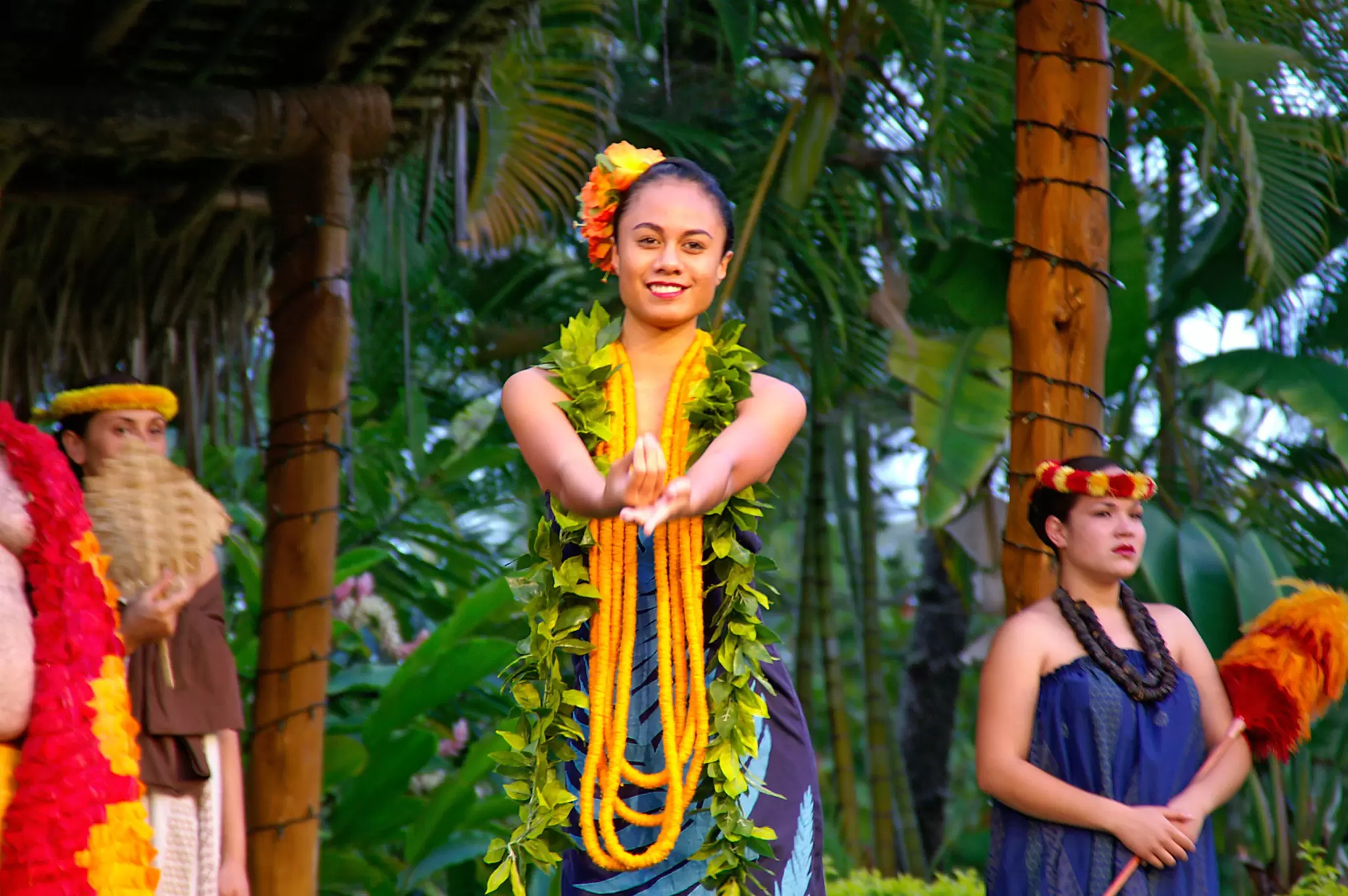
When you walk into a lūʻau, there’s a good chance that you’ll be greeted with a lei, whether it’s one made of orchids, shells or kukui nuts (candlenuts). To be respectful, make sure that you accept the lei and keep it on. It can be considered rude to refuse it or take it off in front of the person who gave it to you.
There’s rarely a dress code for a lūʻau, but why not go all out and embrace the theming? Most tourists will opt to wear aloha wear – what visitors call “Hawaiian shirts” – known for their distinct floral patterns. But skip the kitschy options and dress in the more subtle, local-style prints, like from Rix Island Wear, Alohiwai and Kahulalea.
$
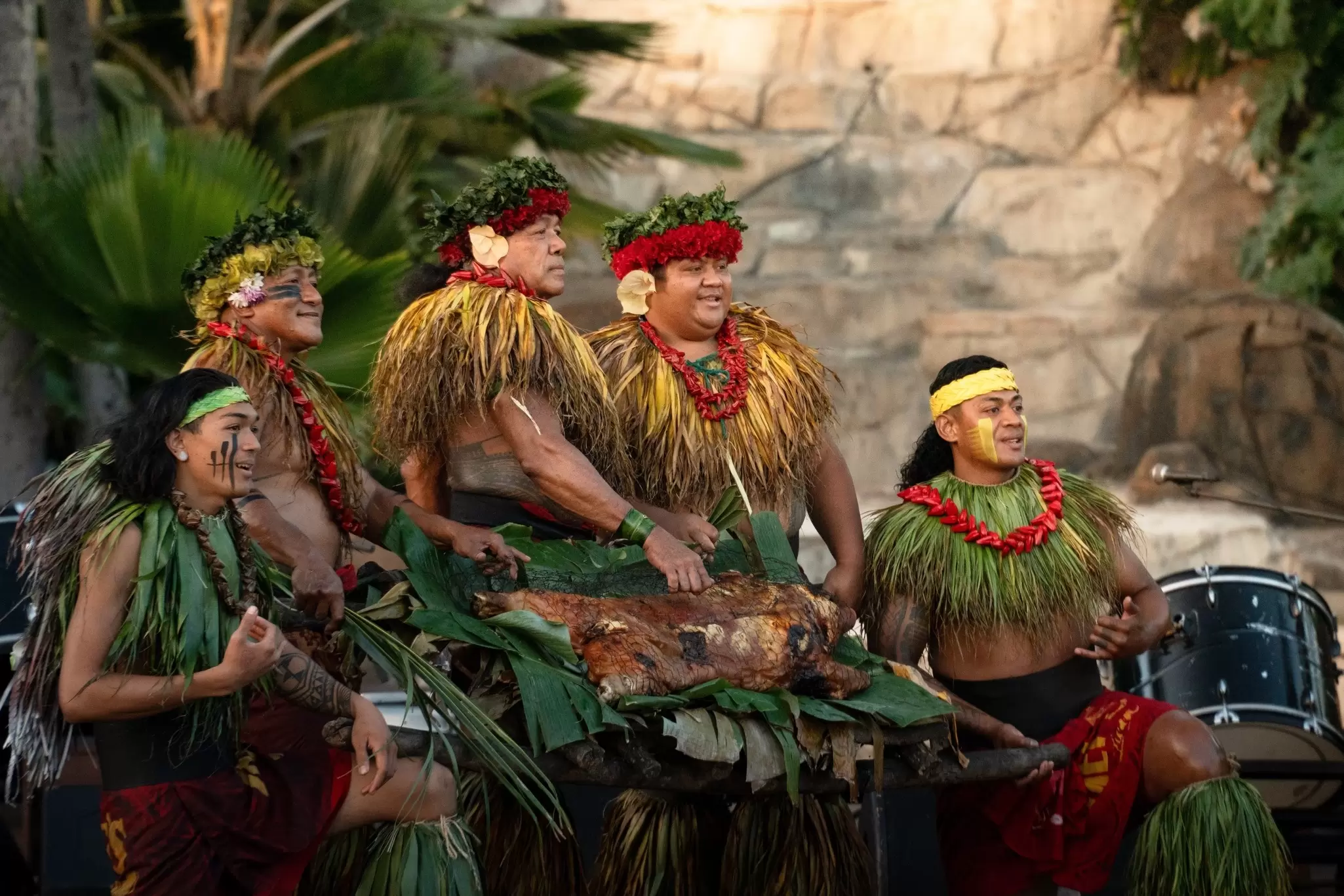
Tucked away in Waimea Valley, this Native Hawaiian-owned and -operated lūʻau weaves traditional Hawaiian and Polynesian ties throughout the experience. Watch a whole kālua pig get pulled out of the imu and stare in awe at the fire knife dancers. Your ticket also grants you free entry to the beautiful Waimea Valley, outside of your visit to the lūʻau itself.
$$
Experience Nutridge is another great Native Hawaiian-owned lūʻau, just 20 minutes' outside of Waikīkī. While many lūʻau have hundreds of guests, Experience Nutridge keeps things intimate with typically between 50 and 70 people per evening.
$$$
Disney is the master of kid-friendly experiences, and so it’s no surprise that the expertise extends to the Ka Waʻa Luau at its Aulani hotel. Kids – and adults – will stay entertained the entire time, with cultural activities like taro pounding and temporary kakau tattoos, visits from Disney characters, and a Broadway-worthy show centered around a Hawaiian legend. Even food-wise, kids are prioritized, with personal bento-boxes (the adults enjoy a delicious island-inspired buffet).
$$$
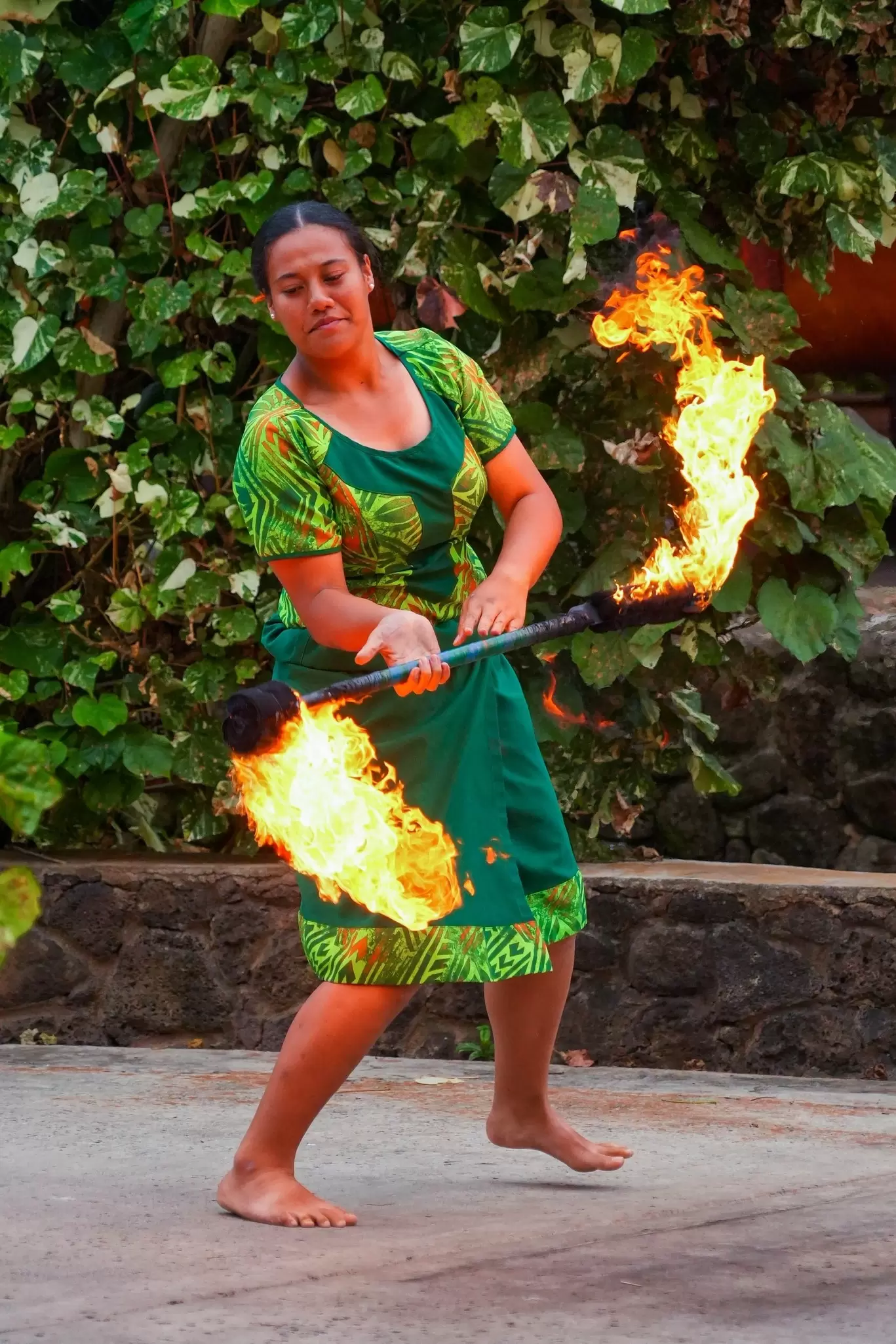
During the day, the Polynesian Cultural Center is a living museum of sorts with “villages” representing six Polynesian islands, including Hawaiʻi, Tonga, Tahiti, Samoa, Fiji and Aotearoa (New Zealand). Then, each evening, the center puts on both a captivating lūʻau and the Broadway-esque HĀ: Breath of Life show.
$$
Replacing the famous but now-closed Paradise Cove Luau – and taking on many of its performers and employees – the Hawaiian Council-created Kaula Luau fills the gap left by arguably the best lūʻau on the island with ease. Right on the Ko Olina oceanfront, Kaula Luau is making its mark with fire dancing and net throwing, catamaran cruise add-ons and unbeatable sunset views.
Explore related stories