Mar 28, 20268 min read
9 of the Best Places to Visit in the NetherlandsJun 27, 2025
7 MIN READ
Writer
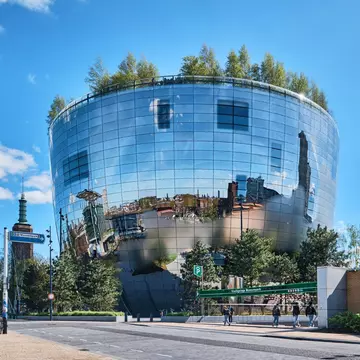
Depot Boijmans Van Beuningen, the storage facility for Museum Boijmans Van Beuningen, in Rotterdam, the Netherlands. BERK OZDEMIR/Shutterstock

Writer
Highlights
Writer Catherine Le Nevez maps 11 Dutch experiences, from tulip fields to Trappist ales.
Captain an electric boat on Amsterdam's canals, then count Kinderdijk's 19 UNESCO-listed windmills.
Cycle the Bollenstreek's tulip fields in spring, or seek Van Gogh at Hoge Veluwe's Kröller-Müller.
Foodies should taste Edam's cheese; history lovers can go underground in Maastricht.
Lonely Planet may earn a commission from affiliate links on our site. All recommendations and reviews reflect our own independent opinions.
The Netherlands packs so much within its compact borders – grand cities, green spaces, picturesque waterways and miles of coastline – that it’s easy to take in numerous distinct and memorable experiences, even on a short trip.
Here are 11 of the best things to do on your Dutch travels.
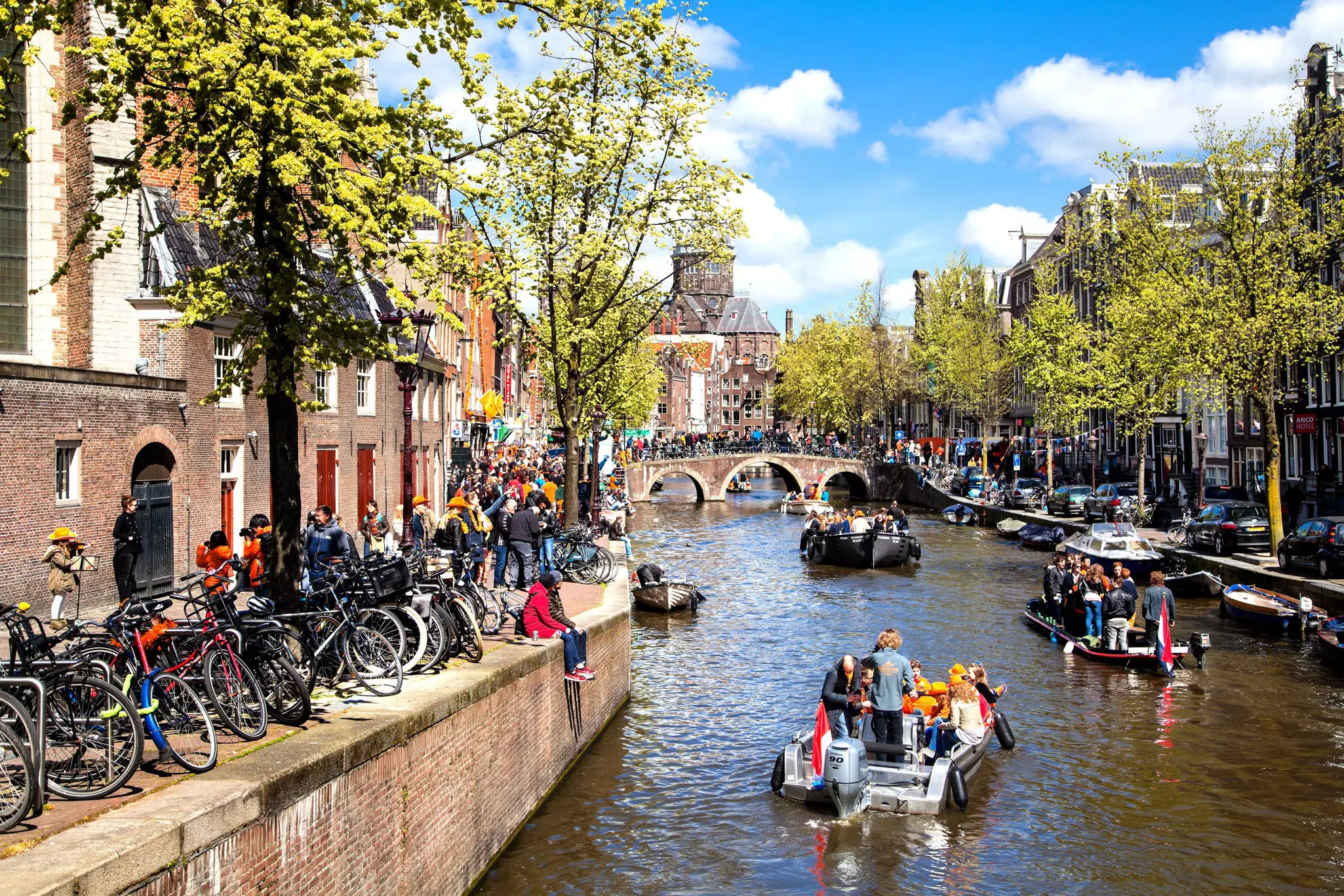
Renting a boat for a few hours lets you navigate Amsterdam’s waters at your own pace. In the city’s UNESCO World Heritage-listed canal ring and surrounding waterways (such as the Amstel river, which gave Amsterdam its name), you can glide past landmarks like the Westerkerk’s belltower, near the Anne Frank Huis, pretty bridges, photogenic canal houses containing charming shops, cozy restaurants and museums, and regenerating docklands. Pick a fine day, pack a picnic from Amsterdam’s street markets and set sail.
Planning tip: Electric boats emission-free and quiet, and you don’t need a boat license or experience (instruction is given at pick up). Book with companies such as Boaty or Eco Boats Amsterdam.
A wonderland of pine forests, heath, grassland and sand drifts, roamed by red and roe deer, mouflon and wild boar, the 135-acre (55 sq km) Hoge Veluwe National Park is laced with hiking and biking trails. Amid the trees at the park’s heart, the astonishing Kröller-Müller Museum holds the greatest collection of Van Gogh’s works outside Amsterdam’s Van Gogh Museum, including masterpieces like The Potato Eaters, and more by Monet, Renoir, Seurat, Picasso and Mondriaan, among others. Outside, some 160 sculptures by such luminaries as Rodin, Henry Moore and Barbara Hepworth grace its gardens.
Jachthuis Sint Hubertus, the splendid 1920-completed residence of the museum founders, Helene and Anton Kröller-Müller, is near the lake at the park's northern edge. It also welcomes visitors.
Planning tip: You’ll need to buy national park tickets in advance or at park entrances. Time-slot tickets for the Kröller-Müller Museum and guided tours of Jachthuis Sint Hubertus must be pre-booked online.
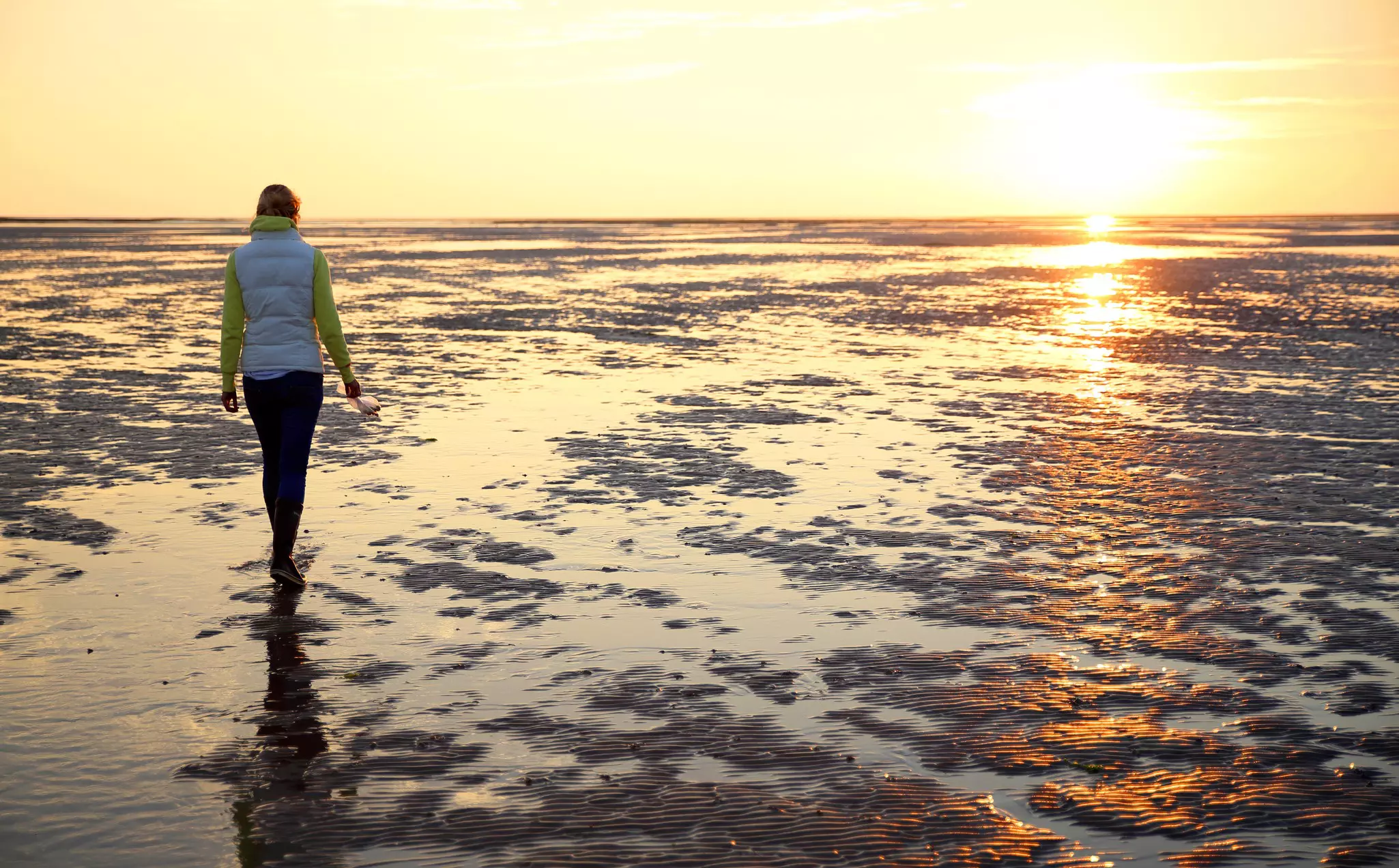
Slogging through gluggy mud might not immediately appeal but wadlopen (“mudwalking”) across vast mudflats, with crabs, clams and cockles underfoot and gulls cawing overhead is an unforgettable at-one-with-nature experience. At low tide, the Wadden Sea, the world’s largest unbroken intertidal zone, retreats to reveal the seafloor; it’s possible to reach the Frisian Islands of Ameland and Schiermonnikoog. (Shorter, easier treks are available.)
Planning tip: On the mainland, north of Groningen, Pieterburen is a prime wadlopen base. It’s vital to go with a trained guide and wear clothing appropriate for the season. Many places rent footwear so you don’t damage your own.
Looking like it’s been lifted from the pages of a storybook, with its turreted round towers and surrounding moat, Muiderslot was the 13th-century creation of Count Floris V. Its fortifications were added in the 17th century, ensconcing its flourishing gardens, with a beech alley, kitchen and herb gardens and plum orchard commissioned by its then owner, the historian, poet and playwright PC Hooft. Hooft hosted leading writers, artists and scientists here. It’s been a national museum since 1878, after its renovation by architect Pierre Cuypers (of Amsterdam’s Rijksmuseum and Centraal Station fame). Themed audio tours bring the castle’s centuries of history to life. Beyond the ramparts, boats fill the pretty pleasure port of Muiden, lined with waterside cafes.
Planning tip: From April to October, a fun way to travel here is by ferry from Amsterdam’s reclaimed island neighborhood of IJburg. During the same months, ferries also run to the late 19th-century fortress island of Pampus.
Trappist brewing secrets are normally closely guarded but a visit to La Trappe gives you a rare chance to go behind the scenes. In a beautiful and serene pastoral setting on the outskirts of Tilburg in the Netherlands’ southeast, monks have been brewing since 1884 at Koningshoeven Abbey. On a guided tour, you’ll see the brewing process and abbey buildings, and taste its divine ales.
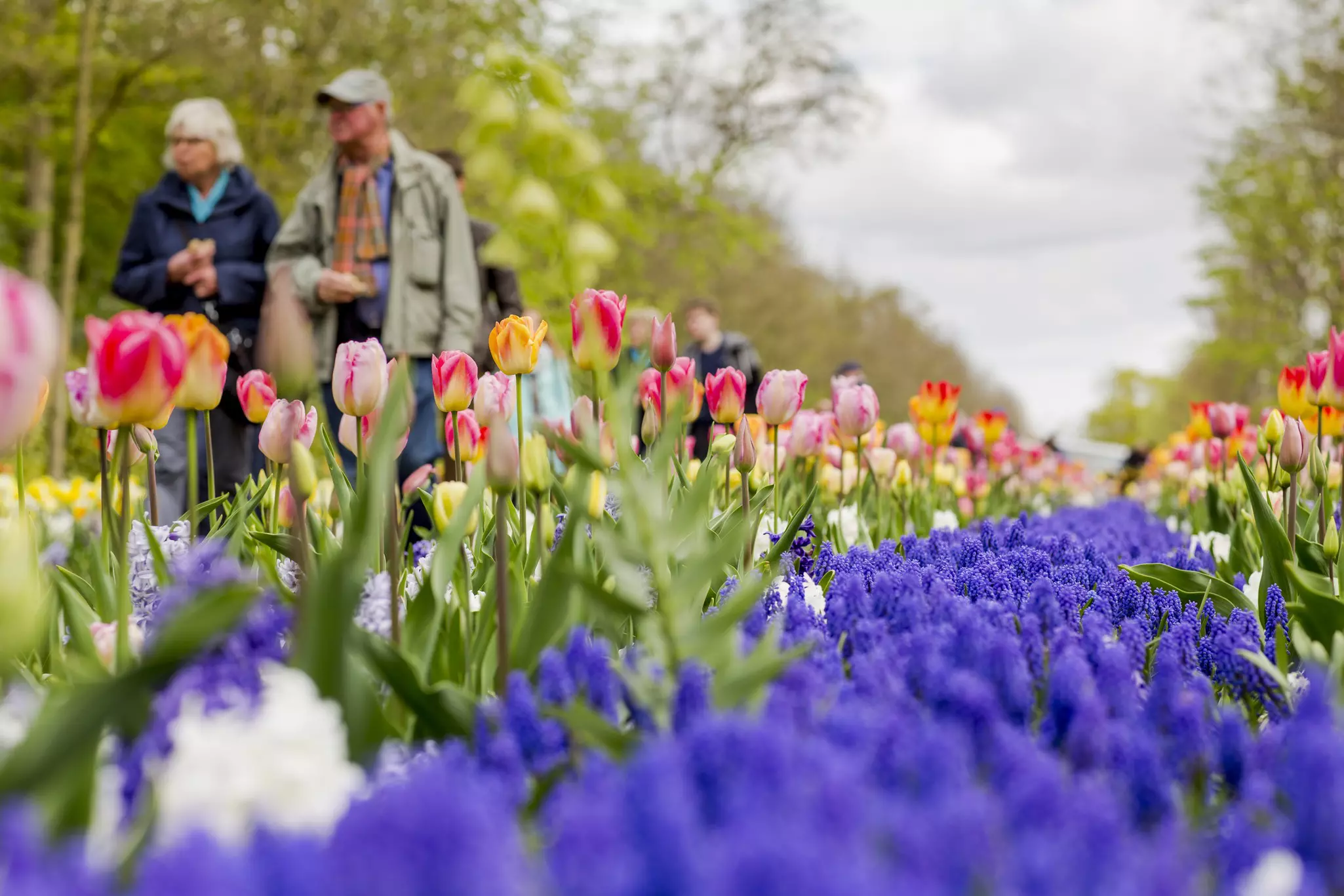
All your senses come alive as you pedal past fields of vibrantly colored flowers in the Bollenstreek (Bulb Region) along the 35km (21-mile) Bloemenroute. Cycling this fragrant "Flower Route" takes around two to three hours. In spring you’ll see the Netherlands’ famous tulips and other flowers like jonquils and daffodils, while dahlias and sunflowers are among the floral spectacle in summer.
Bollenstreek highlights include Lisse’s intriguing Museum De Zwarte Tulp (Museum of the Black Tulip) and magnificent Keukenhof Gardens, and nearby flower farm De Tulperij in Voorhout.
Planning tip: Leiden makes an ideal base for forays through the tulips, with plenty of places to rent wheels in the city (and region-wide). Downloadable route maps highlight which flowers are in bloom in season.
If you can't get enough of Rotterdam’s foremost art institution, the Museum Boijmans Van Beuningen, you can go next door to see the rest of its exceptional collection. The Depot Boijmans Van Beuningen, a giant bowl-shaped building covered with 1664 reflective glass panels, is the museum's storage facility. And the public can view its cache of paintings, sculptures and photography in climate-controlled compartments. The building’s tree-topped roof terrace has panoramic views over the striking contemporary skyline of Netherlands’ second-largest city.
Detour: Other venues to see art in the city include the Kunsthal, with changing exhibitions, and TENT and Kunstinstituut Melly, showcasing contemporary works. Serious art lovers should also check out the royal collection at Den Haag’s Mauritshuis, an easy 24km (15 miles) north of Rotterdam.
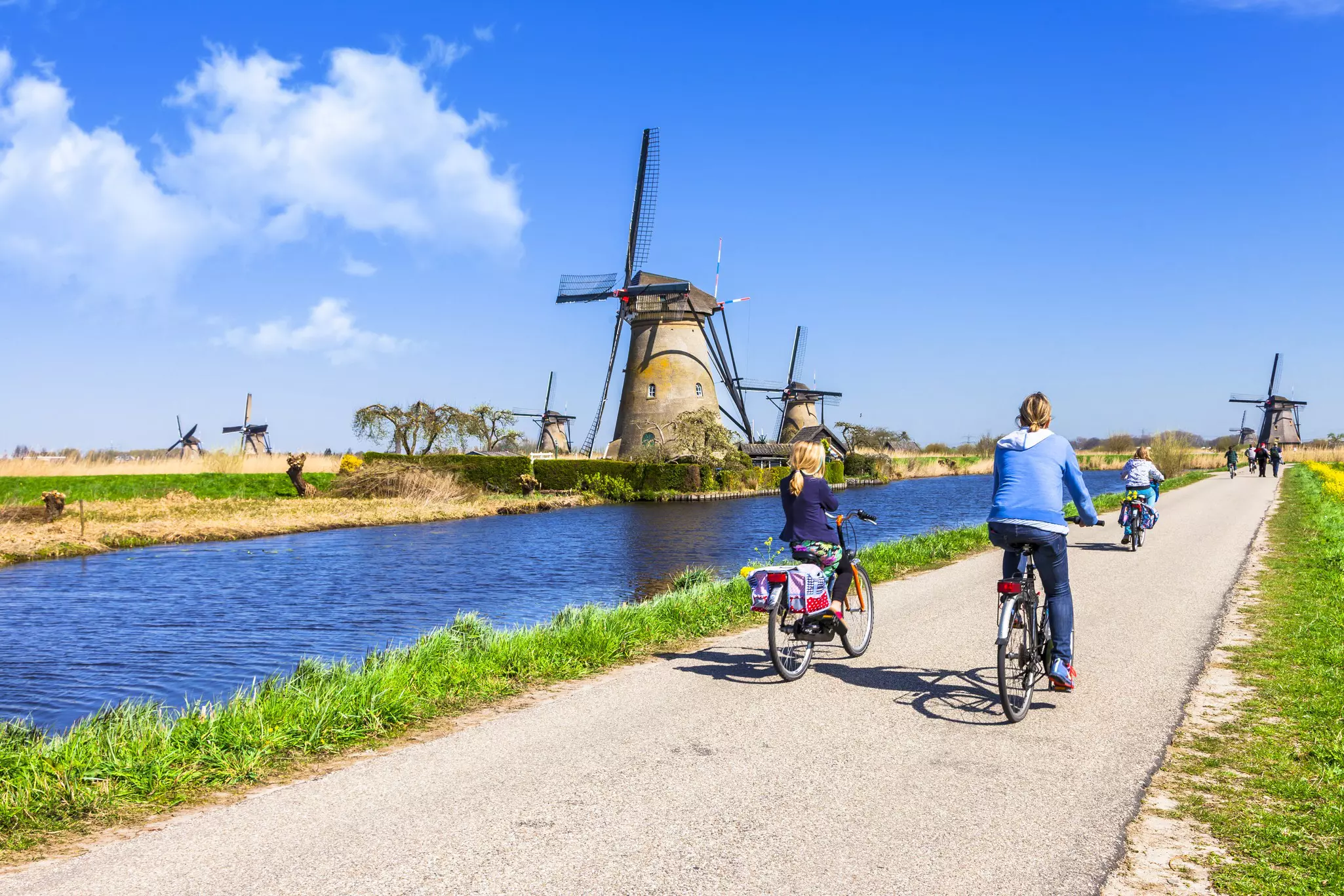
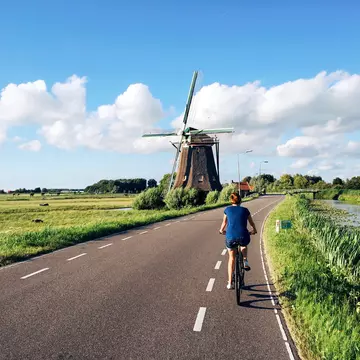
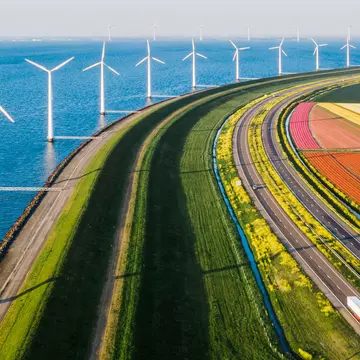
Windmills are a classic fixture of the Dutch landscape, with some 1200 traditional spinners dotted across the countryside. At UNESCO World Heritage listed Kinderdijk, 15 miles southeast of Rotterdam, 19 historic brick and timber mills still in operating condition rise above the peaceful waterways and polders (areas of drained land). You can meander (on foot or by bicycle) along the canals’ towpaths, visit museums and take a boat ride beneath the mills’ creaking sails.
Detour: Around 20 miles north of Amsterdam, windmill-filled Zaanse Schans is a working, inhabited village with quaint shops, traditional crafts and millers on hand to explain how windmills work.
To understand the multilayered backstory of spirited southeastern city Maastricht, start by surveying the landscape from lofty Fort Sint Pieter. This hulking 1701-built defensive fortress sits within a deep-cut dry moat. Stroll the surrounding paths, then take a subterranean tour of the city’s honeycomb of caves and passages with Maastricht Underground to uncover the city’s Roman, Napoleonic and WWII history.
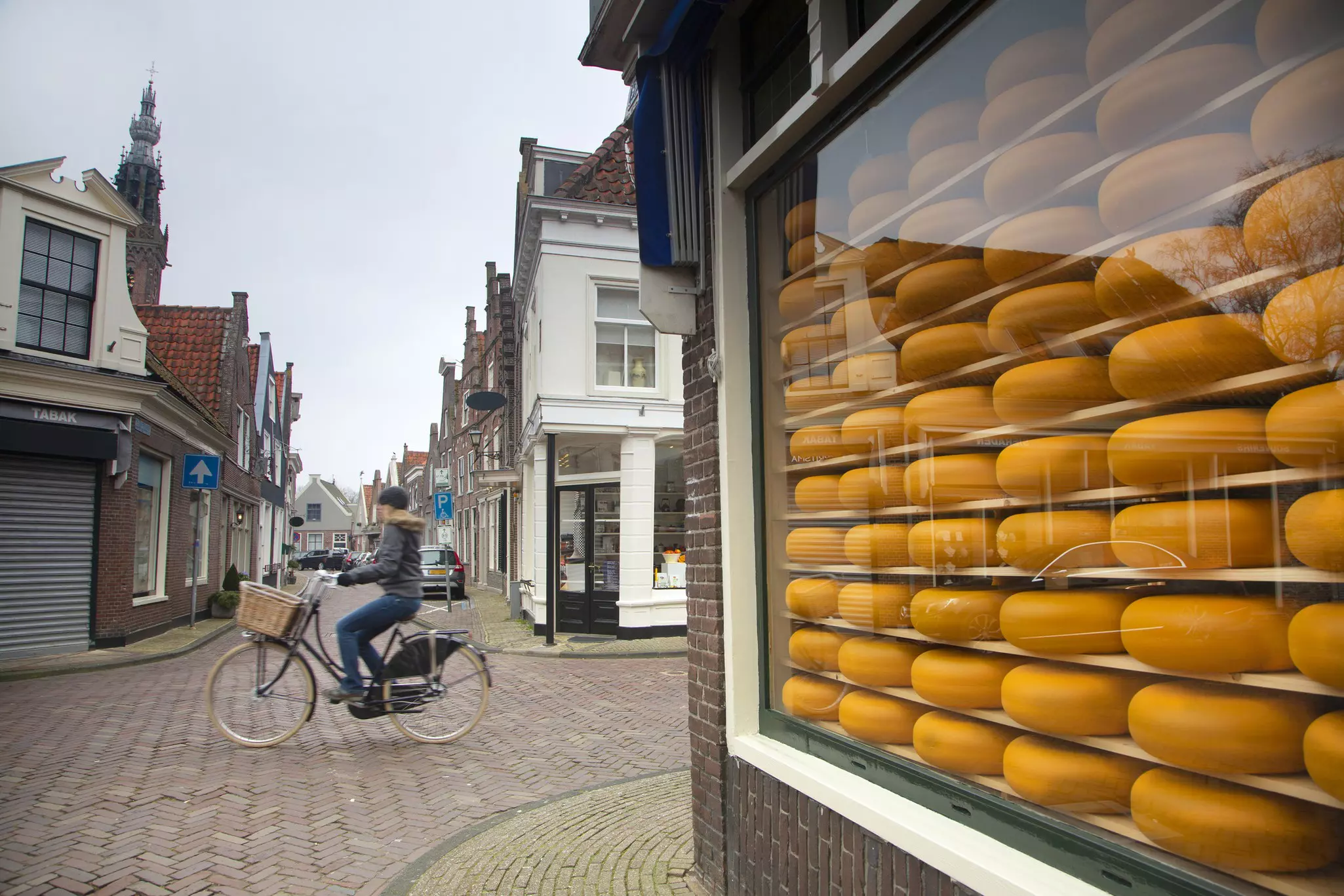
Edam is synonymous with its round, red-rind, mild cows-milk cheese and the town has plenty of opportunities to indulge at restaurants, aromatic shops (Henri Willig occupies a 16th-century building) and, most atmospherically, its cheese market – held on Wednesday mornings in summer – when costumed locals enthusiastically recreate the trading of a bygone era and you can buy cheeses produced on local farms.
Cheese aside, Edam is a charming place to stroll the narrow streets lined with historic recalling its prosperous ship-building heritage and cruise its picturesque waterways.
Planning tip: Edam makes an easy and enjoyable 14-mile (22km) bike ride north of Amsterdam.
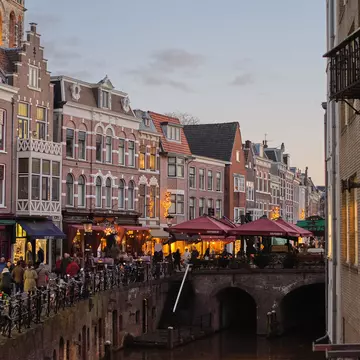
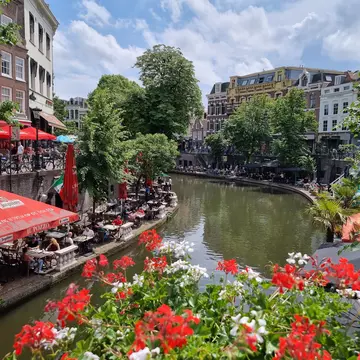
Scoot over to university city Utrecht, arguably an even better canal city than the capital. Discover medieval architecture and Roman archaeology. Roam along the Oudegracht canal and into unique wharf cellars with cozy restaurants, bars and historical secrets. Join one of the city’s excellent ‘free’ walking tours, do a DOMunder guided visit to the Roman archaeological site and Go for a splash or mini-cruise on the canals.
Detour: A day trip to historic Amersfoort (20 minutes by train from Utrecht), off most radars, delights with its alluring fine-dining scene.
Book your Netherlands trip with Lonely Planet Journeys
See Netherlands how it's meant to be seen
Planned by local experts and tailored to you, Lonely Planet Journeys handles the logistics so you can just enjoy the trip. Tell us what you want and we'll build your Netherlands itinerary from scratch, or browse our bookable trips to get inspired.


Explore related stories