May 27, 202615 min read
How to see all of Switzerland by train in 14 daysJan 22, 2026
19 MIN READ
Contributors
Contributors


Kerry Walker, Lonely Planet Editors
No country has it all, but Switzerland comes pretty close. The top things to do in Switzerland range from outdoor thrills to fine dining and wine-tasting – perfect if you're a nature-loving oenophile with a taste for the good things in life!
Here, almost every drive, train journey, boat trip or cable car ride can take on epic proportions. Just traveling from one town to the next can take you past thundering falls, across dramatic gorges, through valleys hidden deep in the mountains or across rolling vineyards.
Cities with medieval old towns, world-class contemporary architecture and extraordinary art collections are just a whisper away from vivid turquoise lakes and the glacier-capped Alps. The transition between urban pleasures and country pursuits is effortless.
Whether you're a first-time visitor looking for the highlights or a Switzerland regular looking for new angles to explore, here are some of the best things to do in Switzerland.
The best time to go to Switzerland will depend to on what you plan to do when you get here. To see the Alpine landscape at its most magnificent, the crisp, icy winter is hard to beat, with everything from skiing and ice-skating to tobogganing on the menu. The best things to do in Switzerland in summer range from urban swimming in cultured cities to hiking and picnicking in the stunning scenery of the Swiss Alps.
For wine-lovers, the late spring is a great time for cellar openings (known locally as caves ouvertes), while the fall brings grape harvest festivals and seasonal color to the vineyards of Geneva, Ticino, Valais and Vaud. Spring and fall are also great times to see Switzerland's historic old towns and châteaux without the crowds. Enjoying dramatic mountain train rides and sumptuous dining is, of course, an option in every season.
There's no getting around it – Switzerland is expensive. But there are ways to see Switzerland on a budget, with a little forward planning. Getting around can be a major cost, but you can save money by using Switzerland’s famously efficient public transport system, which includes some of the world's most spectacular train rides.
Take cheaper SBB trains and distinctive yellow PostBus coaches to travel around the country, avoiding the costs of car rental, fuel and parking. Tourists can make savings using travel passes such as the Swiss Travel Pas, which covers unlimited travel across Switzerland from three to 15 days, or the Half Fare Travelcard, which offers 50% savings on fares.
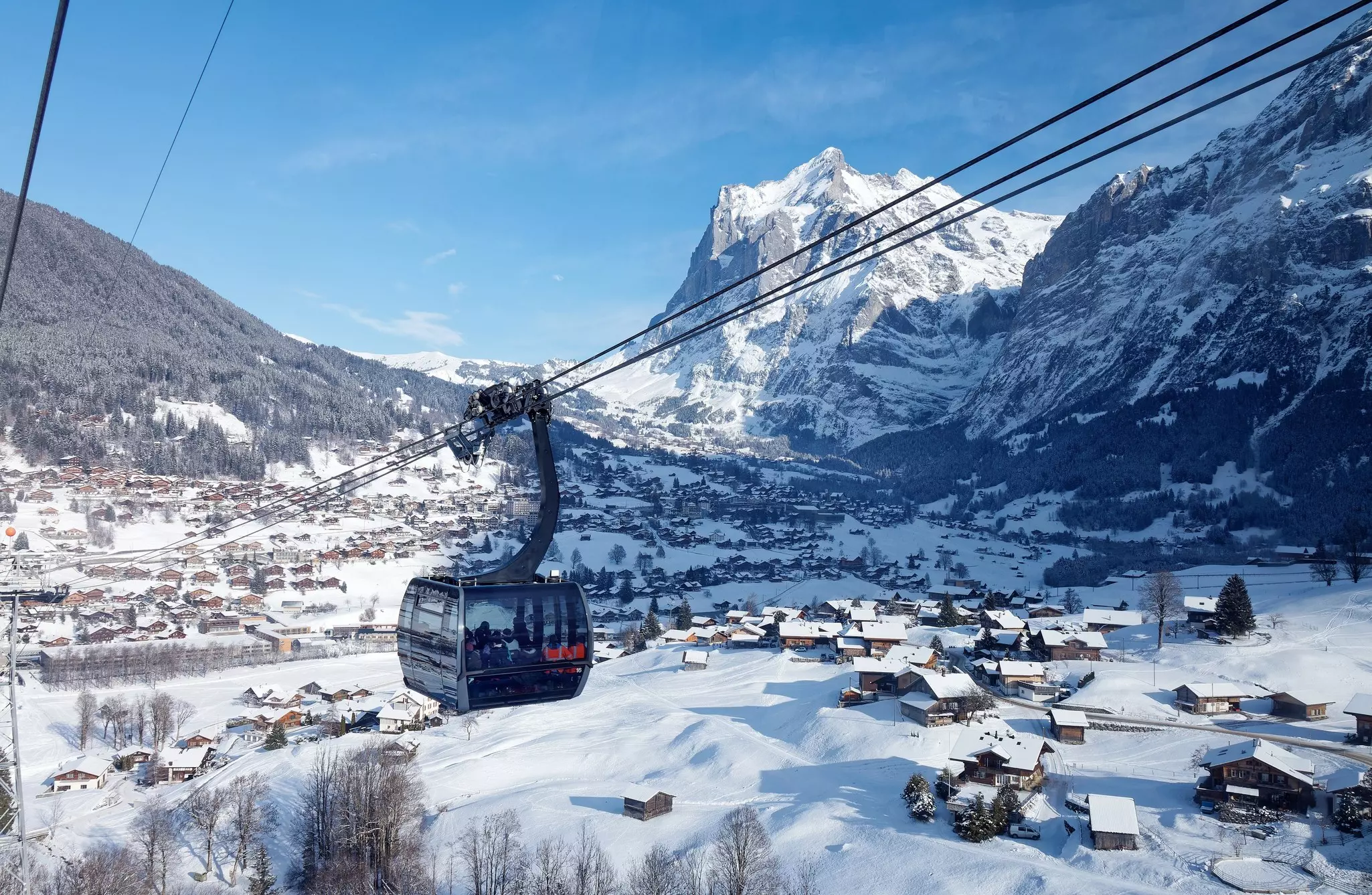
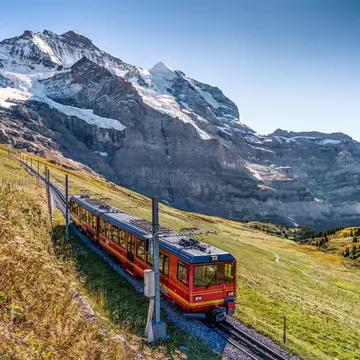
Since 1912, a little red train, fueled by hydro-power, has wound its way through the icy heart of the Eiger up to Jungfraujoch, Europe’s highest train station at 3454m. Recently, the journey has become even more eco-friendly thanks to Grindelwald’s Eiger Express.
This super-speedy cable gondola covers the first leg of the journey using its wheels to generate green power. The ride will make you gasp out loud as you float above the landscape, with spruce forests and log chalets giving way to a realm of rock and ice. You’ll get so close to the Eiger’s beastly, mile-high North Face that you’ll feel as though you might slam right into it.
At the top of UNESCO World Heritage-listed Jungfraujoch, air temperatures plummet and the world is always icy white. You’ll be wowed by the view from the Sphinx observation deck, reaching across a sea of snow-capped 4000m peaks and the 23km-long swirl of the Aletsch Glacier, with Germany and France hovering in the distance.
With kids in your group, the frosty Ice Palace is a wonderland of ice tunnels and sculptures. They are impressive today but must have been even more so back when mountaineers first hacked them out by pickaxe in the 1930s.
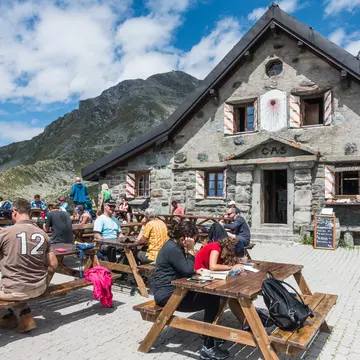
Planning tip: Bring warm layers and boots, particularly if you fancy the 45-minute stomp to Mönchsjochhütte, Switzerland’s highest-serviced mountain hut. Be alert to the risk of AMS (Acute Mountain Sickness), and acclimatize before you head up.
Best time to try: The trip to Jungfraujoch is most atmospheric in winter, when snow carpets the bottom of the valleys, but dress for extreme cold.
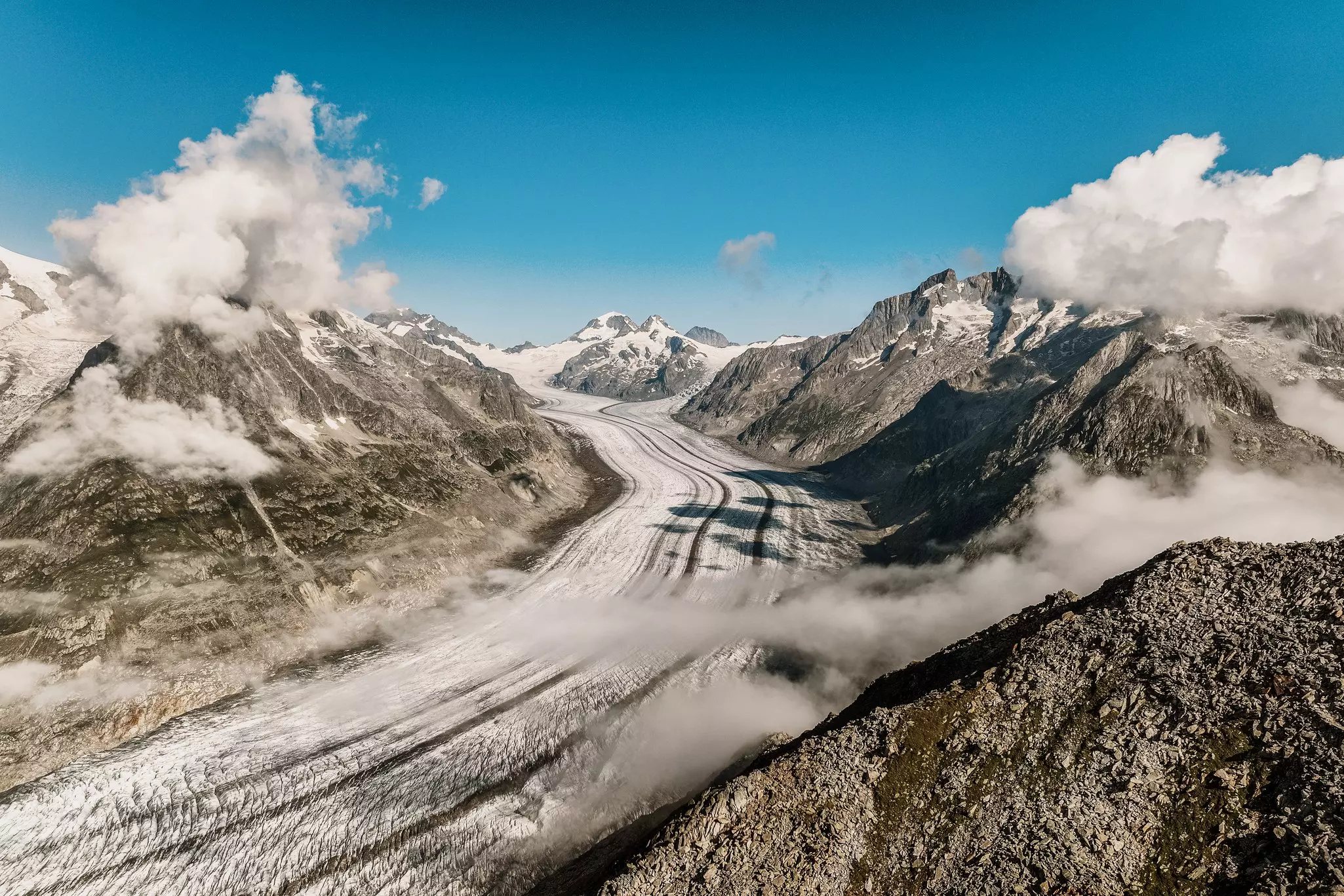
As you journey into the remote Goms valley in Valais, the Alps take a turn for the wild. Hamlets brim with sun-blackened chalets, with flower-freckled meadows sweeping up to the mountains. The 4478m-high Matterhorn gets all the fuss, but just as arresting is the Aletsch Glacier, the jewel in the crown of the Jungfrau-Aletsch region.
Powering past wispy waterfalls, rock spires and the dagger-shaped summit of Aletschhorn (4193m) like a six-lane glacial superhighway, this 23km swirl of deeply crevassed ice is the longest and most voluminous glacier in the Alps.
Observe the glacier from the Eggishorn viewpoint (2926m), or – for close-up views – hit the trail on the 17km hike from Fiescheralp to Bettmeralp. This is one of the best hikes in Switzerland, where every bend in the ice reveals phenomenal views and the odd Valais Blacknose sheep. If you prefer instant thrills, wobble across the Aletschji–Grünsee Suspension Bridge, which straddles the 80m-deep Massa Gorge.
Planning tip: Reaching the glacier is part of the fun. From Fiesch, take the cable car up to Fiescheralp, then beyond to Eggishorn for your first glimpse of the mighty Aletsch. Take time to acclimatize before attempting the ascent to reduce the risk of AMS.
Best time to try: The summer, from June to September, is the best time for hikes around the Aletsch Glacier.
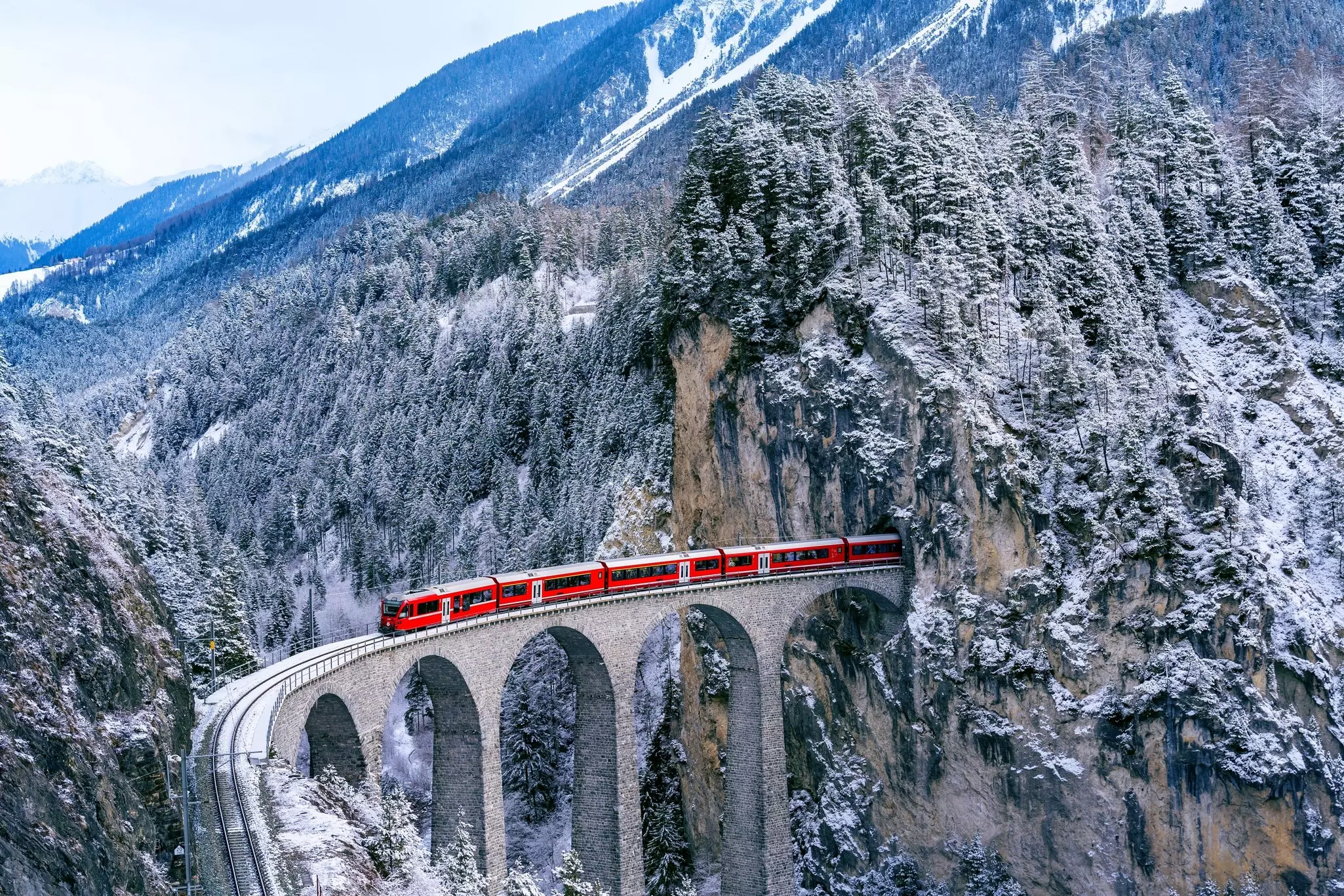
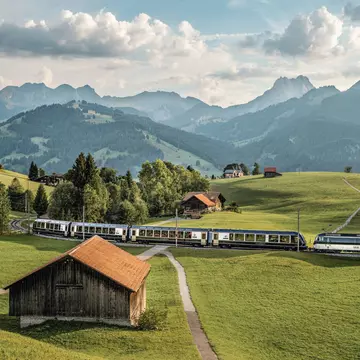
No country nails rail travel like Switzerland, where little red trains (all mirror-polished and perfectly punctual) chug from valley to peak with ease, leaving you to swoon over the Alpine scenery from the comfort of your panoramic carriage. Evoking a golden age of travel, Switzerland’s train journeys are among the finest in the world.
The true bucket-list rail journey in Switzerland is aboard the Glacier Express, which crosses over the Furka, Oberalp and Bernina passes on the 8-hour ride between Zermatt and St Moritz in Graubünden’s Upper Engadin. Riveting views of meadows, forests, fast-flowing turquoise rivers, canyons, castles, big-shouldered mountains and glaciers will keep you glued to the windows.
The railway line is a remarkable feat of 1930s engineering, with special mention going to the Landwasser Viaduct – the gravity-defying, six-arched bridge that leaps between Tiefencastel and Filisur, and the 2033m-high Oberalp Pass, revealing the true wilderness of the Swiss Alps.
Planning tip: If you want to save a few francs, regular scheduled trains services plying the same route can be just as enjoyable and significantly less expensive. Break up the journey by using cheaper SBB trains and stopping overnight along the way.
Best time to try: Early fall is great for radiant foliage at lower elevations; come when Glacier Express services resume in December after its annual winter maintenance for snowy views.
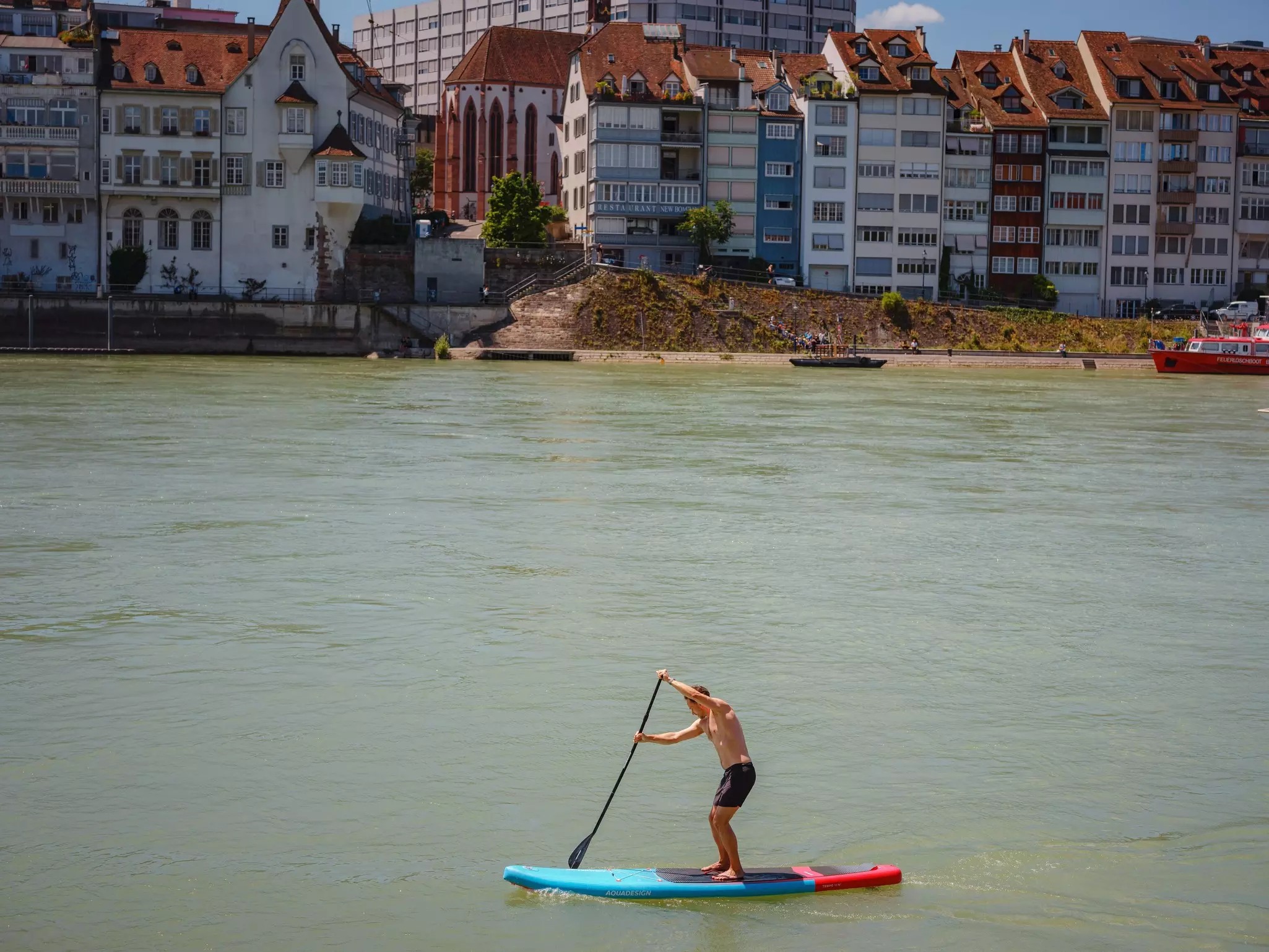
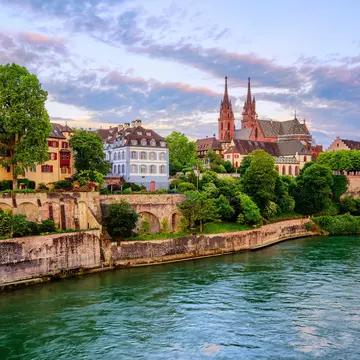
At the point where Switzerland, Germany and France converge, Basel, brims with avant-garde art and edgy architecture, with a raft of galleries ranking up there with Europe’s best. But this city also likes to let its mind drift, literally, along the Rhine.
Every summer, office workers ditch their suits to take a dip, and families gather for a city swim at weekends. A novel way to see Basel is to grab a Wickelfisch (a fish-shaped waterproof bag to keep your stuff dry), make for the river banks in Kleinbasel, then strip to your swimsuit and float past city landmarks as the current carries you gently downstream.
If you prefer to keep your head above water, rent a stand-up paddle board or join a tour with Birs73. Locals like to end their dip socially, with drinks and a sunbathe at a buvette (riverside bar), especially on hot summer days.
Planning tip: Hop in just below Museum Jean Tinguely to float 3km down the Rhine, or plot your own route by taking a look at the Rheinschwimmen map . You can buy a Wickelfisch at the tourist office in central Barfüsserplatz.
Best time to try: Basel's riverside bathing platforms open from May to September. The official, organized Basel Rhine Swim takes place in August.
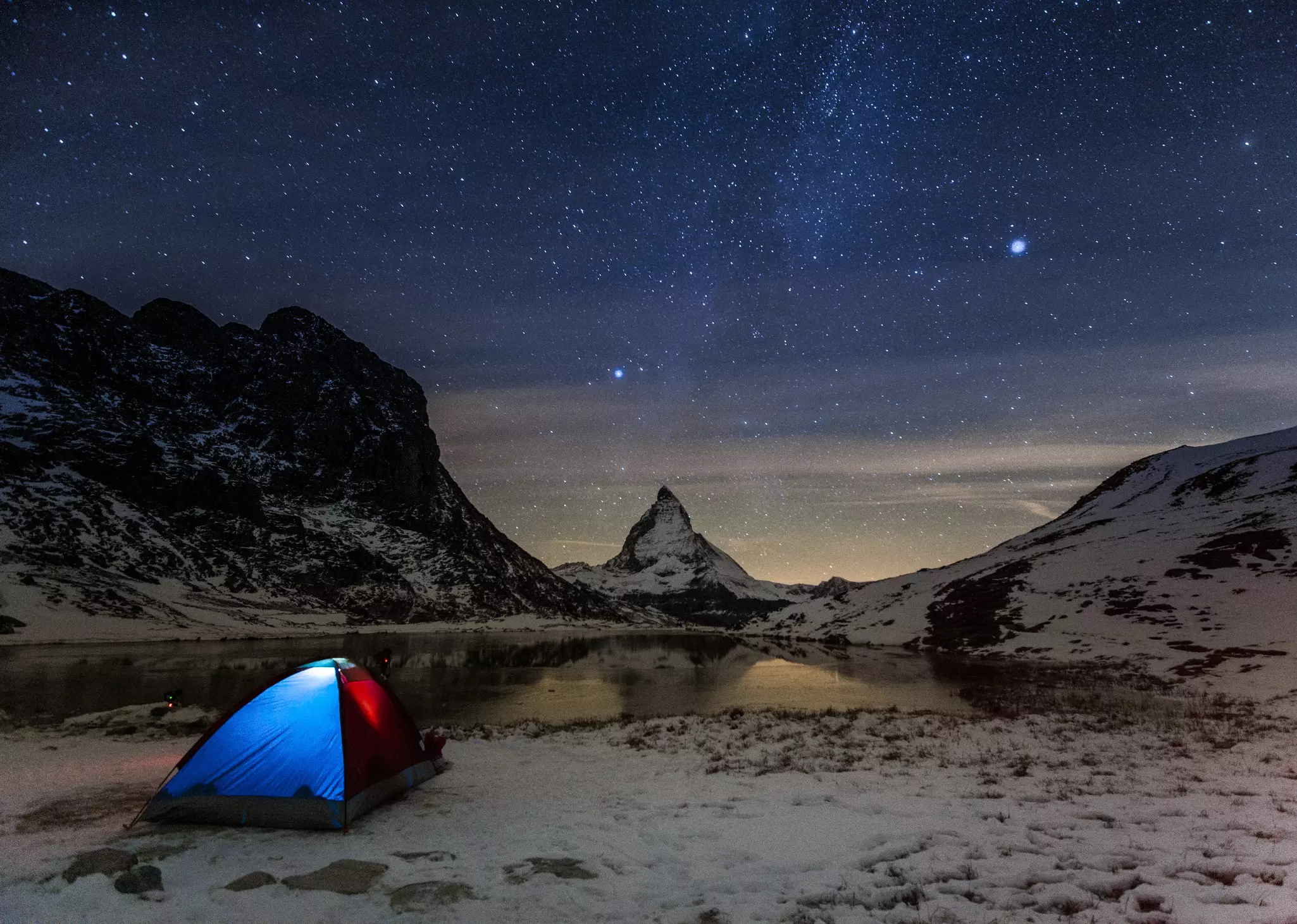
Up in the Alps, when darkness falls, the only sound is the gentle chime of cowbells, and at higher elevations, constellations and distant planets sprinkle the sky like handfuls of glitter. Taking advantage of the light-pollution-free skies, dozens of open-air, one-of-a-kind "Million Star Hotels" open across the country each summer, offering a chance to slip back to nature and enjoy a little pre-bedtime stargazing.
And these aren’t just canvas tents; these imaginative lodgings range from beautifully made-up beds on top of remote mountains to quirky options such as stylishly converted gondolas and “beehive” pods with mountain views. And with this being Switzerland, they’re all not just clever but comfortable, too.
Planning tip: As each place only sleeps two, advance booking is highly advisable – to find listings, search in summertime for "Million Stars Hotels" on the MySwitzerland website .
Best time to try: Million Star Hotel beds are only available from July to October.
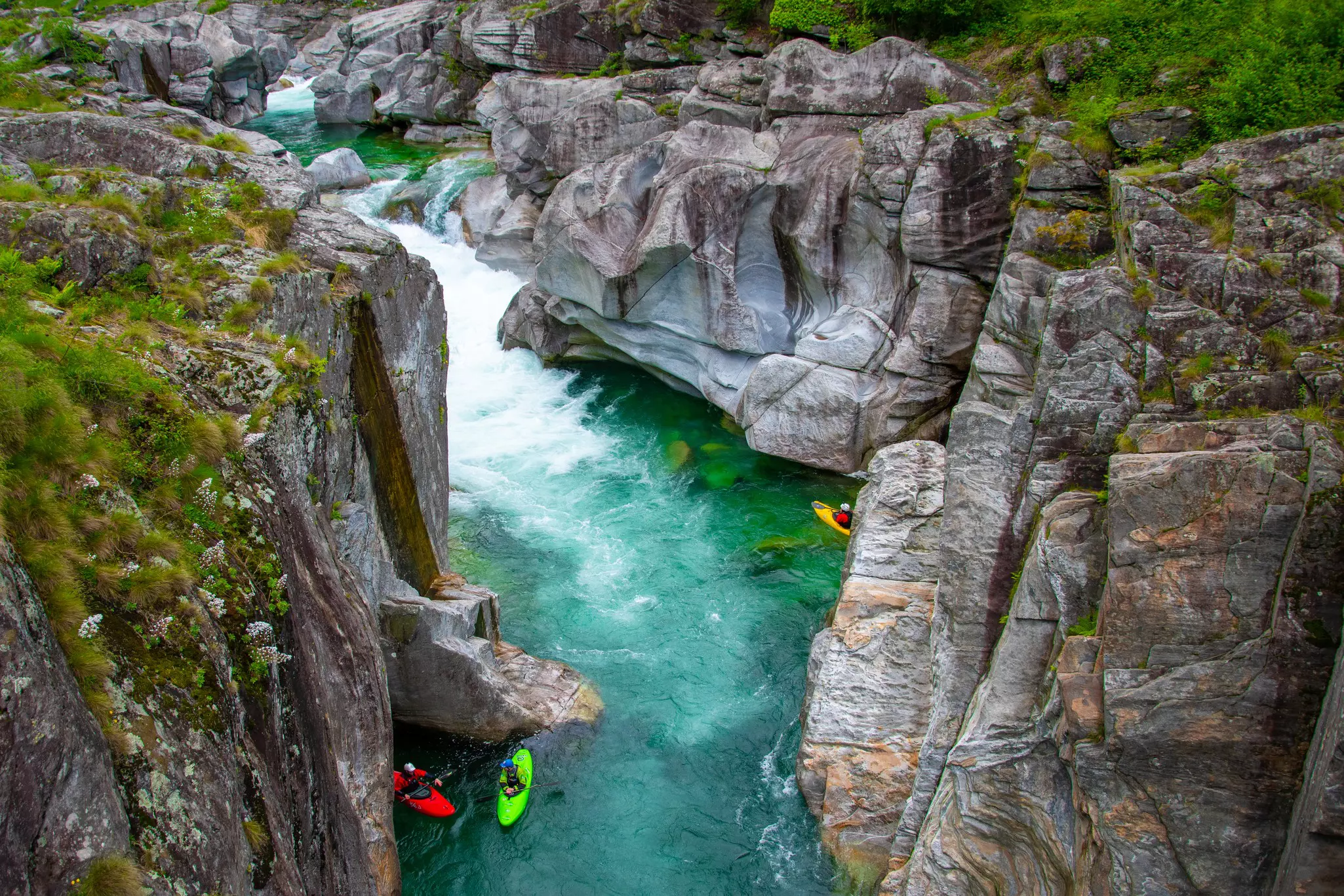
In the Italian-speaking canton of Ticino, in southern Switzerland, the lakes get all the love. But when you dip into Ticino’s hidden valleys, you’ll lose the crowds and find the region’s true pulse. Here, glassy, jewel-colored rivers flow past chestnut woods and incredibly pretty hilltop hamlets (including Switzerland’s smallest, Corippo, with a population of just 15).
After a day’s hike or bike ride, you can kick back on the vine-swathed terrace of a rustic grotti (tavern) for polenta and brasato (beef braised in red wine) with a glass of the beefy local merlot. Feel like something more active? The wild, woody Valle Maggia is a magnet for mountain bikers and hikers, thanks to its 700km of trails, including the challenging 52km, six-day Via Alta trail.
For more adventures, head over to the rugged Val Verzasca, bisected by its namesake emerald river and crisscrossed by the Sentiero Verzasca trail. Every Alpine activity imaginable is offered in this valley, from hiking and cycling to rafting, kayaking, bouldering, paragliding and bungee jumping from the 220m-high Verzasca Dam, which starred in the opening scene of GoldenEye (1995).
Planning tip: If you are set on soaking up thrills along the Val Verzasca, Swissraft, can make it happen.
Best time to try: Spring can be muddy, so brave the waters and hiking and biking trails in summer and fall.
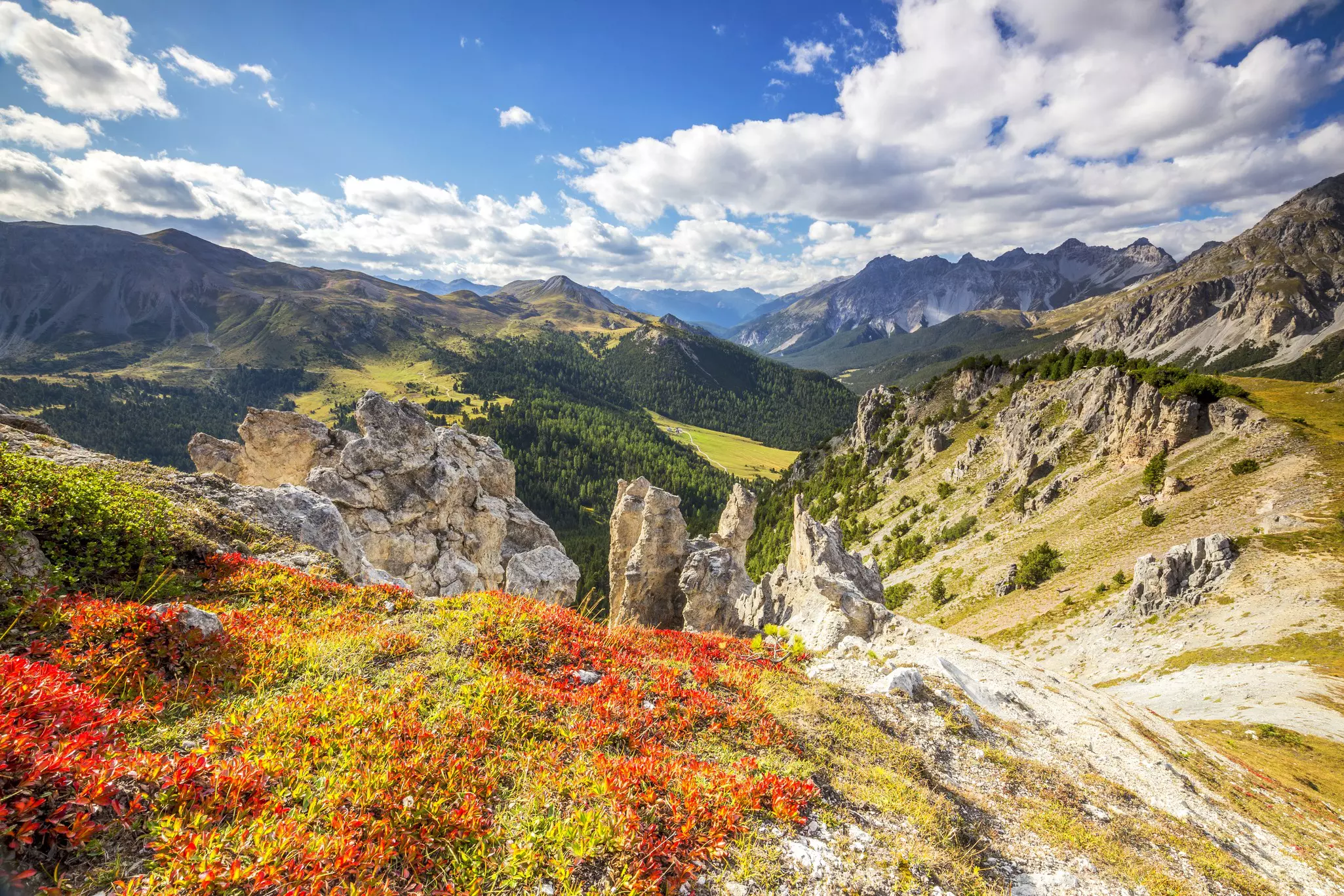
For a taste of the Alps as they might have looked before the era of mass tourism, head southeast to Swiss National Park in Graubünden’s Lower Engadine Valley, where the mountains nudge their way over into Italy.
Easily accessed from the quaint villages of Scuol, Zernez and S-chanf, Switzerland’s only national park is a 172-sq-km visual feast of rushing streams, high moors, pastures, glaciers, larch, pine woods and lakes. Here, nature has been left totally to its own devices, with no trees felled, no meadows cut, and no animals hunted since the park was established in 1914.
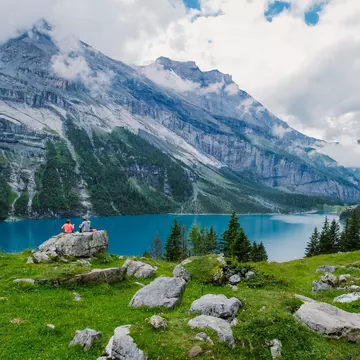
The only way to properly see the park is by lacing up your boots and heading for its trail-dense core. If you only have time for one walk, make it the trail to the Lakes of Macun, a 21km day hike from Zernez. The path will deliver you to a high Alpine plateau splashed with 23 lakes that shimmer in shades of topaz and sapphire.
If you prefer, you can join a guided walk with one of the park rangers; book at the visitor center in Zernez. With an expert in tow, you stand better chances of spotting rarities like wild edelweiss, ibex, chamois, golden eagles and bearded vultures.
Planning tip: Camping is off-limits, but you can stay overnight in the park at the gloriously remote Chamanna Cluozza , reached via a moderately challenging 3.5-hour uphill hike from Zernez (bring your own sleeping bag).
Best time to try: Summer and early fall are the best times for Alpine hikes at Swiss National Park.
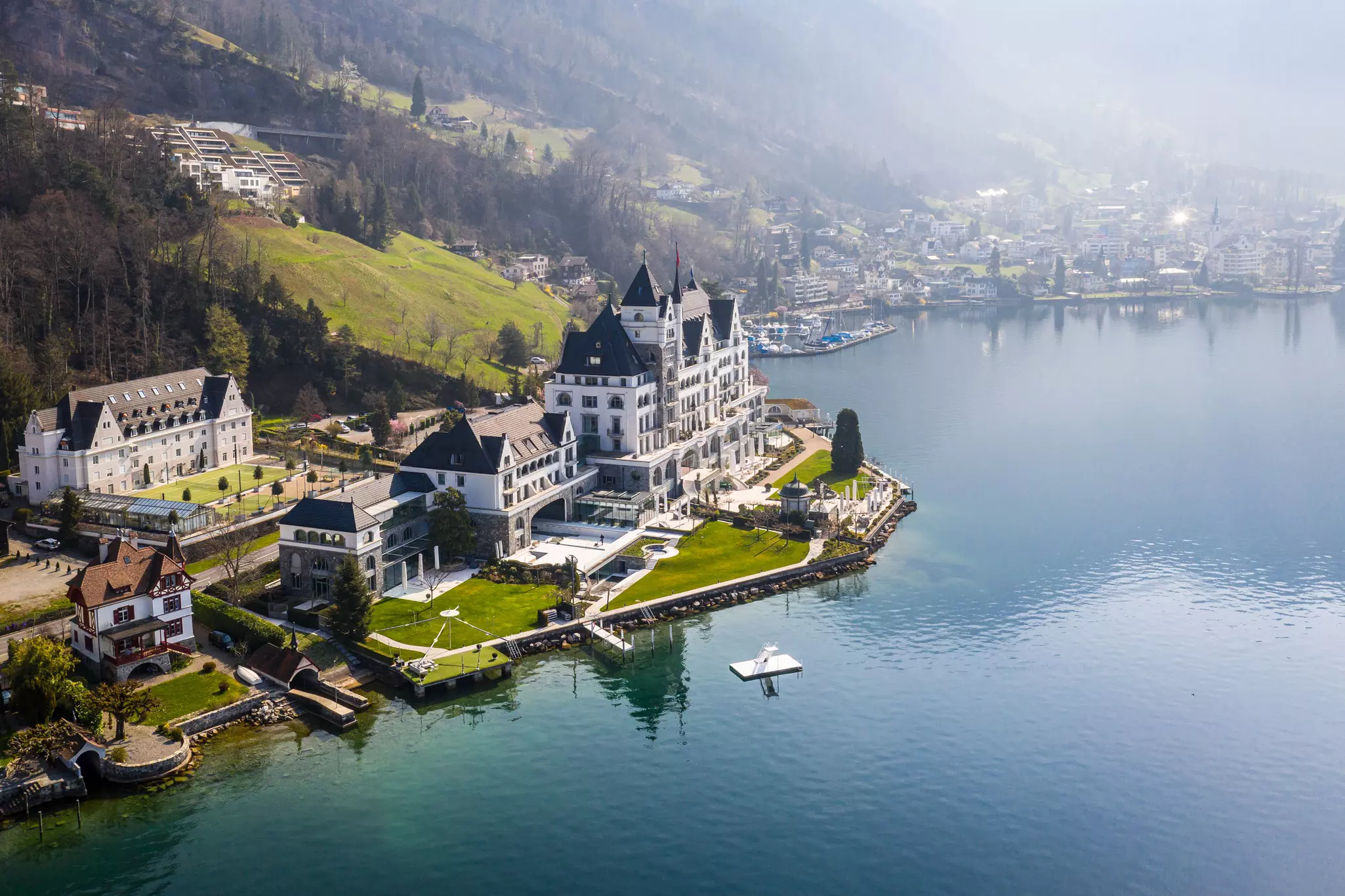
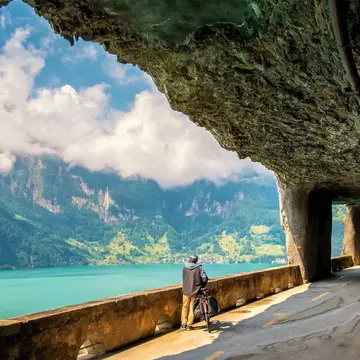
While there are higher mountains in Switzerland than those lining the fjord-like shores of Lake Lucerne near Lucerne, none are more enshrined in flag-waving Swiss myth. Aboard a boat in Lake Uri, the easternmost section of the lake, you’ll glimpse Rütli Meadow, the hallowed birthplace of the Swiss Confederation in 1291. You can also visit the Tellskapelle, a tiny, frescoed chapel where apple-shooting Swiss rebel, William Tell, escaped from the boat of his Habsburg captor, Gessler.
Legends swirl like storm clouds over the mountains on the doorstep of Lucerne. Since 1889, the world’s steepest cogwheel railway has been rattling up 2128m-high Mt Pilatus, where the restless ghost of Roman prefect Pontius Pilate is said to still roam.
Beyond the spooky stories, you’ll be captivated by the views reaching as far as Germany’s Black Forest on cloudless days. Lucerne's rival for sheer beauty is 1797m Mt Rigi, famous for its sunrises and sunsets. It was a source of fascination to JMW Turner, who painted it in three different moods.
Planning tip: Lucerne makes an appealing base for exploring the lake, with its Old Town, medieval wooden bridge and promenade strung along the lakeshore.
Best time to try: Avoid the summer crowds by visiting in April and May for wildflowers, or October for fall colors.
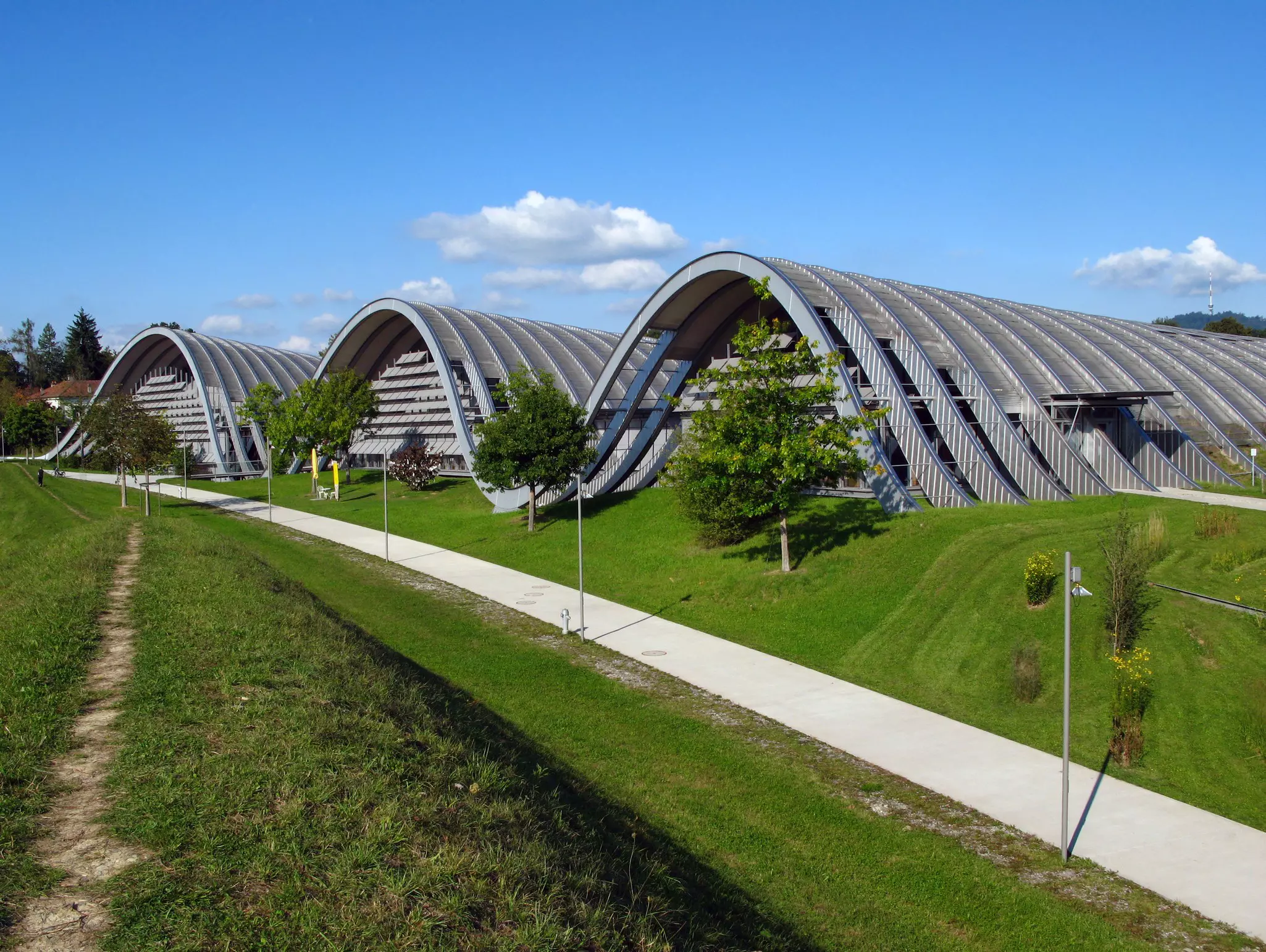
The Swiss capital, Bern offers a refreshingly easy-going vibe, parks and alfresco cafes and even resident bears. The city is certainly a looker, situated on a sharp bend in the startlingly turquoise Aare River, encircled by gentle hills and with views of the snow-frosted Alps on crisp, clear days.
Begin with a romp around the Altstadt, Bern’s medieval, cobblestone, flag-bedecked heart. Here you’ll spy the ornate Zytglogge, clock – come at four minutes before the hour for the glockenspiel parade. Other delights include the 15th-century Gothic Münster – clamber up its lofty spire, Switzerland’s tallest, for far-reaching views over the rooftops – and many folkloric fountains, including the Kindlifresserbrunnen, depicting a giant snacking on children.
Museum-wise, Bern is a treat. Tour the apartment where Einstein lived and the magnificent Kunstmuseum, home to Renaissance masterpieces, as well as works by Monet and Picasso. Make the short hop out to Renzo Piano’s bold, wave-like Zentrum Paul Klee to see the color-charged works of this Swiss-born German artist.
Detour: When the weather warms, join Bern residents for a cooling downstream float on the Aare River; several stretches are ideal for wild swimming.
Best time to try: Sightseeing and swimming in the Aare is most enjoyable in summer, but be cautious of the currents as there are no lifeguards.
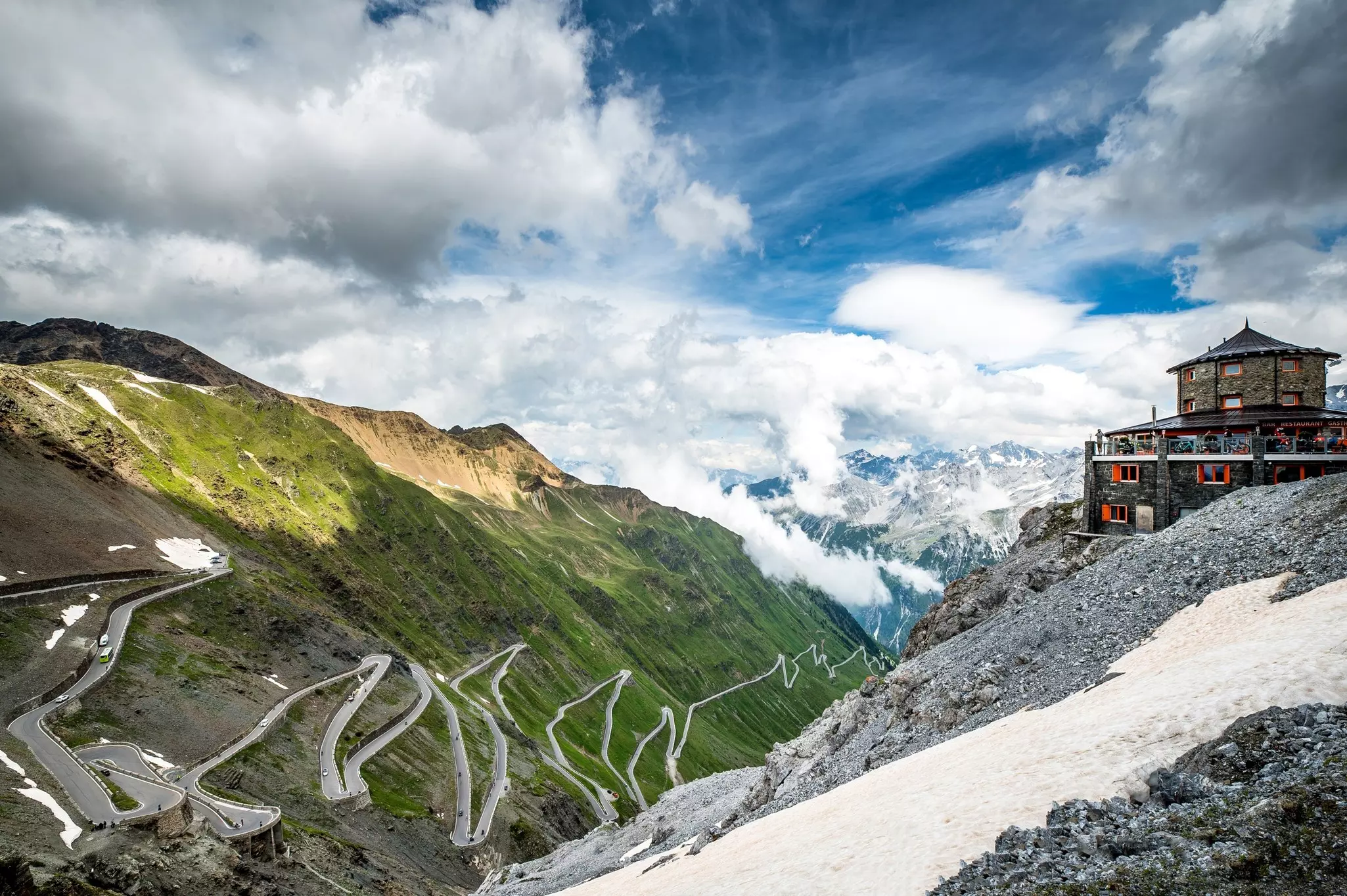
This high, twisty, up-and-over-the-Alps drive from the isolated valley of the Goms in Valais to mountain-encrusted Andermatt in Uri is the gateway to southeast Switzerland. Expect both stomach-flipping hairpin bends and gob-smacking views.
Drive the 31km Furka Pass from west to east to maximize the drama as dark, craggy peaks and glaciers fill your rear-view mirror. If you have a bit of a Bond moment behind the wheel, it’s no coincidence – this road featured in the car chase scene in the 1964 movie Goldfinger.
As you swing dizzily around switchbacks, the road tops out at the 2429m Furka Pass itself, where you can peer across the lunar landscape of a wind-battered plateau to the deeply crevassed Rhône Glacier and its ice grotto before the long, sweeping descent to Andermatt.
Planning tip: You can drive the Furka Pass in an ordinary car, but come early in the day before the crowds arrive.
Best time to try: The road is open roughly from June to October (depending on snow) – but be sure to check conditions before heading out.
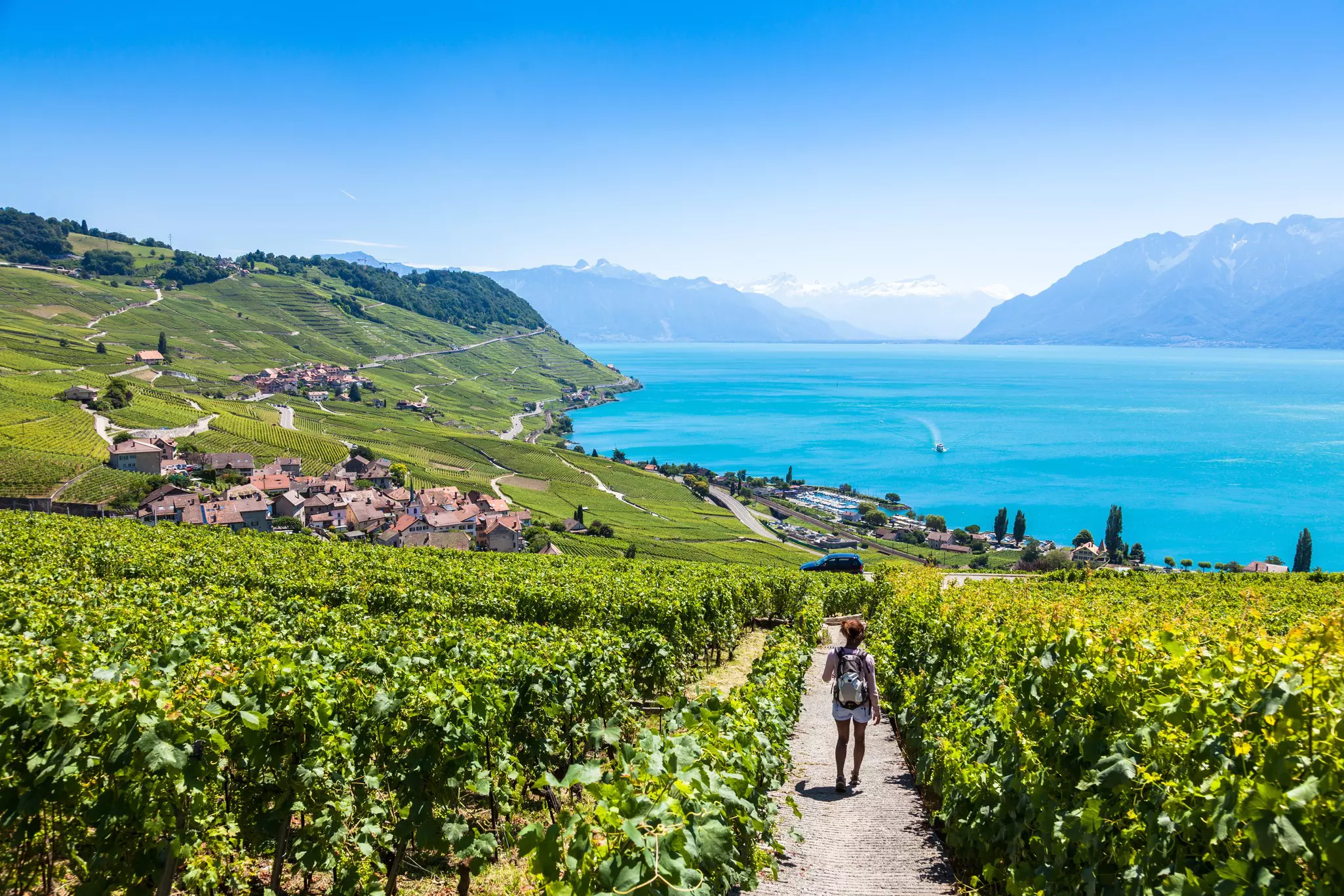
In the country’s western crook, Lavaux's UNESCO World Heritage-listed vineyards are heaven on earth to oenophiles. The world’s steepest vineyards stagger up the terraced hills above Lake Geneva. If you’ve never heard of them, it’s because the region's wines are so select and small-batch that the Swiss keep most of them to themselves.
Before hitting the caveaux (wine cellars) for a petite dégustation (tasting), brush up your wine knowledge. It’s said that these grapes are blessed by three suns: the one in the sky, the one on the lake and the one radiating heat from the dry-stone walls. The main grape is Chasselas, a very old variety producing crisp, flinty white wines with a fresh, citrusy nose. Fruity reds make up just 20% of production.
You can drive the meandering roads that loop around 40km of shore or take the Lavaux Panoramic Train, but you’ll get a better feel for the Lavaux by heading out on foot. Little trails dip into the vines everywhere, but top billing goes to the 11km trail from St-Saphorin to Lutry, where you’ll take in stirring views, pretty villages and welcoming cellars.
Planning tip: For a great primer on Lavaux wines, stop off at Vinorama in Rivaz. Housed in a strikingly revamped bunker, the lakefront center offers samplings of dozens of different wines in its Espace Dégustation.
Best time to try: The grape harvest season from August to October sees lots of local wine-related celebrations.
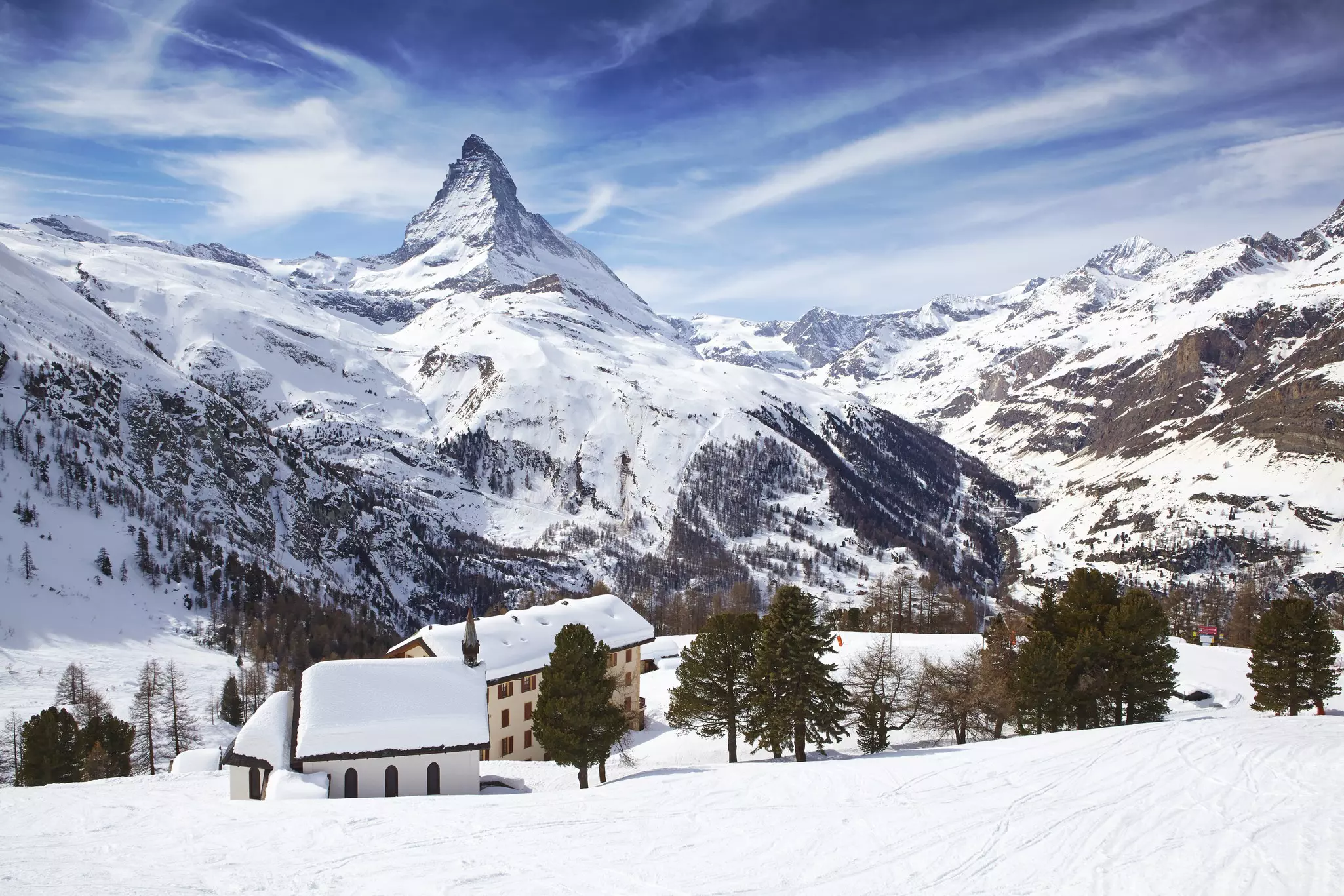
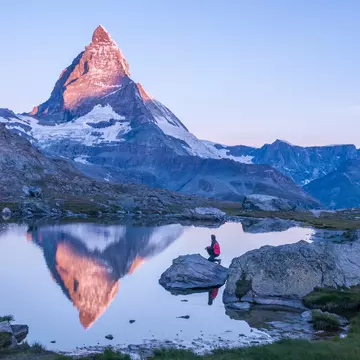
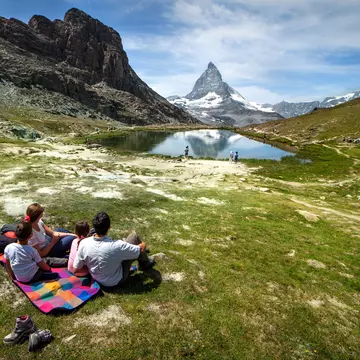
Nothing sums up Switzerland’s outdoor-loving spirit better than the Matterhorn, the peak that has broken many a rock climber’s rope – and which even has a chocolate bar (Toblerone) shaped in its honor. As you arrive in Zermatt on the train that chugs from Täsch, you won’t be able to stop yourself from obsessively gawping at this iconic mountain.
And who could blame you? Razoring up above the Italian border in southern Valais, this 4478m fang of rock and ice is utterly mesmerizing, especially when seen from above. You can ski, hike or climb in its pyramid-shaped shadow by riding the world’s highest 3S cable car to the 3883m-high Matterhorn Glacier Paradise, on the Klein Matterhorn, with views reaching deep into the Swiss, French and Italian Alps.
For close-ups of the melting ice, hike along the moderately challenging, 6.5km-long Matterhorn Glacier Trail. When the flakes fall in winter, skiers and snowboarders can pound the powder on 360km of ski runs, some of which dip over the border into Italy and nearly all of which offer distractingly lovely views of the Matterhorn.
Planning tip: If you have some climbing experience under your belt, you can climb your way to the top with an Alpine guide .
Best time to try: Come from December to early May for winter sports, or July to August for hiking and climbing.
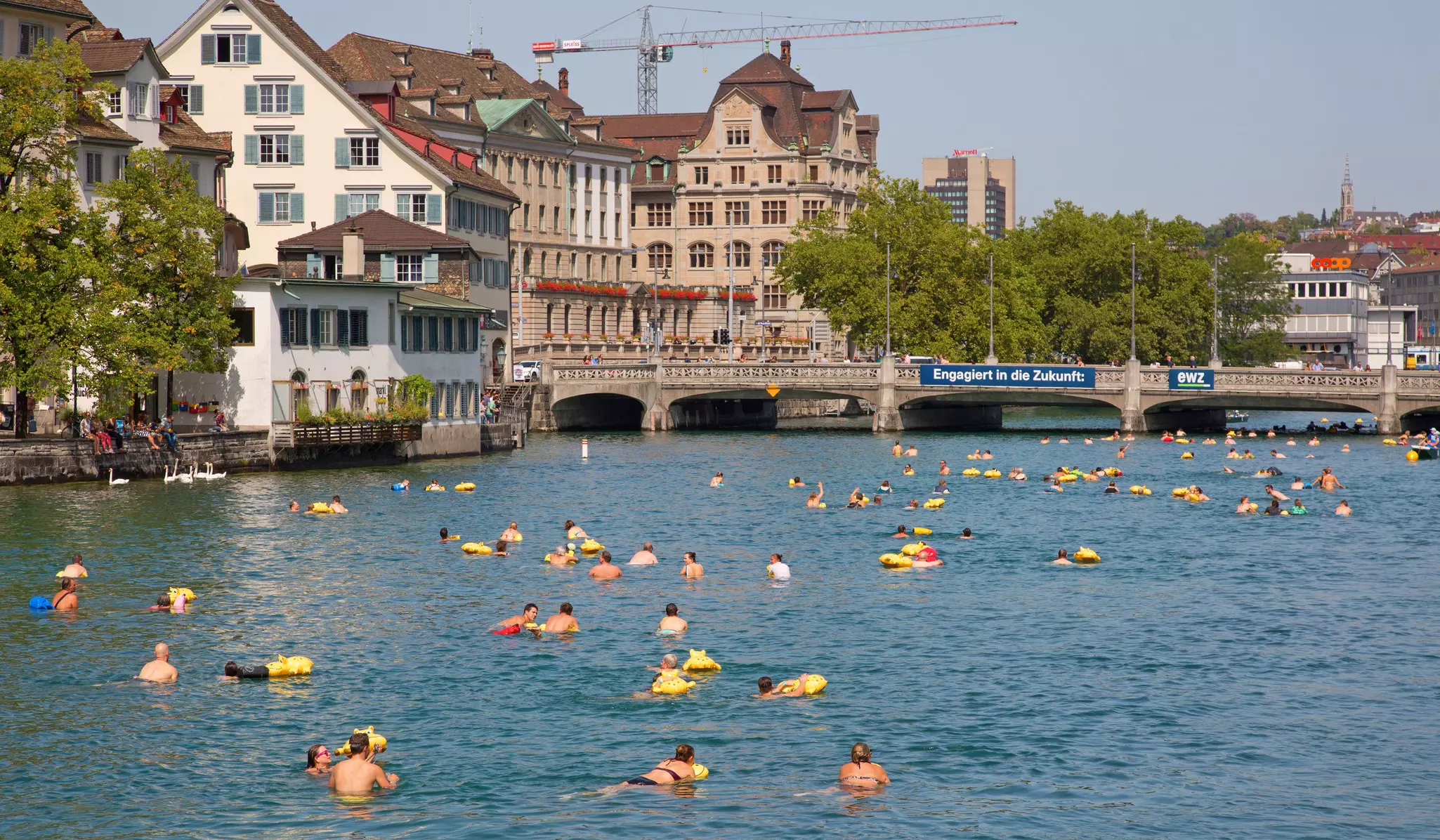
With a killer location at the meeting point of the Limmat River and its eponymous lake, Zürich is one of the world’s most livable cities, yet it often slips off Switzerland travel itineraries. Those who visit and linger will discover a wealth of arty institutions, fabulous dining, leafy parks and summertime swimming areas that are the very definition of human-focused city living.
For over a century Zürich’s Kunsthaus has been one of Europe’s leading art museums, with an unparalleled collection of the works by such greats as Augusto and Alberto Giacometti, van Gogh, Rodin, Edvard Munch and Claude Monet, alongside everything from medieval religious icons to 21st-century installations by Bruce Nauman.
See more sides to the city by admiring the stained glass by Chagall and Giacometti in the Fraumünster and Grossmünster cathedrals, wandering the lanes of the Altstadt on foot, examining the design objects at the Museum für Gestaltung and pausing for chocolate at the world's largest chocolate fountain. As night approaches book a table for dinner at Didi's Frieden or Restaurant Zum Kropf, then raise a toast to Dadaism at Cabaret Voltaire, where the art movement began.
Planning tip: Buy a Zürich Card (valid for 24 or 72 hours) from the tourist office at the airport or train station, for unlimited rides on public transport around the city (including short river and lake cruises) and free or discounted admission to a host of sights.
Best time to try: Come from May to September to enjoy the many badi (public swimming areas) that open up around the Zürichsee and along the Limmat River.
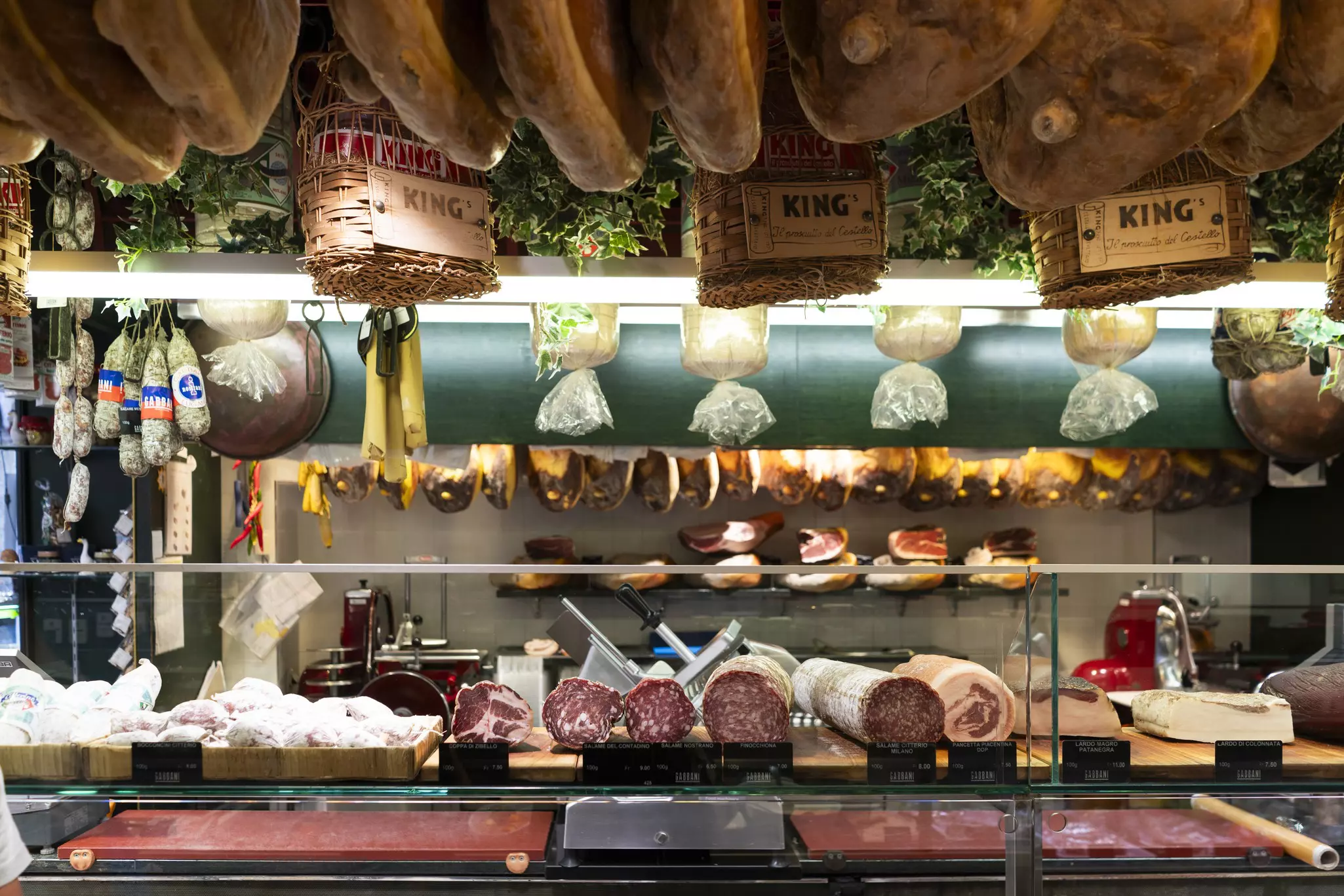
The lakeshore cities of Switzerland are its most famous foodie zones, bustling with seasonal food markets in spring, summer and fall, and packed with restaurants serving creative modern counterpoints to the Alpine clichés of fondue, raclette and rösti.
Start in Geneva, where foodie attention is focused on the Marché de Rive (Marché Helvétique) on Saturday and Wednesday mornings. Open-air stalls are piled high with seasonal produce grown by maraîchers (market gardeners) in surrounding villages, and gourmands gather in side-street hangouts such as sleek Planet Caviar and the egalitarian fish stand of Hermance fisherman, Julien Monney.
In Lausanne, filets de perche meunière (perch fillets pan-fried in butter) are the local treat to seek out. Follow hungry locals to Lutry’s lakefront Café de la Poste – the setting alone, beneath sunflower-yellow parasols on a terrace facing the water, is sublime.
While it sits back from Lake Neuchâtel, Bern is another recommended foodie stop, as the gateway to the cheesy (in the best way) towns of the Emmental Cheese Route. Then there's Lugano, where the flavors of Italy spill across the border along the shores of Lake Lugano.
Planning tip: For special seasonal treats, head to food festivals such as Geneva's Festi'Terroir in August and the Geneva Street Food Festival in June, or Lausanne's partner festival in August.
Best time to try: Most food markets are open year-round but the best of the low-food-mile produce appears in summer.
Take your Switzerland trip with Lonely Planet Journeys
Time to book that trip to Switzerland
Lonely Planet Journeys takes you there with fully customizable trips to top destinations – all crafted by our local experts.

Explore related stories