Feb 6, 202616 min read
The 10 best trails for trekking in NepalJun 27, 2025
8 MIN READ
Writer
Writer
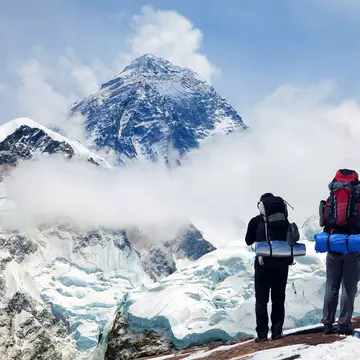
Nepal is home to eight of the world's tallest peaks. But there's plenty more to see and do here.
Sure, the Himalaya is guaranteed to be a major focal point of any visit to this magnificent country. Trekking, climbing and admiring the views of Everest, Annapurna and their high-altitude companions are certainly highlights of any stay in Nepal.
Yet there's oh-so-much to captivate you during your trip. You can enjoy trekking in Nepal, learn about the Nepal wildlife, raft down the long rivers and so much more.
Here are eight of the best things to do in Nepal, from the mountains and beyond.
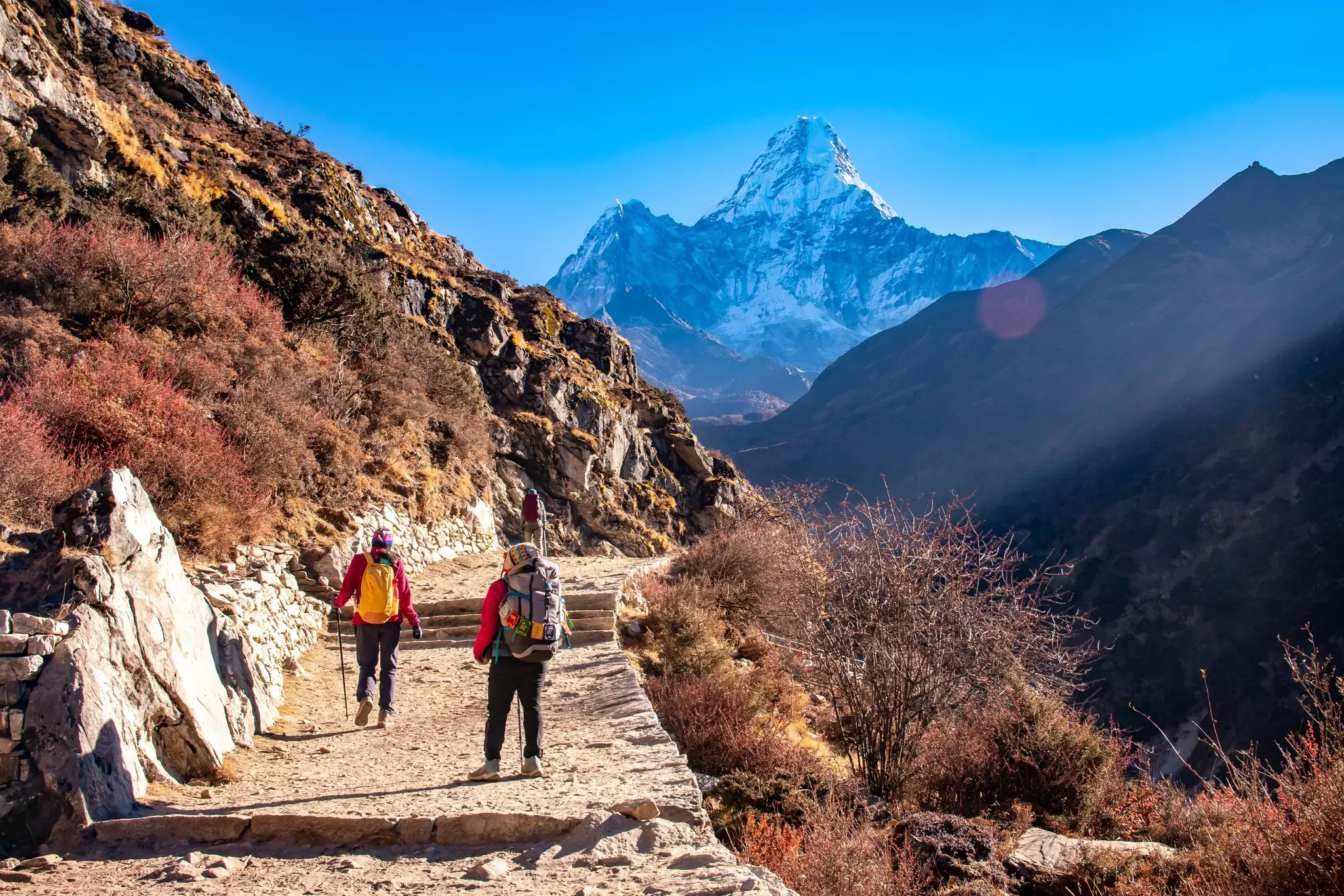
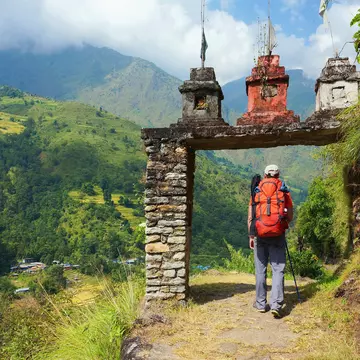
Let’s get one thing out of the way: trekking and mountain climbing are different things. You don’t have to climb the Nepal mountains to hike along rural paths, and through villages, valleys and forests. Nepal is famous for its mountain trekking, and today's routes still use centuries-old trails. You'll have plenty of simple places to stay and eat along your journey. Much of Nepal lies beyond road access, so the only way to reach many mountain communities is on foot.
From leisurely day walks at lower altitudes, to multi-week expeditions, camping and teahouse treks, you can find an itinerary for any energy level, budget and time constraint. While the Everest Base Camp trek is justifiably well loved, it’s also easy to get off the beaten track and walk paths that you’ll only share with villagers (and their donkeys and yaks).
Planning tip: Beware asking locals how long it will take to walk to your destination. Many hill- and mountain-dwelling Nepalis are used to walking these high-altitude paths, so they can seriously underestimate how long it will take an outsider to walk the same. Unless you’re very fit and fast, take local estimates with a grain of (Himalayan) salt.
Some ambitious people come to Nepal to climb Mt Everest (Sagarmatha in Nepali, Chomolungma in Sherpa), but with so many other appealing Nepal mountains, serious mountaineers don’t have to go to such great lengths to conquer a majestic peak. If you have European or North American mountaineering experience, the mountains of the Nepal Himalaya are a natural next challenge. As well as the giants, other popular mountains are Yala Peak (18,110ft/5520m), Lobuche (20,075ft/6119m) and Imja Tse (20,305ft/6189m). Local mountaineering guides will make sure you’re well prepared and supported to climb.
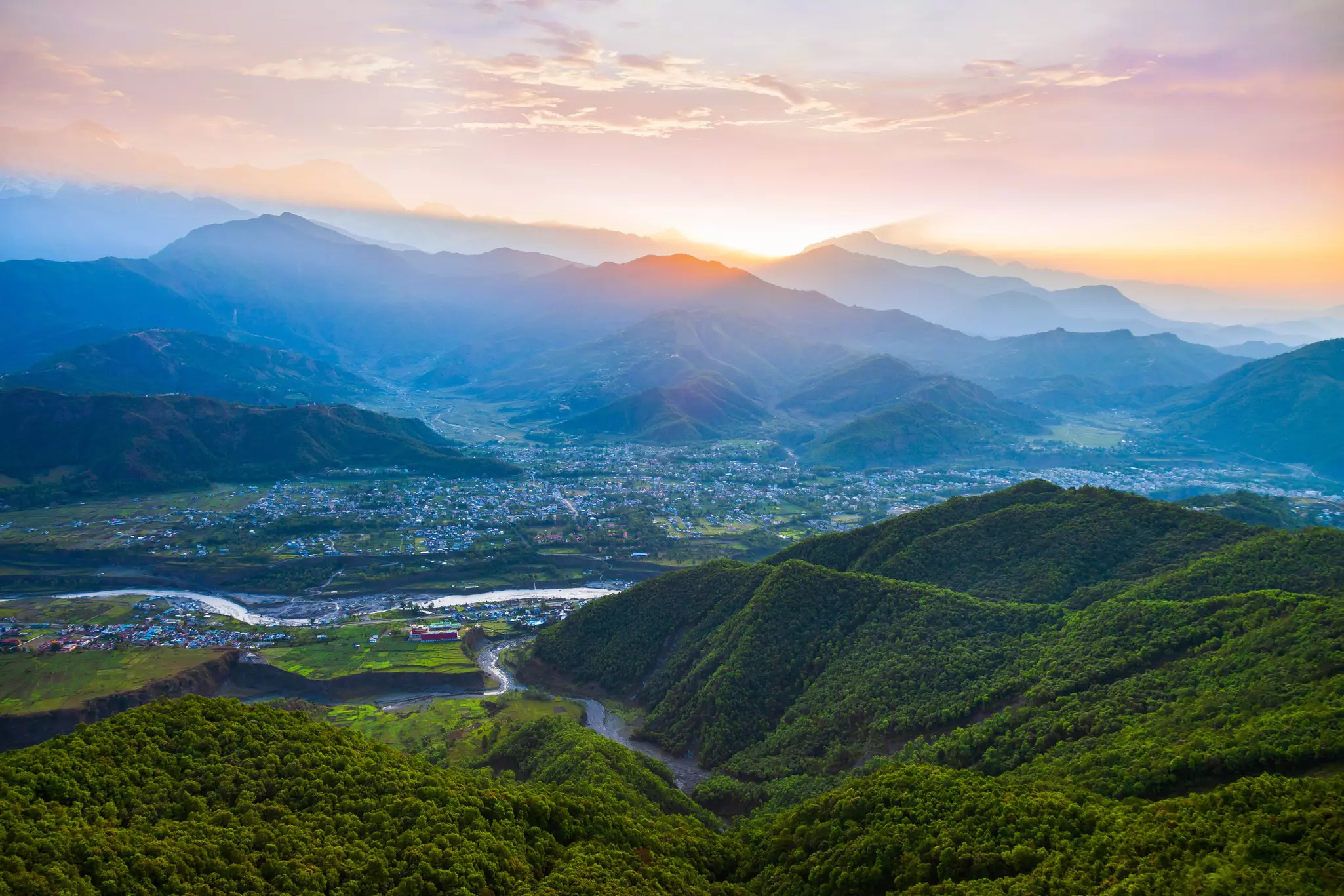
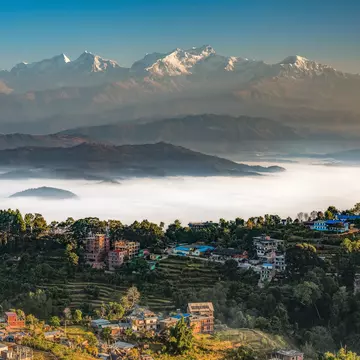
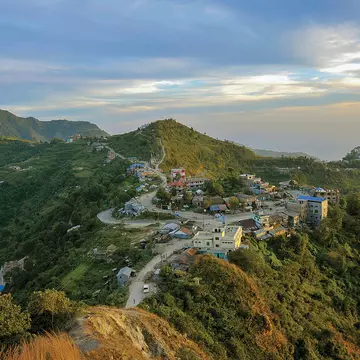
You don’t need to reach the top of the mountains to admire gorgeous views. In southwestern Kathmandu, ride the cable car up to Chandragiri Hills Resort for views of the Langtang Range, the snowy giants that rise on the northern horizon, behind the forest-covered hills of the Kathmandu Valley. For an overnight trip from the capital, head to nearby Nagarkot or Namo Buddha, hill towns with good mountain-facing accommodation. Between Kathmandu and Pokhara, the four-tiered pagoda of Manakamana Temple (reached by cable car from Kurintar) offers great views of Mt Manaslu, the eighth-highest mountain in the world. And the old Newari merchant town of Bandipur is a lovely place to spend the night in traditional farmhouse-style accommodation, with views of Dhaulagiri, Manaslu and more.
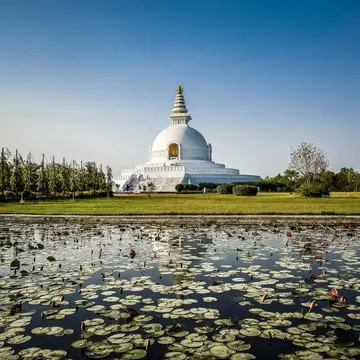
In Pokhara, the Annapurna Cable Car ascends Sarangkot Hill (a top paragliding spot) for views of the fishtail helix of Mt Machapuchare, while the gleaming white dome of the Shanti Stupa (World Peace Pagoda), south of Pokhara’s central Phewa Lake, presents a panorama of the city, lake, surrounding hills and mountains beyond.
Planning tip: Sunrise is a particularly good time to take in views. You'll see a beautiful golden glow, and skies are often clear.
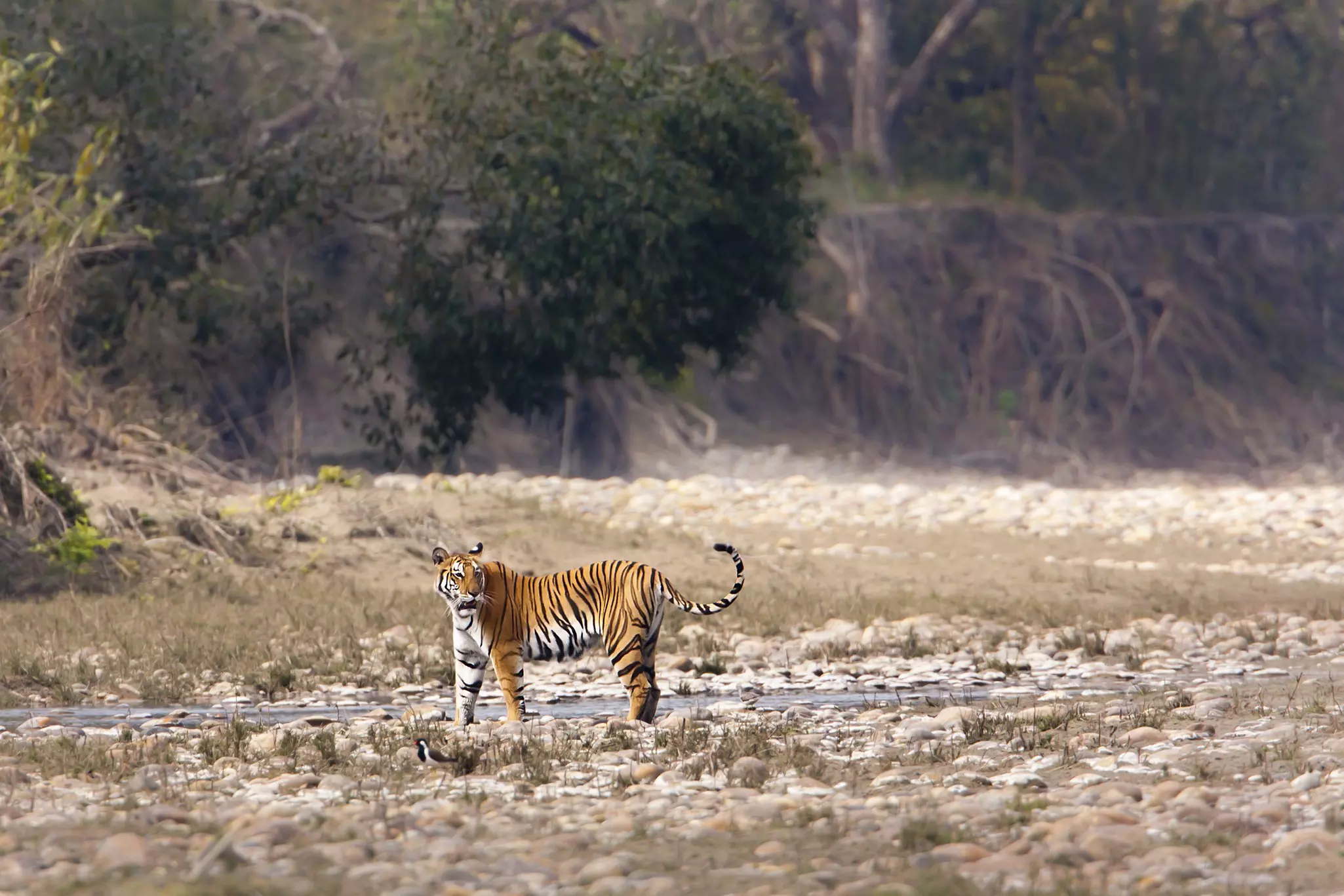
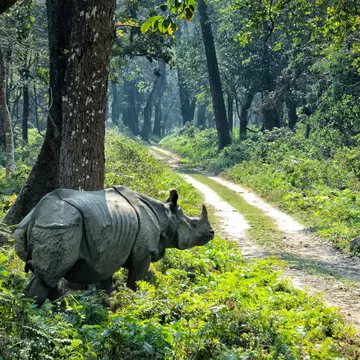
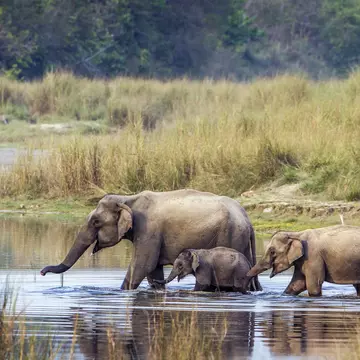
A region of plains bordering India, the Terai presents a chance to observe Nepal wildlife. The jungle national parks here are home to a large population of one-horned rhinoceros, smaller numbers of endangered Bengal tigers and gharial crocodiles, and other animals and birds, including mugger crocodiles and many deer species.
Chitwan National Park is the most popular of the Terai’s parks due to its easy accessibility, about equal distance from Kathmandu and Pokhara. The town of Sauraha is a convenient hub for lodging and arranging safari tours. If you have more time and want a less touristy experience, remote Bardia National Park in Nepal’s far west offers less-than-luxurious accommodations – but a good chance of spotting wildlife undisturbed.
Detour: Even farther west than Bardia, Shukla Phanta National Park occupies Nepal’s southwestern corner. This remote area of forests and grasslands is home to many mammals and birds, most notably a good population of critically endangered Bengal floricans (or Bengal bustards, magnificent birds that are among the heaviest flying species).
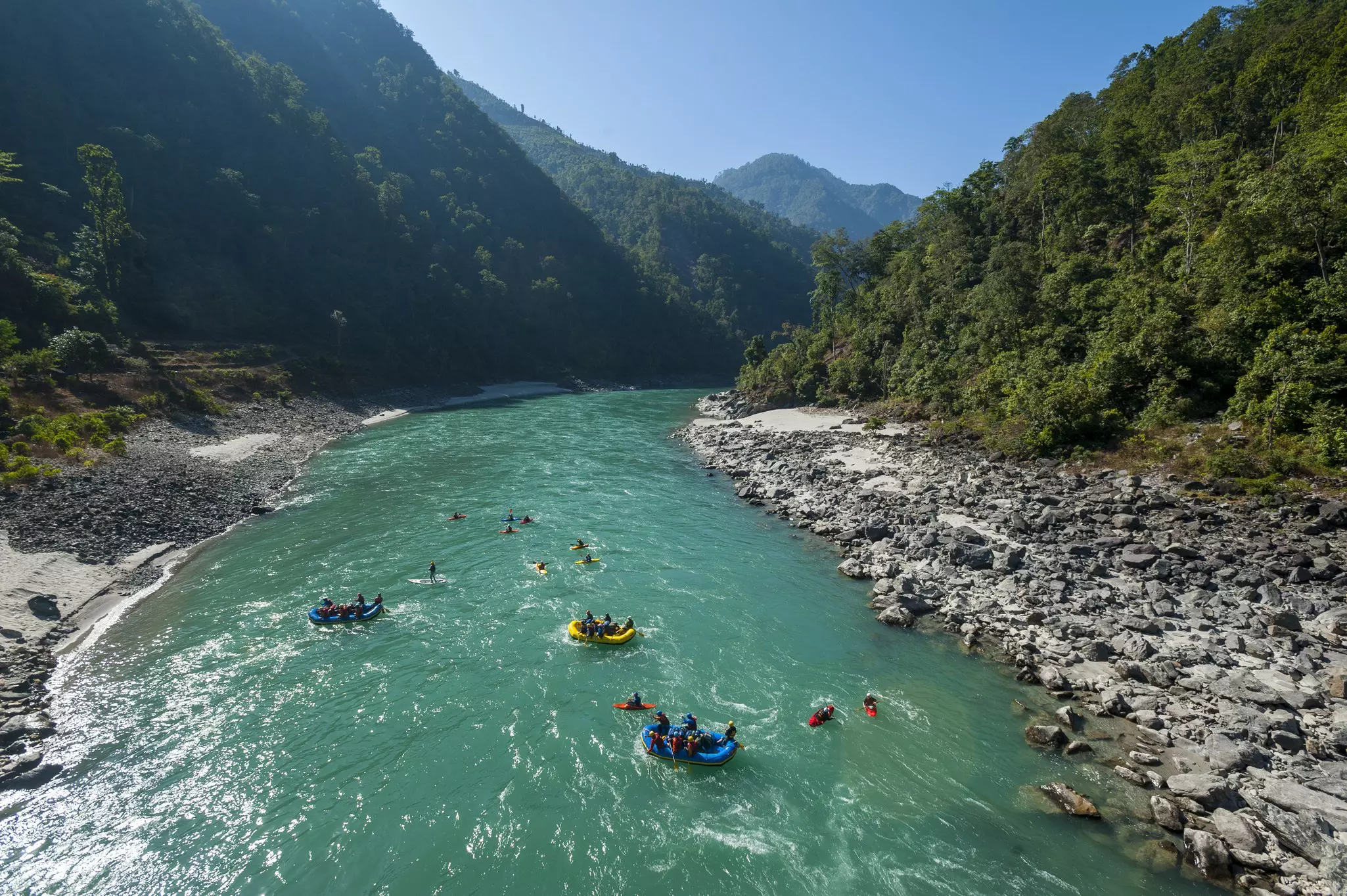
Nepal adventure activities abound, and the gradient of rivers tumbling from the high Himalaya to the plains makes for exciting white-water rafting and kayaking. One-day rafting trips on the Bhote Kosi, Trisuli and Seti Rivers are offered from Kathmandu and Pokhara, and provide a good taste of the sport if you’re a beginner or short on time. Multiday rafting tours (with kayaking options for the experienced) are the watery equivalent of a long trek. Spend days paddling and floating down sparkling channels surrounded by forest-covered hills and mountains, and nights camped out on white-sand river beaches. Guides will probably treat you to a cappella renditions of Nepali folk songs like “Resham Firiri” around the campfire after they’ve whipped up a meal for you. The Sun Kosi (meaning “river of gold”), Karnali and Tamur Rivers are especially popular long trips. GRG Adventure Kayaking, Ultimate Descents and Rafting Star can help plan your adventure.
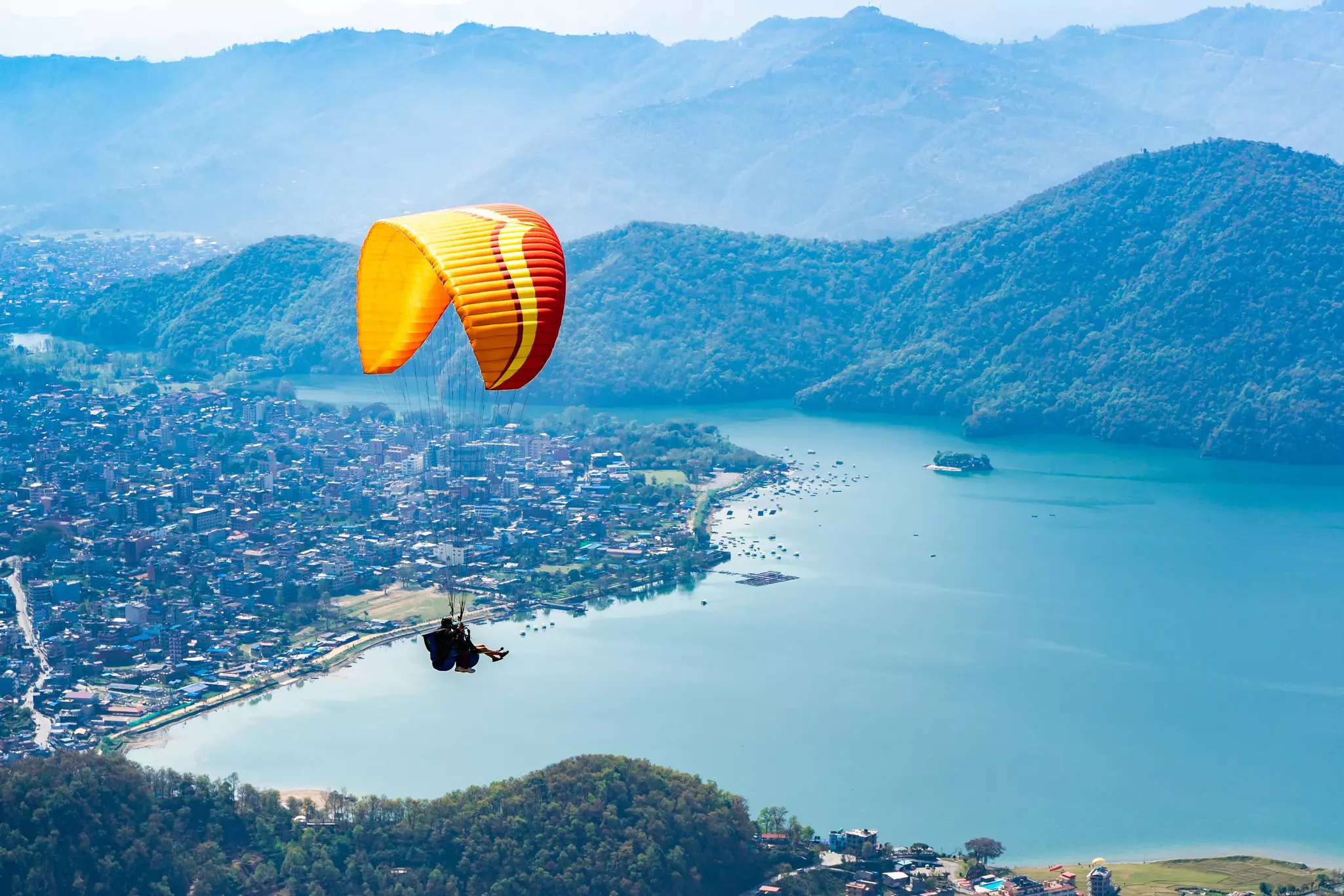
Thrill seekers can also satisfy their urge to leap off high places while surrounded by beautiful nature. Thanks to its stable thermals, Pokhara’s Sarangkot Hill is a beloved paragliding spot; you’ll see the colorful sails floating above the lake even if you don’t partake yourself. From Pokhara, you can also try zip-lining, bungee jumping, ATV touring or even flying in an ultralight aircraft. From Kathmandu, The Last Resort, 62 miles (100 km) away, has a canyon swing and a bungee platform high above the Bhote Koshi River, and also offers canyoning adventures.
Local tip: Between Mugling and Narayanghat, off the Prithvi Hwy, Jalbire is a canyoning spot rated as the best place in Nepal to go canyoning by in-the-know Nepali river guides. The high waterfalls and slick rock slides here are worth the detour.
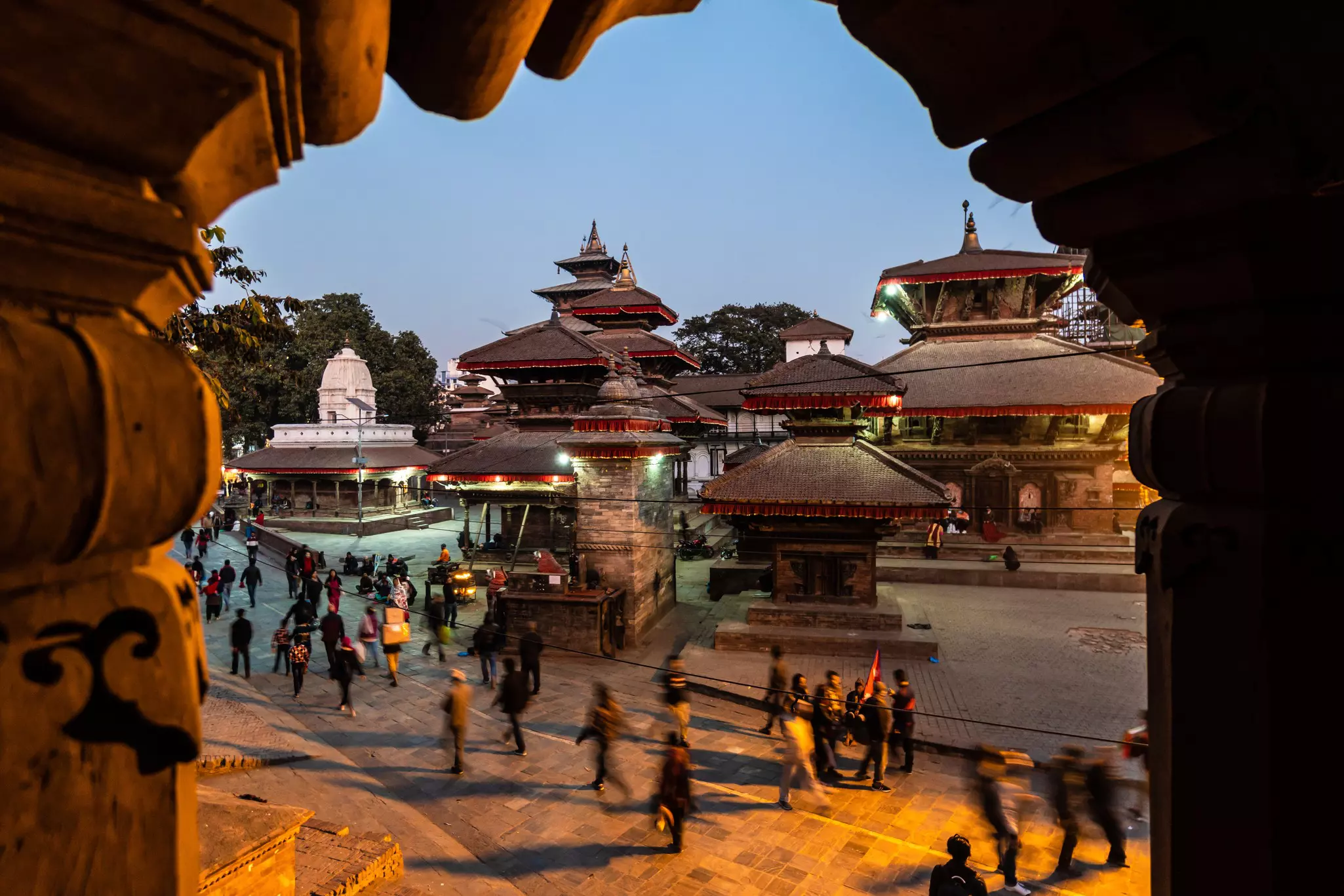
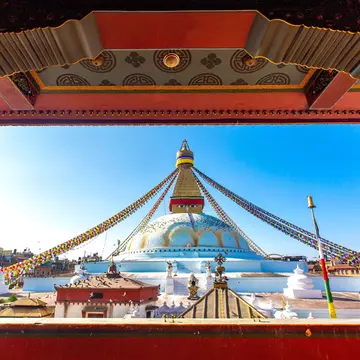
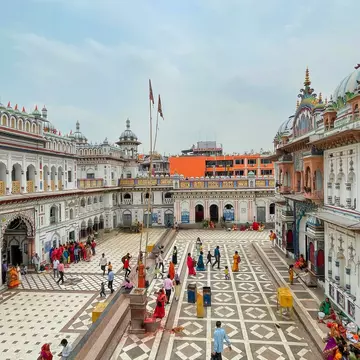
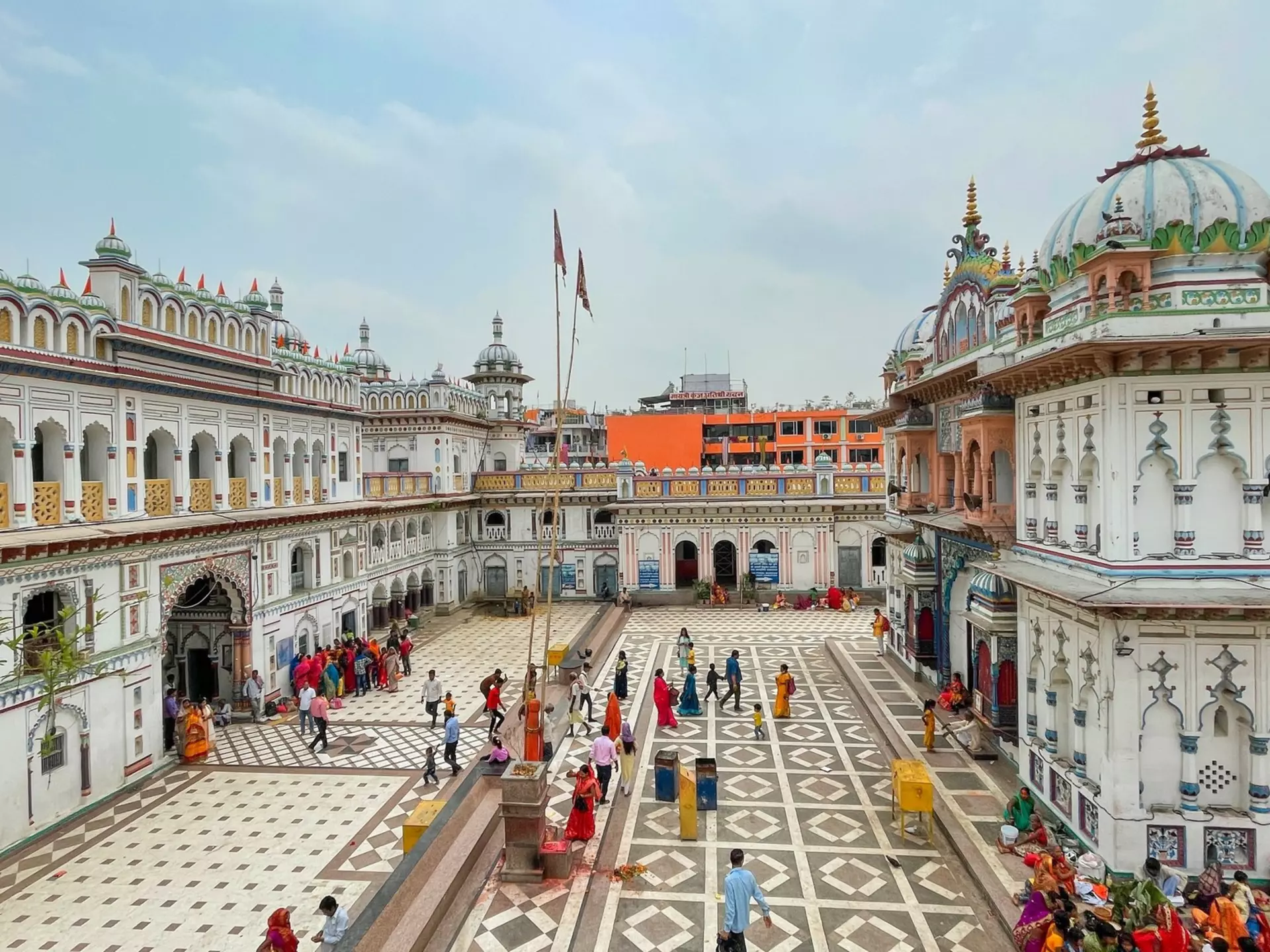
Nepal culture is thousands of years old, and it's been influenced by both India to the south and Tibet to the north. While Hinduism is the dominant religion, there’s also a significant Buddhist minority, most visible in Kathmandu and the mountain areas bordering Tibet. You don’t need to be a believer yourself to appreciate Nepal’s many Hindu and Buddhist pilgrimage sites, because these – and other temples, palaces and stupas – provide a fascinating insight into Nepali culture and history.
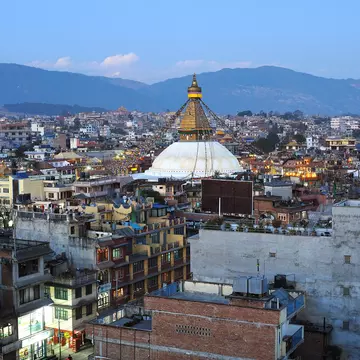
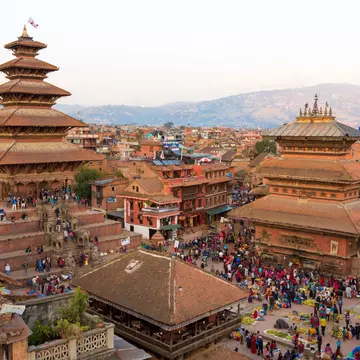
Among the concrete sprawl of Kathmandu, be sure to seek out the city’s beautiful and significant architecture. The Kathmandu Valley contains seven monument zones that together form a UNESCO World Heritage Site. If you’re looking for things to do in Kathmandu, these heritage sites should top your agenda.
Planning tip: Make sense of the religious and vernacular architecture of the Kathmandu Valley by visiting the excellent Patan Museum, within the brick and carved wood old palace building at Patan Durbar Square.
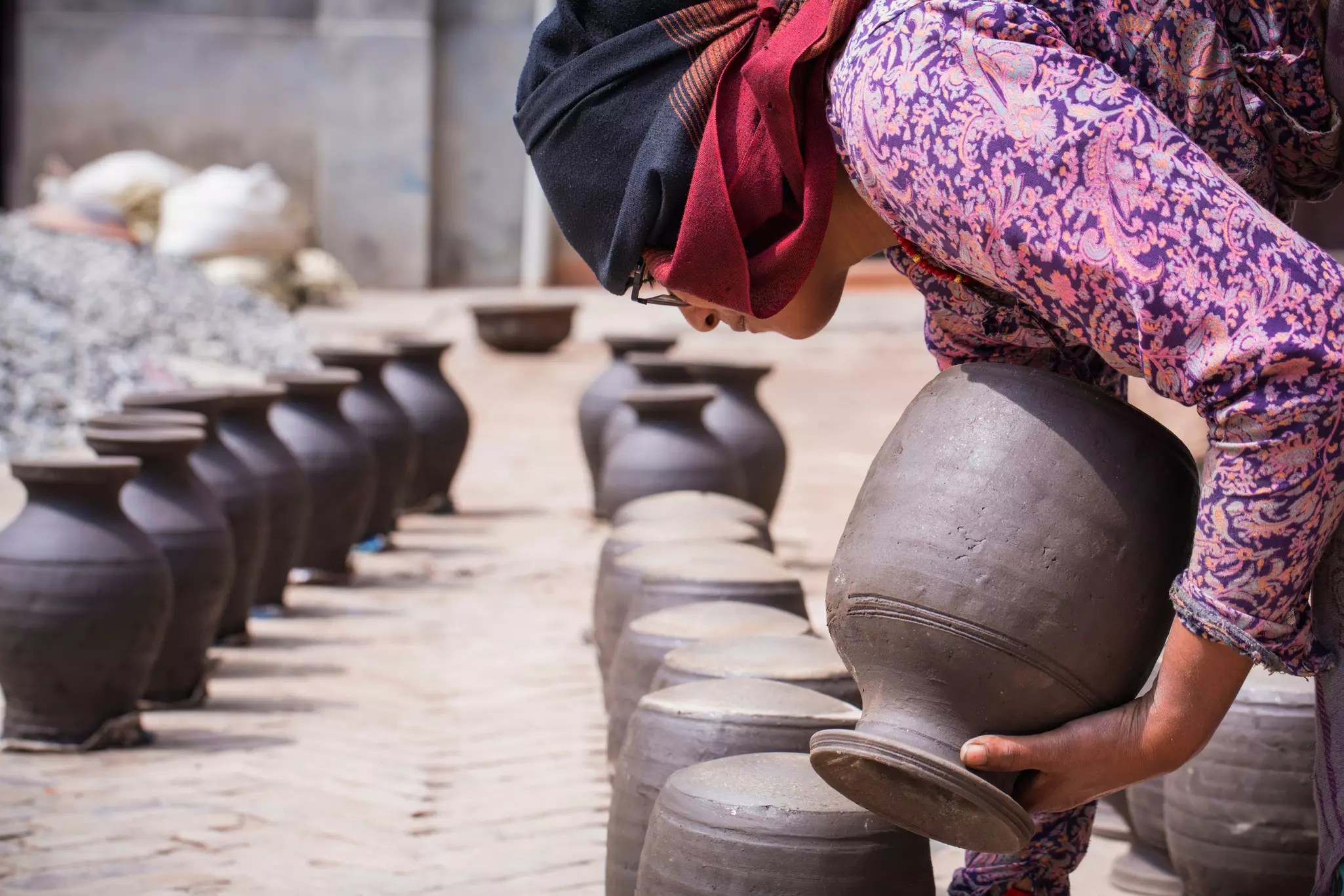
Some Kathmandu Valley neighborhoods – particularly Patan and Bhaktapur – are like living museums of local arts and crafts. What sometimes passes as “Nepali” carving, painting or metalwork is more specifically Newari, crafted by artisans from the ethnic group that first inhabited the Kathmandu Valley. Wandering around the backstreets of Patan or Bhaktapur, you’ll see many craftspeople at work in small workshops behind their shop fronts. This is one of the best things to do in Kathmandu if you’re into arts, crafts and generally beautiful things.
These aren’t just put on for tourists: traditional crafts remain an integral part of local life and worship here. People still use brass ornaments in their daily lives and decor, and furnish their homes with hand-carved window frames and doors. If you’d like to learn more and try making something yourself in a visitor-friendly setting, you can take a craft workshop. Forge a kukri knife, paint a thangka Buddhist devotional painting or create your own mala bead necklace with an expert instructor.
Detour: Off the main road between Kathmandu and Bhaktapur in the eastern Kathmandu Valley, the lesser-known town of Madhyapur is famous for its pottery. Yet many travelers bypass it or just don’t know it’s there. If pottery’s your jam, take a detour to wander among the terracotta pots laid out to dry in public places on a sunny day.
Take your Nepal trip with Lonely Planet Journeys
Time to book that trip to Nepal
Lonely Planet Journeys takes you there with fully customizable trips to top destinations – all crafted by our local experts.


Explore related stories