Sep 20, 202618 min read
A Guide to Tsavo National Park, KenyaSep 4, 2025
9 MIN READ
Contributors
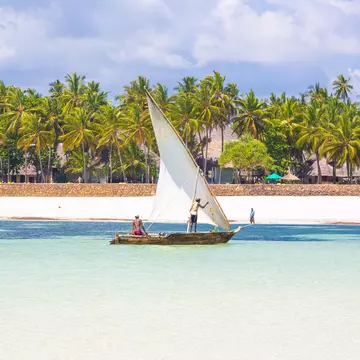
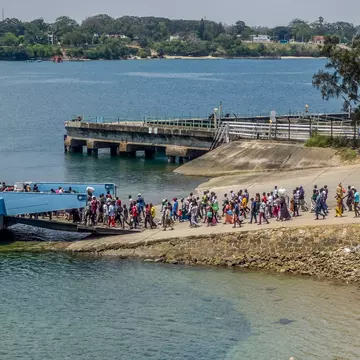
A dhow sailing near Diani Beach, Kenya. Anski21/Shutterstock

Contributors

Matt Phillips, Meera Dattani
Highlights
Writers Matt Phillips and Meera Dattani pick 10 Kenya experiences – safari to sea.
Spot the Big Five in the Masai Mara; July to October is Great Migration season.
Traditional dhows ply the coast from Lamu; snorkel the reefs at Watamu for green turtles.
Keen hikers should head to Mt Kenya's Point Lenana; camel safaris reach the remote Samburu north.
Lonely Planet may earn a commission from affiliate links on our site. All recommendations and reviews reflect our own independent opinions.
Despite having a coastline of beautiful beaches perfect for lazing on, visitors to Kenya rarely sit still because there are simply so many exciting things to do.
Stirring landscapes, ranging from equatorial glaciers and jagged peaks to wildlife-laden plains and tropical reefs, provide an epic natural playground for all who venture here, while the intoxicating mix of cultures surprises at every turn. Here are our favorite of Kenya's many unmissable experiences.
Kenya’s Indian Ocean coast is beautiful no matter how you see it, but the most romantic way to experience the water is from the deck of a traditional dhow. These wooden sailing vessels have been used along this stretch of coastline for centuries, and they are still entrenched in Swahili culture today.
Whether launching from the historical island of Lamu (home to Kenya’s oldest continually inhabited town), from the shores of Mombasa, or the modern resort village of Diani Beach, these wind-powered voyages slip past stunning slivers of sand, remote coral islands, and reefs teeming with fish.
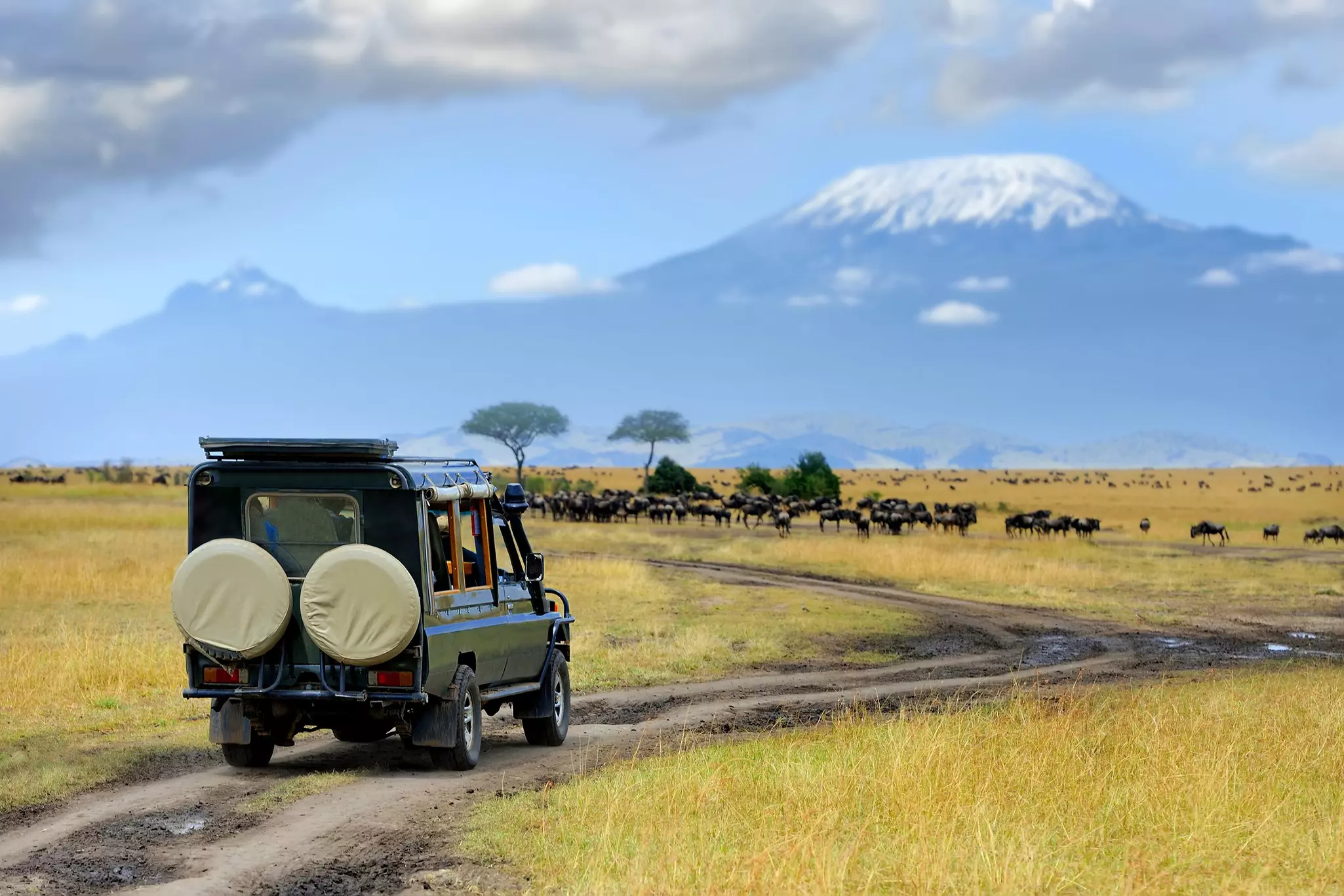
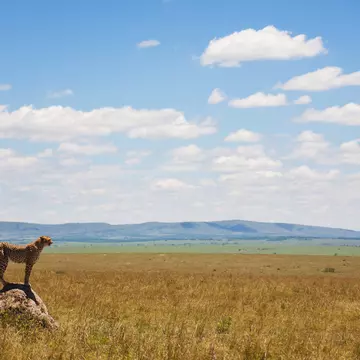
Not only were safaris born in Kenya, but so was the very word itself – it means "journey" in Swahili. Spotting the much-heralded Big Five (lion, leopard, buffalo, rhino and elephant) is a major aspiration of many visitors to Africa, and Kenya provides some of the continent’s most impressive natural settings for the search.
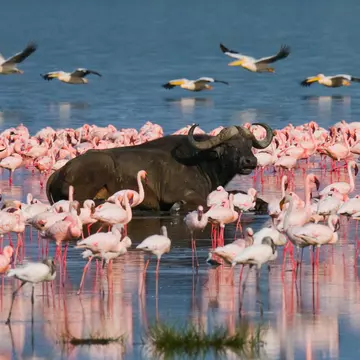
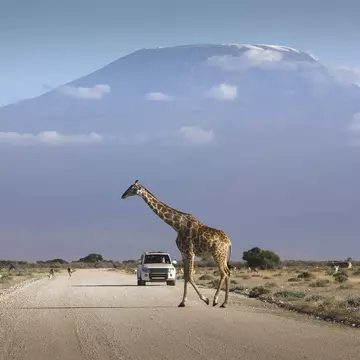
No natural reserve is more famous than the Masai Mara, where sightings of all these species are common. Lake Nakuru National Park, with its flamingo-lined lake and forest-clad escarpments, is another incredible place for Big Five safaris, as is Amboseli National Park, where Mt Kilimanjaro provides a staggering backdrop.
Samburu Game Reserve in the remote north is prime safari territory and, as well as being a great place to spot a leopard, it also hosts its own "Samburu Special Five": Beisa oryx, Grevy’s zebra, long-necked gerenuk, reticulated giraffe, and Somali ostrich.
Planning tip: If you’re in Nairobi, don’t overlook Nairobi National Park on the outskirts of the capital. Often billed as the only national park within a city in the world, Kenya’s first game reserve has wildlife in abundance, from lions, leopards and buffalo to the endangered black rhino and around 400 species of birdlife.
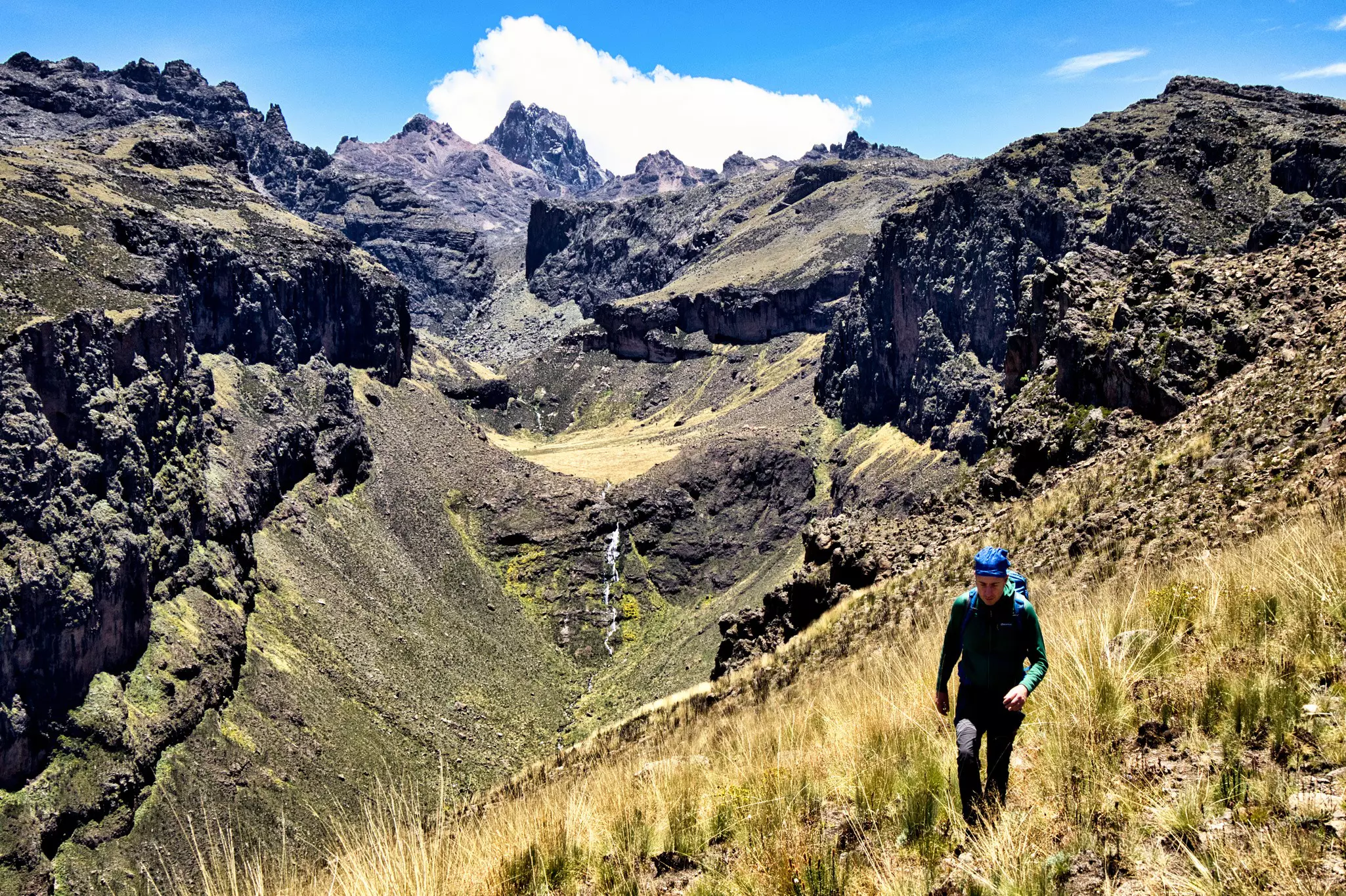
Mt Kenya’s trekking terrain is arguably the African continent’s most beautiful and rewarding. Its diverse valleys, equatorial glaciers and dramatic, towering summit are extraordinary, best seen over a challenging multiday hike to Point Lenana (4985m/16,355ft), the mountain’s third-highest peak and the highest reachable without climbing equipment.
The more gentle slopes of Mt Elgon, technically in Uganda but on the border with Kenya and often visited from Kenya, are home to elephants, primates, antelopes and some 240 species of birds. It’s another great option for treks lasting several days, as are captivating walks with the Maasai through their homelands.
Incredible day hikes are also possible throughout Kenya – climb up Mt Longonot to its crater rim, seek out remote waterfalls in the mountains of Aberdare National Park, or take a leisurely stroll in the dense Kakamega Forest while listening to birdsong.
If you’re craving greenery in Nairobi, Karura Forest is the capital’s oasis with around 50km of trails set around a waterfall, caves, rivers and wetland.
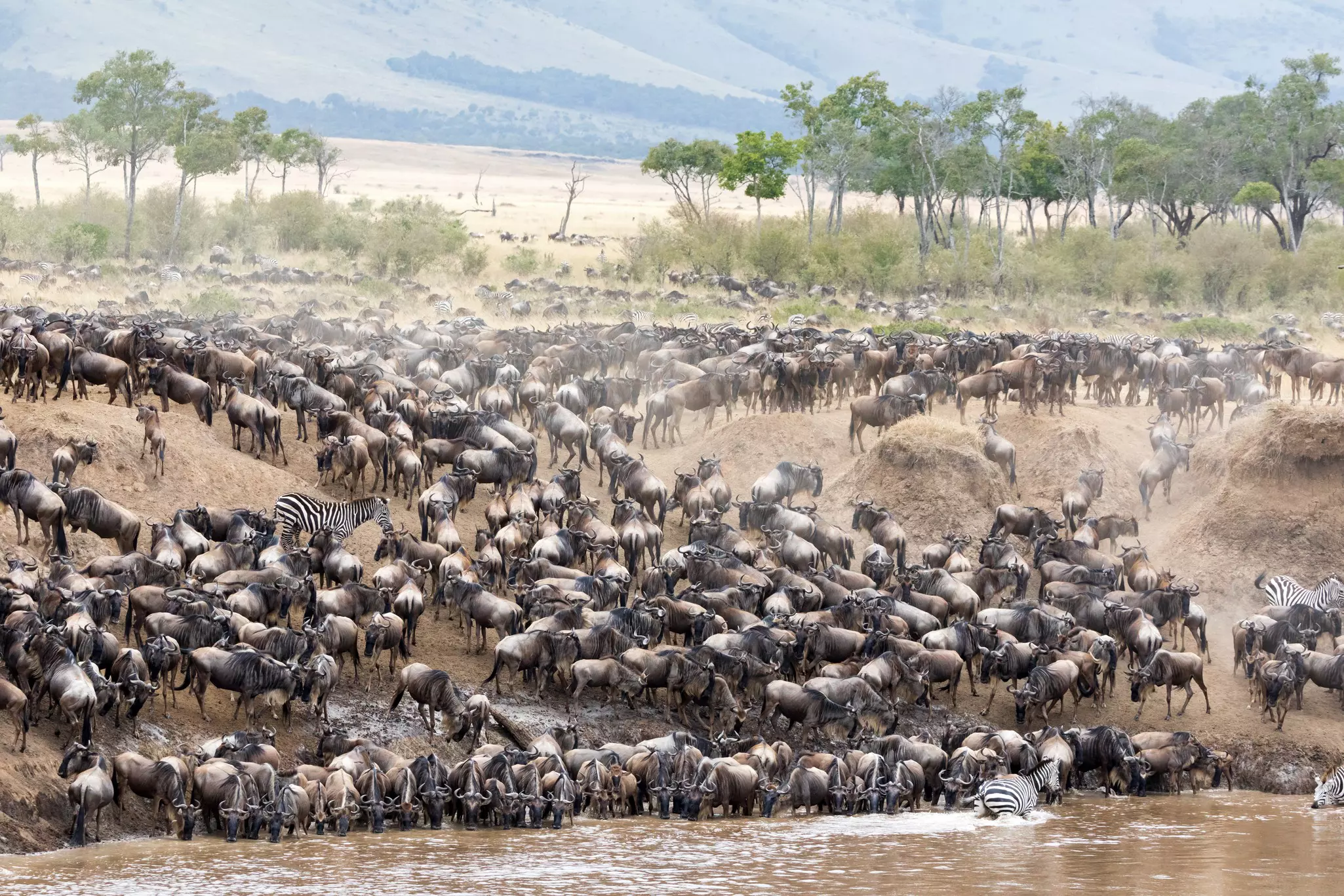
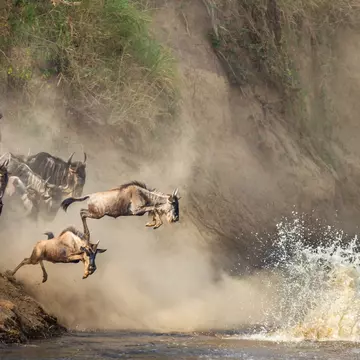
It’s been called the greatest natural spectacle on the planet and with good reason. Each year from July to October, as many as 1.5 million wildebeest and hundreds of thousands of zebras and gazelles make a dramatic crossing of the crocodile-infested Mara River to feed on the lush grasses of the Masai Mara.
The flood of animals filling the open savanna includes herds of elephants and giraffes, and trailing this sea of prey are lions, leopards, cheetahs and hyenas. Needless to say, there is never a shortage of drama during the Great Migration.
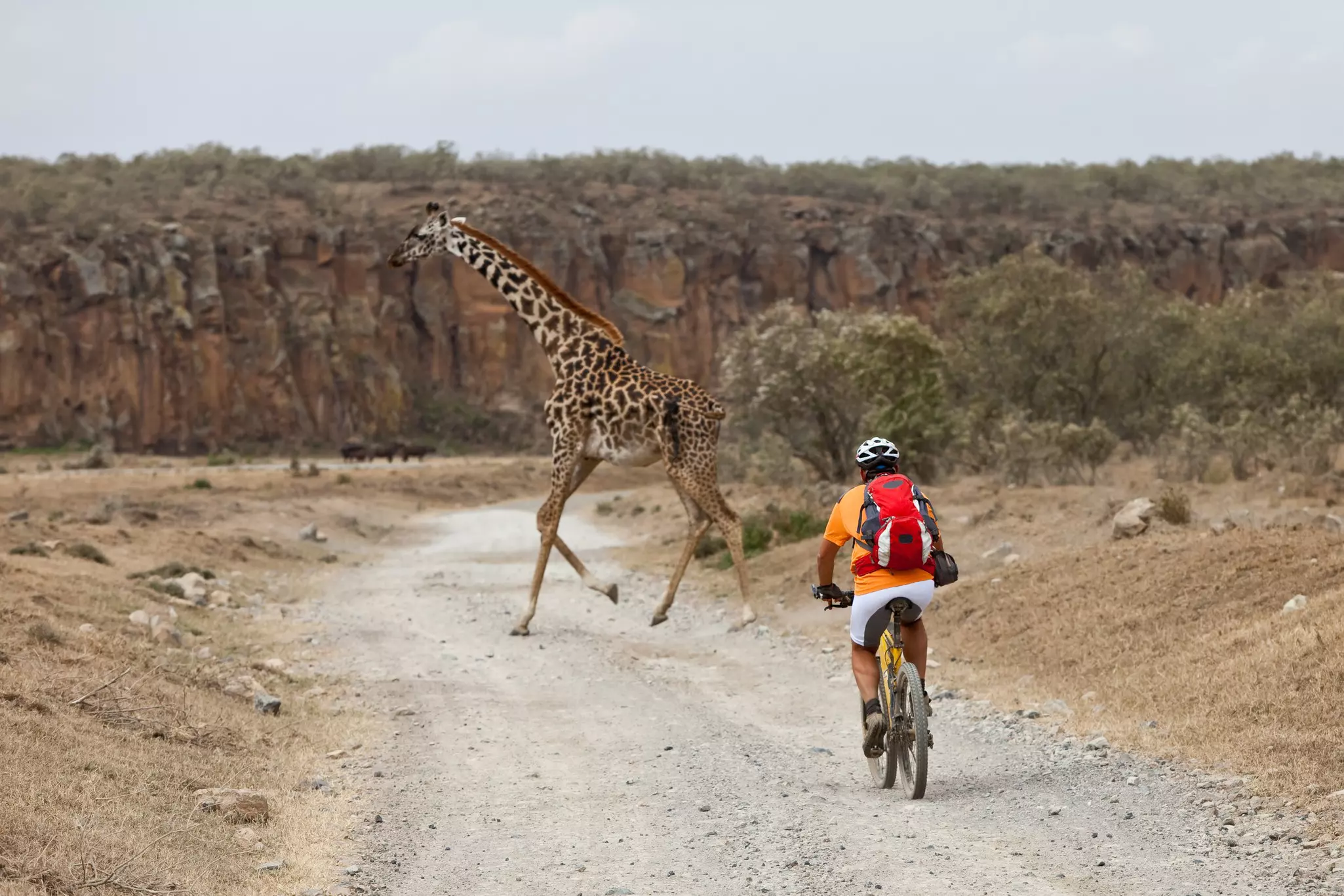
Mountain biking in Kenya is not your average mountain biking – here this two-wheeled pursuit offers a unique means of embracing both the country’s incredible landscapes and its iconic wildlife.
Ride over the red earth paths in the volcanic confines of Hell’s Gate National Park, cycling past grazing buffaloes, giraffes, impalas and zebras, or take to the grasslands of the Masai Mara for a guided cycle safari like no other.
Planning tip: For the purest mountain bikers who want nothing more than to test their skills, there are some great single-track routes of varying gradient and difficulty on Mt Kenya and within the Rift Valley above Naivasha. For those wanting a more leisurely cycle, exploring the coastal areas around Diani Beach, Malindi, and Watamu by bike is an engaging option.
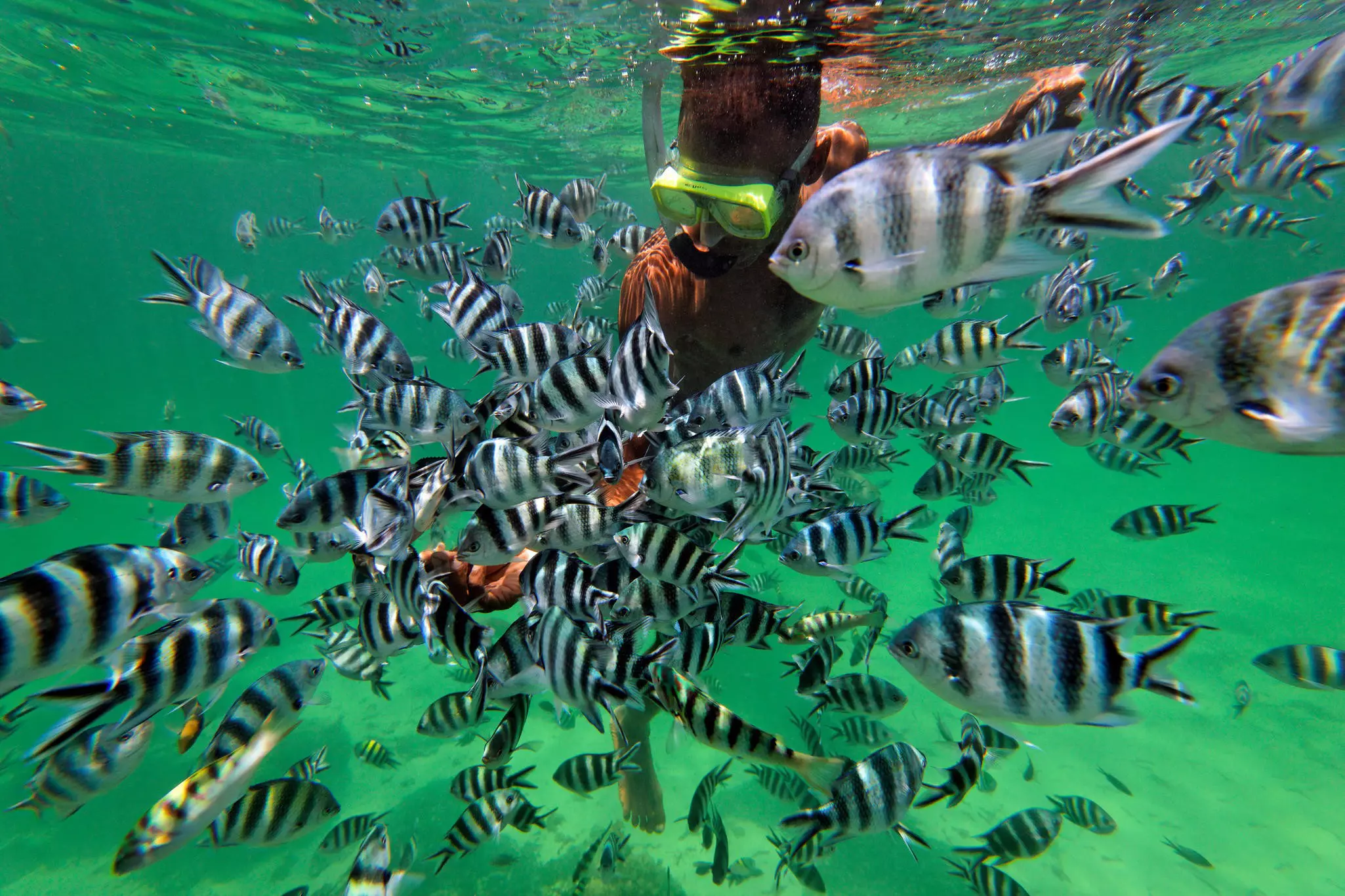
With much of the coast sheltered by reefs, Kenya’s calm inshore waters – speckled with shoals of vibrantly colored fish – provide some of the easiest and most transfixing snorkeling in East Africa. Simply float above the seabed and take it all in or strap on a scuba tank and take a deeper dip on the other side of the reef, where whale sharks, dolphins and swordfish play.
Excellent sites include Watamu Marine National Park and Reserve, a haven for the green turtle; Galu Reef for sightings of seahorses, scorpion fish and ghostfish; and Nyuli’s steep coral reef wall.
Planning tip: For those wanting to up their diving skills, highly regarded operations offer open-water diving courses. Kenya is also a great place for beginners to take to the water. You'll find schools in Diani Beach, Watamu and Wasini Island teaching PADI (Professional Association of Diving Instructors) courses that start in shore-based pools beneath swaying palms.
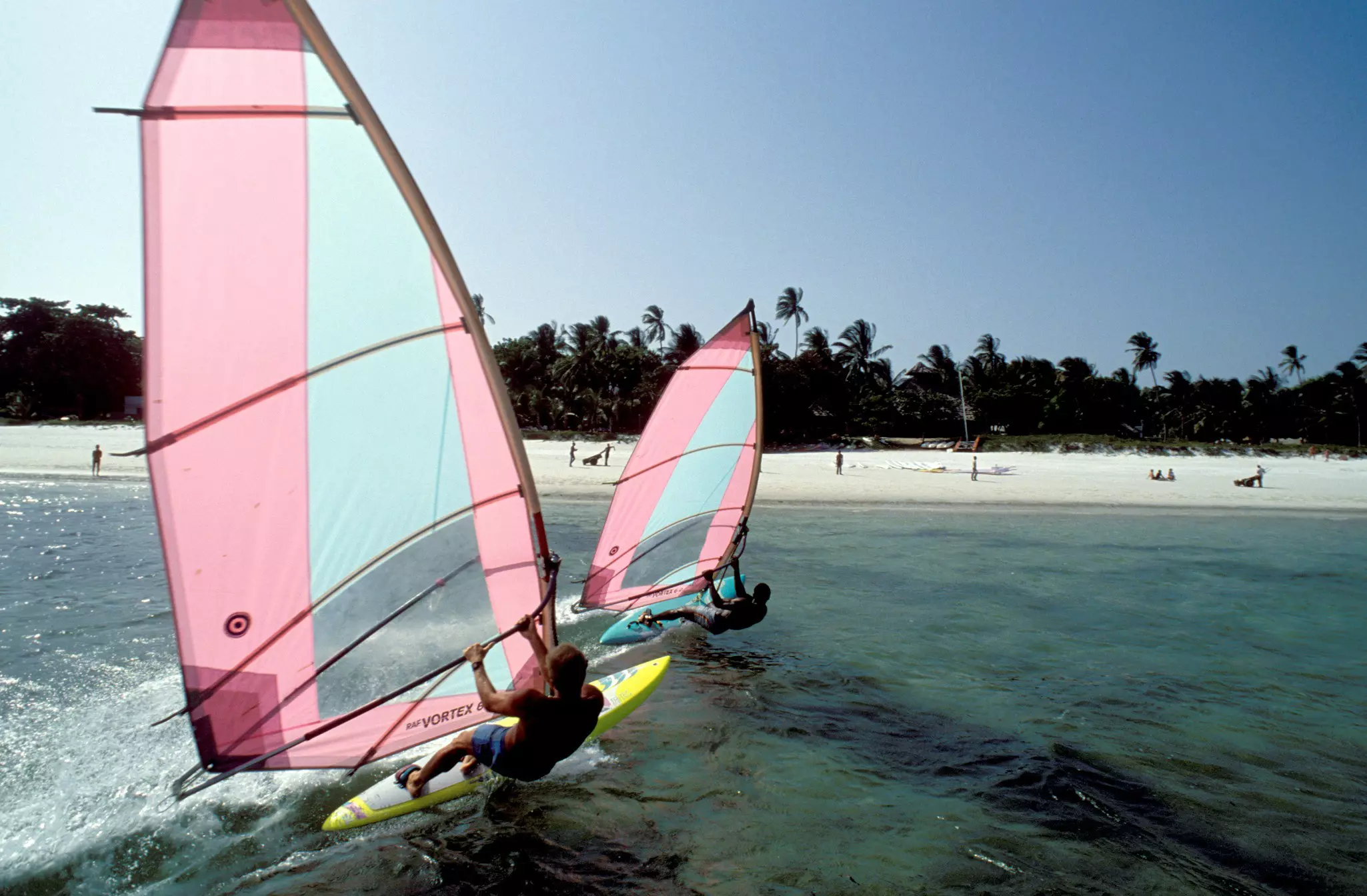
Want a burst of adrenaline with your taste of the Indian Ocean? The same winds that power the elegant dhows fuel two great water sports: windsurfing and kitesurfing. The latter has really caught on in Kenya, with many schools providing lessons for beginners as well as equipment rentals for experienced kitesurfers.
Diani Beach and neighboring Galu Beach are the epicenters of action, while Nyali and less crowded Shanzu beaches, close to Mombasa town, are also highly recommended. The waters off Watamu and Malindi are excellent for experienced surfers because the waves are bigger and there’s no reef.
The fun doesn’t stop inland, however, with white-water rafting trips possible on both the Tana (also known as the Sagana) and Athi rivers, which thunder down from the Central Highlands at certain points during the year.
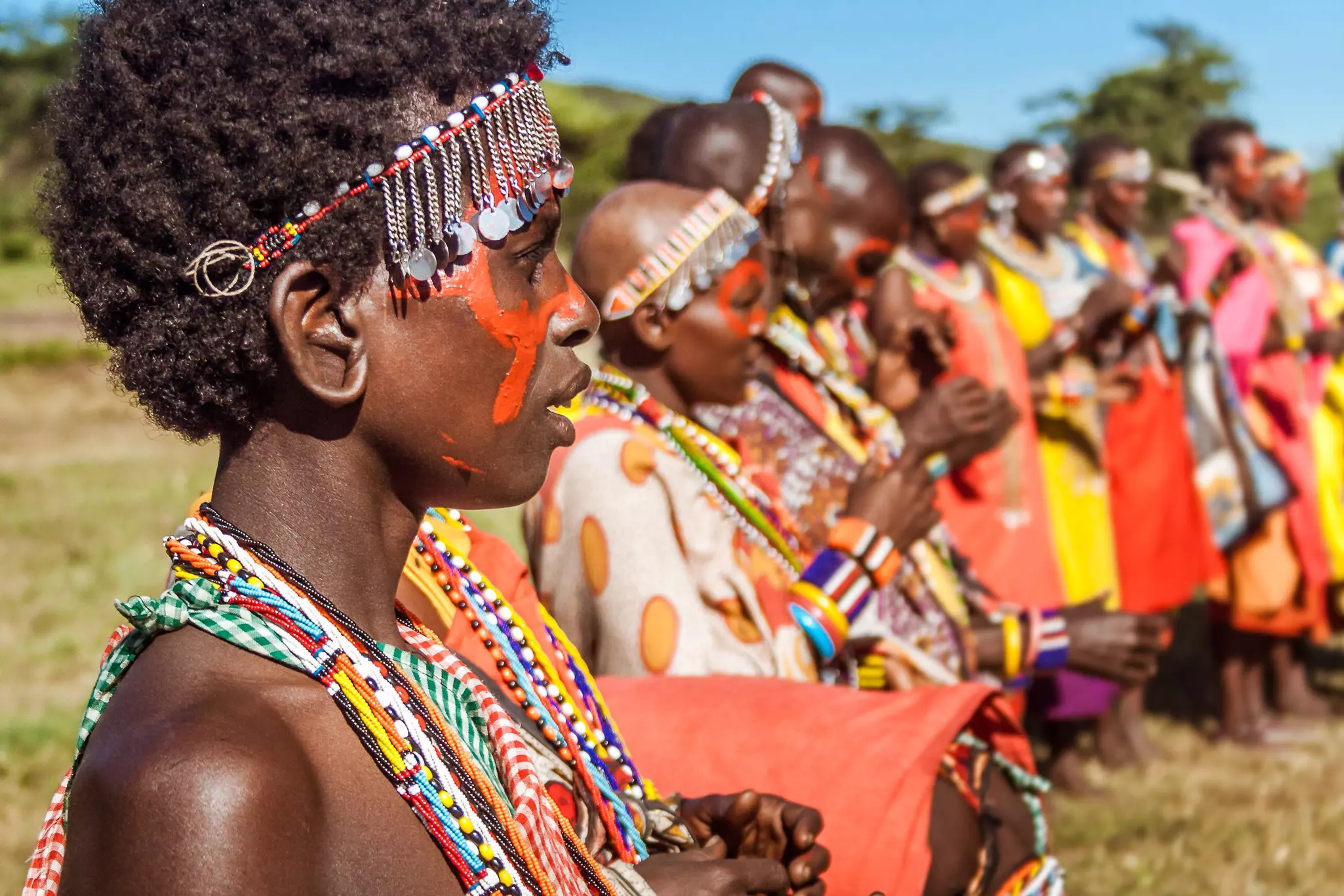
Although it is dreams of Kenya’s wondrous wildlife that draws most people to this East African nation, many people’s lasting memories revolve around their interactions with Kenyans themselves. Meetings with the Maasai people, with their traditional red shukas (blankets) and charismatic culture, add depth and warmth to any trip into the Mara region.
The same can be said for the striking Turkana people in Loiyangalani along the eastern shore of the Jade Sea (Lake Turkana). Visitors to the annual Marsabit-Lake Turkana Festival will also meet many of the other communities from Kenya’s remote north, such as the El Molo, Rendille, Samburu, Dassanach, Gabra, Borana, Konso, Sakuye, Garre, Waata, Burji and Somali.
The diversity of cultures in Kenya is truly astounding. Due to its history as a former British colony, Kenya has a sizable South Asian population of Hindus, Muslims, Goans and Sikhs, and a smaller yet influential white European community as part of that legacy.
While the Swahili people on the coast from Mombasa to Malindi differ in that they don’t share a common heritage, they are bound by a language and an African history that is tied to Arabia and Persia. There is no better place to immerse yourself in this world than in the labyrinth of crooked alleyways in Lamu town and Shela village on Lamu Island.
Planning tip: Time your visit to Kenya to coincide with one of its many vibrant cultural festivals.
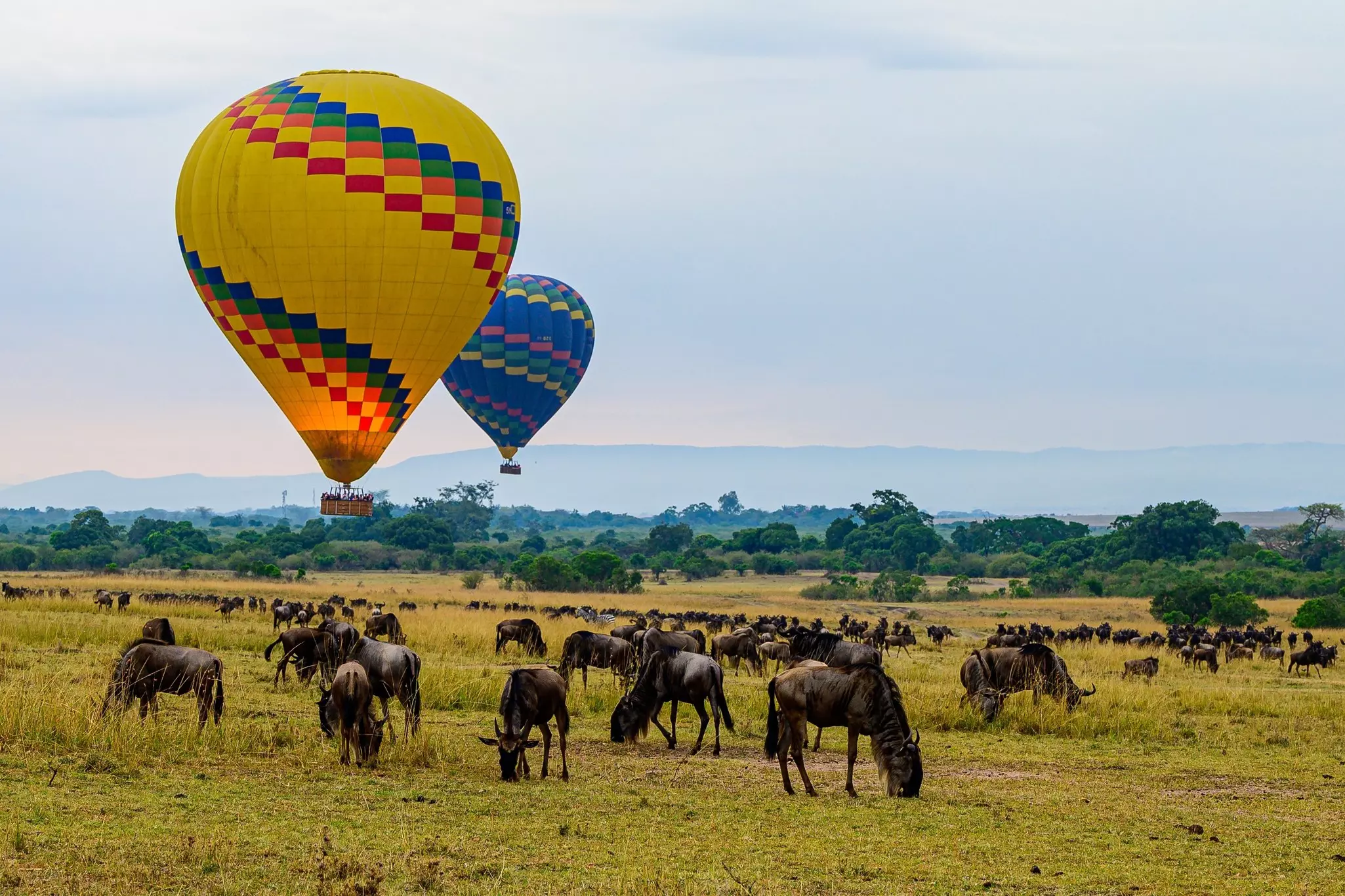
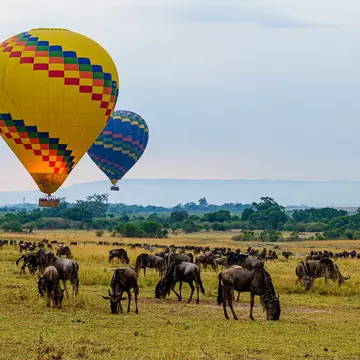
Perhaps the most intoxicating safari experience in Kenya is to slowly climb – one exciting flame blast at a time – above the famous rolling savanna and flat-topped acacia trees of the Masai Mara in a hot-air balloon. Floating silently over streams of wildebeest on their Great Migration, lions stalking their prey or a lone black rhino moving through the bush is a perspective that nobody can ever forget.
When the light is just right, it’s possible to marvel at the perfectly proportioned elephant-shaped shadows cast by the largest member of the Big Five. Few experiences in life are as peaceful as they are exciting, and a hot-air balloon safari in Kenya is certainly one of them.
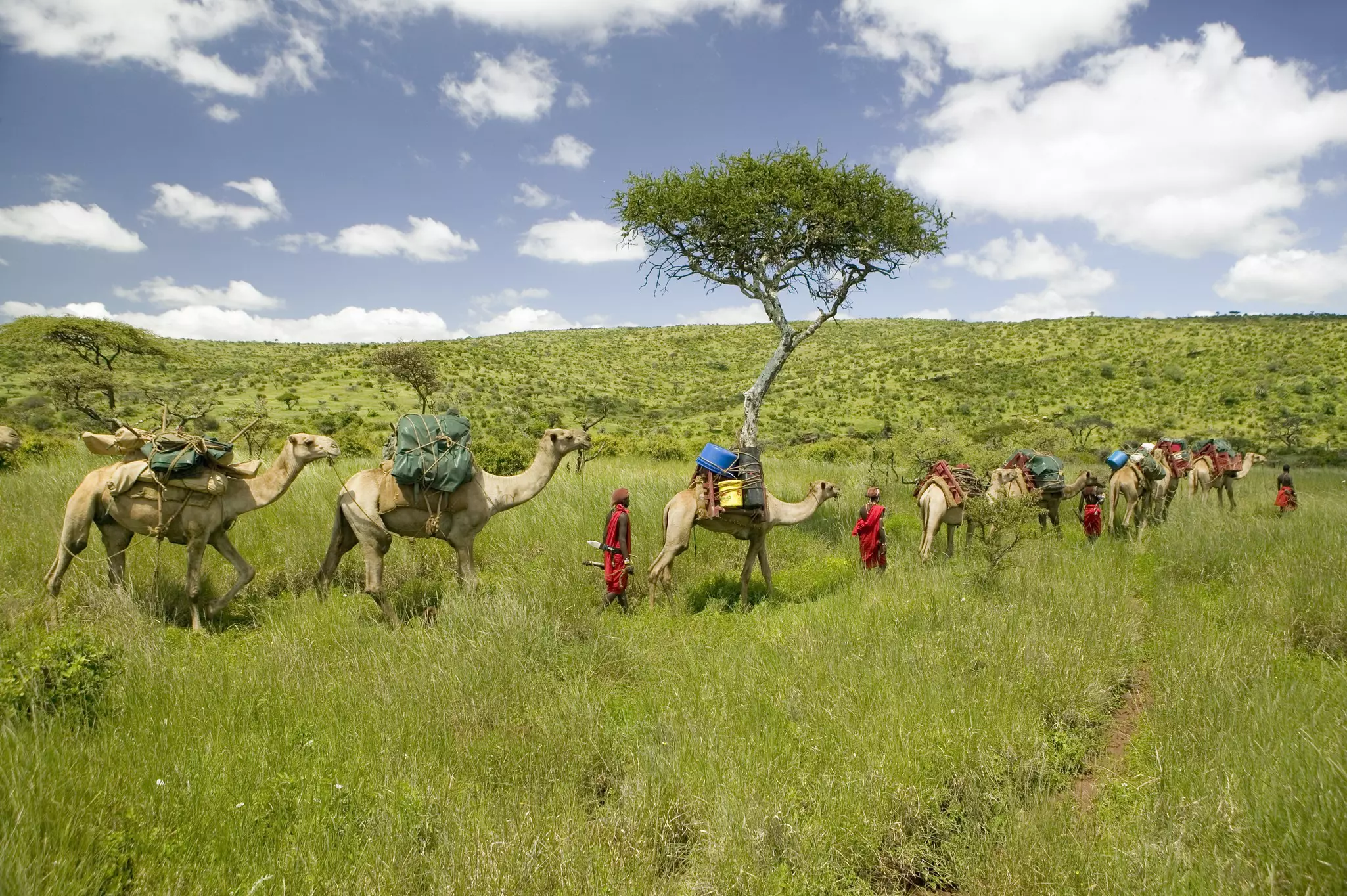
Camel safaris are a wonderful way of mixing wildlife, culture, landscapes and adventure by getting into remote areas where few others (and often no vehicles) go.
Most operate in the northern tribal areas of the Samburu and Turkana, which means visitors will also witness nomadic life and mingle with local people. Wildlife is not as prolific as in the southern parks, but on these trips, it does not matter – the journey is the main attraction.
Mornings are spent on the move, with visitors either riding the camels or walking alongside them (whichever they prefer). After striking camp around noon, participants have the rest of the day to enjoy guided walks and cultural interactions or to just relax.
Experienced Samburu moran (warriors) usually lead the caravans, with English-speaking tribal guides on hand to dispense interesting details on local folklore, botany, ornithology and local customs.
Explore related stories