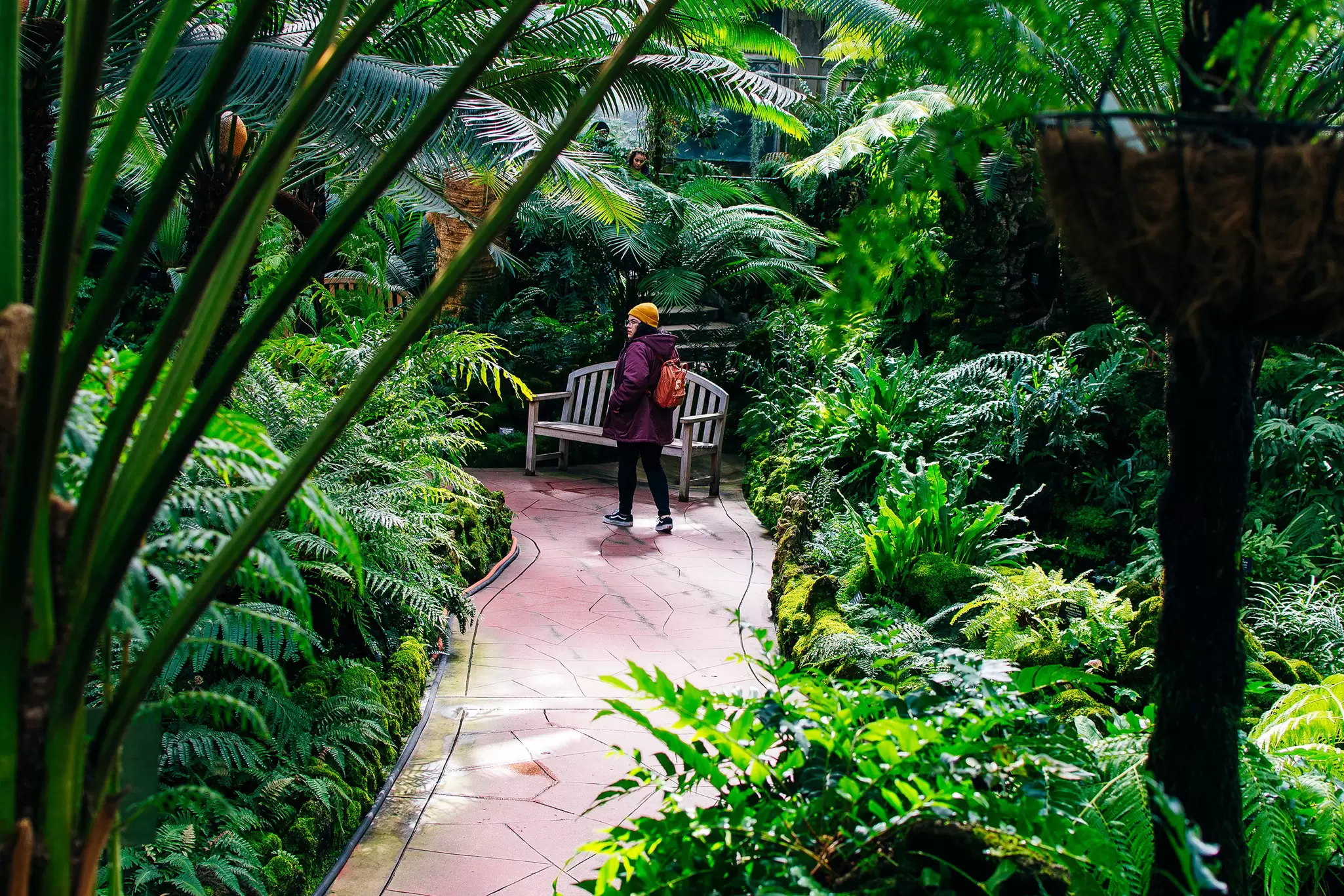
This 1208-acre lakefront park stretches north from its namesake neighborhood to Edgewater. It's one of the most visited parks in the USA, and for good reason as it's home to the Chicago History Museum, the Lincoln Park Zoo, the Peggy Notebaert Nature Museum and the Lincoln Park Conservatory, a much-appreciated year-round urban green space.
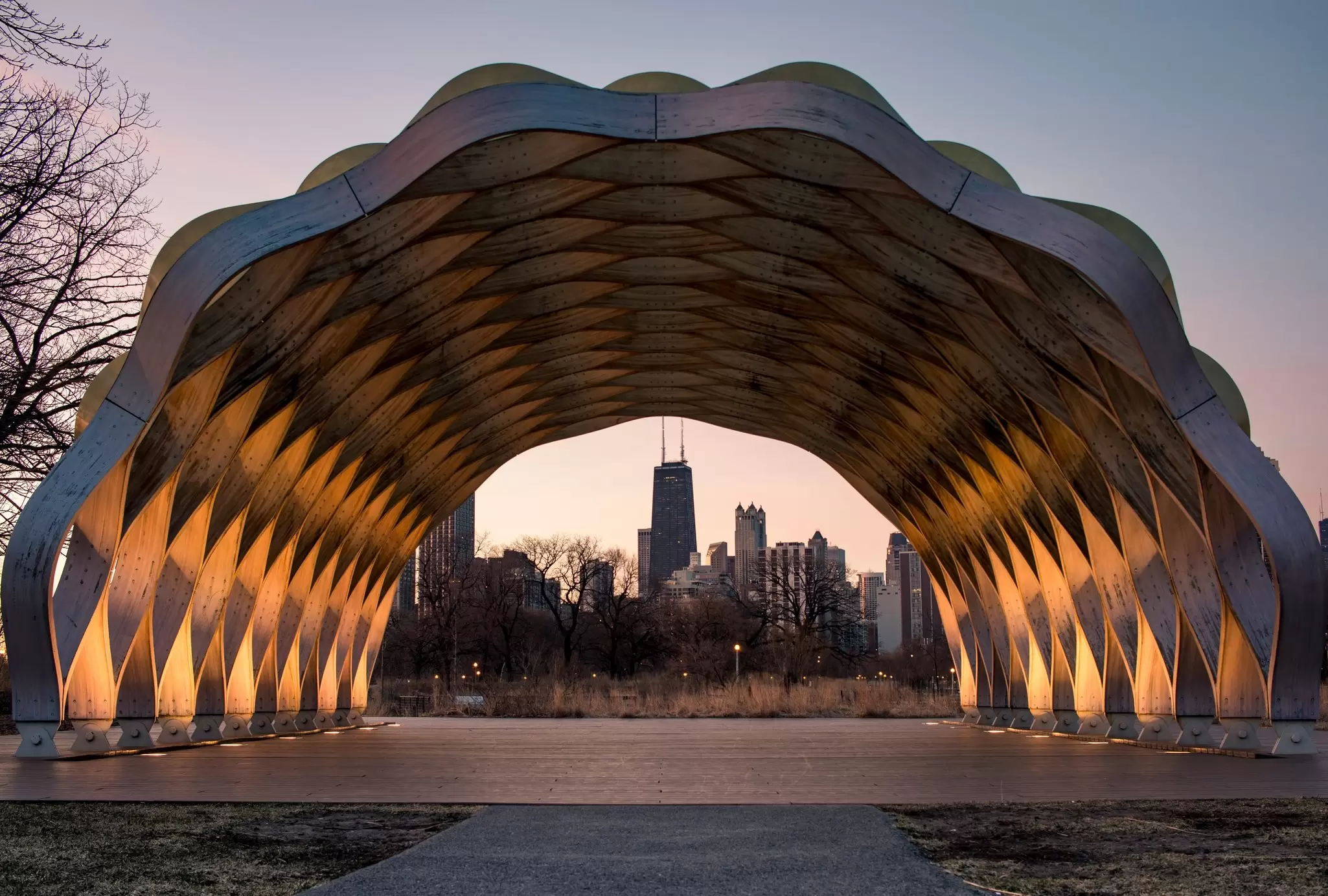
The southern edge near North Ave was once a city cemetery. It got a makeover and became an idyllic green space as part of architect and urban planner Daniel Burnham’s 1909 plan for the city’s development. This stretch of Lincoln Park is where you'll find North Avenue Beach, an idyllic sandy stretch of beach. It offers access to Lake Michigan at Diversey Harbor where there’s a public boat launch and a fueling dock. There are channels for rowing and crewing, two scenic ponds and pathways for running, jogging and cycling.

The park’s North Pond is a migratory bird sanctuary frequented by a variety of herons and ducks. The Alfred Caldwell Lily Pool brings a taste of Monet’s Giverny water lilies to the stretch of the park just south of Fullerton Ave. There’s also a soccer field, baseball fields, a driving range, beach volleyball courts and a monument in honor of the park’s namesake, Abraham Lincoln. Some local yoga studios host classes in the park during the summer.
Lincoln Park Zoo
This is one of the country’s oldest zoos, and it’s free to visit. Lincoln Park Zoo was founded in 1868 and is now home to about 1100 animals from around the world. Its first residents were two pairs of swans given to park commissioners by their counterparts in New York’s Central Park.
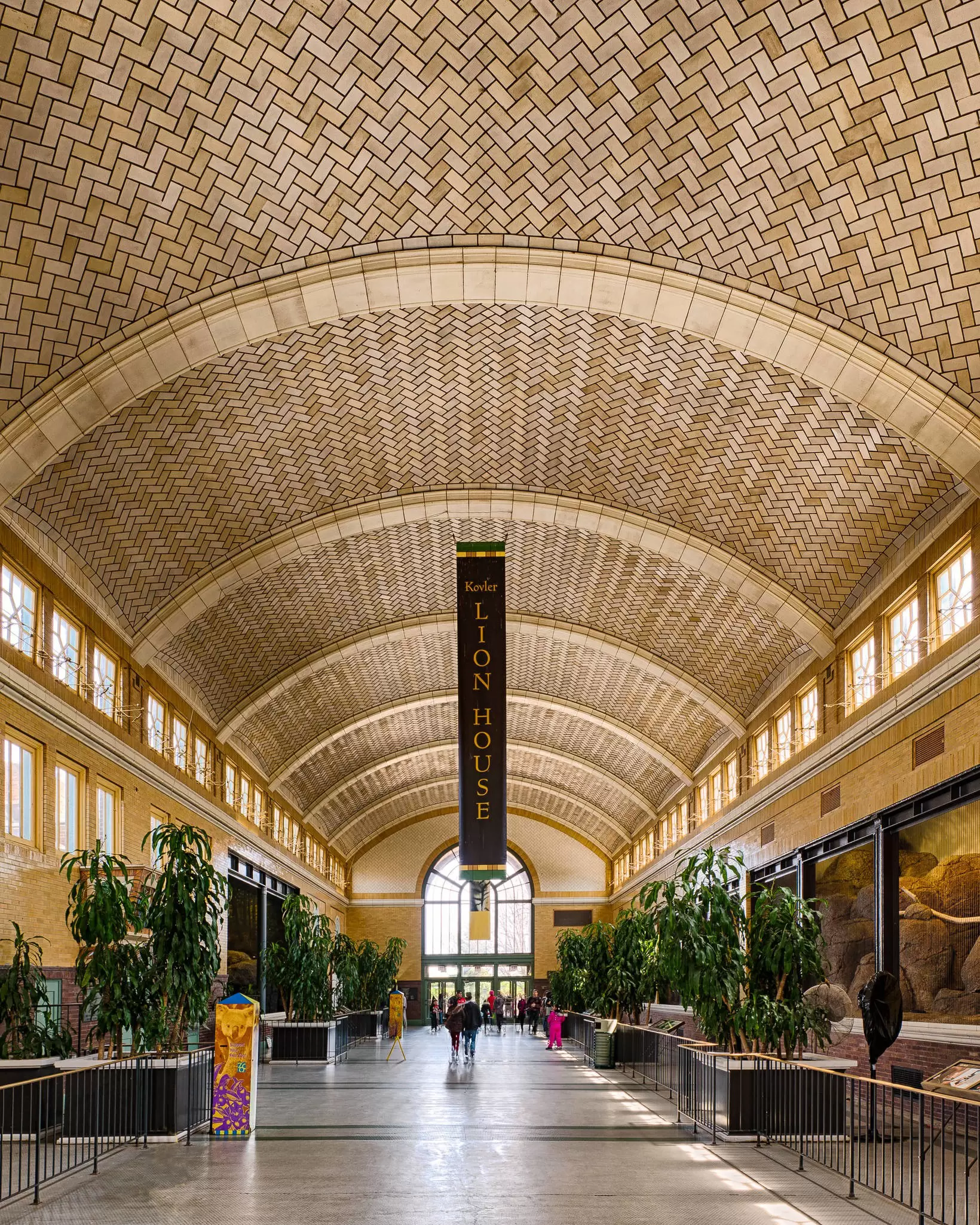
Now the Lincoln Park Zoo is home to chimpanzees, western lowland gorillas, lions, penguins, black bears and more. Visit during the holidays for Zoo Lights, an expansive holiday light display that requires a paid ticket.
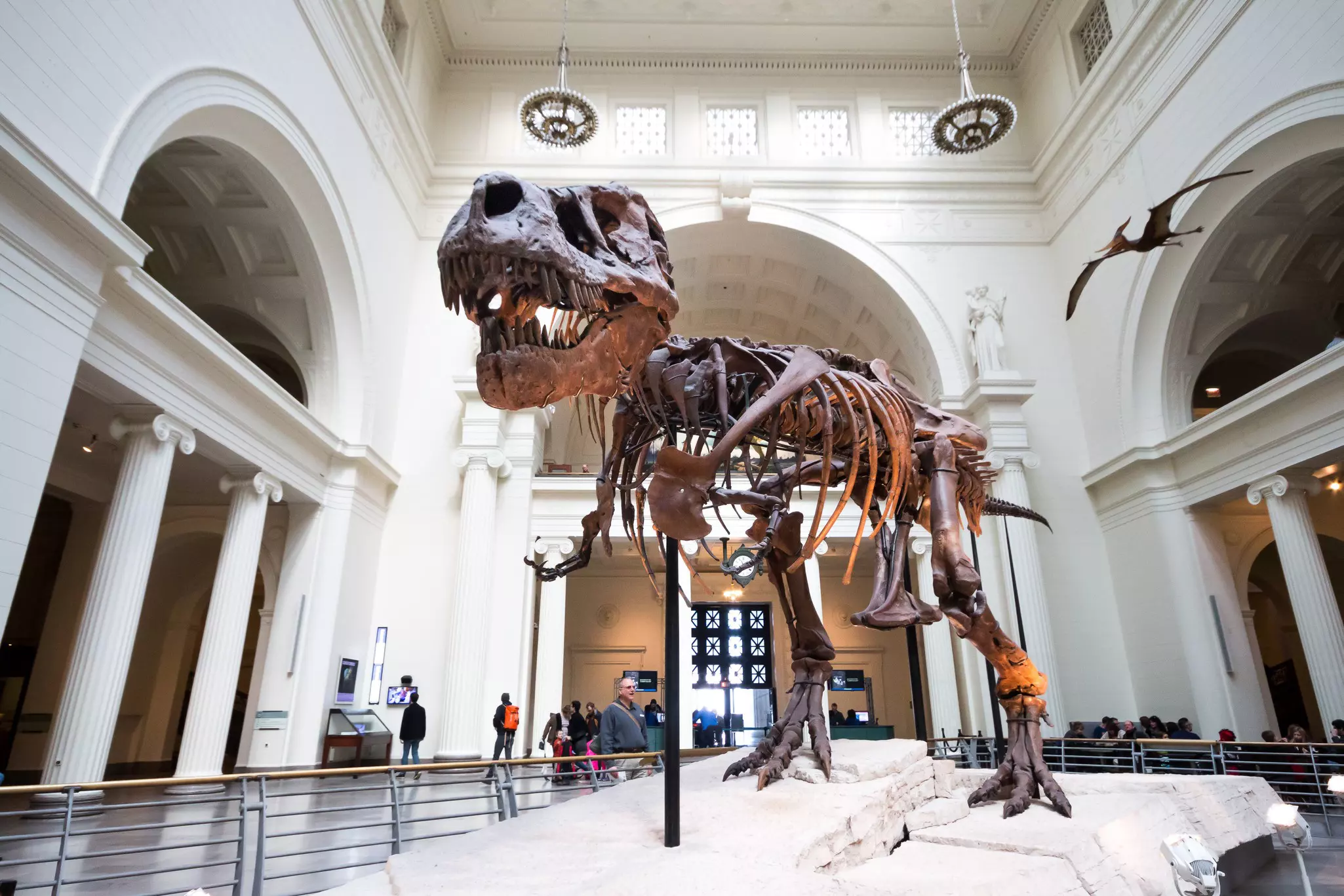
Field Museum
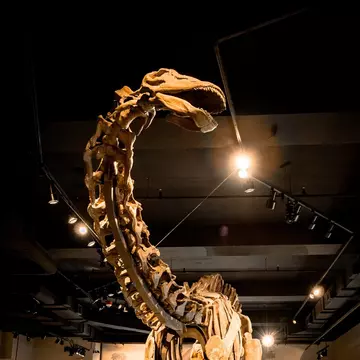
Keep learning about wildlife with a visit to the Field Museum, one of the largest natural history museums in the world. The Field Museum’s collection includes dozens of mummies, a taxidermied gorilla and the remains of the largest and most complete T-rex ever discovered.