The University of Coimbra, first founded in 1290, is considered to be one of the oldest universities in the world. While the university got its start in Lisbon, the faculty was moved to Coimbra in 1537 to the grounds of the former royal palace, now a UNESCO World Heritage site still occupied by the university
Palace of Schools
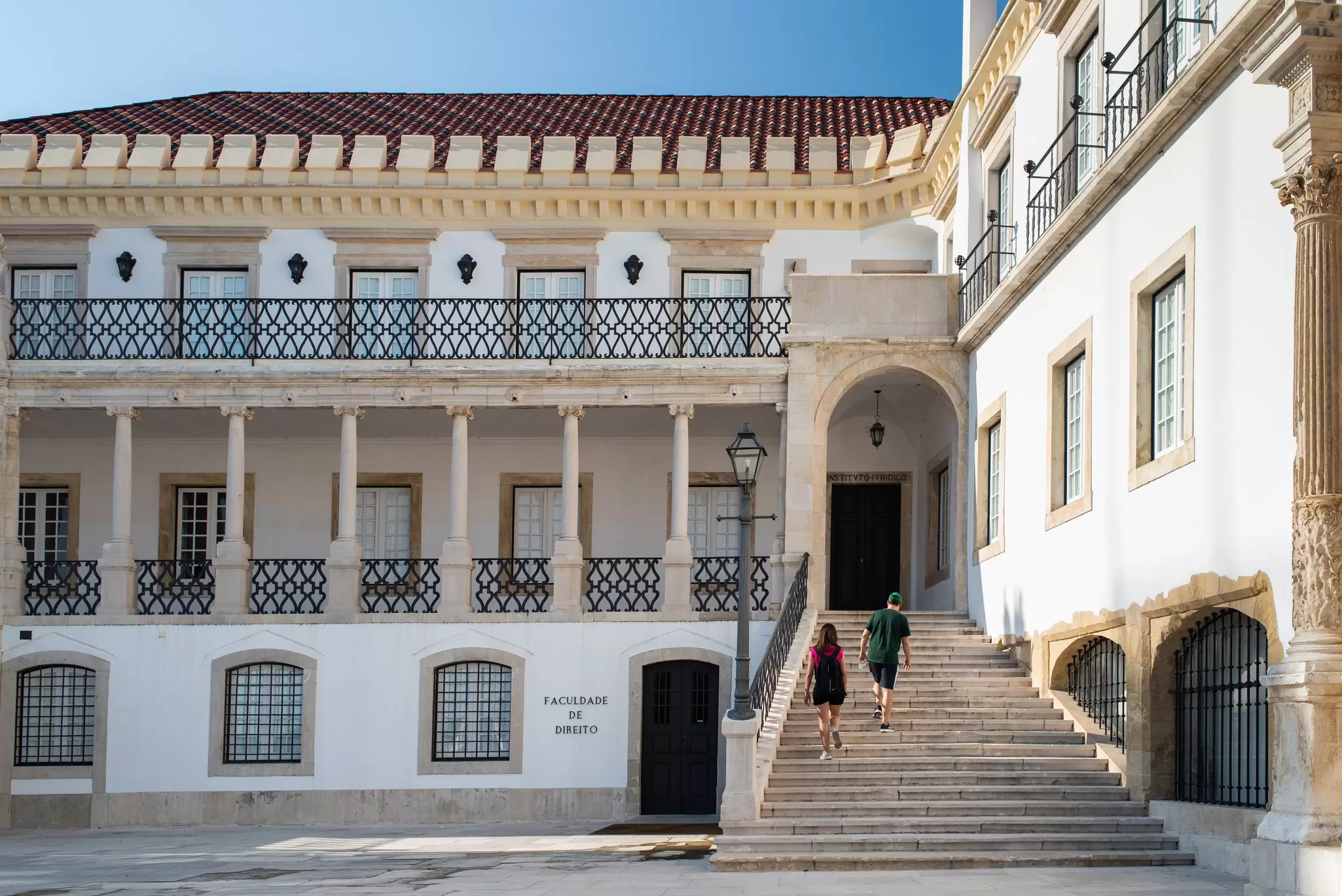
Royal Palace
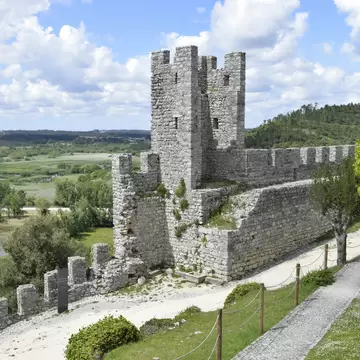
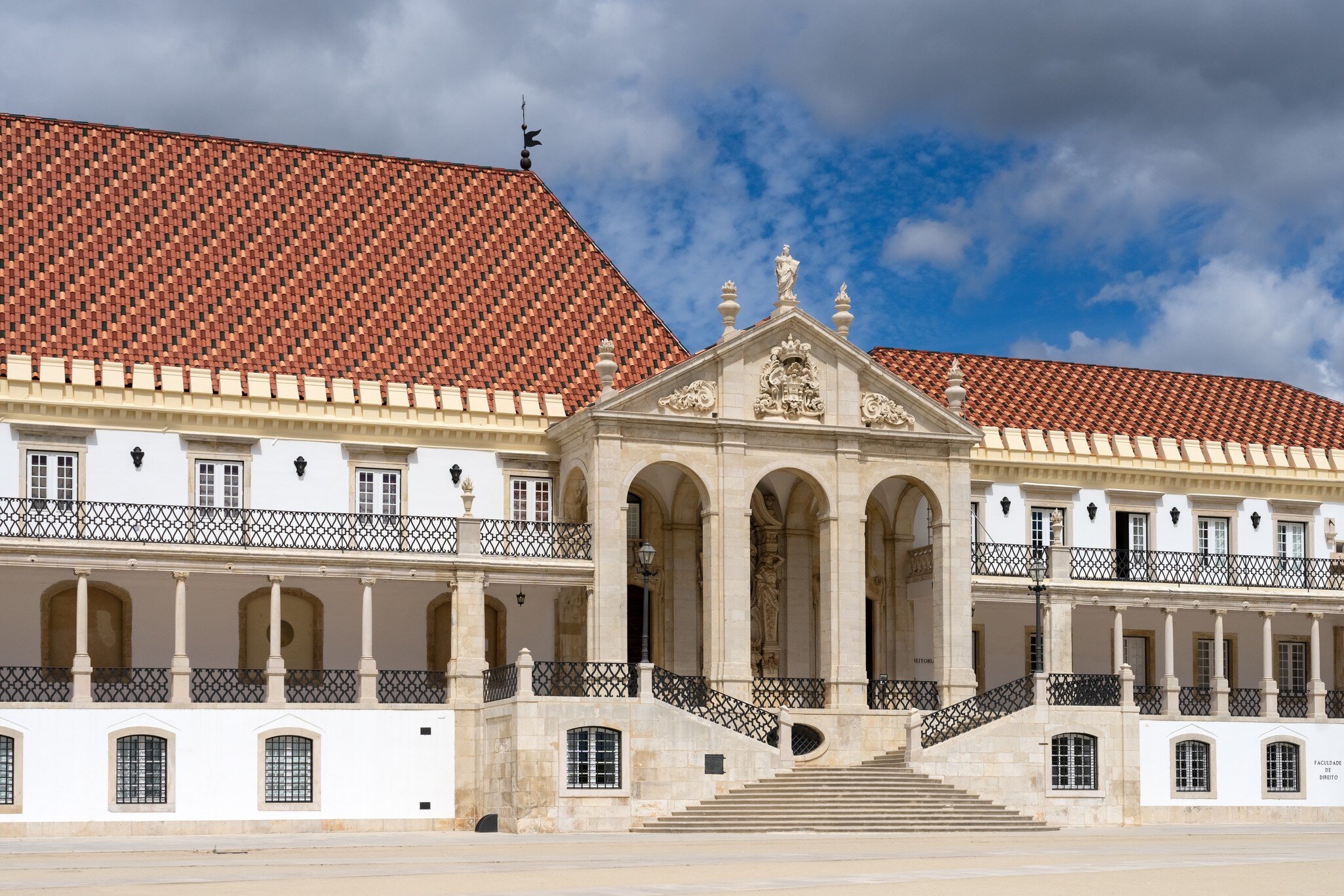
The Palace itself was built at the end of the 10th century as the Governor's quarters during Islamic rule. In 1131 it became the first residence of the Portuguese monarchs until in 1537 Dom João III had the university permanently transferred from Lisbon to Coimbra and installed in the Palace in 1544. The Palace of Schools is divided into three main spaces: the Armory; the Private Examination Hall & the Great Hall of Acts.
Great Hall of Acts
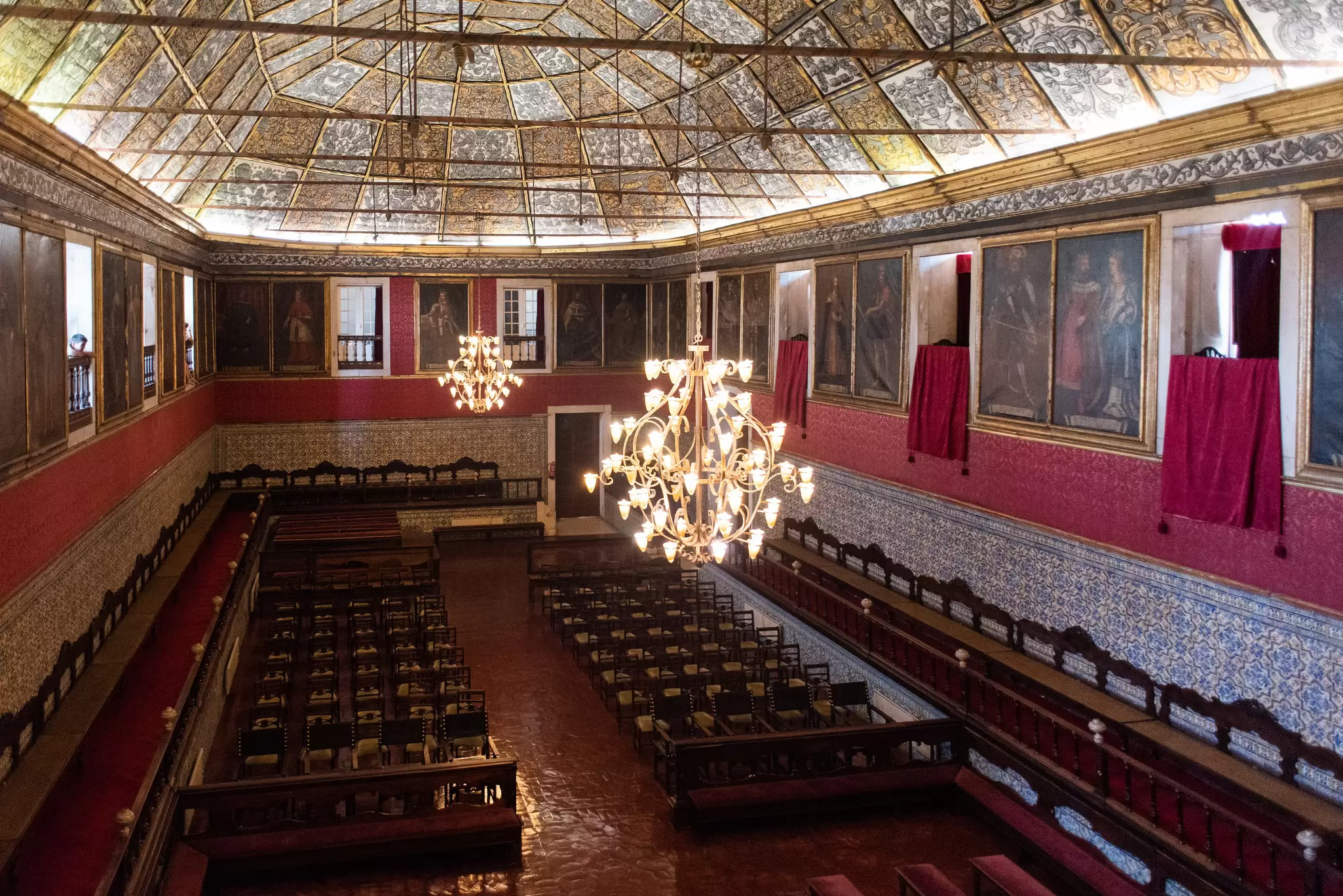
Formerly the Throne Room, the Great Hall of Acts was once the main hall of the university, where you'll find beautiful architectural relics from the 17th century, like the azulejo (tile) walls and gargoyle motifs on the wooden ceiling.
The Armory
Originally the weapons storage for the Academic Royal Guard, this yellow-silk clad room is now primarily used for solemn ceremonies like the swearing in of the Rector and the opening of the academic year.
Private Examination Hall
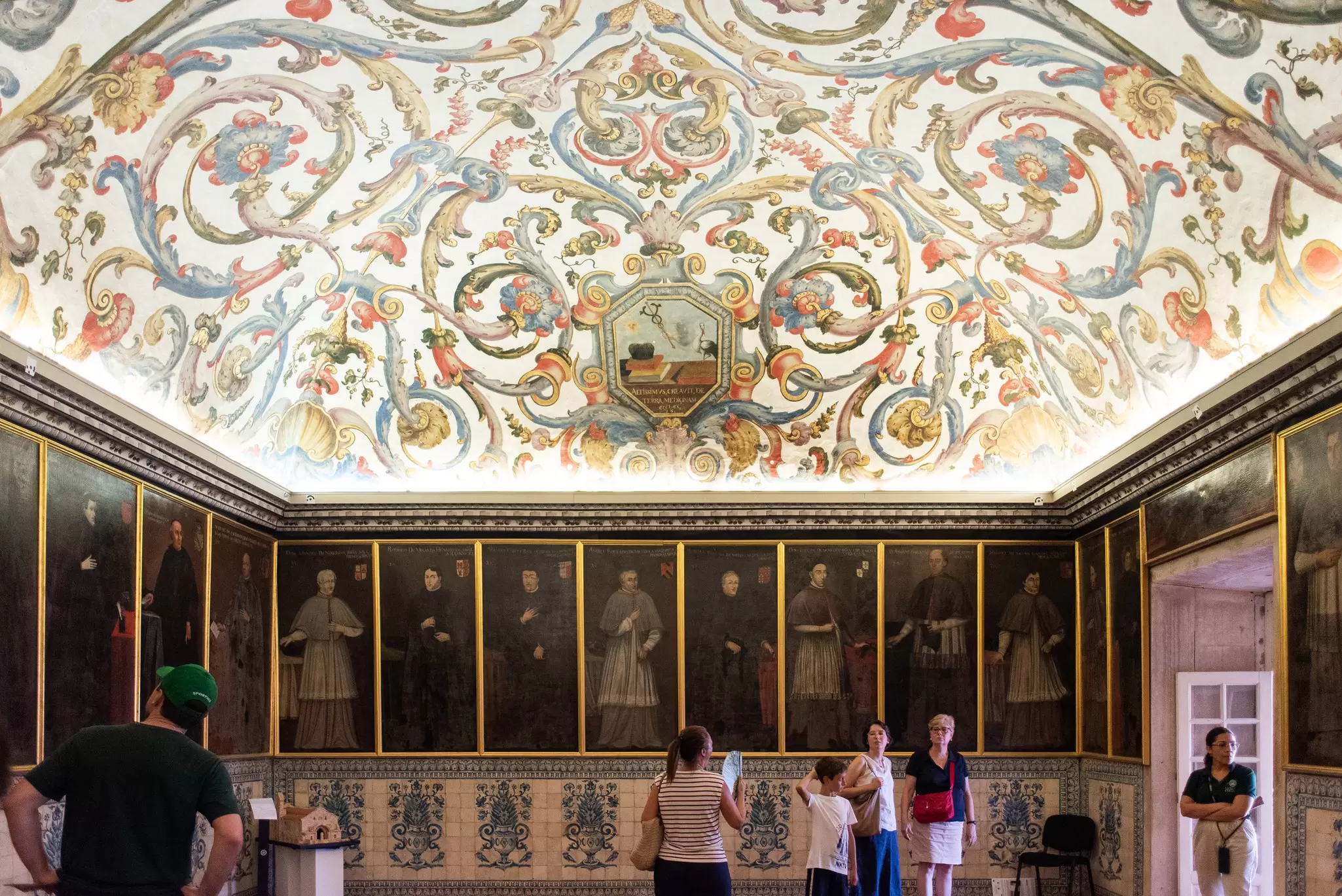
Once the king's private quarters, this hall later became the final exam room for soon-to-be graduates until the age of Enlightenment.
St Michael’s Chapel
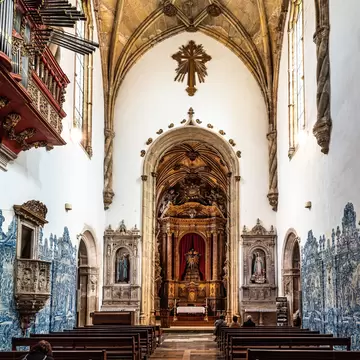
Also of Moorish origin, the Capela de São Miguel is noted for its 16th- and 17th-century decor, as well as a 2000-plus-pipe still-functioning organ. The chapel is used for ceremonies and concerts.
Joanina Library
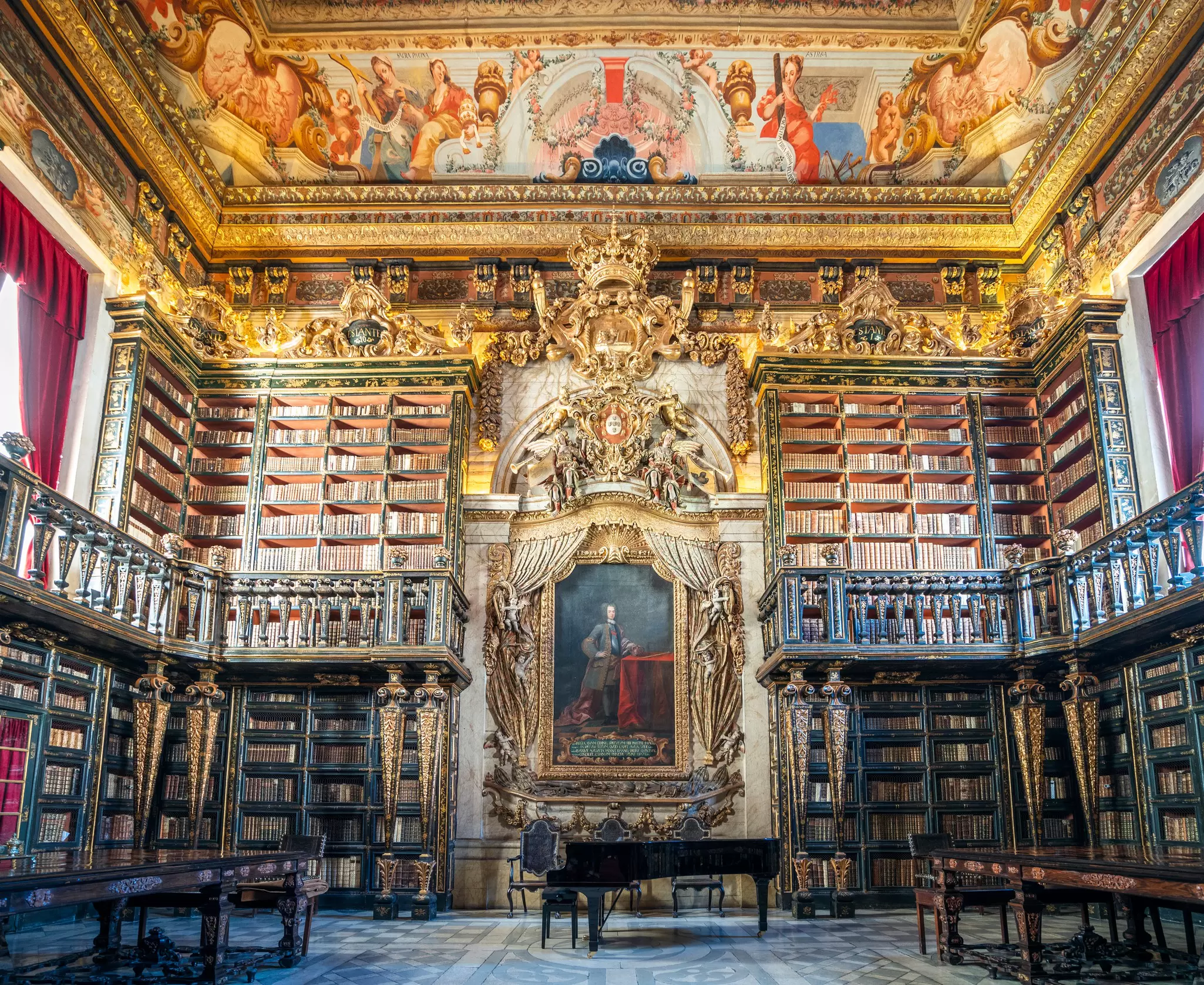
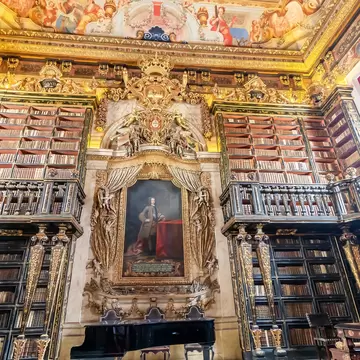
One of the most beautiful baroque libraries in the world is the University's Biblioteca Joanina. Named in honor of Dom João V, the Joanina Library was completed in 1728 and functioned as the University's library from 1777 until the mid 1900s. Some of its 60,000 books date back as far as the 16th century, and the library itself is designed to preserve the works, with 2m (7ft) thick walls, oak shelves and two resident colonies of bats living onsite who are "employed" to eat insects that could potentially damage the pages. The building has three floors, is decorated with intricate carvings and gold works, and until 1834, duly served as the academic prison.
Sé Nova
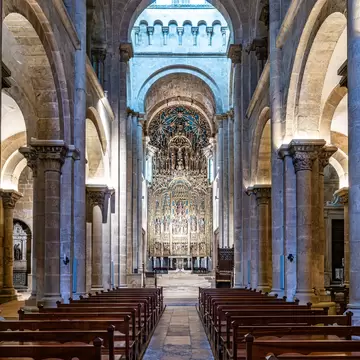
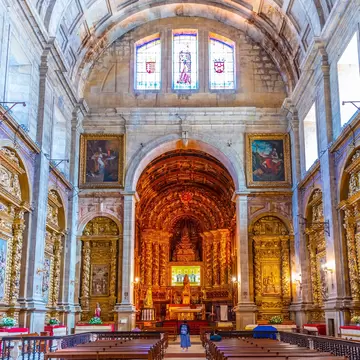
This 16th-century baroque and neoclassical cathedral was originally the city's Jesuit College until 1759, when the Marquês de Pombal expelled the Jesuits. In 1772, the city's episcopal seat was transferred from the Igreja de Santa Maria (aka Sé Velha) to this newer, more spacious building. The two churches now jointly hold the city's bishop's seat.
Botanical Garden
The University's Jardim Botânico is a 13-hectare (32 acre) preserved natural area dedicated to conservation, education and botanical research. Founded in the 18th century, the space is divided into two parts – the Classical Garden, with geometrically placed flower beds in a neoclassical style; and the Arboretum, which encompasses two thirds of the Garden and hosts a huge diversity of trees, including tropical species, a bamboo forest, a citrus grove and even a medicinal plant nursery. Free entry.
Science Museum
Inside a Neoclassical building you'll find the Museu da Ciência housing the oldest collection of Portuguese natural history and antique scientific instruments, including some original machines once used in the study of physics – an interesting immersion into the history of science.
University Dress
Coimbra University has a very old, traditional uniform that's still used by students today. The outfit includes a black suit and tie (skirt suit for women), along with a heavy black cape and a black cane – it's said to be the inspiration for Hogwarts robes in J.K. Rowling's Harry Potter series. You'll likely see students in their academic garb year-round, but they're practically obligatory during the university festivals.
University Celebrations
Coimbra's University has two important traditions. The Festa das Latas is a week-long celebration full of cultural, musical and festive events that takes place at the start of term in October, and culminates in a parade through the city to the Mondego River, where the new students are ritually baptized into the academic community. At the end of the school year is a bigger celebration, the Queima das Fitas in May. The week-long party includes parades, ceremonies, street parties and a music festival, as well as the ritual burning of ribbons by the students who've graduated that year.