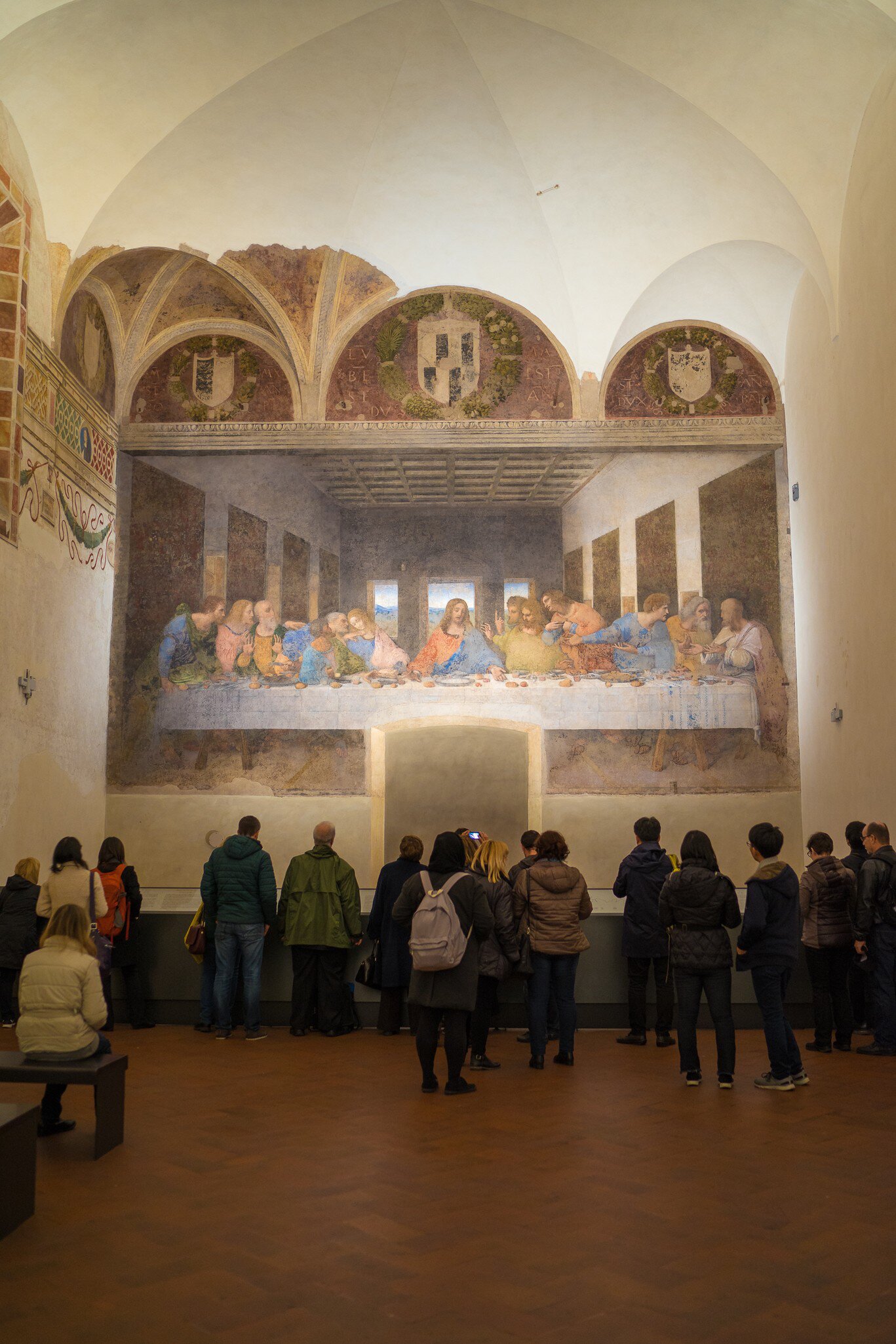
Milan’s most famous painting, Leonardo da Vinci’s The Last Supper, is hidden away on a wall of the refectory adjoining the Basilica di Santa Maria delle Grazie. Depicting Christ and his disciples at the dramatic moment when Christ reveals he is aware of the betrayal afoot, it is a masterful psychological study and one of the world’s most iconic images.
A Delicate Masterpiece
You might want to hold your breath when standing before da Vinci’s 40-sq-meter masterpiece, whether from sheer awe or because the air you’re exhaling may well damage the fragile work. Having survived da Vinci’s experimental technique – which caused the painting to deteriorate within 20 years of completion – along with WWII bombings and harmful restoration attempts, the fact the work remains at all is nothing short of a miracle. Now, one of its biggest threats are the visitors themselves, which is why your time here will be short (15 minutes) and involve a series of air-controlled rooms.
A Painting's Eternal Power
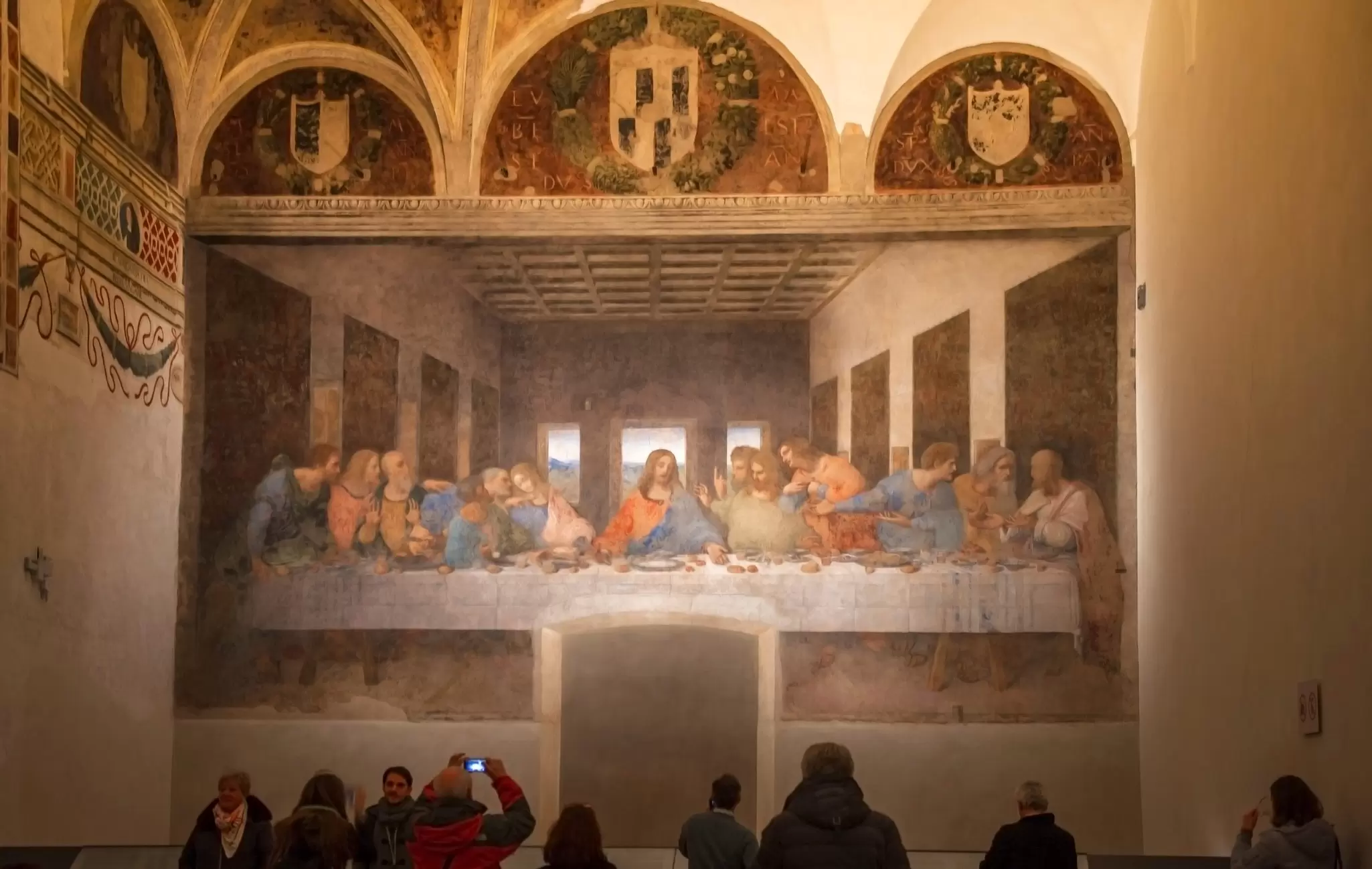
Housed on a wall of the refectory adjoining the Basilica di Santa Maria delle Grazie, The Last Supper still manages to astound viewers, despite being in many ways a ghostly imprint of the original. Depicting the moment when Jesus drops the bomb of his impending betrayal, the mixed reactions of his disciples rendered through their gestures and expressions – what da Vinci described as "motions of the soul" – are utterly enthralling.
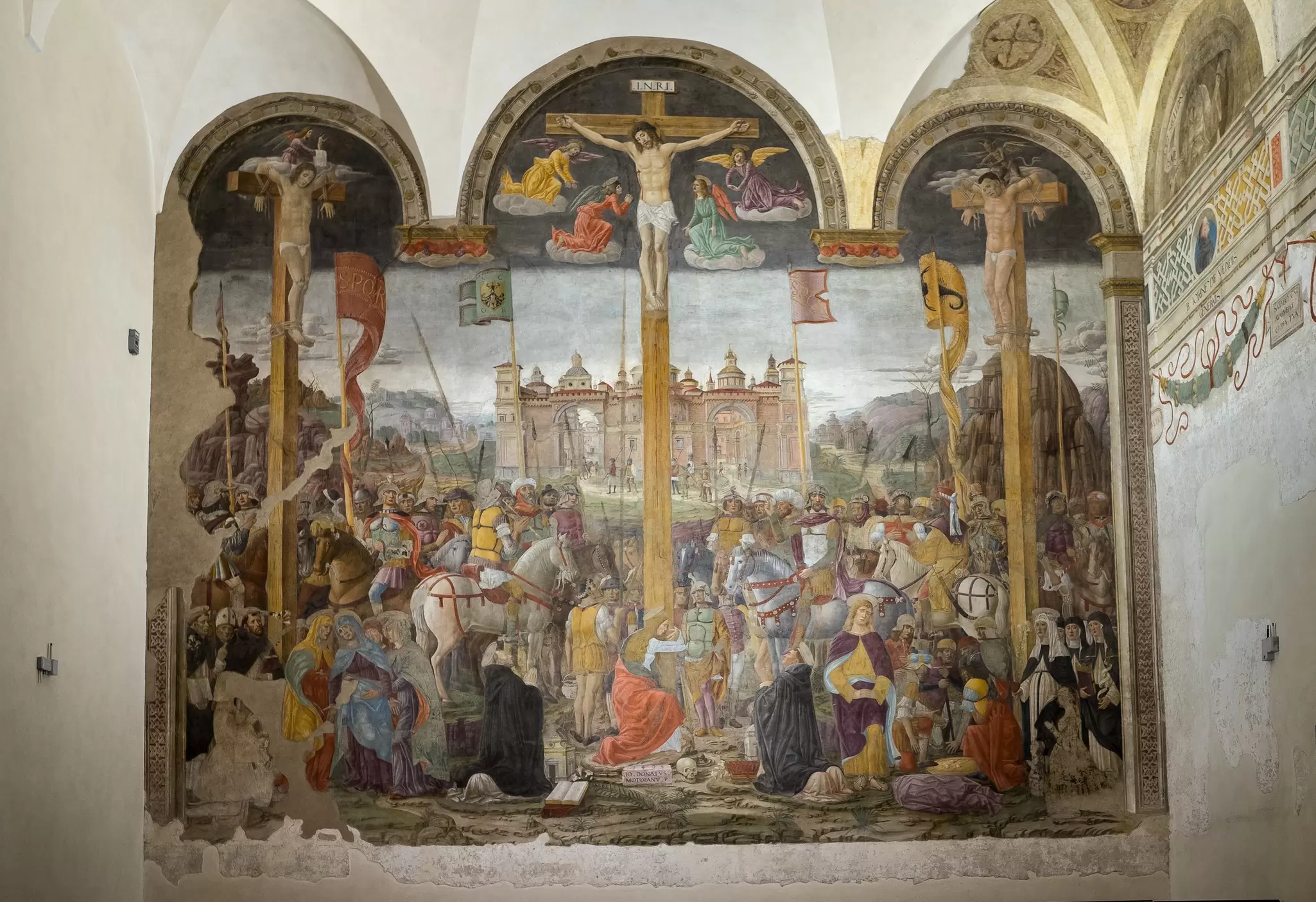
The illusion of a 3D space created by various tricks of perspective only adds to the image's realism. Compare it to the Crucifixion by Giovanni Donato da Montorfano completed around the same time on the opposite wall, and you’ll understand how groundbreaking the artwork really was.