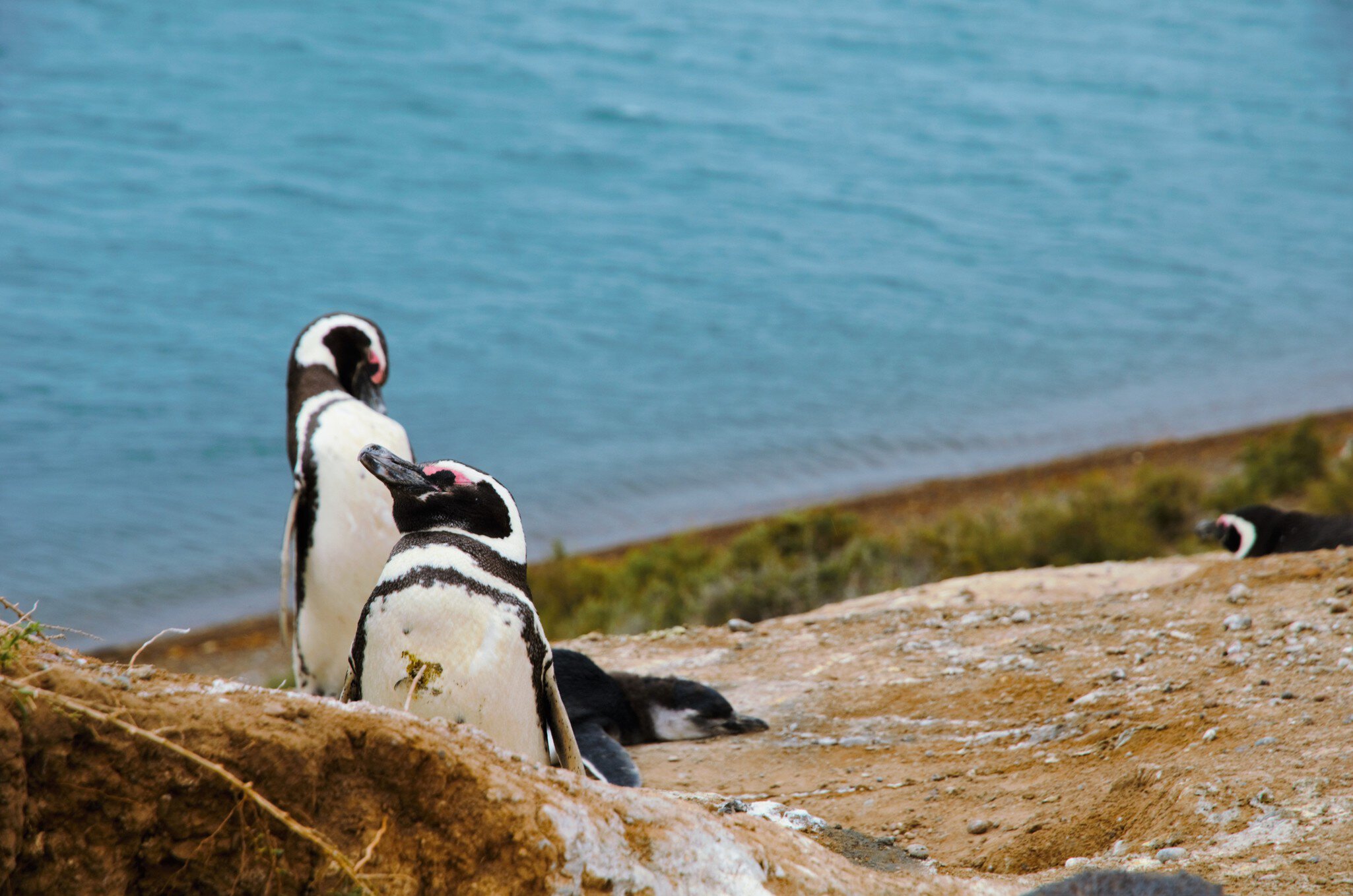
Some 75km north of Puerto Madryn, the stunning Reserva Faunística Península Valdés is home to sea lions, elephant seals, guanacos, rheas, Magellanic penguins and numerous seabirds. The UNESCO World Heritage site encompasses some 3600 sq km, with diverse spots for observing wildlife in their natural habitat. The small village of Puerto Pirámides makes an excellent base for a multi-day visit.
Centro de Visitantes Istmo Carlos Ameghino
Some 22km after passing the entrance post to the reserve, you'll reach this handy visitor center with a small exhibition. Stop here to get an overview of the area's natural history, see a full right-whale skeleton and climb an observation tower for a view across the coast. Rangers can advise on peninsula travel and help you plan your explorations. Outside, you can stroll a boardwalk trail with signs about Patagonian plants and wildlife.
Isla de los Pájaros
A 6km drive north of the Centro de Visitantes, a viewpoint faces the Isla de los Pájaros, an avian sanctuary some 800m from the isthmus. A telescope gives a closer view of the penguins, cormorants and terns, plus the occasional flamingo. The odd-shaped island – not a hat, but rather an elephant-eating boa constrictor – may look familiar to fans of Antoine de Saint-Exupéry's The Little Prince. Nearby, you can visit a replica of a chapel built at Fuerte San José.
Puerto Pirámides
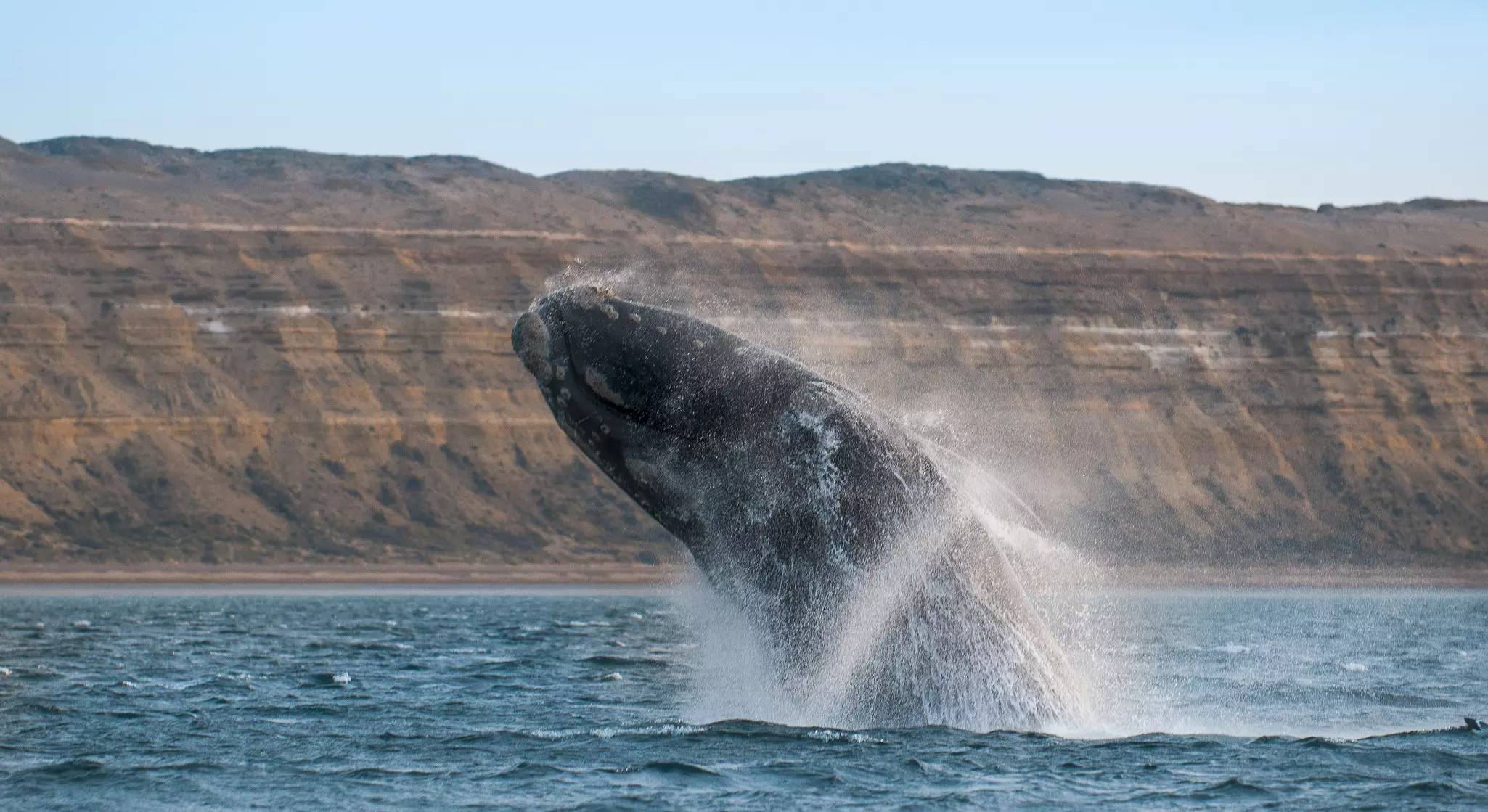
The seaside enclave of Puerto Pirámides is the only real town on Península Váldes, and it's the best place to book excursions and soak up the area's quiet beauty over a meal after a day of exploring. Between June and December, southern right whales make their appearance in the Golfo Nuevo, and you'll get to see them, while learning all about their breeding and calving, on a boat trip. There are decent options for staying overnight, and a truly local experience is standing on the beach in the dark, trying to hear the whales out in the ocean. Various operators lead boat trips, including family-owned Bottazzi (titobottazzi.com), which has been running tours since the 1980s. Book ahead, especially if visiting during the peak whale-viewing months of August and September.
Punta Pirámides
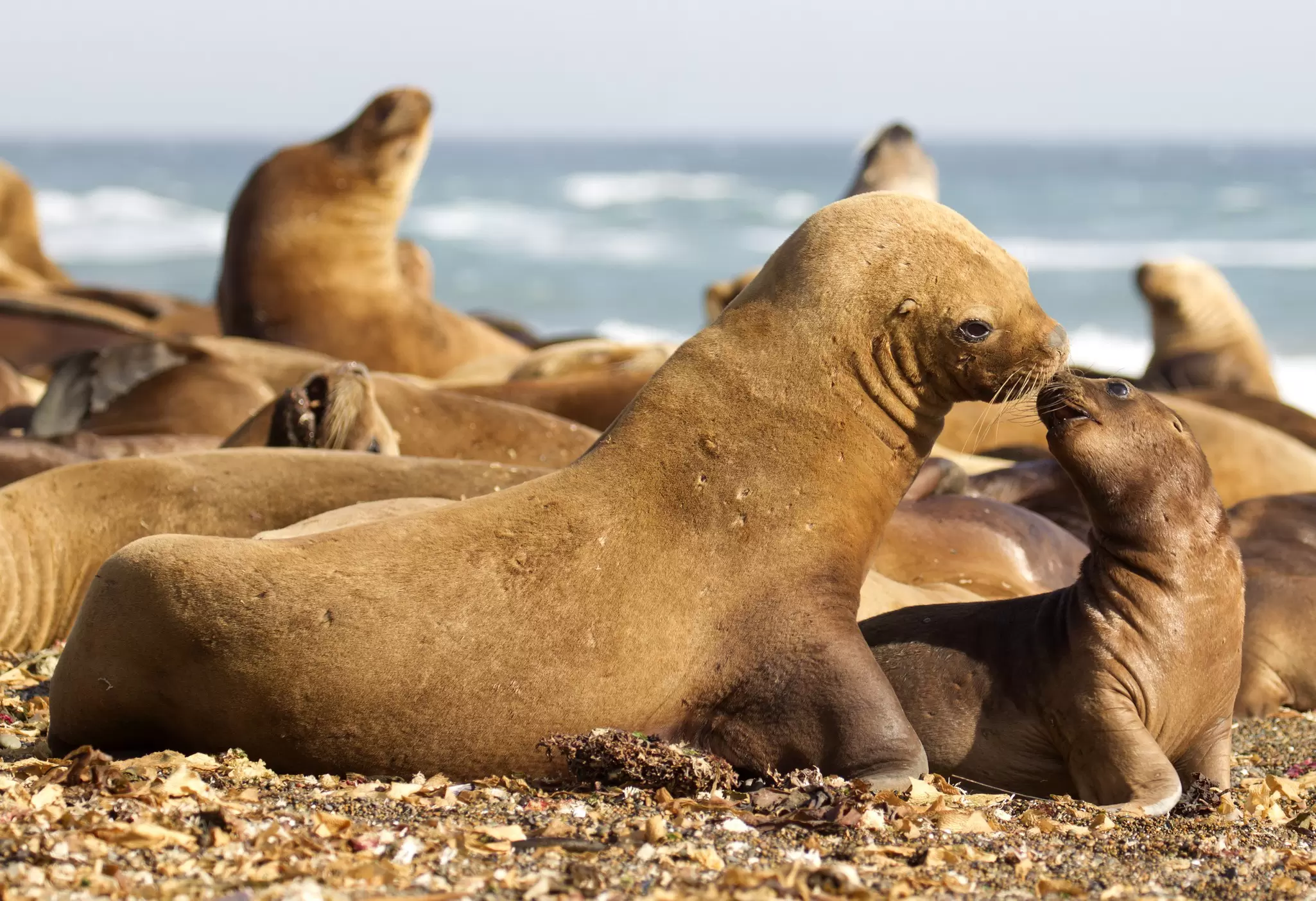
Some 5km northwest of Puerto Pirámides, a clifftop promontory offers another prime spot for wildlife-watching. You can get there on foot (via a trail along the headlands that eventually meets up with the road) or by car; it's a short drive from town. Once there, you can stop at the first viewpoint to look for whales, or keep going another 400m to reach two other overlooks and a short boardwalk trail above the sea-lion colony. From December to February, you can spot hundreds of animals, including pups.
Punta Norte
Located on the very northern tip of the peninsula, Punta Norte is less than 80km north of Puerto Pirámides along a gravel road. This is the prime location for watching orcas ambush sea lion pups on the beach from March to April. The rest of the year you can see Magellanic penguins and elephant seals.
Caleta Valdés
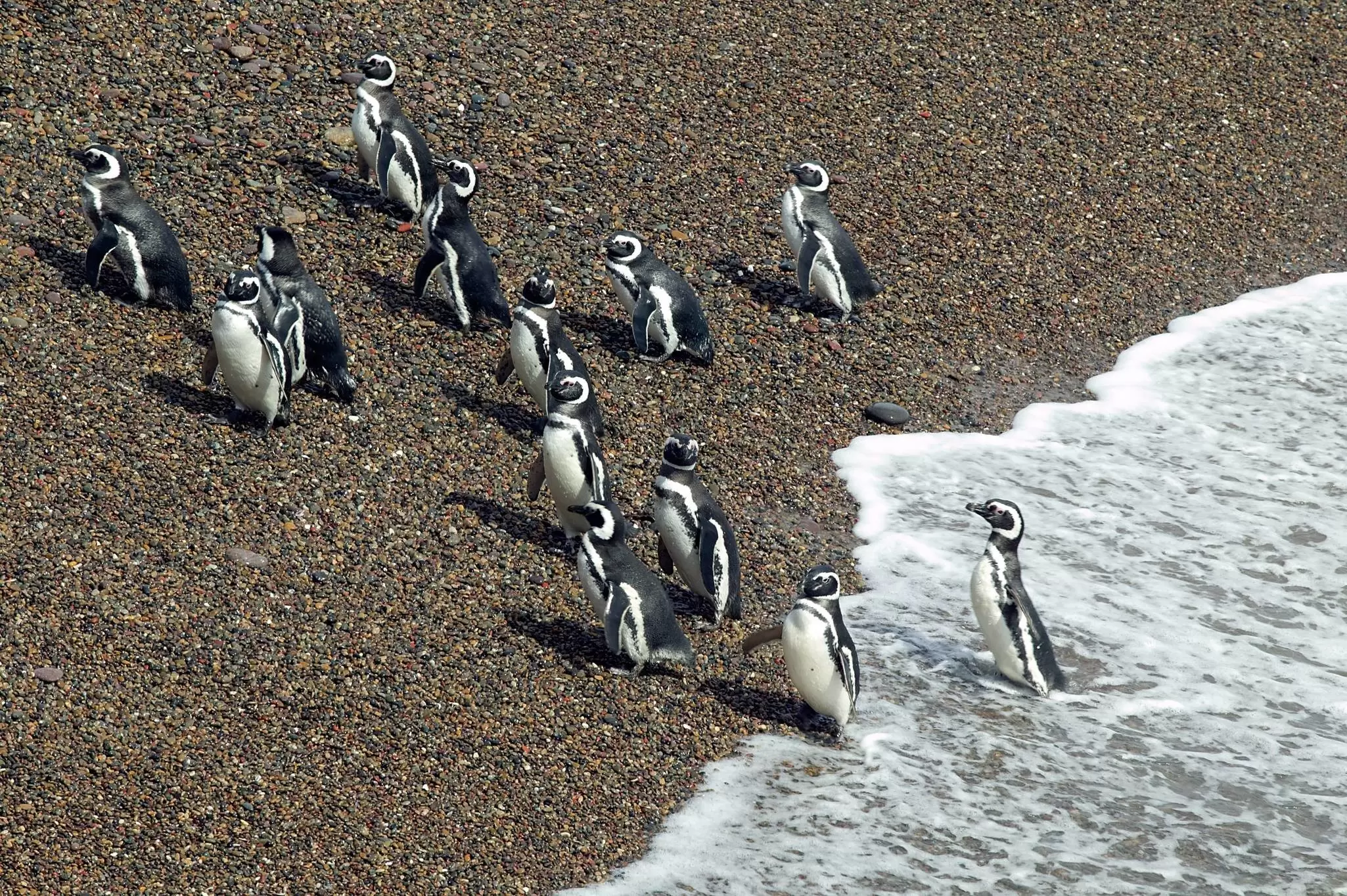
Occupying the central coast of the reserve, Caleta Valdés is around 75km by gravel road from Puerto Pirámides. From roughly the end of September to mid-April you can watch Magellanic penguins who come here to nest. On the southern tip of Caleta Valdés, also called Punta Cantor, a group of elephant seals station themselves on the shores to breed and shed their winter coats.
Driving the Peninsula
The reserve might look small on the map but you can easily spend several days exploring it, given you'll be driving on mostly ripio (gravel) roads, with sandy spots that can grab the wheels. Slow down and enjoy the view, and keep an eye out for animals (guanacos, choiques and even sheep), which may dart into the road and are particularly active around dusk.