Originally a hunting ground for King Henry VIII, Regent’s Park, named after the Prince Regent (who later became King George IV), is one of the most attractive public spaces in London. It’s home to a phenomenal zoo, a spellbinding open-air theater and gardens that are unrivaled by anything else in the city's north, with more than 20,000 roses of 400 varieties.
Lawns & Formal Gardens
Originally part of the Forest of Middlesex, King Henry VIII turned Regent's Park (royalparks.org.uk) into a hunting chase with a royal place to entertain dignitaries. The sprawling 410-acre space (just shy of 1 mile in length) takes around 30 minutes to walk from end to end. It was given its present form by John Nash (the same chap who designed Buckingham Palace, Marble Arch and Brighton's Royal Pavilion). Nash designed a huge circle with a lake and had plans to build a summer royal palace for the monarch, plus 56 villas, though only eight villas were constructed, and the palace was never built.
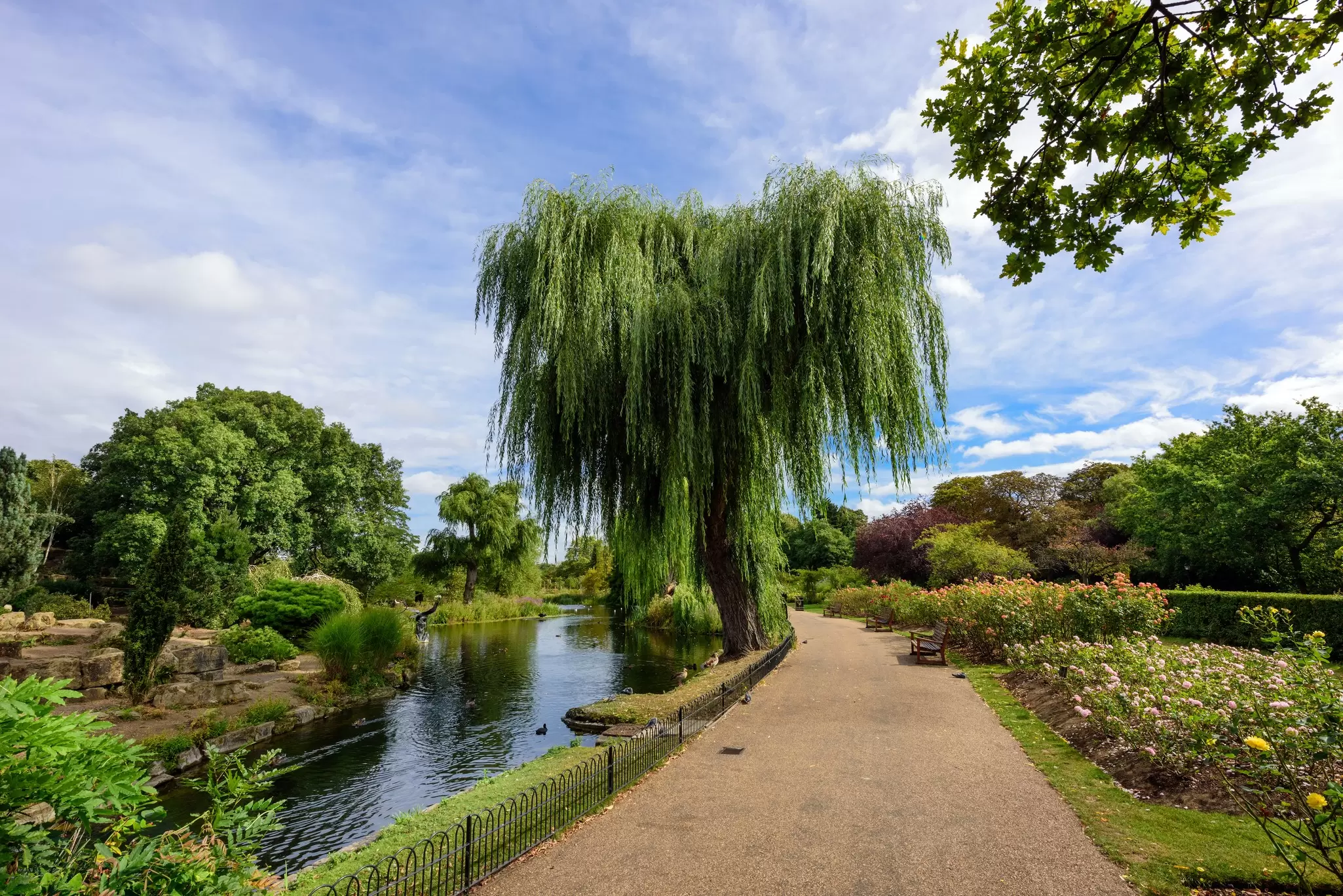
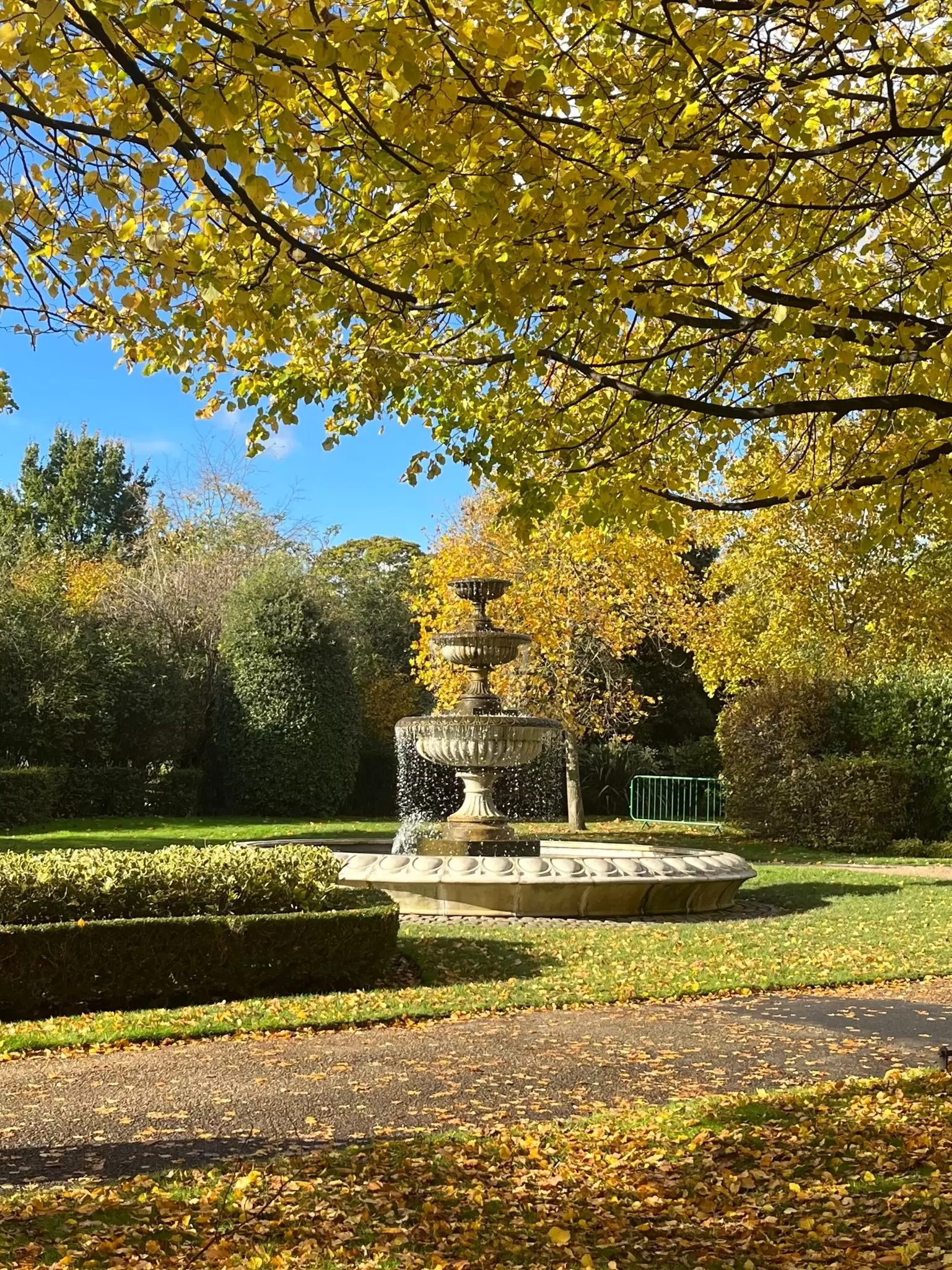
Named after the wife of King George IV, Queen Mary’s Rose Gardens sit in the center of the circle, with an eruption of flowers in spring – classic varieties and modern English roses are on display, plus 9000 begonias. In the Avenue Gardens, meanwhile, there are tiered fountains, evergreen hedges and numerous spring bulbs to admire. The park also has an impressive tree collection, from a 150-year-old copper beech, to a grove of Japanese elms, to Himalayan birch, willow and ash trees, plus magnificent blue ash cedar and foxgloves. There are also fossilized, million-year-old tree trunks. Benches are scattered throughout so that visitors can take in the scene.
Open-Air Theater
Watching a play at the Regent Park's open-air theater is like being transported back to the days of Shakespeare, with its evocative, amphitheater-like seating surrounded by trees and focused on a wooden stage lit on dark nights. It’s the oldest permanent outdoor theater in Britain (opening in 1932) and was one of two theaters to remain open throughout WWII. The Bard’s classics are shown here, including Much Ado About Nothing, Twelfth Night, A Midsummer Night’s Dream and Othello.
The theater also hosts musicals and classic plays. Actors the ilk of Judy Dench, Penelope Keith, Richard E Grant, Ralph Fiennes and Dame Flora Robson have performed here. Be warned that the stage and lawn are completely uncovered, so dress up warm and bring rain macs if the weather is likely to be poor. Performances have been known to be canceled if the weather is particularly bad. Summer is the most reliable time to book tickets.
London Zoo
The Regent’s Park’s zoological gardens (londonzoo.org) opened in 1828, making the ZSL London Zoo the oldest scientific zoo in the world. It's been home to some of the most famous animals, including Guy the Gorilla (1947–1948), who would shelter birds in his hands before setting them free, and a female black bear called Winnie (1914–1934) who inspired the classic children’s book character Winnie-the-Pooh. More recently, the Zoological Society of London has made huge efforts towards conservation – the ever-evolving enclosures are getting bigger and the animals are getting fewer; it has roughly 700.
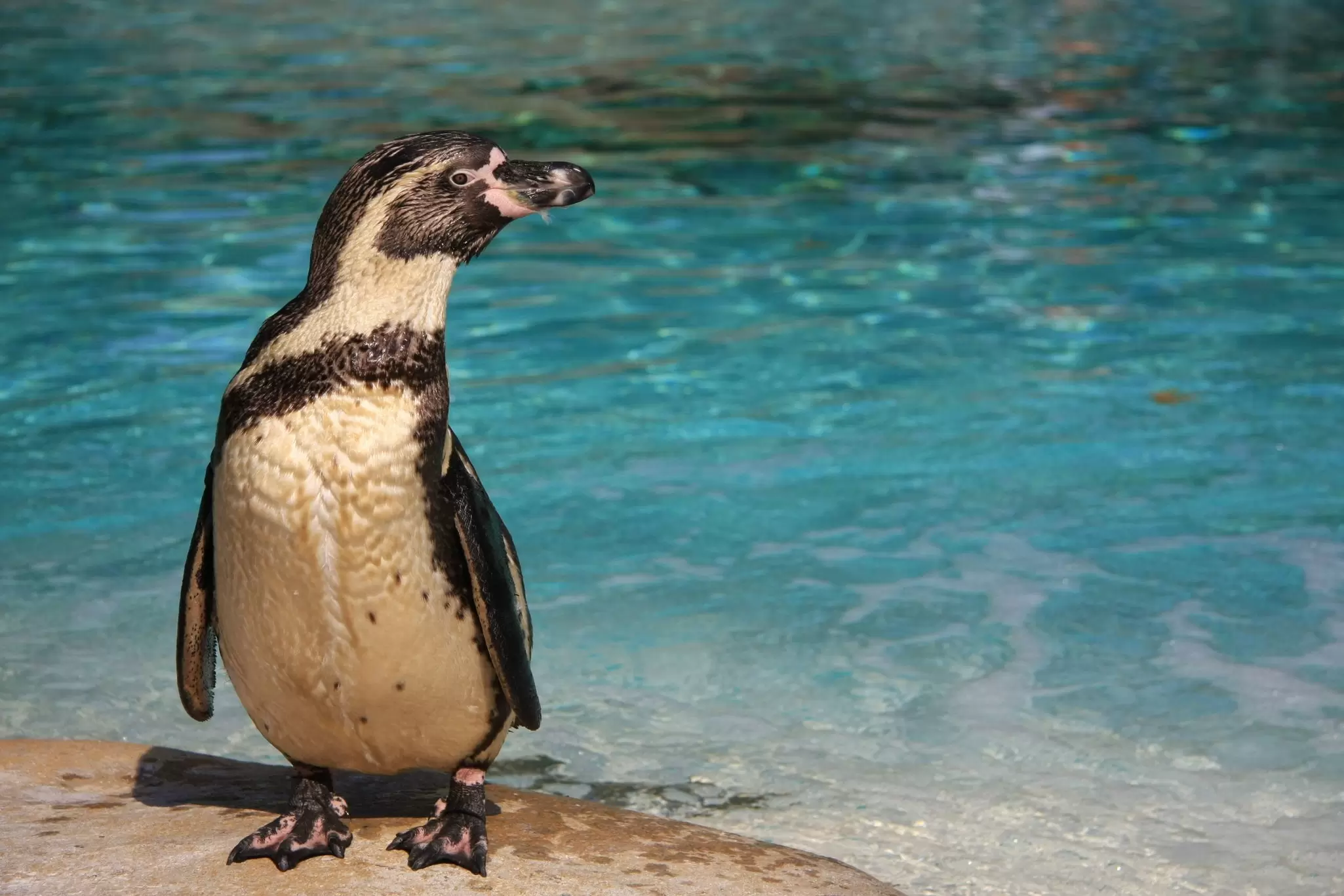
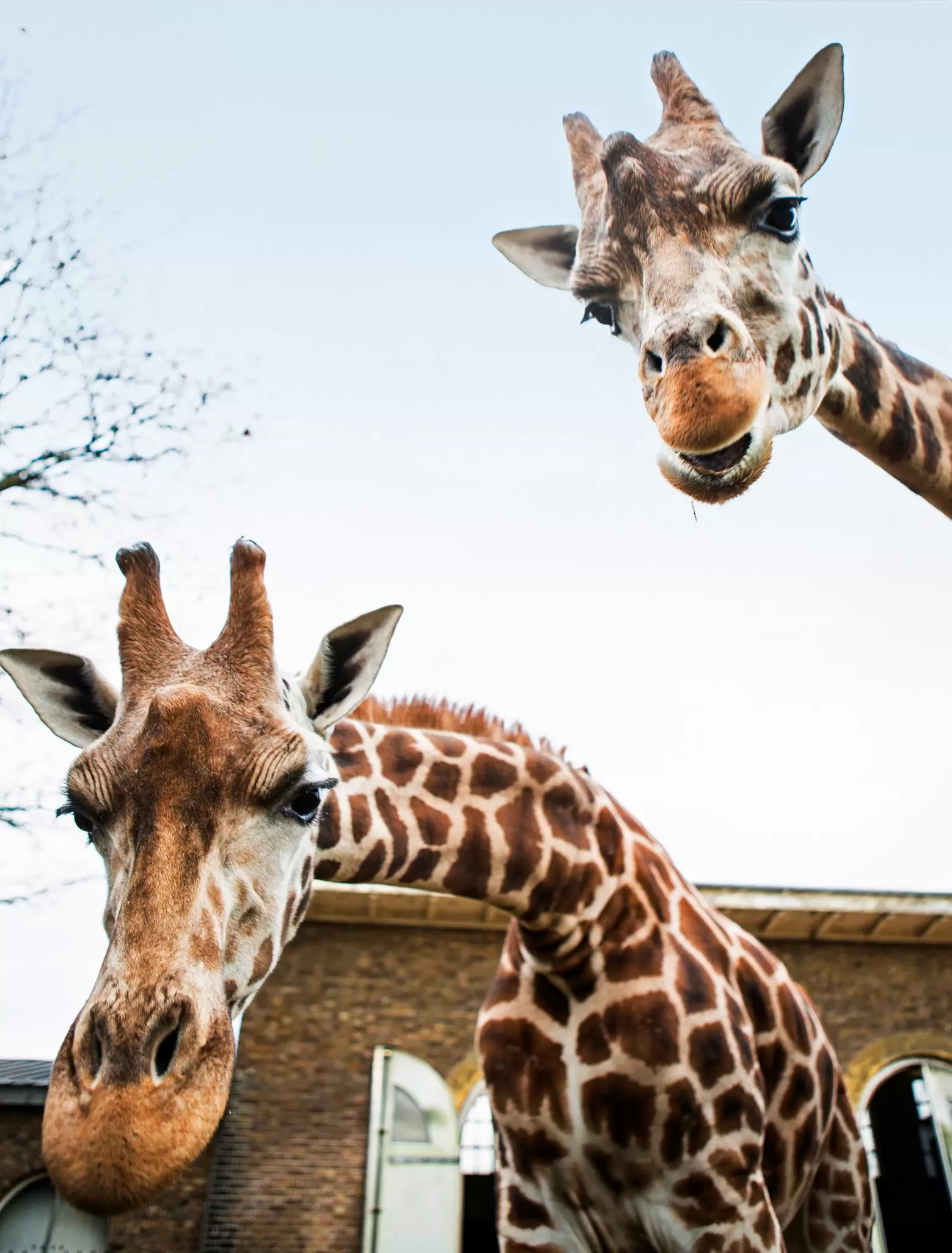
Big drawcards are the African area, with species such as giraffes, pygmy hippos, zebras and wild dogs, and the Giants of the Galapagos (with super-sized tortoises), the Komodo Dragon House (opened by David Attenborough and home to the world's largest reptile), Penguin Beach (England’s biggest penguin pool), Gorilla Kingdom and Tiger Territory, where you can come face to face with Sumatran tigers. Unique experiences, for extra fees, include feeding the meerkats, being a giraffe keeper and having a sleepover in a cabin inside the zoo for after-hours wildlife watching.
Boating Lake
Folks have been boating on the Regent's Park lake for two centuries. Fed by Tyburn Brook and a small aqueduct, the lake and its quintessentially British pastime are recognizable from an iconic scene in the rom-com Brief Encounter (1945), which featured Trevor Howard and Celia Johnson rowing across the lake.
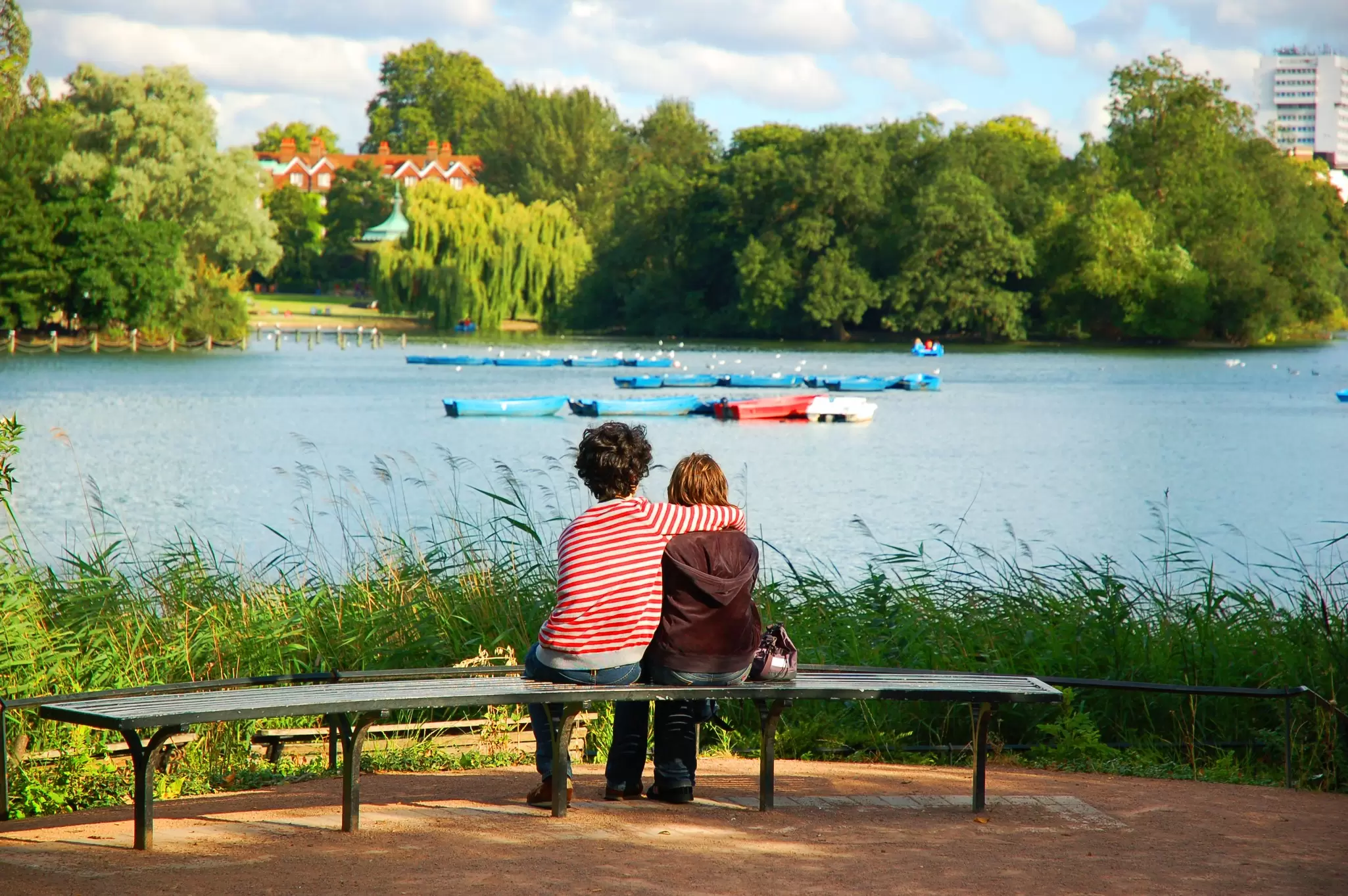
It was also the scene of a tragic ice-skating accident in 1867, when some 200 people fell into its freezing waters when the ice broke. Around 40 of them died. To prevent further accidents, the lake was partly filled to make it shallower (a depth of 4ft) and safer. Regent's Park Boating (royalparks.org.uk; adult/child from £8.15/5) rents out rowing boats and pedalos between April and October, from late morning to dusk. A mini-lake for kids offers smaller pedalos for little legs.
Primrose Hill
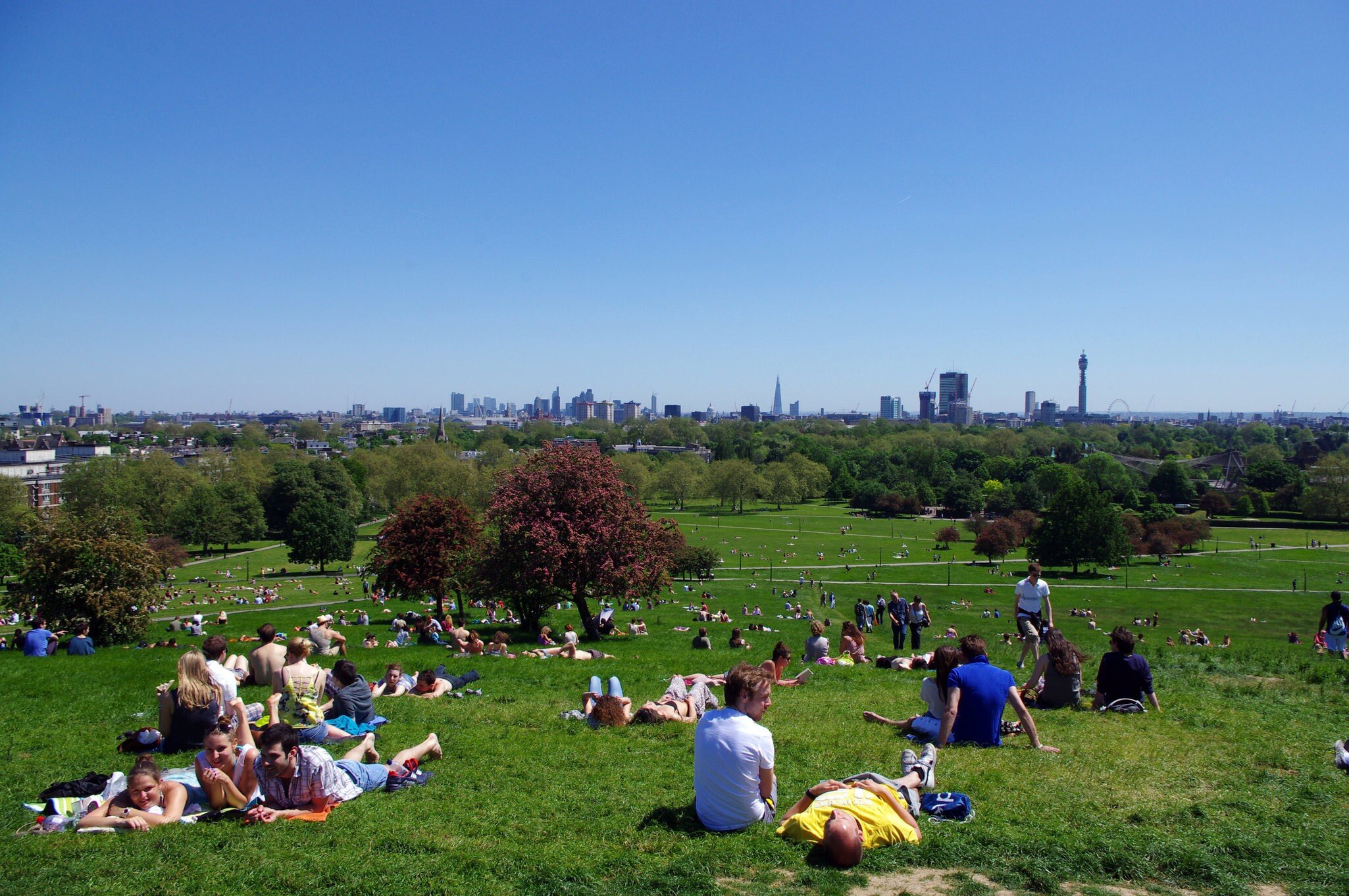
Climb to the top of this 78m-high bluff to the north of the park for soaring views over the city and greenery below. This is one of the city's six protected viewpoints, where trees are pruned so as not to obstruct the panorama. An oak tree stands on the summit to mark the 300th anniversary of Shakespeare's birth, and a nearby William Blake inscription reads, "I have conversed with the spiritual sun. I saw him on Primrose Hill."
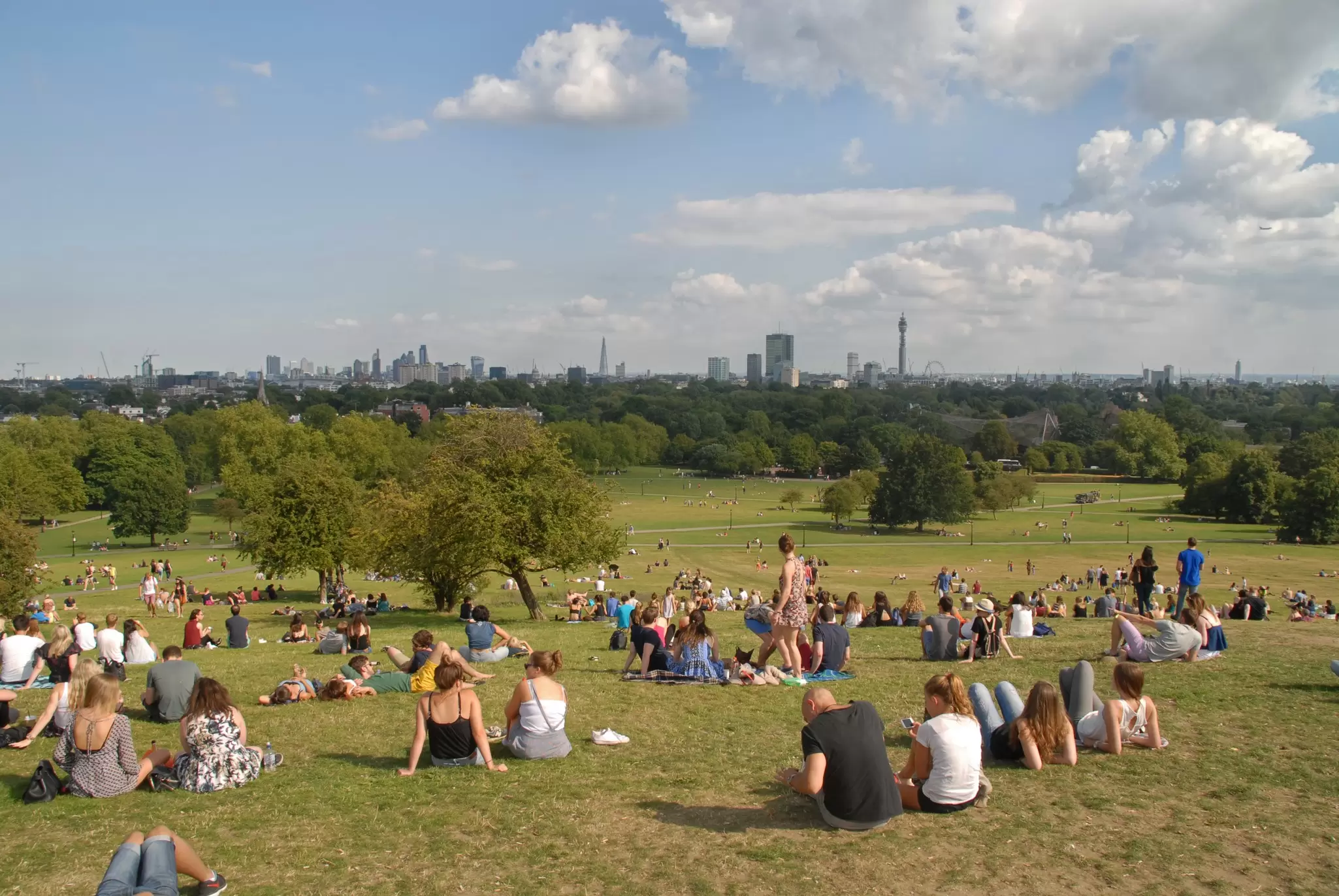
The hill was named after the surrounding village, known for its pretty, four-story, pastel-colored period houses – those on Gloucester Ave have featured in many movies, including Paddington, Bridget Jones’ Diary and Penelope. The very Instagrammable Chalcot Sq has colorful mid-19th-century four-story townhouses set around a garden square. If you do visit, be respectful of the local residents and allow them privacy when it comes to taking photos.
Hedgehogs
The park provides the rare opportunity to spot hedgehogs in central London. The spiny mammal favored by gardeners has disappeared from almost all other wild spaces in the center of the city, but at the time of research, there were around 30 to 40 of them living in Regent's Park, where they feed on the park's healthy bug population. Research groups monitor the animals, with help from thermal-imaging cameras, to gather info and help protect the elusive and vulnerable nocturnal species. Hedgehog-themed Discovery Days for families take place in the park during the summer months (they are most active at night and hibernate during the winter months). Register your interest on the park website.
Sports Fields
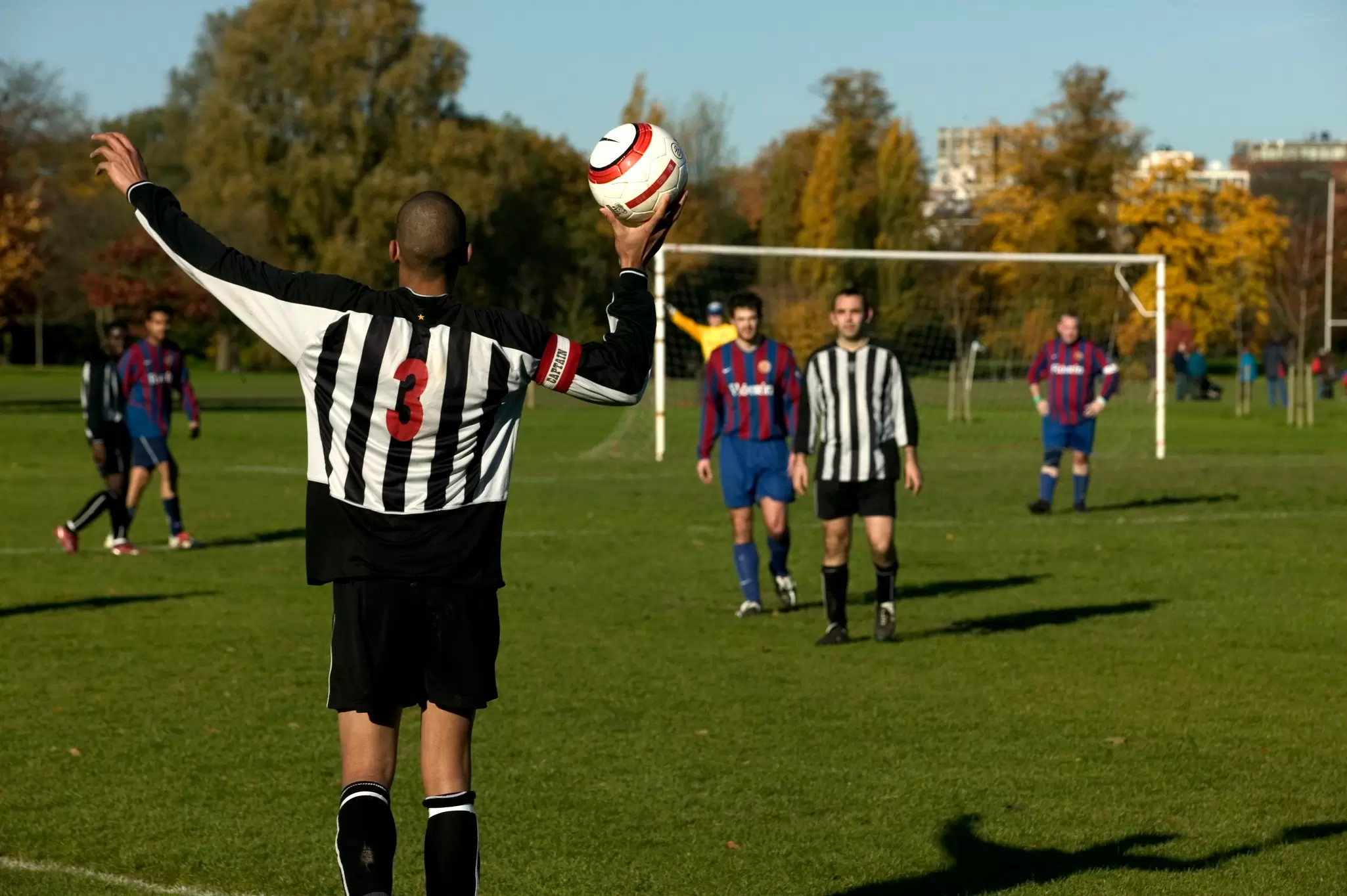
Regent’s Park has central London's biggest outdoor sports area, and is one of the best places for active travelers to get into London park life. A whopping 100 acres are dedicated to sports of all kinds. Facilities include courts for traditional sports such as tennis – there are a dozen courts (eight of them are floodlit and can be booked seven days in advance), four cricket pitches, more than a dozen football pitches, 19 softball pitches, four rugby fields and a running track, plus many table tennis tables (just bring a bat and ball).
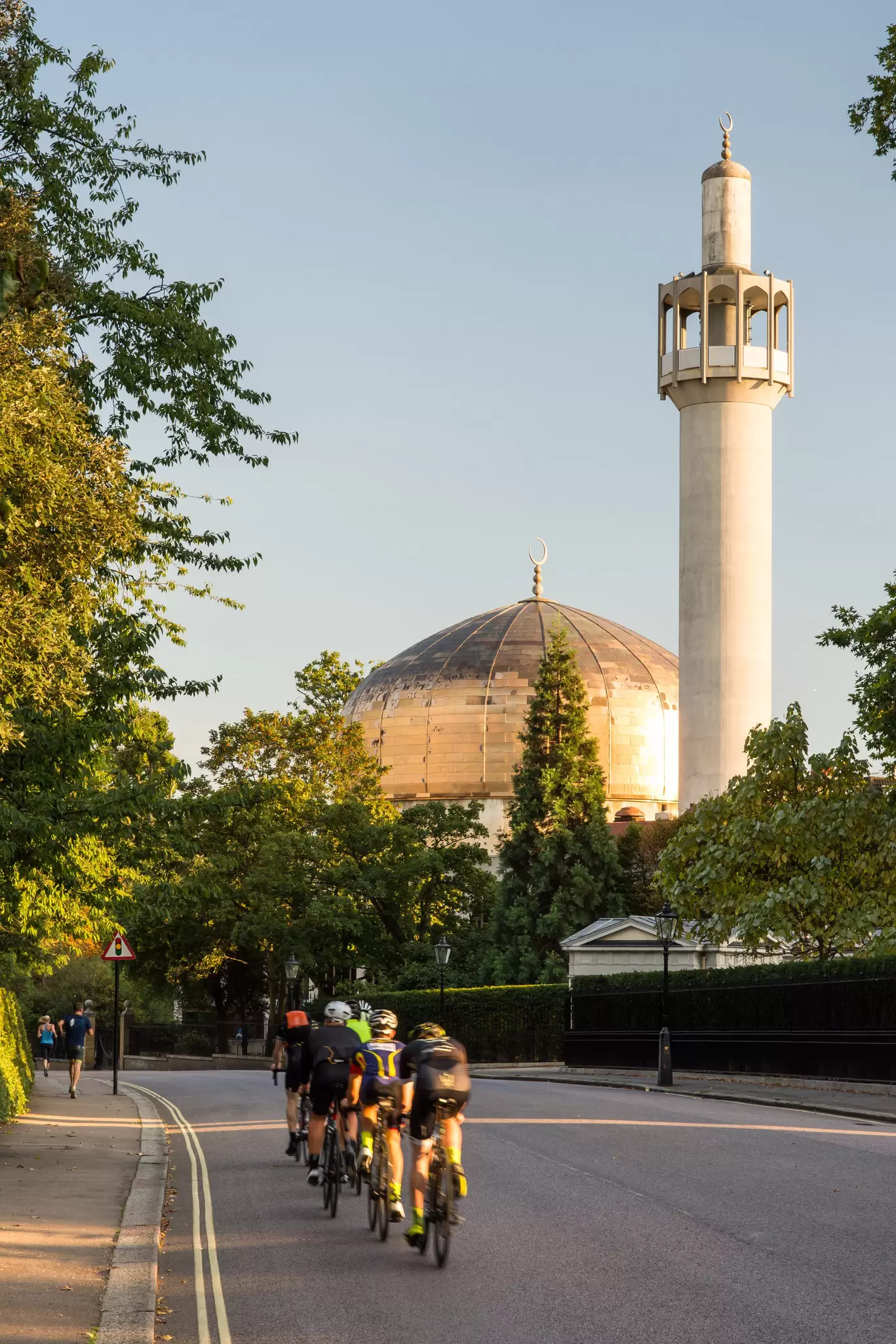
Try more unusual sports such as Ultimate Frisbee and Australian Rules Football through individual London clubs (search Facebook Meetup for local club games). The Park Sports Cafe, near York Bridge, is the place to recharge with a soup, stew, pasta or a cup of hand-roasted Union Coffee. It also serves wine and beer for post-game celebrations or commiserations.