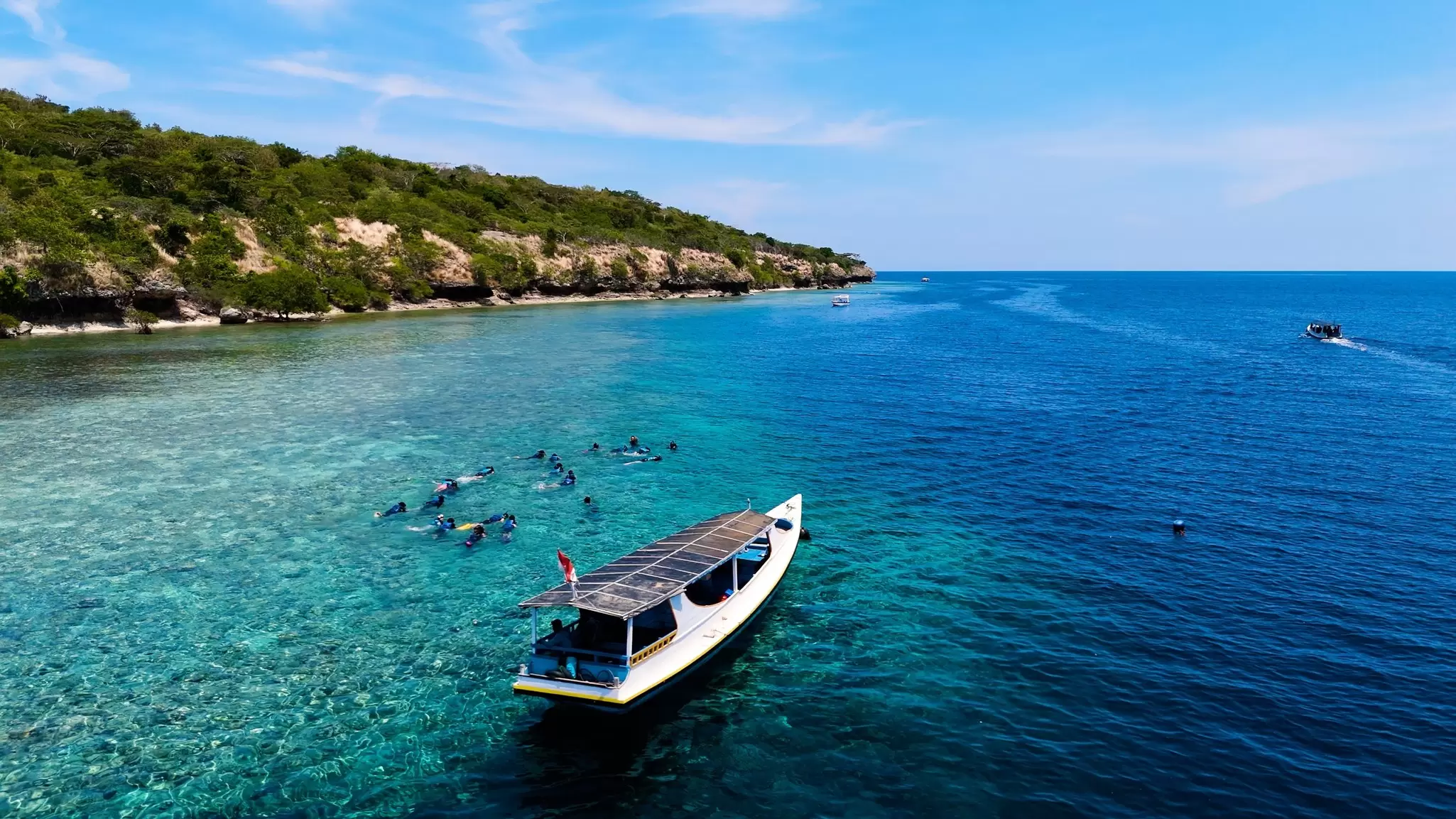
The home of Bali’s best diving and snorkeling, uninhabited Pulau Menjangan is ringed by more than a dozen superb dive sites. The experience is excellent – iconic tropical fish, vibrant hard and soft corals, great visibility (usually), caves, and spectacular drop-offs. Huge gorgonians (branching soft corals) provide both texture and hiding spots for small fish that form a color chart for the sea.
Diving Menjangan
Most of Menjangan’s dive sites are walls that meet the sandy bottom at various depths and are suitable for open-water-certified divers; advanced divers can explore deeper, more challenging sites. If conditions allow, operators typically aim for a dive at Eel Garden. After exploring a coral-encrusted wall, you pass a sandy patch dotted with garden eels. Other popular sites include Bat Cave, Dream Wall, POS 2 (all with stunning walls) and Anchor Wreck, named for the rusting anchor of a mysterious 19th-century boat that lies about 7m below the surface. The remains of the wreck lie on the sandy bottom beside the reef at about 30m; you can get a good look from about 25m (advanced divers only).
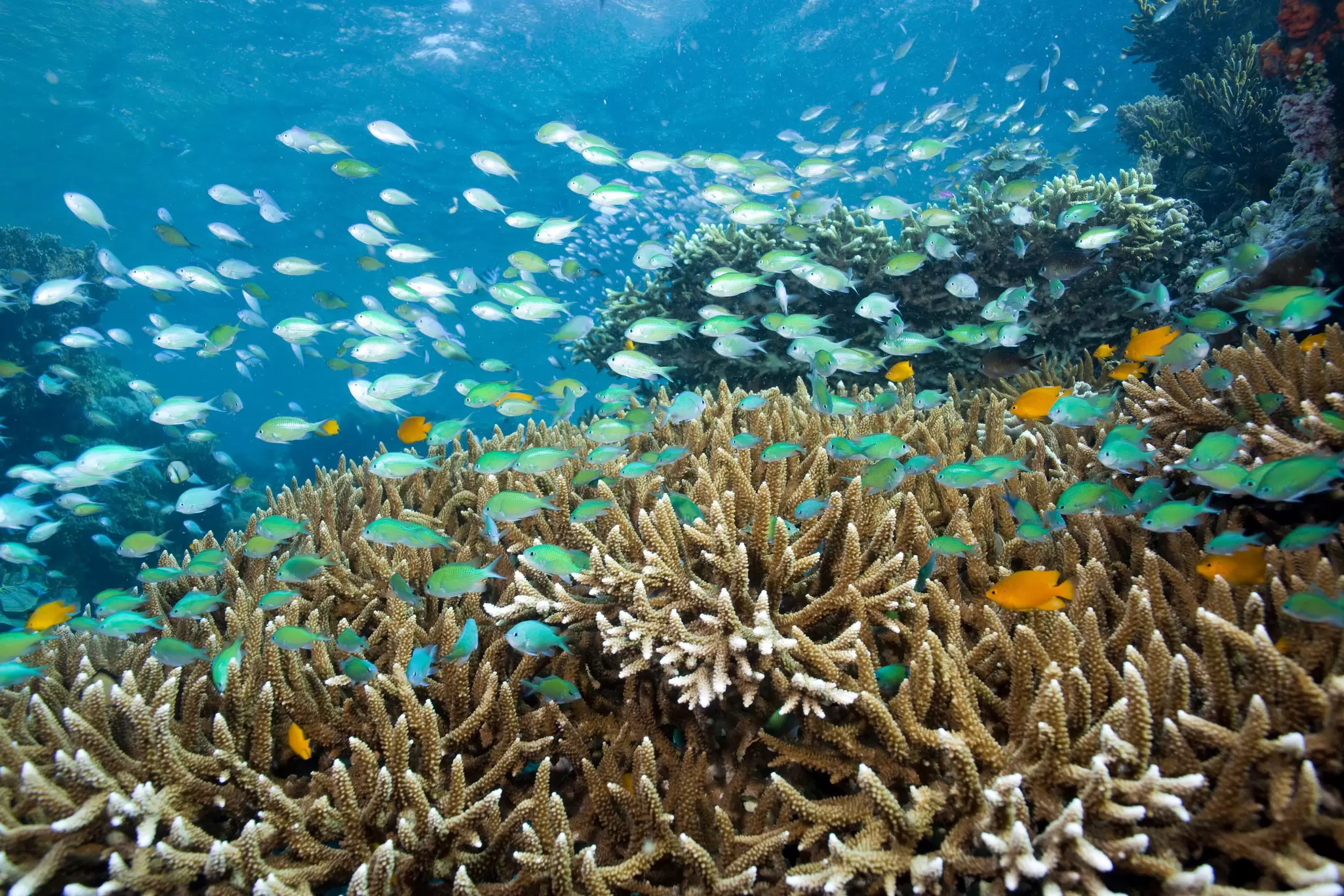
The highlight of diving in Menjangan is its splendid walls covered in soft, hard and whip corals and lacey gorgonian fans. Keep your eyes peeled for anemone shrimp, frogfish, crocodile fish, pygmy seahorse, electric clams, nudibranchs and lionfish. Among the "big stuff" you might see are turtles, eagle rays, grouper, barracuda, giant trevally, dogtooth tuna, reef sharks and even the odd whale shark.
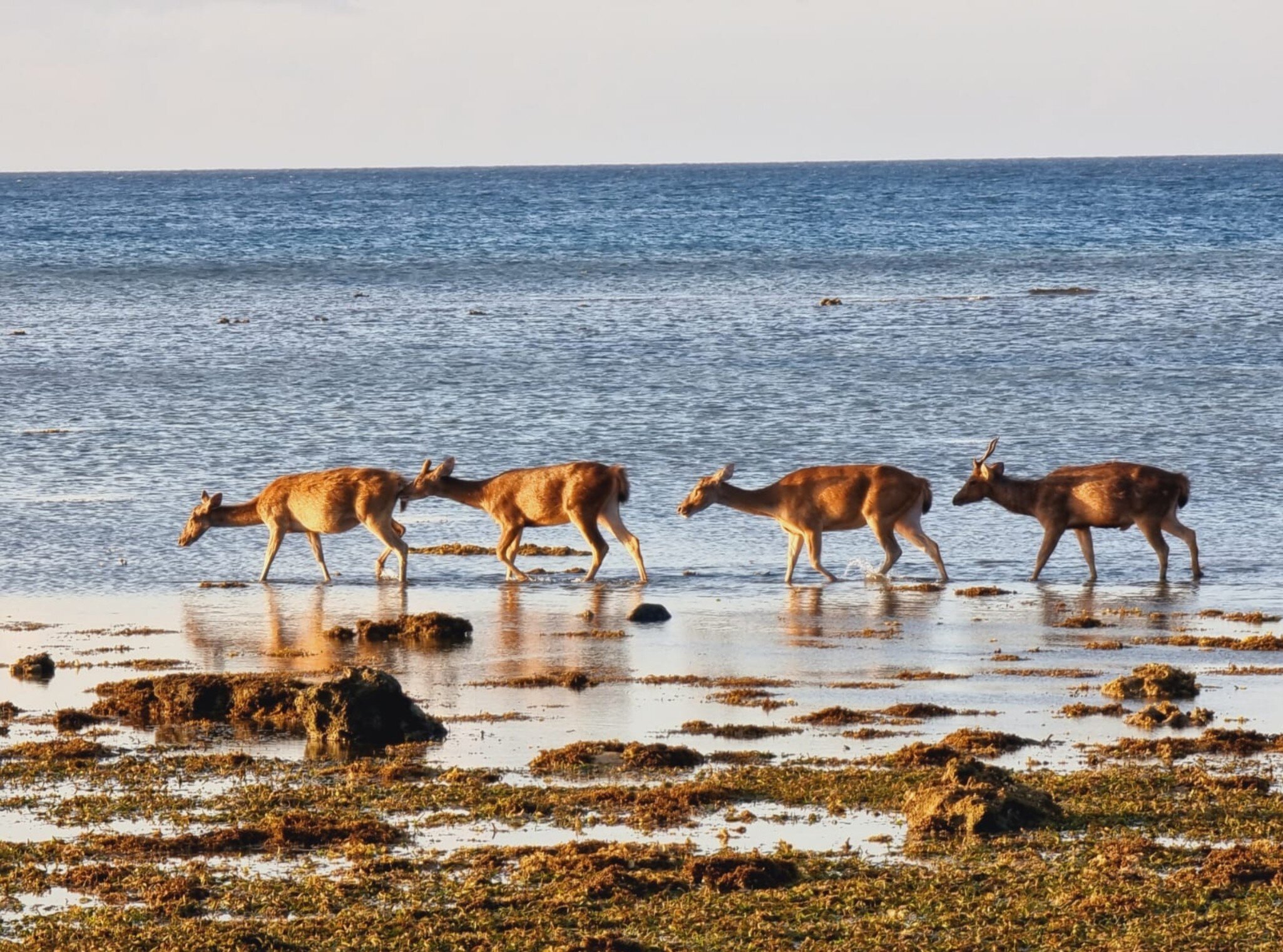
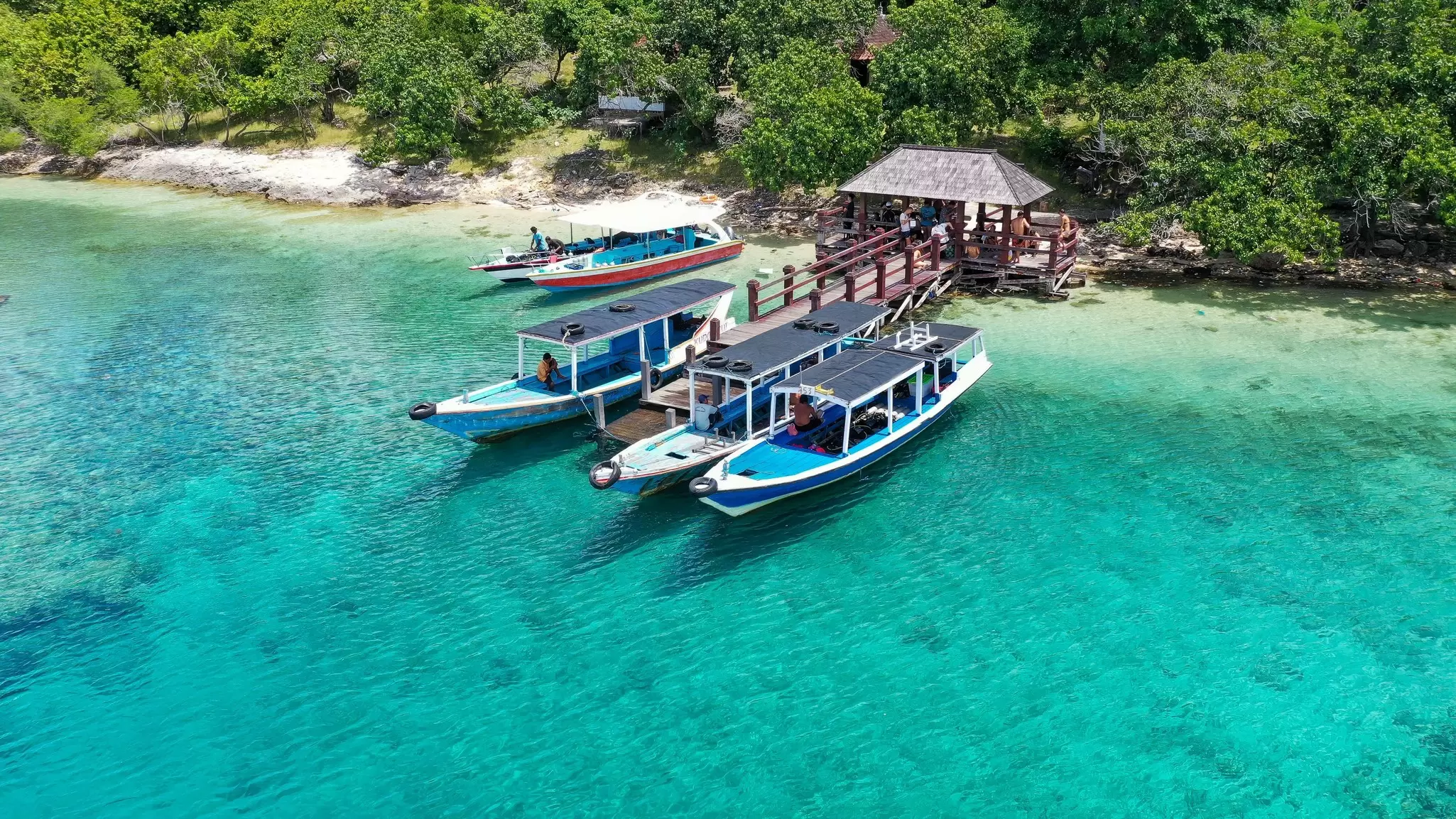
A standard dive trip from Pemuteran includes two dives and lunch, and gets you back to town about 4pm. Most boats dock at a jetty at the southwestern end of the island for a lunch break between dives; there are shaded sitting areas, toilets, curious rusa deer and a small beach. Some operators use a smaller jetty at the southeastern end of the island instead, near Pura Gili Kencana.
Snorkeling Menjangan
There’s good snorkeling all around the island. Depending on the conditions, operators typically take you to several spots along the southern side of the island (including Mangrove Point) to admire colorful corals, anemones and myriad reef fish in the shallows, or snorkel along the edges of the drop-offs that extend along the southern side of the island for better chances of spotting "big stuff." You might see bubbles rising from divers below.
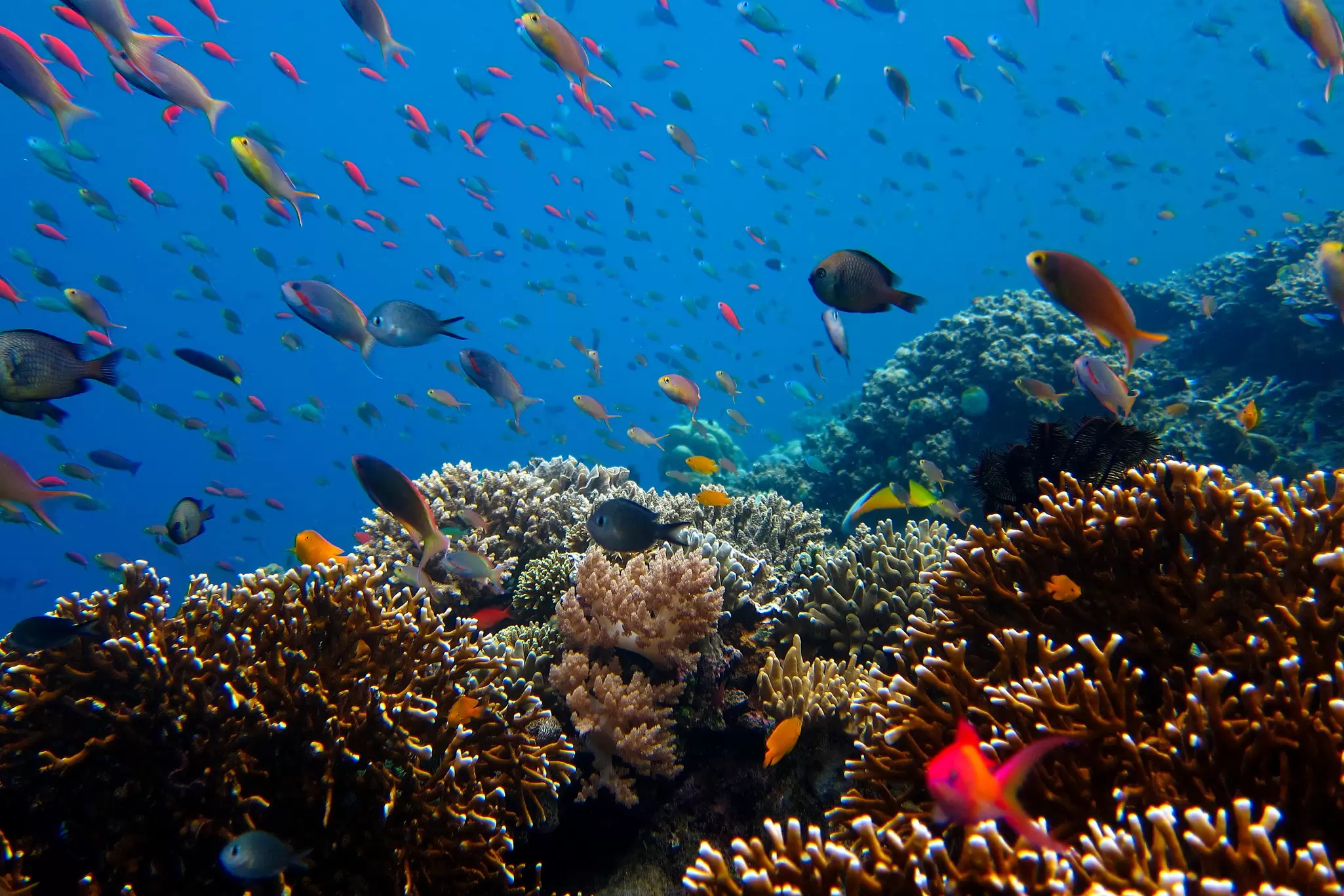
If conditions allow, you also get a chance to snorkel on the northern side of the island; Coral Garden is a fine spot. Snorkeling boats also use both of the island's jetties for lunch breaks.
Exploring the Island
Uninhabited Pulau Menjangan has what is thought to be Bali’s oldest temple, Pura Gili Kencana, dating from the 14th century and about 300m from the pier of the southwestern jetty. It has a huge Ganesha (the elephant-headed Hindu deity) carved from brilliant white stone at the soaring arched entrance.
An easy trail circles the low island. It's 6km in length, and a circuit takes about 1½ hours (divers won't have enough time to reach the temple during a lunch break). On the way, you pass small temples, mangroves and some thin but lovely beaches on the northwest side. Having a picnic lunch here is one of the good reasons to arrange for your own boat with a skipper amenable to a flexible schedule.
Getting There
Most dive operators (which also run snorkeling trips) are based in Pemuteran; dive trips include transport to the boat dock at Labuhan Lalang. Dive centers in Banyuwedang also accommodate snorkelers.
Independent snorkelers can arrange trips at the Labuhan Lalang boat dock for about 650,000Rp per person, including gear, depending on the number of people.
