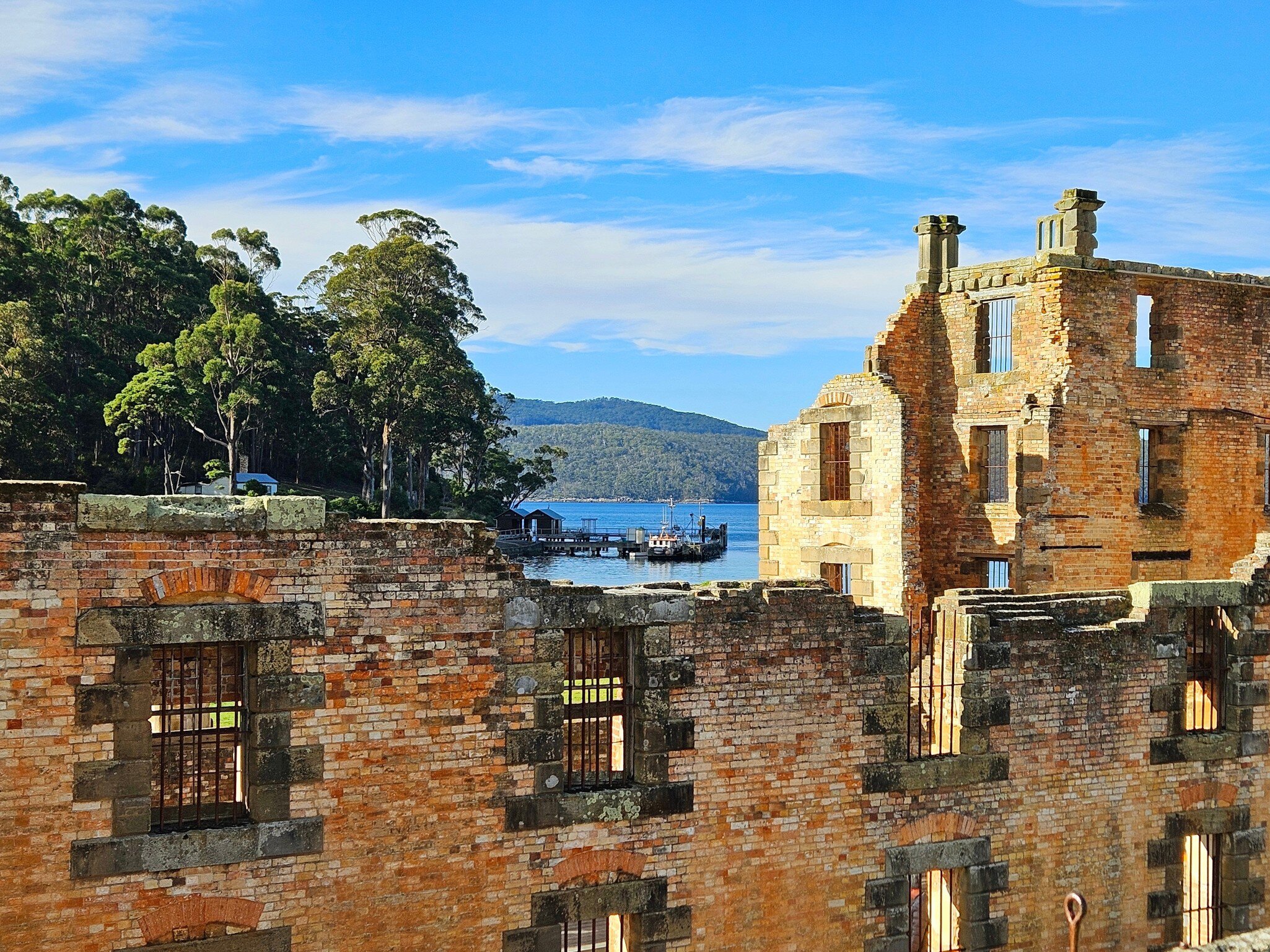
Nowhere does Tasmania’s grim convict past feel so tangible than at the World Heritage–listed Port Arthur Historic Site. Green lawns and neat cottages create an English-village vibe between the ruins – but even the impressive visitor center can't gloss over historical, and more recent, horrors. This is a place to show human reverence and respect, from a time when these were in short supply.
Why Here?
The British established a small timber-milling settlement at Port Arthur in 1830 and began transporting their unwanted criminals here by the boatful. This process continued until transport ceased in 1853, the prison finally closing in 1877. Port Arthur had a harsh reputation: miscreants from other colonial prisons often ended up here. Port Arthur was considered escape-proof, as it was cut off from the rest of Tasmania by narrow Teralina/Eaglehawk Neck, where fierce guard dogs and tales of shark-infested waters deterred escape. The site was abandoned in the late 1890s. Despite its redemption as a major tourist site (the ruins are undeniably amazing), Port Arthur remains a somber place. Compounding this mood are memories of April 1996, when a deranged young gunman murdered 35 people here and injured 19 more. UNESCO World Heritage status was assigned to Port Arthur in 2010, along with four other Tasmanian convict sites.
Explore the Main Buildings
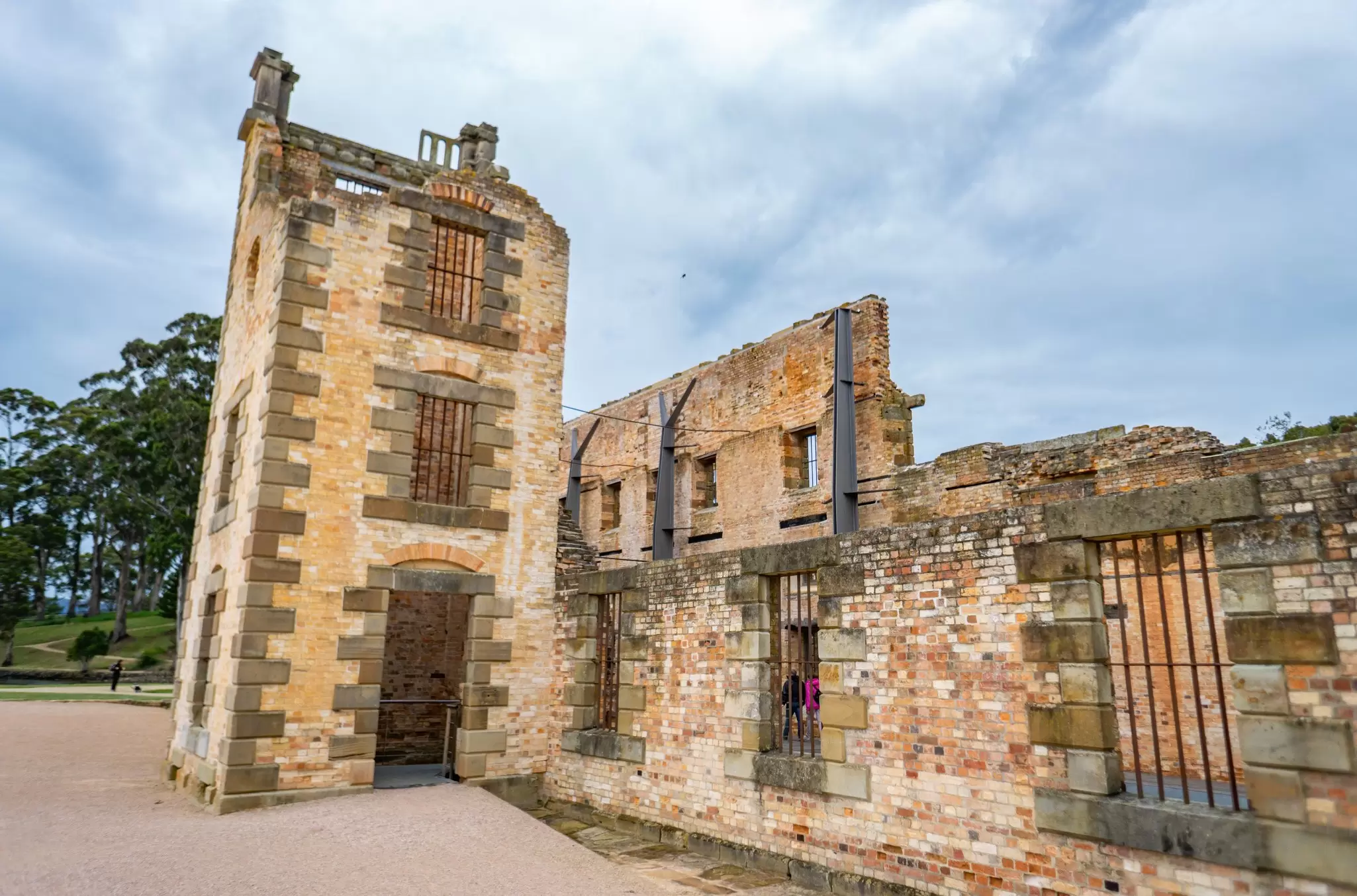
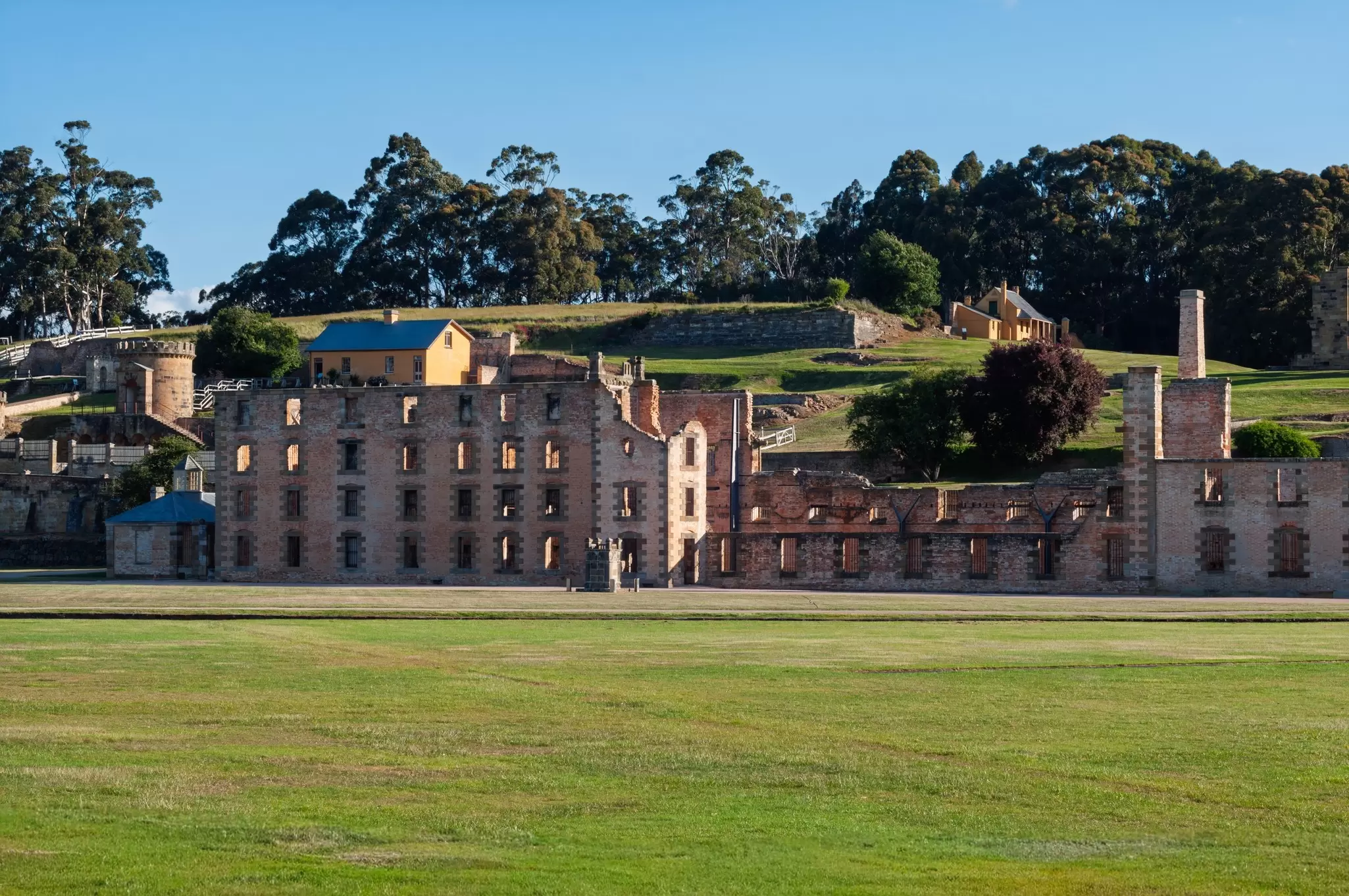
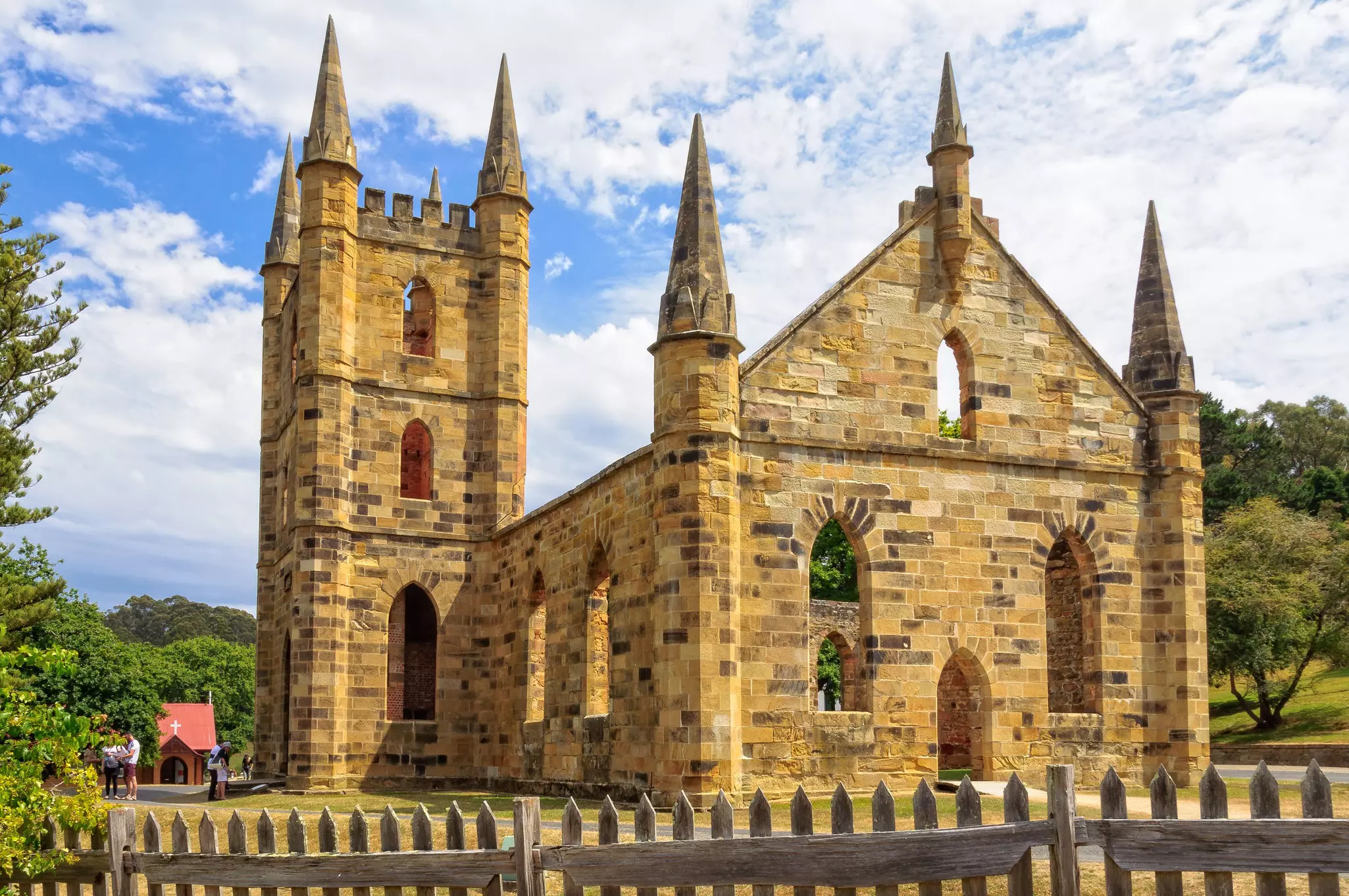
Most visitors head first to the Penitentiary, the massive stand-alone sandstone facade that was once a flour mill, yet ended up housing 484 prisoners. The well-preserved Commandant's House is nearby, the refinement and comfort on display a poignant counterpoint to the squalor afforded to the convicts. The well-preserved Separate Prison and adjacent Asylum are mute reminders of punishment ideology; after being subjected to the psychological torture of the former, prisoners often ended up in the latter. On higher ground, away from the prison buildings, the Church indicates the role religion played in prisoner reformation.
Between the Ruins
The Historic Site covers 136 hectares, gently sloping down to tranquil Carnarvon Bay. Several formal gardens appear as you wander around, including the Civil Officer's Gardens below the Church, and the hedged Government Gardens, complete with fountain. The Officers Gardens extend behind Trentham Cottage, itself with a fine example of an English cottage garden. The most poignant garden, though, is the small Memorial Garden, commemorating those who lost their lives in the 1996 massacre.
Isle of the Dead
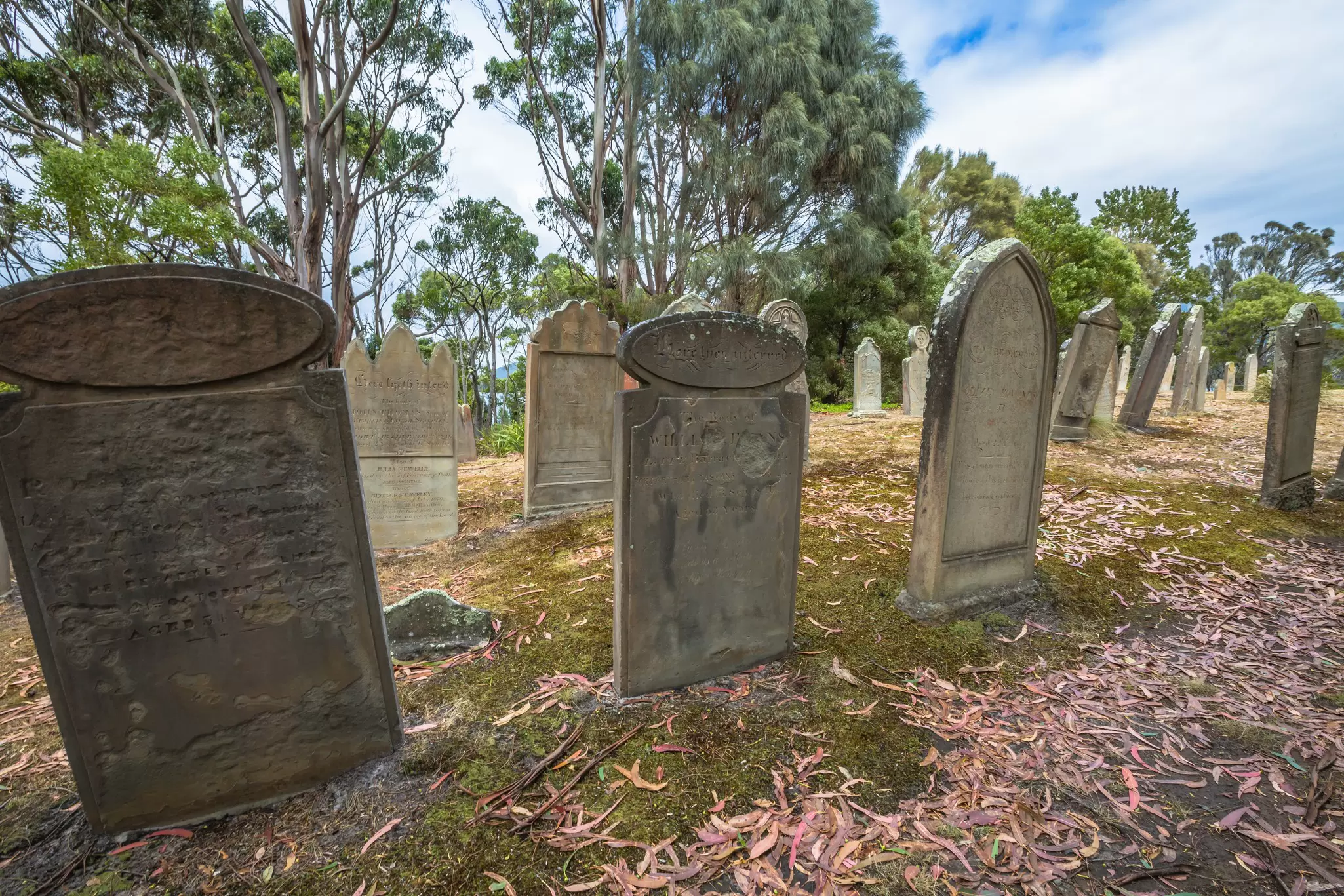
The final destination for many Port Arthur inmates – the oddly tranquil Isle of the Dead, a small island in Carnarvon Bay – was the penal colony's cemetery. The majority of the 1100 graves here are unmarked. The boat trip included in your ticket goes out to the island, but you can't get off unless you've paid for the additional tour (adult/child $30/15). The isle is just off Point Puer, site of the first boys' prison in the British Empire.
Tours & Talks
To get the most out of your visit, listen to the experts. Free talks are held at various times throughout the day outside the Penitentiary, Commandant's House, Church and Separate Prison; check times online. Other value-added guided tours are available for an additional cost, including the after-hours Ghost Tour (adult/child $35/18). For 90 minutes a noir figure carrying a lantern leads you through the ruined buildings, relating tall tales and true.