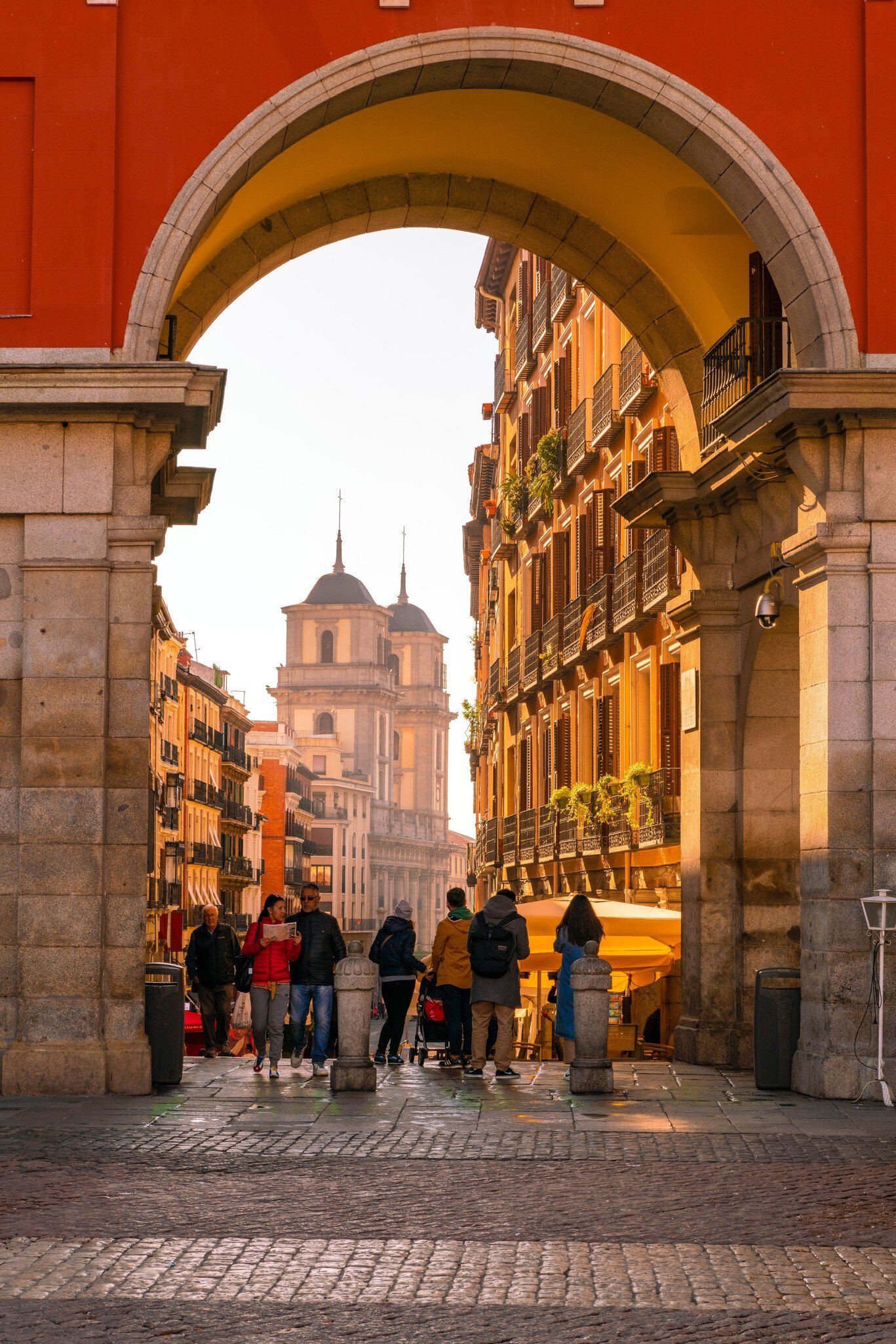
Plaza Mayor sits at the heart of what locals call "Madrid de las Austrias," a phrase that refers to the period of Habsburg rule. From 1517 to 1700, this was the beating commercial and cultural heart of the city. It still retains its original character with centennial shops located under stone arcades and a lively market at Christmas time.
History of the Square
Madrid was a surprise choice when Felipe IV chose to settle the court here permanently in 1561. What had been a small town would now become a city at the heart of the Spanish empire. The new capital desperately needed a grand public space to reflect this. Work quickly began to clear a space on an uneven marshy slope outside Madrid’s old medieval walls, but it wasn’t until Felipe III came to power that the buildings surrounding the square went up under head architect Juan Gómez de Mora.
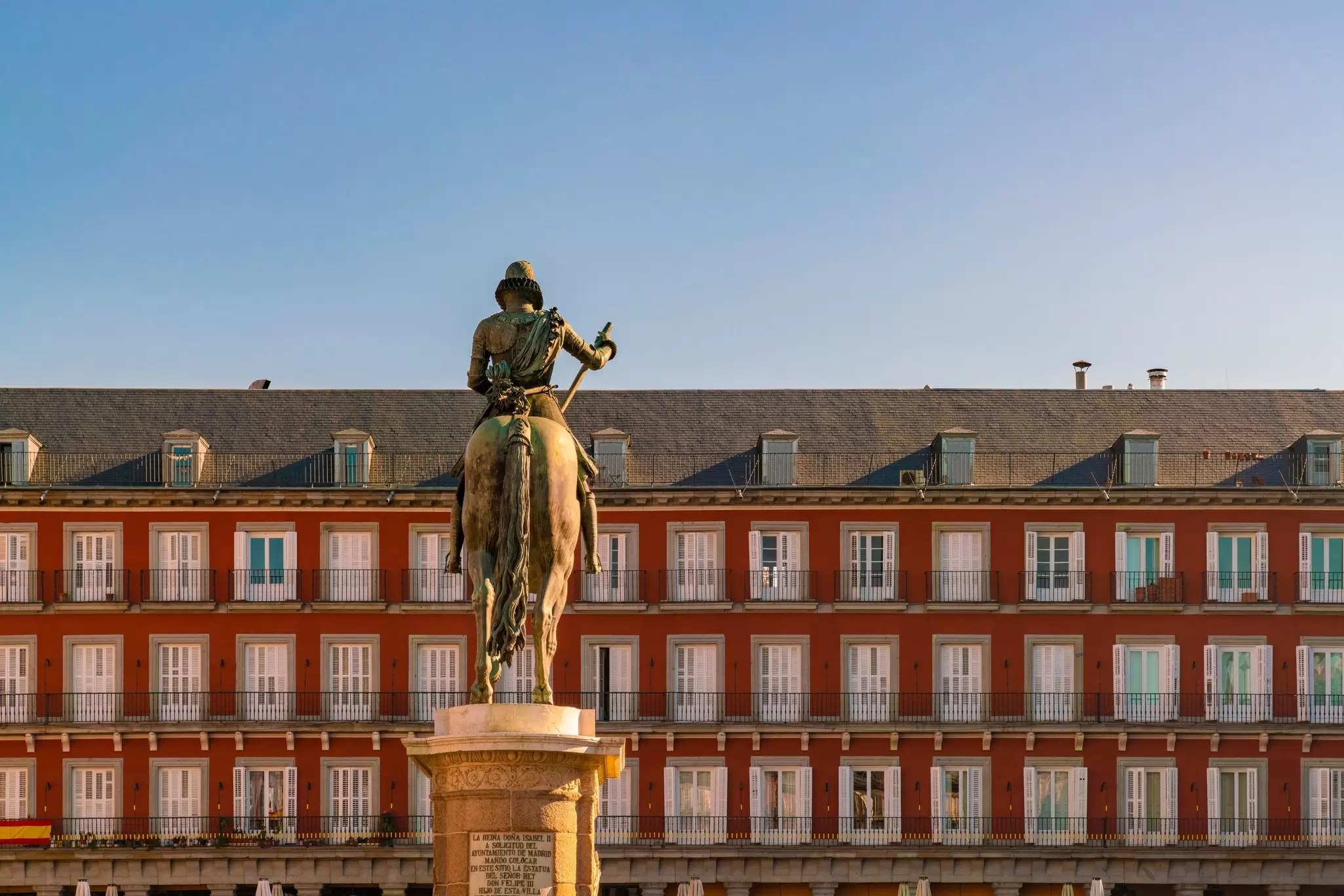
Five floors up with 377 balconies, the handsome arena was completed in 1619. Its spiked Flemish roofs and plain ochre walls reflected the rather dour aesthetic of the Habsburg dynasty. Despite a regime change when the Bourbons took over in 1700, it has retained the same look. Three major fires have ravaged the buildings; the last in 1790 spared the Casa de la Panadería but destroyed three-quarters of the space. Juan de Villanueva’s reconstruction remained faithful to the original design, only reducing the number of floors to three.
Room with a View
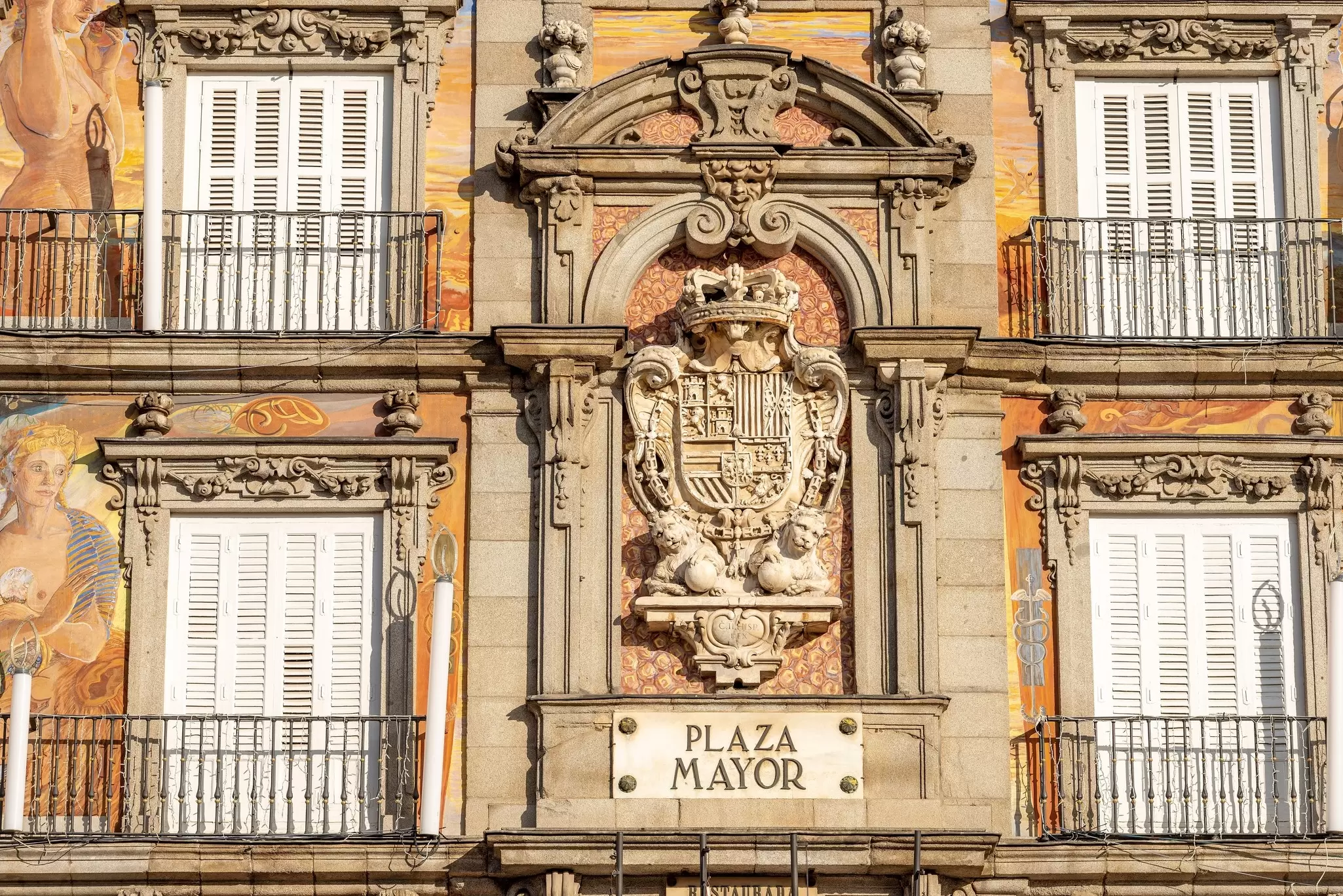
The Casa de la Panadería sits at the north of the square. Because it gave the best views, its 1st-floor balcony was reserved for the exclusive use of the royal family. The square was a venue for events including religious festivals, plays, trials of faith run by the Inquisition, executions and bullfights.
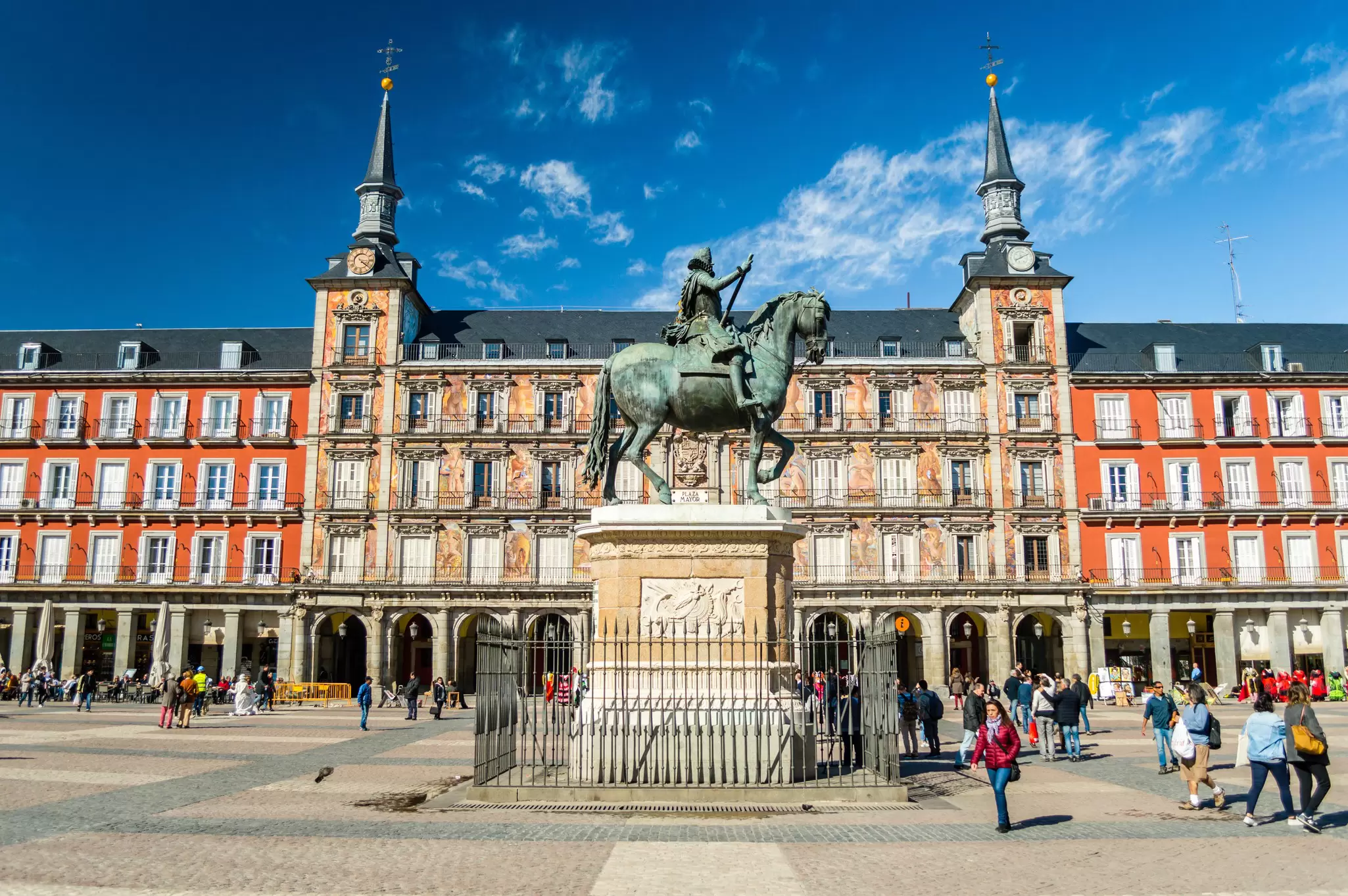
If you owned a flat with a good view, the nobility reserved the right to take over your balcony. Check out the frescoes adorning the Casa de la Panadería. Completed in 1992 by Carlos Franco, they show figures from antiquity along with Madrid’s emblematic bear and strawberry tree.
Bloody History
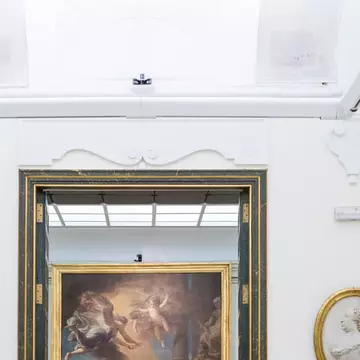
Autos-da-fé, or trials of faith, drew in quite a crowd. Here, heretics accused of practicing Islam or Judaism in secret wore clothes embroidered with flames, signifying they were destined to be burned alive outside the city gates. Most repented and got off with a fine or a prison sentence. Francisco Rizzi’s huge painting of an auto-da-fé held in 1680 hangs in the Prado. Public executions were also a big draw. Even in death, class divisions were strictly drawn. Protocol demanded that upper-class criminals had their throats slit while the working man died by the garrote.
Present-Day Festivities
Autos-da-fé and public executions are now a distant memory, and while bullfights do take place in Madrid, they are held in the Las Ventas bullring. However, the Plaza Mayor is still a major venue for festivities, and none is as important as the Fiestas de San Isidro held in mid-May. The history of this festival goes back to the inauguration of the square on 15 May 1620 with a ceremony celebrating the beatification of Madrid’s patron saint. While the occasion has lost a lot of its religious flavor, attending a concert here is a great way to get a feel for the huge impact this impressive arena must have had on Madrid’s citizens.