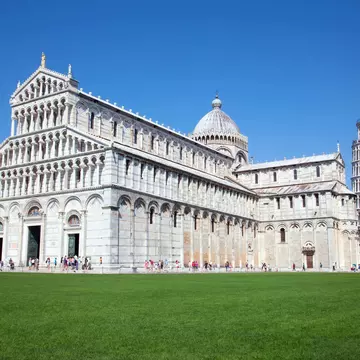
The monumental oddity that is Pisa’s Leaning Tower draws thousands of people to Piazza dei Miracoli daily, but the Unesco-inscribed square containing the torre pendente has a lot more to offer besides pretending to hold up the tilting cylinder. Take a stroll through the manicured gardens to discover some of the city’s most precious marble treasures.
The Leaning Tower
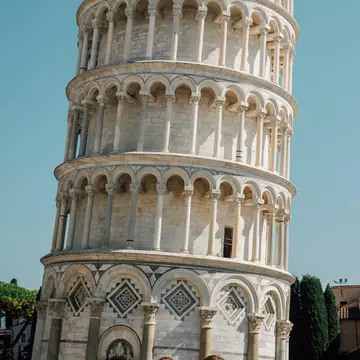
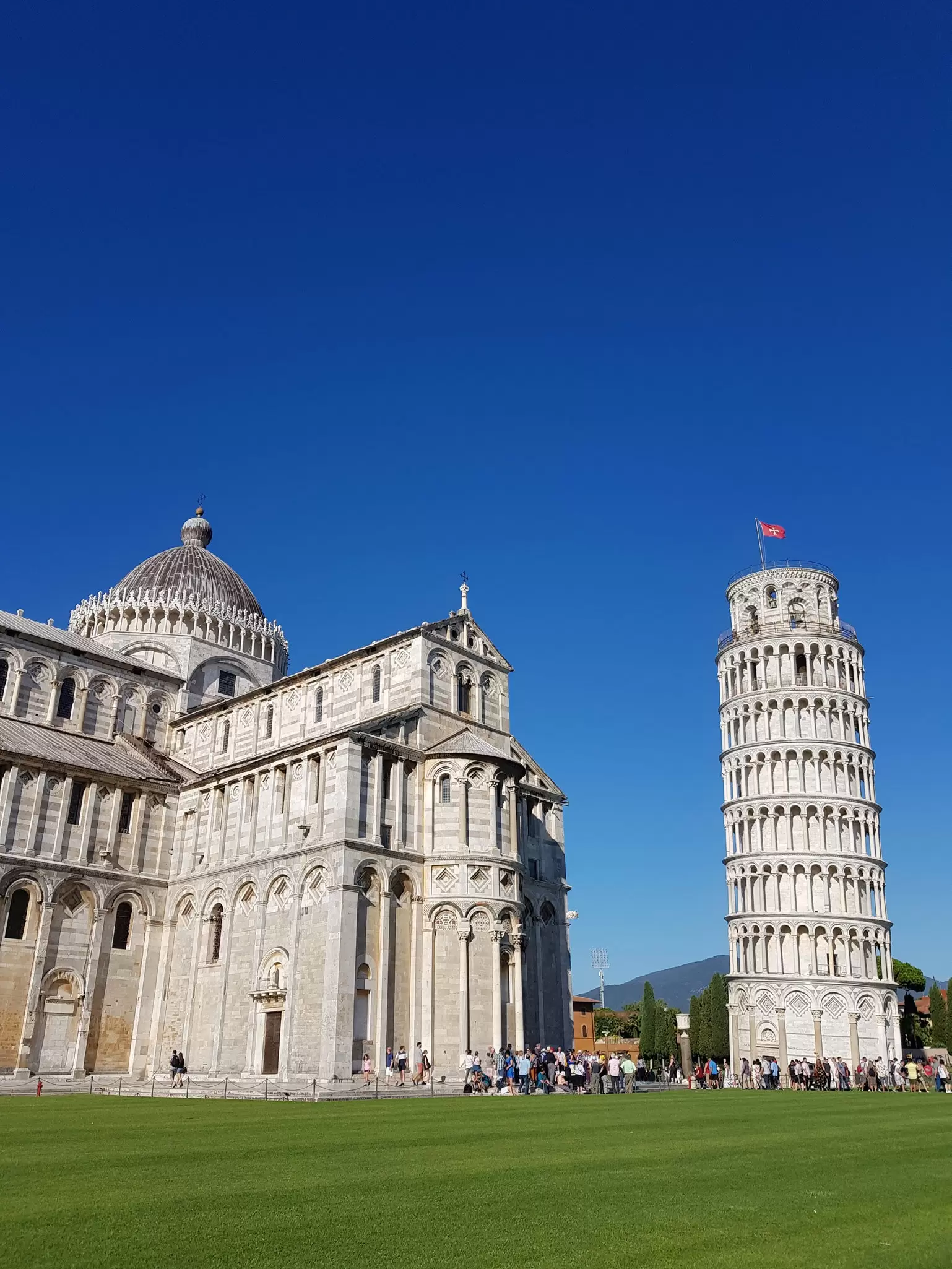
Climbing up the 251 steps leading to the top of Pisa’s unchallenged landmark may feel a little unsettling, given that the Leaning Tower looks like it’s just about to fall on its side. But the 56m structure has been tilting since its early days – medieval architects realized that the tower was sinking under its own weight in 1178, five years after construction began. The tower was completed in 1370, but it was finally stabilized only in the late 20th century.
The Duomo
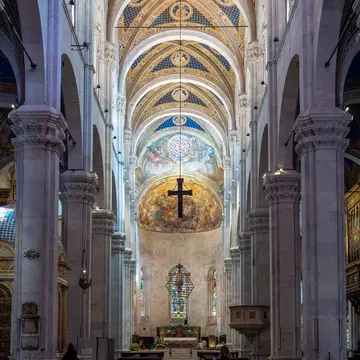
Pisa’s thousand-year-old Duomo di Pisa, also known as Cattedrale di Santa Maria Assunta, stands as the city’s Romanesque symbol in the heart of Piazza dei Miracoli. Influencing the style of many later Tuscan churches, Pisa’s duomo was built starting in 1063 to celebrate the successful expedition of the Pisan navy to Sicily. As you can read from the epigraph by the entrance, many of the materials used for the construction were acquired during that journey. The elliptical dome topping the cathedral was added in 1380 and a complete restoration of the interior was completed in 2018.
Museo dell’Opera del Duomo
Spread across 26 rooms, the vast collection of the Museo dell'Opera del Duomo exhibits precious sculptures that once adorned the cathedral. The Porta di San Ranieri, a bronze heavyweight completed by Bonanno Pisano in the 12th century and one of the few artworks to survive the 1595 fire, sets the tone at the entrance of the museum. Inside, find sculptures by Nicola and Giovanni Pisano, medieval liturgical furnishings.
Battistero di San Giovanni
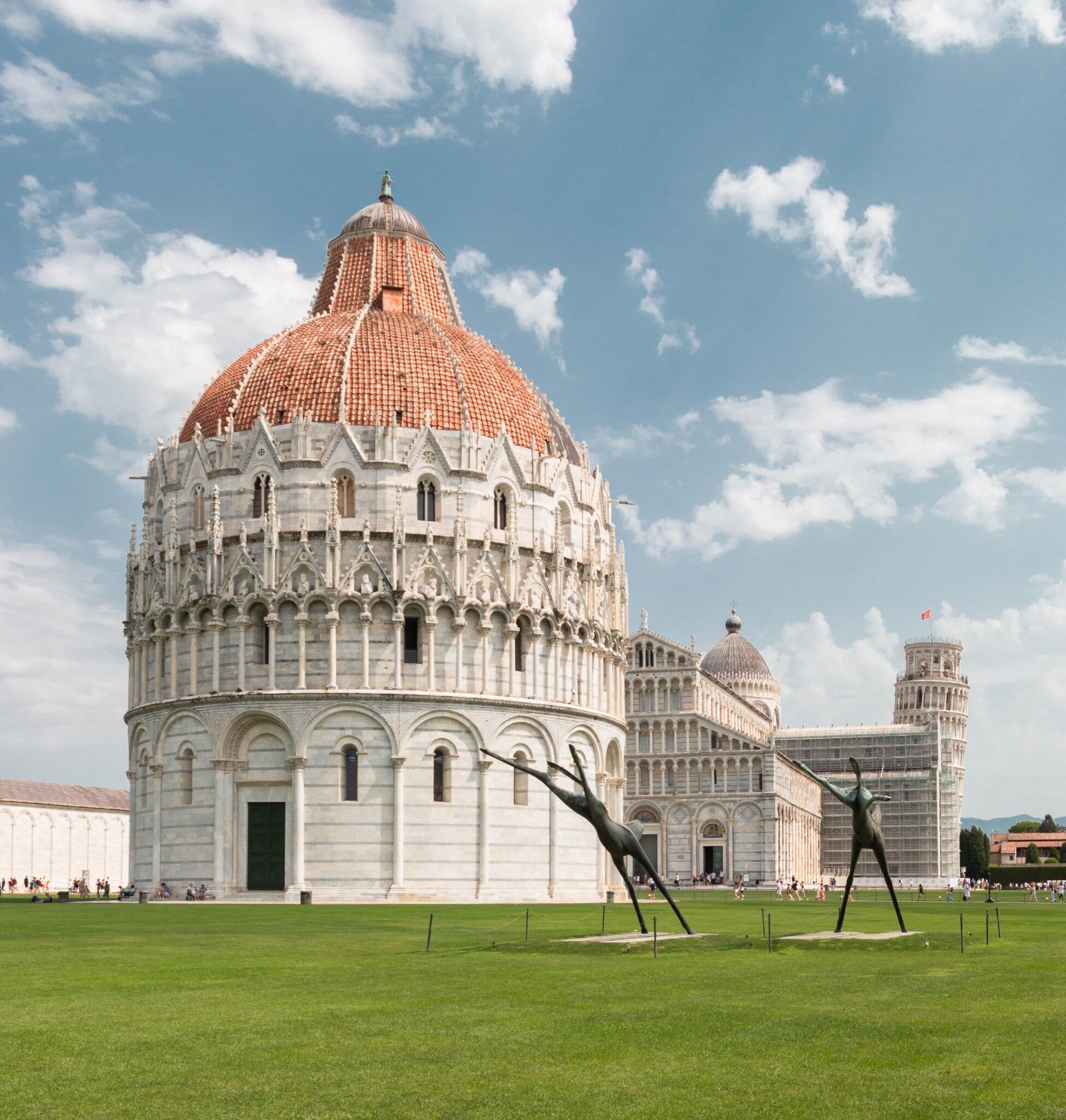
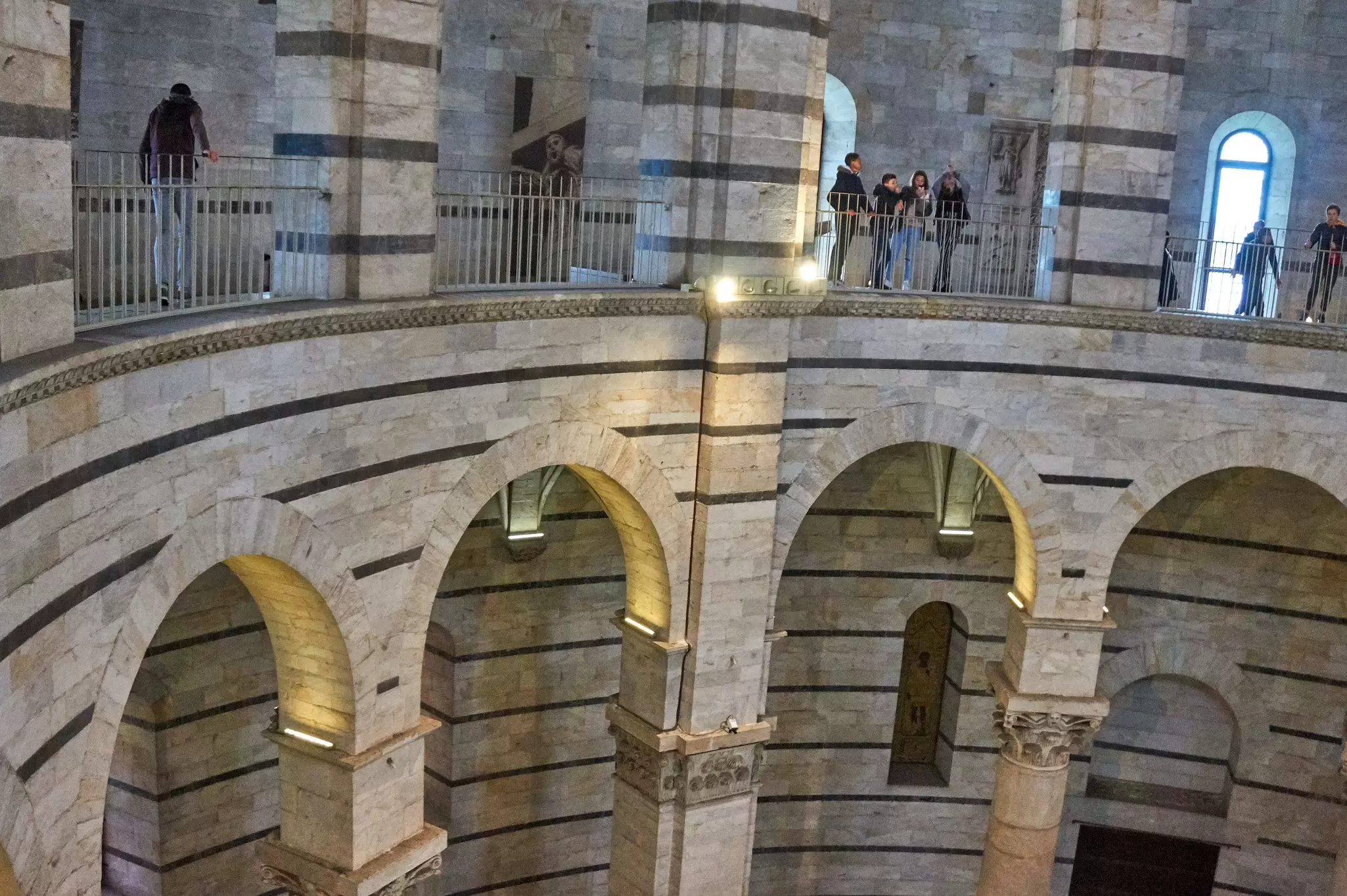
Standing in front of the duomo, the circular Battistero di San Giovanni first appeared in Piazza dei Miracoli in 1152, maintaining its record as the world’s largest baptistery up to this day. Nicola Pisano worked on some of the building’s most outstanding features throughout the 13th century, including the intricate Carrara marble pulpit, showcasing scenes from the New Testament. It’s worth climbing to the upper floor to listen to the echo effects produced by the double dome.
Camposanto
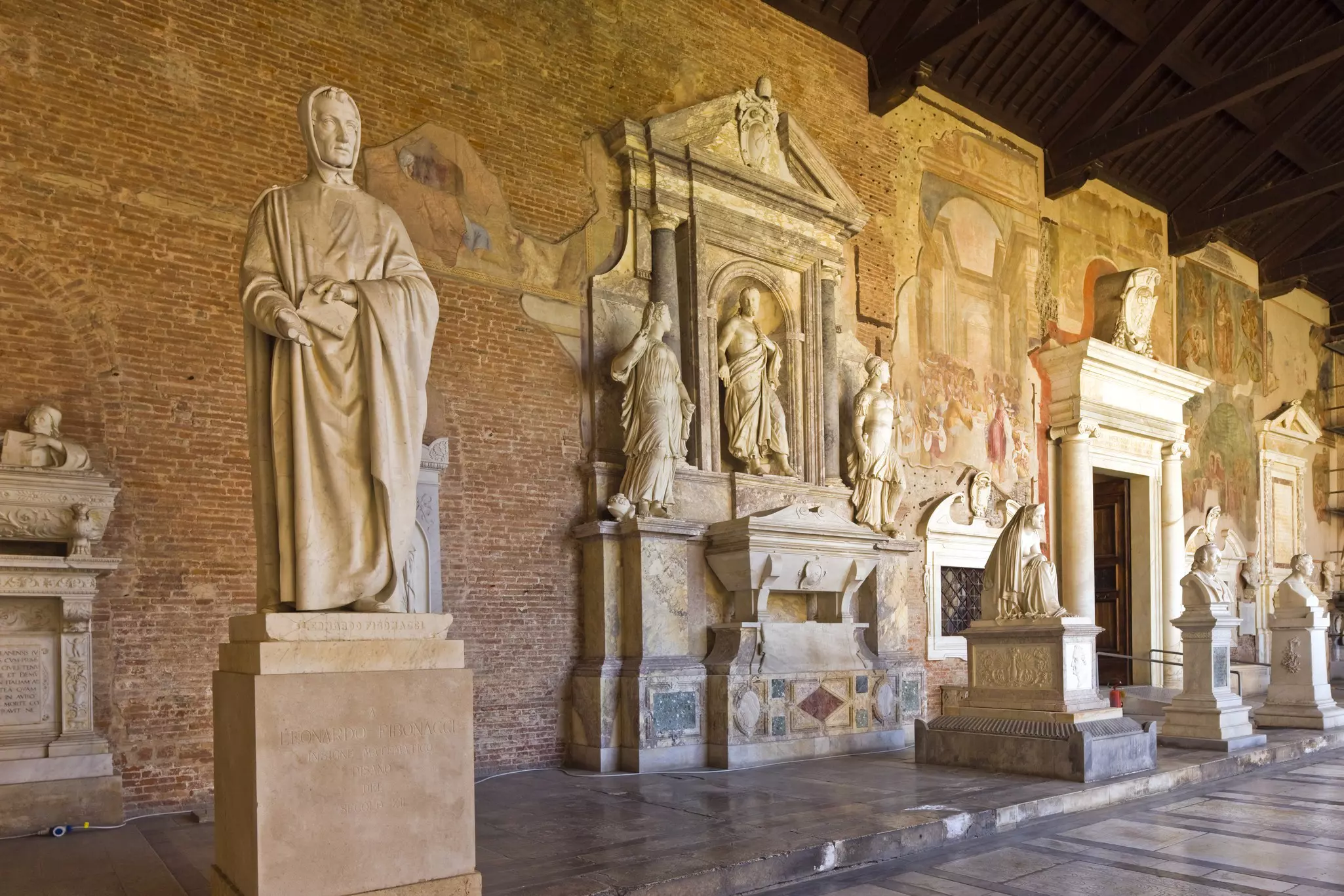
Piazza dei Miracoli’s monumental cemetery was first established in 1277 as the resting place for Pisa’s ruling classes. Their tombstones and chapels were adorned with invaluable artworks, sculptures, and archaeological findings until a US grenade set Camposanto on fire during WWII. While some of the Greco-Roman sarcophagi stolen by Pisa’s sailors survived, most of the paintings adorning the cloister were nearly destroyed.
Only 60 years after the end of the war did a major renovation project start – among the works that were brought back to light, the most impressive is Buonamico Buffalmacco’s Il Trionfo della Morte (The Triumph of Death), an 84-sq-m fresco depicting demons democratically attacking people from all walks of life.
Museo Delle Sinopie
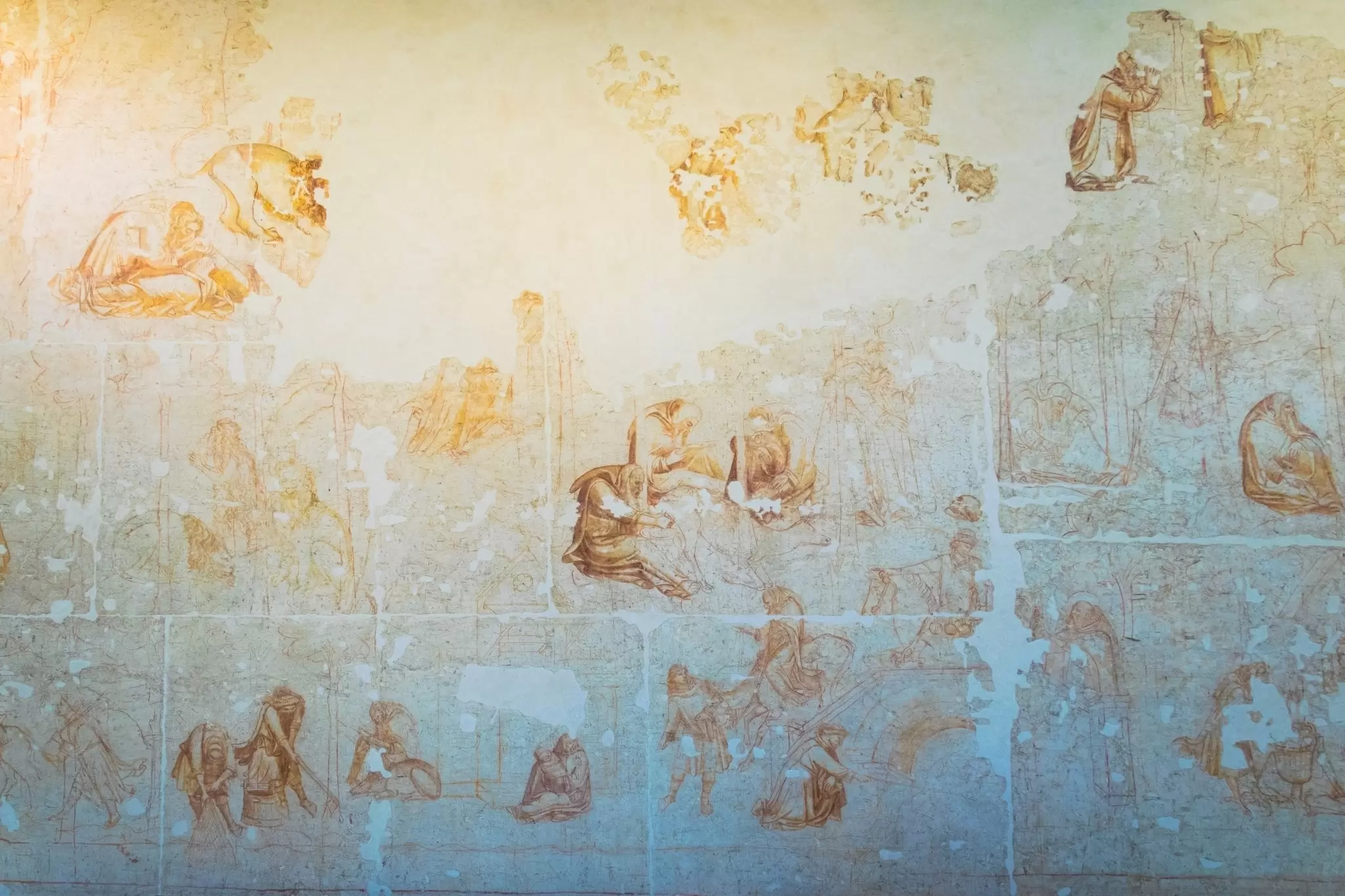
Learn about the process behind the creation of Renaissance frescoes by entering this fascinating museum showcasing a rare collection of sinopie, the preparatory sketches drawn on walls in red pigment before the final layer of paint is applied. Many of the unfinished works exhibited at Museo delle Sinopie were recovered by the Opera della Primaziale Pisana during the 2009 restoration of the cemetery.