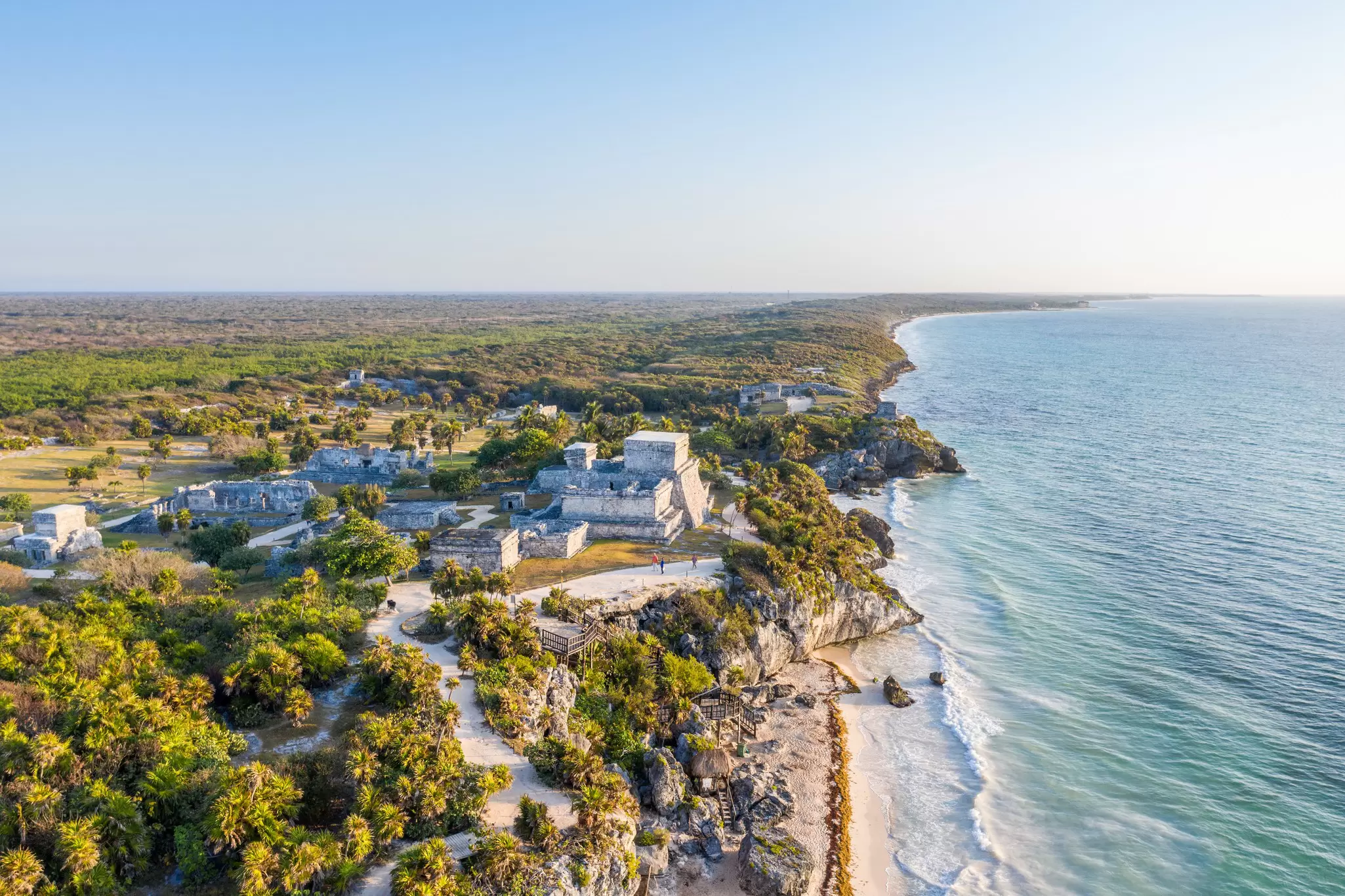
Years in the making, the Parque del Jaguar, which opened in 2025, encompasses protected beaches, lookout towers, forest trails and a museum full of Maya artifacts. The big draw is the archeological zone, with its collection of temples and pre-Hispanic monuments. Though lacking the grandeur of Chichén Itzá, no other archaeological site in Mexico offers such stunning vistas over the Caribbean.
Archaeological Zone
El Castillo
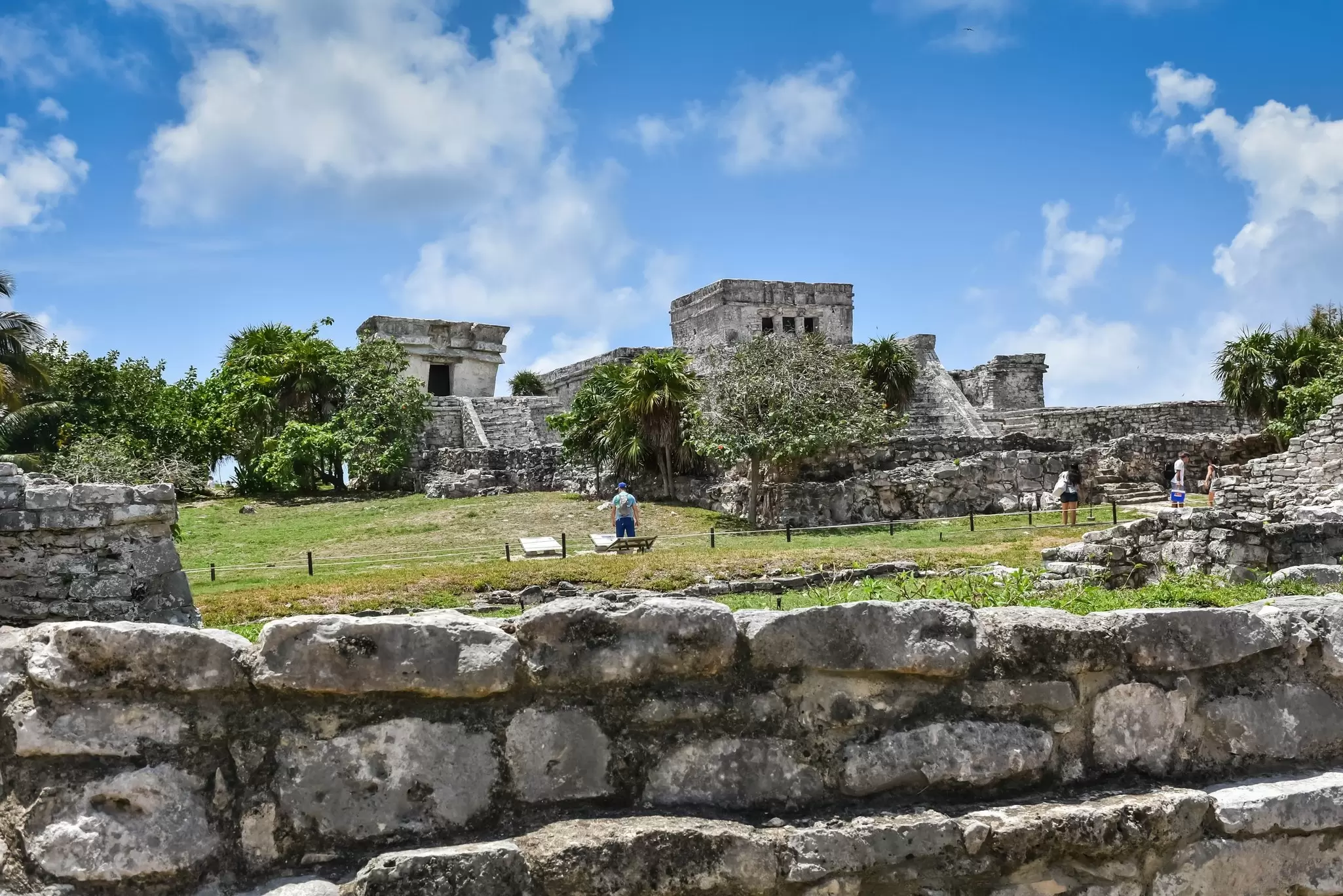
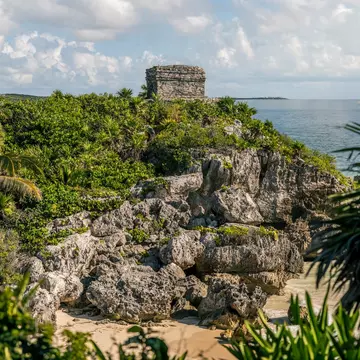
Standing nearly 8m high near the cliff face, this imposing structure once served as a lighthouse that guided Maya ships to port. The small windows in the upper level would blaze with light when fires were lit in the evening. The watchtower was appropriately named El Castillo (The Castle) by the Spaniards. The Toltec-style "Kukulcánes" (plumed serpents) at the corners echo those at Chichén Itzá.
Templo del Dios Descendente
This temple gets its name from a relief figure of a Descending God depicted in a niche above the building's door. The figure's legs are splayed, with his arms below and his face appearing beneath a headdress. His hands are holding an unknown object. The slightly off-kilter slope of the walls and door was created intentionally by Maya builders.
Casa del Cenote
Named for the sinkhole at its southern base, the Casa del Cenote was built atop a vital water source. Peer into the depths and you might catch a glimpse of silvery fish as they move in the murky water. A small tomb was found in the casa.
Templo de las Pinturas
With its columns, carvings and two-story construction, the Temple of the Frescoes was among the most elaborate at Tulum. The facade on the lower temple has relief masks and sculptures, while (restored but still faint) colored murals can be seen on an inner wall. This monument might have been the last built by the Maya before the Spanish conquest.
Templo del Dios Viento
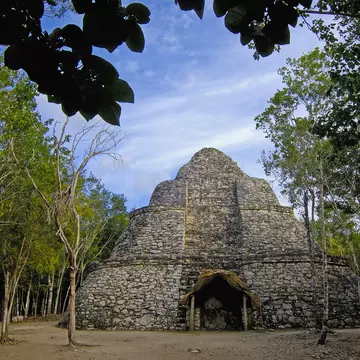
Overlooking the sea, this two-level structure is unusual for its round base, which is associated with Kukulcán, the Maya god of the wind. There’s a small altar within, and evidence that the building was used for ceremonial purposes as late as the early 1900s. According to legend, when a whistling sound came from the upper story of the building, Maya knew storms and hurricanes were approaching.
Casa del Halach Uinic
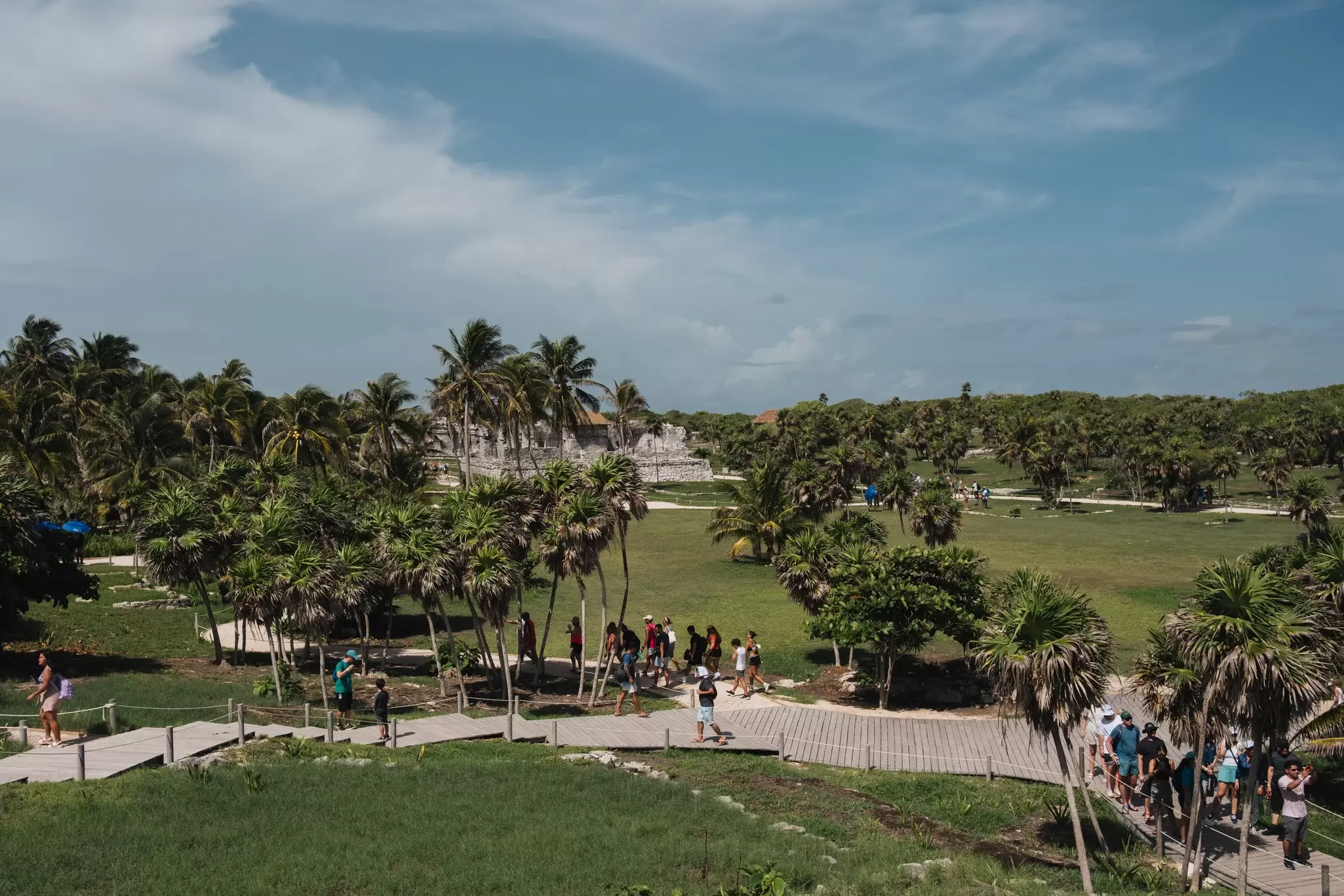
The House of the Halach Uinic is named after the royal lord (and high priest) who likely lived here. Though part of the sizable building is in ruins, you can still make out the staircase leading up to the column-lined entrance and a stucco image above the portal just beyond. It depicts the Descending God, which may relate to Ah Muzen Cab, the revered god of the bees.
Mirador Arqueoastronómico
Turn right after passing the Temple of the Frescoes and head west (inland) to an expanse with a sweeping view over El Castillo and the surrounding temples. A sign points out the perfect alignment of the buildings in relation to solstices and equinoxes. At sunrise during the winter solstice, sunbeams stream through an opening atop the Templo del Dios Descendente.
Beaches
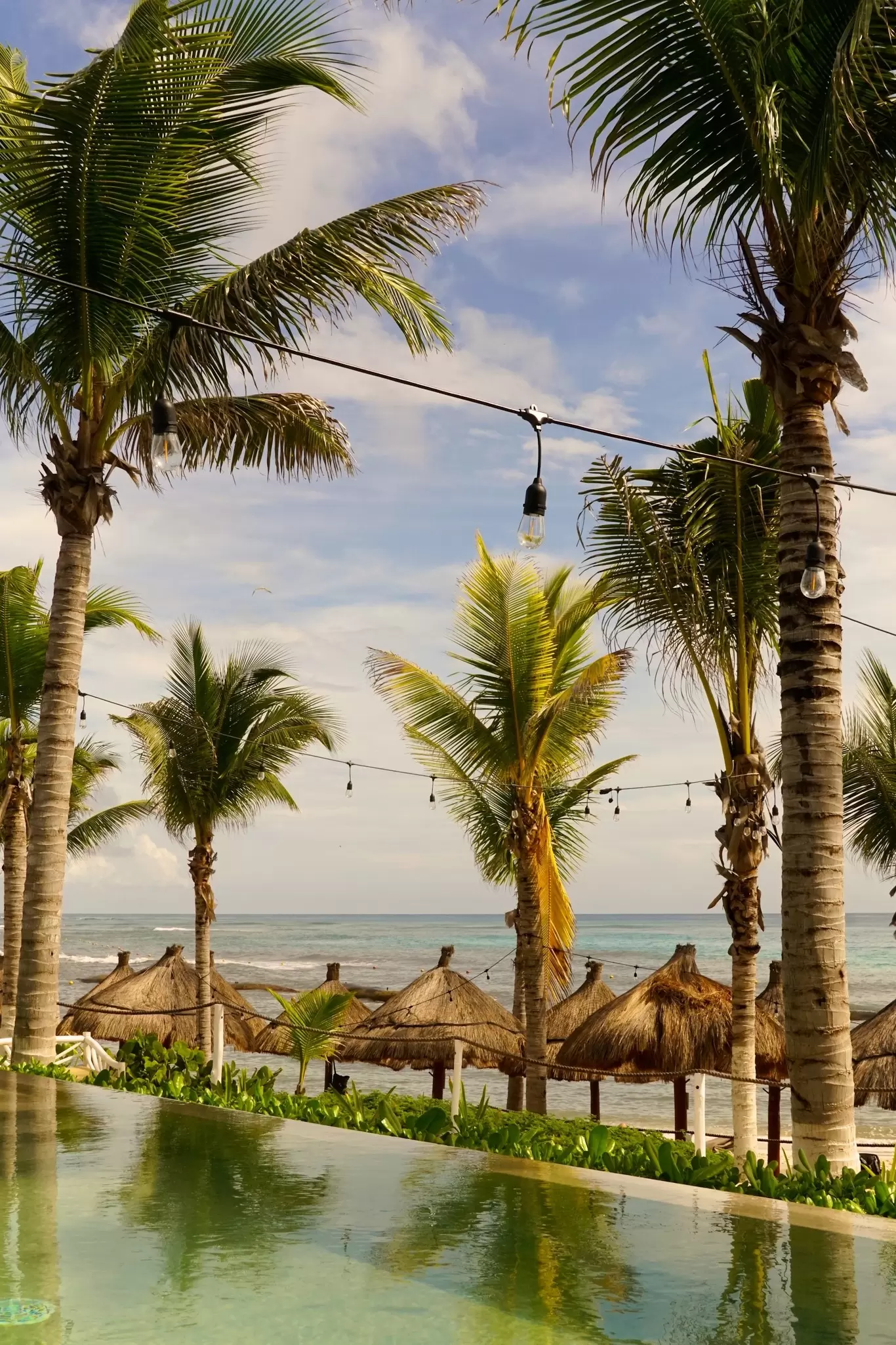
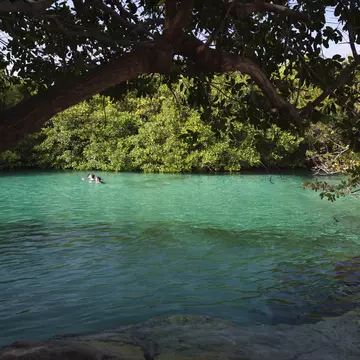
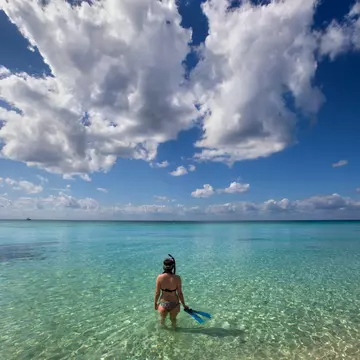
Parque del Jaguar protects some lovely stretches of sand. Around 0.3km past the ruins, you’ll reach the Faro de Tulum, a reconstruction of an ancient lighthouse. There’s a nice view over the shore, or you can take the path down to the beach. Once on the sand, you can stroll another 1.5km south, where you’ll reach Playa Mangle, with a rocky shoreline further along. There are other access points to the shore, including popular Playa Pescadores. Once on the beach, several restaurants dole out seafood and drinks, and rent out loungers and sunshades. Boat tours (60/90min around M$300/500) take in views of the ruins and include a snorkeling stop.
Museo Regional de la Costa Oriental
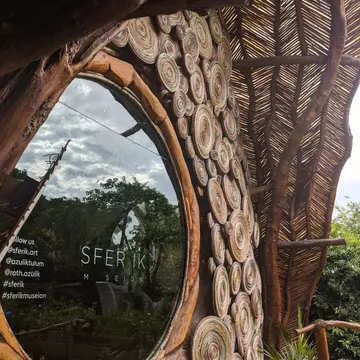
This small museum has two sunlit rooms of Maya artifacts. A mix of original pieces and reproductions sheds light on mythology, cultural practices, astronomy and the Maya calendar. Among the displays are fine stone carvings, jade jewelry and architectural masks.
Observation Tower
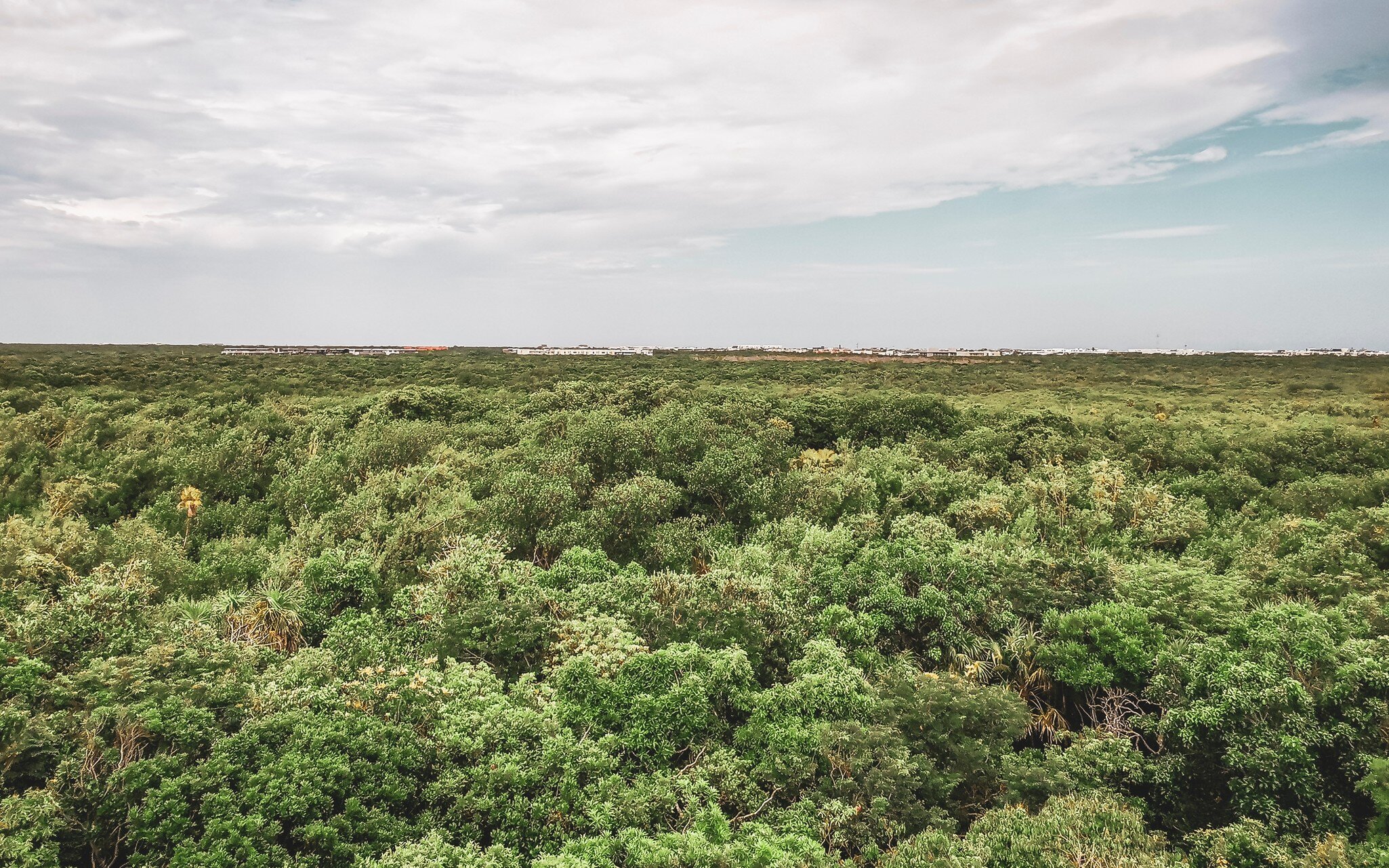
Around 800m from the museum, the Torre de Avistamiento (Observation Tower) offers intriguing views from a circular open-topped deck 10m above the ground. Panels in English and Spanish point out Maya navigational strategies, unique architectural elements and insight into the region’s plant and animal life.
Walking Trails
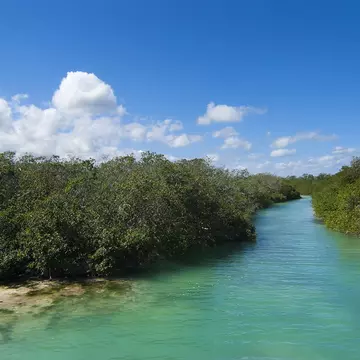
Between the Observation Tower and the museum, the 700m Aguadas walking trail takes you through forest to a small section of wetlands. North of the museum are several other spots for a walk: the 1.4km South Jungle Trail and the 950m North Jungle Trail. Go in the morning for the best chance to see birds, including social flycatchers, tropical kingbirds and great kiskadees.
Abandonment
The city was abandoned about 75 years after the Spanish conquest. It was one of the last of the ancient cities to be abandoned; most others had been given back to nature long before the arrival of the Spanish. But Maya pilgrims continued to visit over the years, and indigenous refugees from the War of the Castes took shelter here from time to time.
Park Logistics
Parque del Jaguar lies on both sides of the highway. Most visitors enter the park near the ruins (south of the highway) or the museum (north of the highway). The park is too spread out to explore on foot; instead, there’s free transportation on carros electricos (electric-powered open-sided vehicles) that make stops at key places of interest. You can also get around by bicycle, which gives you more freedom for moving about.
Top Tips
Get there by bicycle (it’s a 3.5km ride from the center to the ruins along a biking/walking path that’s separated from traffic) or colectivo – any Playa del Carmen–bound shared van will drop you on the highway, where it's a short walk to the ticket booth.
If you’re only interested in hitting the beach, you can enter the park via the coastal road (take Hwy 15/Ave Cobá south from Tulum to reach it) and save money by paying M$120 rather than M$350. It’s best to come by bicycle, as it’s often a very long wait to enter by car through this entry point.