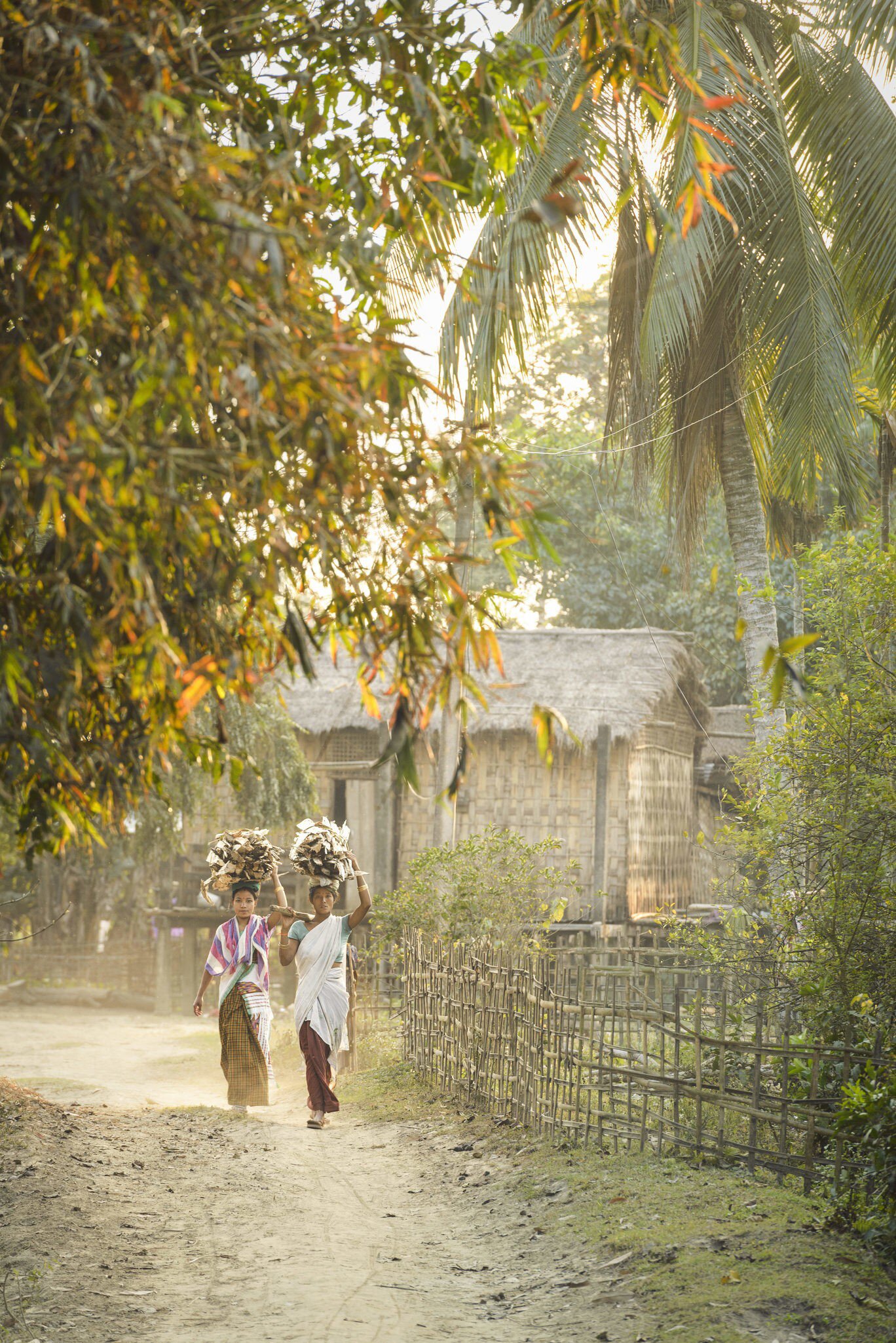
The Mishing people of Majuli Island have been welcoming visitors to their rural idyll for centuries. Attracted by the island’s many satras (Hindu Vaishnavite monasteries renowned for cultivating the arts), even 17th-century Ahom kings crossed the Brahmaputra to pay their respects here. Today, though, a visit to Majuli is less about sights and more about retreat – into a quieter space running on local time.
Sinking Back Into Nature
Hidden among temporary sandbanks that rise and sink with the seasons, Majuli is the world's largest river island. Try to put a size on this low-lying landmass, though, and it's like trying to measure a meal that's still being consumed. Bite by bite, the Brahmaputra is snatching the land back. Not that the inhabitants seem unduly troubled by the continuous erosion – the indigenous Mishing go about their lives in time-honored rhythms, tending pigs, goats and geese and embracing a continuity of culture informed by belief and expressed through craft industry.
Tradition of Hospitality
"I grew those!" beams a monk who, still wearing his motorbike helmet, snatches a leaf from the lunch his wife has spent hours preparing. "Very happy!" he says by way of goodbye to his homestay visitors. Being embraced by the warmth of welcome is a highlight of Majuli, no less memorable than the Museum (₹100) of royal gifts in 18th-century Auniati Satra or watching young apprentices making masks at Samaguri Satra. It’s a welcome extended to all, with a lame calf sheltering among yet-to-be-fired pots in the pottery workshops of Salmora, and crumbs shared with red-whiskered bulbuls by the riverbank.