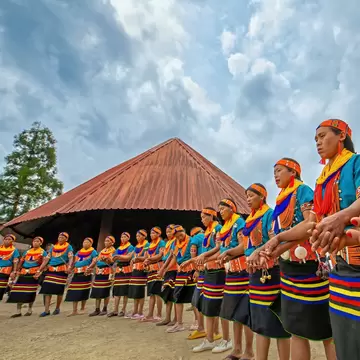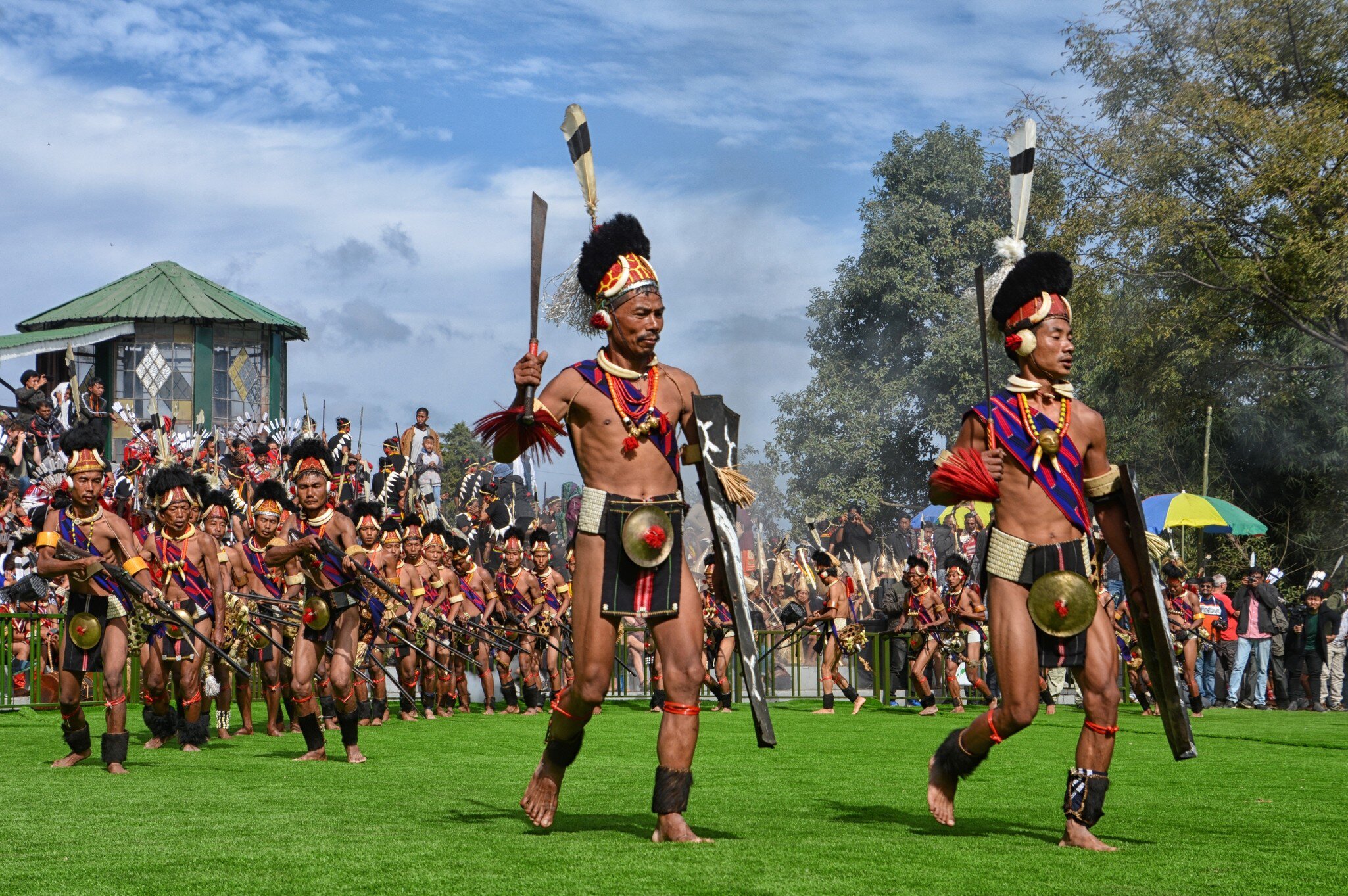
Once a year, members of each of the 16 officially recognized tribes of Nagaland send a dance troupe to the capital Kohima for the annual Hornbill Festival. What began as a small cultural celebration has since developed into a major spectacle of traditional costume and dance attracting thousands of visitors. It makes an exciting focus of a trip to the sister states.
Opening Ceremony
Whatever anyone tells you about the first day, don't miss it! Yes, it probably won't start on time; yes, there will be lots of slightly tedious formal speeches by visiting dignitaries; and yes, the individual tribes perform again on day two with similar pageantry. But it's only on day one that you get to feel the nervous tension of the massed troupes of 400 dancers, each in their feathered and blanketed finery, as they chant and stamp outside, burning off energy as they welcome visitors and prepare to file into the stadium. Being part of the show is an honor that passes to a different clan of each tribe every year so the opening is a big day for the participants, young and old alike.
Kisama Heritage Village
While the focus of the festival is on the presentations that take place in the stadium on each of the 10 days of the event, part of the fun for the visitor is bumping into the performers around the Naga Heritage Village. Each tribe has its own traditional morung (young people's dormitory) – magnificent constructions of bamboo, rattan walls and thatched roofs – in this showcase village, and during the festival participants retire here between performances. Sipping rice beer, taking selfies with the dance troupes (usually at their request) and haggling over tribal handicrafts is a highlight of the whole event.
Trying Something Crispy
The cultural programs and concerts run all day and into the night too but there's no need to leave the grounds for refreshments. A whole assortment of interesting indigenous food is cooked up in each of the morungs, and pop-up restaurants offer menus of breathtaking variety (dried squirrel, pork innards, grasshoppers, spiders, palm civet and porcupine). More familiar staples are available in the on-site cafes.
Taking Time Out
However mesmerizing the dazzle of color and hypnotic the sound, the festivities become hard to absorb after day two. It's time to take a break and return to real life. Visiting a local village helps give context to the Hornbill's cultural expression while showcasing modern life in its tribal incarnation.
The beautiful Angami village of Khonoma, 20km from Kohima, makes for an enjoyable half-day excursion, particularly in the winter when the wild cherry trees are in full bloom and the cascade of terraced fields are bronzed post-harvest. Angami residents act as village guides (₹150) and will show visitors the village’s three forts, traditional morungs (no longer used as dormitories but still functioning as meeting places), mithun skulls, and gardens of mustard, peas, beans and cabbage slotted around the village.
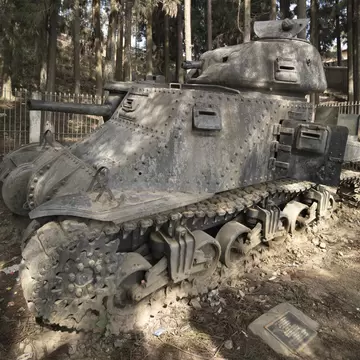
For a trip just down the hill from the festival site, call in at Kikywema (₹140). The village was requisitioned by the Japanese in WWII and General Sato was headquartered here. Villagers acting as guides will show you his earthquake-proof house, take you past chopped wood piles ready for winter, show you the many uses of bamboo, and steer you into a morung cafe for a sumac tea.