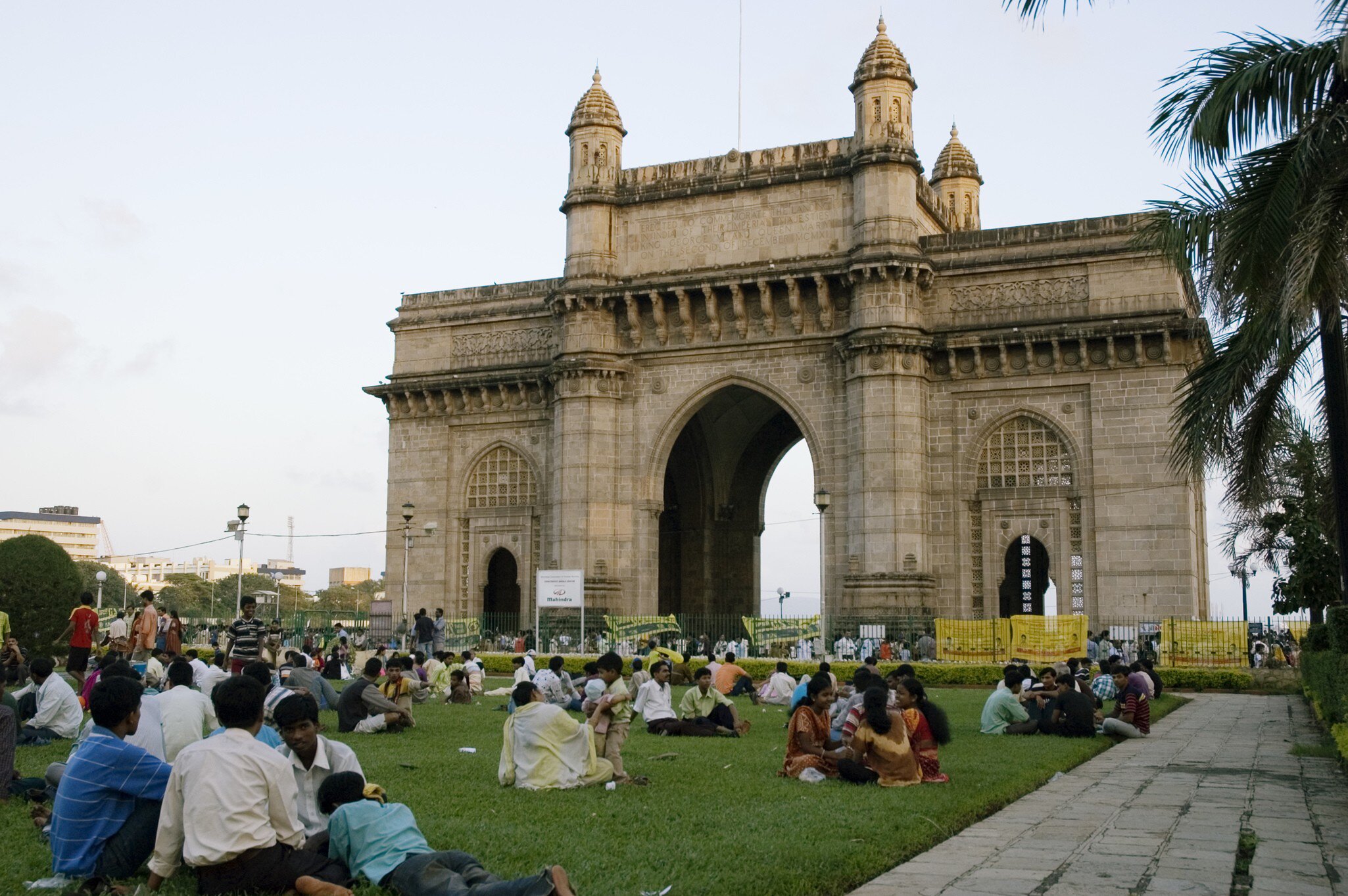
A vast basalt arch commanding Mumbai's harborfront, the Gateway of India is the city’s most recognizable landmark – and the atmospheric front door to Colaba. Completed in 1924 to mark a royal British visit, it began as an imperial showpiece, later reclaimed as a symbol of arrival and independence. Come early morning or at sunset for crowds, selfie sticks, balloon sellers, boats chugging off to Elephanta Island, and that cinematic sense of standing where India meets the sea.
Admire the Architecture
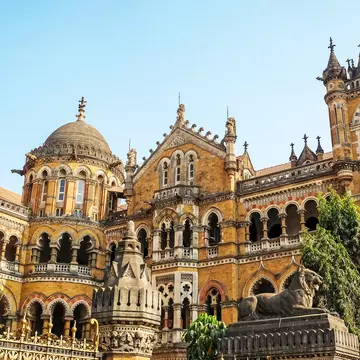
Designed by British architect George Wittet, the Gateway of India is a deliberate Indo-Saracenic blend – onion domes, scalloped arches and chhattris layered onto neoclassical form. Laid in 1913 and funded by Indian taxpayers, it rose into a 15m dome flanked by bastions and ceremonial chambers. The symbolism is clear: cultural fusion, firmly on colonial terms.
Hire a Guide to Learn About the History
Standing beneath the sweeping basalt arch is impressive enough, but a guide can transform it from postcard to portal. The Gateway of India brims with stories – of royal arrivals, architectural ambition and colonial assertion – that often go untold. With a licensed guide, you’ll trace carvings high above eye level, read between the Indo-Saracenic lines and picture the pomp of 1911 when King George V first docked here. They’ll peel back layers of power and politics, revealing how this ornate archway became both symbol and stage for the city’s evolving identity. Suddenly, you’re not just looking at history – you’re standing in the middle of it. Guide fees vary but start at ₹500.