The most famous and best-restored of the Yucatán Maya sites, Chichén Itzá, while tremendously crowded, will still impress even the most jaded visitor. Stretching across 10 sq km, the great city was once home to an estimated 50,000 people during its peak more than 900 years ago. Today, the site is home to an astonishing array of ruins, including majestic temples and a towering pyramid.
Pyramid of Kukulcán
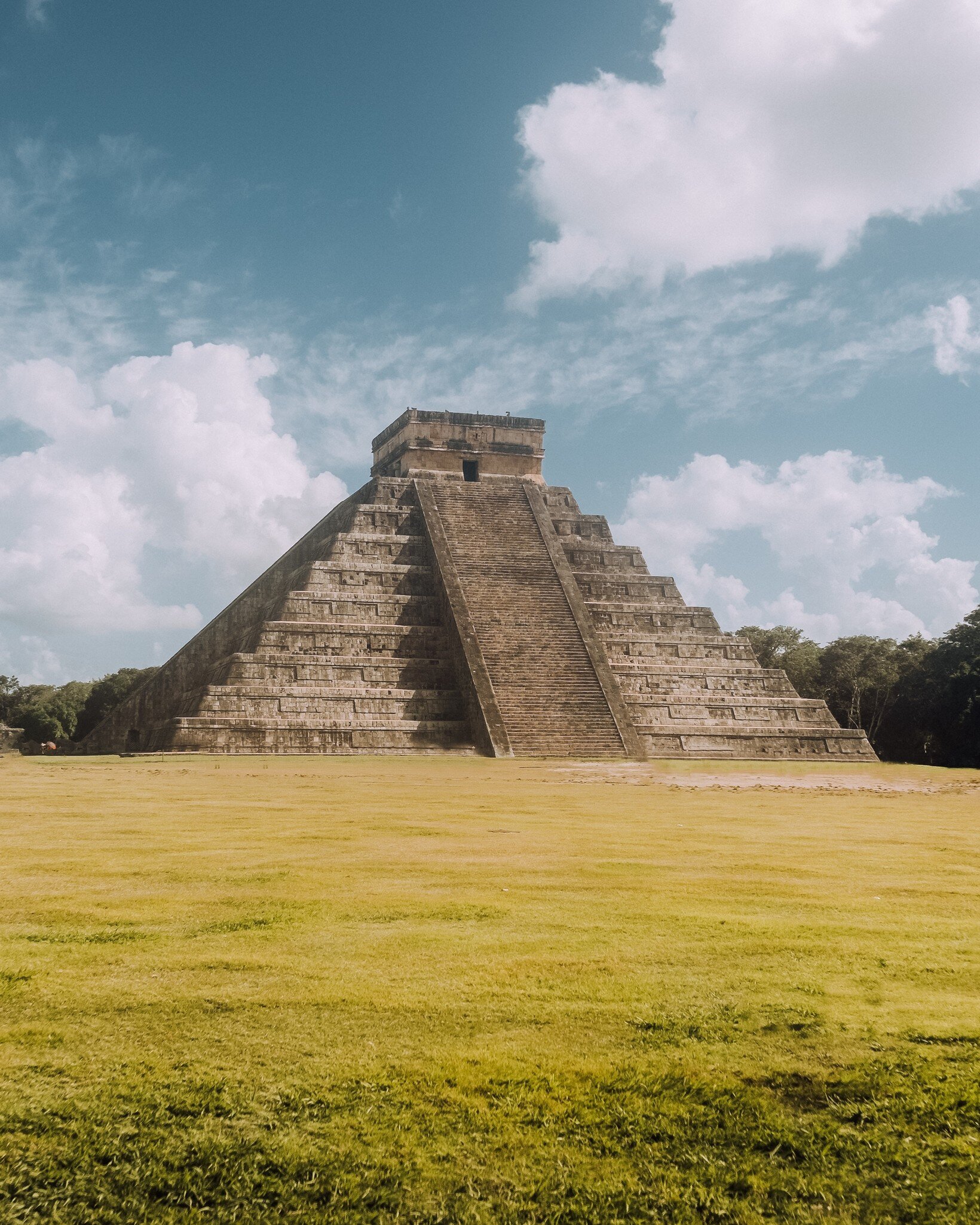
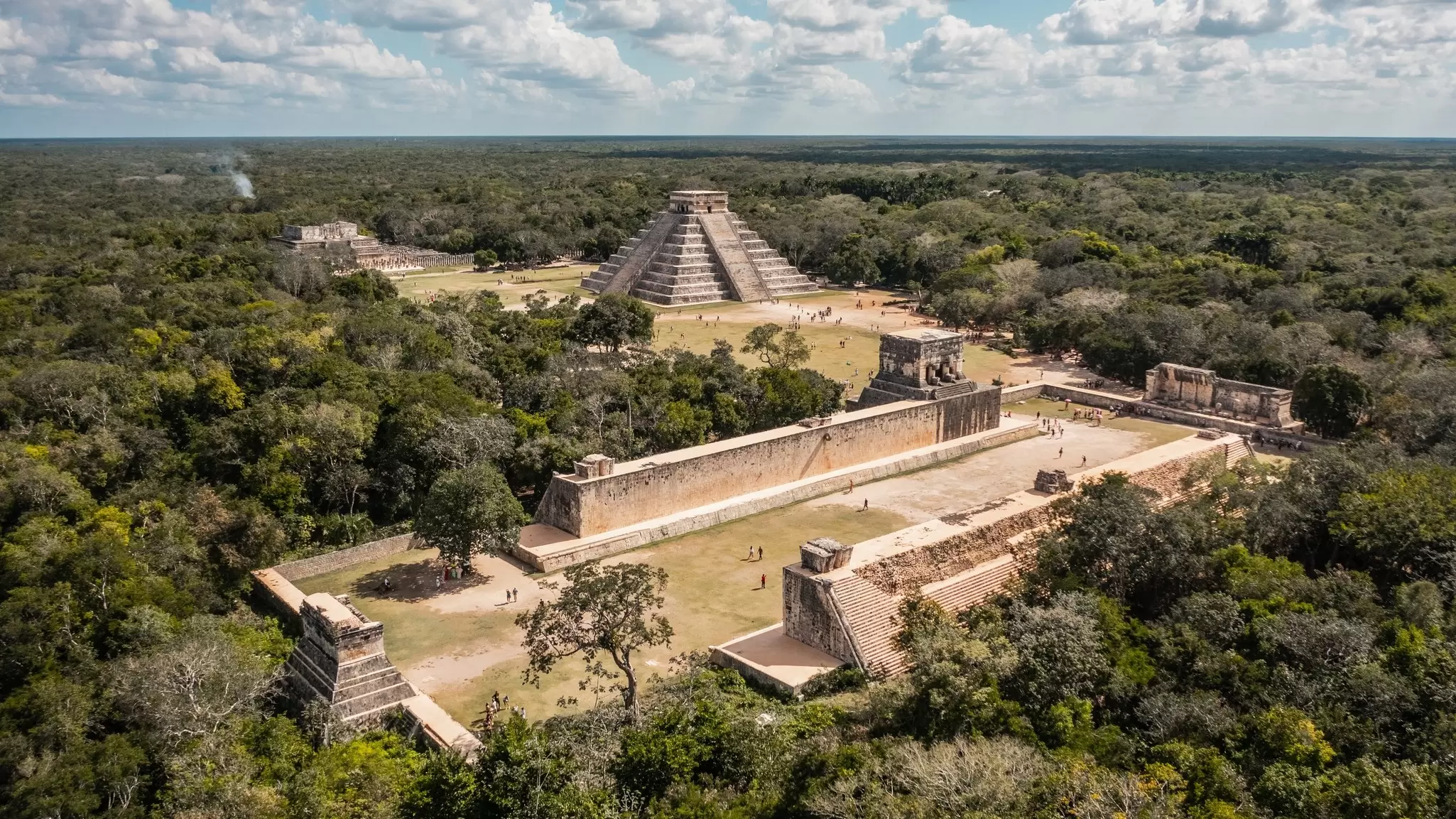
Upon entering Chichén Itzá, the Pyramid of Kukulcán (El Castillo) rises before you in all its grandeur. The first temple here was pre-Toltec, built around 800 CE, but the present 30m-high structure, built over the old one, has the plumed serpent sculpted along the stairways and Toltec warriors represented in the doorway carvings at the top of the temple.
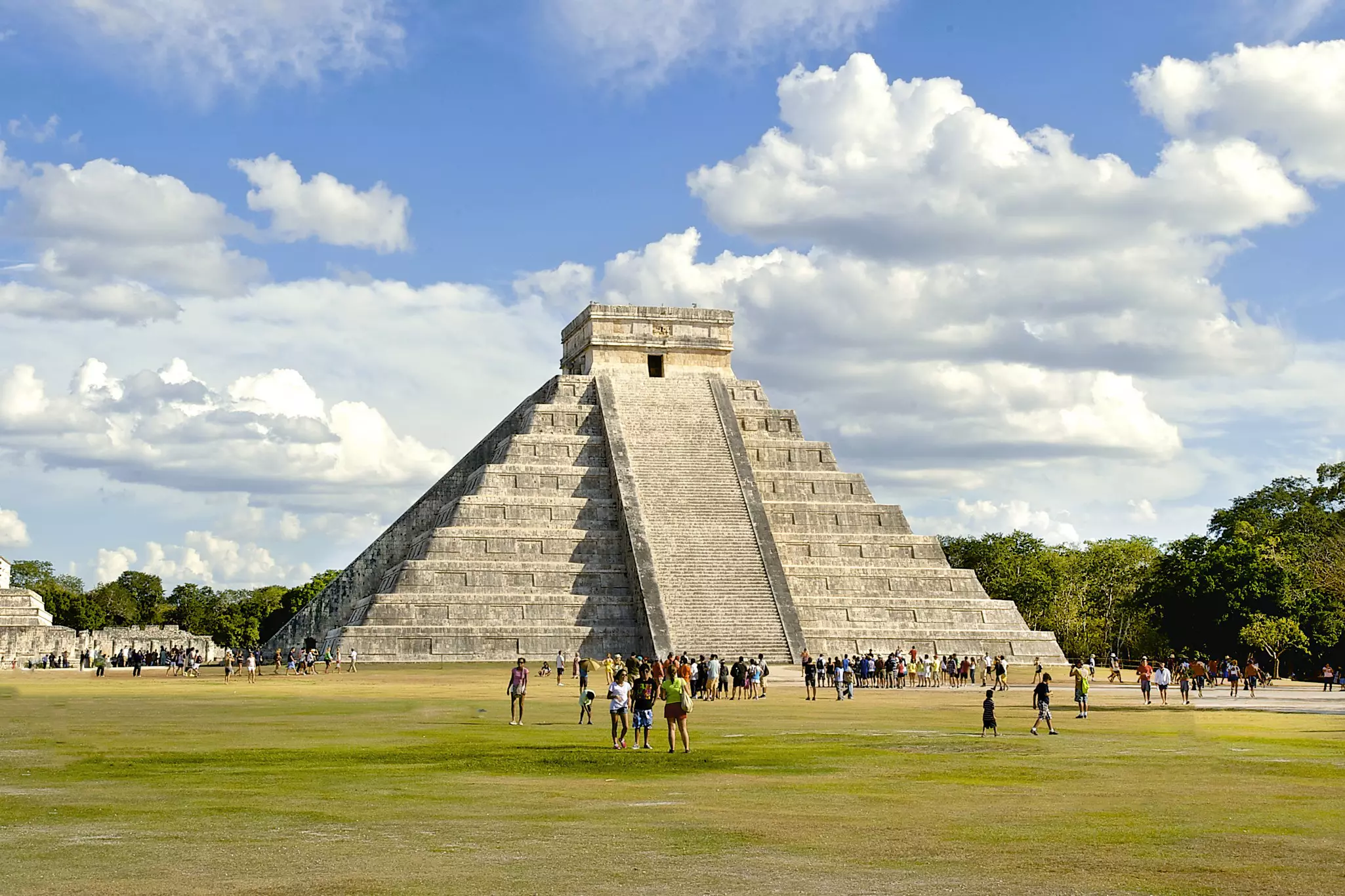
The structure is actually a massive Maya calendar formed in stone. Each of El Castillo’s nine levels is divided in two by a staircase, making 18 separate terraces that commemorate the 18 20-day months of the Maya Vague Year. The four stairways have 91 steps each; add the top platform and the total is 365, the number of days in the year. On each facade of the pyramid are 52 flat panels, which are reminders of the 52 years in the Maya calendar round.
Ball Court
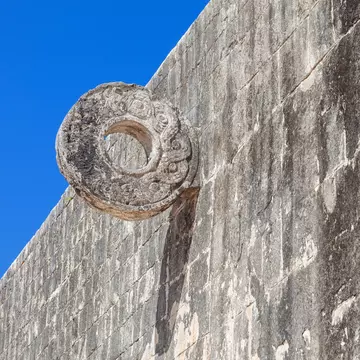
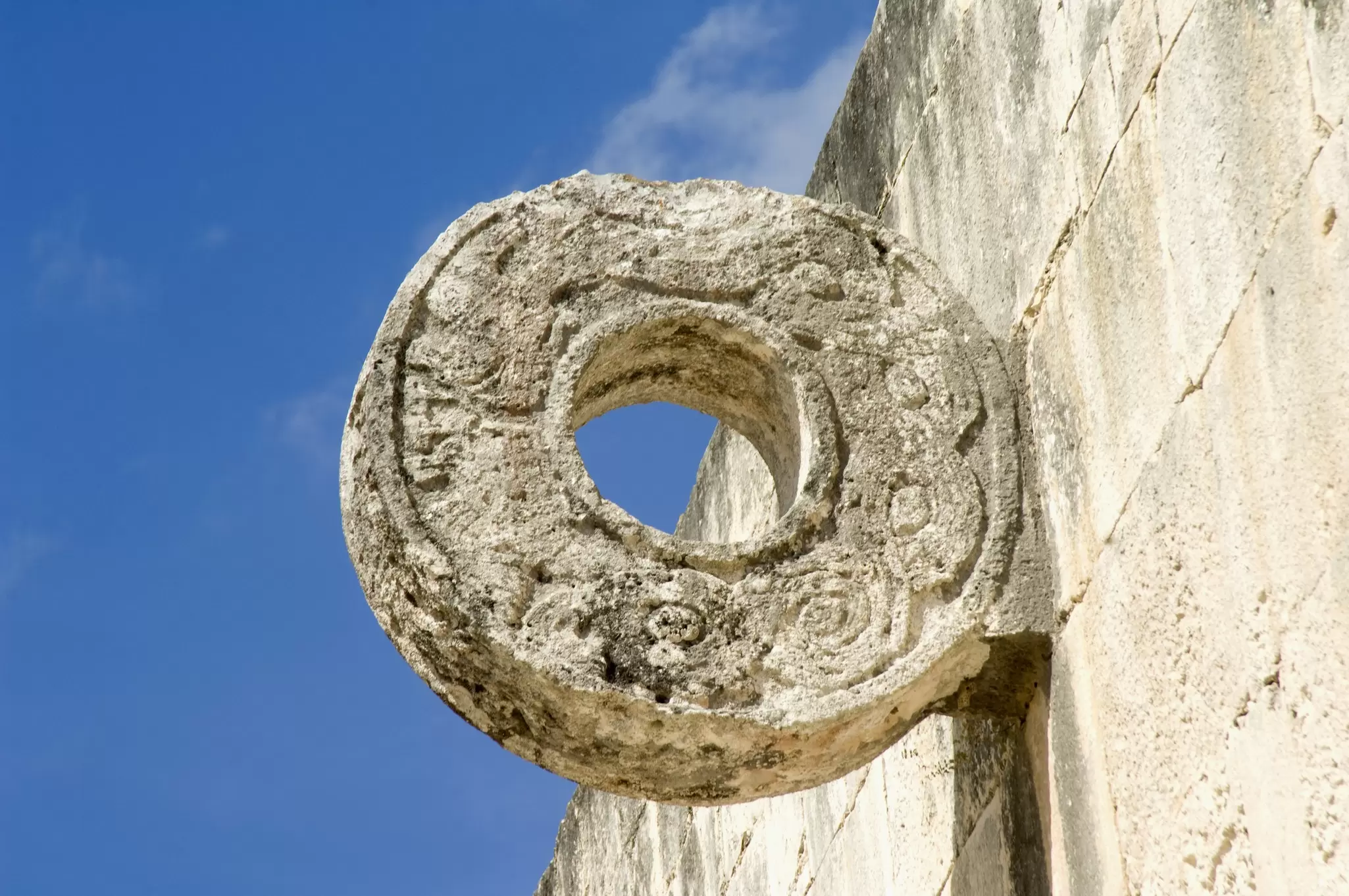
Northwest of the great pyramid, you can stroll through the center of the Gran Juego de Pelota, the largest and most impressive ball court in Mexico. Temples flank each end, while the towering parallel walls of the ball court are lined with stone reliefs, including scenes of decapitations of players. Ball courts were small arenas where opposing teams tried to get a ball through a stone hoop without the use of hands or feet.
Platforms
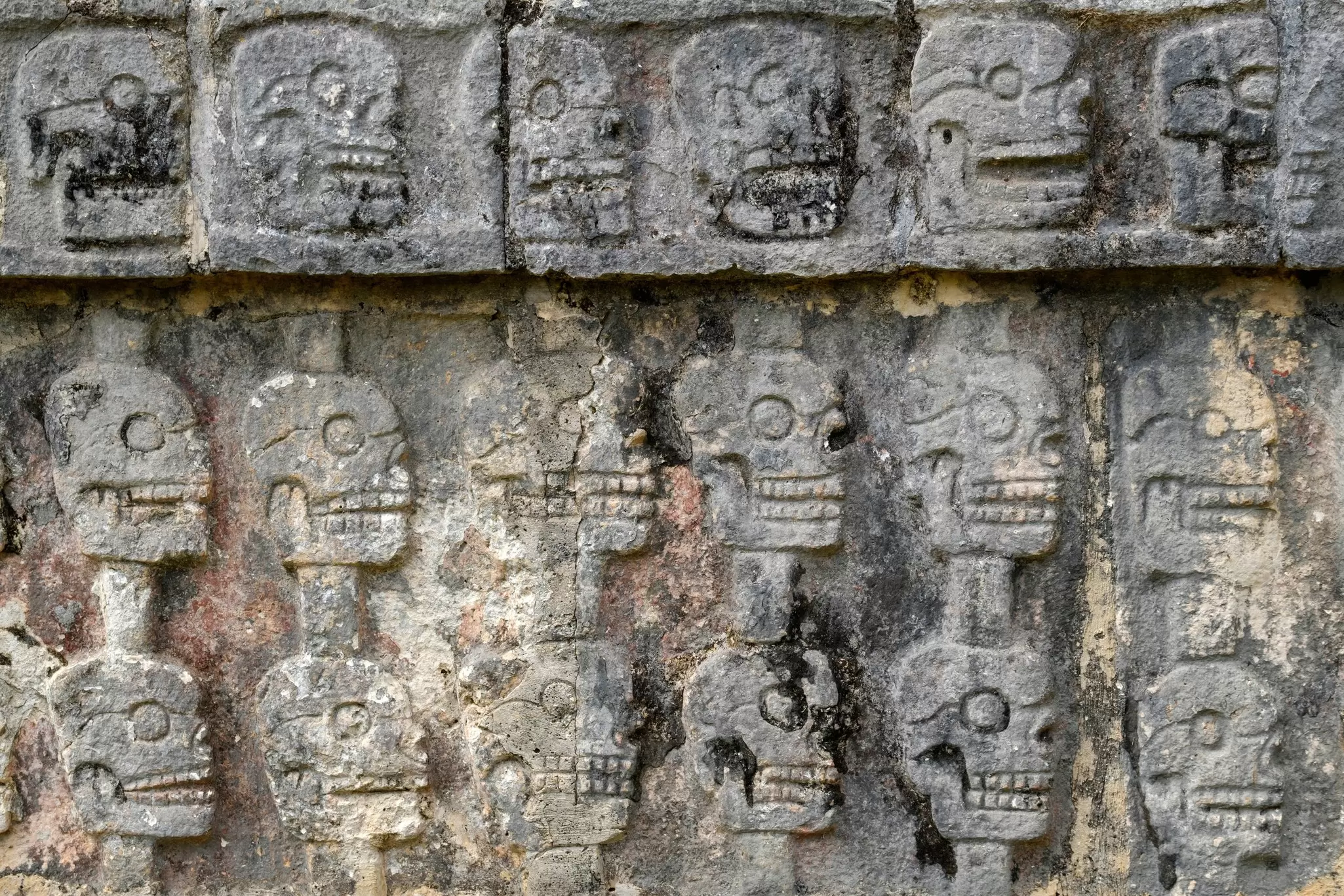
Near the Gran Juego de Pelota, you’ll find the Plataforma de los Cráneos (Platform of Skulls; Tzompantli in Náhuatl). You can’t mistake it because the T-shaped platform is festooned with carved skulls. In ancient days, this platform was used to display the heads of sacrificial victims.
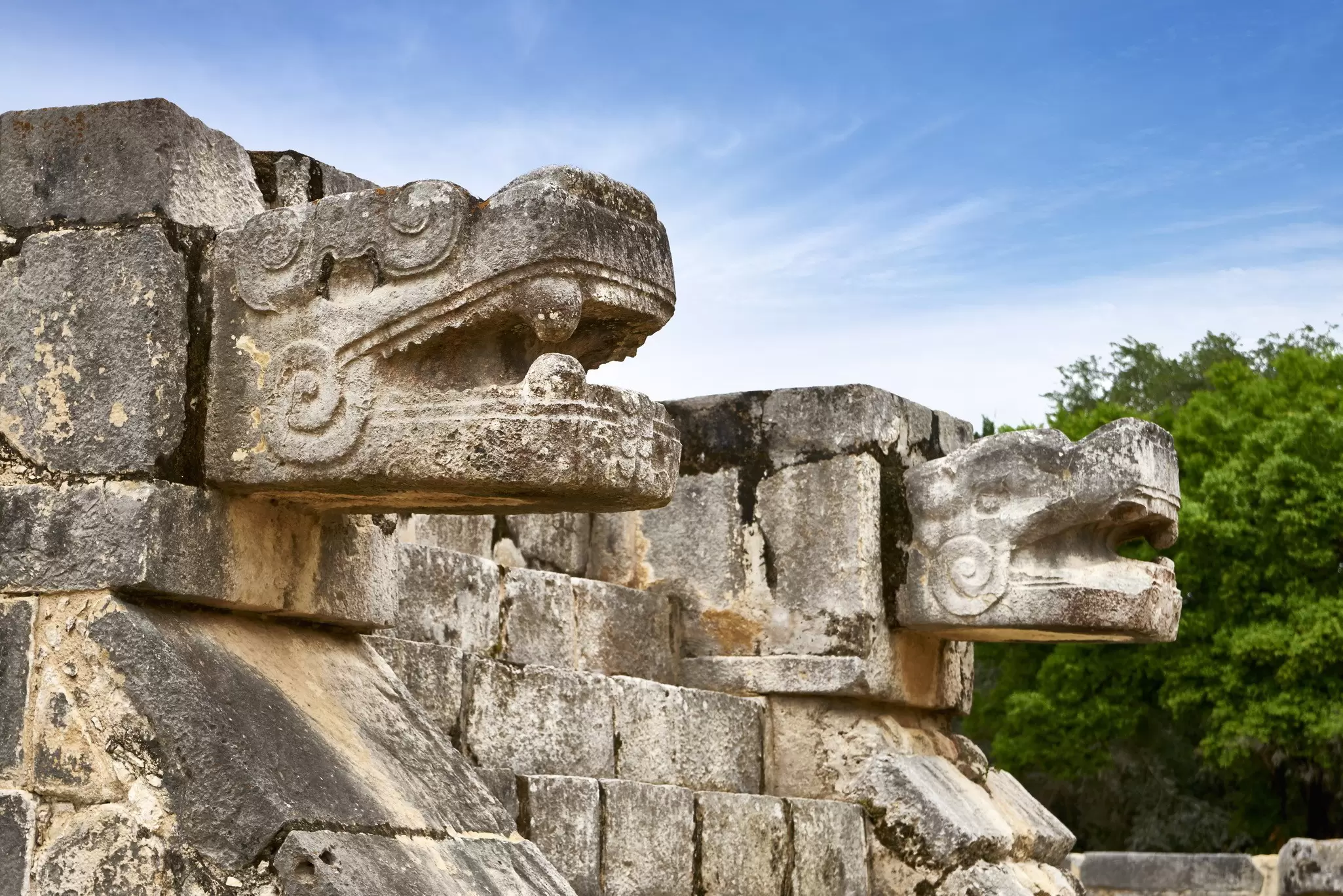
Adjacent to the Platform of Skulls, the carvings on the Plataforma de las Águilas y los Jaguares (Platform of the Eagles and Jaguars) depict those animals gruesomely grabbing human hearts in their claws. It is thought that this platform was part of a temple dedicated to the military legions responsible for capturing sacrificial victims.
Sacred Cenote
From the Plataforma de Venus, a 400m rough stone sacbé (path) runs north to the Cenote Sagrado, a water-filled sinkhole where victims were sacrificed to the gods. The cenote gave the city its name: Chichén Itzá means "Mouth of the Well of the Itzá" – Itzá being an early Maya people.
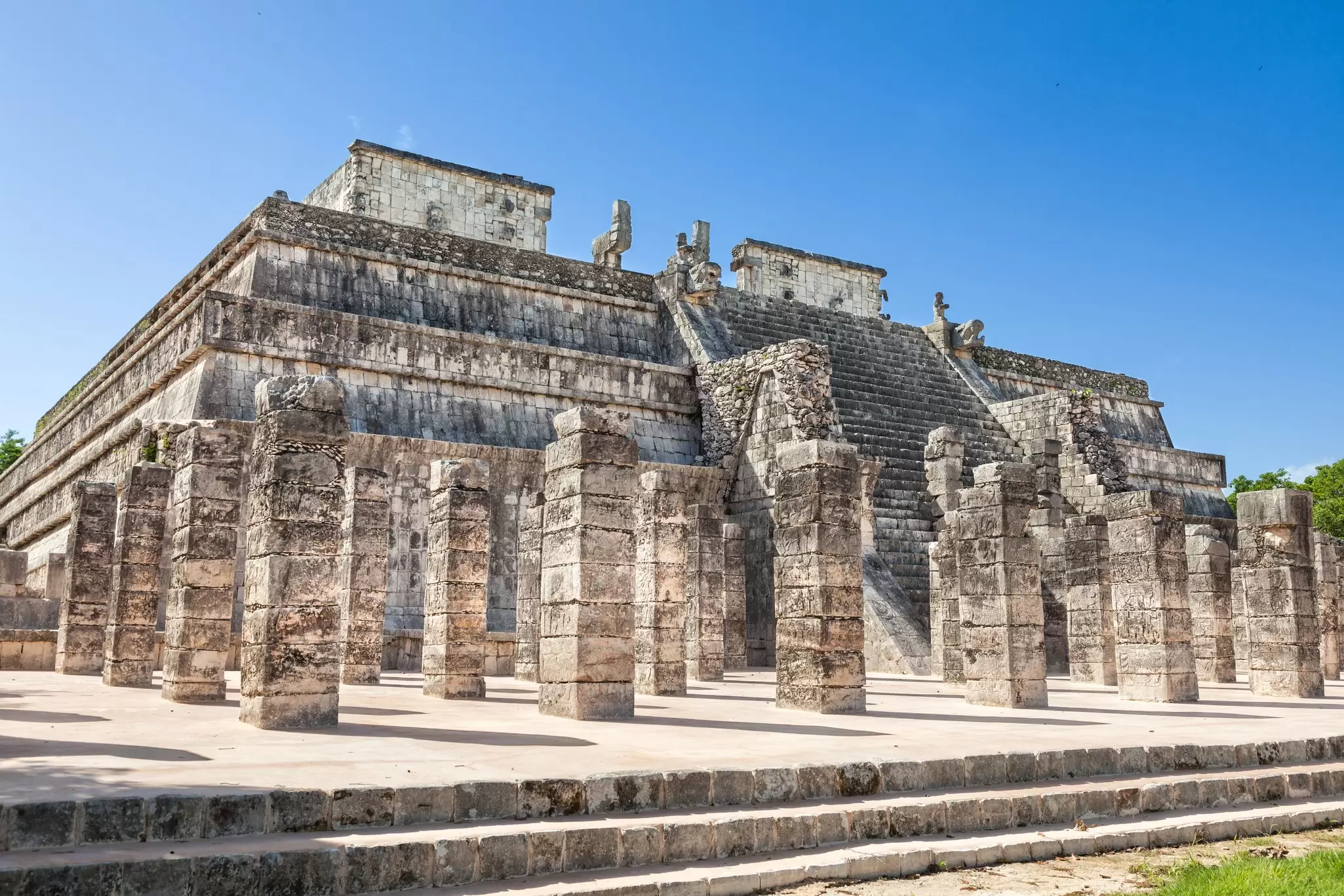
Plaza of 1000 Columns
The Plaza de Mil Columnas features a forest of pillars stretching south and east. The star attraction here is the Templo de los Guerreros (Temple of the Warriors), adorned with stucco and stone-carved animal deities.
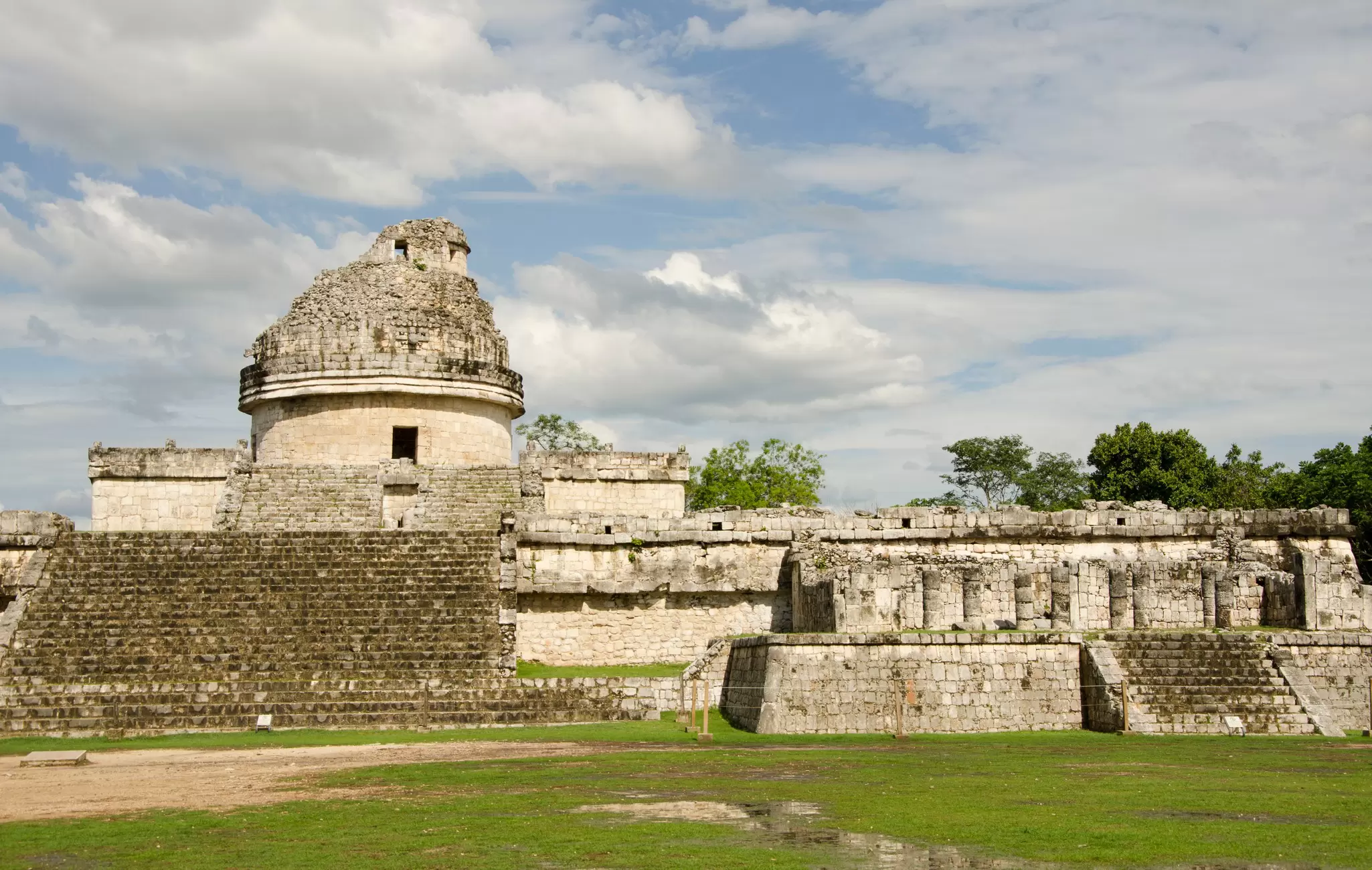
Observatory
The rounded observatory known as El Caracol is one of Chichén Itzá’s most fascinating buildings. Masks of Chaac adorn four external doors facing the cardinal points, while the windows in the observatory’s dome are aligned with the appearance of certain stars at specific dates. From the dome, the priests may have decreed the times for rituals, celebrations, corn-planting and harvests.
Gran Museo de Chichén Itzá
Opened in 2024, the beautifully designed Gran Museo de Chichén Itzá displays sculptures, figurines, pottery, jewelry and other Chichén Itzá artifacts that delve into the Maya cosmovision, daily life and religion. The museum is about 2.5km from the main entrance to the ruins of Chichén Itzá and is best reached by private car or taxi.
Getting to Chichén Itzá
First-class ADO buses from Cancun, Tulum, Mérida and other major towns drop you off directly at the entrance to Chichén Itzá. From Valladolid (45km east), there are frequent colectivos (shared vans) departing every 20 minutes or so from 2½ blocks west of the main plaza. You can also reach Chichén Itzá by train (and connecting bus, since the station is 7km from the ruins).
Top Tips
Chichén Itzá is always busy, but the crowds (and temperatures) are more bearable in the morning. Arrive at opening time, and you’ll have several hours to explore before most of the tour buses arrive.
For a different take on Chichén Itzá, plan an evening visit during Noches de Kukulkan (nochesdekukulkan.com.mx; M$772; from 7pm Wed-Sun evenings), an impressive but pricey sound-and-light show. The 25-minute event, in Spanish only, features projections on El Castillo, and you can also take a 45-minute self-guided tour around other dramatically lit parts of the ruins before the show.