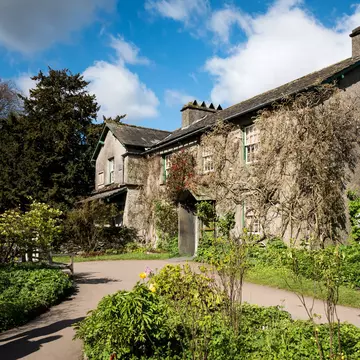
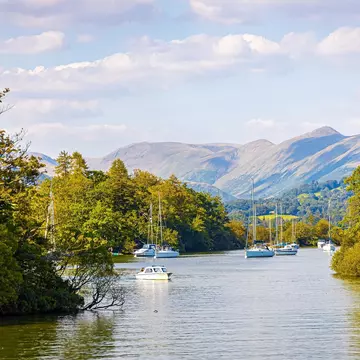
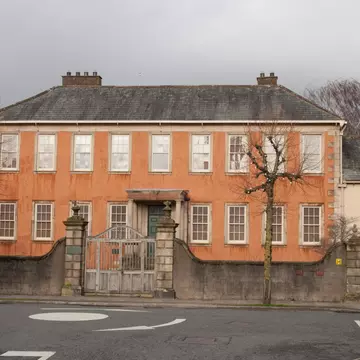
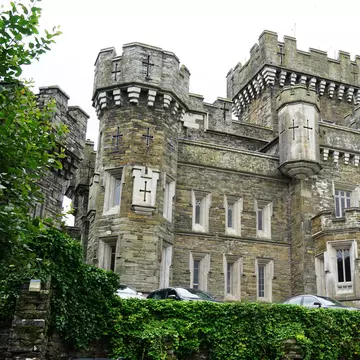
John Ruskin (1819–1900) was one of the great thinkers of 19th-century society. A polymath, philosopher, painter and critic, he expounded views on everything from Venetian architecture to lacemaking. In 1871 he purchased this grand house and spent two decades modifying it, championing traditional handmade crafts (he even designed the wallpaper). The house was closed at the time of research, but the cafe and gardens remained open, with fantastic cross-Coniston views. The best way to arrive is on a boat trip from Coniston.
Highlights include the grand but surprisingly cosy drawing room, the tome-filled study and the tiny upstairs bedroom decorated with some of his favorite watercolours (mostly by JMW Turner, and mostly copies of the originals). In the corner of the room is the little circular turret where Ruskin whiled away hours looking out across the lake and pondering the great issues of the day. Later in life he was afflicted by bouts of deep depression, and suffered some kind of mental collapse in the room. He never slept in there again.
Outside the house, 100 hectares of gardens and terraces stretch up the fellside ("Brant" derives from a Norse word meaning steep). Of particular note are the Hortus Inclusus, a herb garden modeled along medieval designs, and the Zig-Zaggy, inspired by the purgatorial mount in Dante's Inferno. The best views are from the High Walk, designed by Ruskin's cousin Joan Severn.
Afterwards, you can have lunch at the cafe in the house's former stables.