Sponsored by
This article was paid for and produced with Tourism Ireland. Paid content is produced separately from Lonely Planet's editorial coverage. Product availability and terms are subject to change; please verify details directly with service providers.
Why Killary Fjord is the perfect gateway to Connemara
Oct 13, 2026
5 MIN READ

Writer
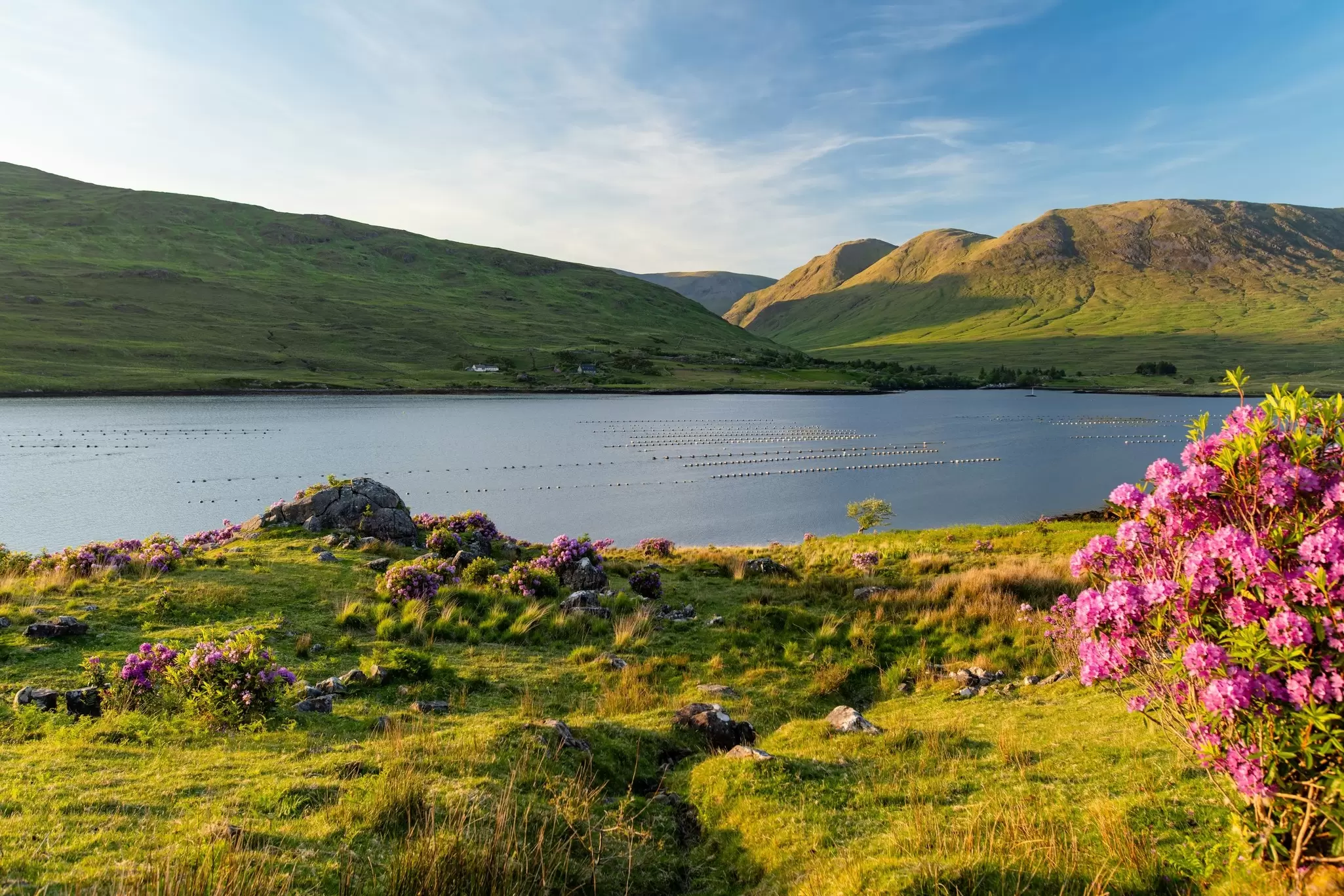
Killary Fjord. MNStudio/Shutterstock
Writer
Highlights
Killary Fjord is a scenic gateway to Connemara, pairing dramatic mountain-and-water landscapes with a peaceful, slow-travel atmosphere.
Visitors can explore by fjord cruise, kayak, shoreline walks, the historic Famine Trail, or nearby hikes such as Diamond Hill.
The wider region offers living Irish-language culture, traditional music, local bookstores, fresh shellfish, and restorative seaweed baths.
Base your trip in places like Leenane, Letterfrack, or Clifden, allowing several flexible days and considering quieter off-peak seasons.
Traveling northwest from Galway City, the landscape soon sheds its urban shadow, as the stone walls lie lower and the fields give way to sweeping blankets of rust-colored bog. Ahead, the Maumturk Mountains begin to loom on the horizon.
At the heart of this transition is Killary Fjord. Stretching 16km inland, this deep, glacial inlet forms a natural border between counties Galway and Mayo, offering a gateway to Connemara and the recently designated Joyce Country and Western Lakes UNESCO Global Geopark. It combines craggy coastal settings, accessible outdoor adventures, locally sourced food and a vibrant culture.
Why Killary Fjord is Worth Your Time
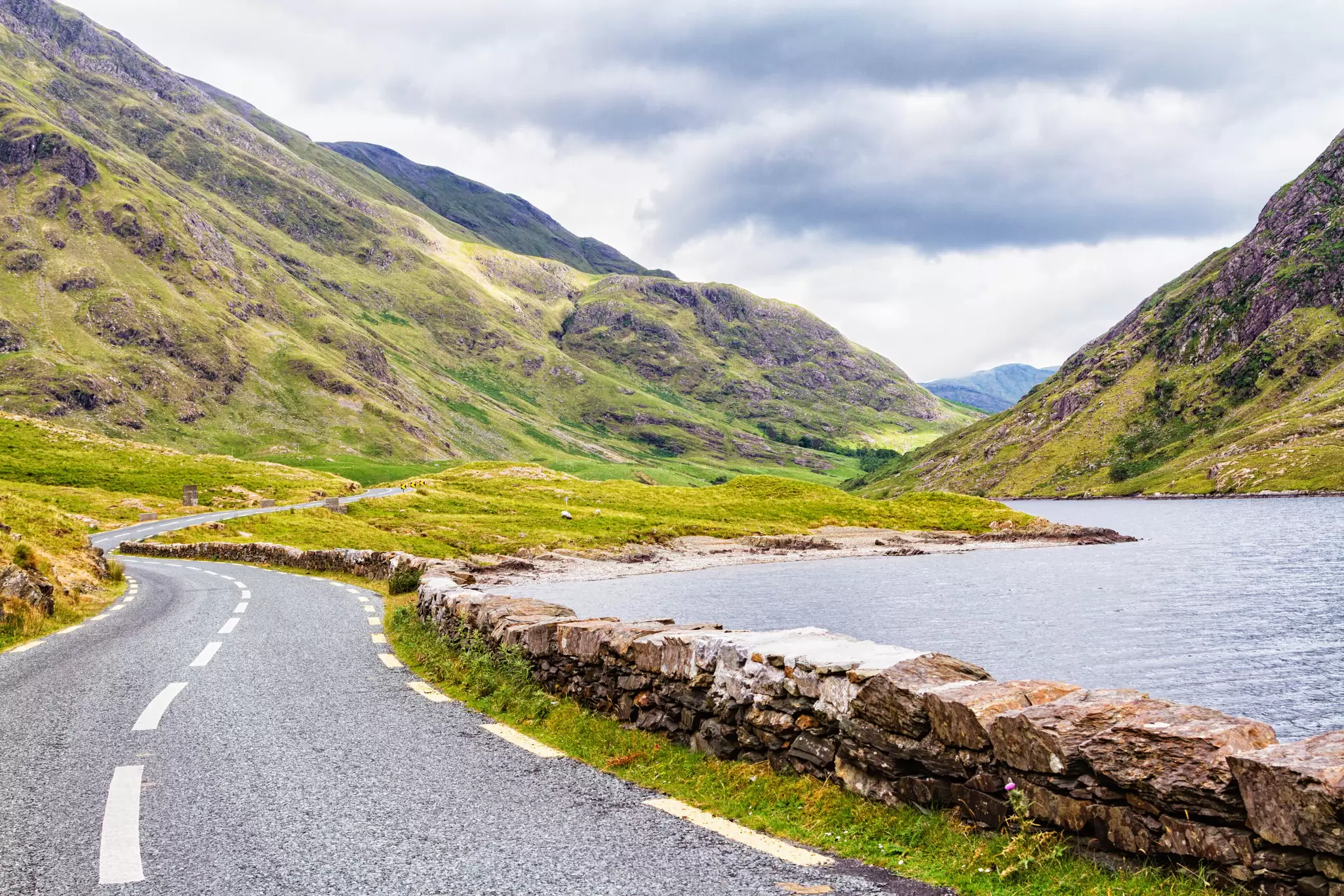
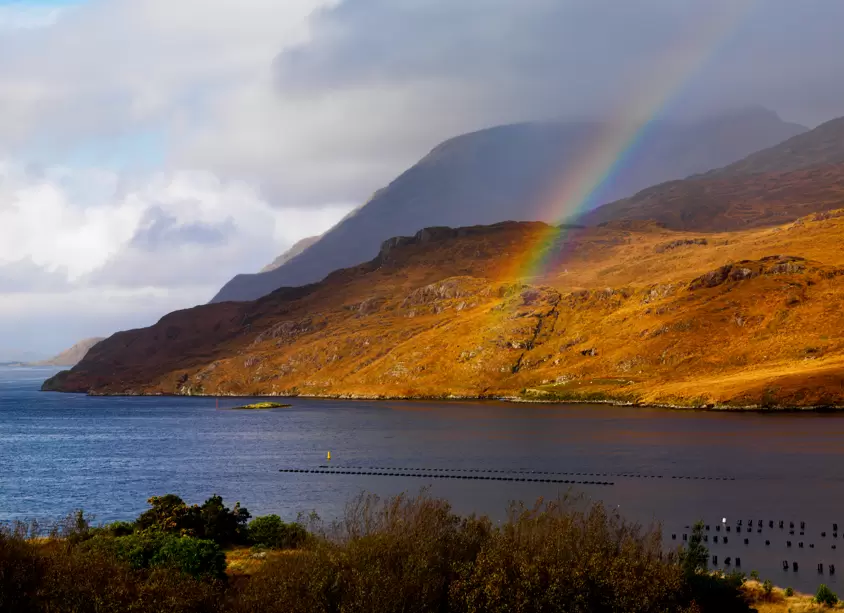
Killary Fjord has a stillness that sets it apart from the rest of Ireland’s spectacular coastline. On either side, the mountains, Mweelrea to the north and the Maumturks to the south, rise sharply from the dark, sheltered water. Staying in the immediate area allows you to witness the water change character with the shifting weather, from a bright, mirrored blue under the sun to a brooding, smoky gray when the mist rolls off the peaks.
Don’t miss: Watching the morning mist clear off Mweelrea Mountain from the waterside; it’s one of the most serene views in Connemara.
The Best Ways to Experience the Fjord
Because the fjord is so sheltered, there are plenty of ways to experience the water and surrounding banks.
The Easy Introduction: A fjord cruise offers a relaxing perspective from the water. The views of the mussel ropes bobbing in the water and the remains of old lazy beds, the potato ridges once cultivated on the hillsides, unfold as you drift down the center of the inlet through lush green mountainsides.
The Active Route: For a more physical connection to the landscape, taking a kayak out onto the water places you right at sea level. Paddling along the shoreline brings you face-to-face with marine life, where you might spot gray seals breaking the surface.
Slowing Down: For those who prefer to stay on dry land, the historic Famine Trail, part of the Green Road along the south shore, offers a moment to reflect on the past, accompanied by mountain sheep and stone ruins. Near the mouth of the fjord, the tiny settlement of Rossroe also has an unexpected literary-philosophical connection: Ludwig Wittgenstein stayed here after the Second World War.
Hiking and Exploring the Wider Landscape
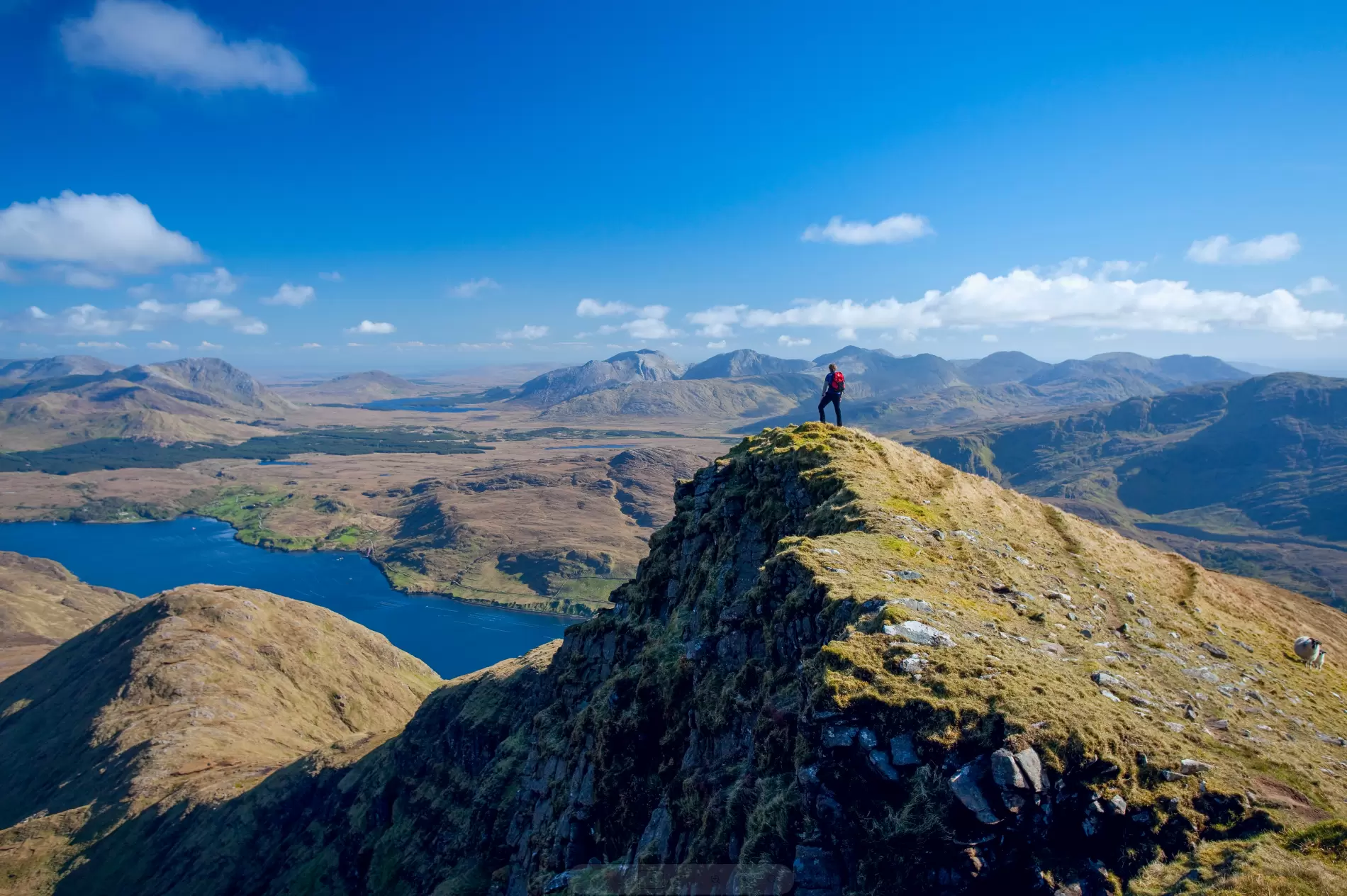
Killary is one of the new geopark’s defining landscapes: glaciers once flowed into the valley, over-deepening it and carving the fjord. You don’t need to be particularly athletic to explore this area. Further west, the park features a network of meticulously maintained trails, most notably the climb up Diamond Hill. Gravel paths, steps, and wooden boardwalks lead hikers to the top, where the summit offers 360-degree views of the Twelve Bens and Kylemore Lough.
Don't miss: Dedicate an afternoon to exploring nearby Kylemore Abbey; the neo-Gothic castle and its sprawling Victorian Walled Gardens offer a striking contrast to the wilderness of the surrounding park.
Connecting with Connemara’s Living Culture
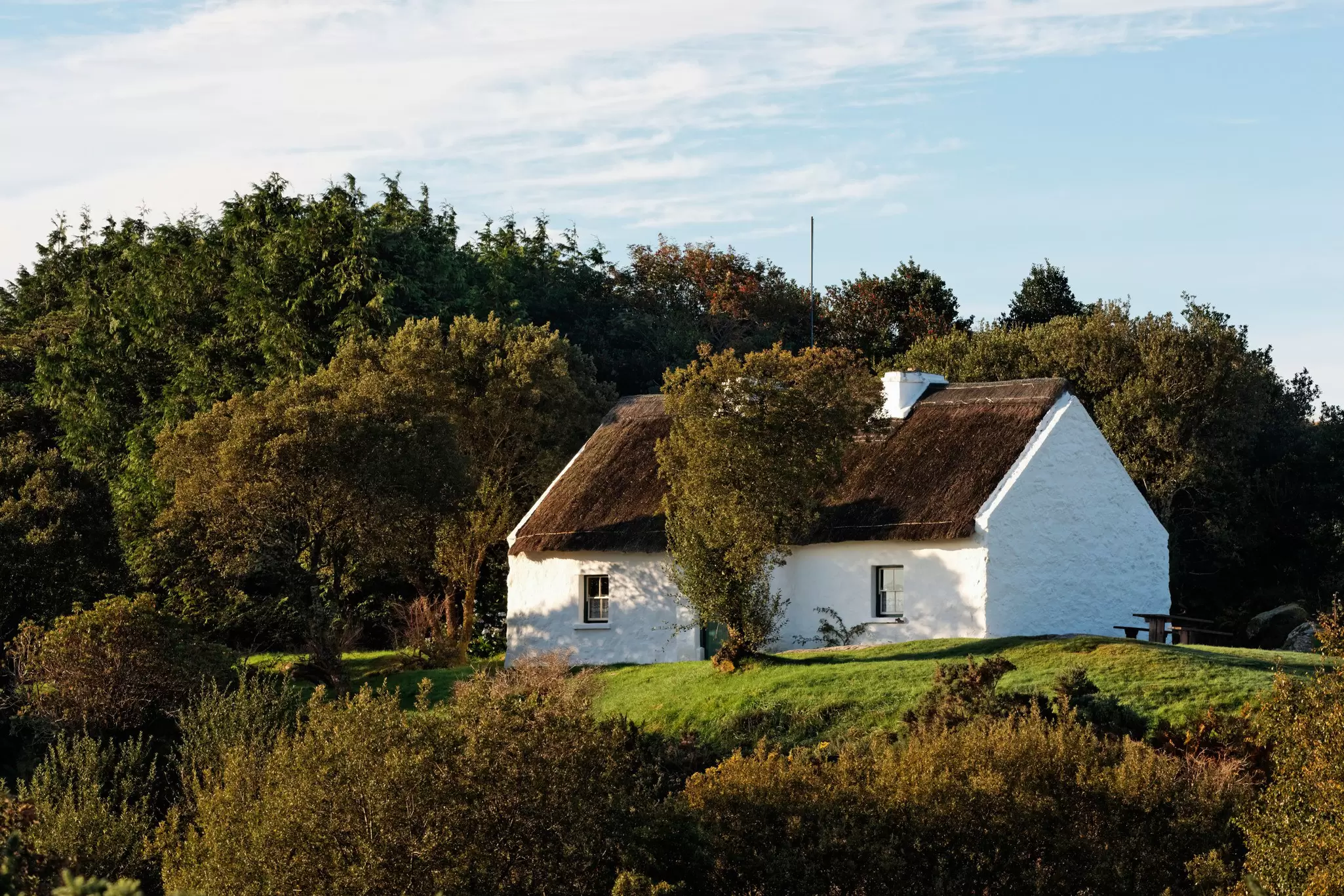
Connemara’s greatest asset is not just its geology, but its people. About 60% of the UNESCO geopark lies within a Gaeltacht area where Irish remains a living language. Stepping into a fireplace-lit pub in the evening may reward you with an impromptu traditional music session at Tí Bhúrca’s in Clonbur, where fiddlers, tin whistle players and singers gather.
Don’t miss: Spend an hour browsing a village book shop like Books at One Letterfrack or the Clifden Bookshop; the stories behind the pages are the best souvenirs you can find.
Local Food and Restorative Traditions
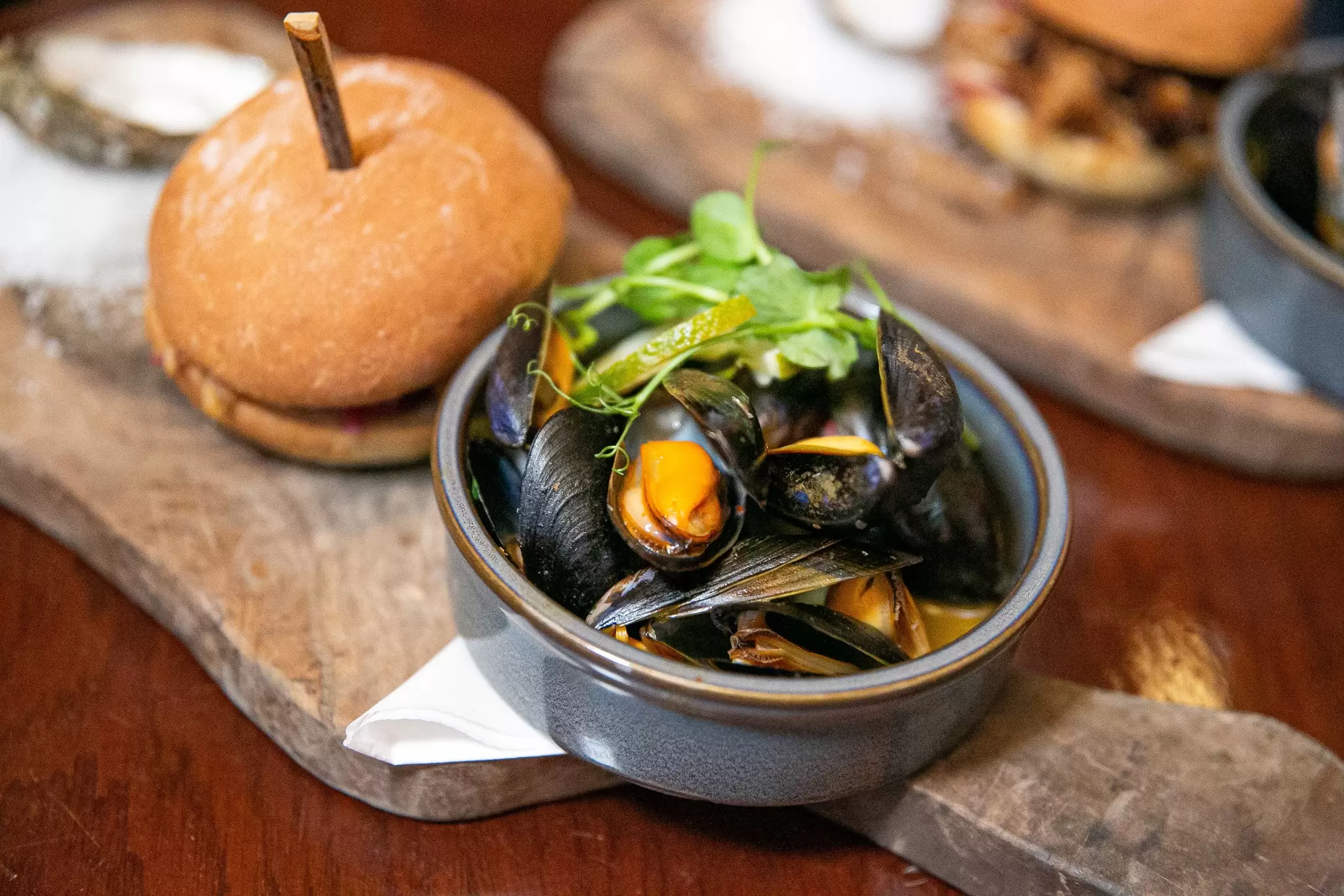
The cold, sheltered waters of Killary Fjord and neighboring Ballinakill Bay support a thriving shellfish industry, from rope-grown mussels to Connemara oysters. DK Connemara Oysters runs farm tours and tastings in Ballinakill Bay, where oysters have been cultivated since 1893. Afterward, discover a unique wellness heritage by booking a Connemara seaweed bath. Soaking in hot Atlantic seawater infused with hand-harvested seaweed is a traditional Connemara way to ease tired muscles after a day exposed to the elements.
Don’t miss: The changing menu at Little Fish Cafe in Cleggan might include Killary mussels, crab and lobster rolls.
Towns to Combine with Your Journey
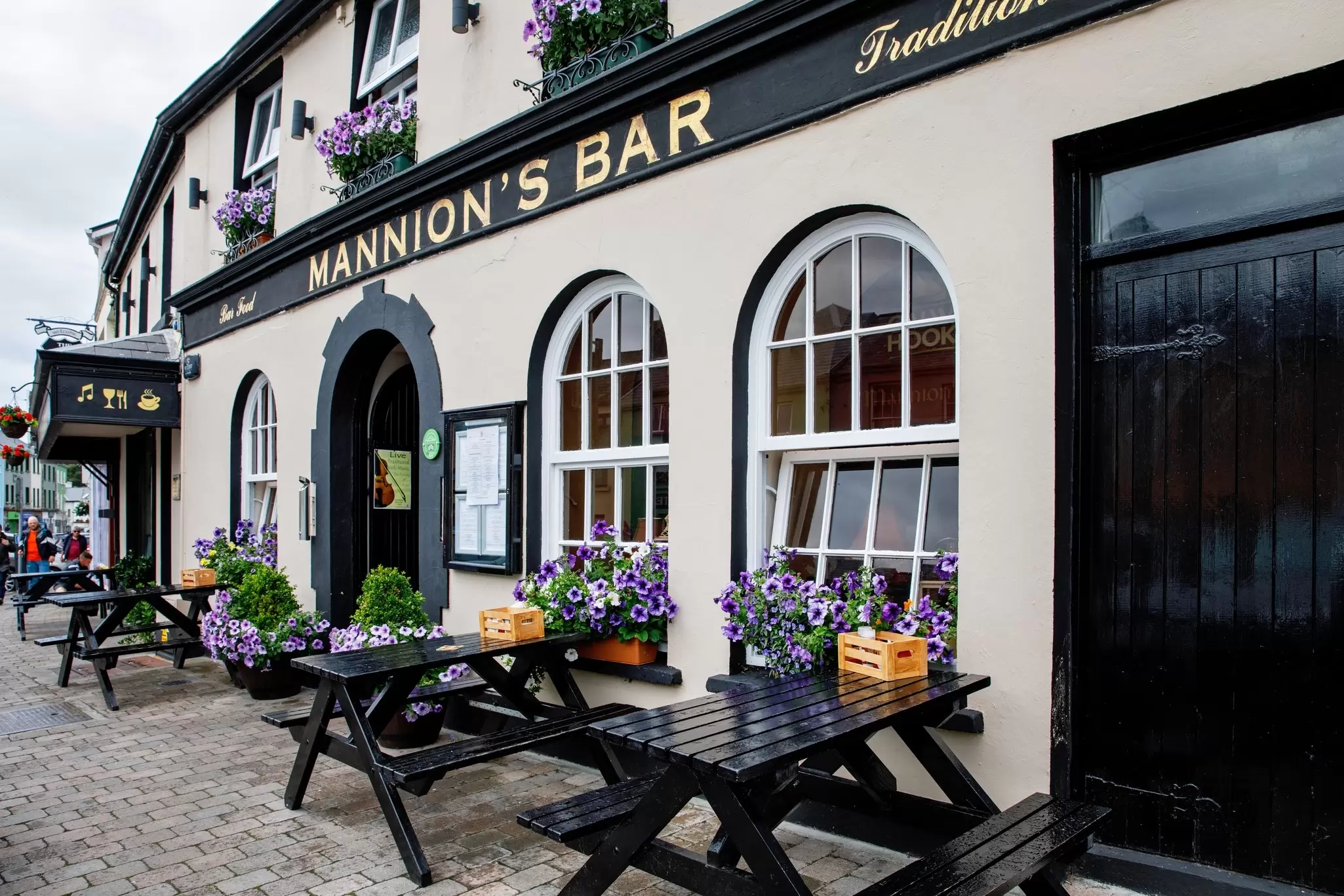
Combine your time at Killary Fjord with visits to the distinct towns and villages nearby, as each offers a different window into Connemara life.
Leenane: Right at the head of Killary Fjord and framed by mountain passes, this ridiculously pretty hamlet is ideal for walking the shoreline, adventure centers, and pints by the water. Stay at Hotel Leenane for those fjord views.
Letterfrack: This vibrant village is situated right at the entrance of Connemara National Park. Hiking trails, including all-access and sensory trails, the Connemara Pony Heritage Centre, Kylemore Abbey and lively music sessions are all on your doorstep.
Clifden: The capital of Connemara has colorful shopfronts, good places to eat, craft shops and is the starting point for the famous Sky Road.
Don’t miss: Take the scenic coastal drive down to Roundstone; its brazenly colored streetscape, white-sand beaches and atmospheric fireside pubs offer a contrast to the larger hubs. Try seafood at O’Dowds.
How to Plan Your Slower Exploration
To get the most out of this territory, allow yourself several days with a fluid itinerary. Consider visiting during the shoulder or off-peak seasons—such as autumn or early spring, when the roads are quieter, the light is exceptionally theatrical, and the welcome in the villages is even warmer.
Crucially, maintain total flexibility around the tempestuous Irish weather; if a mist rolls in, pivot your plans from a high ridge hike to a cozy afternoon by a turf fire. Traveling this way encourages you to slow down and leave plenty of empty spaces in your schedule for Instagrammable valley views, or the sound of a corncrake in early summer.
Book your Ireland trip with Lonely Planet Journeys
See Ireland how it's meant to be seen
Accommodations, activities and ground transportation all taken care of, so you can focus on the fun part. Tell us what your dream trip to Ireland looks like, and our local experts will build it from scratch. Or start with one of our itineraries and make it your own.