Jul 31, 202610 min read
17 Things to Know Before Visiting ChicagoJun 2, 2026
9 MIN READ
Contributors
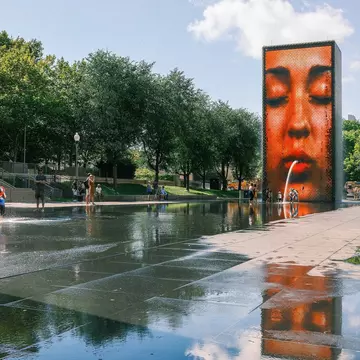
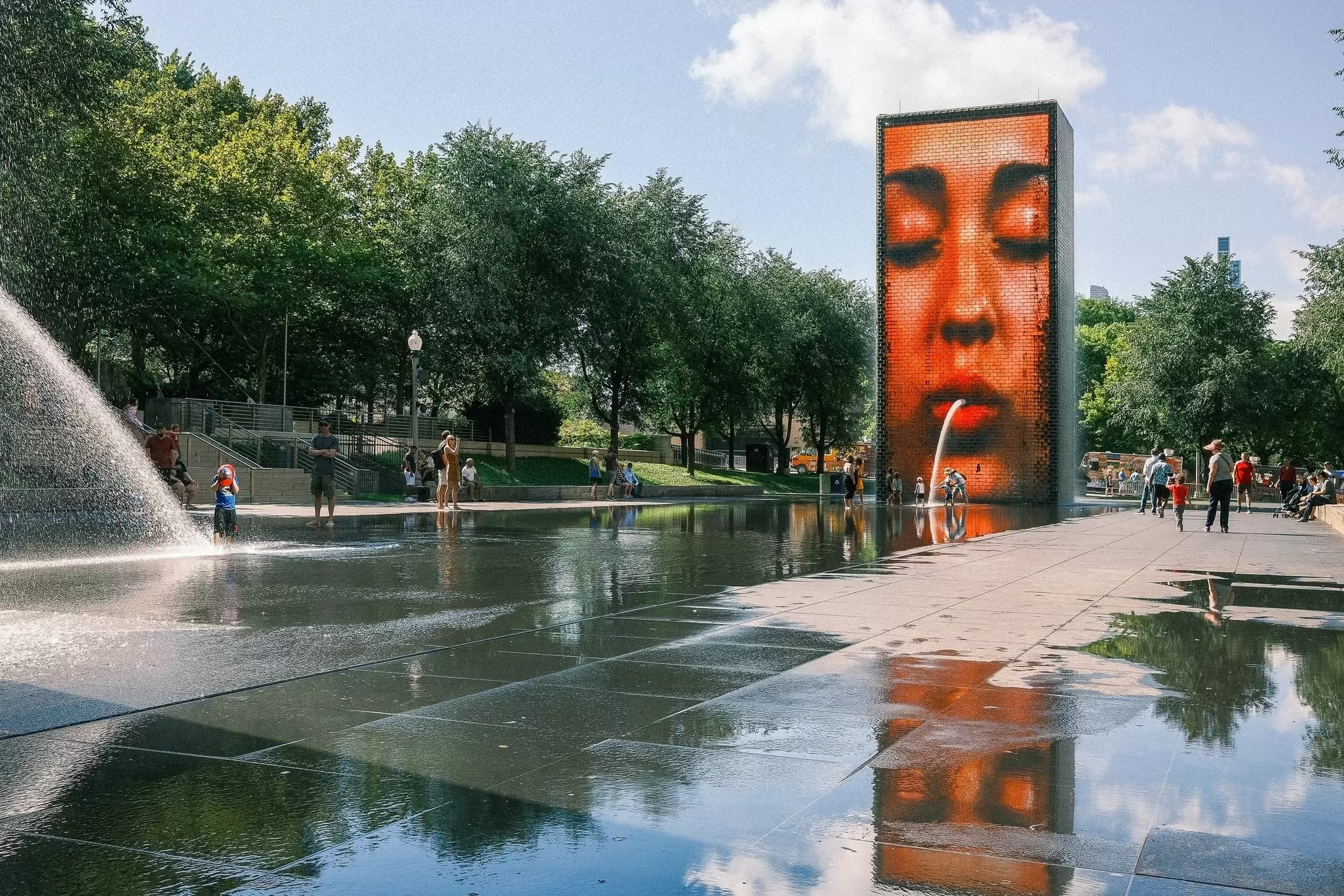
The Crown Fountain in Millennium Park, Chicago. MattariStudio/Shutterstock
Contributors

Ximena N. Beltran Quan Kiu, Lonely Planet Editors
Lonely Planet may earn a commission from affiliate links on our site. All recommendations and reviews reflect our own independent opinions.
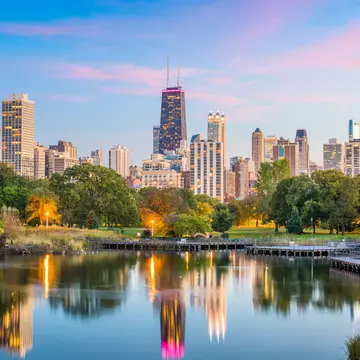
No matter what kind of vacation vibe you want to roll with, Chicago can cater to it. Whether you want to wander around iconic sites like the Art Institute of Chicago, the Picasso sculpture and Navy Pier or enjoy a quieter trip to chiller parts of the city such as the North Side’s Andersonville, the Windy City will feel like your own sweet home before long.
If your schedule and budget allow, spend at least 3 days in Chicago so you can experience different sides of the city without feeling rushed. You can easily go all out at fancy hotels and world-class restaurants but the city is also packed with fun free things to do and beautiful parks and festivals that don't cost a cent to enjoy.
Sometimes the trickiest part of planning your trip is knowing where to begin when the options are endless. Relax and start dreaming of days in the Windy City – these are the top things to do in Chicago.
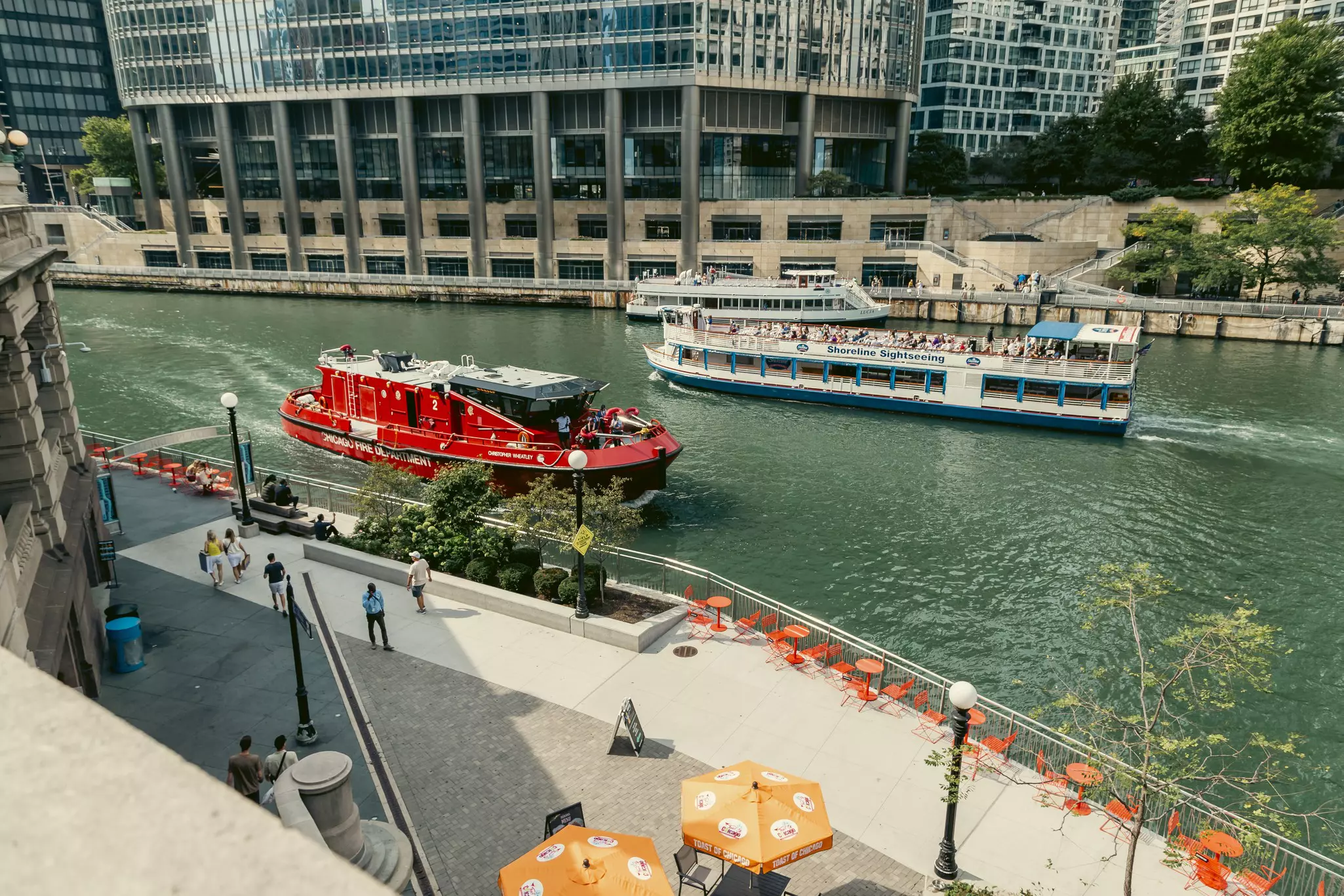
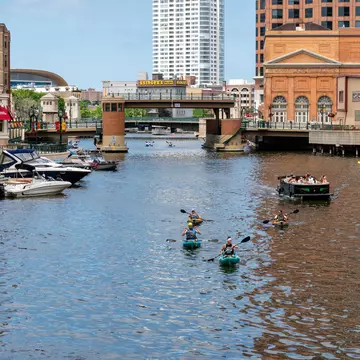
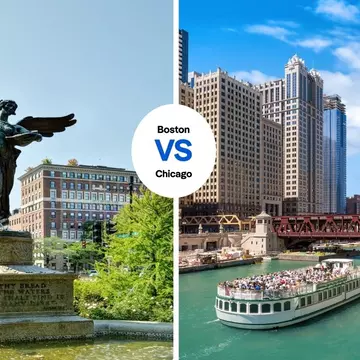
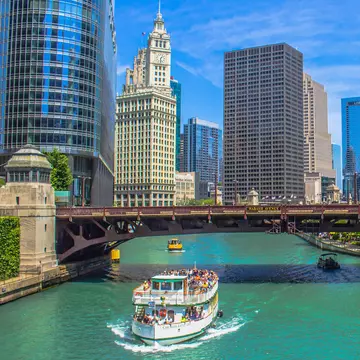
Taking a cruise along the Chicago River is a wonderful way to see the skyline and learn about this vital urban waterway. One of the most popular options is the one operated by the Chicago Architecture Center that offers a fascinating insight into the construction and history of some of the city's most iconic buildings. You don't need to be an architecture buff to enjoy this trip down the river – expert guides share wonderful stories about the history and culture of the city, and the people responsible for its growth and progress.
Planning tip: This is routinely voted as the best boat tour in the US, and tickets get snapped up quickly, especially during peak season. Book in advance to avoid disappointment and arrive 30 minutes before your sailing time.
The Violet Hour is said to be the birthplace of craft cocktails in Chicago, and no visit to the city is complete without a drink at this OG speakeasy. If the yellow light is on, it’s open. Step through velvet curtains and into an upscale cocktail bar from a different era. Be sure to keep your phone on silent and dress smartly to ensure admittance.
But competition is fierce for the title of the ultimate cocktail experience in Chicago, and The Aviary, which offers complex molecular drinks alone or paired with small plates with complex presentations, offers stiff competition. It’s part of the Michelin-starred Alinea Group, and so is The Office speakeasy below it.
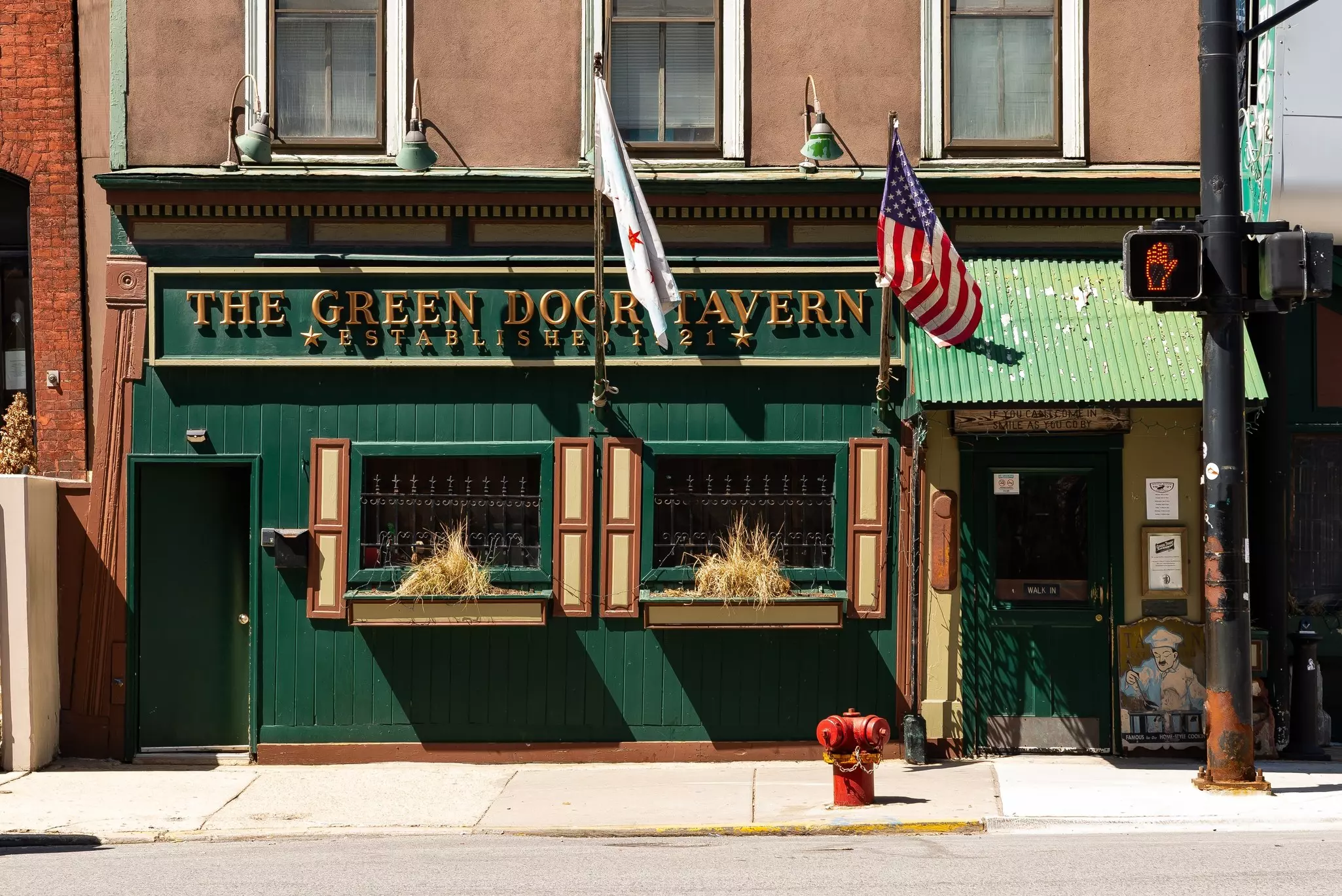
If you can’t get enough of Chicago’s speakeasies, add The Drifter and Lady Bird to your list. The Drifter is located on the lower level of River North’s iconic Green Door Tavern, the city’s oldest drinking hole. Find the entrance en route to the bathroom behind a bookshelf. And the best part? There's live entertainment nightly from Wednesday to Saturday (expect to pay a cover). Lady Bird is nestled in the basement of the Hoxton, in the West Loop. The low-lit bar features live music (jazz, soul and rock) Thursday through Saturday and evokes feelings of 1960s glam.
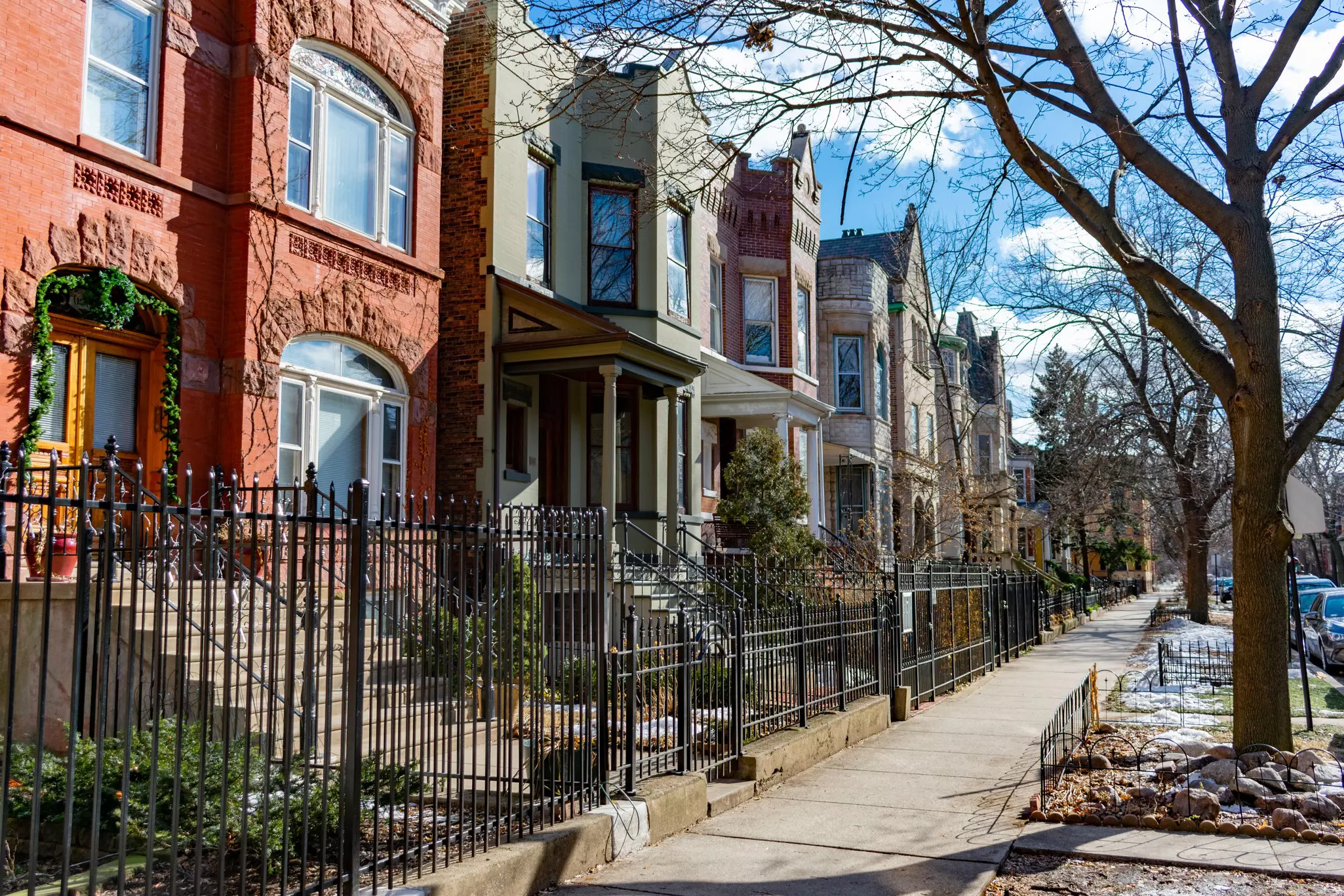
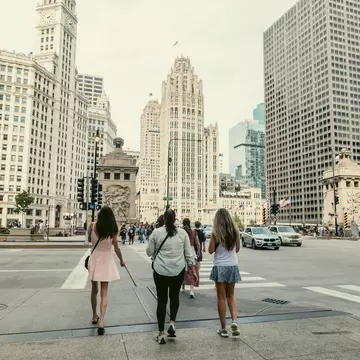
Chicago is a vibrant collection of neighborhoods. To really experience the city like a local, go beyond the Loop, avoid Michigan Ave and support local neighborhood stores that reflect the city’s diverse makeup.
Andersonville sits on the North Side and has intriguing Swedish roots. The Clark St passage between Foster and Bryn Mawr is littered with nostalgic shops that give off Wes Anderson vibes, while Wicker Park and Bucktown tailor their scenes to local hipsters and young families.
End your retail tour in Hyde Park, home to Michelle and Barack Obama (when they’re in Chicago). The Silver Room is a must – this Black-owned store features various products that put Black culture and Black artisans in the spotlight.
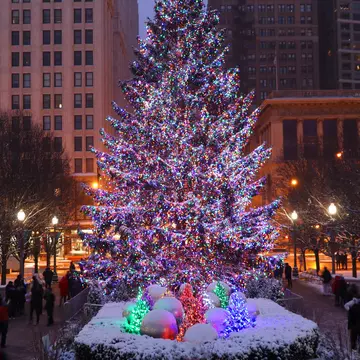
Planning tip: Michigan Ave is touristy and big-brand oriented, but it's worth visiting between Thanksgiving and Christmas for its seasonal decorations and festive storefronts.
Some of the most prominent magicians in the industry reside in Chicago, and it’s no wonder the city has become a hub for a burgeoning magic scene.
In the Loop, spectators can get dolled up for an intimate night of magic with Dennis Watkins, a third-generation magician, at the opulent Palmer House Hilton – dress well, as cocktail attire is encouraged.
If you prefer something more laid-back, head north to the Chicago Magic Lounge. In true magical fashion, the entrance is disguised as a laundromat. Step through the portal to find a host ready to guide you to a show or the bar, where the bartenders serve up close-hand magic alongside delicious drinks.
No musical genre is as closely tied to Chicago as the blues – the electric blues, to be more precise. When Muddy Waters and friends plugged into their amps in the 1950s, guitar grooves reached new decibel levels, and the Chicago blues scene was born.
You can still hear the real deal in clubs around town, such as Buddy Guy's Legends, where the icon himself takes the stage every January, or Rosa's Lounge, where the vibe is a bit more down and dirty. Held in Millennium Park in June, the Chicago Blues Festival attracts top talent.
Planning tip: The blues paved the way for rock and roll, and you'll find cool little venues hosting edgy indie bands on many a street corner. Thalia Hall, Hideout and Reggies are good places to start.
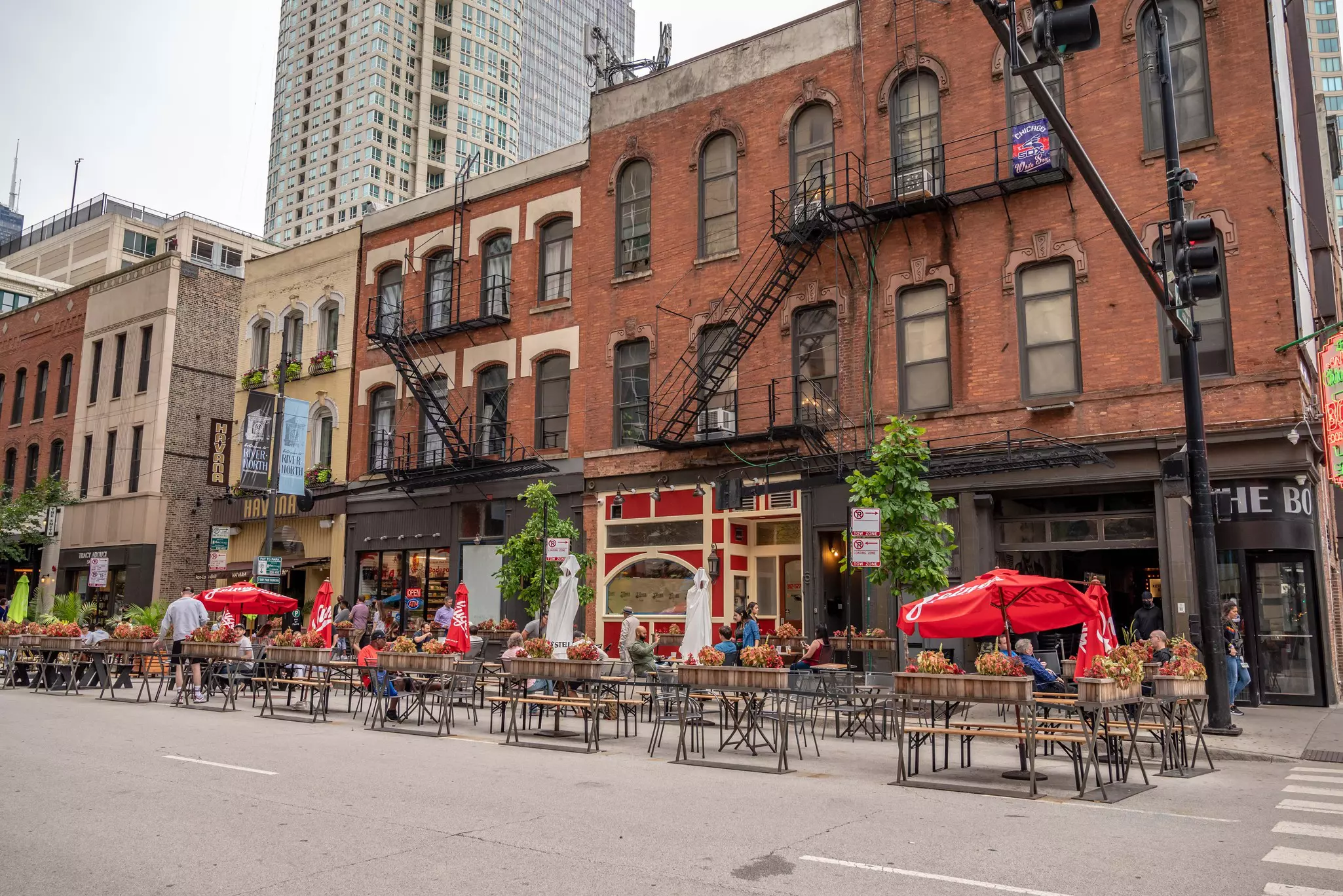
Over the years, Chicago's reputation as a culinary destination has flourished thanks to local chefs such as Grant Achatz, Rick Bayless, Stephanie Izard, Erick Williams, Bill Kim and Carlos Gaytan. For high-end dining, head to the West Loop and take your pick of top culinary artists, Beard winners and Michelin-starred chefs.
Joe Flamm’s Rose Mary, an Italian-Croatian restaurant, is one of the city’s hot spots, Gibson’s Italia serves perfect Florentine steaks to the power dining crowd, and The Publican delivers top-notch brunch. Classics that wow include The Girl & The Goat and Frontera Grill. Head to Hyde Park for James Beard award-winning new Southern cuisine at Virtue, an Obama favorite.
"At Carmine’s, you can’t go wrong with a big pasta dish to share," says Chicago Bandits pitcher Odicci Alexander. "It’s that classic comfort, family-style vibe that always hits after a long day in season." Carmine's has locations both in Chicago and Rosemont, near the Bandits' stadium.
"I’m always getting tacos at Cilantro, too," Alexander says. "It’s simple, fresh and full of flavor. It’s one of those easy spots that never disappoints when you just want something quick but good."
To celebrate a special occasion, book a reservation at Grant Achatz's restaurant Next, where the concept, decor and menu change completely a few times a year.
If you’re visiting Chicago on a budget, head to the Athenian Room in Lincoln Park for the chicken kalamata (a Tina Fey favorite). Lou Malnati’s Pizza makes the city’s favorite deep dish pies. Try Oasis in the Loop for Lebanese fare or Aguascalientes in Little Village for Mexican fare.
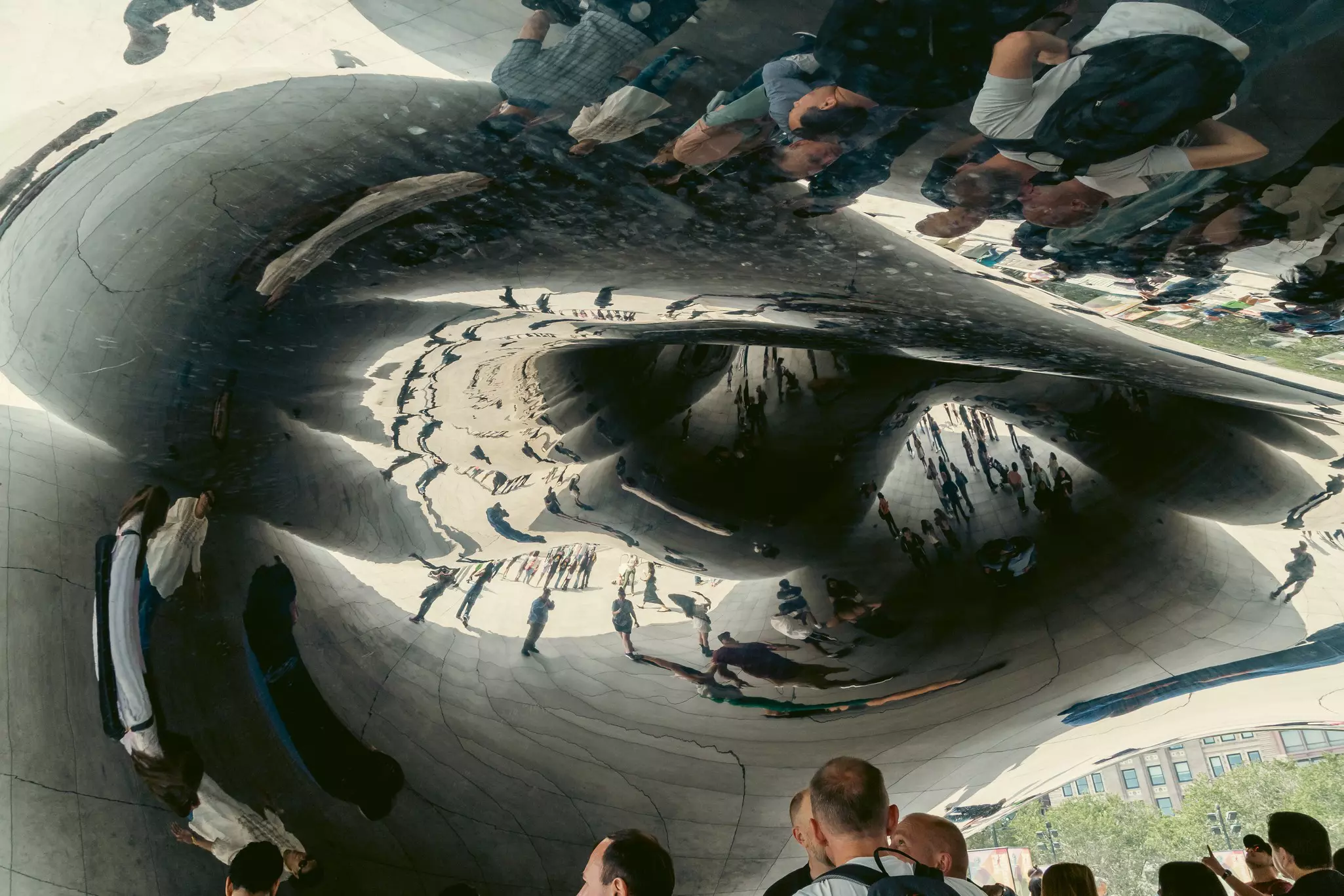
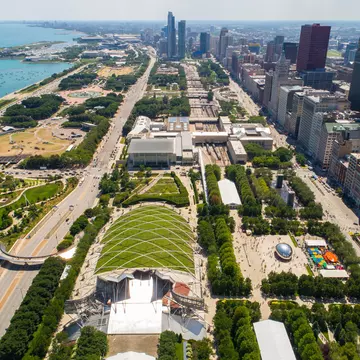
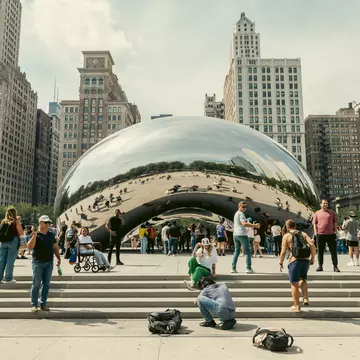
In the playful heart of Chicago, Millennium Park shines with whimsical public art. Go ahead, walk under Anish Kapoor's Cloud Gate – aka "the Bean" – and touch its silvery smoothness. Let the human gargoyles of Jaume Plensa’s Crown Fountain shower you with water to cool down in summer or unfurl a blanket at Pritzker Pavilion, the Frank Gehry-designed swooping silver band shell, as the sun dips and gorgeous live music fills the twilight air.
Planning tip: Check out the schedule of free summer concerts from June to August – jazz and world music on Mondays and Thursdays and classical music on Tuesdays, Wednesdays, Fridays and Saturdays.
Want to know all of the city's history and secrets? Take a guided tour with a renowned local historian to uncover lesser-known facts and all sorts of insider information that will help you win Trivia Night back home.
Sherman "Dilla" Thomas is a wonderful advocate for his home city, and there ain't nothing about Chicago that this man doesn't know! His company, Chicago Mahogany Tours, leads walks and bus tours through the city's neighborhoods and imparts fascinating insight into the history and people that keep the Windy City thriving.
Planning tip: These tours book up fast – book well ahead of your arrival in Chicago to ensure you snag a spot.
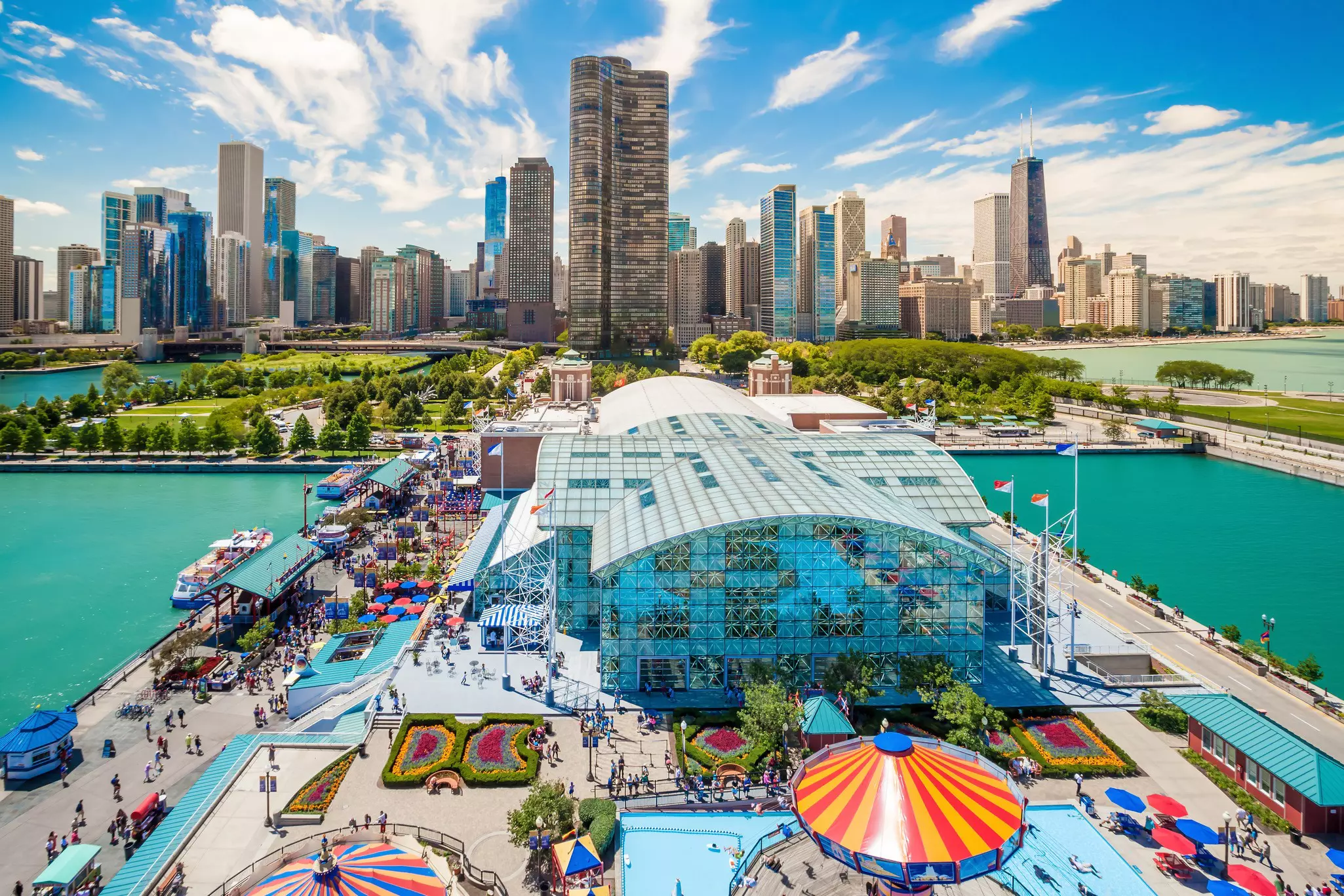
Stretching away from the skyline and into the blue of Lake Michigan, the half-mile-long Navy Pier is one of Chicago’s most visited attractions. Its charms revolve around the cool breezes and sweet views, especially from the vertigo-inducing, 196ft-tall Ferris wheel. High-tech rides, splash fountains, big boats and sugary snacks blow the minds of young ones.
Live music, Shakespearean theater and whopping fireworks displays entertain everyone else. A smart renovation has added public plazas, performance spaces, art installations and free cultural programming.
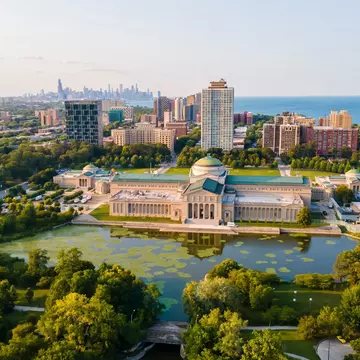
The DuSable is the oldest independent African American museum in the United States. It tells the story of the Black American experience through notable people and events.
Exhibits have celebrated Chicago’s first Black mayor, Harold Washington, showcase art collected by the publisher of Ebony and Jet magazines, and offer scenes from the civil rights movement. Since it’s a nonprofit museum, admission is free, though donations are appreciated.
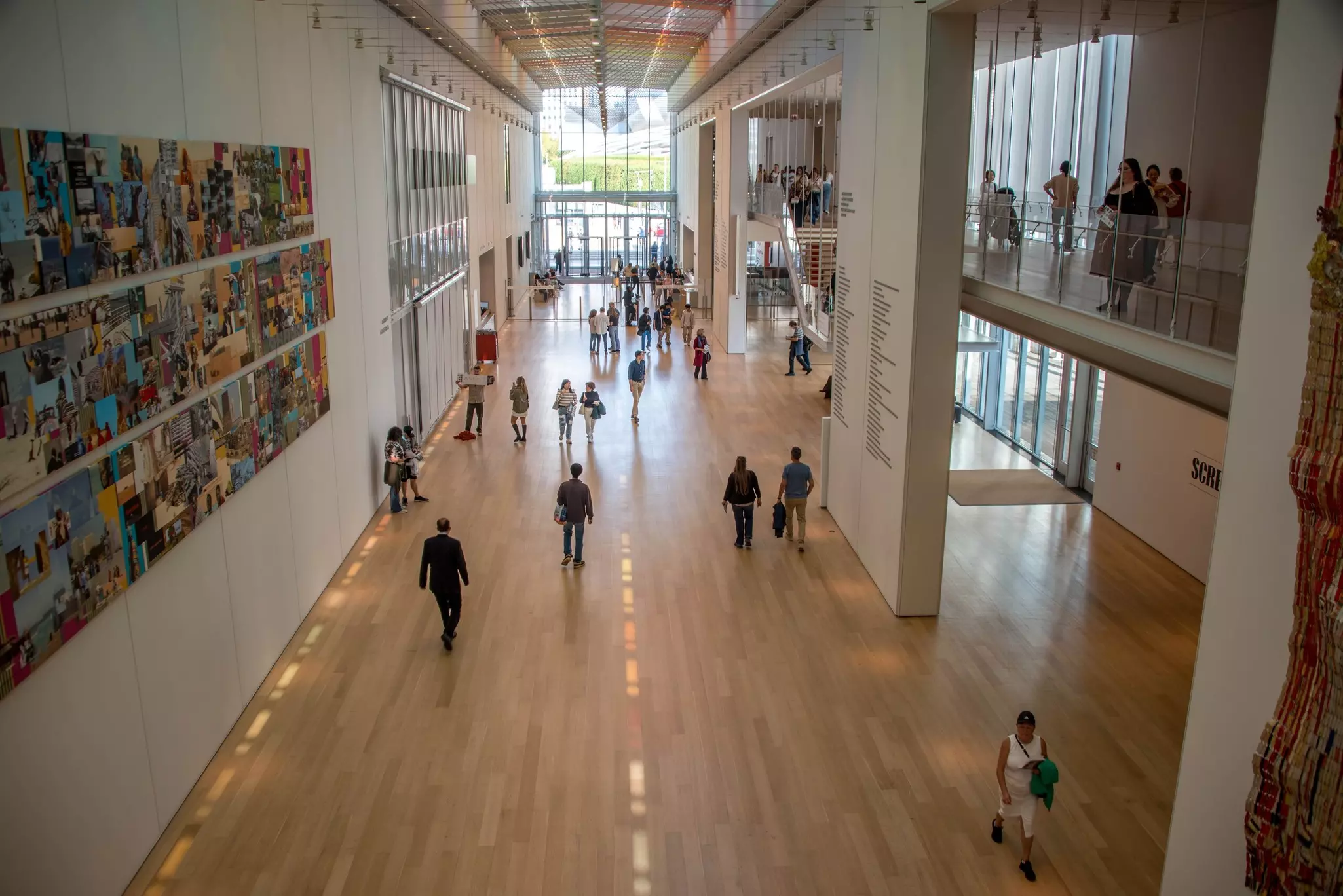
The Art Institute of Chicago is one of the most beloved places to visit for locals and the city’s top attraction for visitors. Even if you have just a couple hours to spare, a visit is well worth your while.
The museum features many famous paintings, including modernist works by Mondrian and Georgia O’Keeffe, as well as dreamy impressionist paintings by Monet and Matisse. If the weather is warm, take a break in the garden cafe before going back to join one of the free art workshops or tours. Be sure to snap a souvenir photo by one of the lions that guard the front entrance.
A group of jokesters began performing intentionally unstructured skits in a Chicago bar a half-century ago, and voilà – improv comedy was born. Located in historic Old Town, the Second City still nurtures the best in the biz, though several other improv theaters also work from booze-fueled suggestions that the audience hollers up.
Among the city's 200 theaters are powerhouse drama troupes such as Hollywood-star-laden Steppenwolf, the Black Ensemble Theater and heaps of fringey, provocative "off-Loop" companies, such as The Neo-Futurists.
Book your United States trip with Lonely Planet Journeys
See United States how it's meant to be seen
Accommodations, activities and ground transportation all taken care of, so you can focus on the fun part. Tell us what your dream trip to United States looks like, and our local experts will build it from scratch. Or start with one of our itineraries and make it your own.

Explore related stories